Nelson Mandela Cruise Terminal
Prize(s):
WINNER 2026 ARCHITECTURE / Public building Architecture
Company Name:Elphick Proome Architecture
Lead Designer(s) Name(s): George Elphick, Greg Gordge
Design Team / Other designer(s):Associate Architects: Vusa Collaborative | Urban Designers: GAPP Architects / Urban Designers
Architecture Firm:Elphick Proome Architecture
Interior Designer:_Novospace
Construction Company:Stefanutti Stocks Building KZN
Lighting Design:ARUP (Pty) Ltd
Client Name:Kwazulu Cruise Terminal (Pty)
Photo Credit:Karl Beath Photography, Maxine Elphick Photography
Project Location:Durban Harbour, KZN, South Africa
Design Status:Completed
Website: View
Project Description:
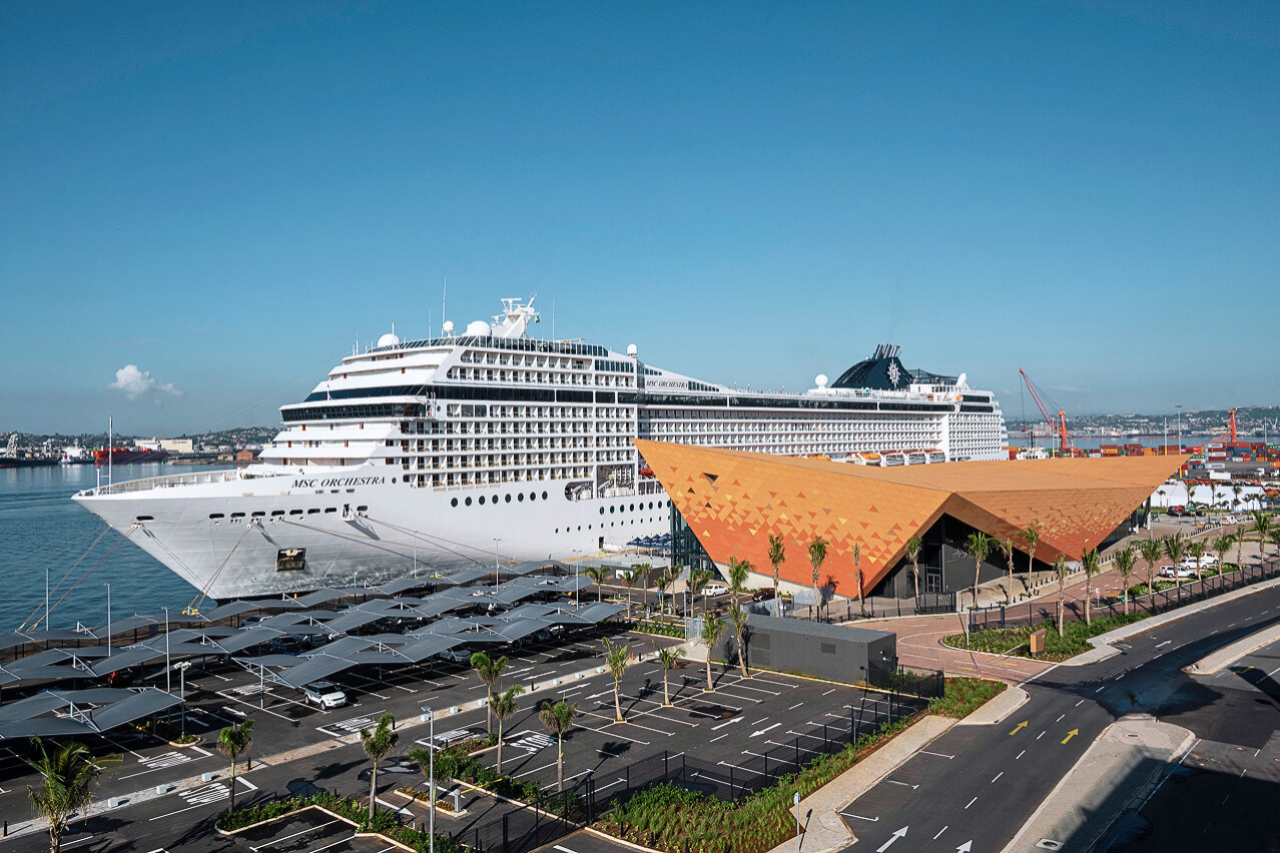
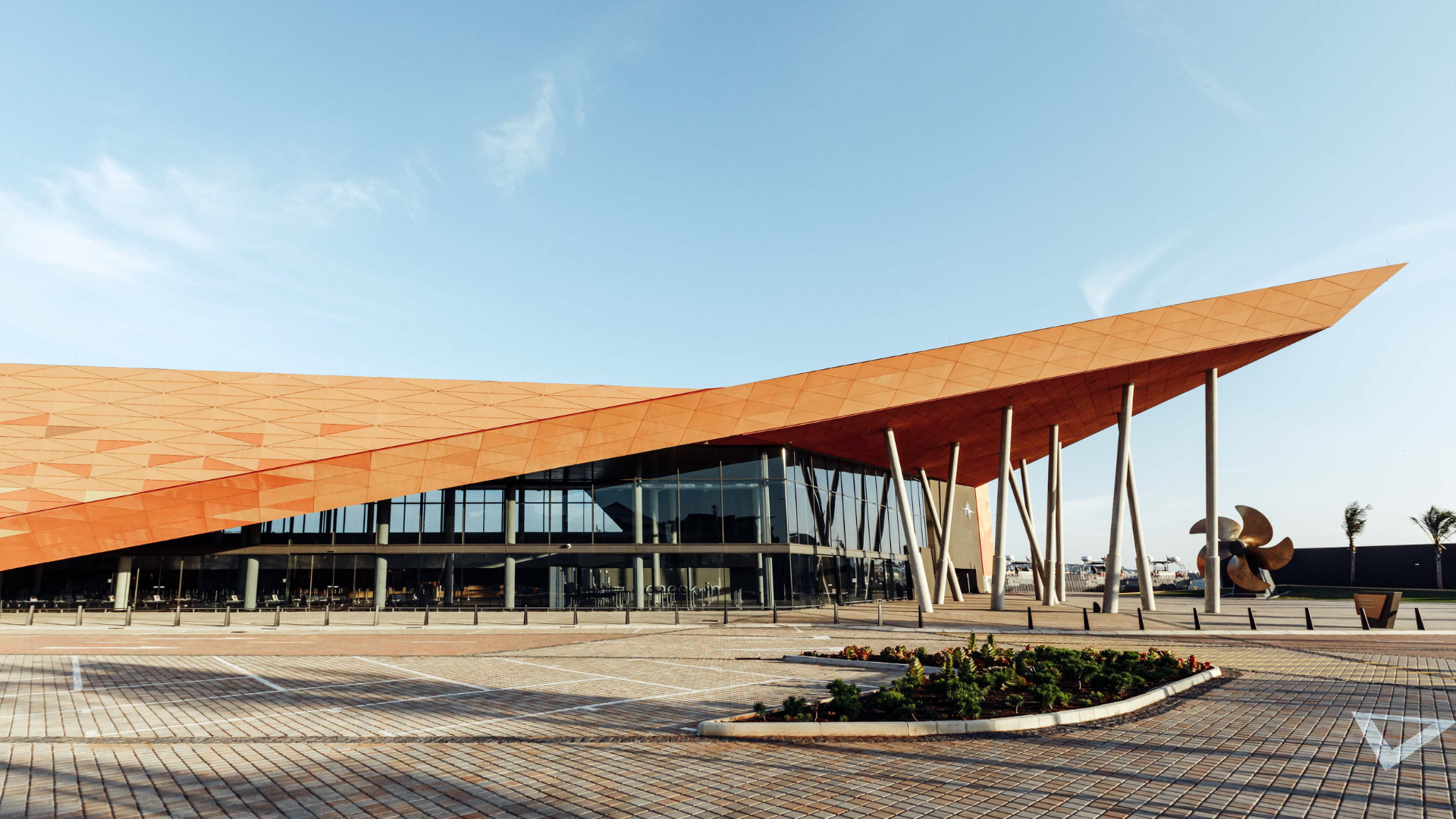
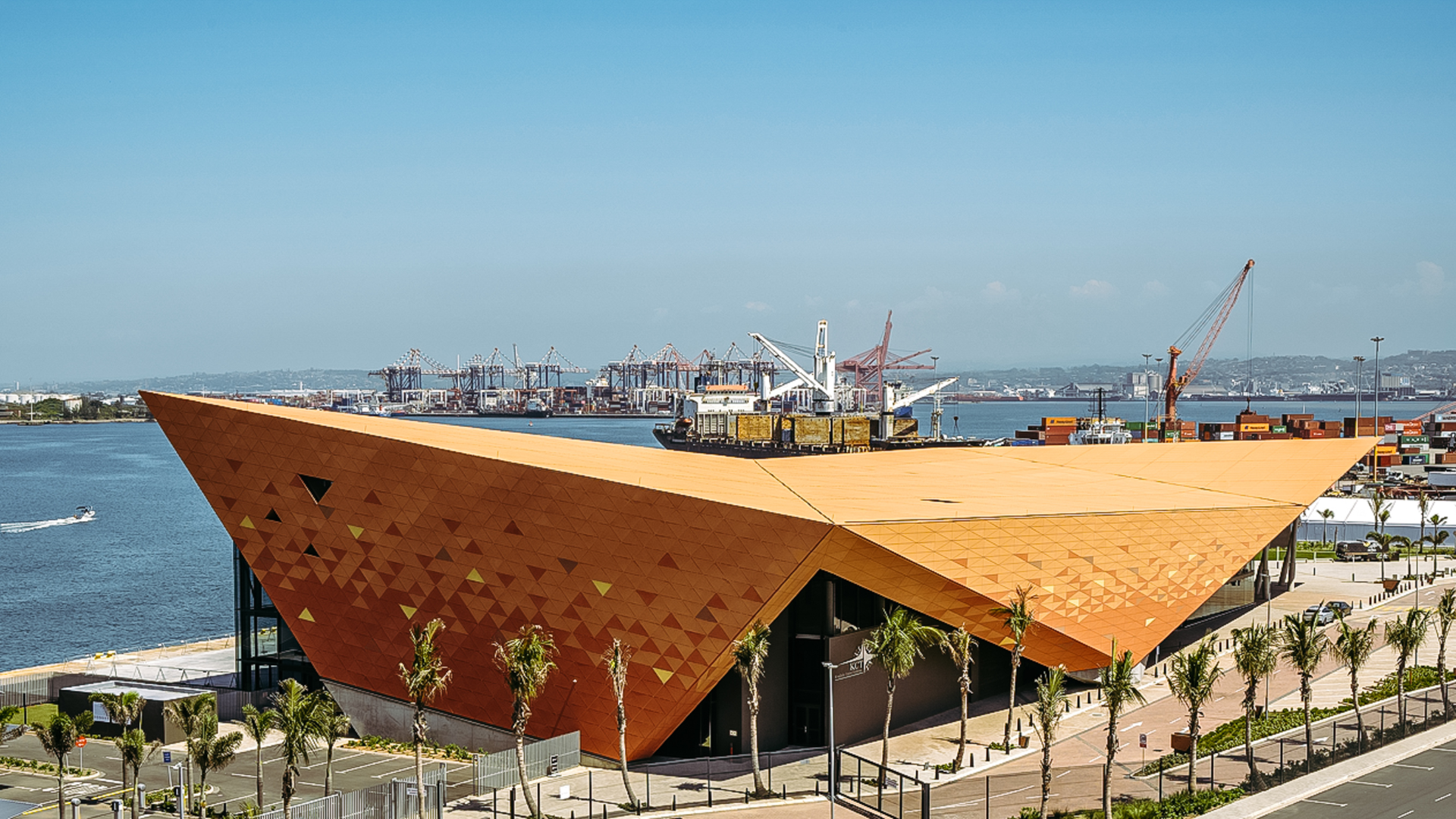
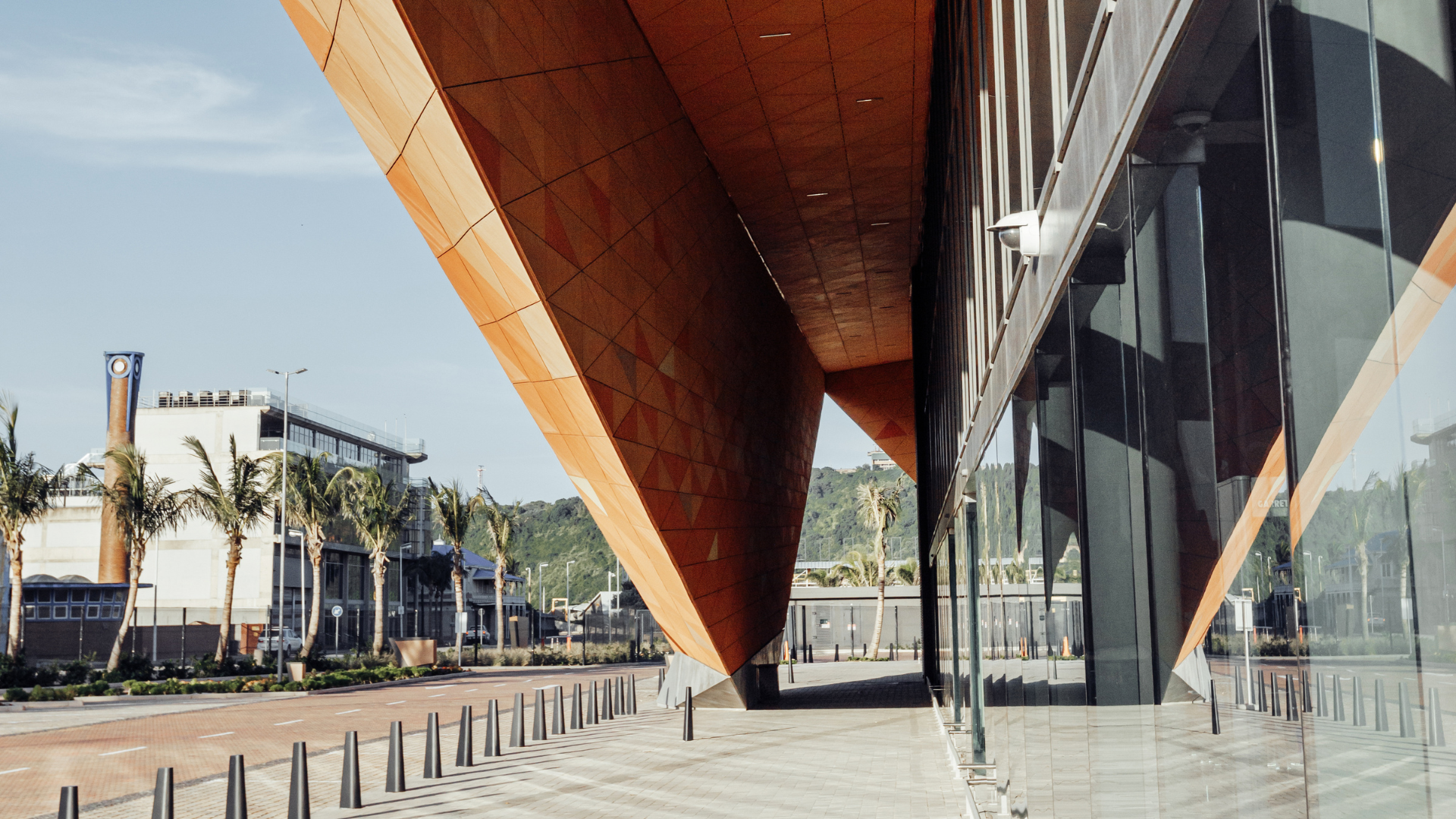
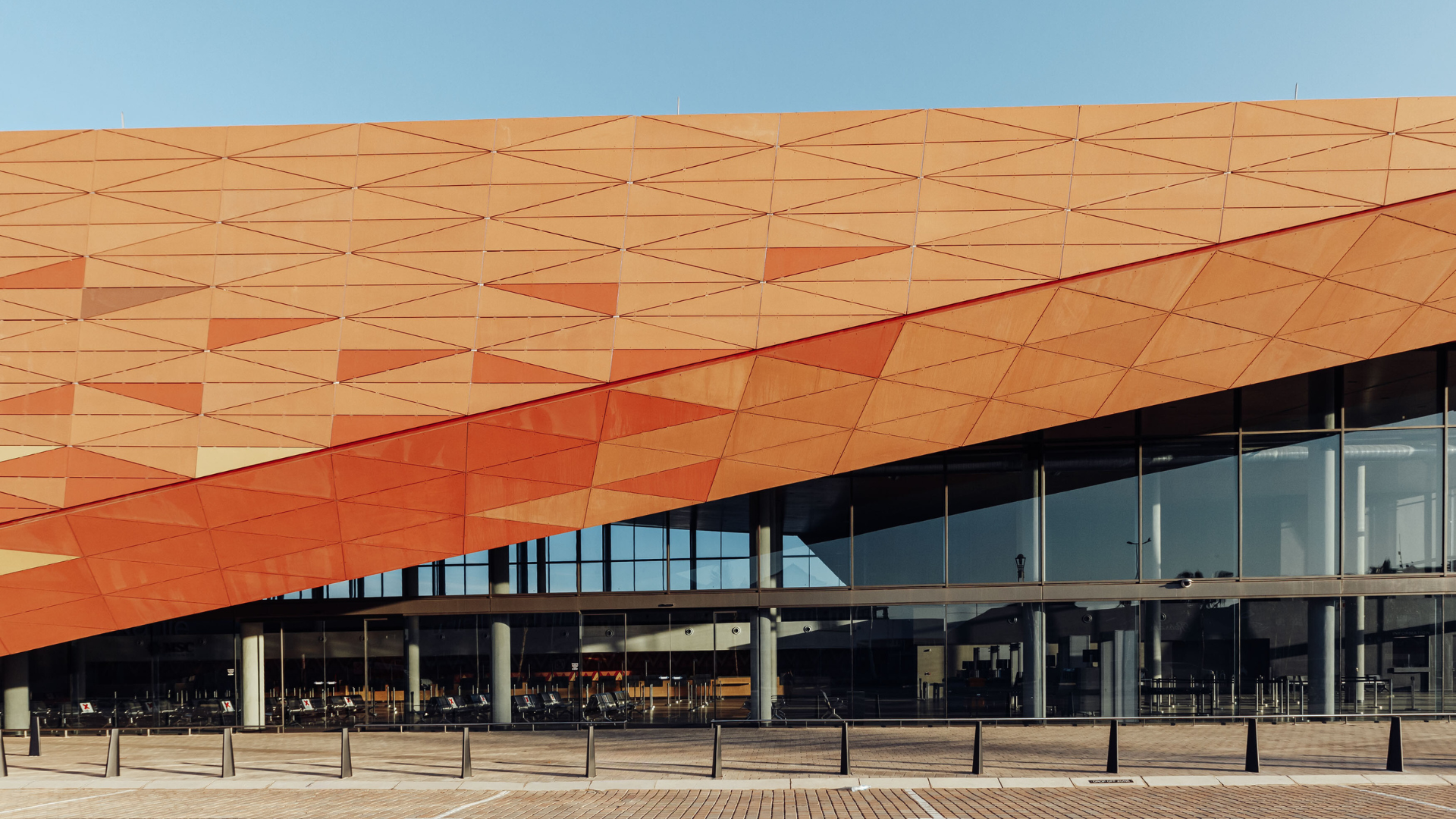
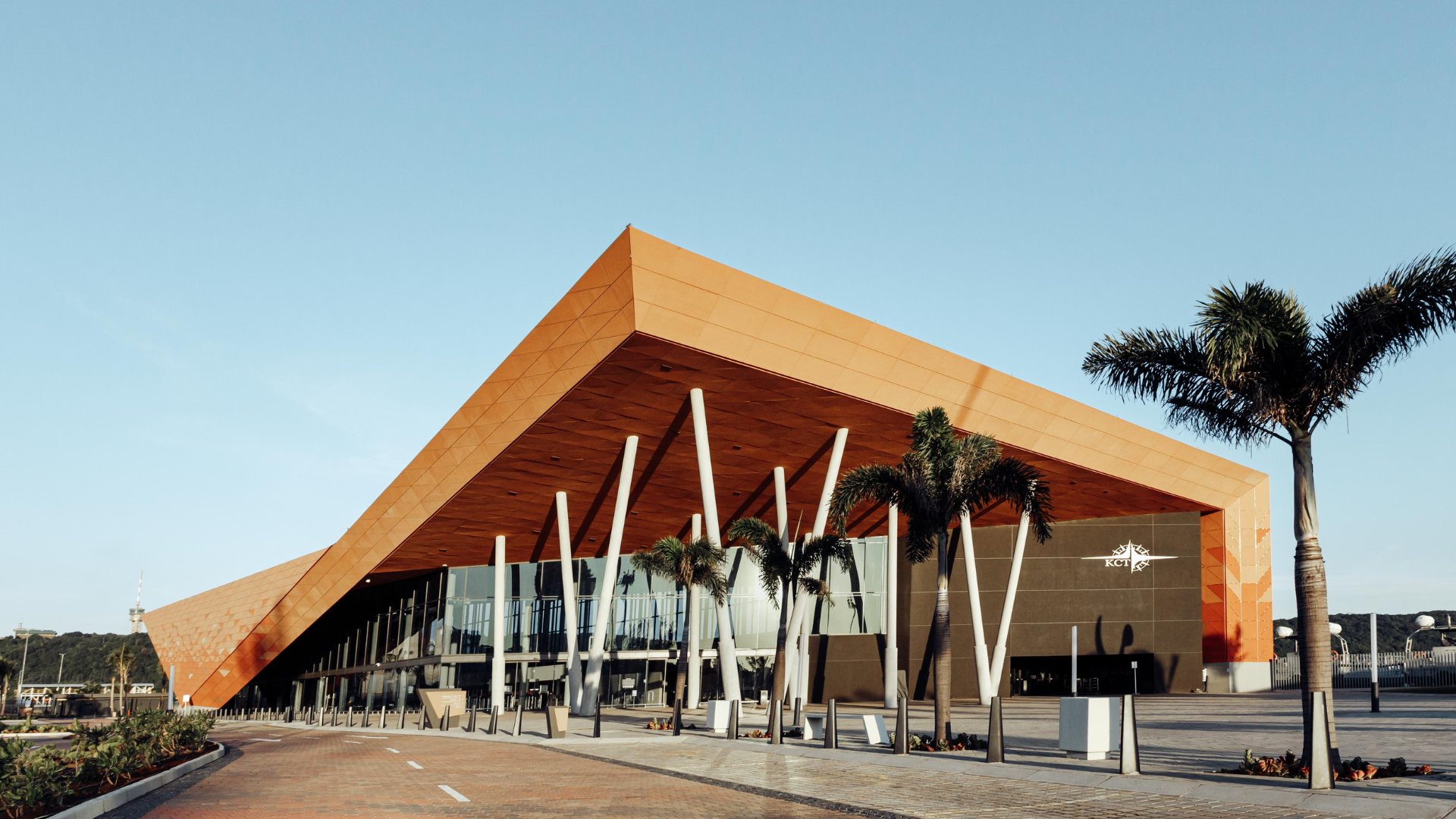
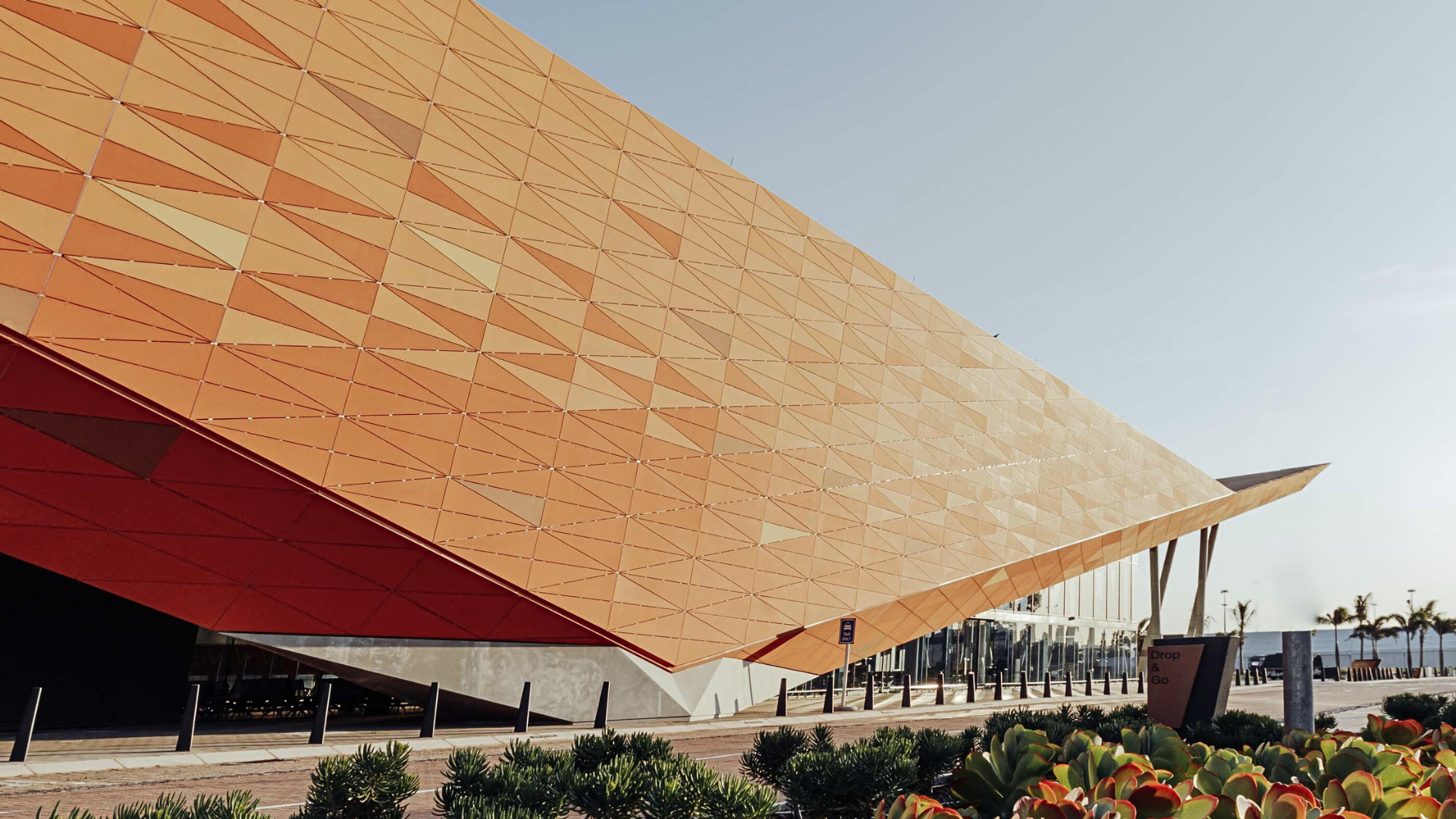
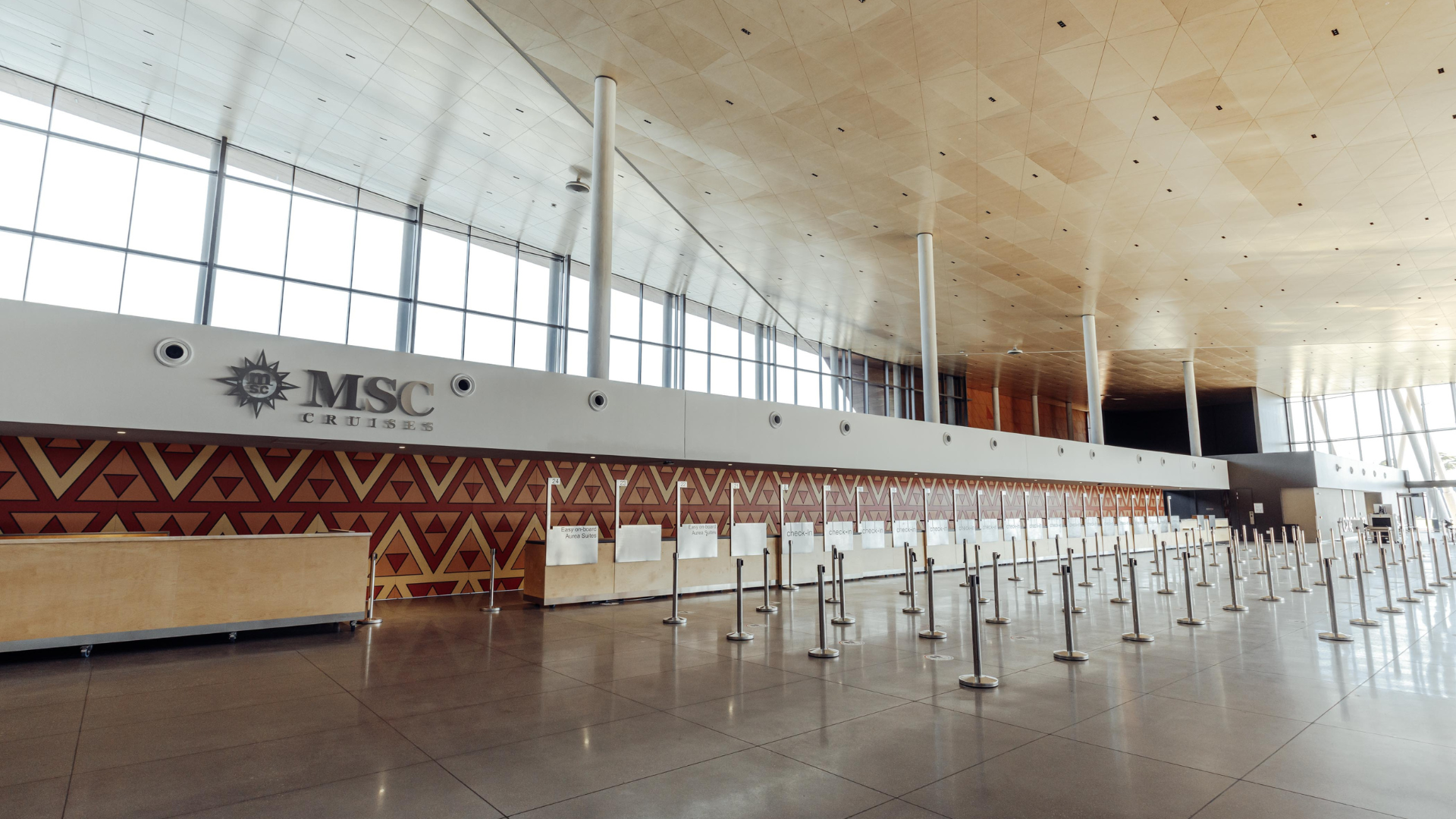
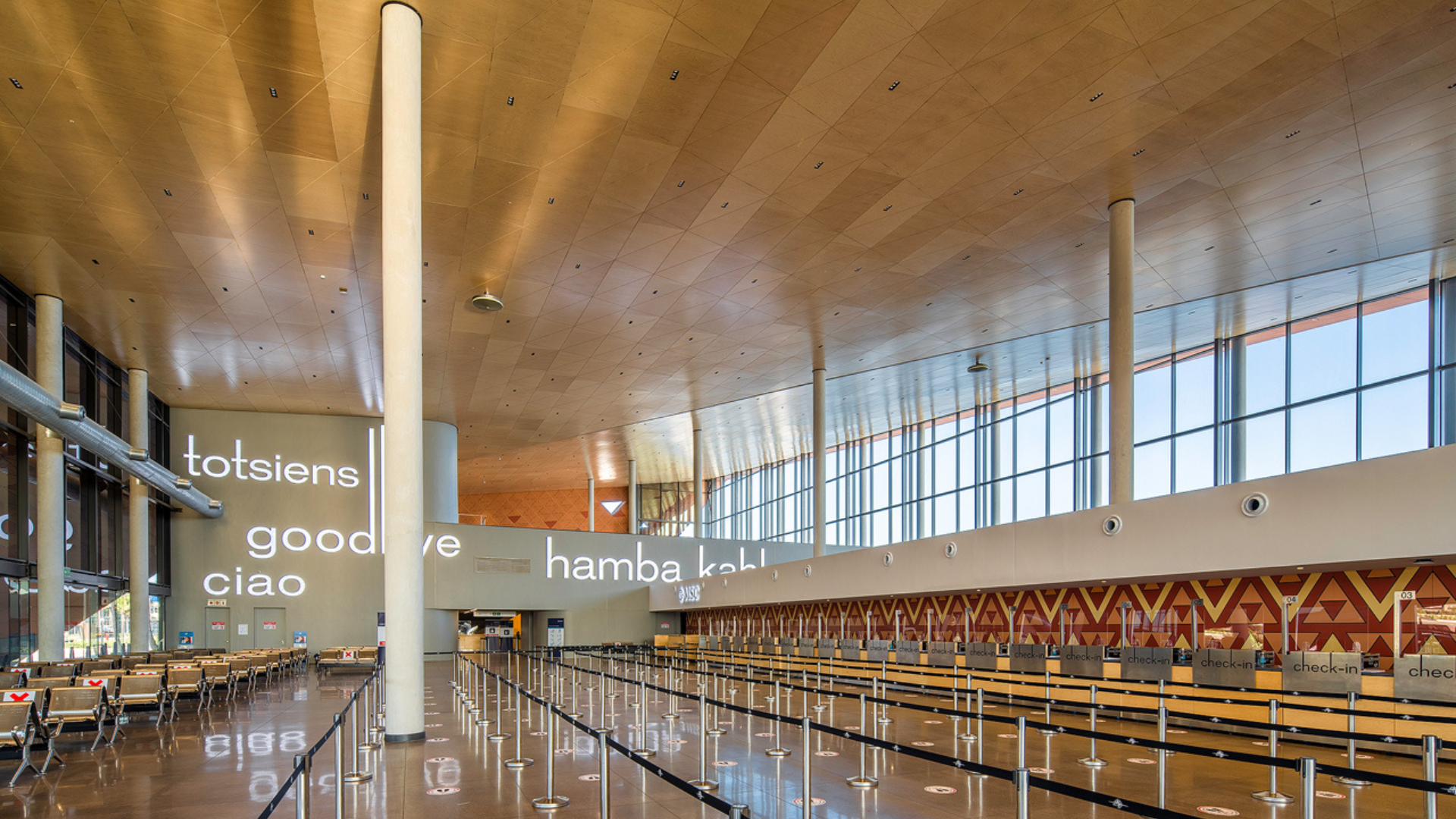
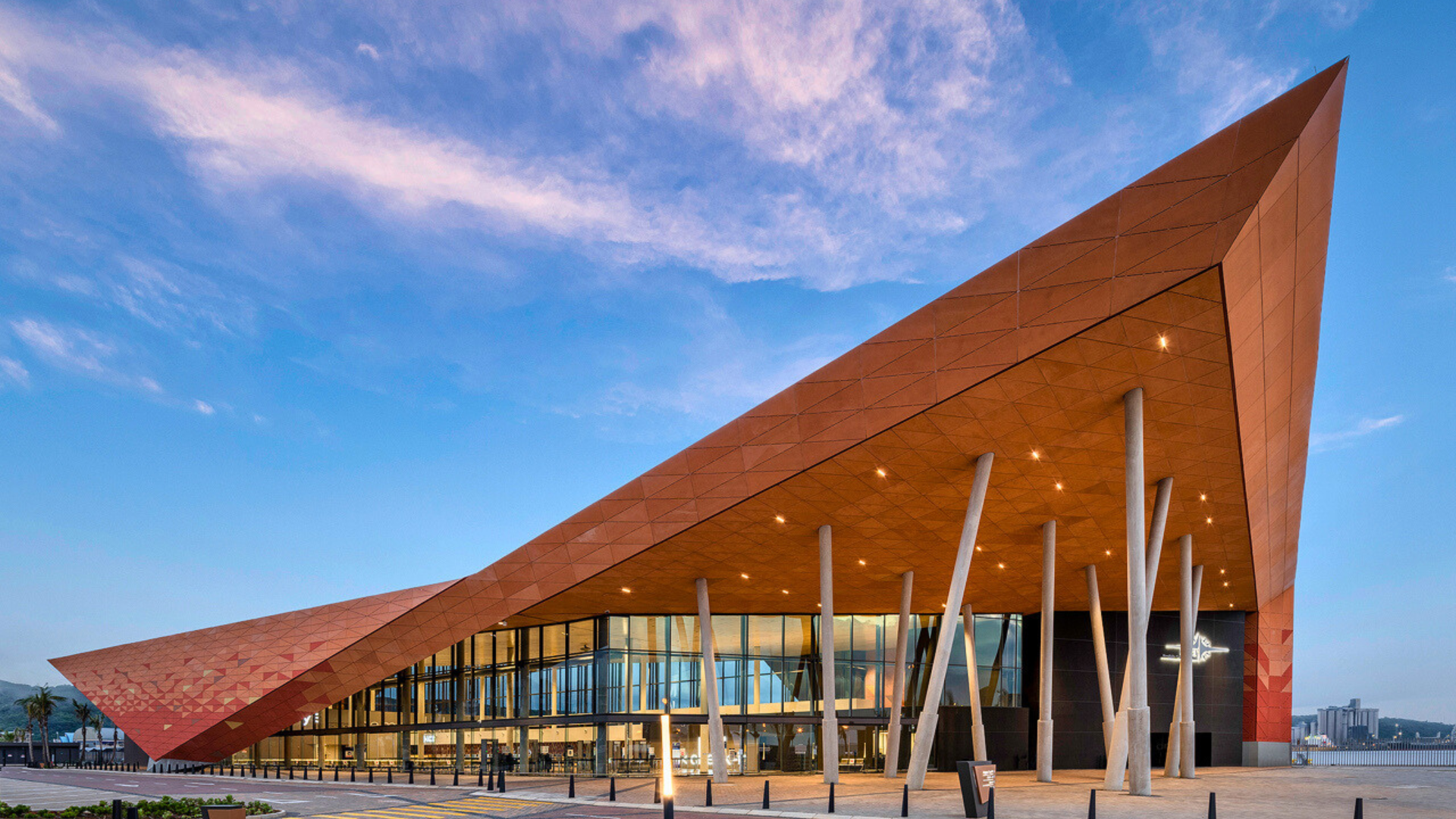
After decades of operating cruises from a rudimentary shed, Durban Port - the cruise capital of Sub-Saharan Africa - now enjoys an energising, catalytic landmark terminal. NMCT’s principal engagement with the city lies in its spatial and visual connectivity to the historic precinct, and the creation of strategic outdoor public spaces linked to Durban’s beachfront and harbour edge. Conceived as a new portal to the Kingdom of the Zulus, it asserts itself as a powerful, memorable landmark, welcoming tourists to KZN and its traditional culture. Its overt African identity and envelope draw inspiration from earthy colours, vibrant textures, and triangular motifs found in Zulu craft. The artwork-inspired colouration is unique and contextual, boldly contrasting the neutral treatment typical of transportation buildings globally. The over-sailing structure, folded façade, and roof form define the terminal, creating a simple yet intricate architectural expression. Designed to accommodate 6,000 passengers daily, the terminal also converts into a conference centre during off-season via a sliding division wall, forming a fully connected space with views across the rejuvenated historic precinct.
After decades of operating cruises from a rudimentary shed, Durban Port - the cruise capital of Sub-Saharan Africa - now enjoys an energising, catalytic landmark terminal. NMCT’s principal engagement with the city lies in its spatial and visual connectivity to the historic precinct, and the creation of strategic outdoor public spaces linked to Durban’s beachfront and harbour edge. Conceived as a new portal to the Kingdom of the Zulus, it asserts itself as a powerful, memorable landmark, welcoming tourists to KZN and its traditional culture. Its overt African identity and envelope draw inspiration from earthy colours, vibrant textures, and triangular motifs found in Zulu craft. The artwork-inspired colouration is unique and contextual, boldly contrasting the neutral treatment typical of transportation buildings globally. The over-sailing structure, folded façade, and roof form define the terminal, creating a simple yet intricate architectural expression. Designed to accommodate 6,000 passengers daily, the terminal also converts into a conference centre during off-season via a sliding division wall, forming a fully connected space with views across the rejuvenated historic precinct.
Project Innovation / Specification:
NMCT is an innovative design solution addressing complex and overlapping requirements - negotiating the threshold between harbour and city, coordinating vehicles and harbour machinery, and managing the movement of thousands of passengers alongside staff, officials and baggage systems. The design is driven by a clear spatial strategy, dividing the site into five primary components - quay for ships, piazza for people, parking for cars, drop-off for buses and taxis, and space for a building. This framework enables efficient circulation and layered functionality, resolved through a ‘decorated shed’ concept with a rational rectangular footprint responding to urban interfaces and circulation flows. The building envelope acts as an adaptive carapace - engaging the ground, lifting to reveal glazing, and mediating between interior and exterior conditions. Innovation is further expressed through a flexible internal planning system, with forced routing for embarking and disembarking passengers, and a movable wall enabling the terminal to transform into a large-scale event and conference venue during off-season periods.
NMCT is an innovative design solution addressing complex and overlapping requirements - negotiating the threshold between harbour and city, coordinating vehicles and harbour machinery, and managing the movement of thousands of passengers alongside staff, officials and baggage systems. The design is driven by a clear spatial strategy, dividing the site into five primary components - quay for ships, piazza for people, parking for cars, drop-off for buses and taxis, and space for a building. This framework enables efficient circulation and layered functionality, resolved through a ‘decorated shed’ concept with a rational rectangular footprint responding to urban interfaces and circulation flows. The building envelope acts as an adaptive carapace - engaging the ground, lifting to reveal glazing, and mediating between interior and exterior conditions. Innovation is further expressed through a flexible internal planning system, with forced routing for embarking and disembarking passengers, and a movable wall enabling the terminal to transform into a large-scale event and conference venue during off-season periods.
Project Sustainability Approach:
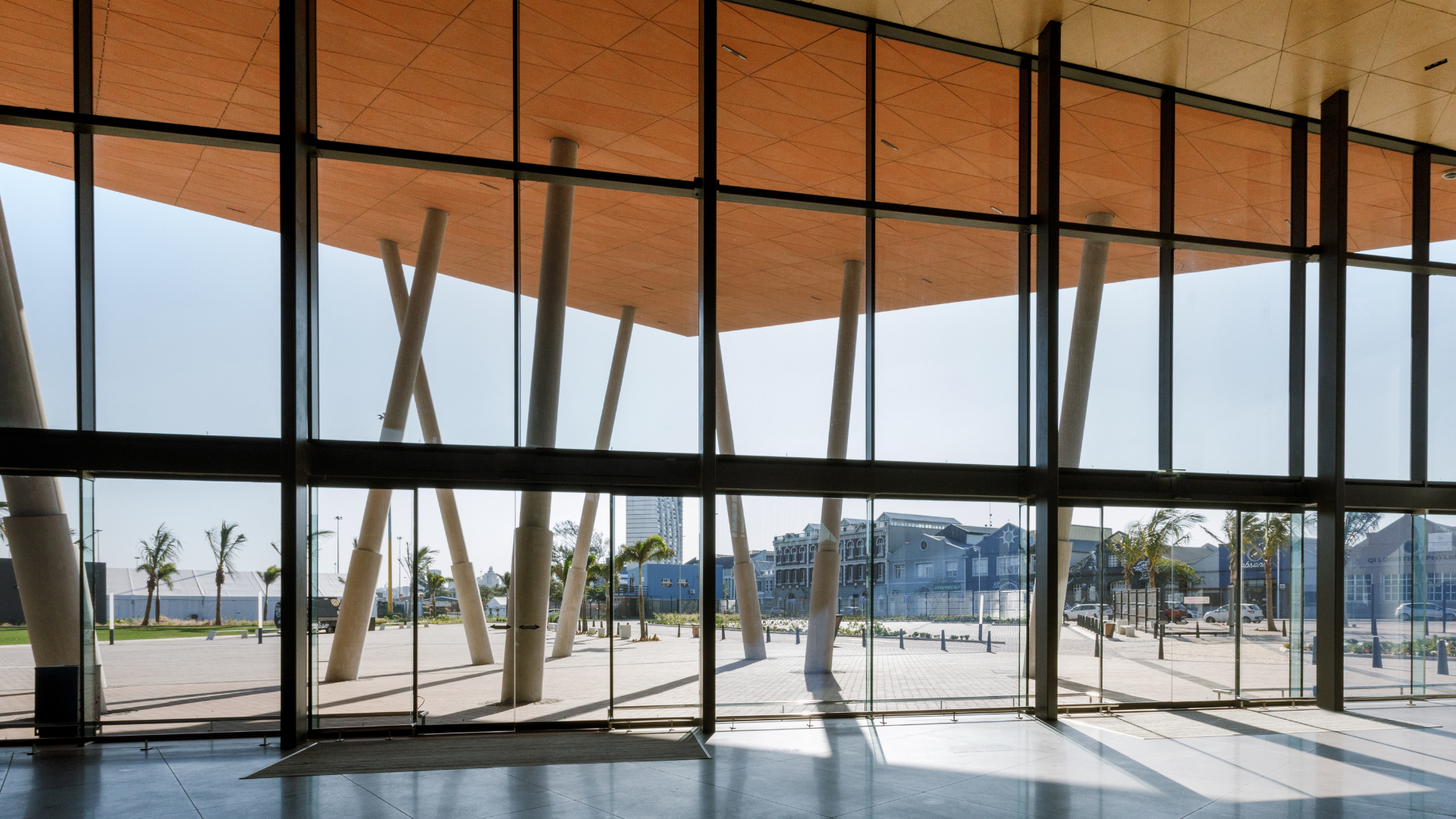
The terminal’s design embeds fundamental sustainability strategies to reduce environmental impact, conserve resources and support a more responsible maritime industry. Expansive glazed façades maximise natural daylight to large internal volumes, reducing reliance on artificial lighting. Energy-efficient systems, including LED lighting and low-energy equipment, further lower overall consumption, while deep overhangs shade the glazing, limiting heat gain and enhancing visual connection to the external environment. A ventilated façade responds to the sub-tropical climate - moderating heat exchange, reducing HVAC loads, and allowing moisture to dissipate, improving durability and lowering maintenance requirements. Provision has been made for future photovoltaic installations over parking canopies to reduce grid reliance and long-term carbon emissions. Landscape design supports water conservation through the use of climate-appropriate, low-maintenance planting. A temporary drip irrigation system assists establishment, while hardscape areas are graded to direct runoff toward planted zones. Water-efficient fixtures, including low-flow taps and toilets, further reduce overall consumption.
The terminal’s design embeds fundamental sustainability strategies to reduce environmental impact, conserve resources and support a more responsible maritime industry. Expansive glazed façades maximise natural daylight to large internal volumes, reducing reliance on artificial lighting. Energy-efficient systems, including LED lighting and low-energy equipment, further lower overall consumption, while deep overhangs shade the glazing, limiting heat gain and enhancing visual connection to the external environment. A ventilated façade responds to the sub-tropical climate - moderating heat exchange, reducing HVAC loads, and allowing moisture to dissipate, improving durability and lowering maintenance requirements. Provision has been made for future photovoltaic installations over parking canopies to reduce grid reliance and long-term carbon emissions. Landscape design supports water conservation through the use of climate-appropriate, low-maintenance planting. A temporary drip irrigation system assists establishment, while hardscape areas are graded to direct runoff toward planted zones. Water-efficient fixtures, including low-flow taps and toilets, further reduce overall consumption.
Local and Regional Impacts of the Project:
Giving back to the city is not a common architectural opportunity in the African urban development landscape. Most African cities display severe infrastructural decay with failed, degraded built environments and the context of this particular locale was no different. In stark contrast to this unfortunate continental trend, NMCT is proving to be a positive and powerful contributor to the regeneration of one of the oldest parts of Durban. The realisation of conceptual objectives is often less tangible and legible once they are materialised. In NMCT's case, these objectives have been exceeded! The entire ‘stretch’ of the historic precinct opposite the terminal was restored and refurbished during construction, now displaying a beautiful Victorian street with operating and viable use.
Giving back to the city is not a common architectural opportunity in the African urban development landscape. Most African cities display severe infrastructural decay with failed, degraded built environments and the context of this particular locale was no different. In stark contrast to this unfortunate continental trend, NMCT is proving to be a positive and powerful contributor to the regeneration of one of the oldest parts of Durban. The realisation of conceptual objectives is often less tangible and legible once they are materialised. In NMCT's case, these objectives have been exceeded! The entire ‘stretch’ of the historic precinct opposite the terminal was restored and refurbished during construction, now displaying a beautiful Victorian street with operating and viable use.
Company Name:Elphick Proome Architecture
Lead Designer(s) Name(s): George Elphick, Greg Gordge