FACULTE D'ARCHITECTURE ET DE DESIGN DE KIGALI
Prize(s):
WINNER 2026 ARCHITECTURE / Public building Architecture
Company Name:S&AA
Lead Designer(s) Name(s):Patrick SCHWEITZER
Design Team / Other designer(s):S&AA
Architecture Firm:S&AA
Interior Designer:S&AA
Client Name:MINISTERE DE L'EDUCATION RWANDAIS
Project Location:KIGALI - RWANDA
Design Status:Completed
Website: View
Video URL:View
Project Description:
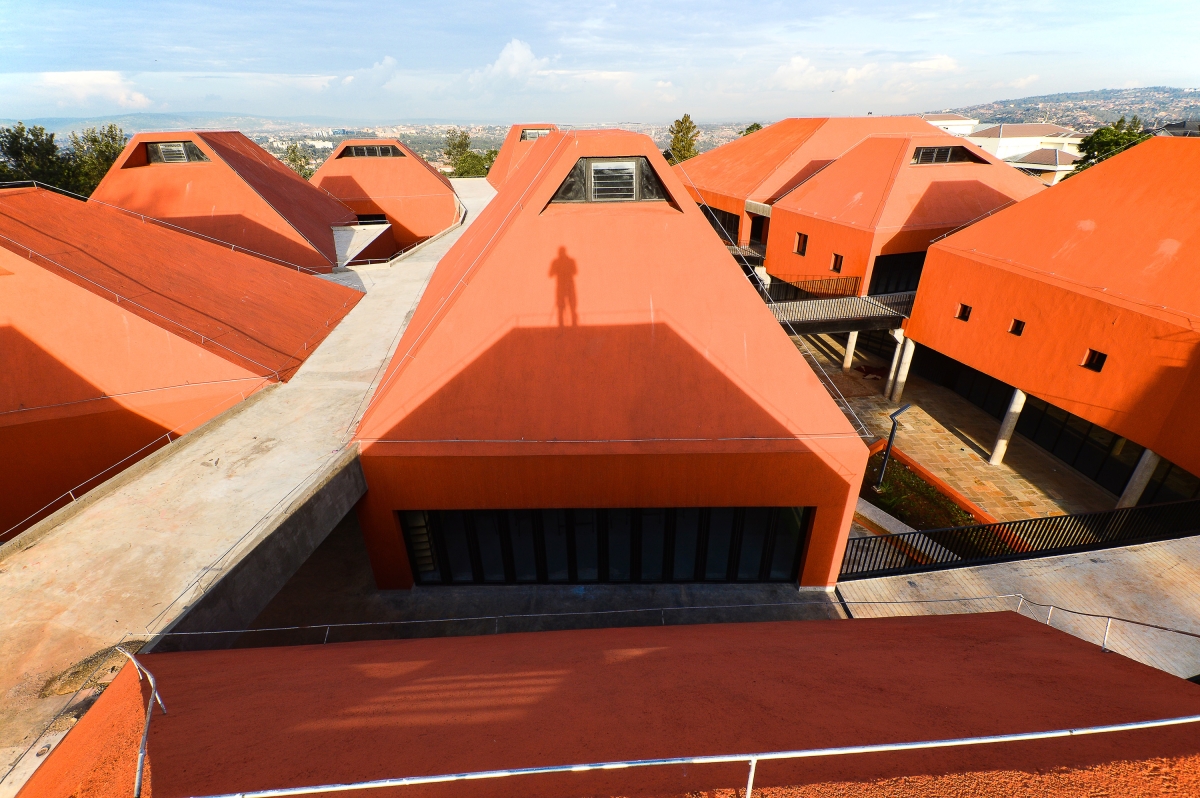
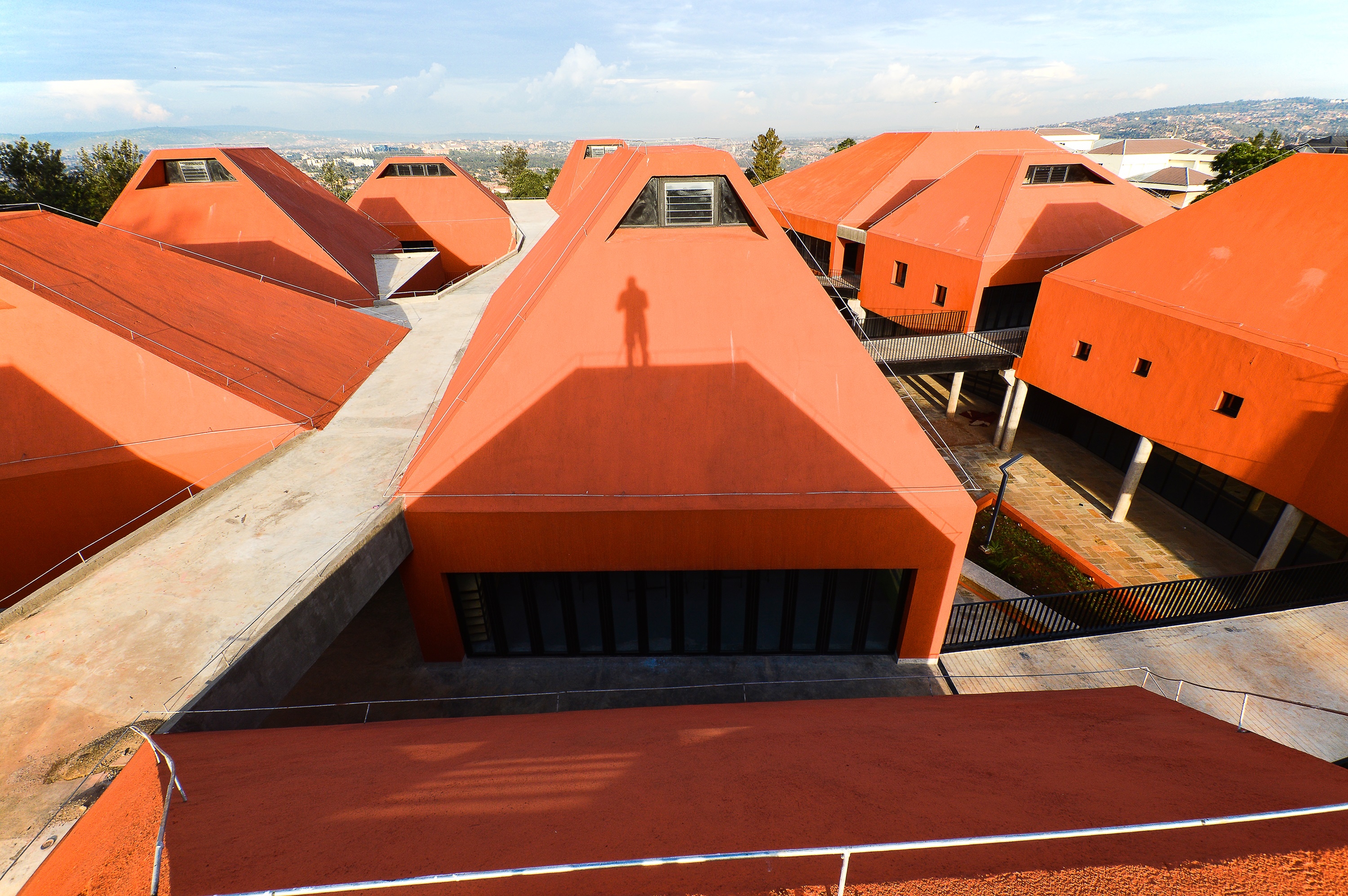
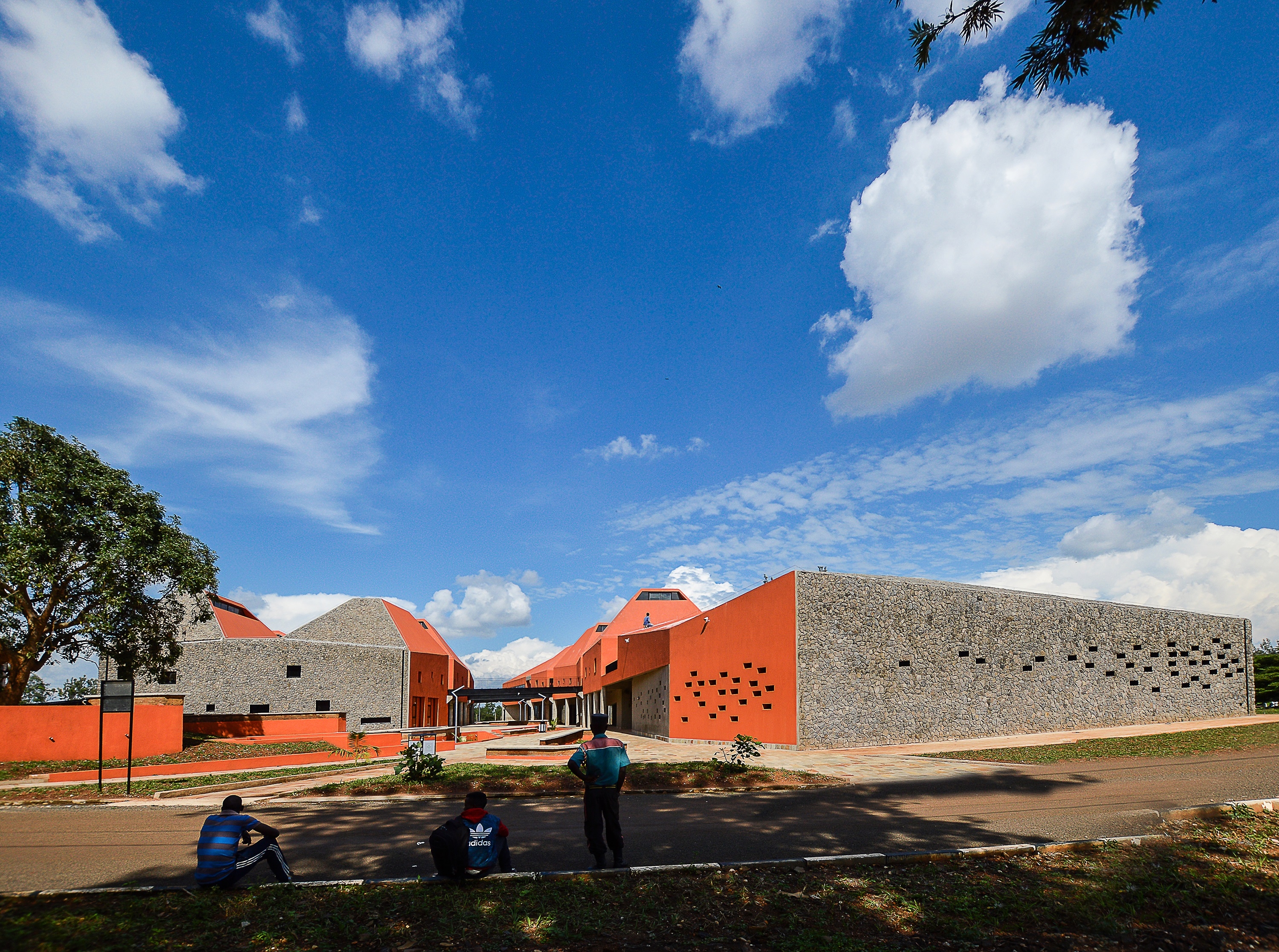
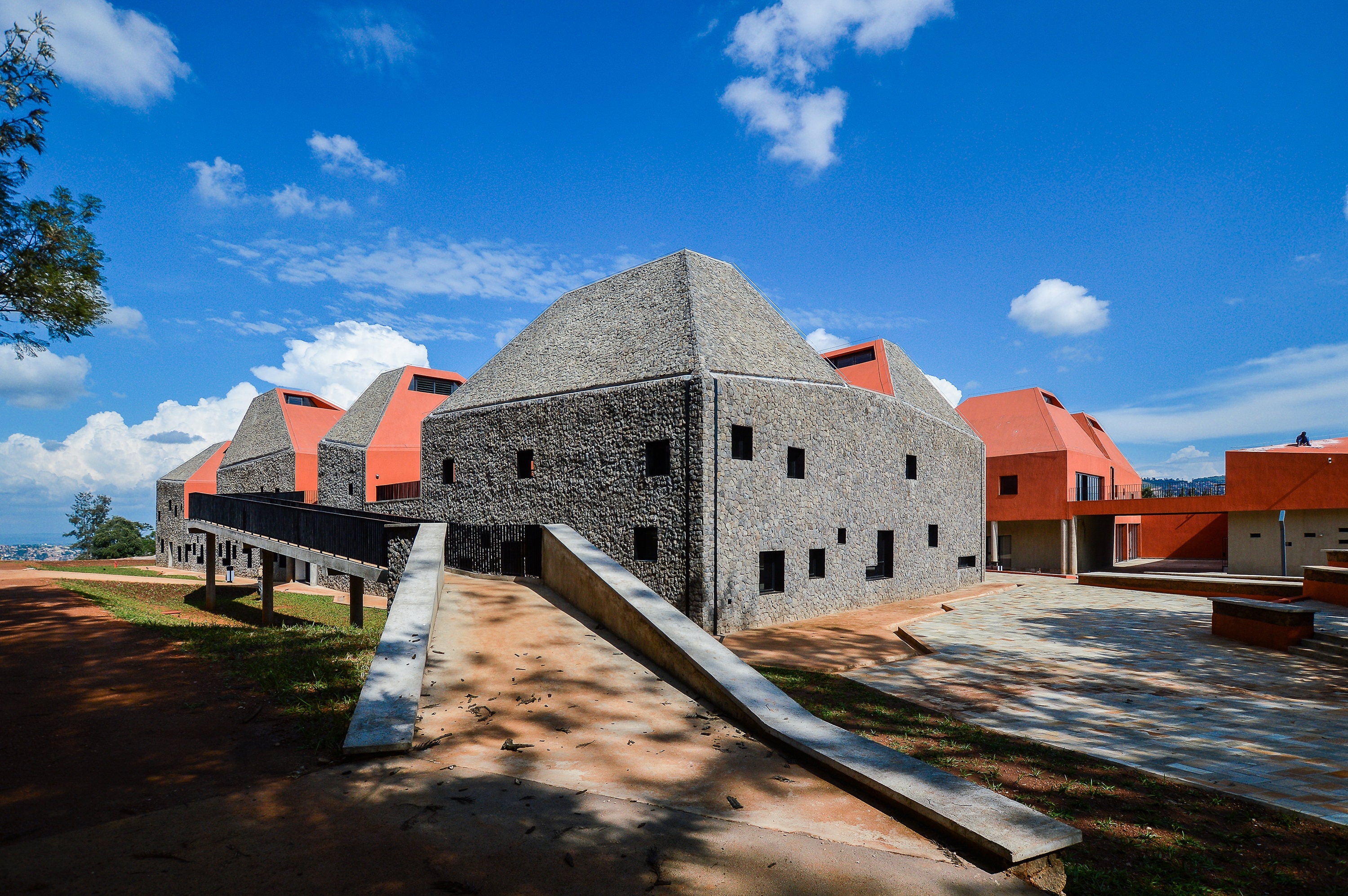
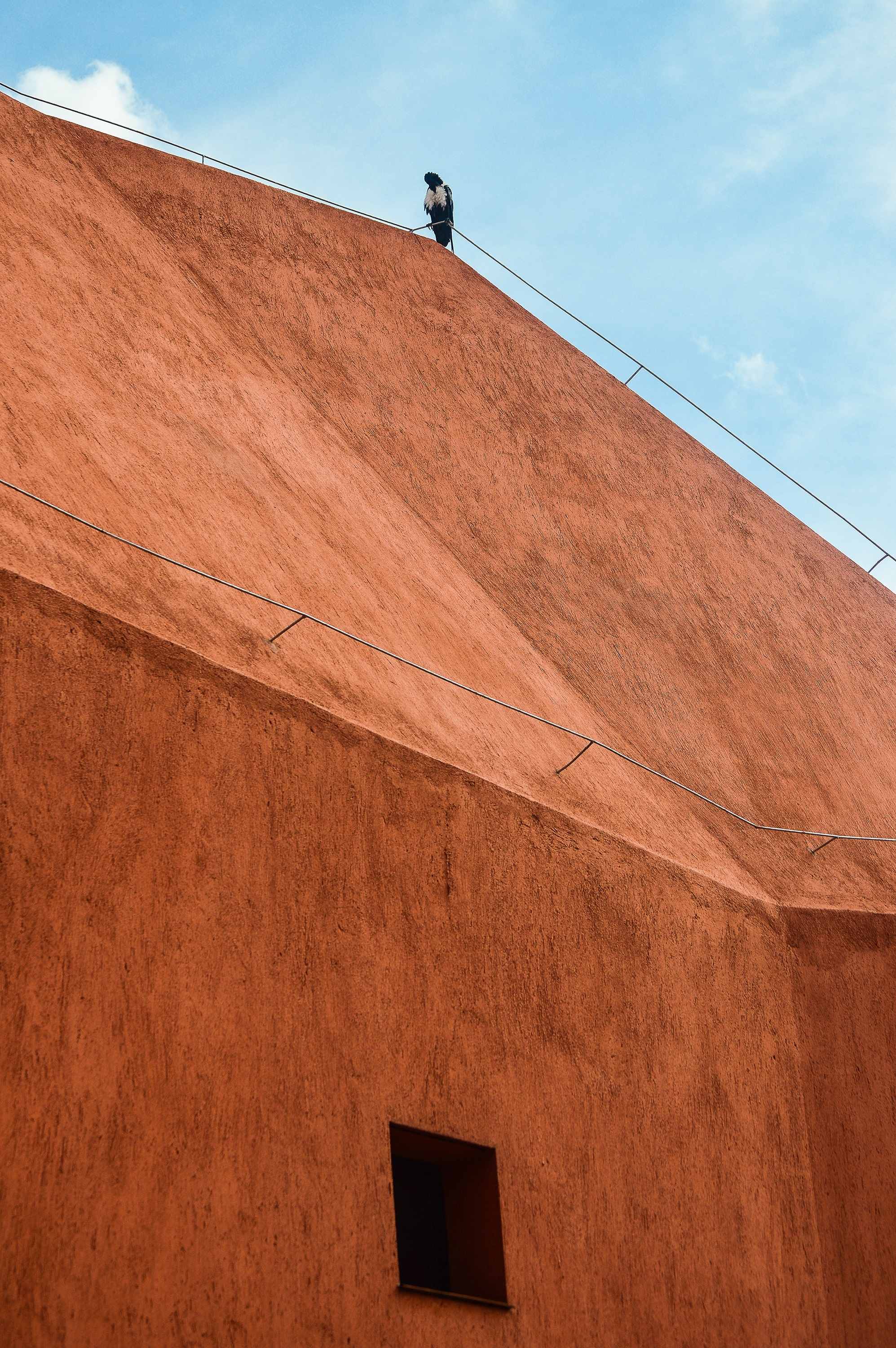
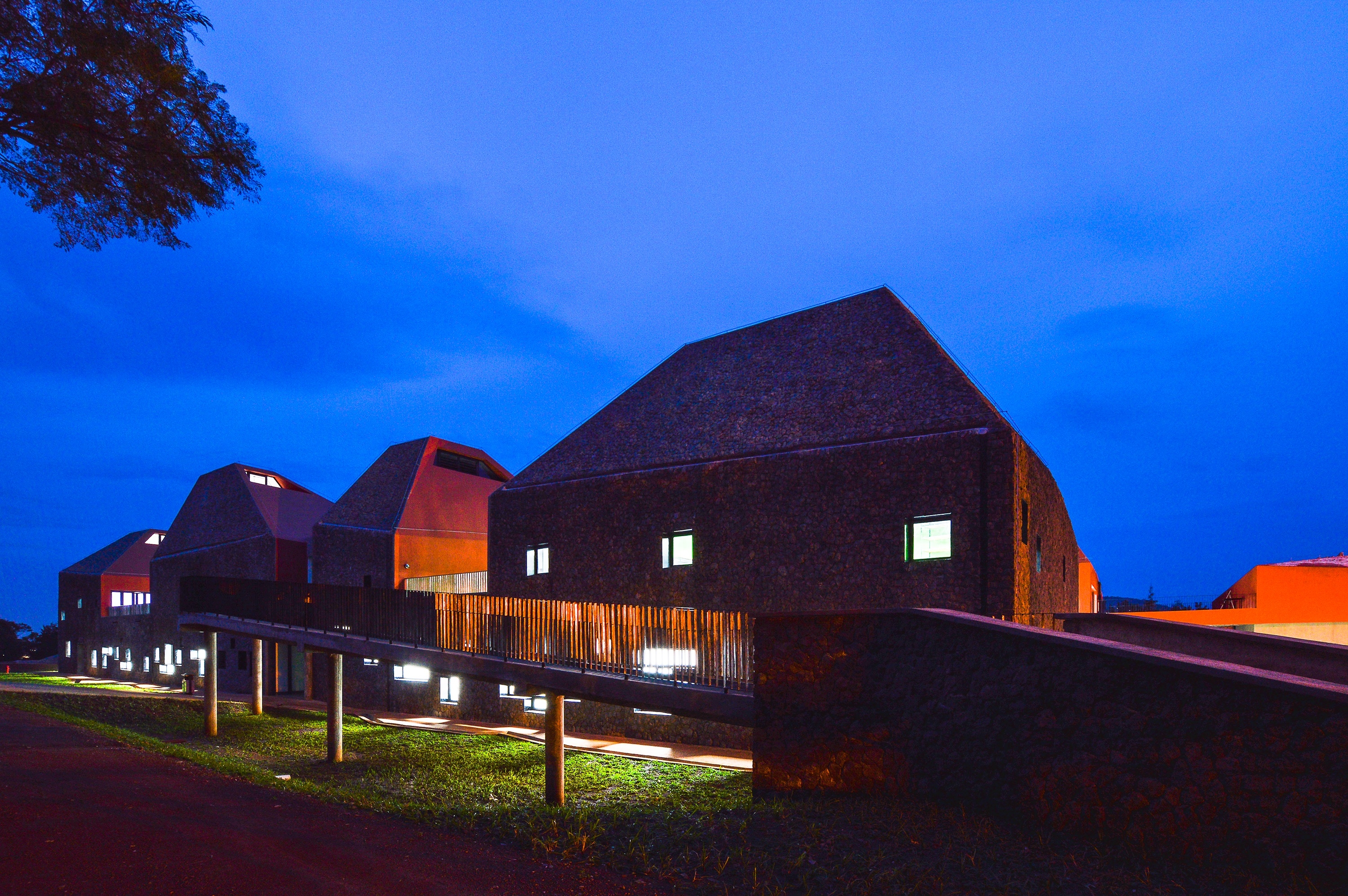
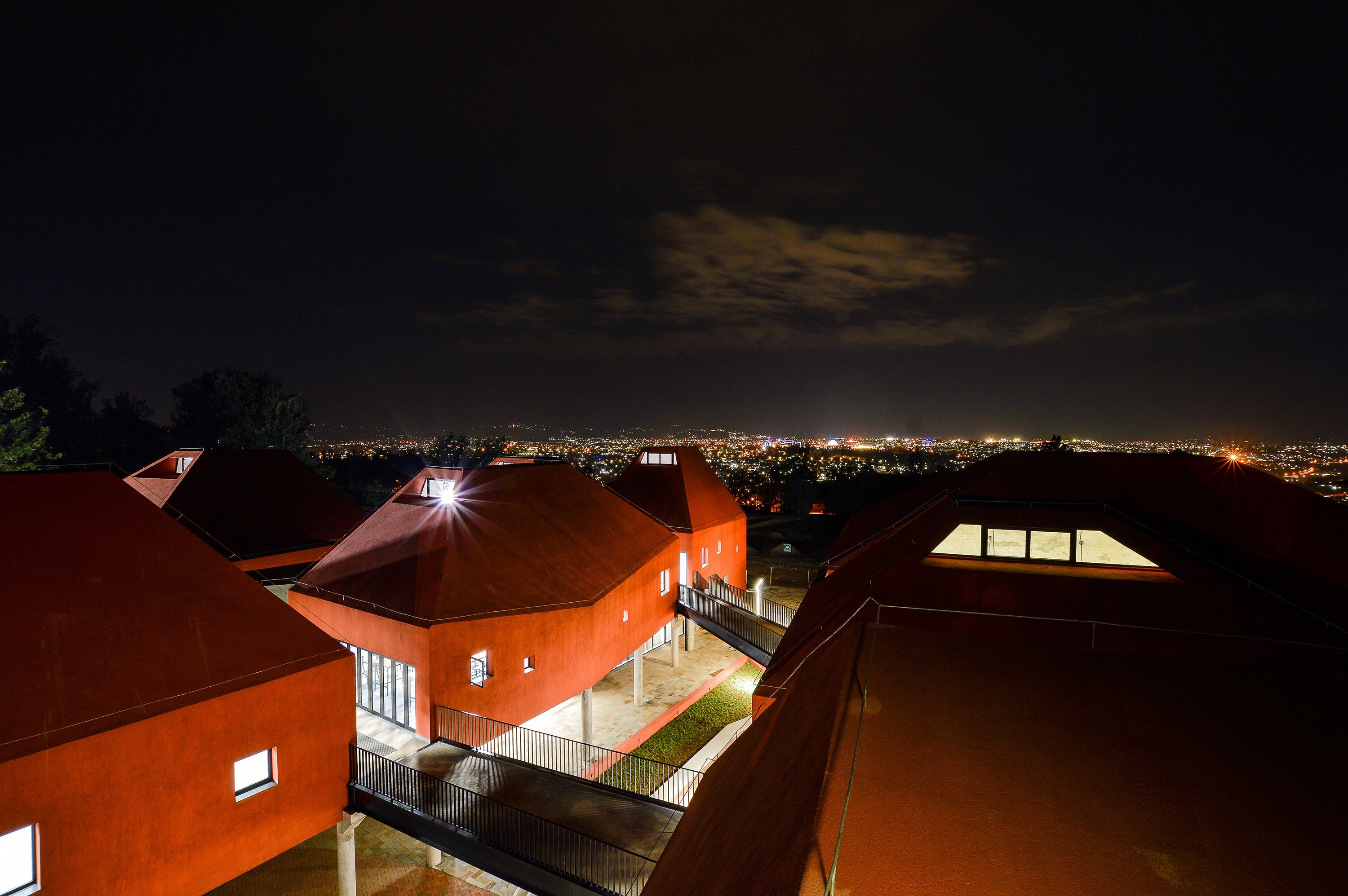
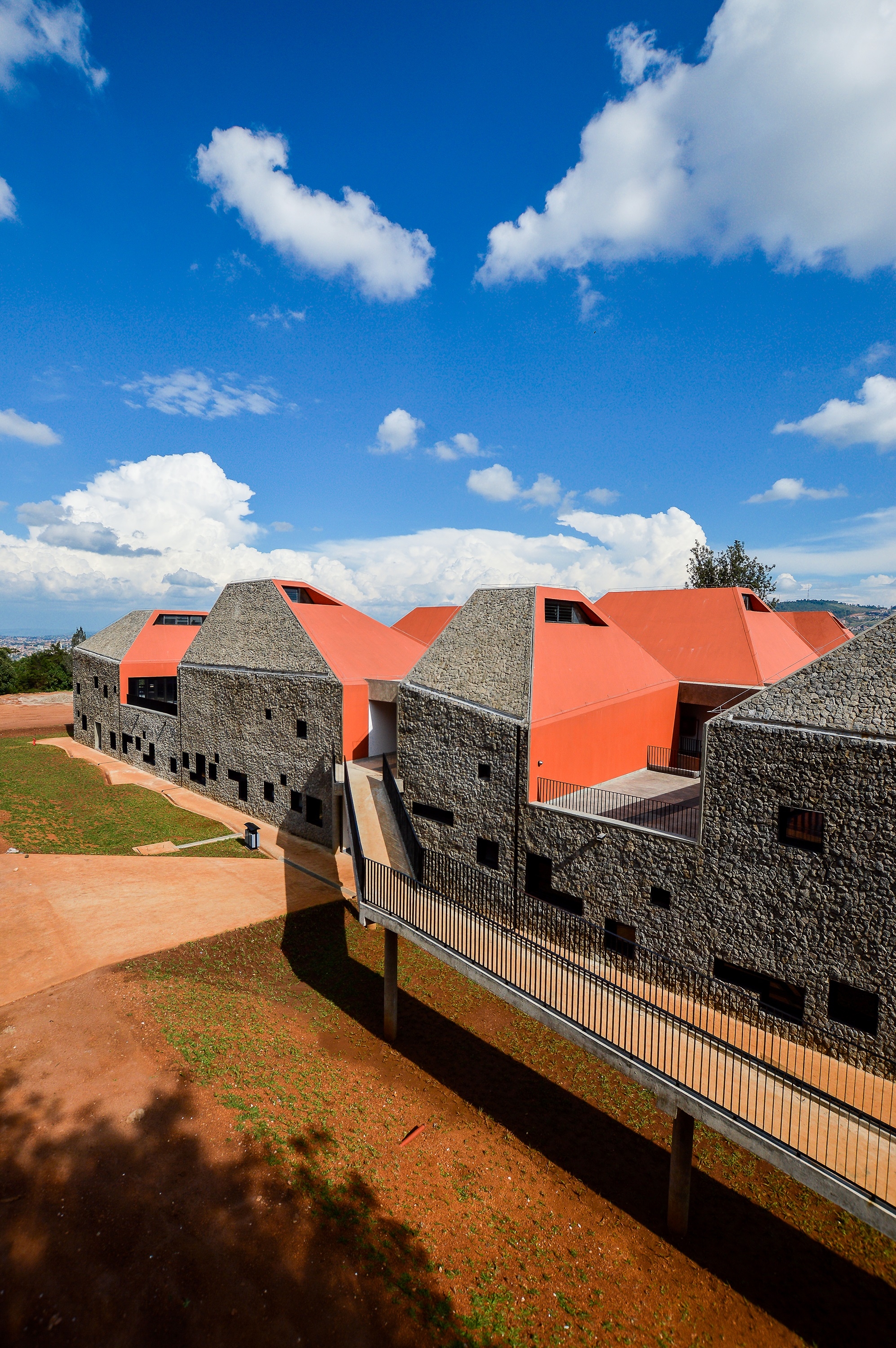
The firm responded to an international call for tender launched in March 2012 by the government of Rwanda for the design of a new architecture school to accommodate 600 students on a 5,600 sq.m. site not far from the existing faculty. For this project we began with a simple form on two levels which we distorted in the same way tectonic forces distort land masses: we pulled on opposite sides, making a gap in the centre that would form the outside area for the students. We then cut into the first level to form distinct blocks, separated from the exterior circulation areas, which we then extruded to create irregular pyramids that would house the workshops. The firm opted for a highly architectural project using complex forms, driven by both pedagogical and environmental concerns, halfway between traditional architecture and contemporary design. This is a simple, didactic building designed to train the future architects of a developing African country whose population is set to double by 2050.
The firm responded to an international call for tender launched in March 2012 by the government of Rwanda for the design of a new architecture school to accommodate 600 students on a 5,600 sq.m. site not far from the existing faculty. For this project we began with a simple form on two levels which we distorted in the same way tectonic forces distort land masses: we pulled on opposite sides, making a gap in the centre that would form the outside area for the students. We then cut into the first level to form distinct blocks, separated from the exterior circulation areas, which we then extruded to create irregular pyramids that would house the workshops. The firm opted for a highly architectural project using complex forms, driven by both pedagogical and environmental concerns, halfway between traditional architecture and contemporary design. This is a simple, didactic building designed to train the future architects of a developing African country whose population is set to double by 2050.
Project Innovation / Specification:
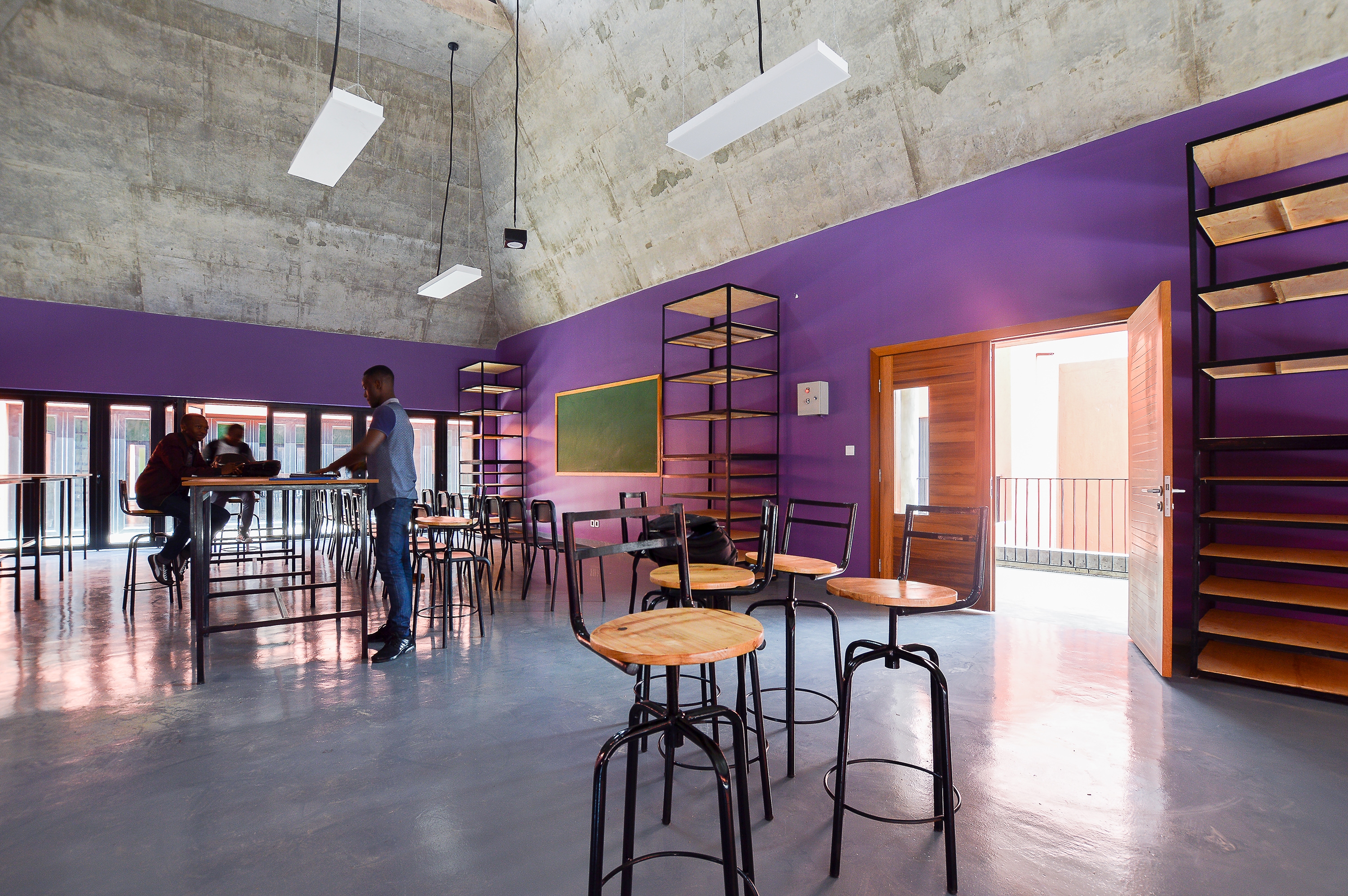
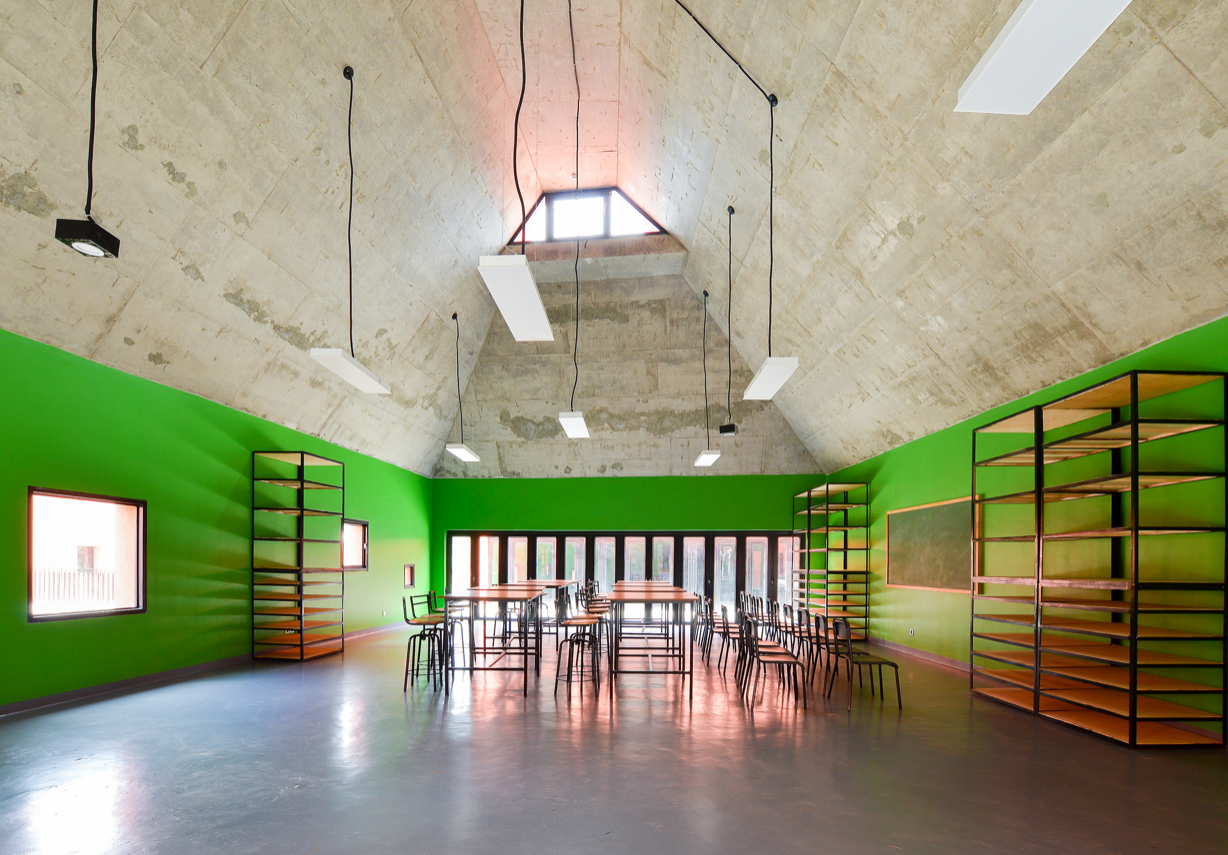
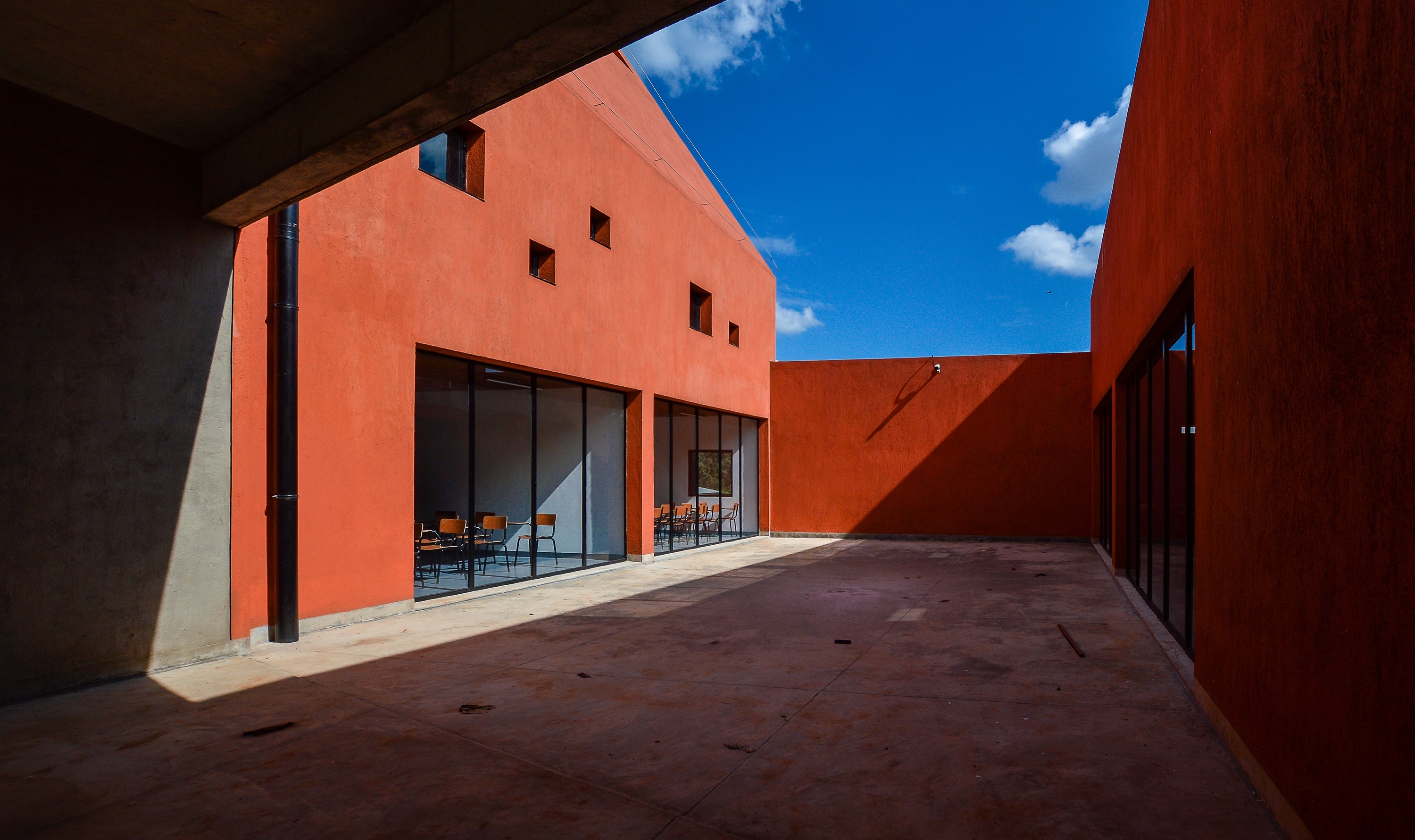
The building uses two simple materials commonly found in the region: stone for the exterior envelope; and self-coloured concrete for the interior. The building has small outward-facing windows and large inward-facing windows protected from the sun by roof overhangs. The upper section of the pyramids is truncated in order to bring in natural light and optimise ventilation. Techniques that are complicated to apply and maintain have been eliminated: there is a ramp instead of a lift, and instead of air conditioning there are high-performance natural ventilation systems and architectural solutions making it possible to regulate the interior temperature.
The building uses two simple materials commonly found in the region: stone for the exterior envelope; and self-coloured concrete for the interior. The building has small outward-facing windows and large inward-facing windows protected from the sun by roof overhangs. The upper section of the pyramids is truncated in order to bring in natural light and optimise ventilation. Techniques that are complicated to apply and maintain have been eliminated: there is a ramp instead of a lift, and instead of air conditioning there are high-performance natural ventilation systems and architectural solutions making it possible to regulate the interior temperature.
Project Sustainability Approach:
The upper section of the pyramids is truncated in order to bring in natural light and optimise ventilation. Techniques that are complicated to apply and maintain have been eliminated: there is a ramp instead of a lift, and instead of air conditioning there are high-performance natural ventilation systems and architectural solutions making it possible to regulate the interior temperature.
The upper section of the pyramids is truncated in order to bring in natural light and optimise ventilation. Techniques that are complicated to apply and maintain have been eliminated: there is a ramp instead of a lift, and instead of air conditioning there are high-performance natural ventilation systems and architectural solutions making it possible to regulate the interior temperature.
Local and Regional Impacts of the Project:
In Rwanda, the valorization of local skills plays a key role in sustainable architectural development. Traditional knowledge in construction—such as stone building techniques, craftsmanship, and the use of locally available materials—is essential for creating buildings adapted to the country’s climate and environment. By involving local workers and artisans, architectural projects support the local economy and create employment opportunities. This approach also helps preserve cultural identity and encourages the transmission of construction knowledge across generations.
In Rwanda, the valorization of local skills plays a key role in sustainable architectural development. Traditional knowledge in construction—such as stone building techniques, craftsmanship, and the use of locally available materials—is essential for creating buildings adapted to the country’s climate and environment. By involving local workers and artisans, architectural projects support the local economy and create employment opportunities. This approach also helps preserve cultural identity and encourages the transmission of construction knowledge across generations.

Company Name:S&AA
Lead Designer(s) Name(s):Patrick SCHWEITZER