Our Lady of Victoria Monastery
Prize(s):
WINNER 2026 ARCHITECTURE / Religious & Spiritual Building Architecture
Company Name:Localworks
Lead Designer(s) Name(s):Felix Holland, Edson Agume, Allan Semakula, Wilson Sendikwanawa
Design Team / Other designer(s):Studio FH Architects, Aquila Gallery, Equatorsun, Dudley Kasibante & Partners, The Landscape Studio.
Construction Company:Cementers
Client Name:Abbey of Tilburg, The Netherlands
Photo Credit:Will Boase Photography
Project Location:Kijonjo, Kyotera District, Uganda
Design Status:Completed
Website: View
Project Description:
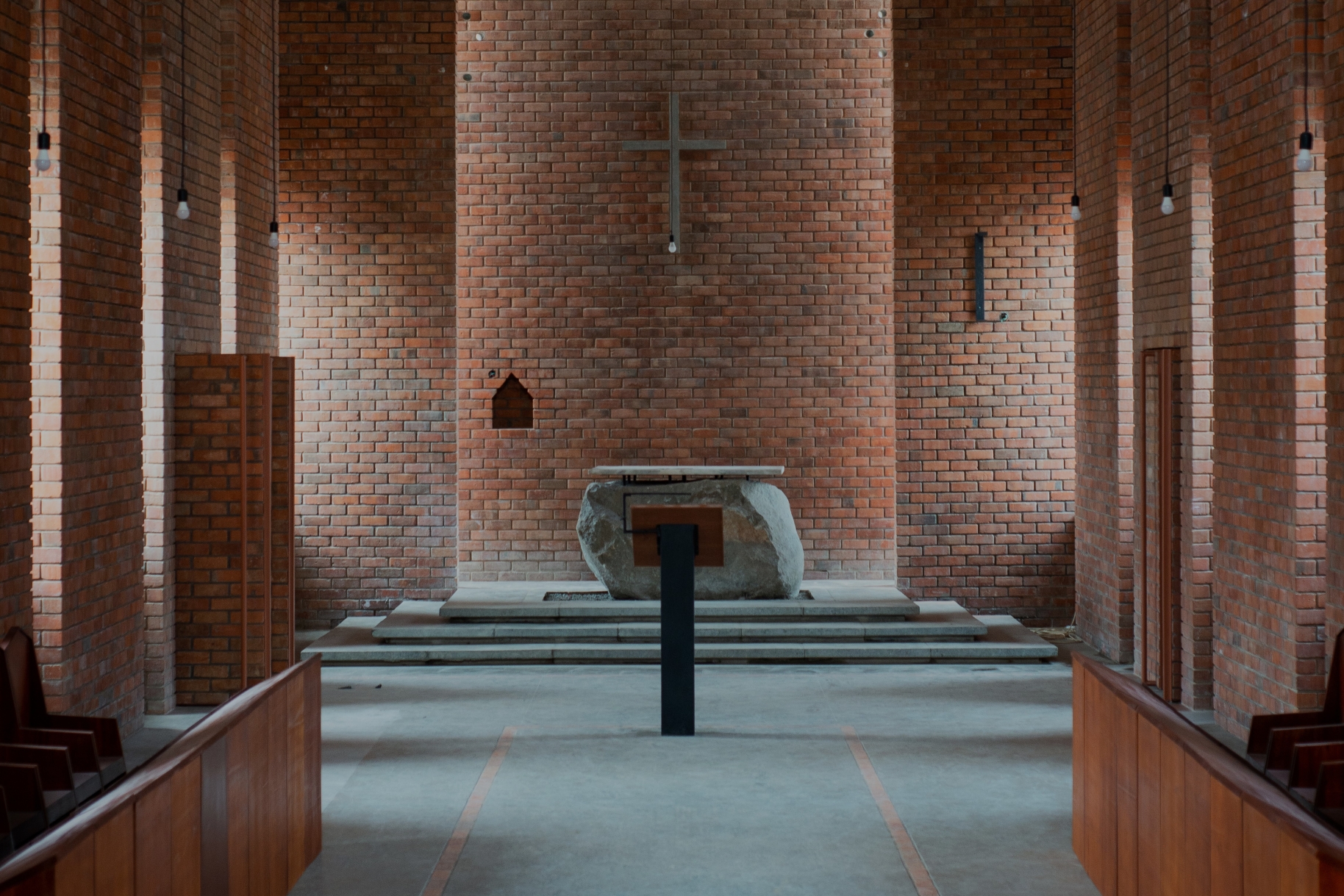
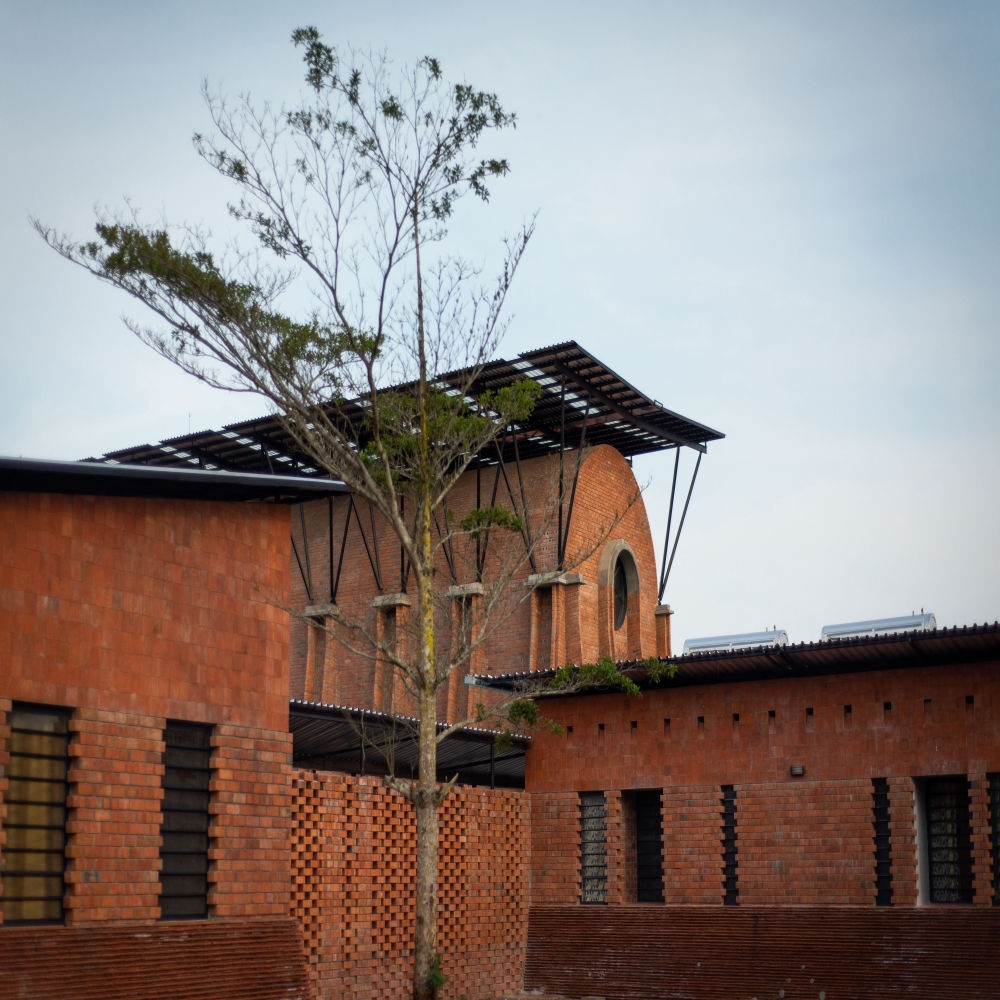
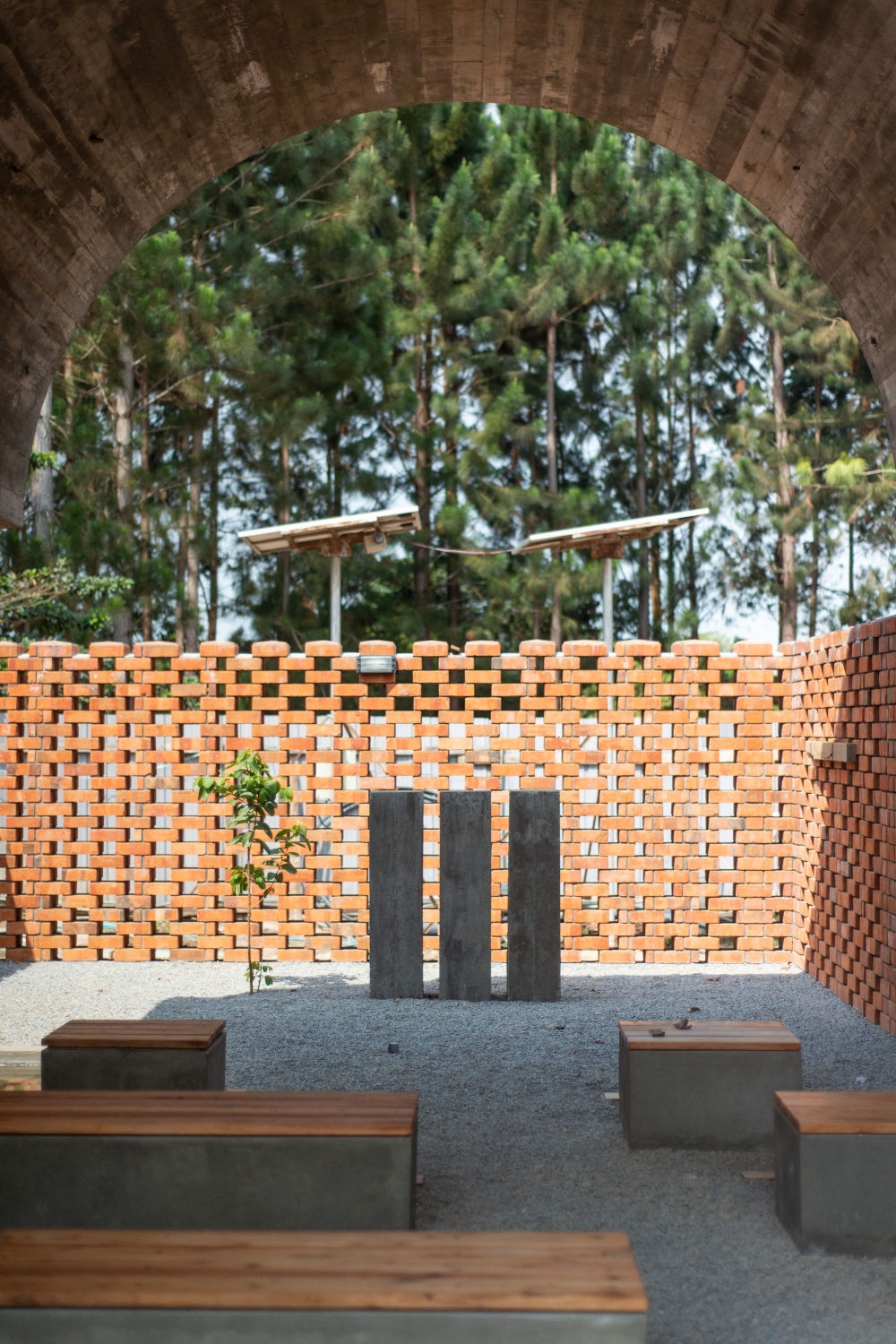
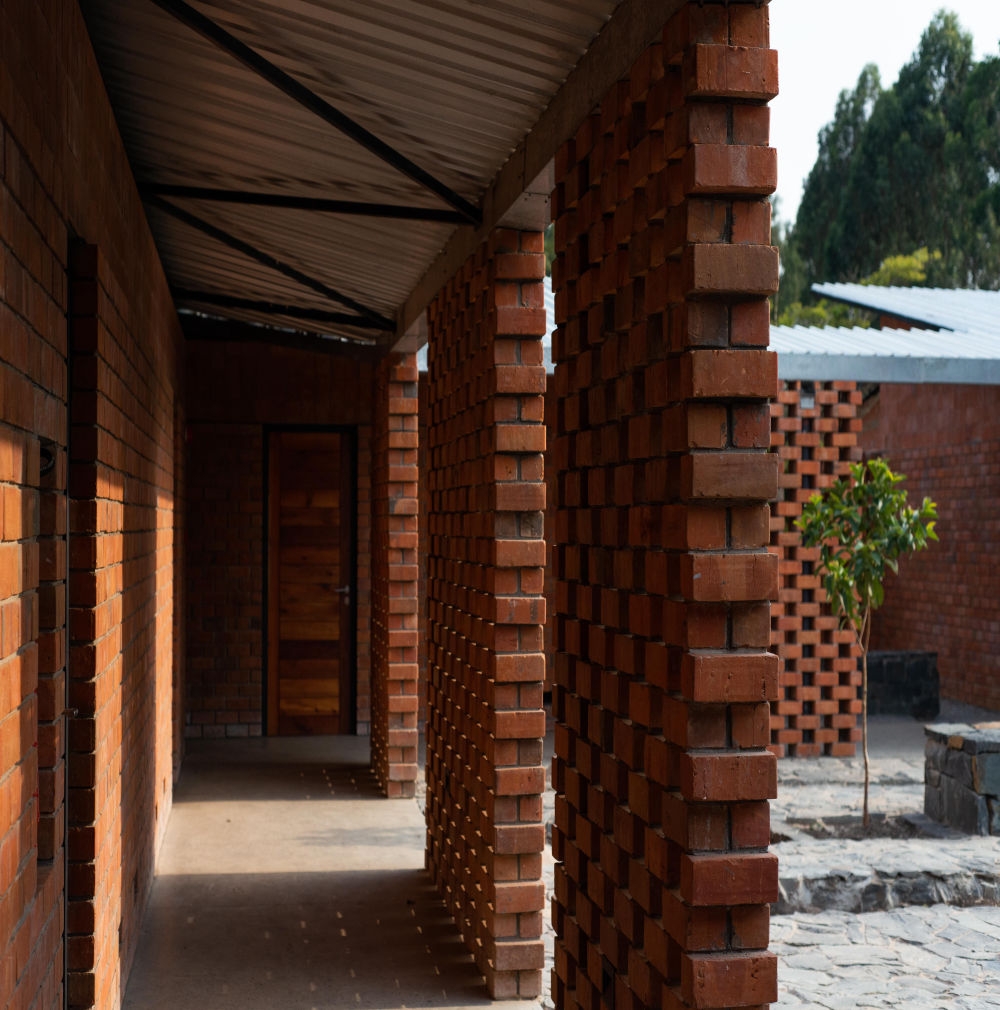
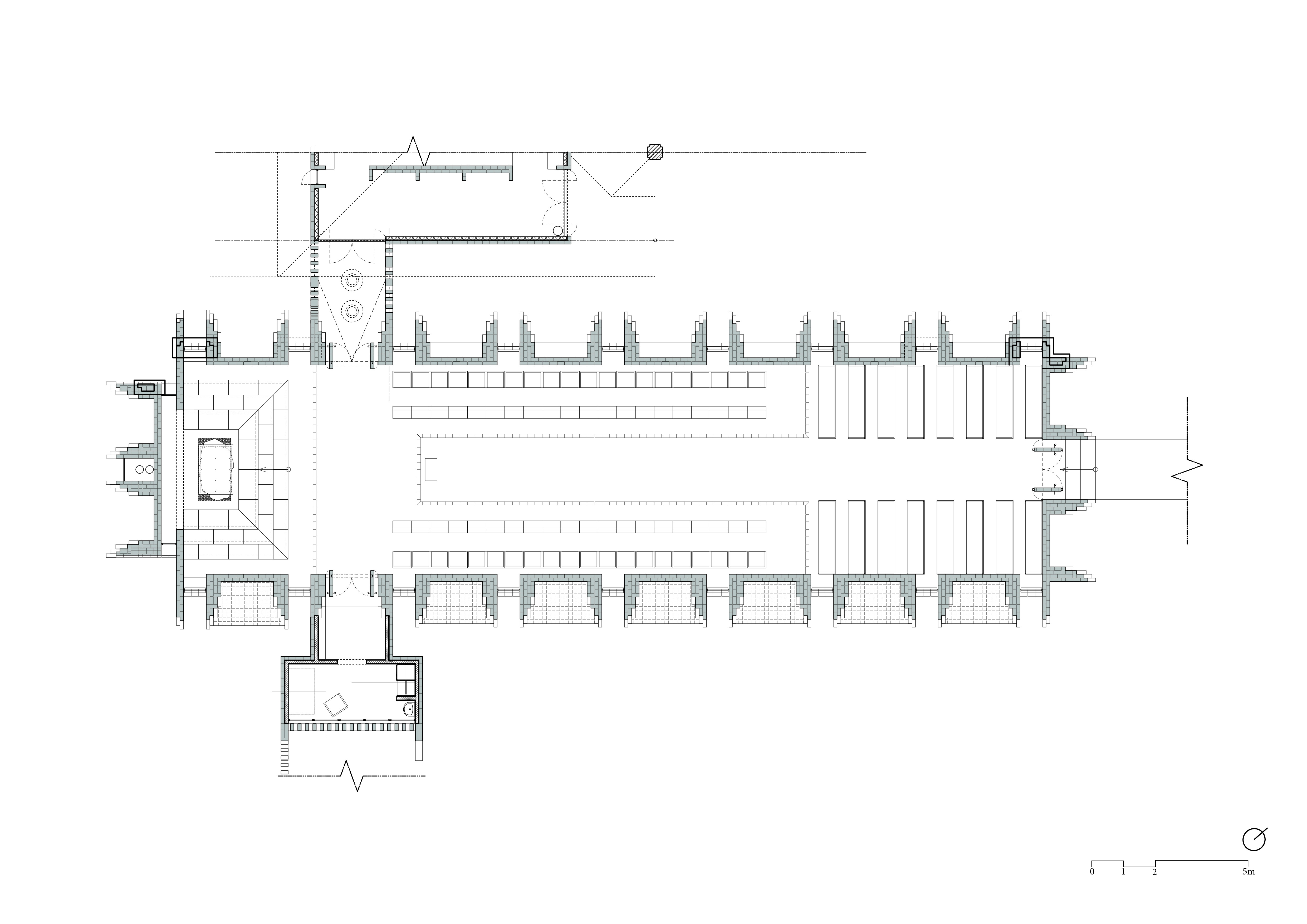
Our Lady of Victoria Monastery was originally established in Kenya in 1952. It hosts a community of monks from the Cistercian Trappist order who moved to Uganda in 2008 following post-election unrest in Kenya.The architectural proposal followed a requirement to double the existing monastery in size and accommodate a growing community of monks. The design includes a total of four new buildings – Church, Noviciate, Guesthouse and Gatehouse. All buildings are intricately detailed in clay brick and arranged around three courtyards.
Our Lady of Victoria Monastery was originally established in Kenya in 1952. It hosts a community of monks from the Cistercian Trappist order who moved to Uganda in 2008 following post-election unrest in Kenya.The architectural proposal followed a requirement to double the existing monastery in size and accommodate a growing community of monks. The design includes a total of four new buildings – Church, Noviciate, Guesthouse and Gatehouse. All buildings are intricately detailed in clay brick and arranged around three courtyards.
Project Innovation / Specification:
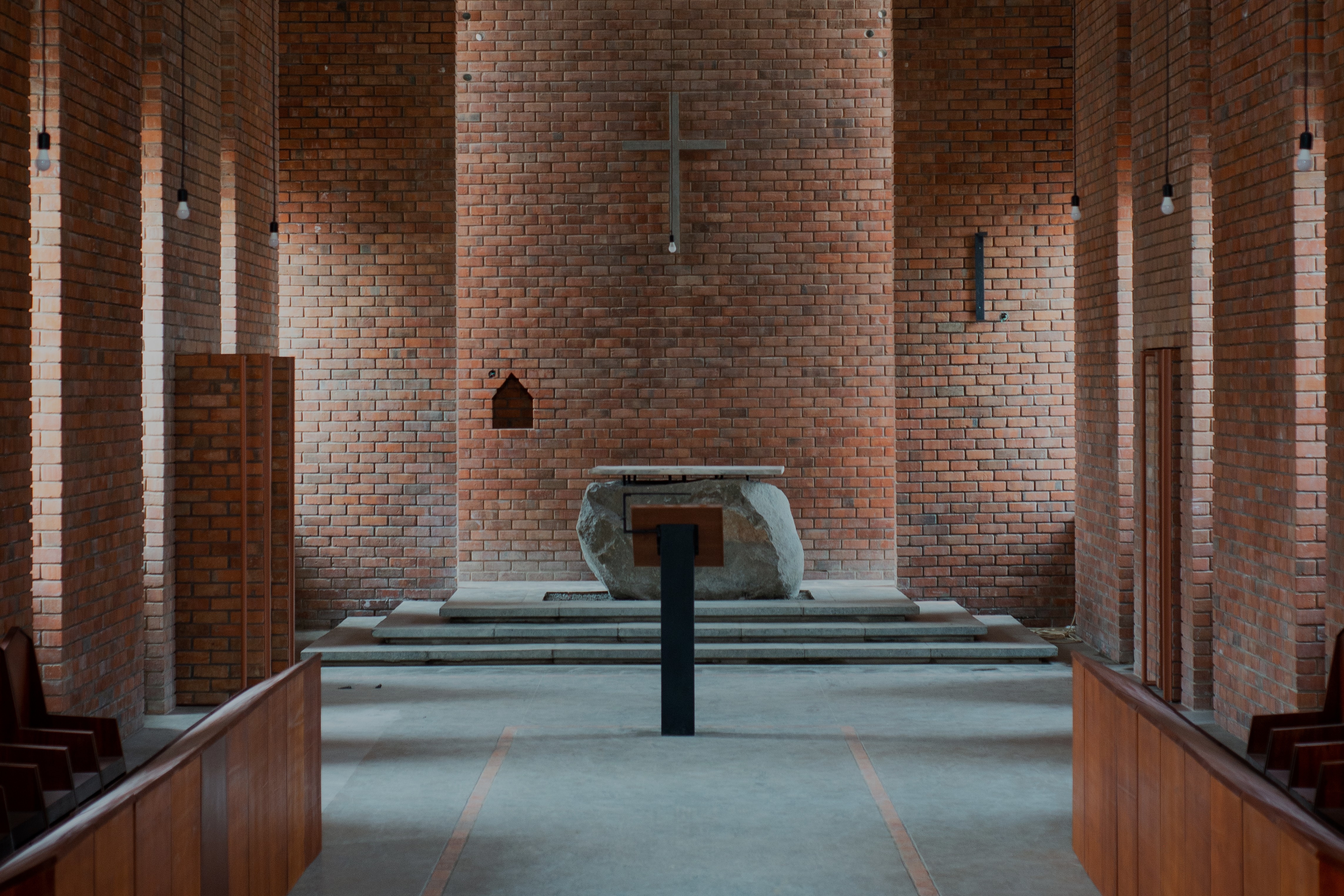
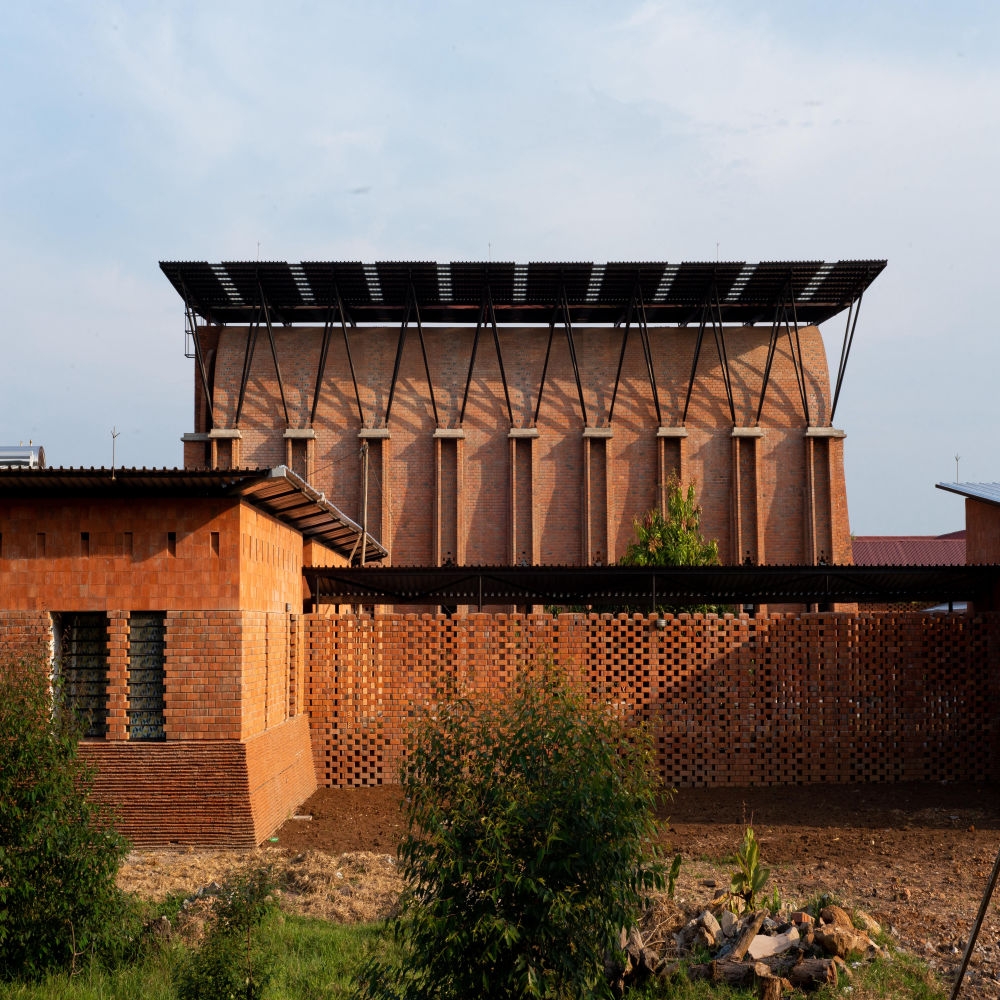
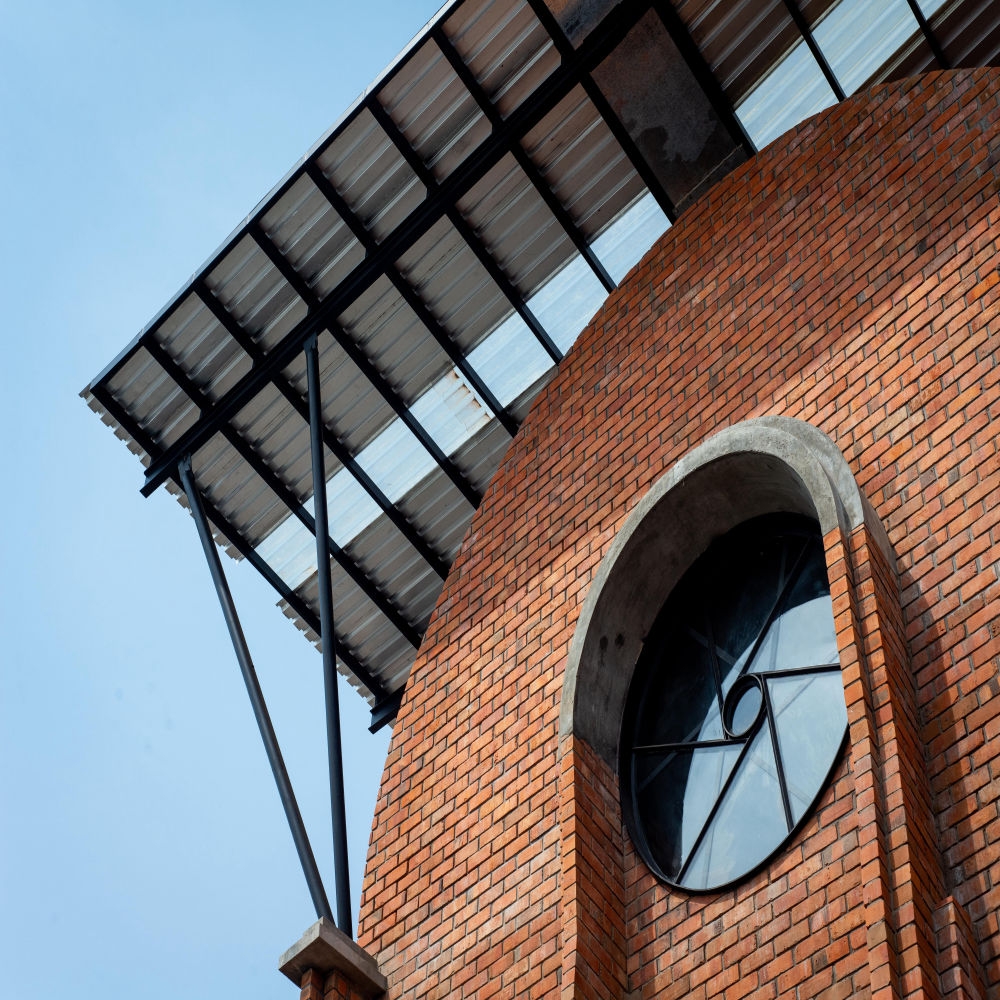
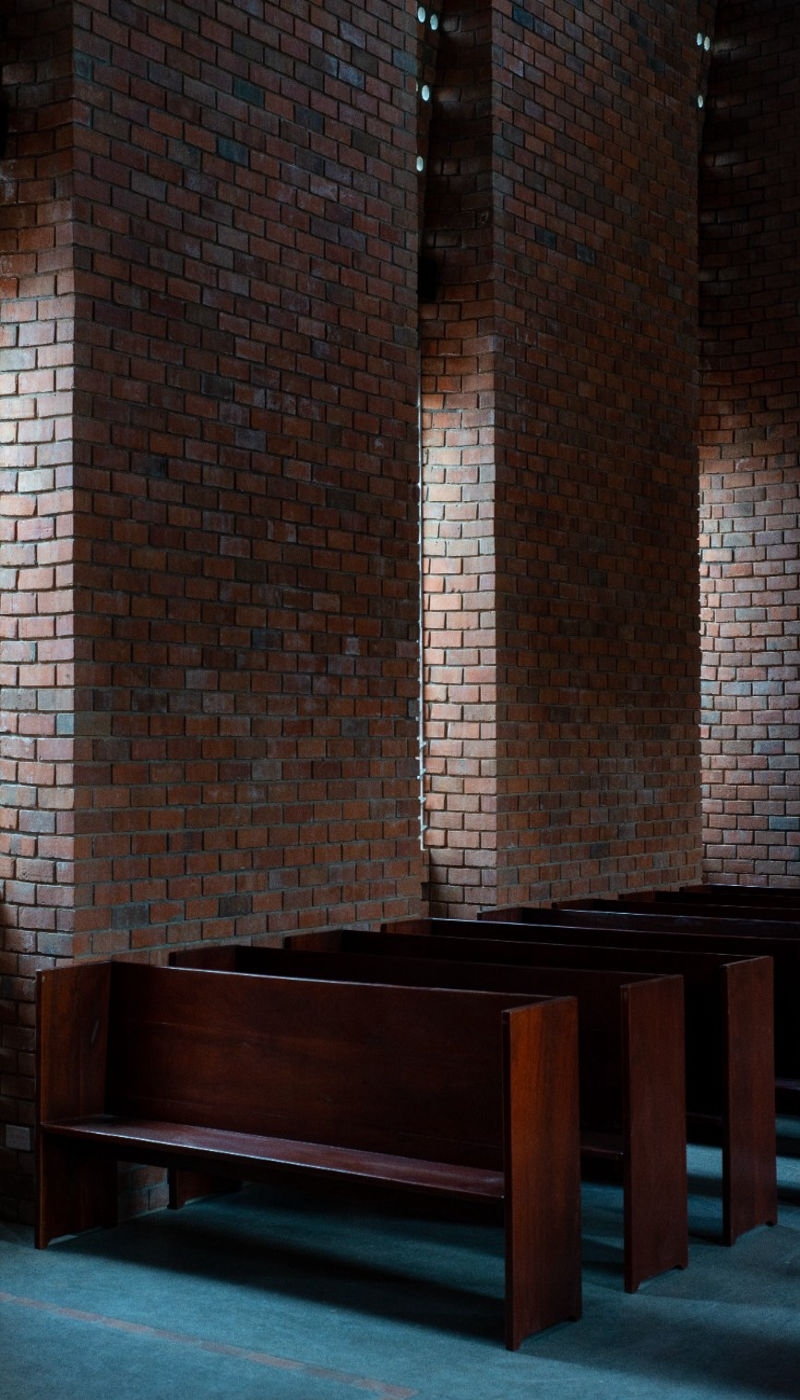
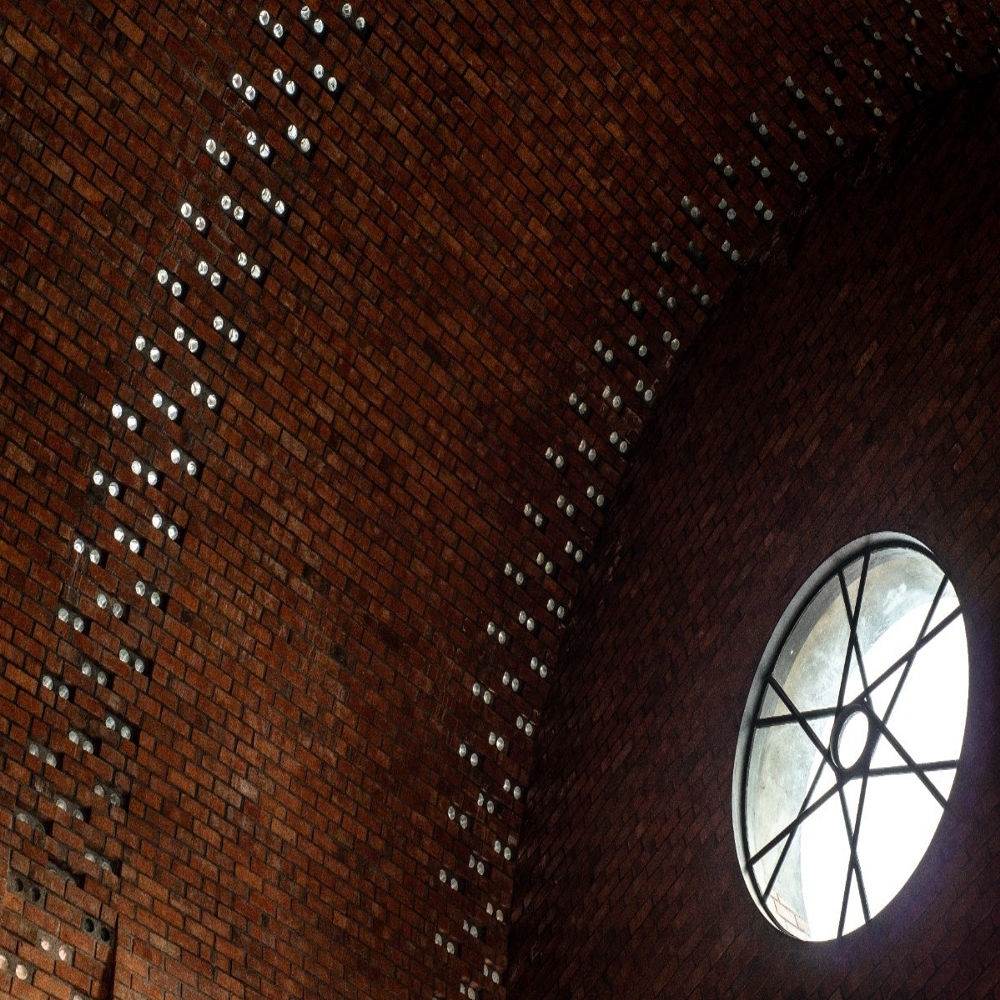
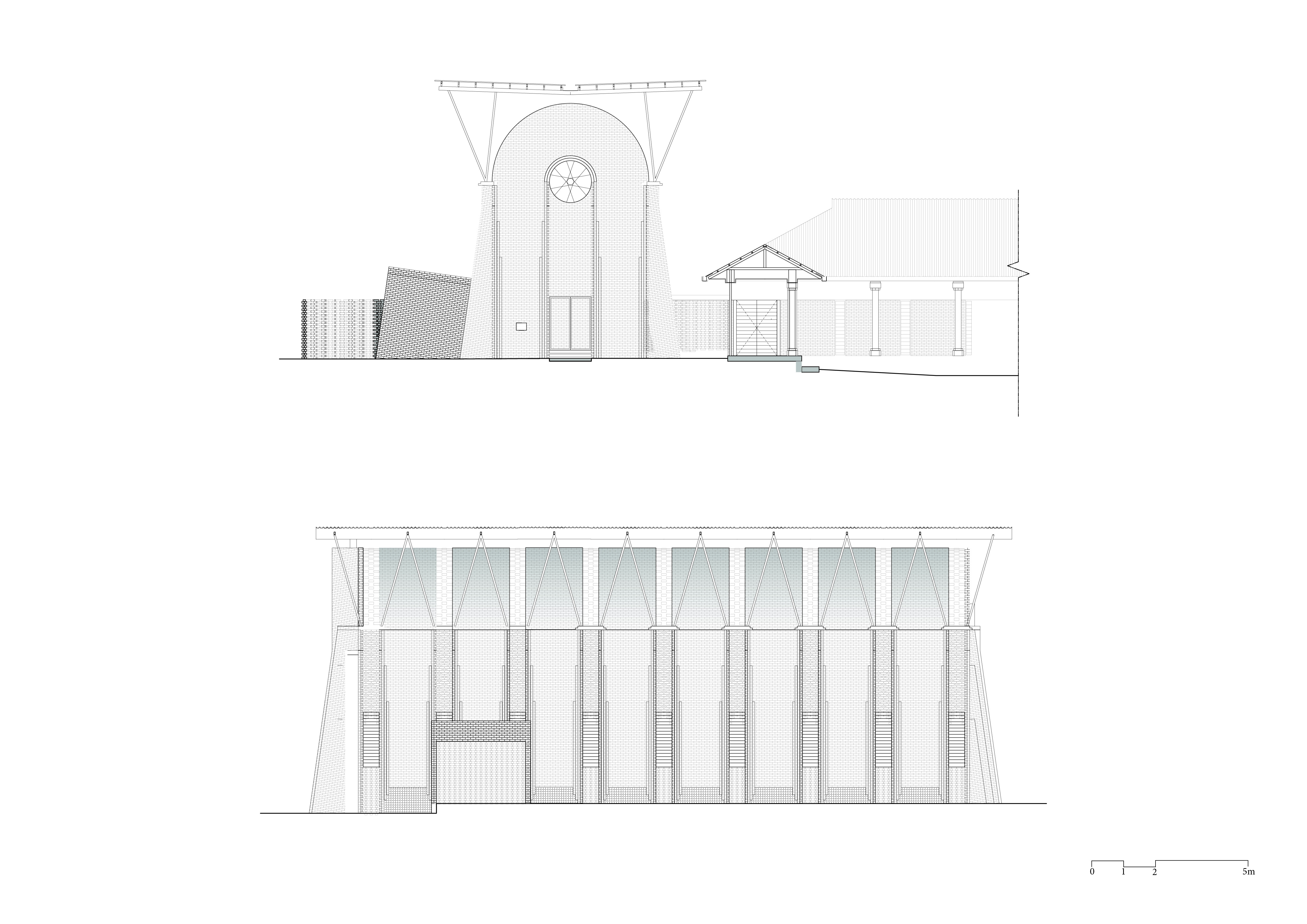
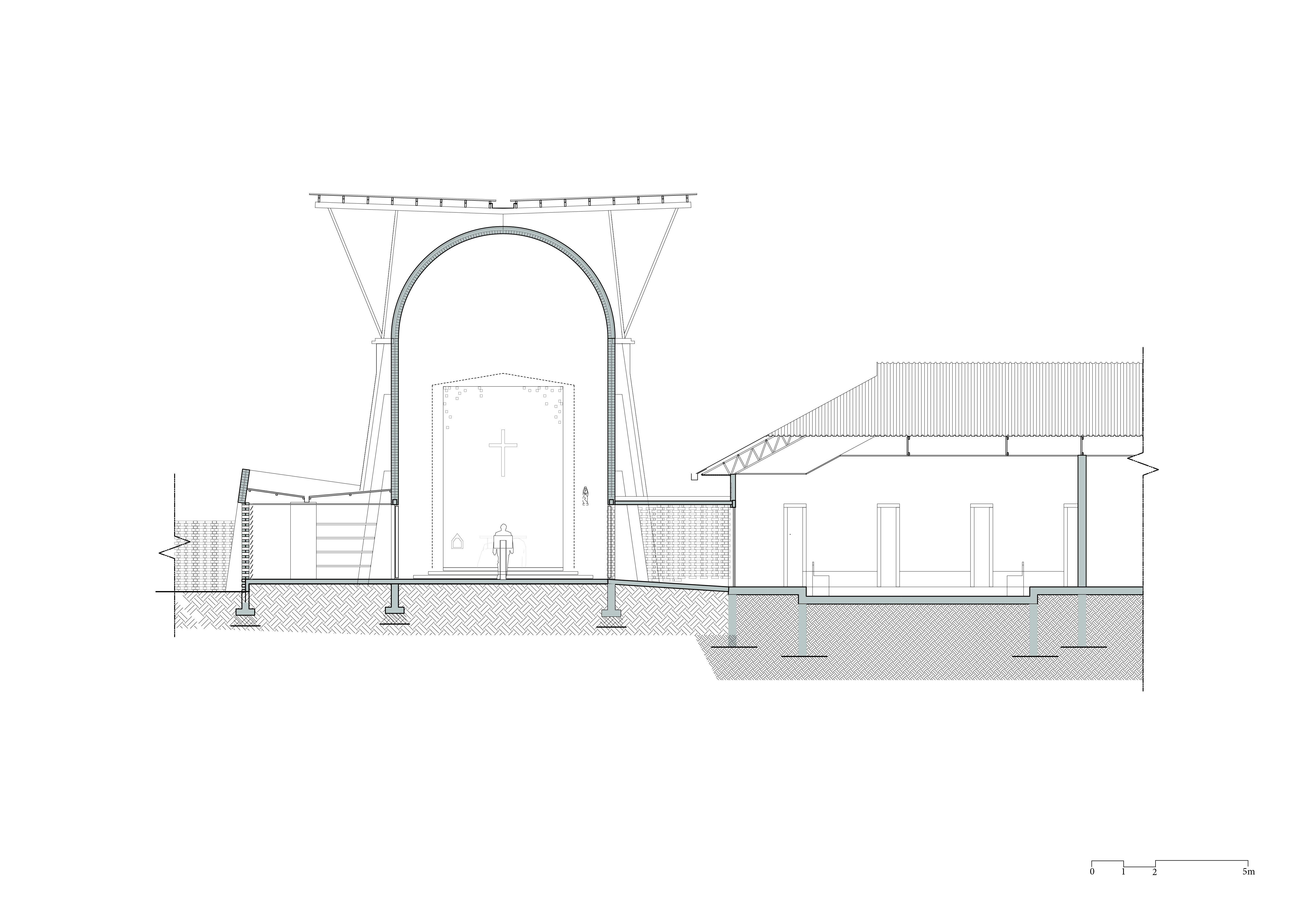
Design considerations are closely aligned with Cistercian building traditions of creating pure spaces without distractions from a life of prayer and religious devotion. The church is a long, narrow and tall barrel vaulted volume; it is a direct reference to the architecture of monastic churches. As traditional as the space is, its structure has been subtly inverted; instead of solid masonry columns with windows in-between, ‘columns of light’ seem to carry this church, connected by arches made of strips of brickwork interspersed with glass bottles. The design carefully responds to the project’s local context, including material, climate and culture. A light-weight, secondary tropical roof hovers above the church, shading and protecting the building, collecting rainwater and providing space for photovoltaic panels. The reinforced brickwork of the church that is embedded with glass bottles makes ‘light arches’ that direct sunlight into the church at midday. Light is played with further: sun catchers in the eastern wall are illuminated in the mornings of solstice and equinox days and a rose window casts a circular spot of direct evening light into the church during the late afternoon.
Design considerations are closely aligned with Cistercian building traditions of creating pure spaces without distractions from a life of prayer and religious devotion. The church is a long, narrow and tall barrel vaulted volume; it is a direct reference to the architecture of monastic churches. As traditional as the space is, its structure has been subtly inverted; instead of solid masonry columns with windows in-between, ‘columns of light’ seem to carry this church, connected by arches made of strips of brickwork interspersed with glass bottles. The design carefully responds to the project’s local context, including material, climate and culture. A light-weight, secondary tropical roof hovers above the church, shading and protecting the building, collecting rainwater and providing space for photovoltaic panels. The reinforced brickwork of the church that is embedded with glass bottles makes ‘light arches’ that direct sunlight into the church at midday. Light is played with further: sun catchers in the eastern wall are illuminated in the mornings of solstice and equinox days and a rose window casts a circular spot of direct evening light into the church during the late afternoon.
Project Sustainability Approach:
Material-wise, the design makes use of bricks sustainably fired with coffee husks. Using brick as a primary material follows the Cistercian principle of ‘material only’ – the brick is available close to site, ages well and is easy to handle. Building the church buttresses in brick by gradually increasing their thickness and depth towards the ground expresses architecturally the structural distribution of loads and moments. All new buildings are passively ventilated, with cross-ventilation, ventilated ceiling voids, reflective roofing material and shaded windows. This ensures a comfortable indoor climate throughout the year.
Material-wise, the design makes use of bricks sustainably fired with coffee husks. Using brick as a primary material follows the Cistercian principle of ‘material only’ – the brick is available close to site, ages well and is easy to handle. Building the church buttresses in brick by gradually increasing their thickness and depth towards the ground expresses architecturally the structural distribution of loads and moments. All new buildings are passively ventilated, with cross-ventilation, ventilated ceiling voids, reflective roofing material and shaded windows. This ensures a comfortable indoor climate throughout the year.
Local and Regional Impacts of the Project:
Our Lady of Victoria Monastery stands as a model of context-sensitive, climate-responsive design in rural Uganda. Built using locally made bricks and passive ventilation systems suited to Kyotera’s hot, humid climate, the monastery maintains comfort and durability with minimal energy use. Its construction generated local employment and skill transfer, directly benefiting artisans and suppliers from nearby communities. Beyond its spiritual role, the monastery has become a centre of learning;attracting architecture students, researchers, and visitors interested in sustainable building and vernacular innovation. As both sanctuary and case study, it elevates local craftsmanship while positioning Kijonjo as a regional reference point for low-carbon, community-driven architecture.
Our Lady of Victoria Monastery stands as a model of context-sensitive, climate-responsive design in rural Uganda. Built using locally made bricks and passive ventilation systems suited to Kyotera’s hot, humid climate, the monastery maintains comfort and durability with minimal energy use. Its construction generated local employment and skill transfer, directly benefiting artisans and suppliers from nearby communities. Beyond its spiritual role, the monastery has become a centre of learning;attracting architecture students, researchers, and visitors interested in sustainable building and vernacular innovation. As both sanctuary and case study, it elevates local craftsmanship while positioning Kijonjo as a regional reference point for low-carbon, community-driven architecture.
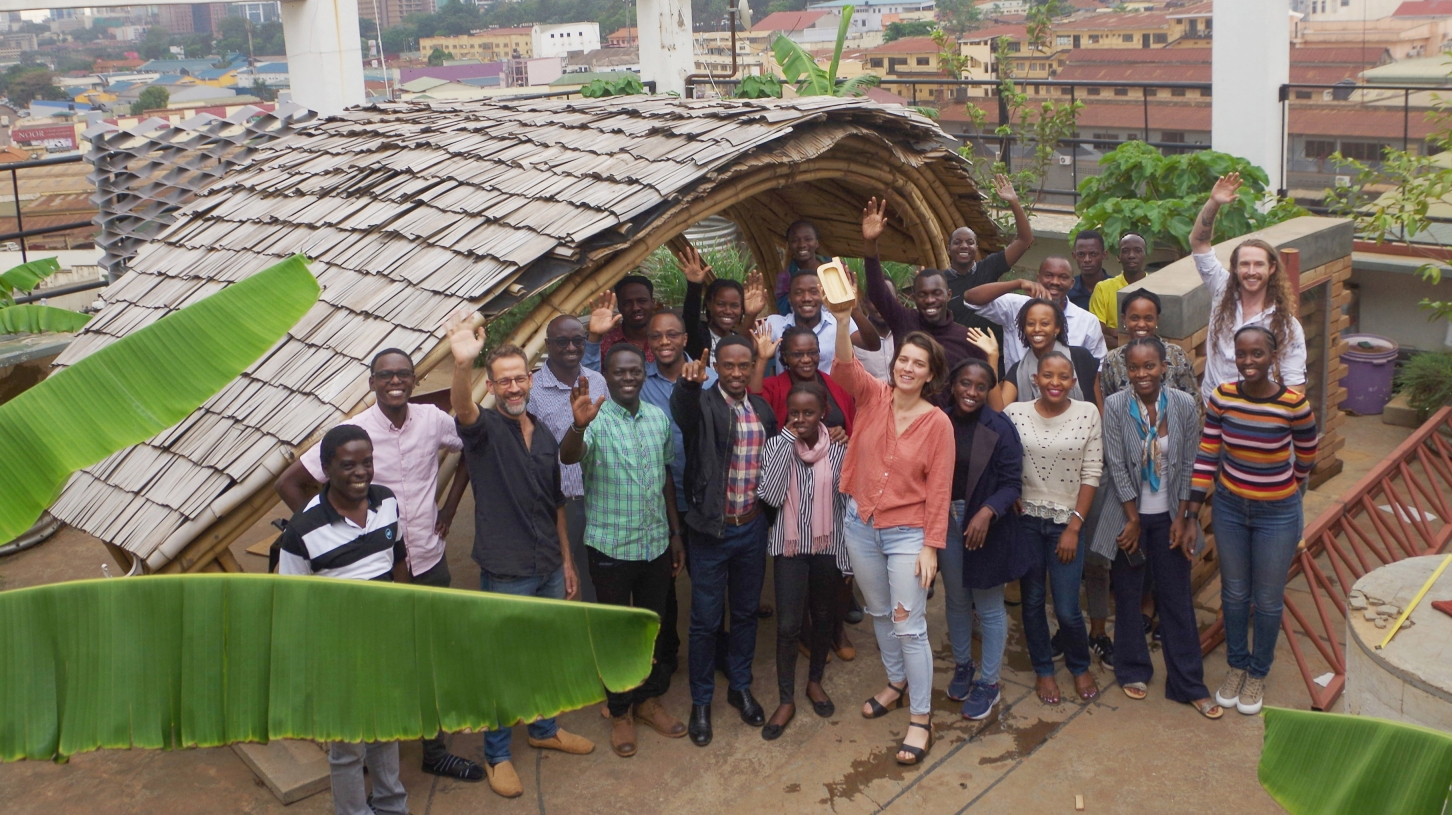
Company Name:Localworks
Lead Designer(s) Name(s):Felix Holland, Edson Agume, Allan Semakula, Wilson Sendikwanawa