The Freetown Monument
Prize(s):
WINNER 2026 ARCHITECTURE / Cultural Building Architecture | ARCHITECTURE / Religious & Spiritual Building Architecture
Company Name:Oshinowo Studio
Lead Designer(s) Name(s):Tosin Oshinowo
Design Team / Other designer(s):Oshinowo Studio Architecture Design Team - Yusuff Abdulakeem,Bode Toyo,Victor Baiyewu
Architecture Firm:Oshinowo Studio
Interior Designer:AKTII - Structural Designer Team - Simone Miriana,Edoardo Tibuzzi,Elena Giraldi
Construction Company:Bellapart
Lighting Design:Deerns
Client Name:Commonwealth War Graves Commission (CWGC)
Photo Credit:Oshinowo Studio and Hayes Davidson
Project Location:Freetown, Sierra Leone.
Design Status:In Progress
Website: View
Video URL:View
Project Description:
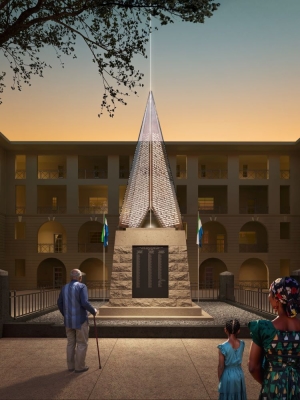
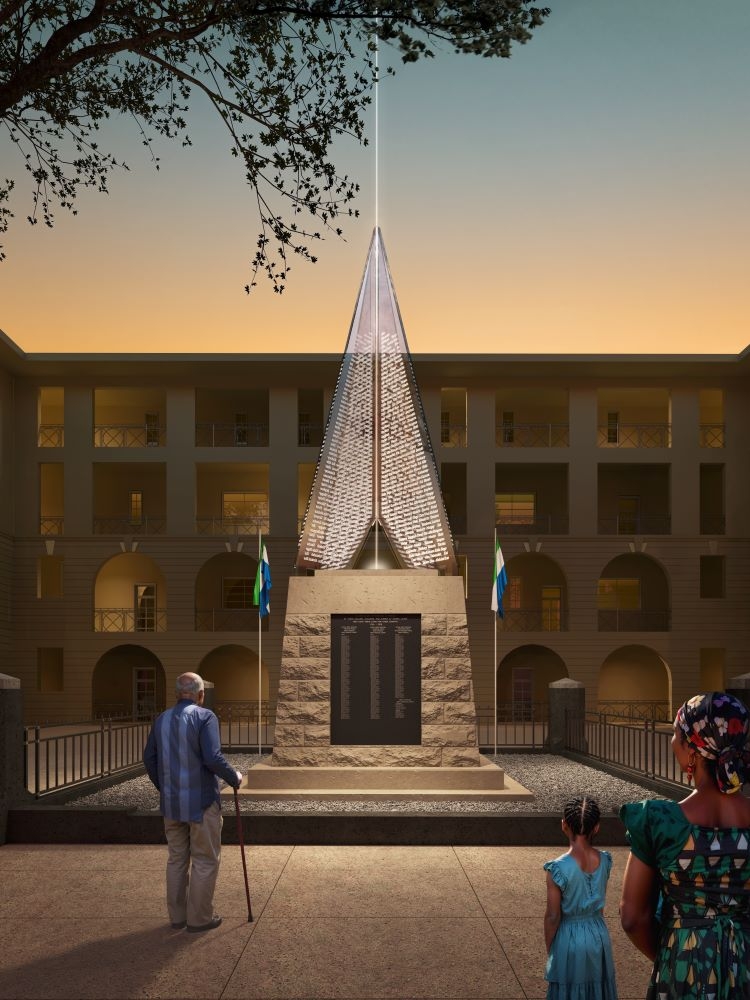
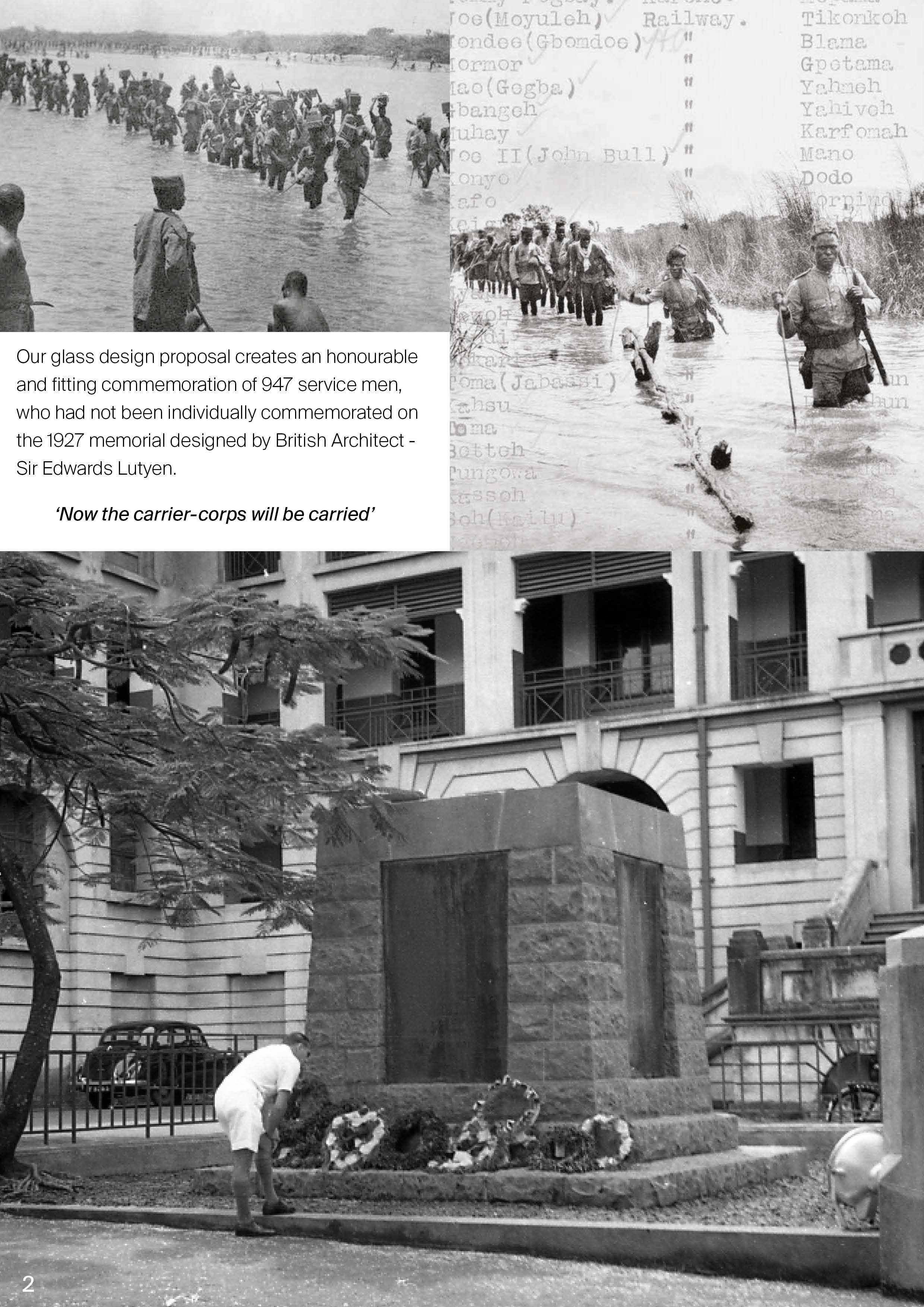
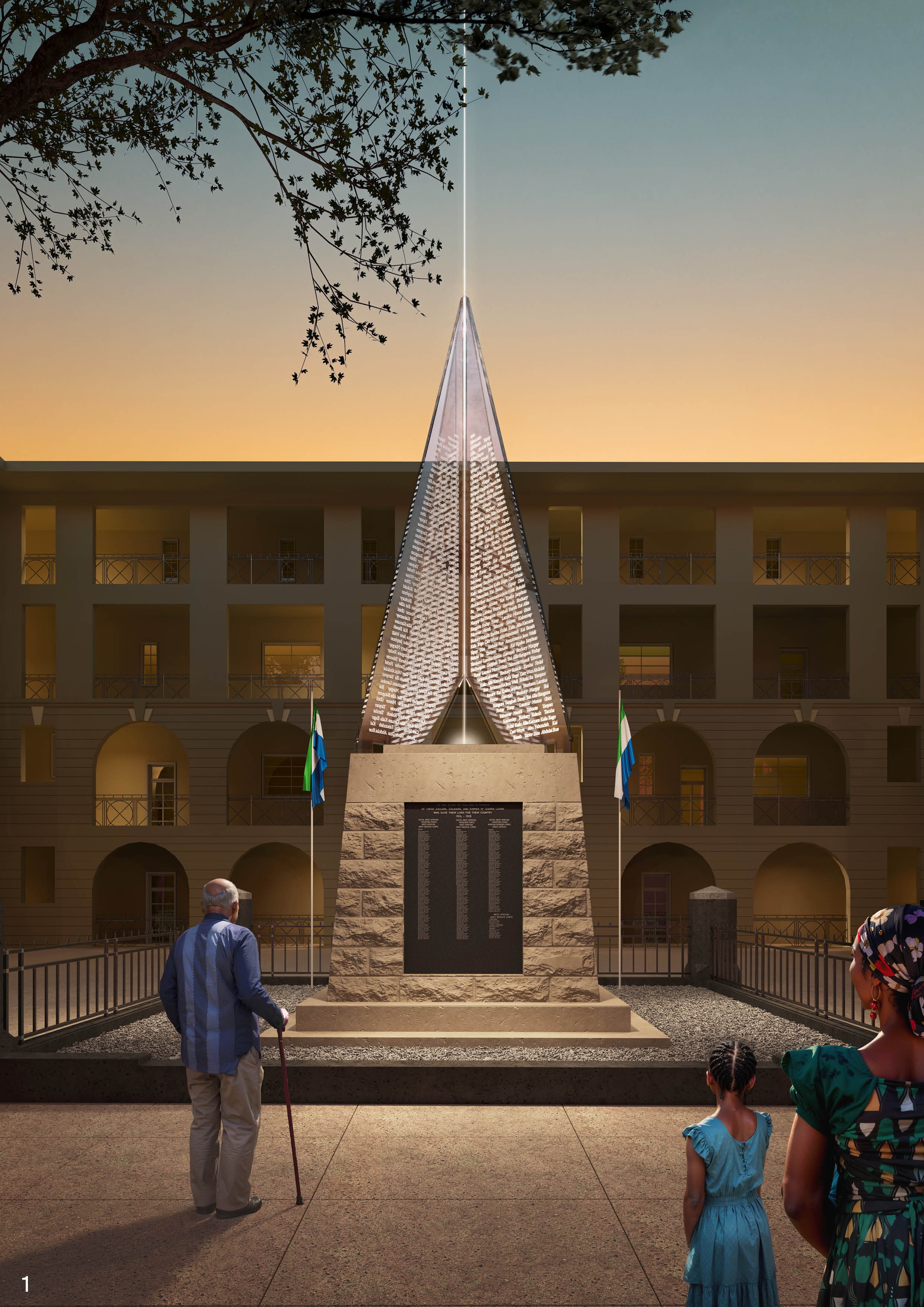
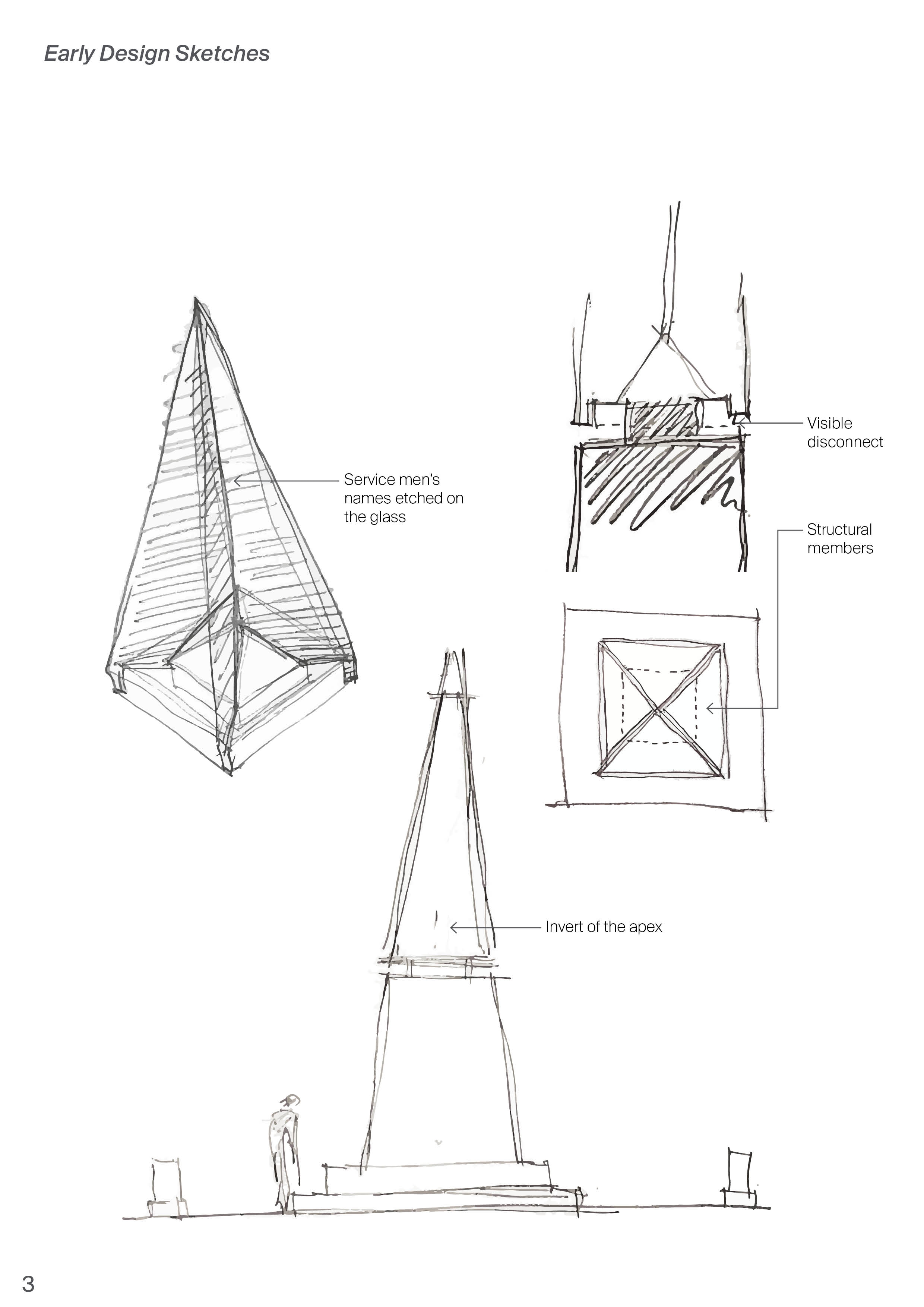
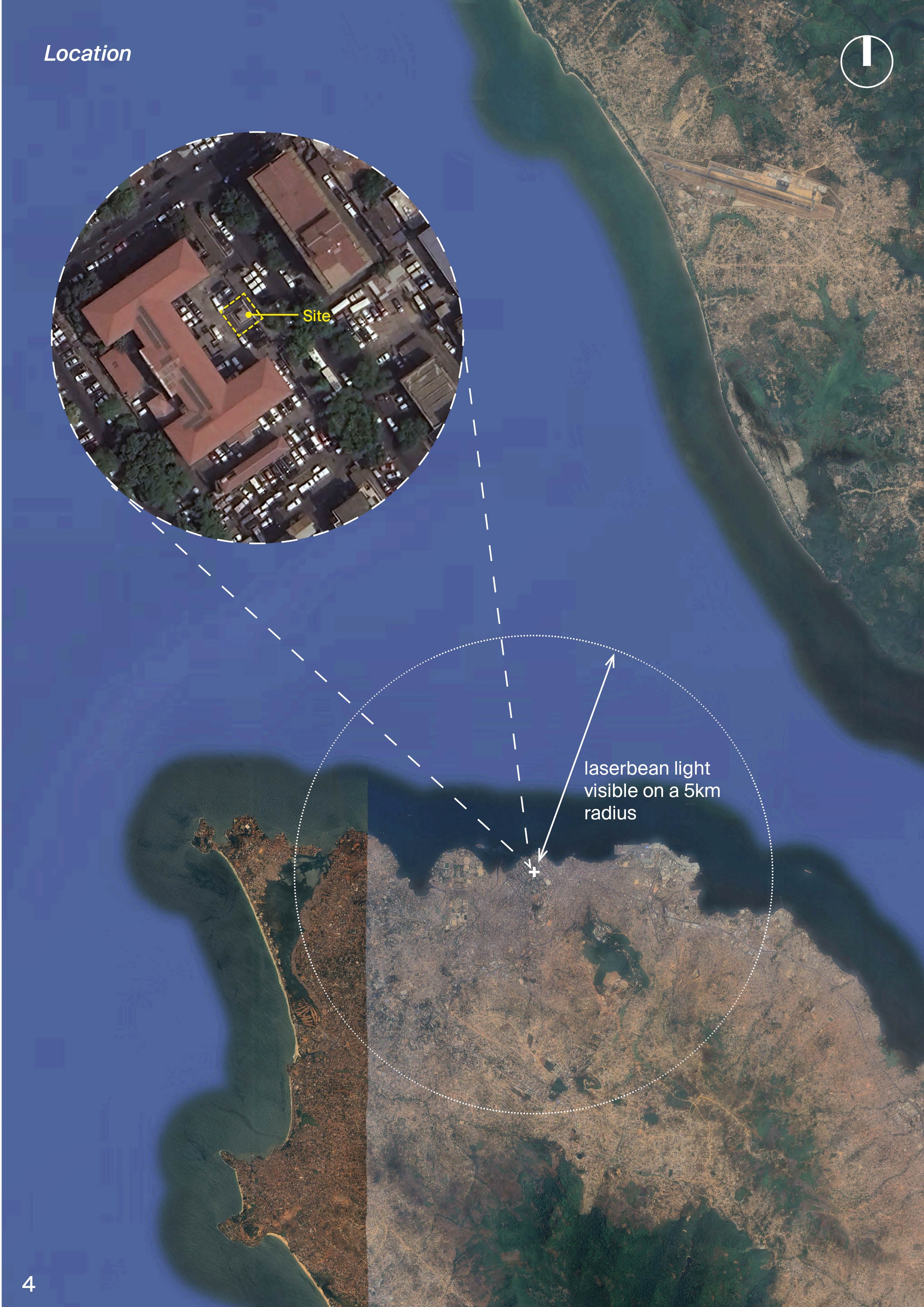
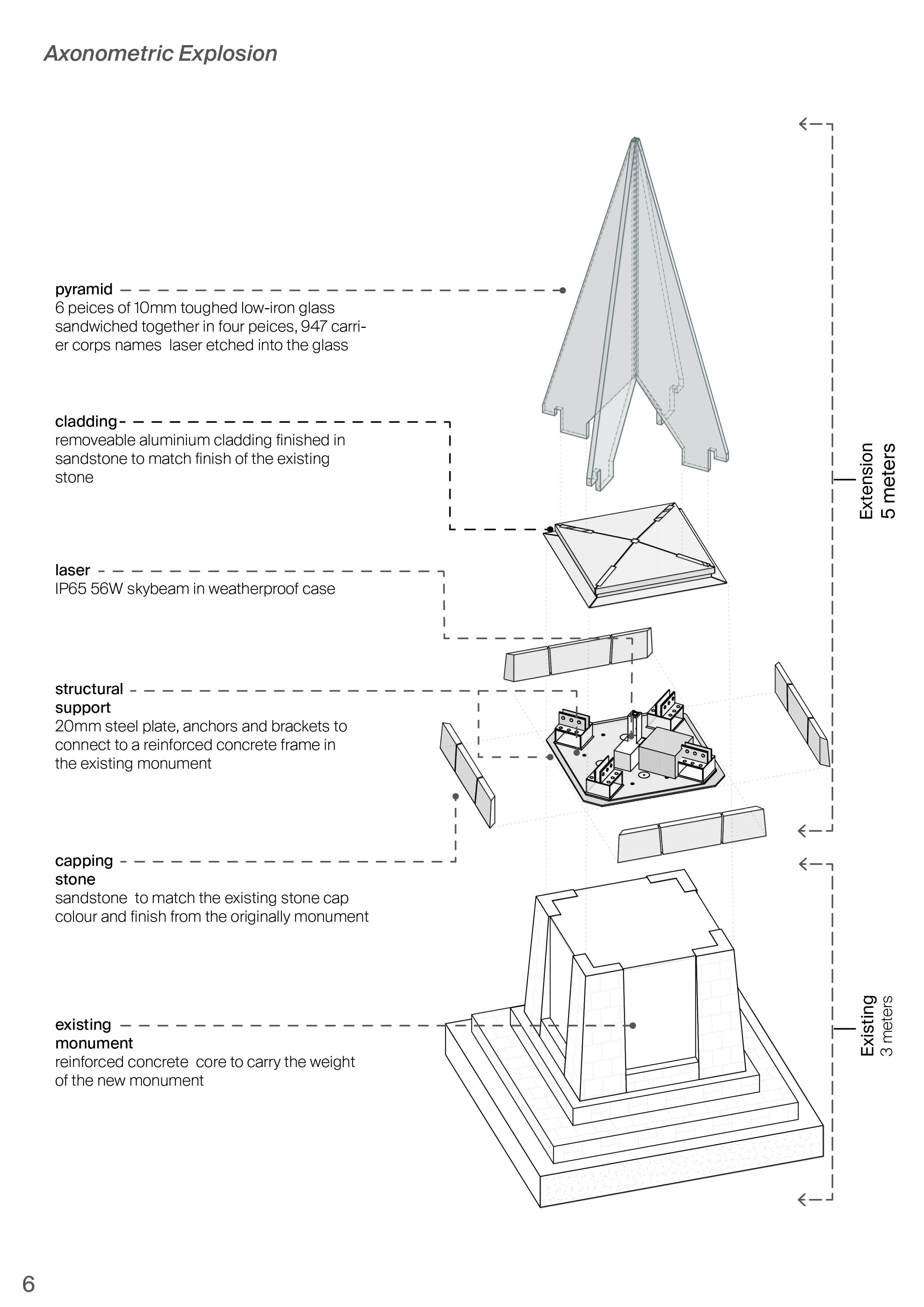
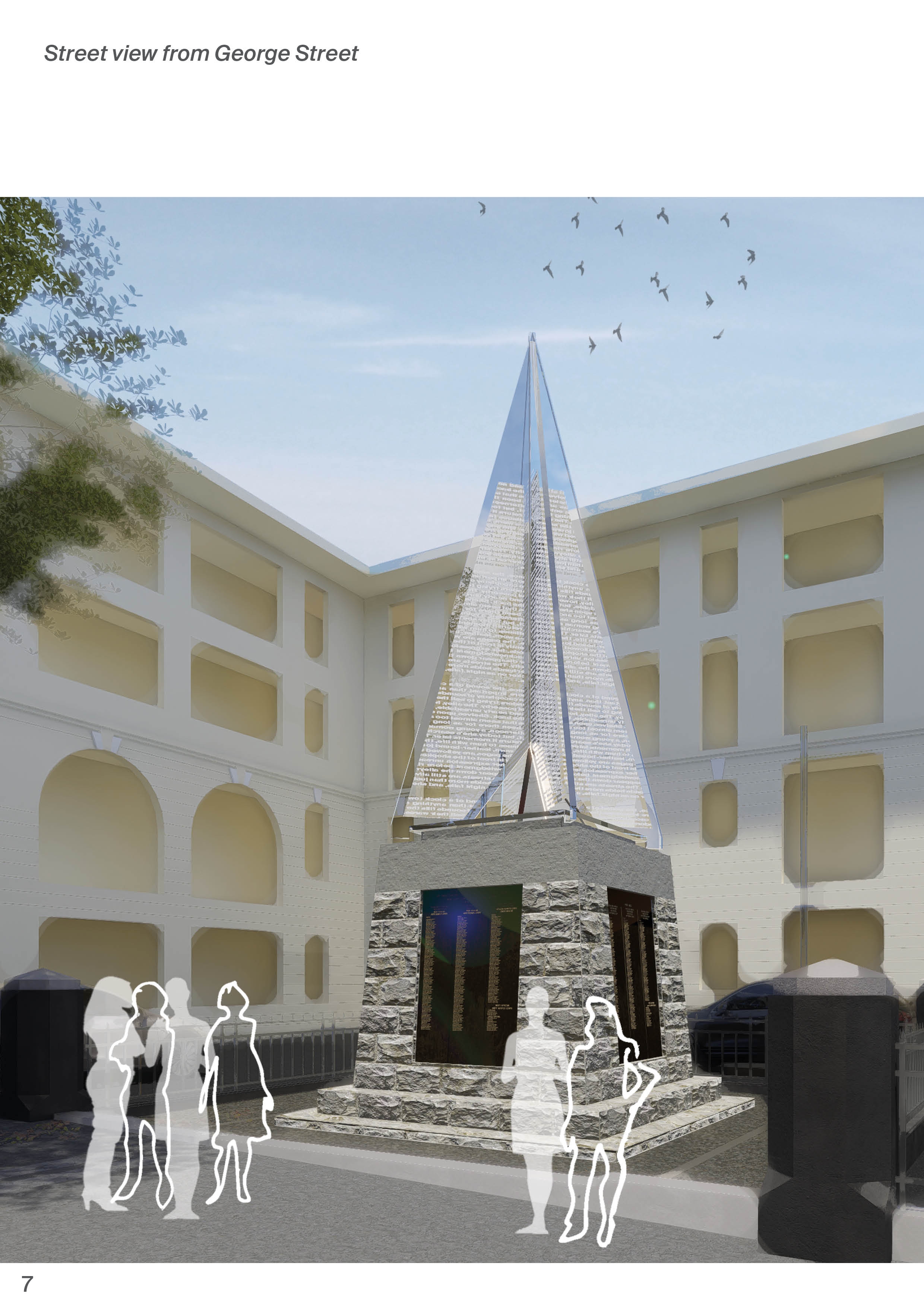
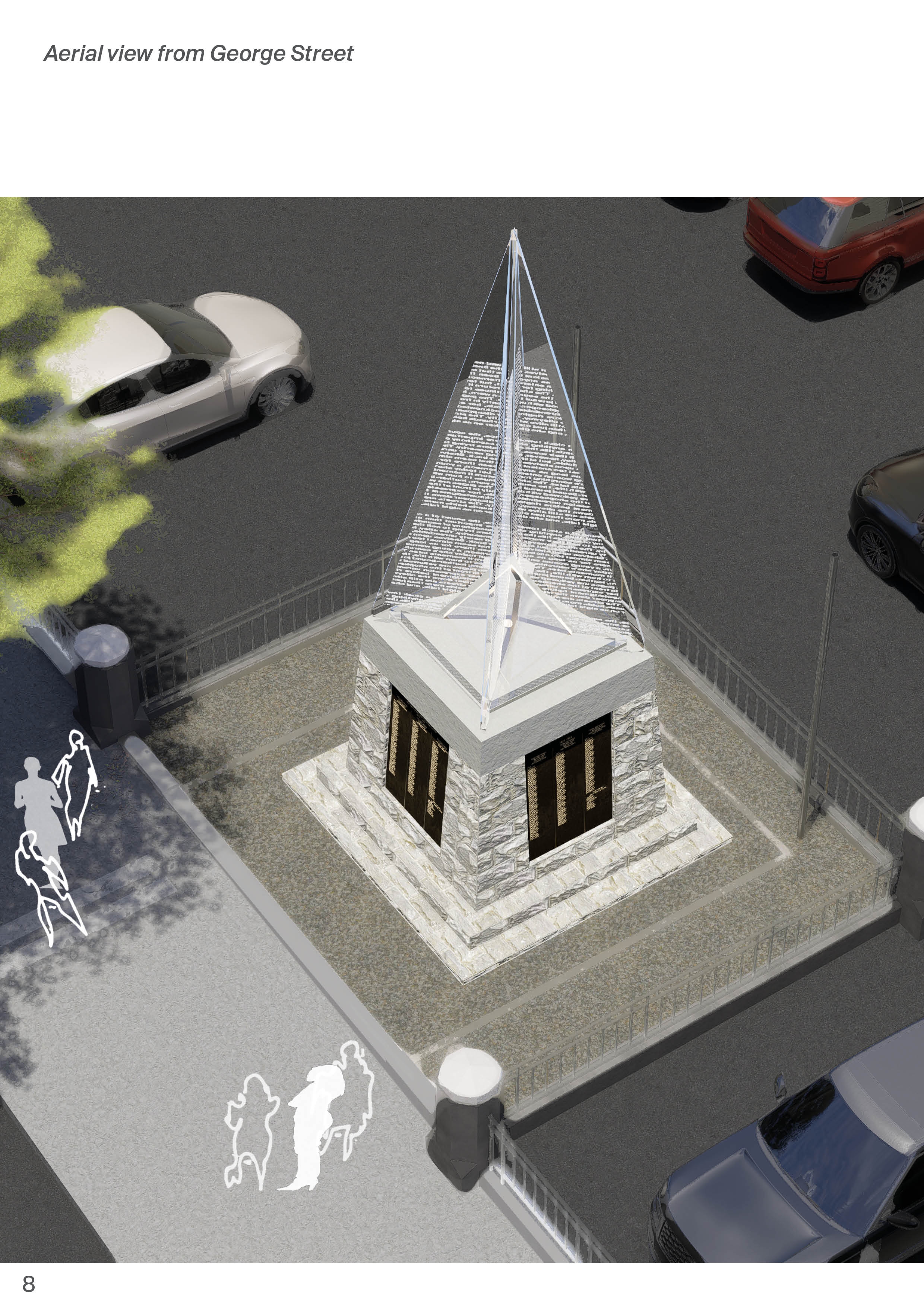
The addition to the Freetown Memorial addresses a long-overlooked gap in commemorating Sierra Leone’s contribution to the First World War. During the conflict, members of the Carrier Corps transported vital supplies across terrain inaccessible to vehicles or animals. Many died in service but were never formally recognised as individual men. Recent archival research by the Commonwealth War Graves Commission, in collaboration with West African heritage consultants, recovered the names of 975 fallen carrier corps. The Monument, set in a 7m x 7m courtyard in the now-car park of the Sierra Loene Government Treasury building, reinterprets British Architect Sir Edwin Lutyens’ 1929 stone monument. A five-meter structural glass prism rises from the original three-meter podium, restoring the names of the fallen and projecting a laser beam visible for a five-kilometre radius across Freetown, transforming a now-restricted access site into a shared civic presence, illuminated each November on Remembrance Day and other civic memorial events.
The addition to the Freetown Memorial addresses a long-overlooked gap in commemorating Sierra Leone’s contribution to the First World War. During the conflict, members of the Carrier Corps transported vital supplies across terrain inaccessible to vehicles or animals. Many died in service but were never formally recognised as individual men. Recent archival research by the Commonwealth War Graves Commission, in collaboration with West African heritage consultants, recovered the names of 975 fallen carrier corps. The Monument, set in a 7m x 7m courtyard in the now-car park of the Sierra Loene Government Treasury building, reinterprets British Architect Sir Edwin Lutyens’ 1929 stone monument. A five-meter structural glass prism rises from the original three-meter podium, restoring the names of the fallen and projecting a laser beam visible for a five-kilometre radius across Freetown, transforming a now-restricted access site into a shared civic presence, illuminated each November on Remembrance Day and other civic memorial events.
Project Innovation / Specification:
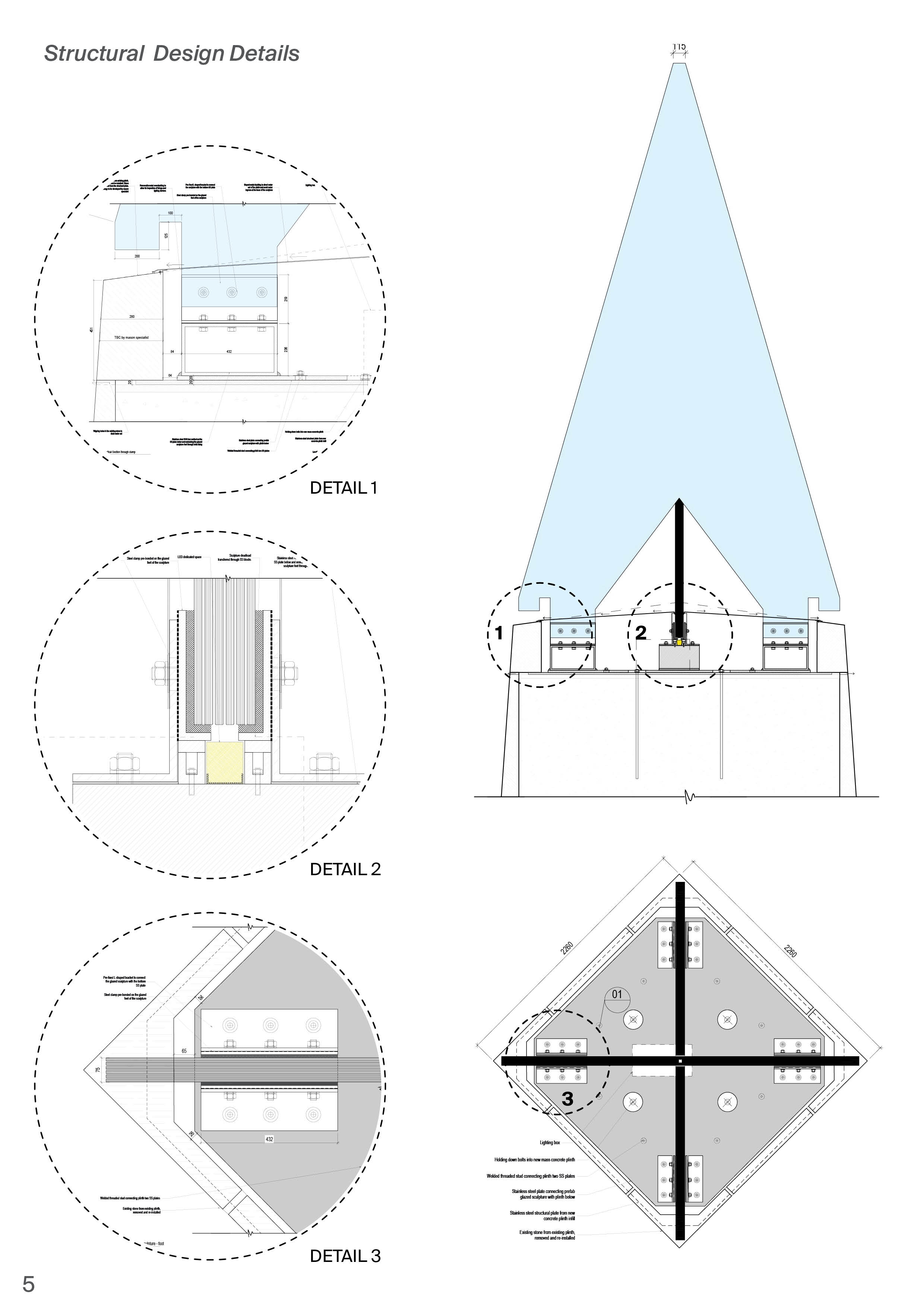
The minimalist design was conceived to complement its historical host rather than compete with it. While visually restrained, this simplicity demanded an exacting design process, with careful attention to proportion, material junctions, and construction detailing to ensure the intervention could be realised without compromising the aesthetic integrity or symbolic gravity of the original monument. The design strategy is firmly rooted in the constraints of the 7m x 7m site. Within this limited footprint, a translucent yet monolithic form is introduced to symbolise absence, loss, and the long erasure of the Carrier Corps from public memory. Conceived as a beacon, the structure will be visible at night across a 5km radius of Freetown, directly addressing the site’s restricted public access, as the memorial now occupies what functions as the car park of the Sierra Leone Government Finance Building. Structural glass was selected as both a contemporary material and a symbolic medium capable of carrying historical weight. Each of the four structural glass screens is engineered to support the load of up to five metres of stacked glass while maintaining the precision and delicacy required
The minimalist design was conceived to complement its historical host rather than compete with it. While visually restrained, this simplicity demanded an exacting design process, with careful attention to proportion, material junctions, and construction detailing to ensure the intervention could be realised without compromising the aesthetic integrity or symbolic gravity of the original monument. The design strategy is firmly rooted in the constraints of the 7m x 7m site. Within this limited footprint, a translucent yet monolithic form is introduced to symbolise absence, loss, and the long erasure of the Carrier Corps from public memory. Conceived as a beacon, the structure will be visible at night across a 5km radius of Freetown, directly addressing the site’s restricted public access, as the memorial now occupies what functions as the car park of the Sierra Leone Government Finance Building. Structural glass was selected as both a contemporary material and a symbolic medium capable of carrying historical weight. Each of the four structural glass screens is engineered to support the load of up to five metres of stacked glass while maintaining the precision and delicacy required
Project Sustainability Approach:
Physically, the intervention is conceived as an act of preservation rather than replacement. Sir Edwin Lutyens’ 1929 sandstone monument will remain intact and fully legible in its original form. Any new work is carefully subordinated to the existing structure, with discreet structural reinforcement undertaken to strengthen the concrete core and safely accommodate the additional loads introduced by the intervention. This approach ensures that the historical fabric is respected while allowing the monument to evolve in response to newly recovered histories. The project is socially sustainable in its ambition to reconnect a younger generation with the significance of history and the sacrifices that underpin the contemporary world we collectively inhabit. The restoration of 975 names is an act of cultural sustainability, transforming previously anonymous loss into recognised individual lives and ensuring these men are never forgotten. Importantly, collaboration with local heritage consultants—rather than the imposition of external narratives—meant that the research process itself built local capacity, expertise, and archival knowledge that remains in Sierra Leone beyond the life of the
Physically, the intervention is conceived as an act of preservation rather than replacement. Sir Edwin Lutyens’ 1929 sandstone monument will remain intact and fully legible in its original form. Any new work is carefully subordinated to the existing structure, with discreet structural reinforcement undertaken to strengthen the concrete core and safely accommodate the additional loads introduced by the intervention. This approach ensures that the historical fabric is respected while allowing the monument to evolve in response to newly recovered histories. The project is socially sustainable in its ambition to reconnect a younger generation with the significance of history and the sacrifices that underpin the contemporary world we collectively inhabit. The restoration of 975 names is an act of cultural sustainability, transforming previously anonymous loss into recognised individual lives and ensuring these men are never forgotten. Importantly, collaboration with local heritage consultants—rather than the imposition of external narratives—meant that the research process itself built local capacity, expertise, and archival knowledge that remains in Sierra Leone beyond the life of the
Local and Regional Impacts of the Project:
Locally, the memorial reclaims public consciousness despite its physically restricted site. Through the introduction of light as its primary architectural medium, the beacon transforms a monument to which most residents of Freetown have limited physical access into one that can be collectively experienced across the city. In this way, visibility replaces proximity, ensuring remembrance is no longer constrained by security boundaries or exclusionary conditions. The memorial becomes part of the city’s nightly horizon, embedding memory within everyday urban life. Regionally, the project establishes a model for addressing colonial-era monuments through contemporary architectural intervention rather than removal or replacement. It demonstrates how glass and light can operate with the same symb
Locally, the memorial reclaims public consciousness despite its physically restricted site. Through the introduction of light as its primary architectural medium, the beacon transforms a monument to which most residents of Freetown have limited physical access into one that can be collectively experienced across the city. In this way, visibility replaces proximity, ensuring remembrance is no longer constrained by security boundaries or exclusionary conditions. The memorial becomes part of the city’s nightly horizon, embedding memory within everyday urban life. Regionally, the project establishes a model for addressing colonial-era monuments through contemporary architectural intervention rather than removal or replacement. It demonstrates how glass and light can operate with the same symb

Company Name:Oshinowo Studio
Lead Designer(s) Name(s):Tosin Oshinowo