Slava Village Conversion
Prize(s):
WINNER 2026 ARCHITECTURE / Residential Architecture
Company Name:Savage + Dodd Architects
Lead Designer(s) Name(s):Heather Dodd
Design Team / Other designer(s):Tamaryn Collins
Architecture Firm:Savage + Dodd Architects
Construction Company:Nomad Construction
Client Name:Leroy Slava
Photo Credit:Savage+Dodd Architects
Project Location:Boksburg, South Africa (-26.221891, 28.254311)
Design Status:Completed
Website: View
Video URL:View
Project Description:
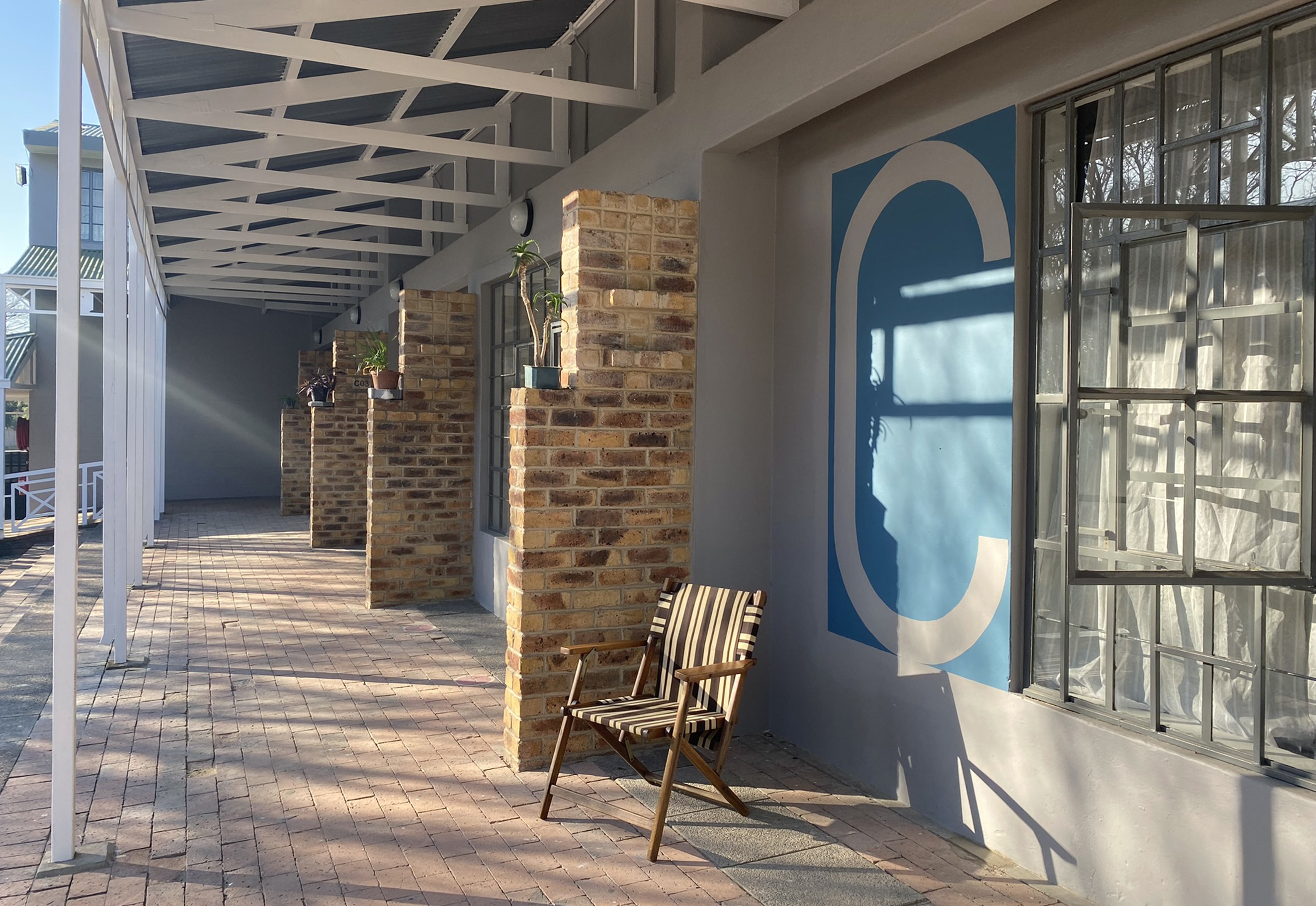
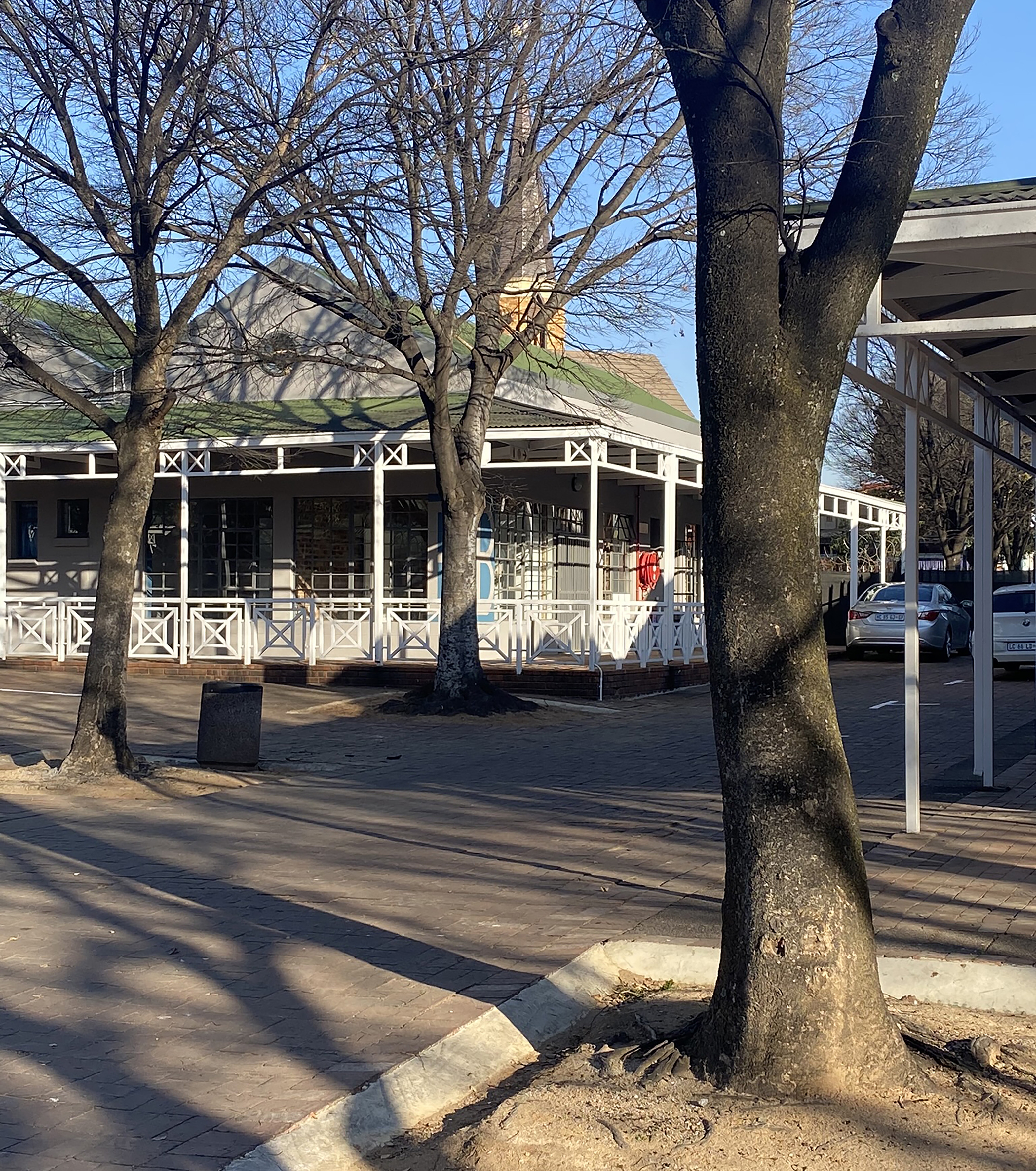
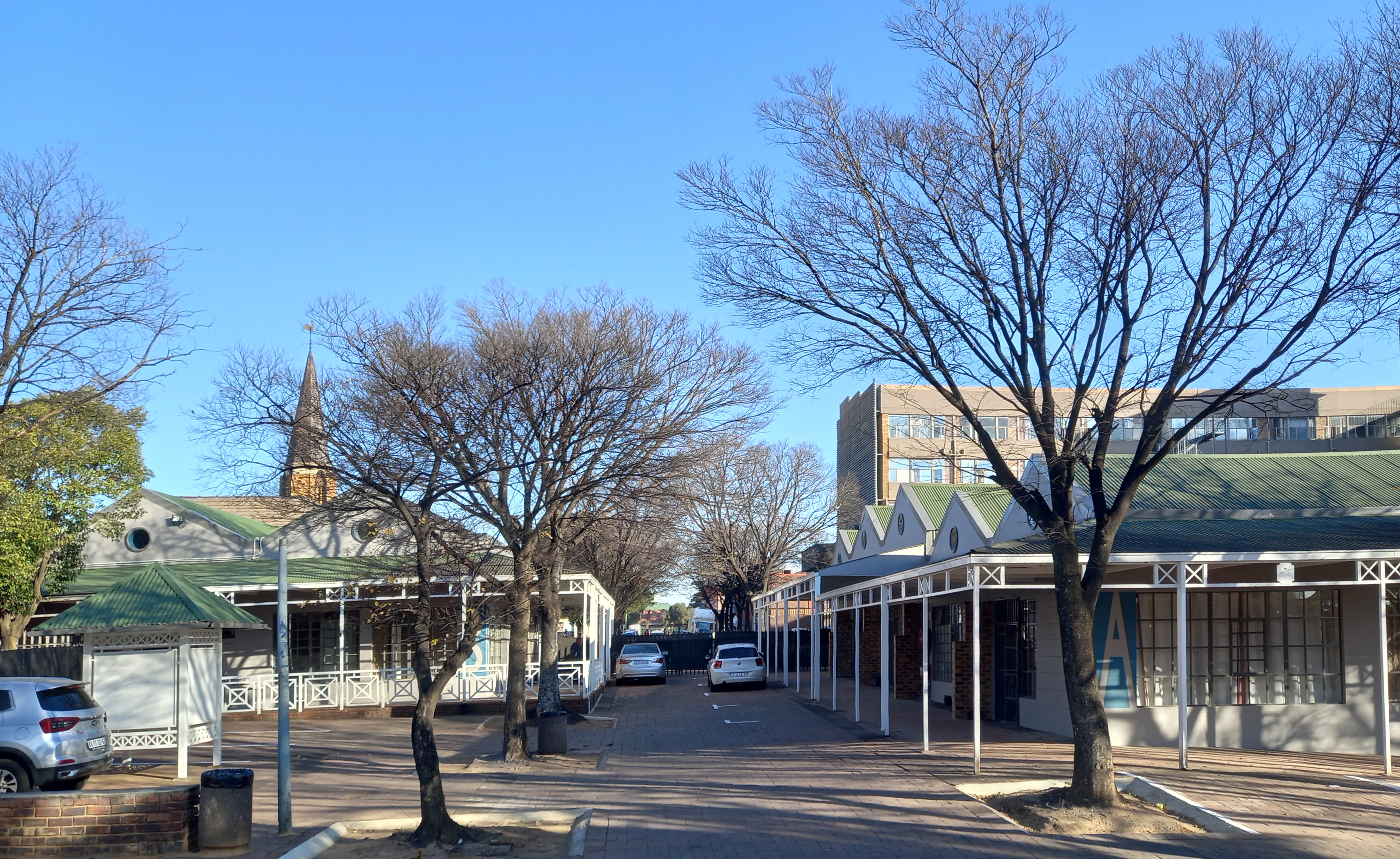
This is the adaptive re-use of a shopping centre located on the edge of the Boksburg CBD for affordable housing. Built in the 1980s, the complex consisted of a house, four first-floor apartments, shops and some larger scaled deep space commercial areas. The buildings housed a school and a few shops but lacked commercial connectivity and scale to survive as a viable shopping centre. The scale of the centre was ‘domestic’ in nature, centred around a treed courtyard with covered verandah access walkways. The site was well located in relation to the Boksburg CBD, the neighbouring church and civic buildings. These attributes were seen as positives in relation to its conversion potential. The existing building form presented both challenges and opportunities. The deep space areas required a strategic spatial approach in order to accommodate breaking the bigger space into units with adequate light and ventilation. The volume of the existing spaces presented the opportunity for internal vertical optimization of the unit space.
This is the adaptive re-use of a shopping centre located on the edge of the Boksburg CBD for affordable housing. Built in the 1980s, the complex consisted of a house, four first-floor apartments, shops and some larger scaled deep space commercial areas. The buildings housed a school and a few shops but lacked commercial connectivity and scale to survive as a viable shopping centre. The scale of the centre was ‘domestic’ in nature, centred around a treed courtyard with covered verandah access walkways. The site was well located in relation to the Boksburg CBD, the neighbouring church and civic buildings. These attributes were seen as positives in relation to its conversion potential. The existing building form presented both challenges and opportunities. The deep space areas required a strategic spatial approach in order to accommodate breaking the bigger space into units with adequate light and ventilation. The volume of the existing spaces presented the opportunity for internal vertical optimization of the unit space.
Project Innovation / Specification:
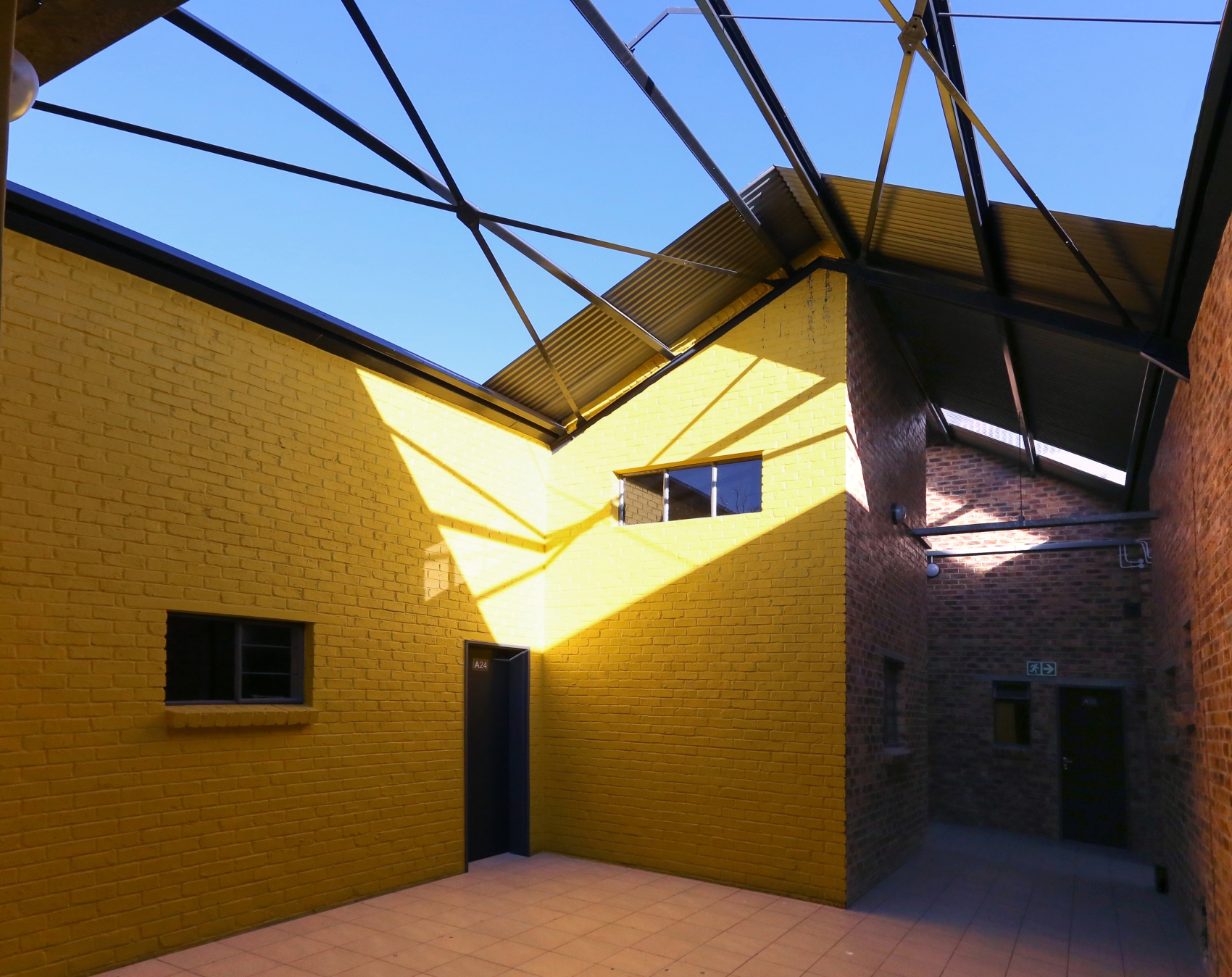
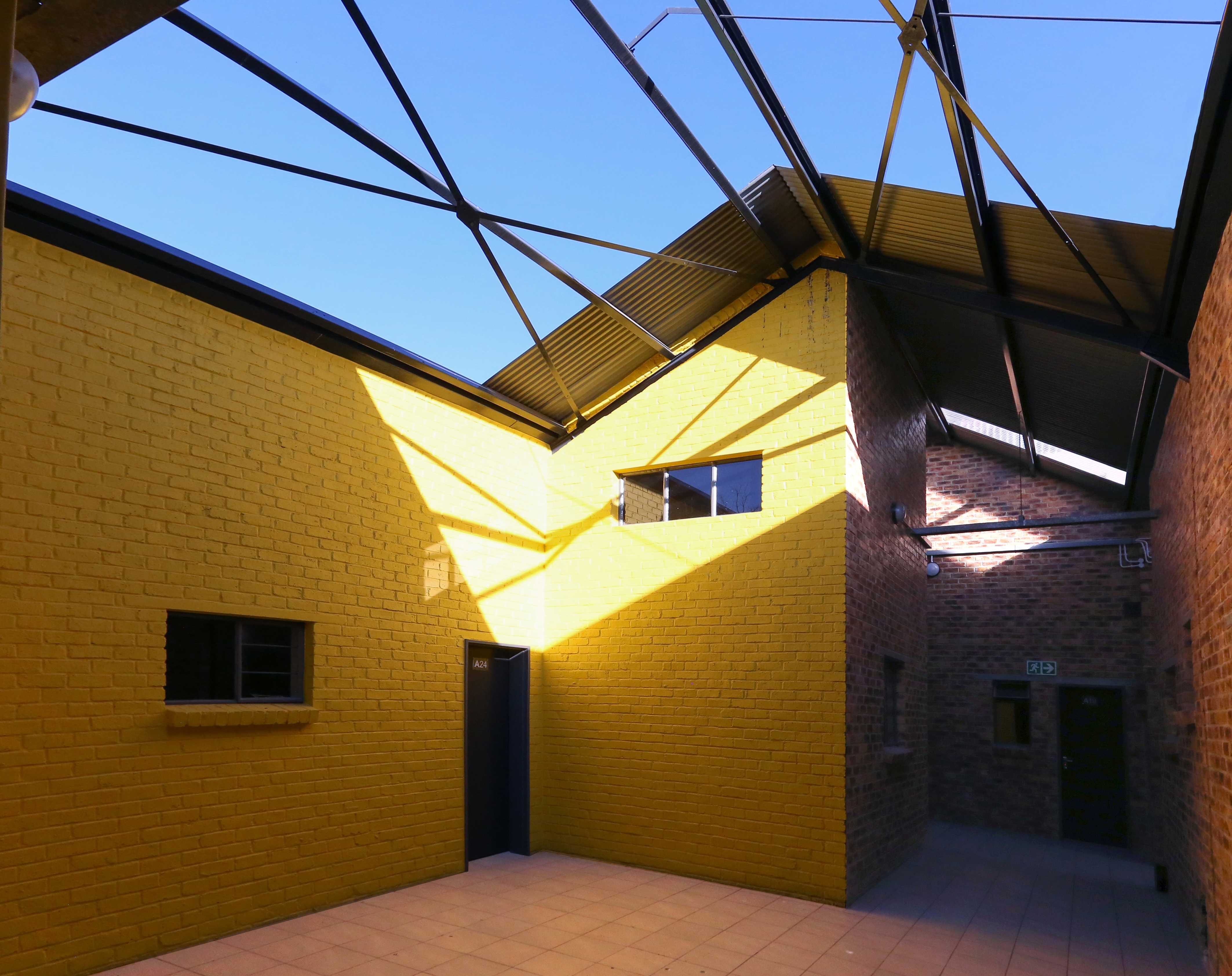
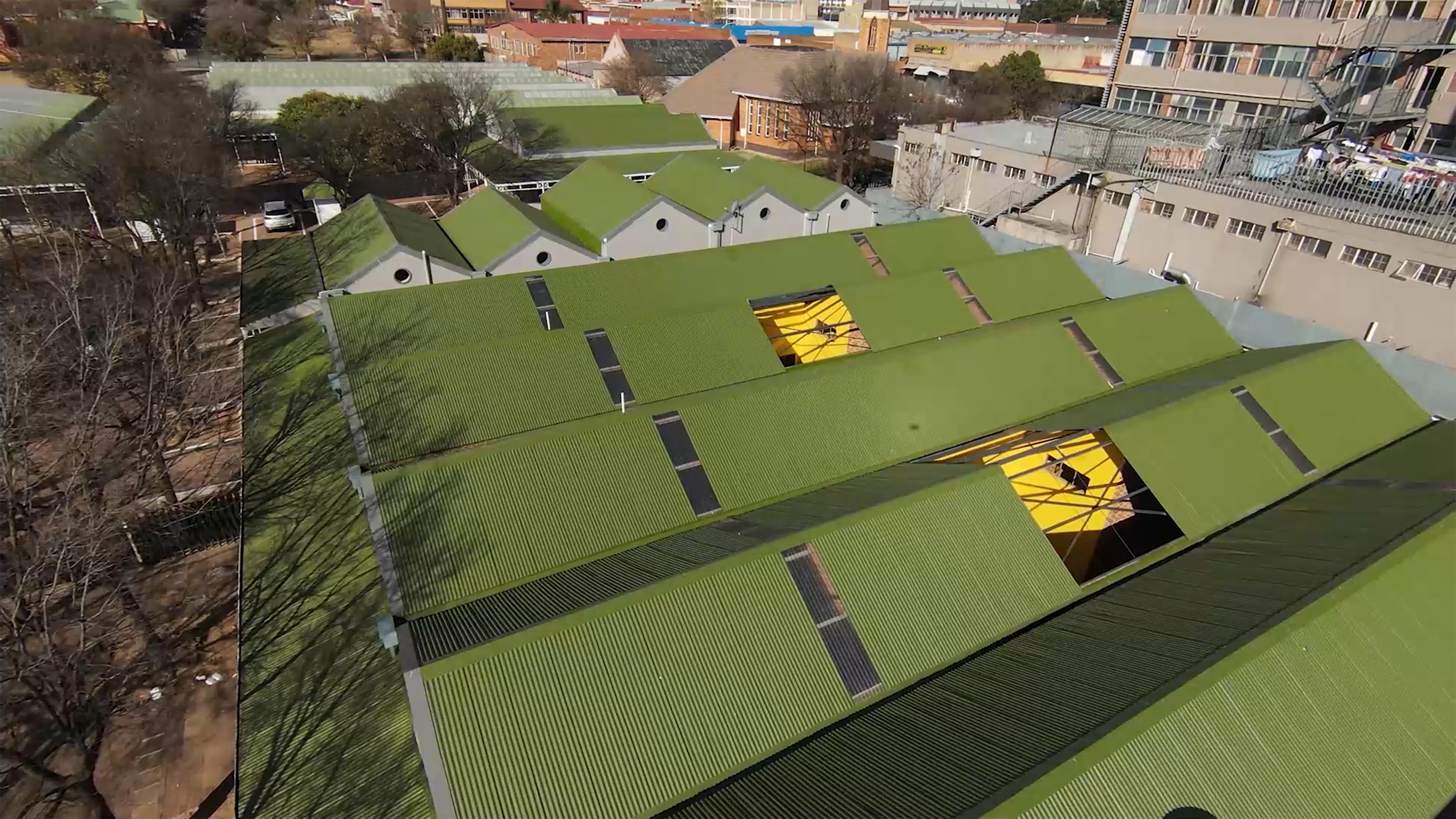
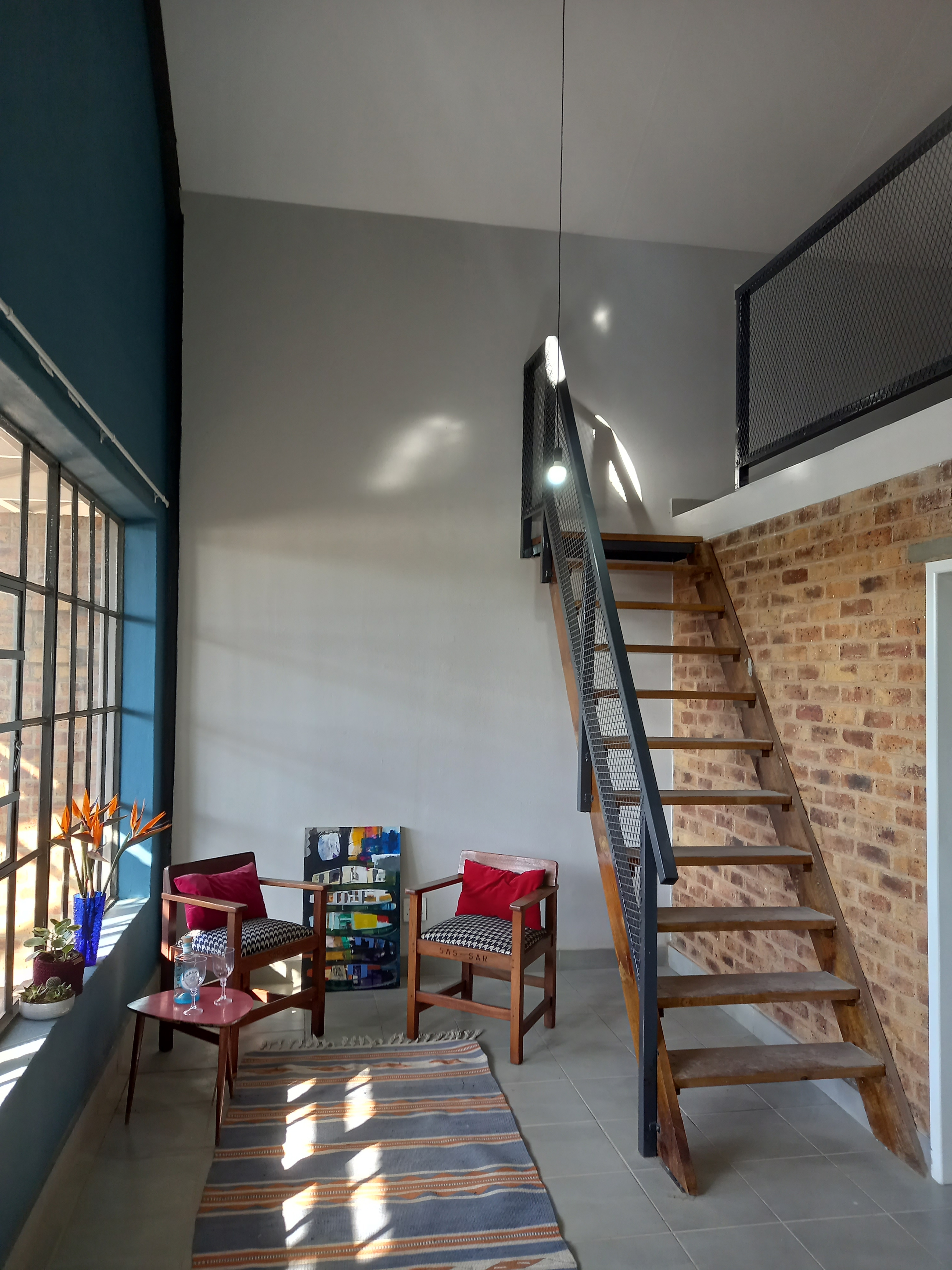
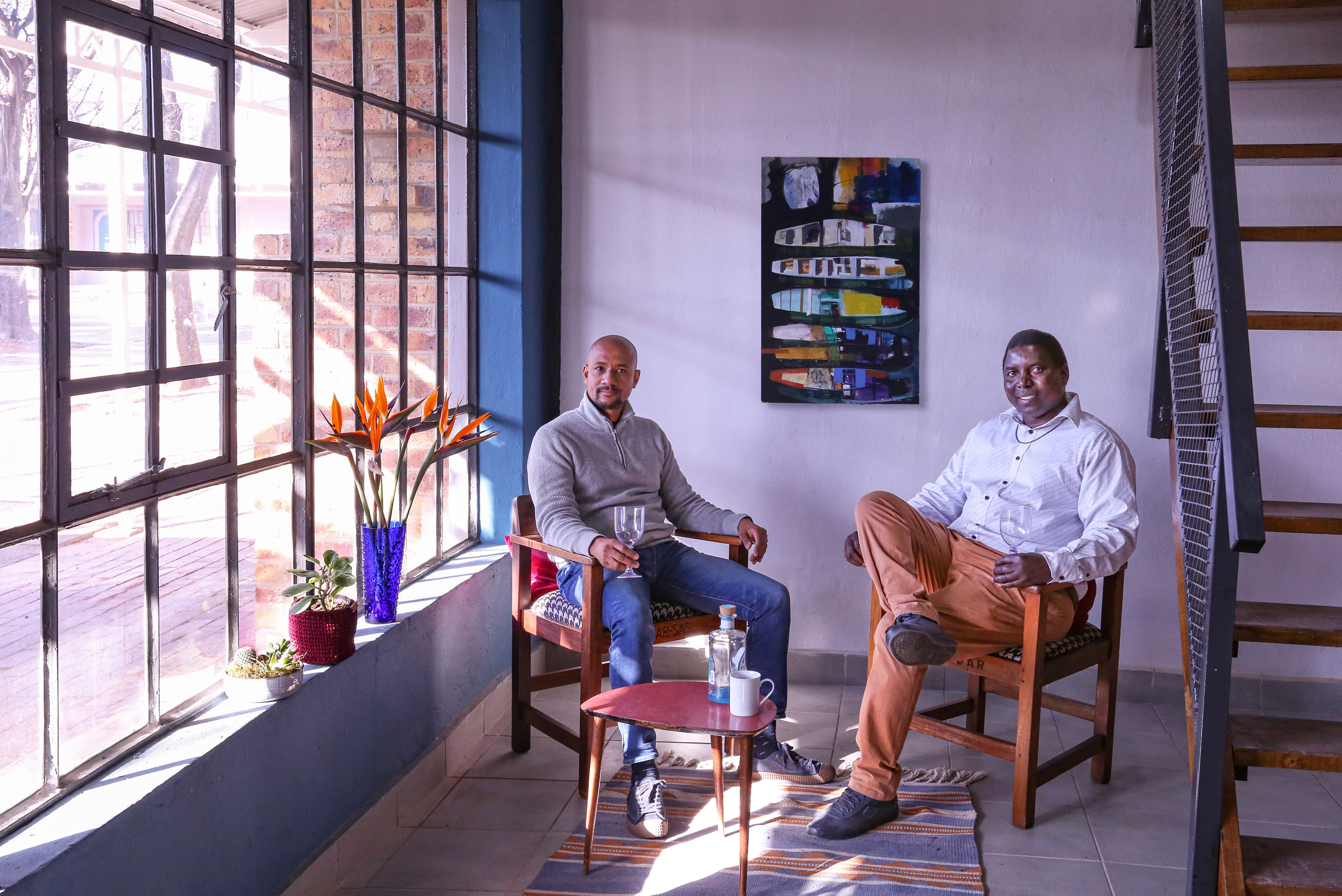
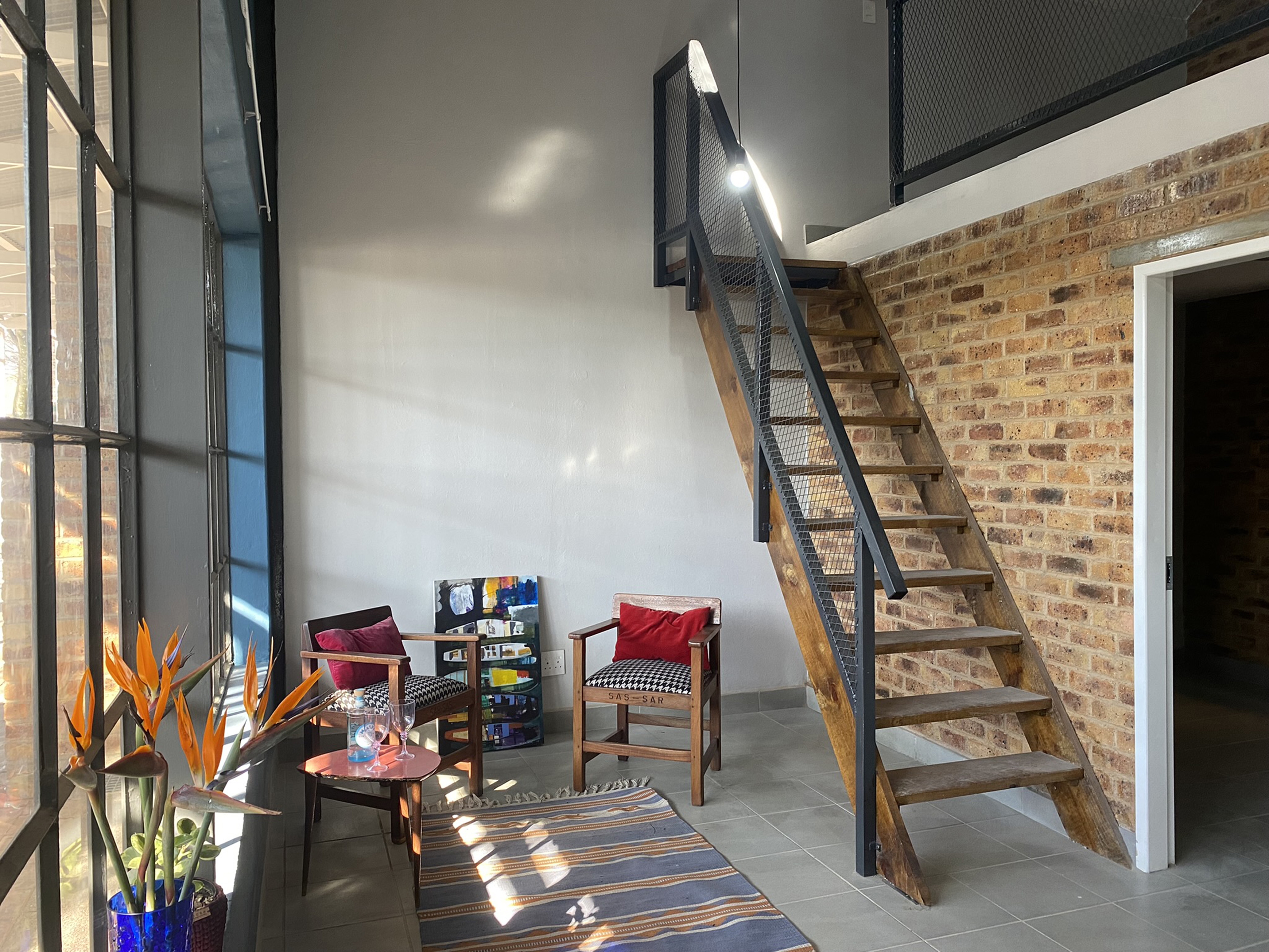
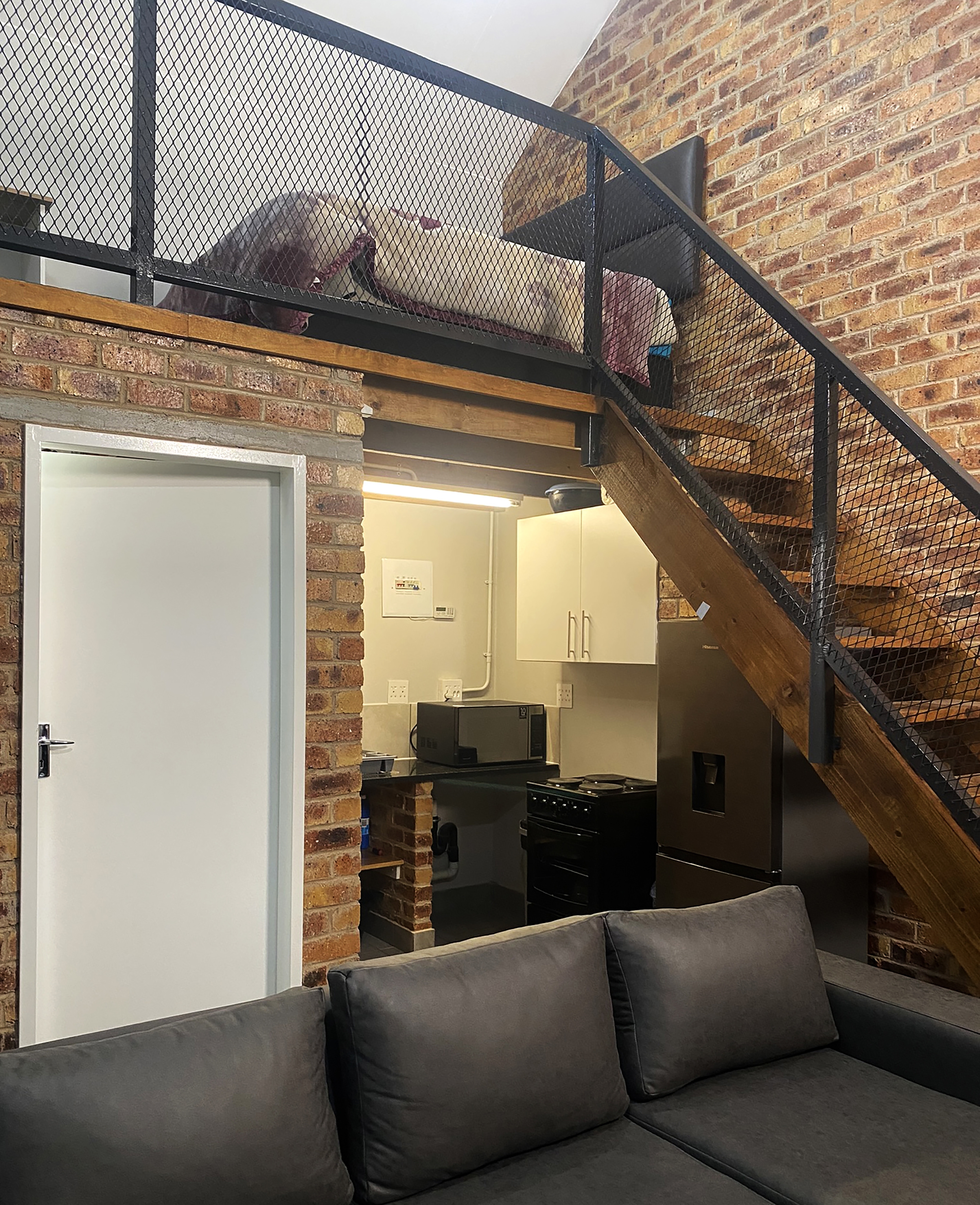
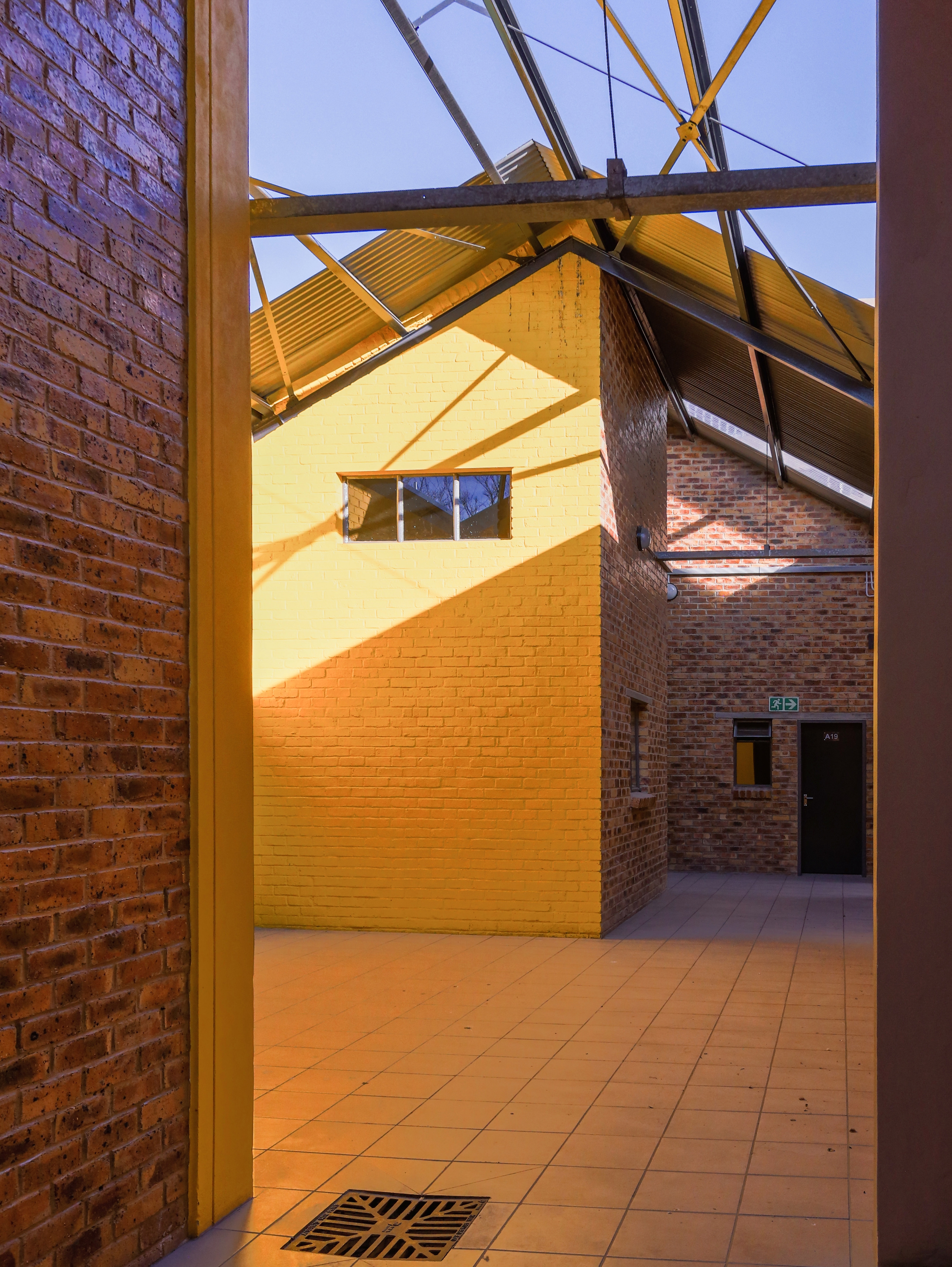
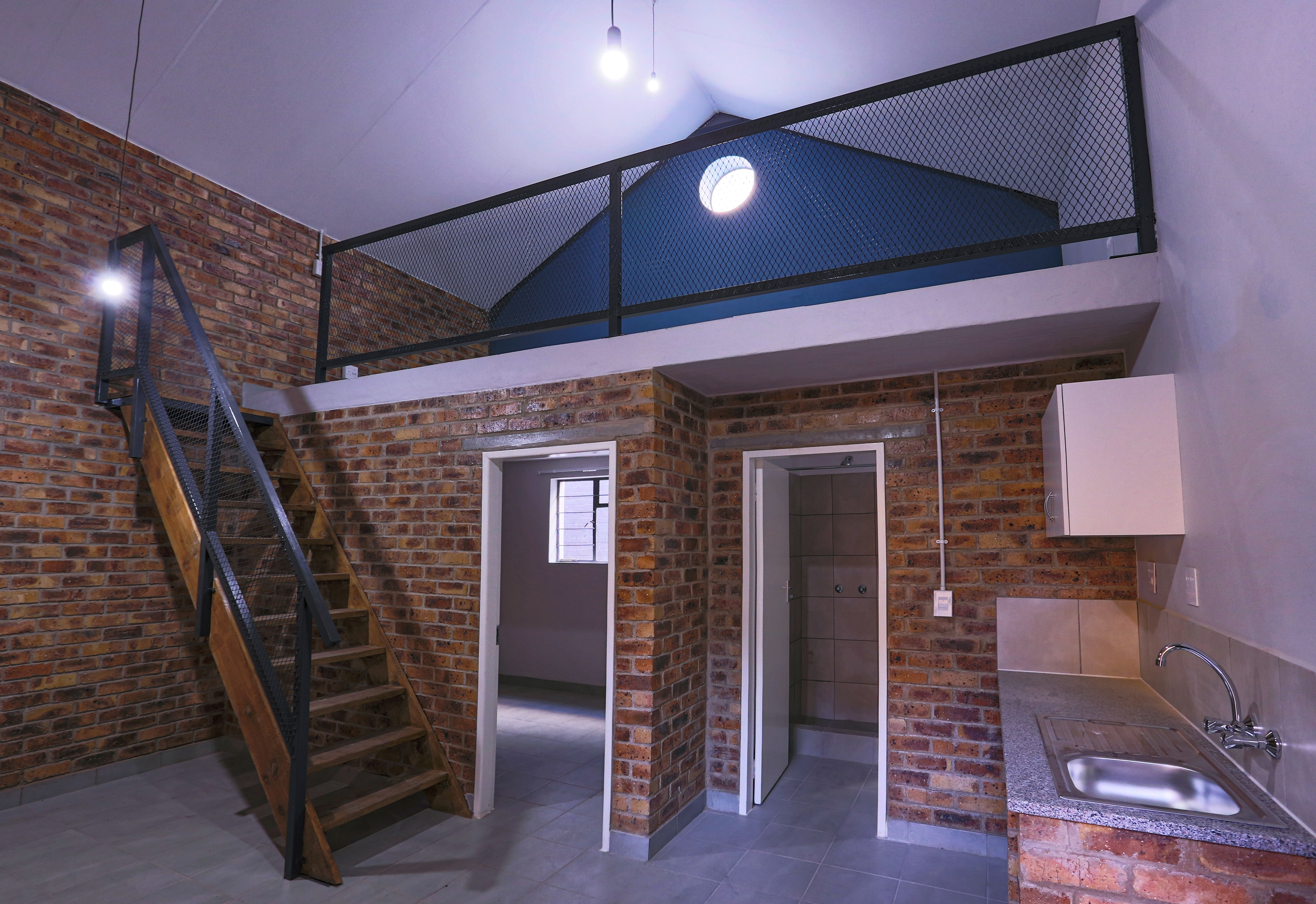
The planning of the units is on a modular basis within the existing structure of the double pitched roof shop unit. Walkways that open up into courtyards are cut through the deep space area of the existing building. Parts of the roof have been removed or replaced with clear sheeting over these areas to allow light and air circulation through the area. Fifty units are accommodated within the envelope of the buildings, consisting of studio, one and two bedroom units. The volume of the existing structure is maximized with the insertion of loft areas.
The planning of the units is on a modular basis within the existing structure of the double pitched roof shop unit. Walkways that open up into courtyards are cut through the deep space area of the existing building. Parts of the roof have been removed or replaced with clear sheeting over these areas to allow light and air circulation through the area. Fifty units are accommodated within the envelope of the buildings, consisting of studio, one and two bedroom units. The volume of the existing structure is maximized with the insertion of loft areas.
Project Sustainability Approach:
The basis of sustainability is to re-use existing infrastructure. This is sustainable from an existing materiality and carbon perspective, and contributes towards urban sustainability. The philosophy of the project is to make good strategic moves that will allow the units to be flexible and adaptable to further improvements. This might mean additional loft floors or enclosure of loft areas within the flexible envelope of the unit, as the client responds to future user and market requirements. From an energy perspective, all units have energy efficient lighting and water heating.
The basis of sustainability is to re-use existing infrastructure. This is sustainable from an existing materiality and carbon perspective, and contributes towards urban sustainability. The philosophy of the project is to make good strategic moves that will allow the units to be flexible and adaptable to further improvements. This might mean additional loft floors or enclosure of loft areas within the flexible envelope of the unit, as the client responds to future user and market requirements. From an energy perspective, all units have energy efficient lighting and water heating.
Local and Regional Impacts of the Project:
In an area of urban degradation, this project contributes to urban regeneration of the CBD area. It places affordable housing in an area with existing amenities (school, shops, church etc) that allows the residents access to these. It supports the existing sustainability of local public amenities. At a broader scale it contributes to a portfolio of affordable housing and proves that these kinds of infrastructures can be successfully re-purposed.
In an area of urban degradation, this project contributes to urban regeneration of the CBD area. It places affordable housing in an area with existing amenities (school, shops, church etc) that allows the residents access to these. It supports the existing sustainability of local public amenities. At a broader scale it contributes to a portfolio of affordable housing and proves that these kinds of infrastructures can be successfully re-purposed.