House M: Rejuvenation of an Idiosyncratic Modernist House
Prize(s):
WINNER 2026 ARCHITECTURE / Residential Architecture | INTERIOR DESIGN / Renovation Interior Design
Company Name:Kate Otten Architects
Lead Designer(s) Name(s):Kate Otten
Architecture Firm:Kate Otten Architects
Photo Credit:David Ross, Aneeqa Martinson
Project Location:Johannesburg, South Africa
Design Status:Completed
Website: View
Video URL:View
Project Description:
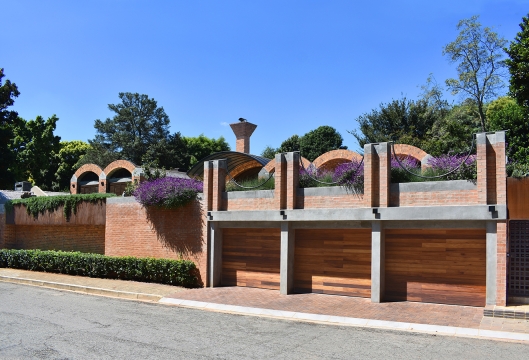
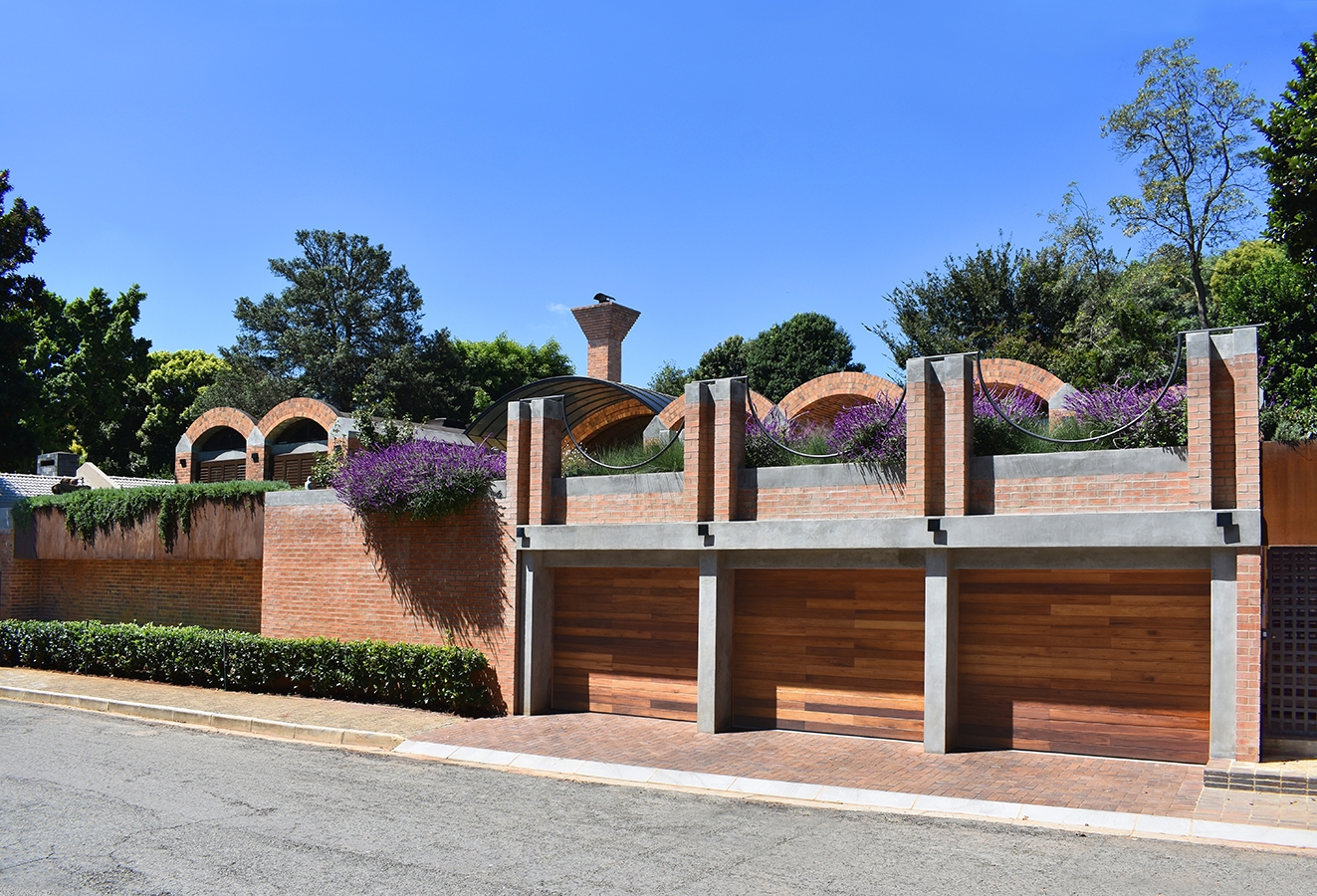
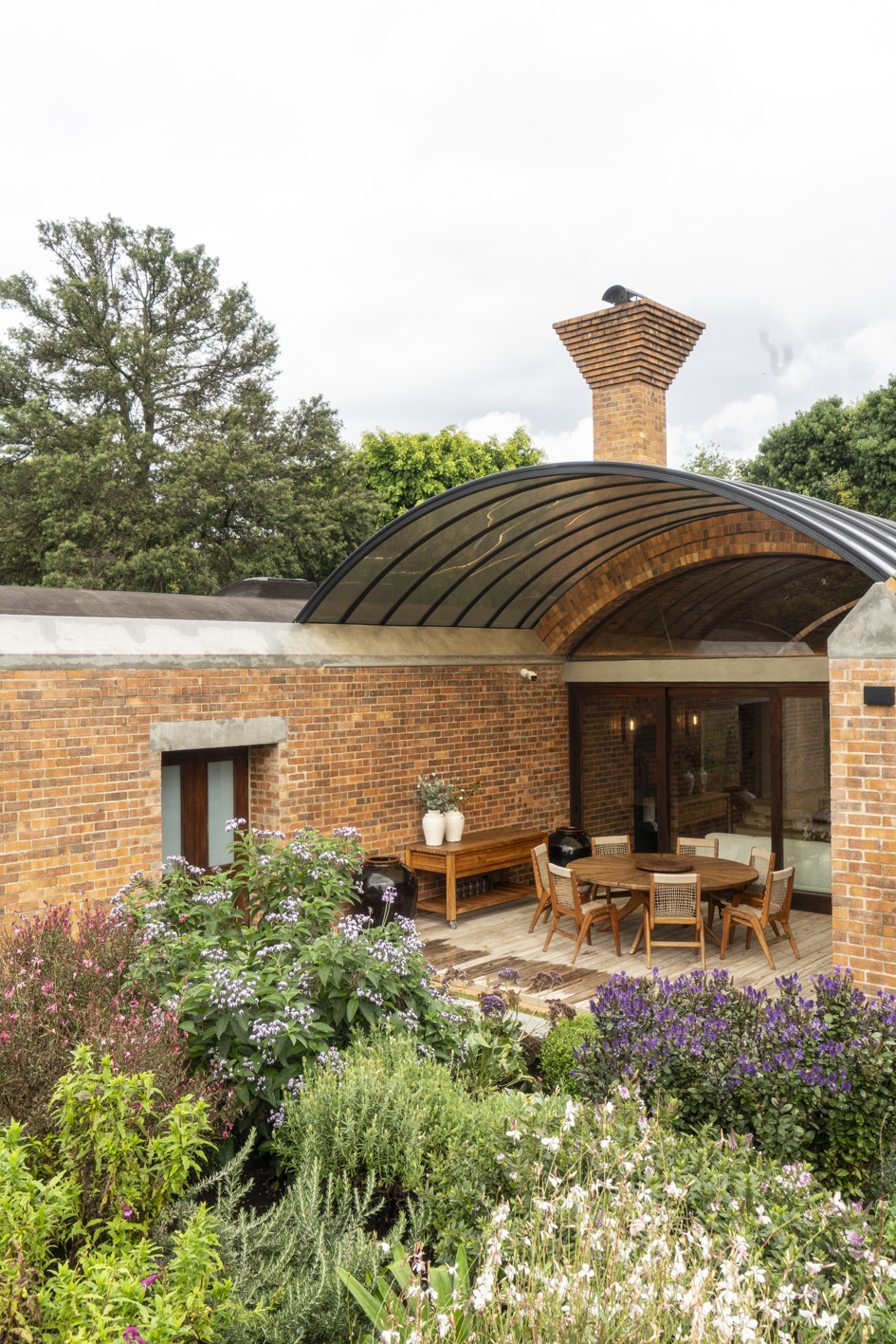
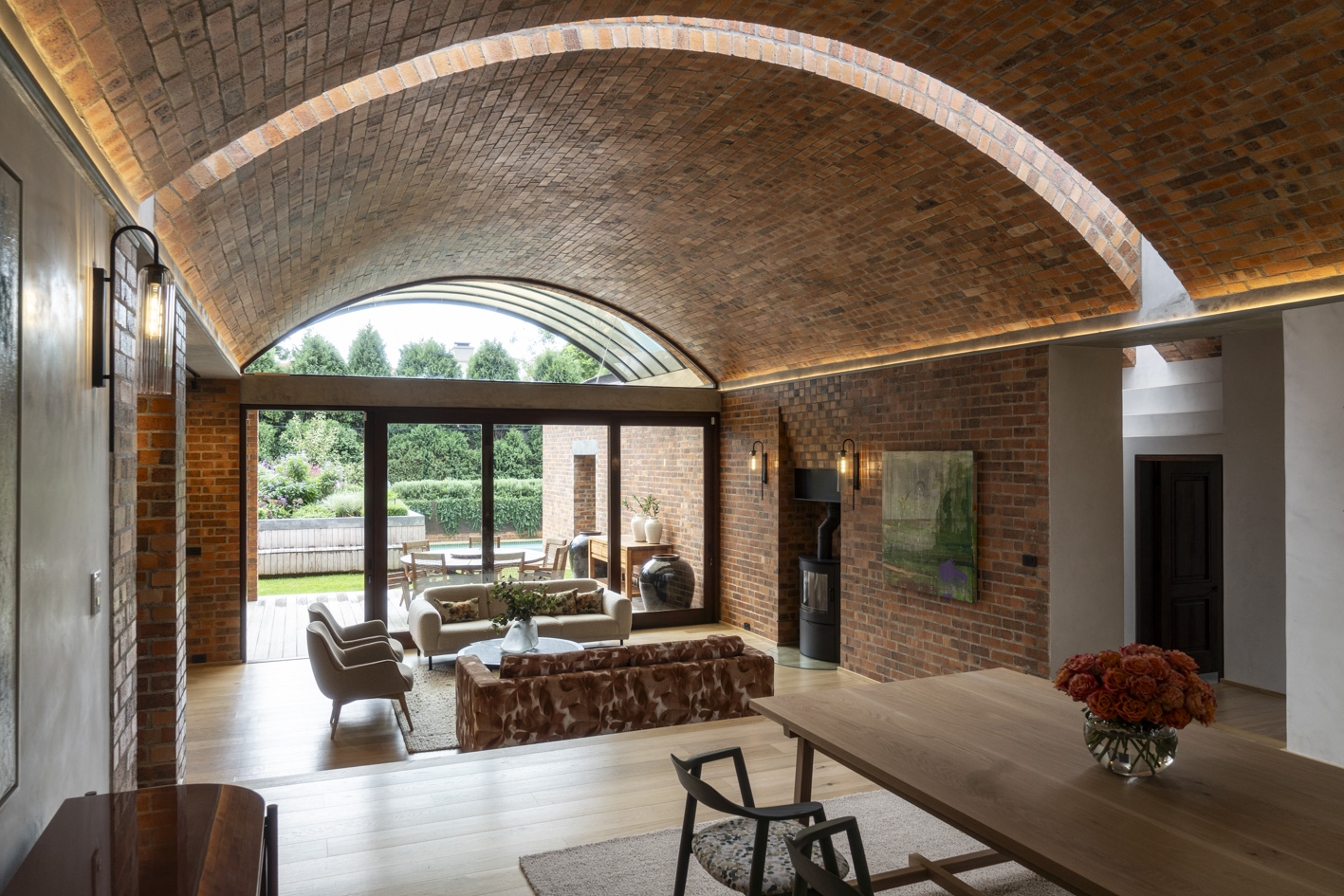
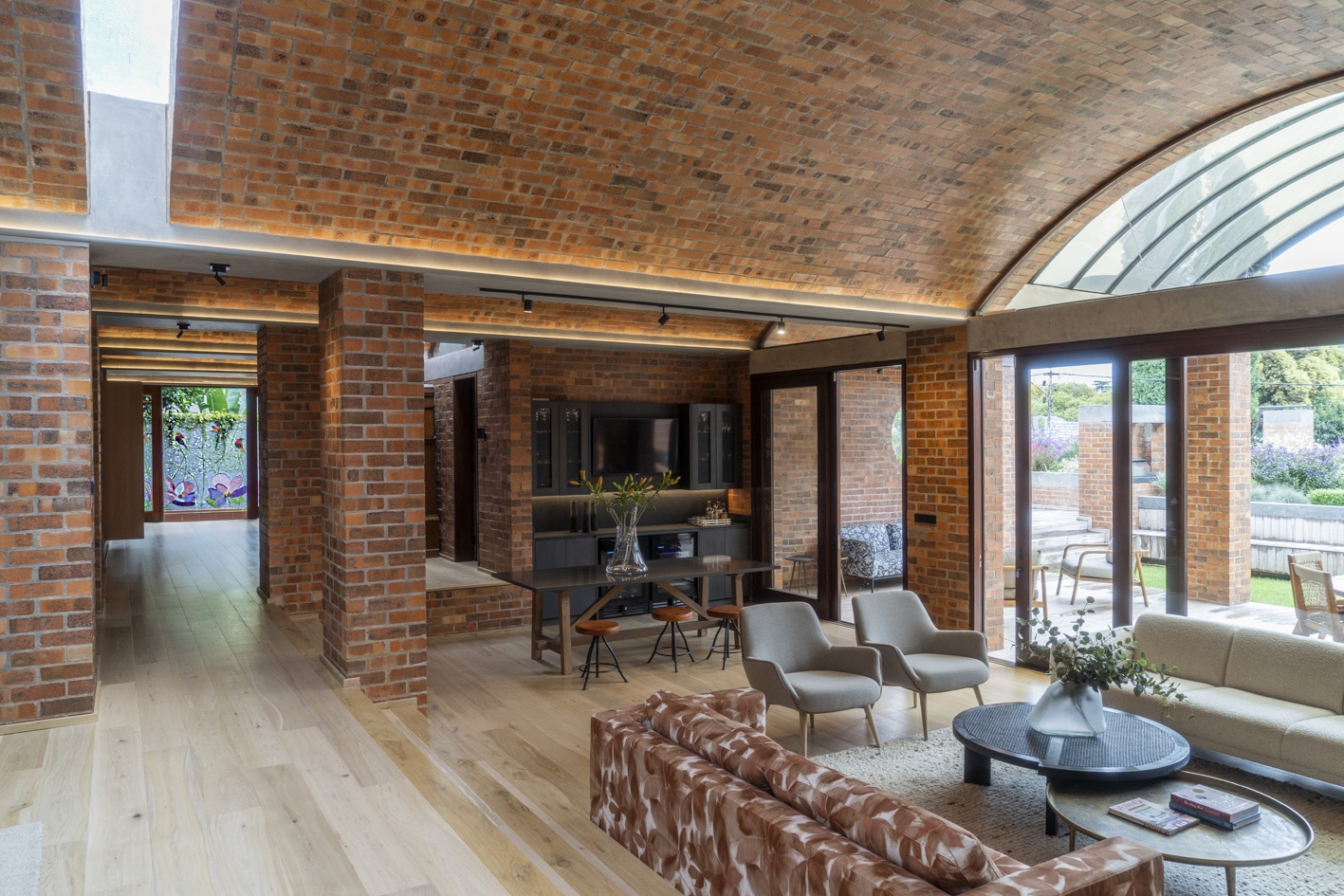
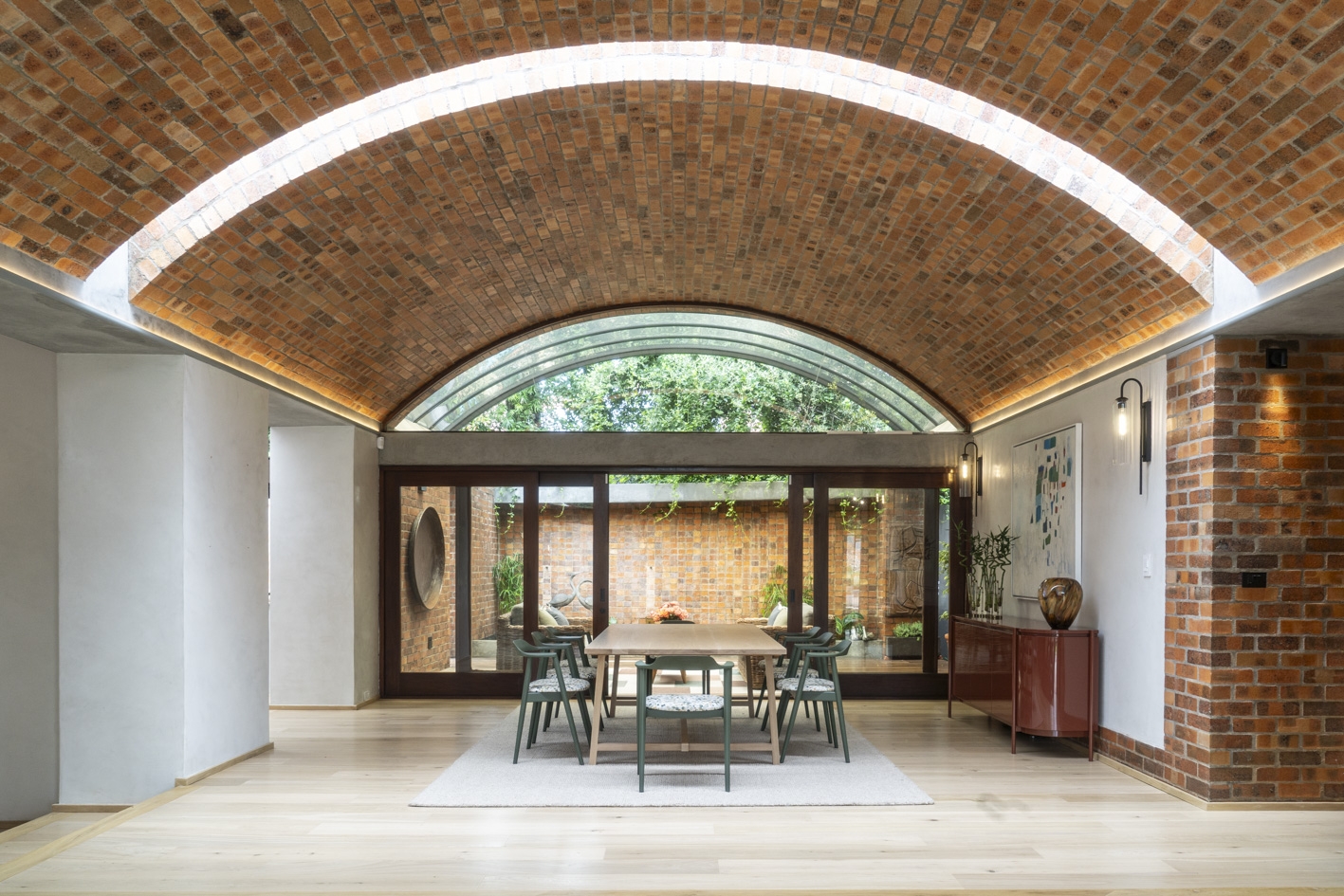
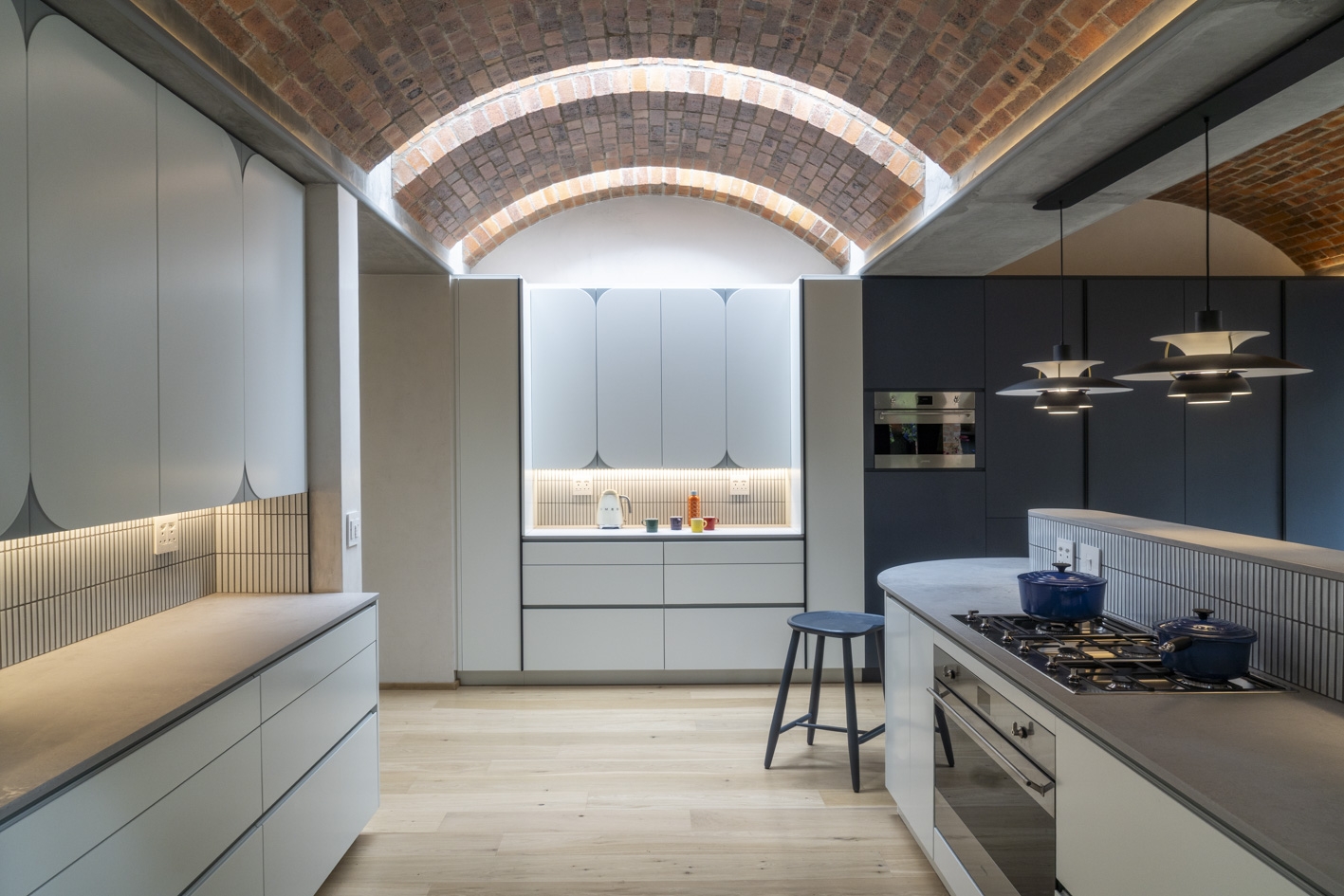
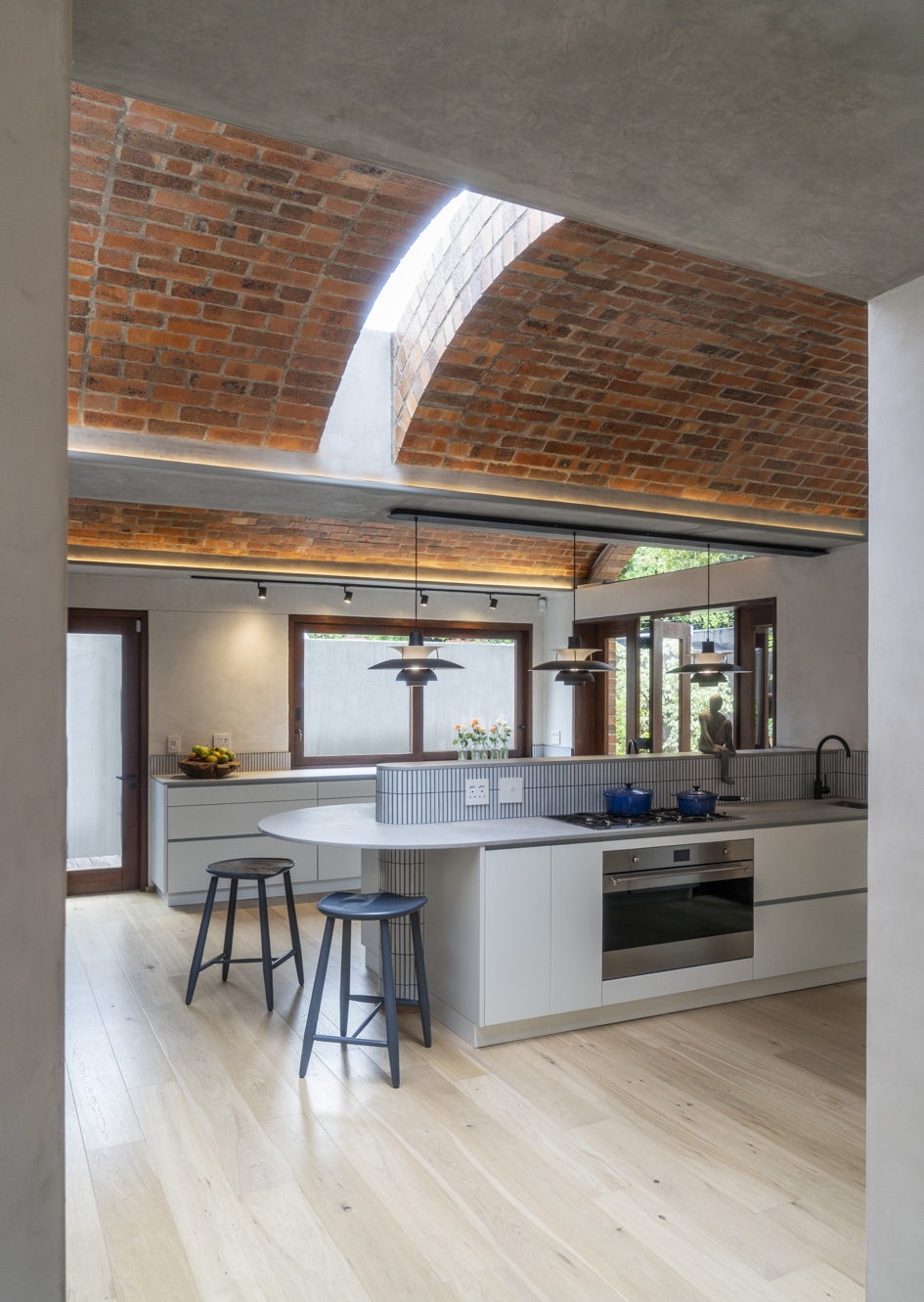
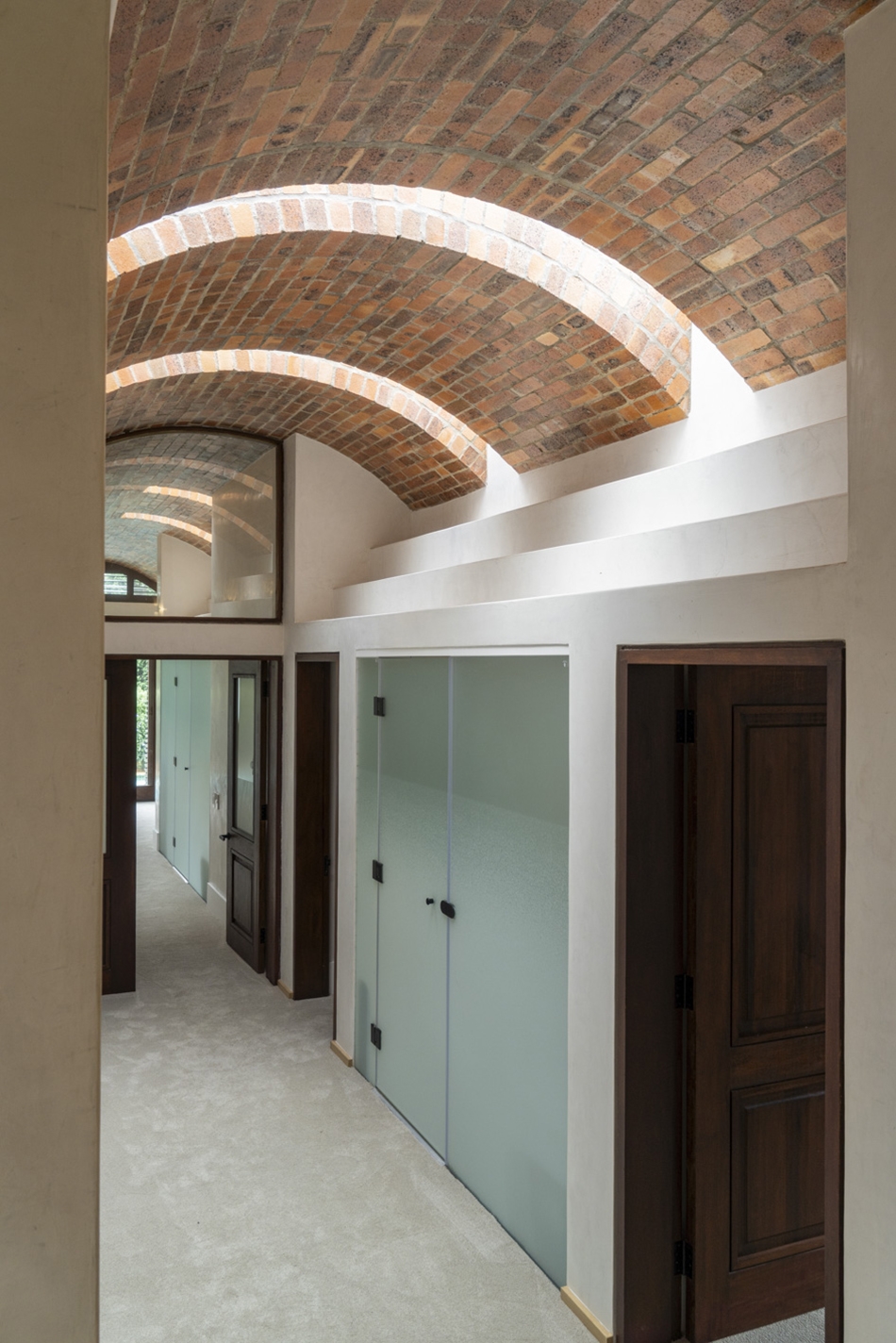
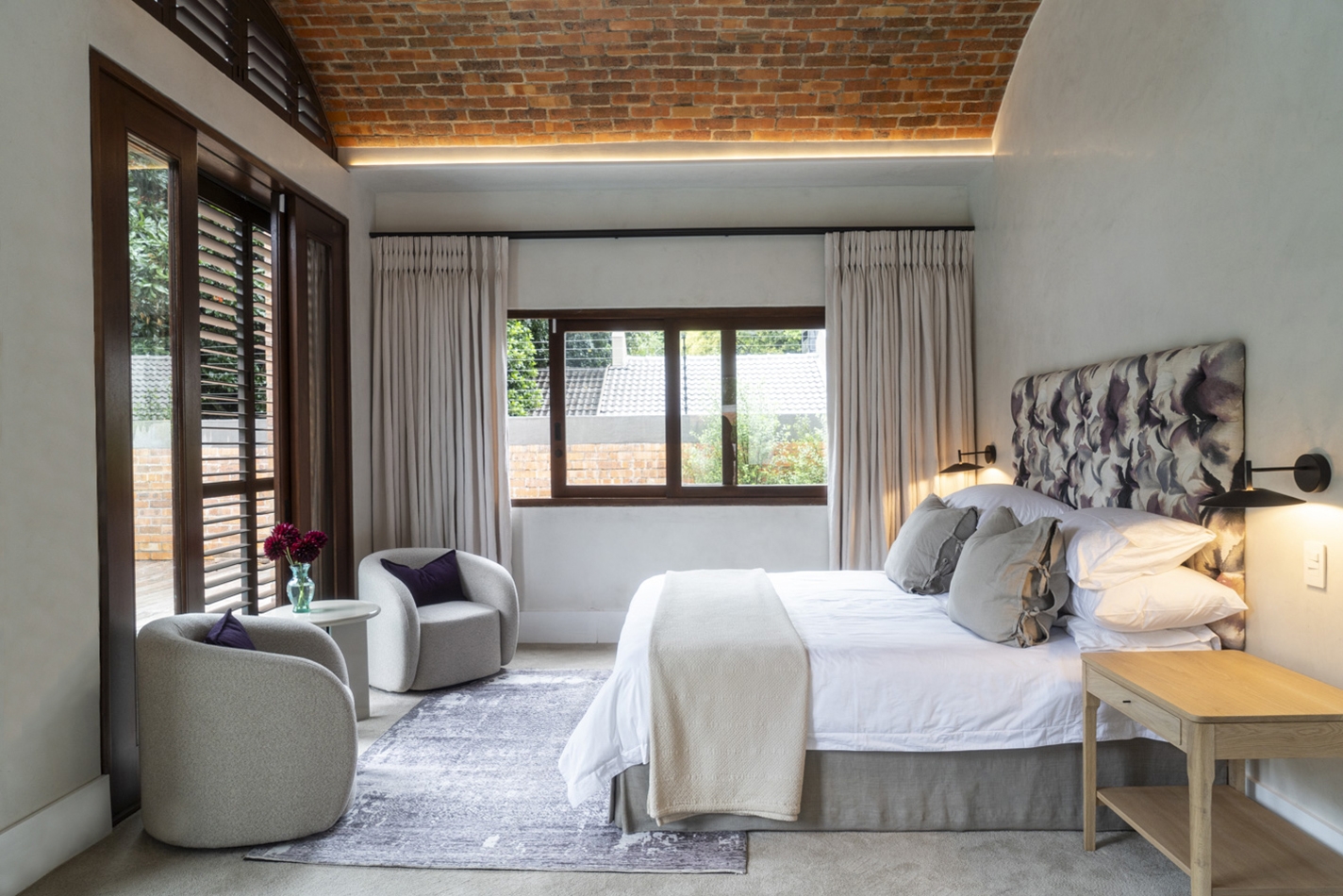
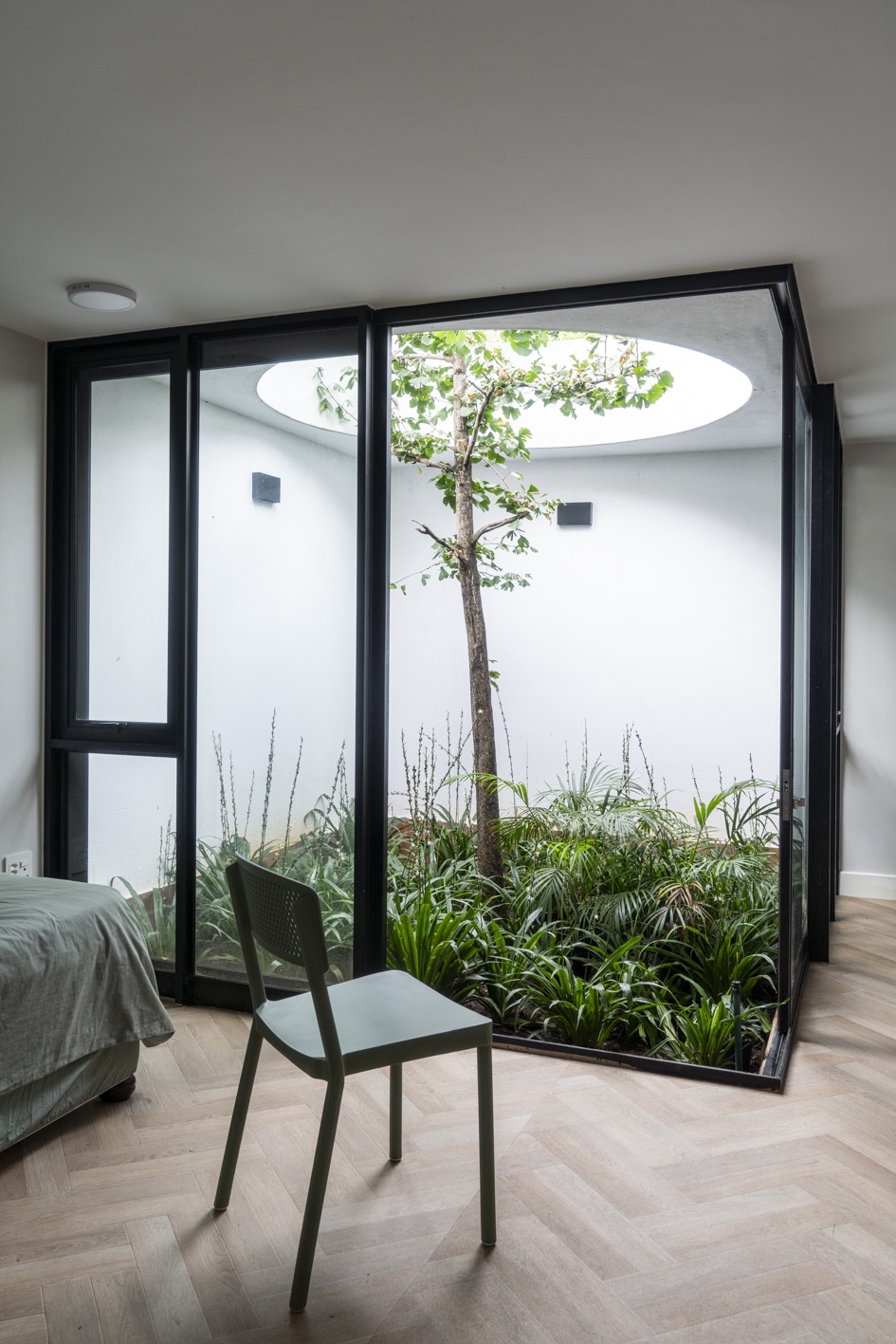
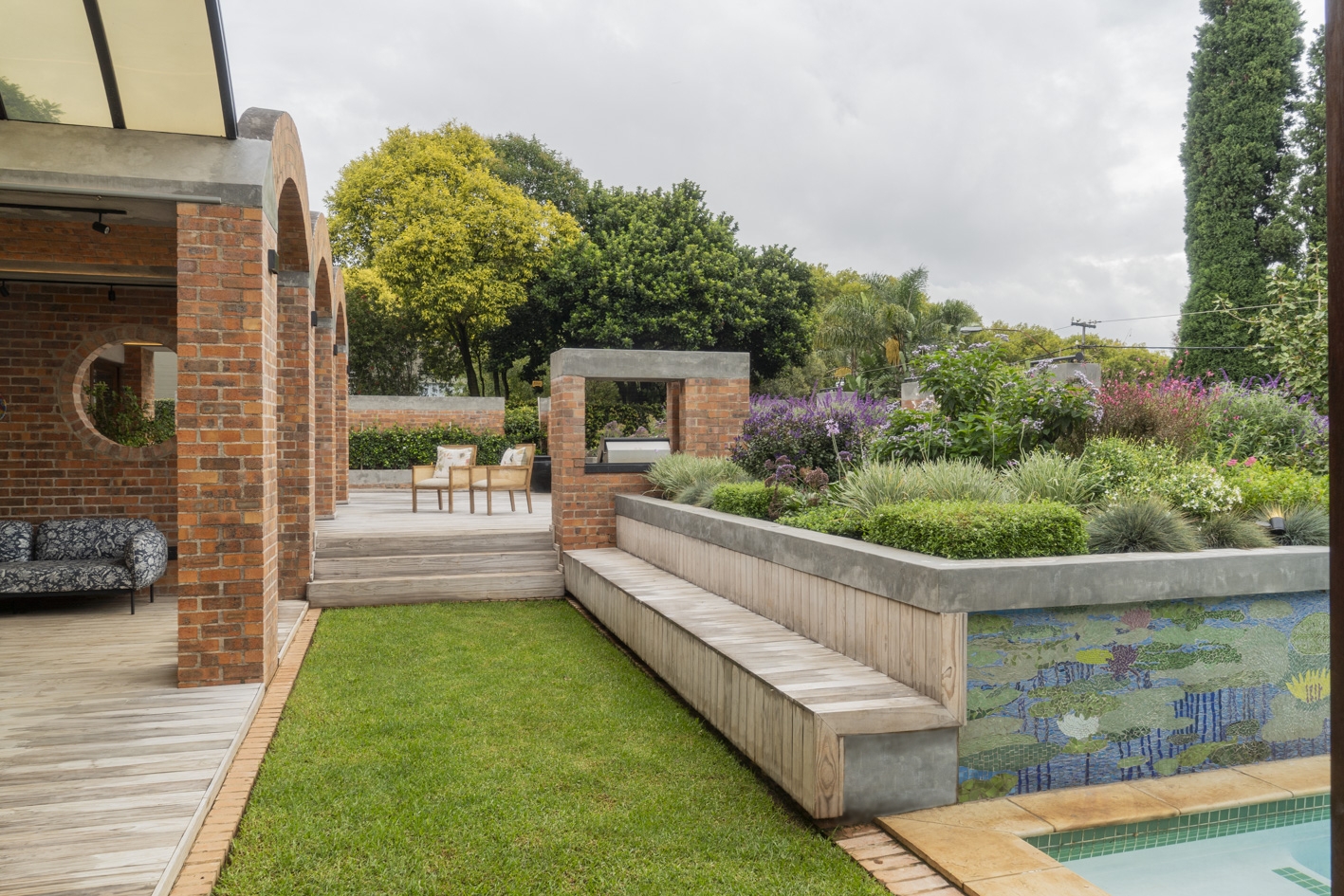
Conceptually, our approach was to rejuvenate this abandoned modernist house with care, insight and enthusiasm. A dialogue between original architect and new, greater amenity and a contemporary layer is added while retaining the original character and historical value of the work. houseM was designed in 1985 by Pancho Guedes (1925–2015), architect, artist, sculptor, professor and mentor in South Africa, Mozambique and Portugal, whose idiosyncratic work drew on local materials and skills, exploring organic forms of indigenous construction while being rooted in modernism. Studying under Guedes was an inspiration - he invited us into his extraordinary world, claiming for architects “the rights and liberties that painters and poets have held for so long”. Retaining all vaulted roofs, we covered patios, simplified convoluted spaces to have views through of new garden rooms with ponds. 3 garages and an ‘invisible’ cottage were added at street level with a planted roof and circular cutouts for light, ventilation and an ancient Gingko tree. Facebrick was matched, original doors restored and copied; brick floors exchanged for timber, local terrazzo and hand-glazed tiles introduced.
Conceptually, our approach was to rejuvenate this abandoned modernist house with care, insight and enthusiasm. A dialogue between original architect and new, greater amenity and a contemporary layer is added while retaining the original character and historical value of the work. houseM was designed in 1985 by Pancho Guedes (1925–2015), architect, artist, sculptor, professor and mentor in South Africa, Mozambique and Portugal, whose idiosyncratic work drew on local materials and skills, exploring organic forms of indigenous construction while being rooted in modernism. Studying under Guedes was an inspiration - he invited us into his extraordinary world, claiming for architects “the rights and liberties that painters and poets have held for so long”. Retaining all vaulted roofs, we covered patios, simplified convoluted spaces to have views through of new garden rooms with ponds. 3 garages and an ‘invisible’ cottage were added at street level with a planted roof and circular cutouts for light, ventilation and an ancient Gingko tree. Facebrick was matched, original doors restored and copied; brick floors exchanged for timber, local terrazzo and hand-glazed tiles introduced.
Project Innovation / Specification:
The challenge of working with a heritage building is often the perceived limitation that it should be either slavishly restored or demolished. Our approach was a more sensitive, nuanced intervention that negates neither the original architect nor the current one. The architect of this project found resonance with Guedes’ work – the link to art, the hand-made quality, curvalinear forms, raw materials – making the restoration a joy that required both the liberty and confidence to change things (small rooms, a poky entrance), a sensitivity to judiciously add new pieces (brightly coloured mosaics) and care to lovingly restore existing elements (joinery, sculptural chimney, ceramic mural). A rejuvenating layer is seamlessly added to the original. Additional accommodation is placed at street level, disguised below a planted roof, retaining the street scale, simultaneously seen as an opportunity to extend the garden at the upper ground level. Atmospheric lighting, including uplighting the vaults, was added without compromising the original fabric.
The challenge of working with a heritage building is often the perceived limitation that it should be either slavishly restored or demolished. Our approach was a more sensitive, nuanced intervention that negates neither the original architect nor the current one. The architect of this project found resonance with Guedes’ work – the link to art, the hand-made quality, curvalinear forms, raw materials – making the restoration a joy that required both the liberty and confidence to change things (small rooms, a poky entrance), a sensitivity to judiciously add new pieces (brightly coloured mosaics) and care to lovingly restore existing elements (joinery, sculptural chimney, ceramic mural). A rejuvenating layer is seamlessly added to the original. Additional accommodation is placed at street level, disguised below a planted roof, retaining the street scale, simultaneously seen as an opportunity to extend the garden at the upper ground level. Atmospheric lighting, including uplighting the vaults, was added without compromising the original fabric.
Project Sustainability Approach:
Working with an existing built fabric is an inherently sustainable approach but one that is complex with many challenges. Careful consideration of how and what to re-use, restore or repurpose resulted in a measured layering of old and new, where continuity was prioritised over replacement. A planted roof extends the existing garden, creating a larger ‘green lung’ while integrating new spaces discreetly into the site at a lower level. Locally sourced, regenerative raw materials were used where possible - sustainably forested timber replaces heat-retaining brick paving for example. Passive climatic design strategies were applied to work with the existing house, including sun-screens, covered patios, and cross ventilation to moderate the internal environment. These elements are supported by active climatic systems, including the use of solar power, a back-up water system, and closed combustion heaters, forming a restrained, cohesive response to both climate and context.
Working with an existing built fabric is an inherently sustainable approach but one that is complex with many challenges. Careful consideration of how and what to re-use, restore or repurpose resulted in a measured layering of old and new, where continuity was prioritised over replacement. A planted roof extends the existing garden, creating a larger ‘green lung’ while integrating new spaces discreetly into the site at a lower level. Locally sourced, regenerative raw materials were used where possible - sustainably forested timber replaces heat-retaining brick paving for example. Passive climatic design strategies were applied to work with the existing house, including sun-screens, covered patios, and cross ventilation to moderate the internal environment. These elements are supported by active climatic systems, including the use of solar power, a back-up water system, and closed combustion heaters, forming a restrained, cohesive response to both climate and context.
Local and Regional Impacts of the Project:
The work of Pancho Guedes is both locally and regionally important in contemporary architectural discourse. His work brought an awareness of regional African art and architecture to a local modernism that was blind to this opportunity. By reviving this house, we ensure the longevity of his ouvre as reference and inspiration. Like Guedes did, the work of artists and artisans was included in the design. Mosaics by artist Bronwen Findlay and a collective of local artisans, raises awareness work and generates employment. Similarly with the furniture, joinery and kitchen cupboards.
The work of Pancho Guedes is both locally and regionally important in contemporary architectural discourse. His work brought an awareness of regional African art and architecture to a local modernism that was blind to this opportunity. By reviving this house, we ensure the longevity of his ouvre as reference and inspiration. Like Guedes did, the work of artists and artisans was included in the design. Mosaics by artist Bronwen Findlay and a collective of local artisans, raises awareness work and generates employment. Similarly with the furniture, joinery and kitchen cupboards.
Company Name:Kate Otten Architects
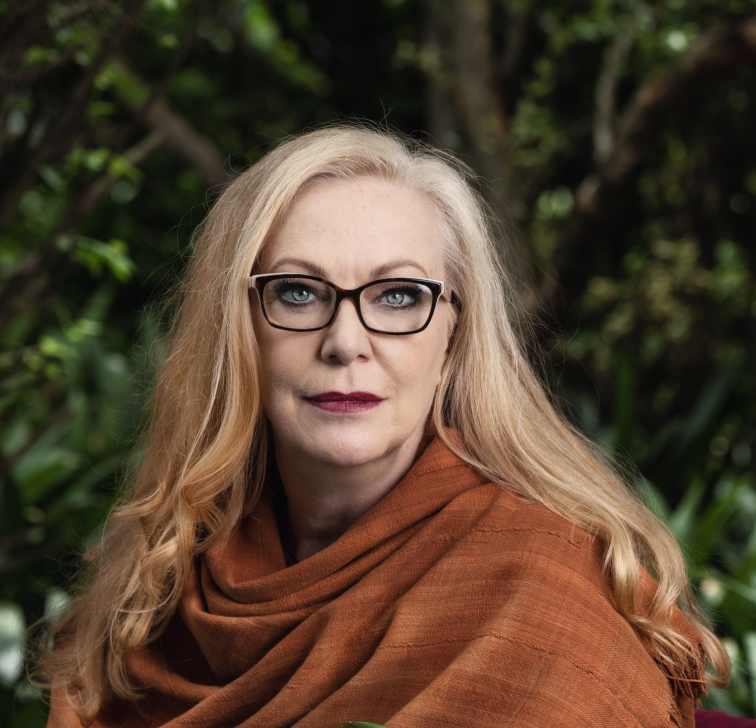
Lead Designer(s) Name(s):Kate Otten
Profile Description:
Established by Kate Otten a year after graduating, Kate Otten Architects has developed into one of South Africa’s well recognized research-based design practices. The work is varied, including private projects, important public buildings and places of memory. With a focus on weaving together local materials, skills, politics, light, and landscape, creating places that nurture the human spirit, the work has strong resonance of place. KOA actively engages with transformative practice, mentoring young practitioners, as examiners, critics and presenting the work locally and internationally.
Established by Kate Otten a year after graduating, Kate Otten Architects has developed into one of South Africa’s well recognized research-based design practices. The work is varied, including private projects, important public buildings and places of memory. With a focus on weaving together local materials, skills, politics, light, and landscape, creating places that nurture the human spirit, the work has strong resonance of place. KOA actively engages with transformative practice, mentoring young practitioners, as examiners, critics and presenting the work locally and internationally.
Environmental Practices:
Social, economic and cultural sustainability underpins our practice. The specifics of the brief, site, context, makers and end users’ needs are carefully researched before design commences. Local materials, skills, construction methods and opportunities that support local economies and artisanal craft are favoured. Natural light and ventilation, sun shading, the use of solar energy, collecting and recycling of water are inherently part of our design, but how buildings might transform people’s experience of space, whether inside or out, as uplifting places for living is core to our design ethos
Social, economic and cultural sustainability underpins our practice. The specifics of the brief, site, context, makers and end users’ needs are carefully researched before design commences. Local materials, skills, construction methods and opportunities that support local economies and artisanal craft are favoured. Natural light and ventilation, sun shading, the use of solar energy, collecting and recycling of water are inherently part of our design, but how buildings might transform people’s experience of space, whether inside or out, as uplifting places for living is core to our design ethos
Previous Awards Won:
2025 Scape Awards of Excellence, Educational build of the year, finalist, Wits University Digital Dome 2024 Herbert Prince Colosseum Memorial Award, Wits University Digital Dome, Scape Awards of Excellence, Collaboration of the year, Threads SAIA Award of Excellence, Threads SAIA Merit Award, Gatehouse, Wits University 2023 GIFA Award of Excellence, Threads GIFA People’s Choice, Threads GIFA Merit Award, Bio-Phy Precinct, Wits University GIFA Commendation, Origins Centre Third Bay, Wits University 2022 Herbert Prince Colosseum Memorial Award, Wits University Great Hall 2021 UIA Medal of Excellence, Wits Rural Facility 2019 UIA International Award, Wits Rural Facility GIFA Award, Law on Keyes 2018 WAF, Honourable Mention, Law on Keyes SAIA Award, House Schutte 2017 GIFA Award, House Schutte GIFA Commendation, House Blount 2016 GIFA Commendation, Wits Rural Facility 2015 SAIA Limpopo Regional Award, Wits Rural Facility GIFA Commendation, Little Red House Architecture for Social Gain, Motshegofadiwa Primary School 2013 GIFA Commendation, House Omisore GIFA Regional Finalist, Olifantsfontein Library 2012 Afrisam SAIA Award for Sustainable Architecture, LuLu Kati Kati 2010 Plascon Prism Awards, Parkhurst Shops Architecture&Cityscape Award, Lulu Kati Kati SAIA Merit Award, Parkhurst Shops 2009 GIFA Regional Commendation, Gabriel’s Garden GIFA Merit Award, Parkhurst Shops Architecture& Cityscape Award, Parkhurst Shops 2008 Architecture+Cityscape Award, Gabriel’s Garden Pavilion 2006 GEDA Passing the Torch Campaign Winner 2005 SAIA Regional Commendation, Woman's Jail SAIA Project Award, Parktown North Offices 2004 Cityscape Architectural Review Award, Art Therapy Centre 2003 Architecture&Cityscape Award, International House Students Residence 2002 Business Women of the Year, Regional Finalist 1999 SAIA Award, Reptile Centre for the Joburg Zoo 1998 SAIA Merit Award House Staude
2025 Scape Awards of Excellence, Educational build of the year, finalist, Wits University Digital Dome 2024 Herbert Prince Colosseum Memorial Award, Wits University Digital Dome, Scape Awards of Excellence, Collaboration of the year, Threads SAIA Award of Excellence, Threads SAIA Merit Award, Gatehouse, Wits University 2023 GIFA Award of Excellence, Threads GIFA People’s Choice, Threads GIFA Merit Award, Bio-Phy Precinct, Wits University GIFA Commendation, Origins Centre Third Bay, Wits University 2022 Herbert Prince Colosseum Memorial Award, Wits University Great Hall 2021 UIA Medal of Excellence, Wits Rural Facility 2019 UIA International Award, Wits Rural Facility GIFA Award, Law on Keyes 2018 WAF, Honourable Mention, Law on Keyes SAIA Award, House Schutte 2017 GIFA Award, House Schutte GIFA Commendation, House Blount 2016 GIFA Commendation, Wits Rural Facility 2015 SAIA Limpopo Regional Award, Wits Rural Facility GIFA Commendation, Little Red House Architecture for Social Gain, Motshegofadiwa Primary School 2013 GIFA Commendation, House Omisore GIFA Regional Finalist, Olifantsfontein Library 2012 Afrisam SAIA Award for Sustainable Architecture, LuLu Kati Kati 2010 Plascon Prism Awards, Parkhurst Shops Architecture&Cityscape Award, Lulu Kati Kati SAIA Merit Award, Parkhurst Shops 2009 GIFA Regional Commendation, Gabriel’s Garden GIFA Merit Award, Parkhurst Shops Architecture& Cityscape Award, Parkhurst Shops 2008 Architecture+Cityscape Award, Gabriel’s Garden Pavilion 2006 GEDA Passing the Torch Campaign Winner 2005 SAIA Regional Commendation, Woman's Jail SAIA Project Award, Parktown North Offices 2004 Cityscape Architectural Review Award, Art Therapy Centre 2003 Architecture&Cityscape Award, International House Students Residence 2002 Business Women of the Year, Regional Finalist 1999 SAIA Award, Reptile Centre for the Joburg Zoo 1998 SAIA Merit Award House Staude