Jet - Bank Towers Pretoria
Prize(s):
WINNER 2026 ARCHITECTURE / Commercial & Retail Architecture | INTERIOR DESIGN / Commercial & Retail Interior
Lead Designer(s) Name(s):Robyn and Toby Self
Design Team / Other designer(s):Tristan Mays and Kyle Benedek
Architecture Firm:N/A: Existing Heritage Building
Interior Designer:Plan-IT Design
Construction Company:Various
Lighting Design:Plan-IT Design
Client Name:The Foschini Group
Photo Credit:Johanns Lourens Photography
Project Location:Pretoria, South Africa
Design Status:Completed
Website: View
Video URL:View
Project Description:
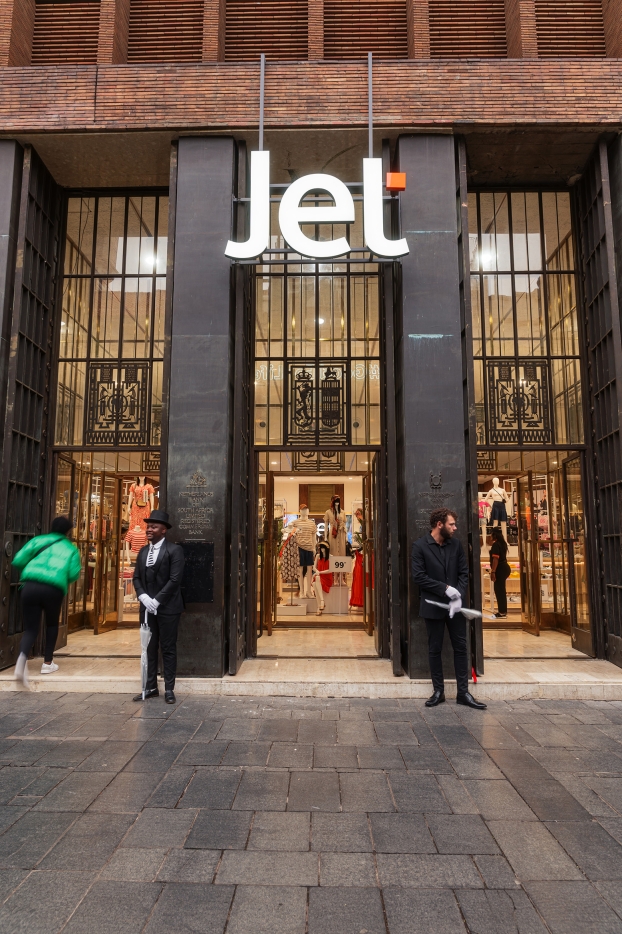
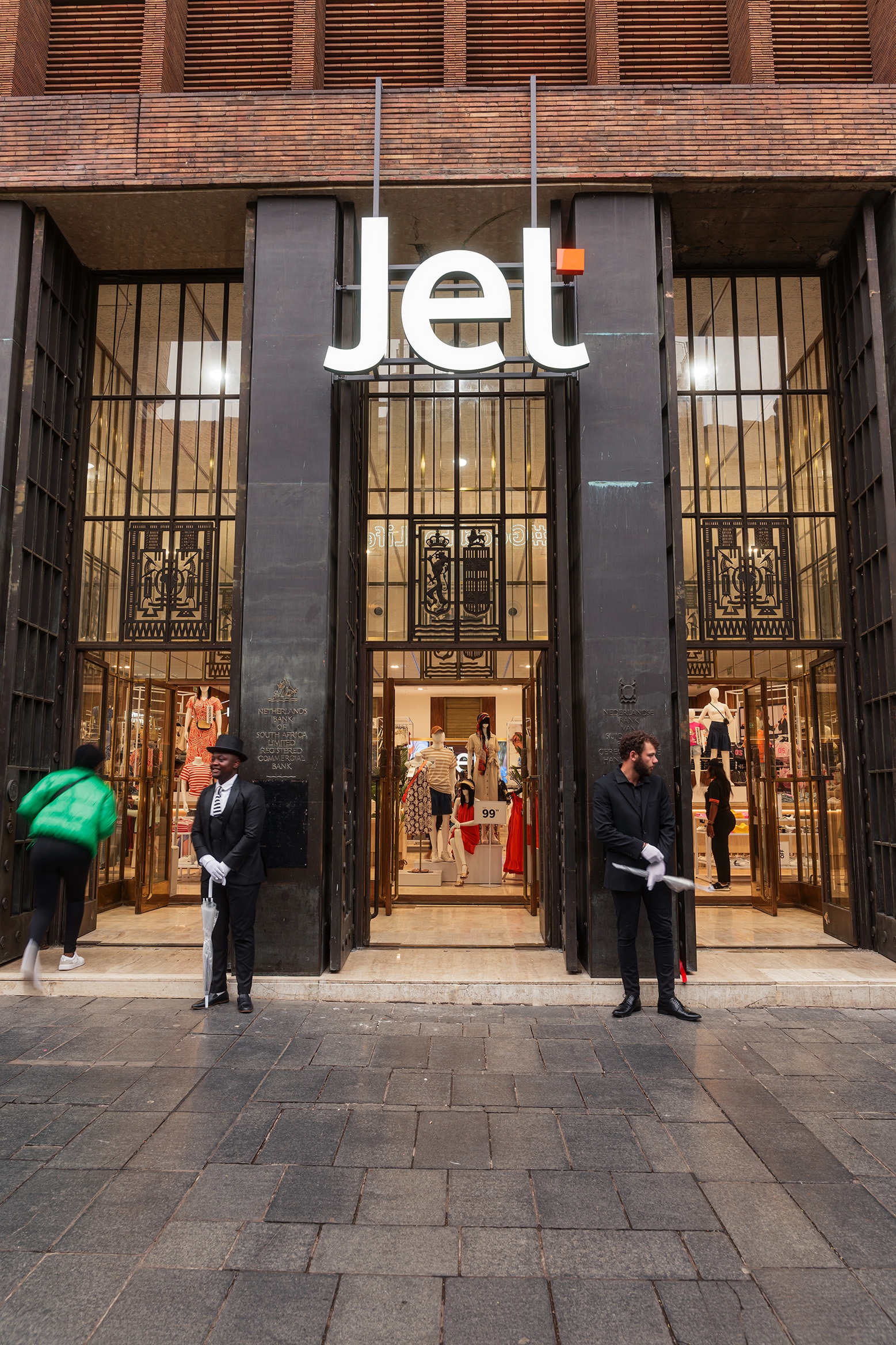
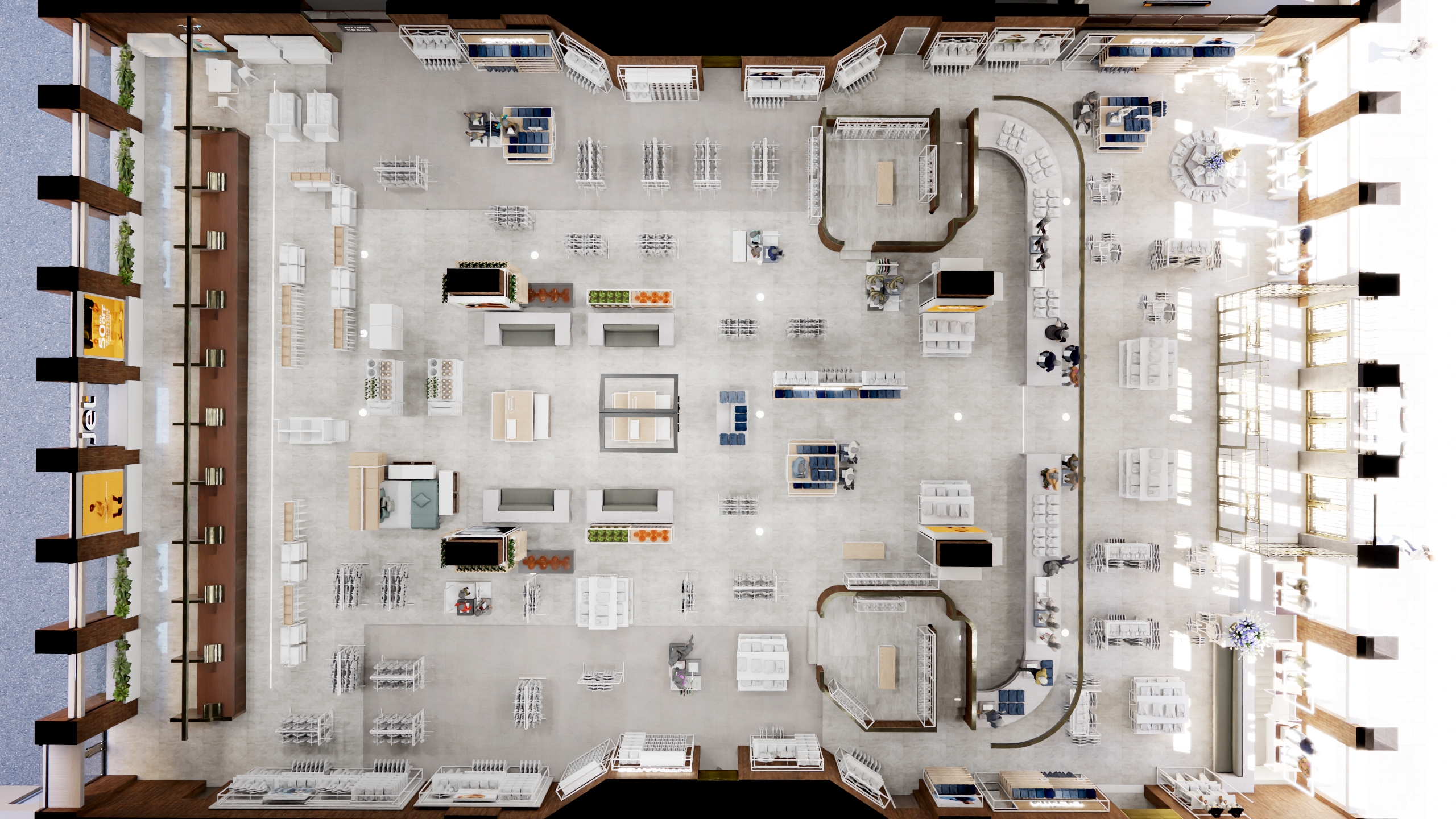
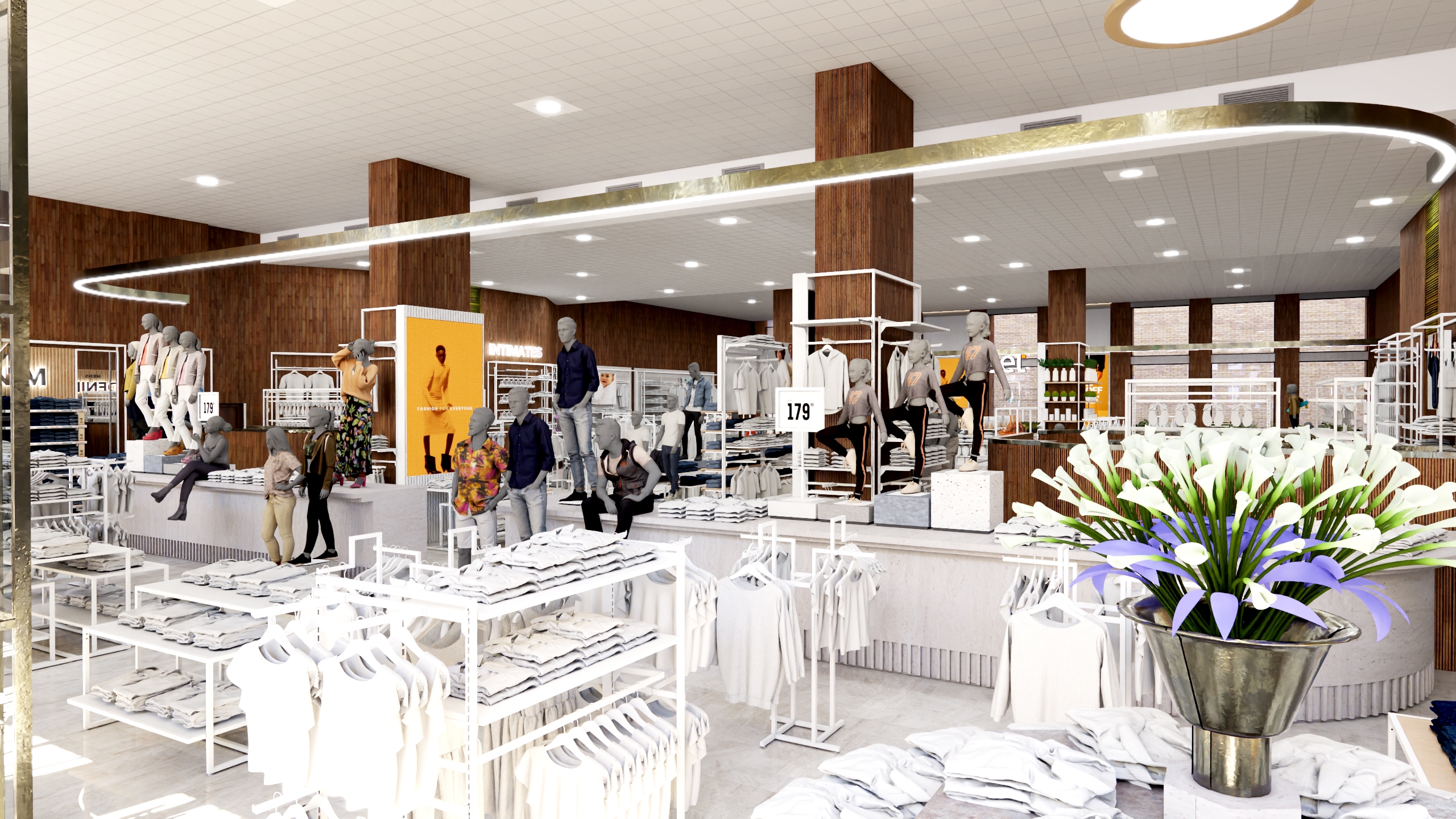
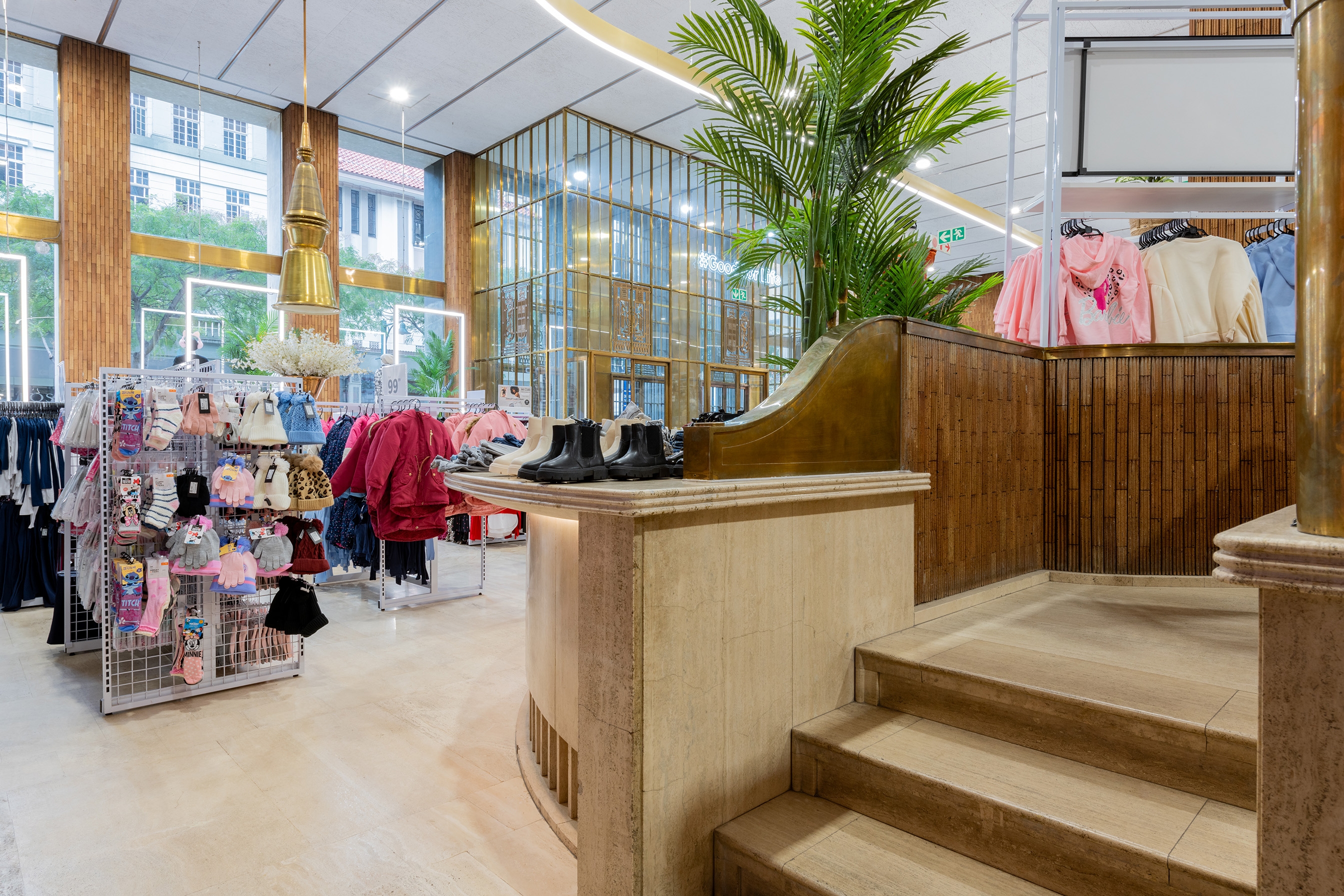
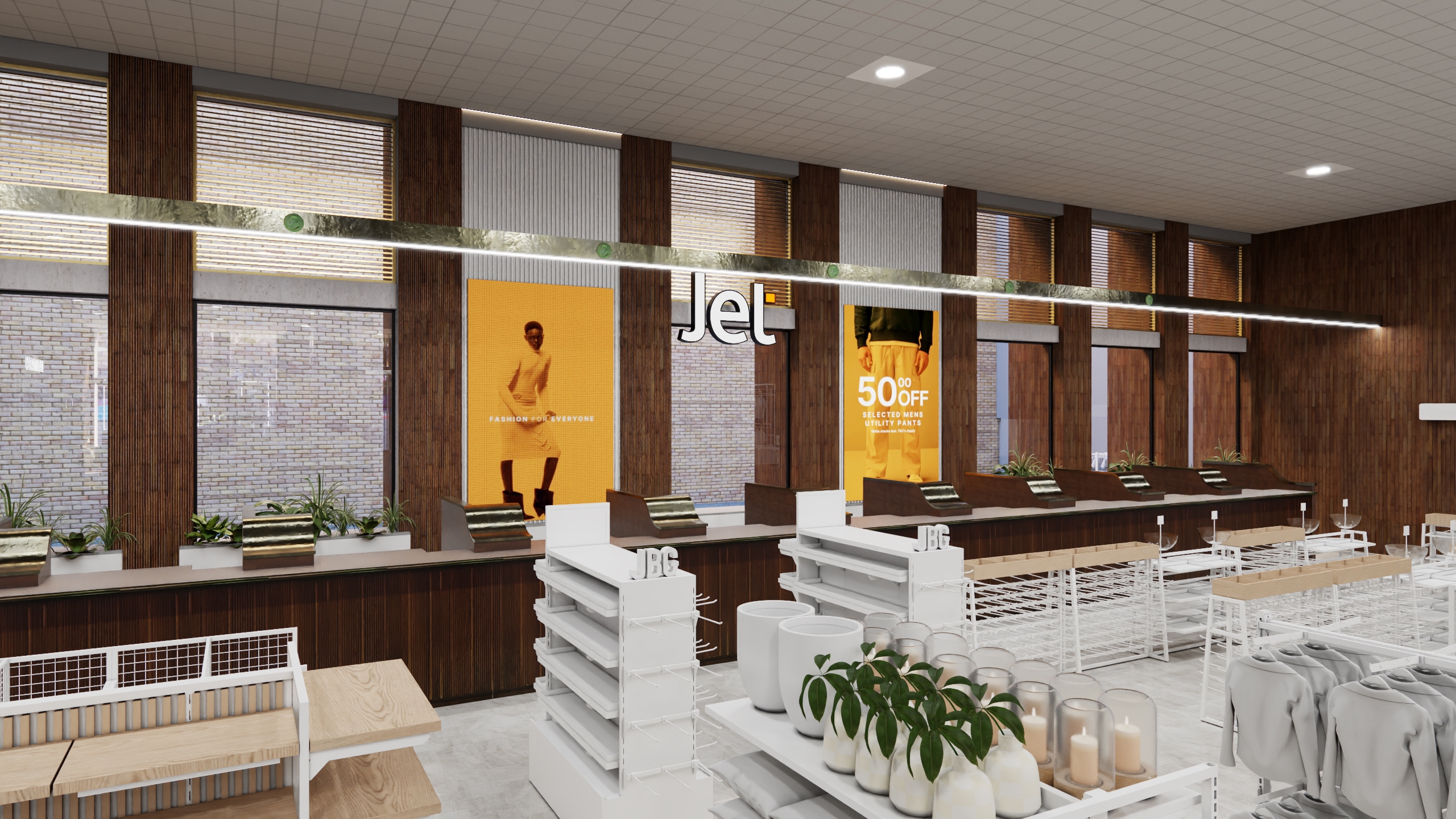
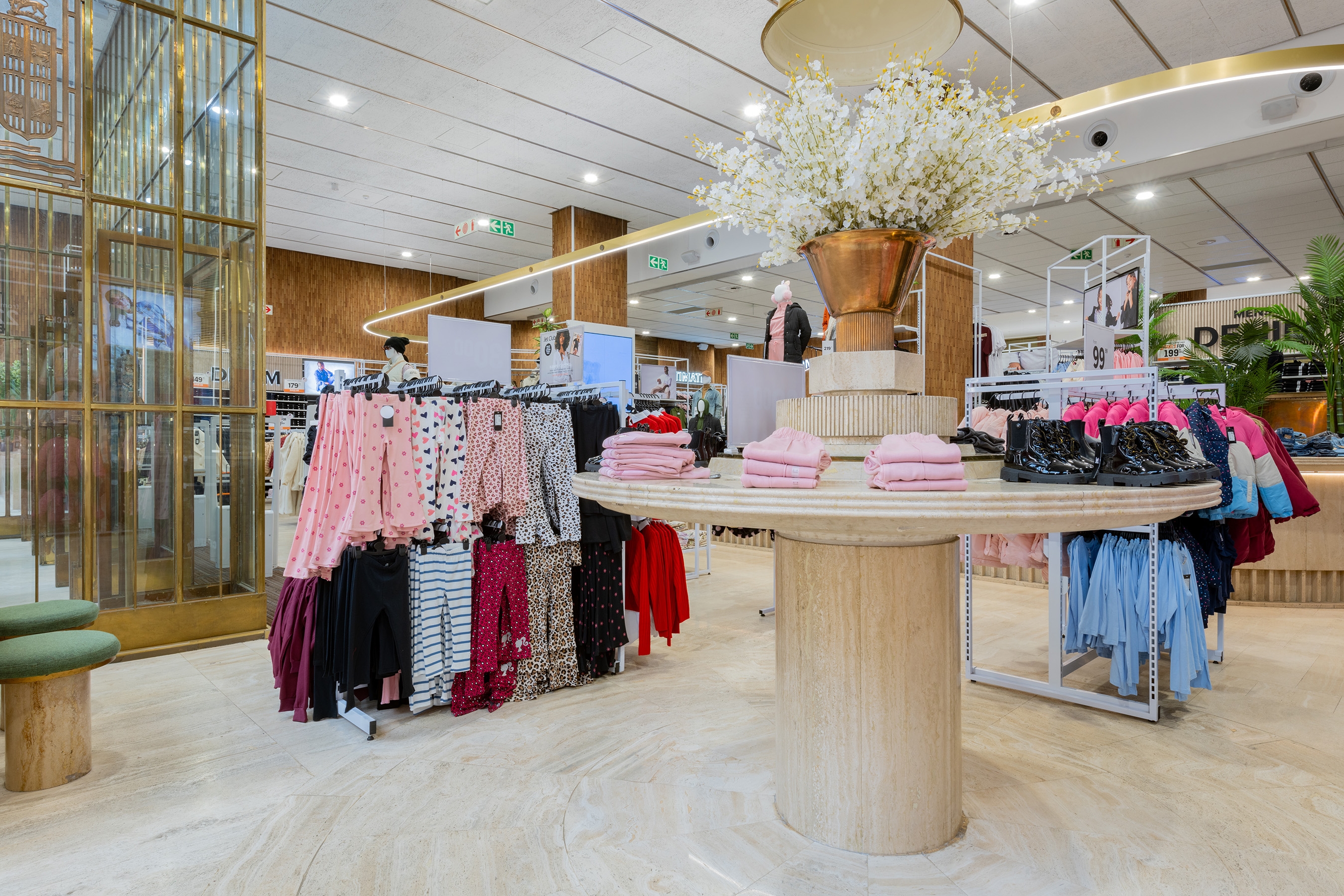
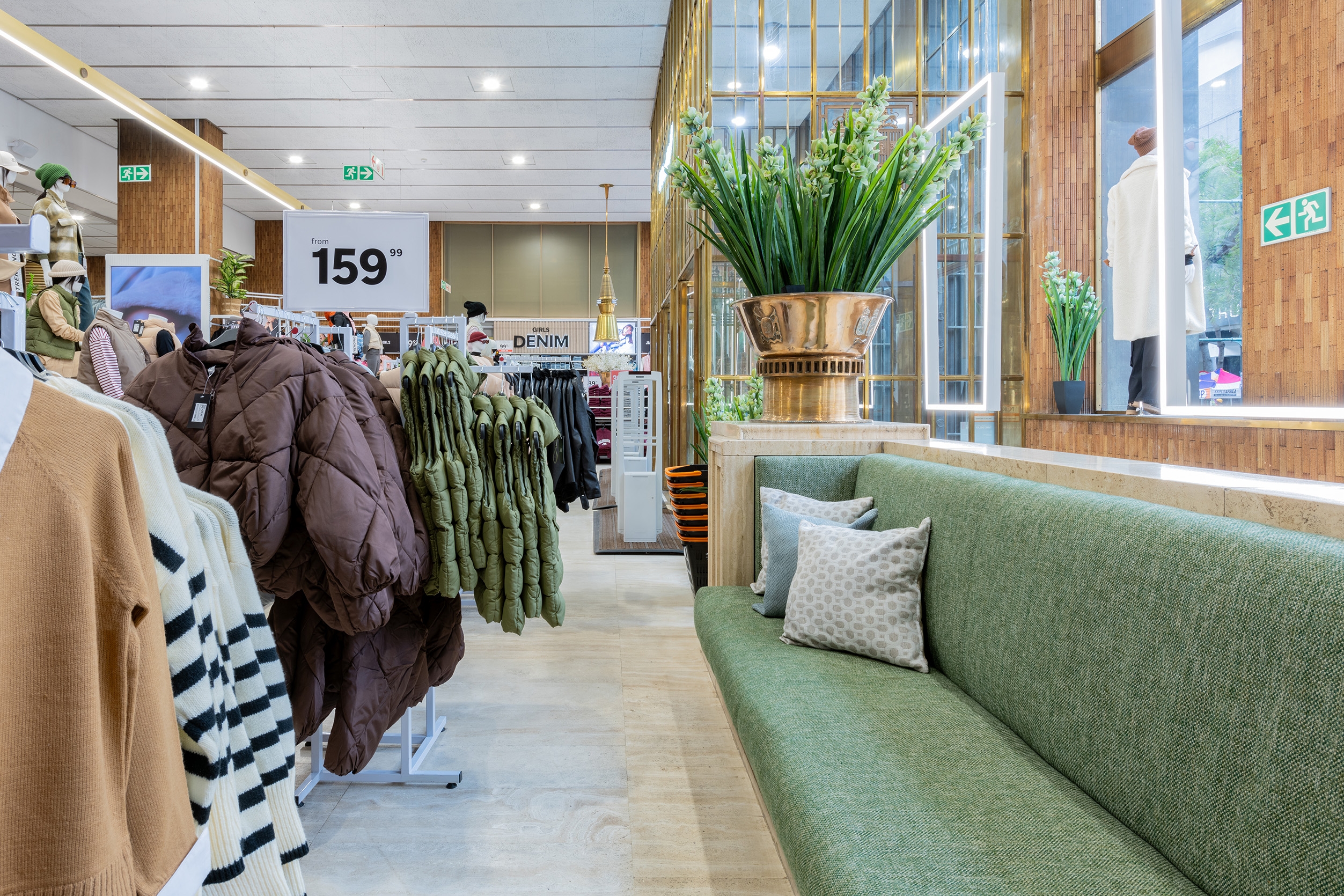
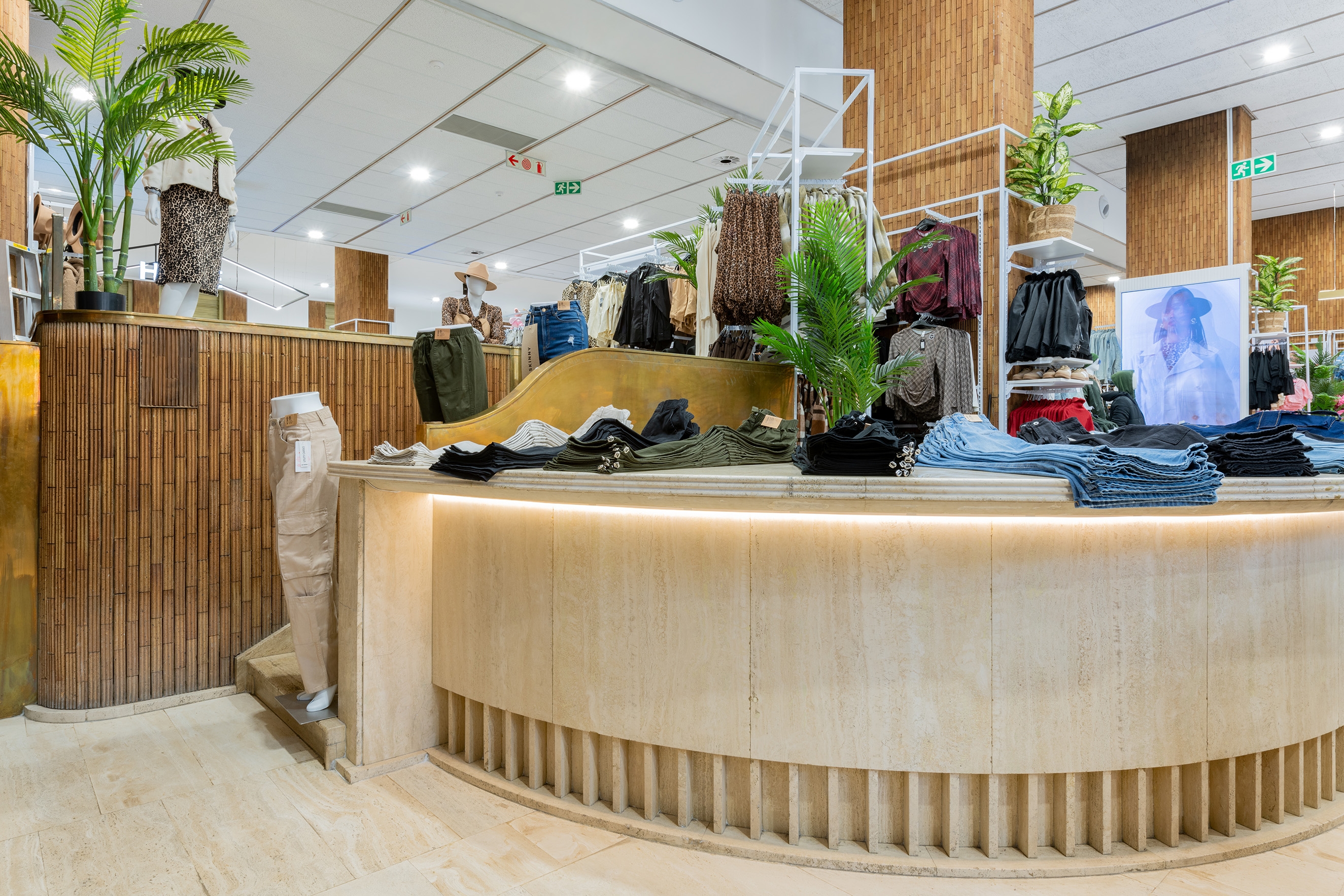
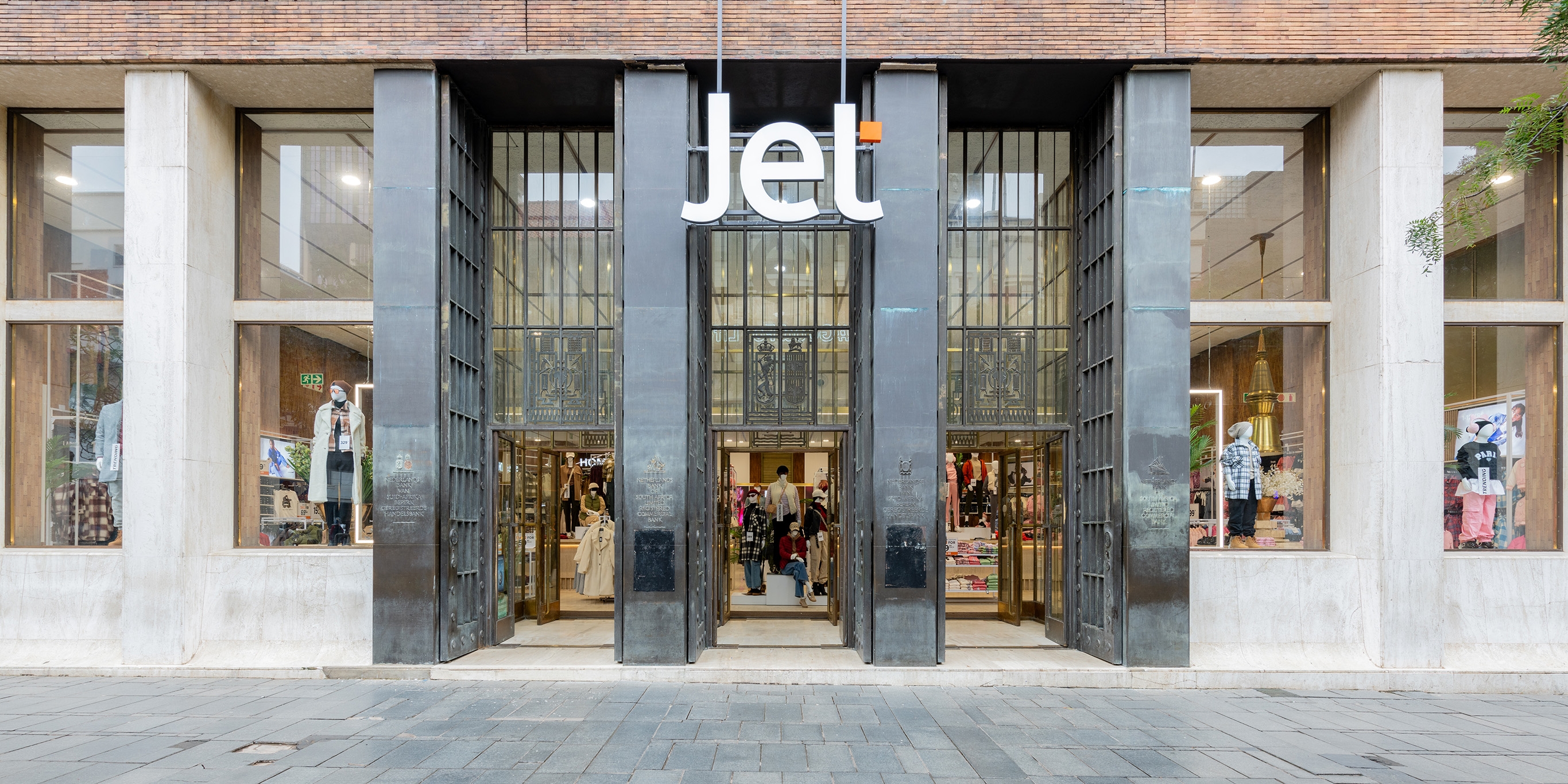
This project involved transforming an iconic 1953 heritage bank building in Pretoria’s CBD into a contemporary fashion retail environment. The space features significant architectural elements including triple-volume solid brass shopfronts, travertine floors, brick klompie tiles, and original timber-clad tellers. The design approach focused on preserving these distinctive features while adapting the building for modern retail use. The concept allowed the existing architecture to lead the design. Key heritage elements were restored and repurposed, with the travertine floors refurbished, the brass doors retained as a dramatic entrance, and the timber-clad tellers converted into a point-of-sale area. Existing benches and travertine stone tables were adapted into display backdrops. A bespoke fixture system was developed to accommodate merchandising without impacting protected surfaces. Original maintenance rooms were reconfigured into fitting rooms, maximising space while maintaining character. Additional restoration included shopfront glazing, finishes, and bronze architectural elements. The result is a contemporary retail space that revitalises a historic building while preserving it
This project involved transforming an iconic 1953 heritage bank building in Pretoria’s CBD into a contemporary fashion retail environment. The space features significant architectural elements including triple-volume solid brass shopfronts, travertine floors, brick klompie tiles, and original timber-clad tellers. The design approach focused on preserving these distinctive features while adapting the building for modern retail use. The concept allowed the existing architecture to lead the design. Key heritage elements were restored and repurposed, with the travertine floors refurbished, the brass doors retained as a dramatic entrance, and the timber-clad tellers converted into a point-of-sale area. Existing benches and travertine stone tables were adapted into display backdrops. A bespoke fixture system was developed to accommodate merchandising without impacting protected surfaces. Original maintenance rooms were reconfigured into fitting rooms, maximising space while maintaining character. Additional restoration included shopfront glazing, finishes, and bronze architectural elements. The result is a contemporary retail space that revitalises a historic building while preserving it
Project Innovation / Specification:
We focused on using existing architectural features as drivers for the design rather than treating them as constraints. A key example was the original solid brass overhead teller detail, which was carefully restored and enhanced by integrating concealed LED lighting within the feature. This intervention highlighted the craftsmanship while introducing a contemporary layer. The detail was then reinterpreted in other areas of the store to create a cohesive design language rooted in the building’s heritage. The existing travertine benches and architectural stone elements were also incorporated into the layout. Rather than covering up these heavy features, the design worked around them, transforming them into large-format display tables that anchor key merchandising zones. This approach allowed the architecture to directly shape the customer experience while reducing the need for additional fixtures. These interventions demonstrate a considered specification approach, where heritage materials such as brass and travertine were complemented with modern lighting and retail display systems, creating a distinctive environment that blends craftsmanship with contemporary retail requirements
We focused on using existing architectural features as drivers for the design rather than treating them as constraints. A key example was the original solid brass overhead teller detail, which was carefully restored and enhanced by integrating concealed LED lighting within the feature. This intervention highlighted the craftsmanship while introducing a contemporary layer. The detail was then reinterpreted in other areas of the store to create a cohesive design language rooted in the building’s heritage. The existing travertine benches and architectural stone elements were also incorporated into the layout. Rather than covering up these heavy features, the design worked around them, transforming them into large-format display tables that anchor key merchandising zones. This approach allowed the architecture to directly shape the customer experience while reducing the need for additional fixtures. These interventions demonstrate a considered specification approach, where heritage materials such as brass and travertine were complemented with modern lighting and retail display systems, creating a distinctive environment that blends craftsmanship with contemporary retail requirements
Project Sustainability Approach:
We focused on adaptive reuse and the celebration of enduring craftsmanship. By revitalising a historic building, the project avoided demolition and significantly reduced the need for new construction materials. Retaining the original structure and architectural fabric preserved the embodied energy of the building while extending its lifecycle. The design intentionally incorporated existing high-quality materials such as solid brass, travertine, brick, and timber—elements that were built to last and rarely replicated in contemporary construction. By restoring and integrating these features into the environment, the project reduced material consumption and minimised waste. We prioritised reuse, with existing rooms adapted for fitting rooms and retail functions rather than constructing new enclosures. New fixtures were designed as modular elements, allowing future reconfiguration without major alterations, supporting long-term flexibility and reducing future refurbishment waste. The project contributes to broader urban sustainability by reactivating an underutilised heritage building, encouraging investment & demonstrating how historic architecture can be successfully repurposed.
We focused on adaptive reuse and the celebration of enduring craftsmanship. By revitalising a historic building, the project avoided demolition and significantly reduced the need for new construction materials. Retaining the original structure and architectural fabric preserved the embodied energy of the building while extending its lifecycle. The design intentionally incorporated existing high-quality materials such as solid brass, travertine, brick, and timber—elements that were built to last and rarely replicated in contemporary construction. By restoring and integrating these features into the environment, the project reduced material consumption and minimised waste. We prioritised reuse, with existing rooms adapted for fitting rooms and retail functions rather than constructing new enclosures. New fixtures were designed as modular elements, allowing future reconfiguration without major alterations, supporting long-term flexibility and reducing future refurbishment waste. The project contributes to broader urban sustainability by reactivating an underutilised heritage building, encouraging investment & demonstrating how historic architecture can be successfully repurposed.
Local and Regional Impacts of the Project:
The project contributes to the revitalisation of Pretoria’s CBD, an area that has become increasingly run down with many historic buildings underutilised or abandoned. By transforming a heritage bank building into a vibrant retail destination, the design demonstrates the potential for reinvestment in the city’s high street and encourages other retailers to reconsider the value of existing architecture. In a retail landscape often dominated by generic fit-outs, this project stands apart by preserving and celebrating original features rather than replacing them. The design pays homage to the craftsmanship and architectural achievements of a bygone era, showcasing materials and detailing rarely seen today. This not only brings new life to the CBD but also promotes heritage-led regeneration.
The project contributes to the revitalisation of Pretoria’s CBD, an area that has become increasingly run down with many historic buildings underutilised or abandoned. By transforming a heritage bank building into a vibrant retail destination, the design demonstrates the potential for reinvestment in the city’s high street and encourages other retailers to reconsider the value of existing architecture. In a retail landscape often dominated by generic fit-outs, this project stands apart by preserving and celebrating original features rather than replacing them. The design pays homage to the craftsmanship and architectural achievements of a bygone era, showcasing materials and detailing rarely seen today. This not only brings new life to the CBD but also promotes heritage-led regeneration.
Lead Designer(s) Name(s):Robyn and Toby Self
Profile Description:
Plan-IT Design, founded in 2000 by siblings Robyn and Toby, specialises in Retail & Commercial Interior Architecture. With studios in Johannesburg and Cape Town, the firm has delivered over 3000 projects locally and internationally, including the Afreximbank global design standards and concepts for TFG (SA's largest Retailer). Plan-IT combines analytical, technical and creative design methods to deliver purposeful, functional and visually compelling environments. Using BIM and advanced visualisation tools, the team collaborates with multidisciplinary consultants to efficiently deliver complex
Plan-IT Design, founded in 2000 by siblings Robyn and Toby, specialises in Retail & Commercial Interior Architecture. With studios in Johannesburg and Cape Town, the firm has delivered over 3000 projects locally and internationally, including the Afreximbank global design standards and concepts for TFG (SA's largest Retailer). Plan-IT combines analytical, technical and creative design methods to deliver purposeful, functional and visually compelling environments. Using BIM and advanced visualisation tools, the team collaborates with multidisciplinary consultants to efficiently deliver complex
Environmental Practices:
Plan-IT Design integrates sustainable principles throughout the design process. Our BIM workflow improves coordination, reduces waste and optimises material use. Working across Africa, we prioritise locally sourced materials and regional craftsmanship to ensure projects respond to their cultural and environmental context. We design adaptable interiors that extend the life of buildings and reduce future refurbishment. On heritage projects such as the JET Bank Towers building, we prioritised retention and reuse of existing elements, minimising waste while respecting the historic fabric.
Plan-IT Design integrates sustainable principles throughout the design process. Our BIM workflow improves coordination, reduces waste and optimises material use. Working across Africa, we prioritise locally sourced materials and regional craftsmanship to ensure projects respond to their cultural and environmental context. We design adaptable interiors that extend the life of buildings and reduce future refurbishment. On heritage projects such as the JET Bank Towers building, we prioritised retention and reuse of existing elements, minimising waste while respecting the historic fabric.
Previous Awards Won:
Previous Awards Won Over the past 25 years, Plan-IT Design has received numerous industry awards recognising excellence in Retail Interior Design, Commercial Interior Architecture, and Exhibition Stand Design. These awards reflect the studio’s commitment to innovative thinking, strong design execution, and the delivery of impactful environments for leading brands and organisations across Africa and internationally. Some of our awards include: 2025 - RDDA - JET Bank Towers - Category C (Retail Design) Winner 2023 - RDDA AWARD - Cookie Co - Finalist Award 2023 - RDDA - Archive - Category C (Retail Design) Winner 2022 - African Property Awards - International Bank Liberia (Interior Design) 2020 - African Property Awards - Comic Warehouse (Interior Design) 2019 - RDDA Awards - Comic Warehouse - Finalist Category C (Retail Design) 2017 - Viva Awards 2017 - This Way Out Honoree Certificate 2016 - RDDA Awards - This Way Out - CT - Winner Category D (Retail Design) 2014 - EXSA Award - Denel Best Outdoor Exhibition Stand 2012 - EXSA Award - Denel Best Indoor Exhibition Stand
Previous Awards Won Over the past 25 years, Plan-IT Design has received numerous industry awards recognising excellence in Retail Interior Design, Commercial Interior Architecture, and Exhibition Stand Design. These awards reflect the studio’s commitment to innovative thinking, strong design execution, and the delivery of impactful environments for leading brands and organisations across Africa and internationally. Some of our awards include: 2025 - RDDA - JET Bank Towers - Category C (Retail Design) Winner 2023 - RDDA AWARD - Cookie Co - Finalist Award 2023 - RDDA - Archive - Category C (Retail Design) Winner 2022 - African Property Awards - International Bank Liberia (Interior Design) 2020 - African Property Awards - Comic Warehouse (Interior Design) 2019 - RDDA Awards - Comic Warehouse - Finalist Category C (Retail Design) 2017 - Viva Awards 2017 - This Way Out Honoree Certificate 2016 - RDDA Awards - This Way Out - CT - Winner Category D (Retail Design) 2014 - EXSA Award - Denel Best Outdoor Exhibition Stand 2012 - EXSA Award - Denel Best Indoor Exhibition Stand