Masai Mara Conservation Centre
Prize(s):
WINNER 2026 ARCHITECTURE / Cultural Building Architecture
Lead Designer(s) Name(s):Niko Kapa
Architecture Firm:SNK
Client Name:Mara Triangle Conservancy, Abercrombie & Kent Philanthropy
Photo Credit:Niko Kapa
Project Location:Kenya
Design Status:Concept
Project Description:
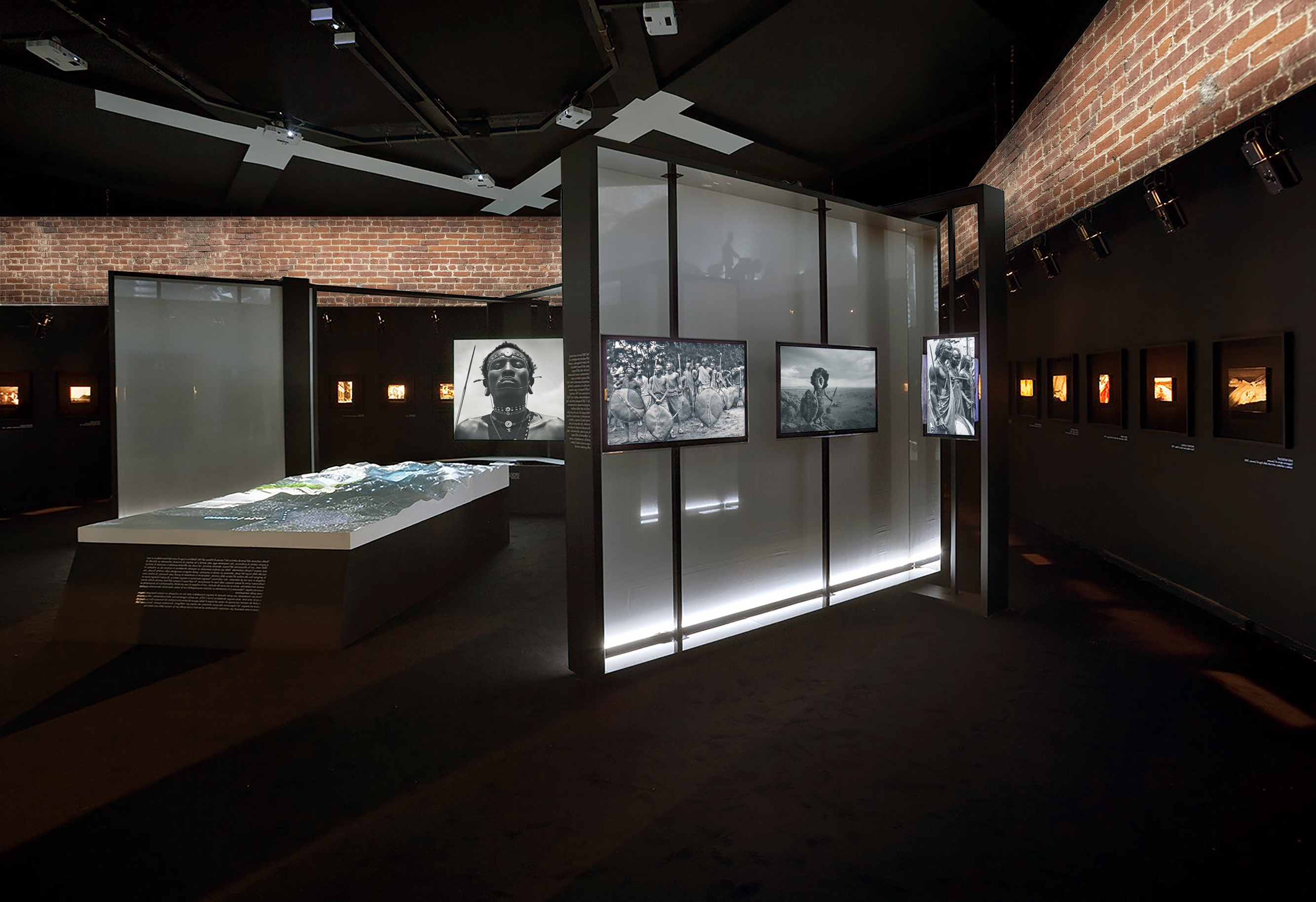
The Masai Mara Conservation Centre at the Masai Mara National Reserve is envisioned as an innovative and engaging facility that aims to educate, inspire and create awareness about conservation and the unique ecosystem of the Masai Mara. This center will provide visitors with interactive and exciting experiences while promoting sustainable tourism practices. The facility will include parking, essential amenities, an engaging exhibition space, interactive learning zones, a gift shop and environmentally conscious design features. Architecture blends contemporary design elements with nods to Maasai cultural traditions. Natural materials like wood, stone and thatch are integrated into building's design, incorporating traditional Maasai patterns, colors, and motifs to create a sense of place and cultural identity.
The Masai Mara Conservation Centre at the Masai Mara National Reserve is envisioned as an innovative and engaging facility that aims to educate, inspire and create awareness about conservation and the unique ecosystem of the Masai Mara. This center will provide visitors with interactive and exciting experiences while promoting sustainable tourism practices. The facility will include parking, essential amenities, an engaging exhibition space, interactive learning zones, a gift shop and environmentally conscious design features. Architecture blends contemporary design elements with nods to Maasai cultural traditions. Natural materials like wood, stone and thatch are integrated into building's design, incorporating traditional Maasai patterns, colors, and motifs to create a sense of place and cultural identity.
Project Innovation / Specification:
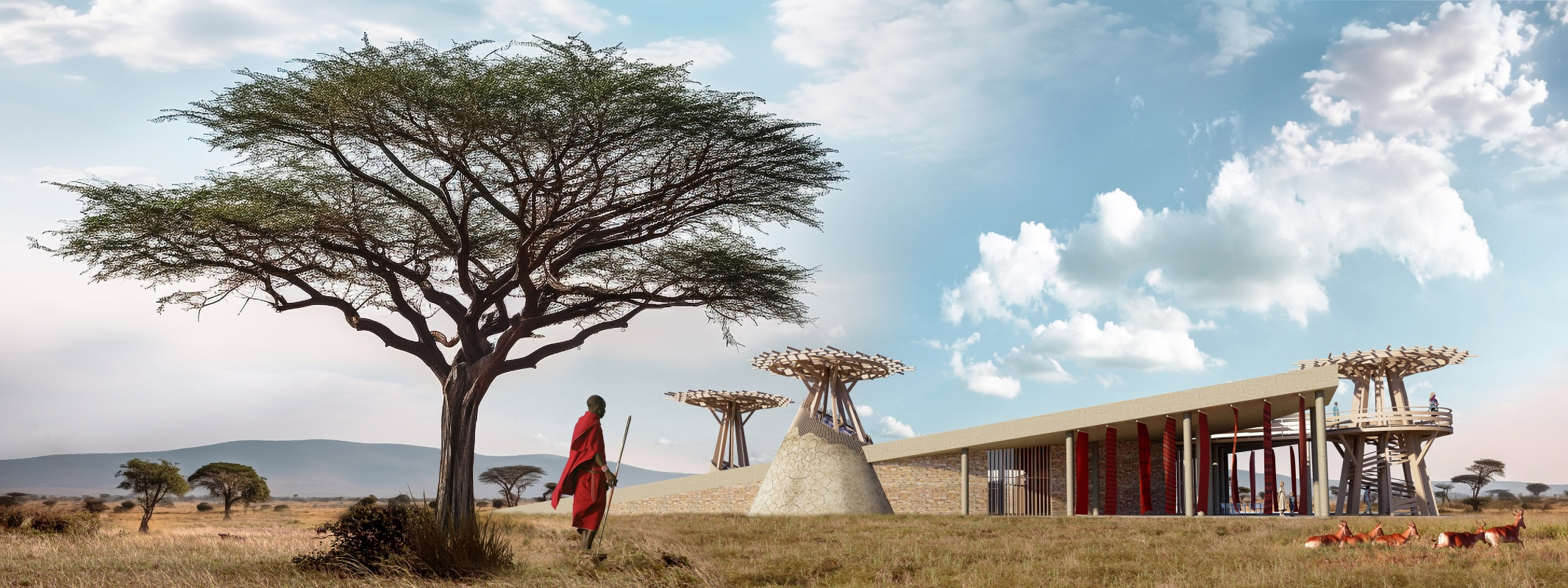
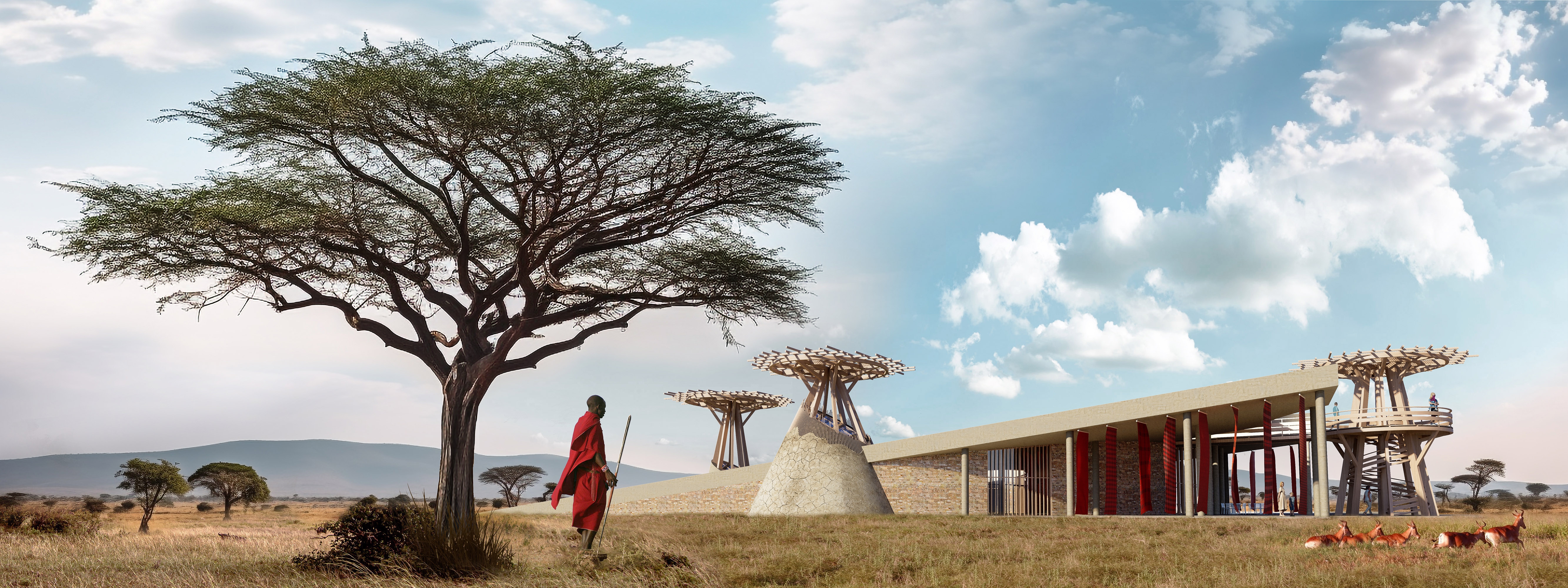
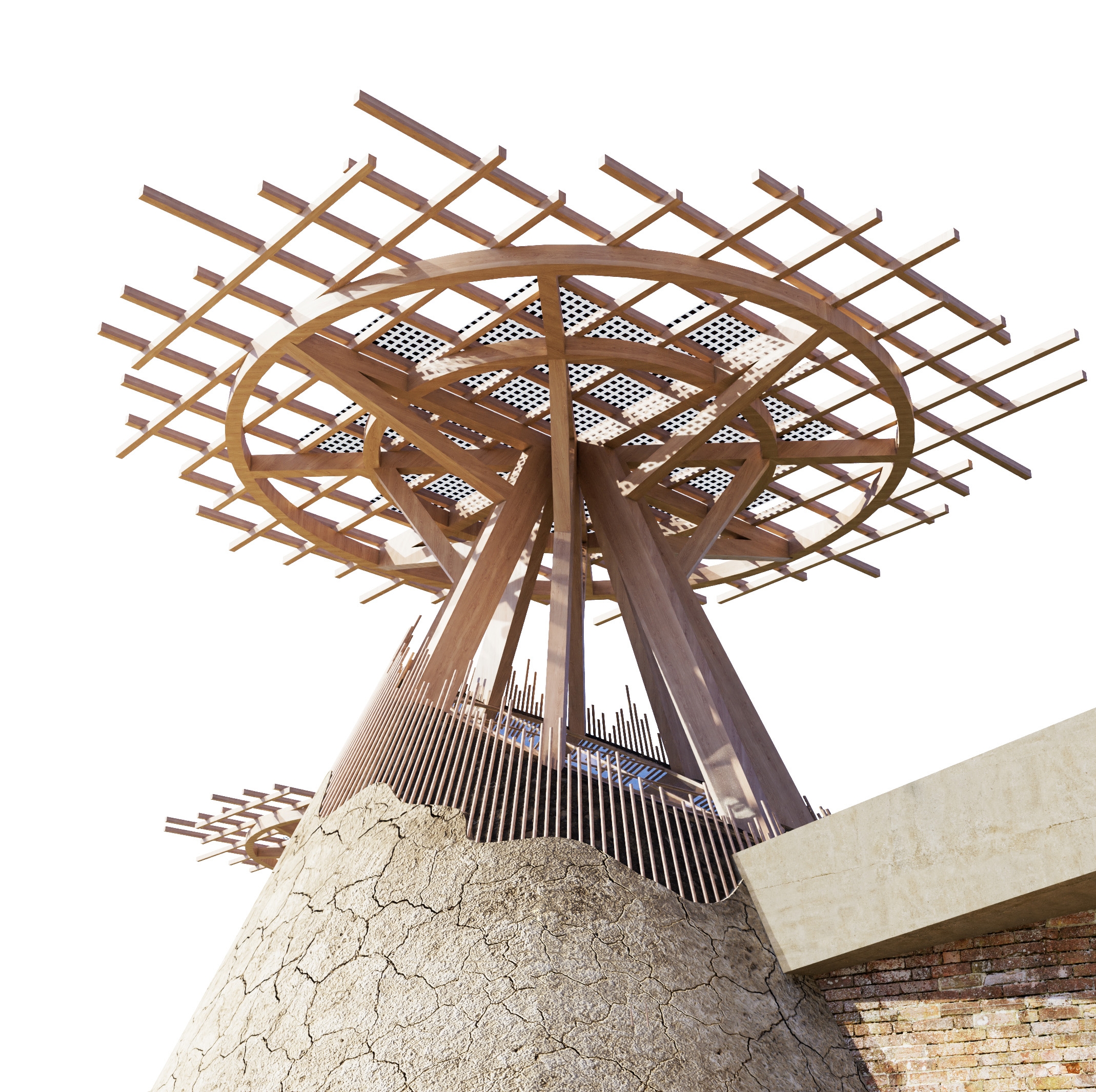
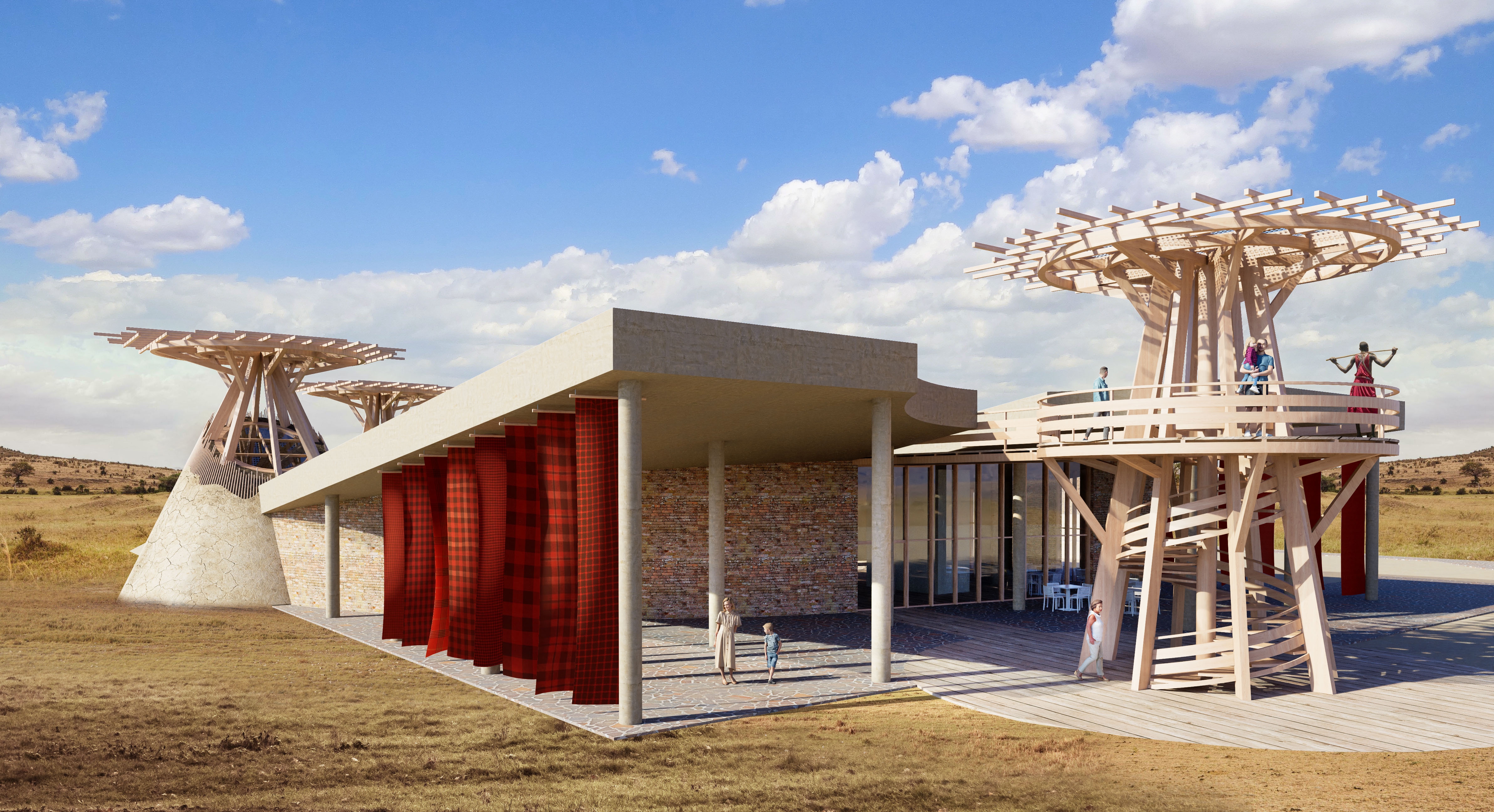
Investigating ways to express Masai heritage with a modern language, a sequence of timber formations intersects the facility, inspired by the Masai Mara Umbrella Tree – the characteristic varieties of acacia trees dotting the landscape on African savannah. These remind of places where animals and people nest and come together, finding shadow under them, supplying them with the recourses to shape their culture. Engaging traditional craft techniques while involving Masai in the building’s construction, the “enkanji” stands partly unfinished as a hint of the continuous evolution, revealing the structure as a reference to semi-permanent architecture of Masai. Encouraging use of traditional materials and construction systems, analogous to “engeene” (the logs used to build “bomas”), wooden lattice serves the accommodation of semi-transparent solar cells for energy production. These conformations create a simple yet effective climate control system, acting as ventilation chimneys that provide efficient natural cooling through stack effect. The tree canopy functions as an observation deck, providing views all around while connecting the lower level with the walkable roof.
Investigating ways to express Masai heritage with a modern language, a sequence of timber formations intersects the facility, inspired by the Masai Mara Umbrella Tree – the characteristic varieties of acacia trees dotting the landscape on African savannah. These remind of places where animals and people nest and come together, finding shadow under them, supplying them with the recourses to shape their culture. Engaging traditional craft techniques while involving Masai in the building’s construction, the “enkanji” stands partly unfinished as a hint of the continuous evolution, revealing the structure as a reference to semi-permanent architecture of Masai. Encouraging use of traditional materials and construction systems, analogous to “engeene” (the logs used to build “bomas”), wooden lattice serves the accommodation of semi-transparent solar cells for energy production. These conformations create a simple yet effective climate control system, acting as ventilation chimneys that provide efficient natural cooling through stack effect. The tree canopy functions as an observation deck, providing views all around while connecting the lower level with the walkable roof.
Project Sustainability Approach:
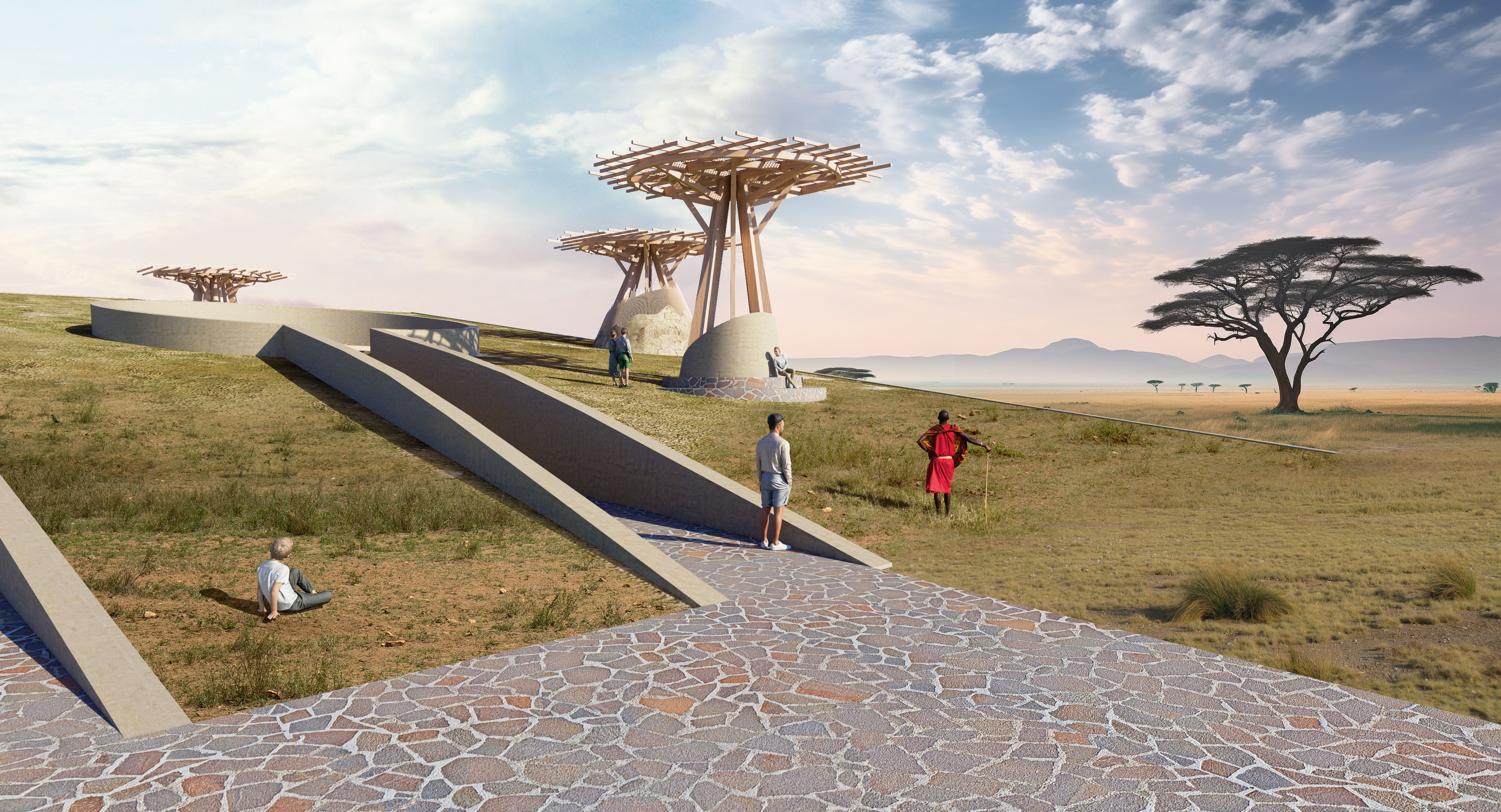
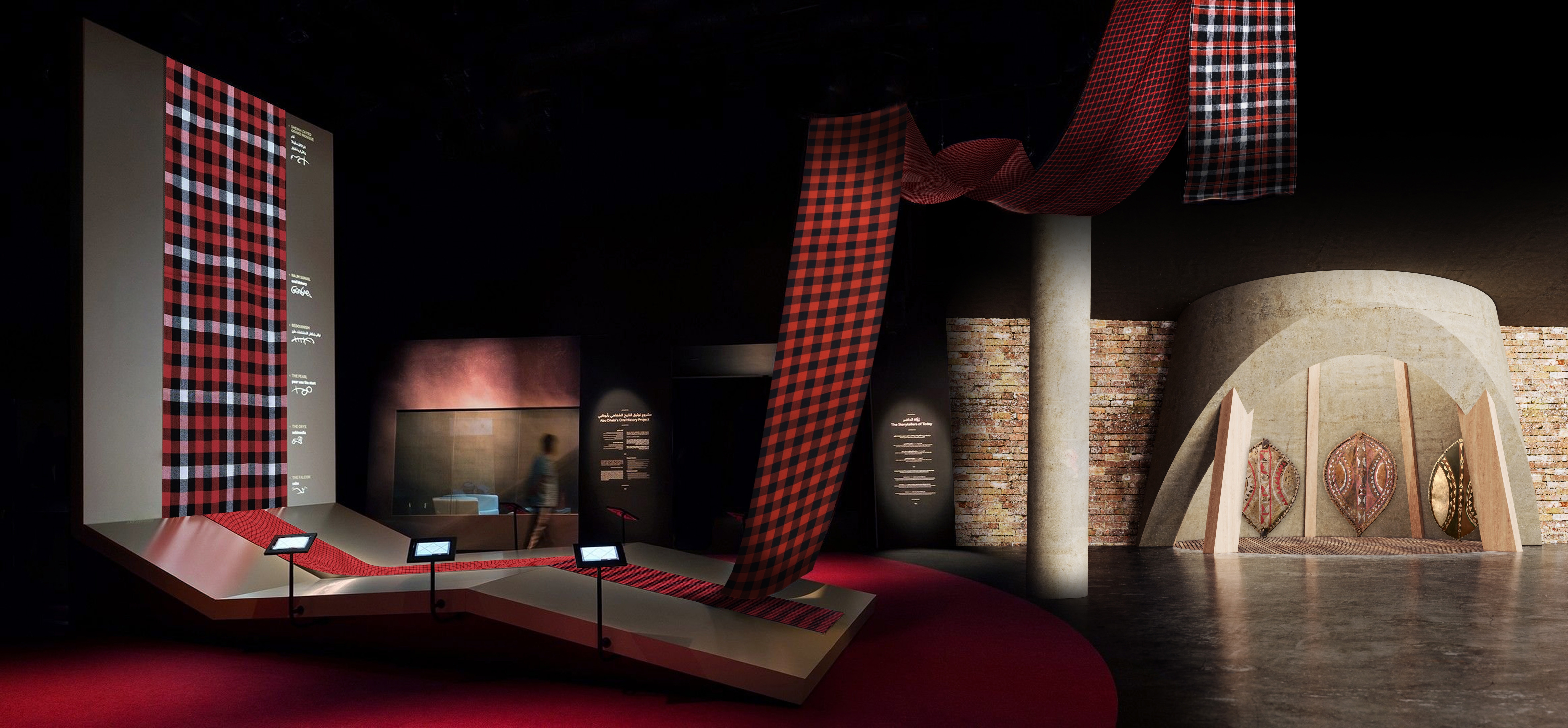
Emerging from the landscape and becoming one with it, the inclined roof permits adjustment to slight slope of terrain, while alleviating building’s height blending it with the open grassland. Embracing the character of vernacular architecture and traditional Masai dwellings in which roof is covered with soil and grass as insulation substances, Centre's planted roof utilises the excavation material. The habitable landscaped roof reduces structure's visual imprint on site, providing further temperature stabilization and insulation while enabling collection of rainwater. Sourced as locally as possible, natural materials involved in erecting of walls have easy workmanship, requiring less energy for production and transportation. Walls are constructed from a combination of unfired and fired bricks referring to the heavy clay soils found in Masai Mara national reserve. A large covered porch is defined by a series of hung fabrics akin to patterned shukas expressing the tradition of Masai. Generating a vivid facade expression, arrangement works as a vertical louver composition that provides shade and glare protection against the sun and also animates the elevation with the breeze.
Emerging from the landscape and becoming one with it, the inclined roof permits adjustment to slight slope of terrain, while alleviating building’s height blending it with the open grassland. Embracing the character of vernacular architecture and traditional Masai dwellings in which roof is covered with soil and grass as insulation substances, Centre's planted roof utilises the excavation material. The habitable landscaped roof reduces structure's visual imprint on site, providing further temperature stabilization and insulation while enabling collection of rainwater. Sourced as locally as possible, natural materials involved in erecting of walls have easy workmanship, requiring less energy for production and transportation. Walls are constructed from a combination of unfired and fired bricks referring to the heavy clay soils found in Masai Mara national reserve. A large covered porch is defined by a series of hung fabrics akin to patterned shukas expressing the tradition of Masai. Generating a vivid facade expression, arrangement works as a vertical louver composition that provides shade and glare protection against the sun and also animates the elevation with the breeze.
Local and Regional Impacts of the Project:
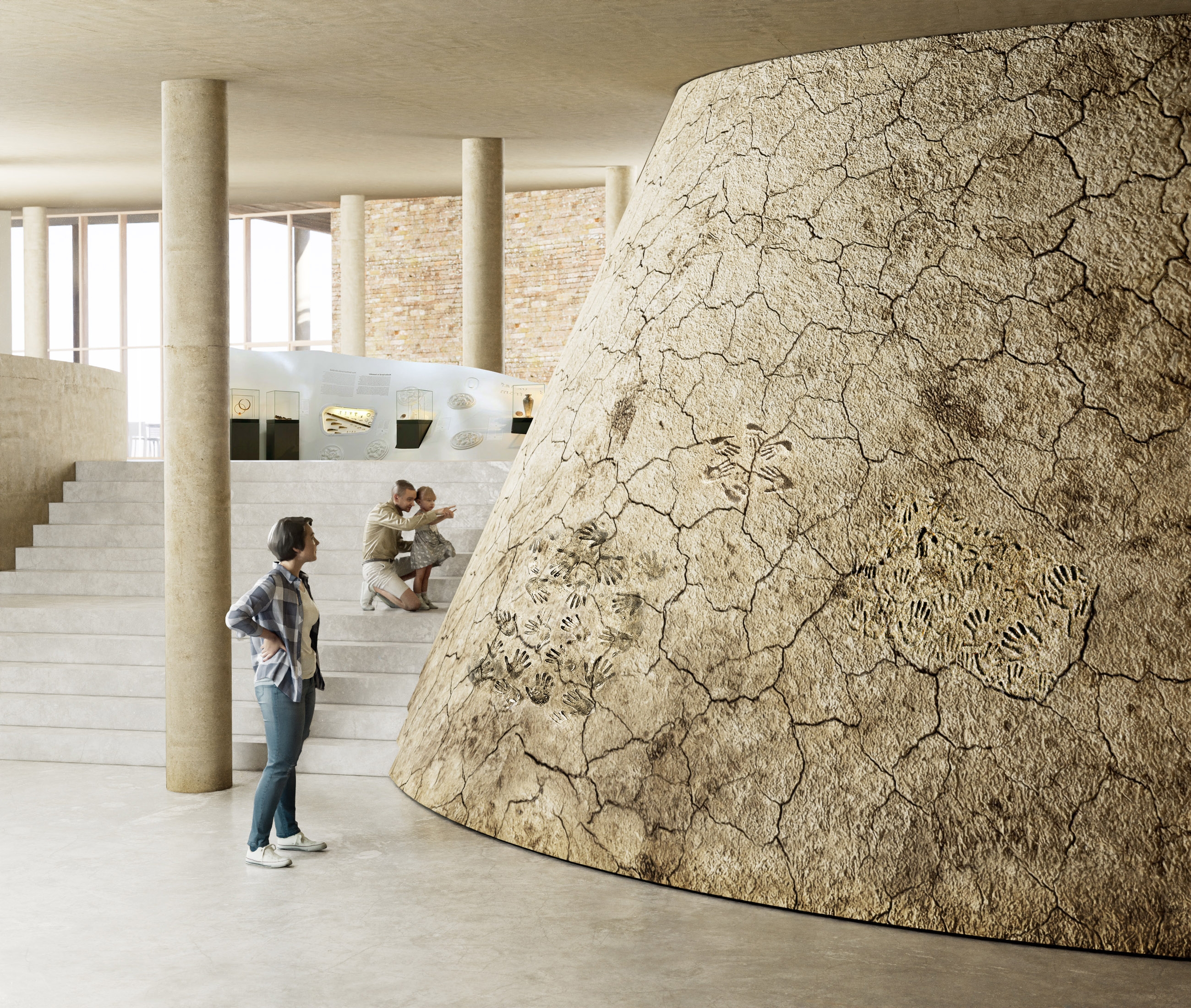
Architectural design respects and integrates elements of Maasai culture and heritage, creating a harmonious blend between the center and its surroundings. Primary objective of the center is to educate visitors about importance of conservation, biodiversity, and the delicate balance of ecosystems within the Masai Mara. Design encourages active learning through interactive exhibits, immersive displays and hands-on activities. Employing materials with sociocultural meanings, the classroom is surrounded by “The Wall of Masai”. Made with raw earth matter and same insulation techniques of the Masai, its establishment involves the local community in the making. Inside the exhibition space this wall is marked with their handprints, becoming a living testament of what people make with their hands.
Architectural design respects and integrates elements of Maasai culture and heritage, creating a harmonious blend between the center and its surroundings. Primary objective of the center is to educate visitors about importance of conservation, biodiversity, and the delicate balance of ecosystems within the Masai Mara. Design encourages active learning through interactive exhibits, immersive displays and hands-on activities. Employing materials with sociocultural meanings, the classroom is surrounded by “The Wall of Masai”. Made with raw earth matter and same insulation techniques of the Masai, its establishment involves the local community in the making. Inside the exhibition space this wall is marked with their handprints, becoming a living testament of what people make with their hands.