
ORI- Moving Within Self
Prize(s):
WINNER 2026 ARCHITECTURE / Landscape Architecture
Lead Designer(s) Name(s):Olumide Oguntolu
Design Team / Other designer(s):Olumide Oguntolu, Tayo Folorunsho
Photo Credit:Olumide Oguntolu
Project Location:Lagos, Nigeria
Design Status:Concept
Video URL:View
Project Description:
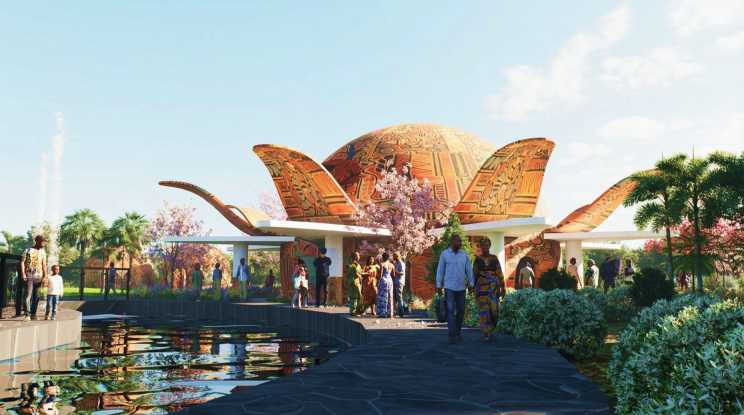
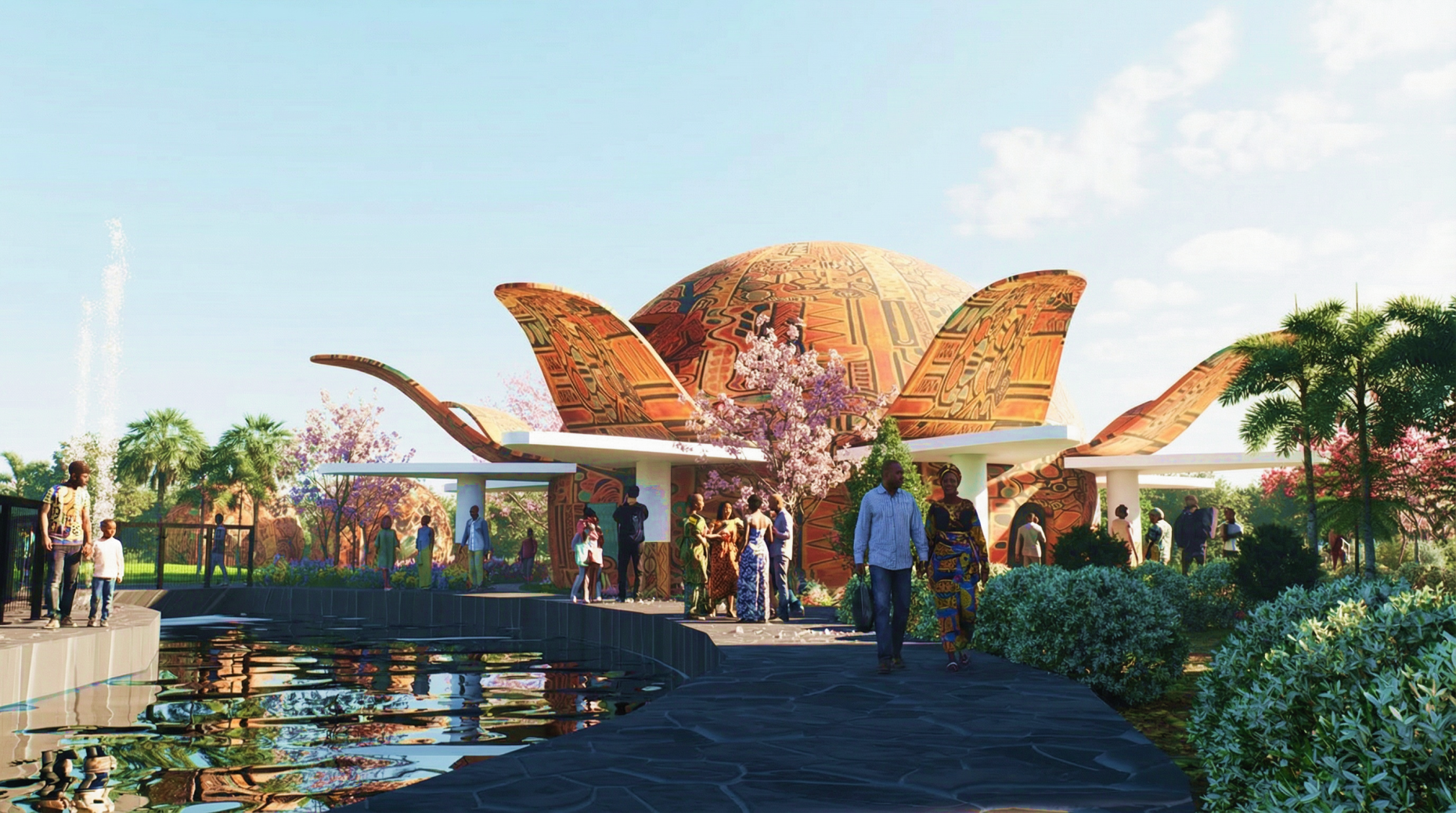
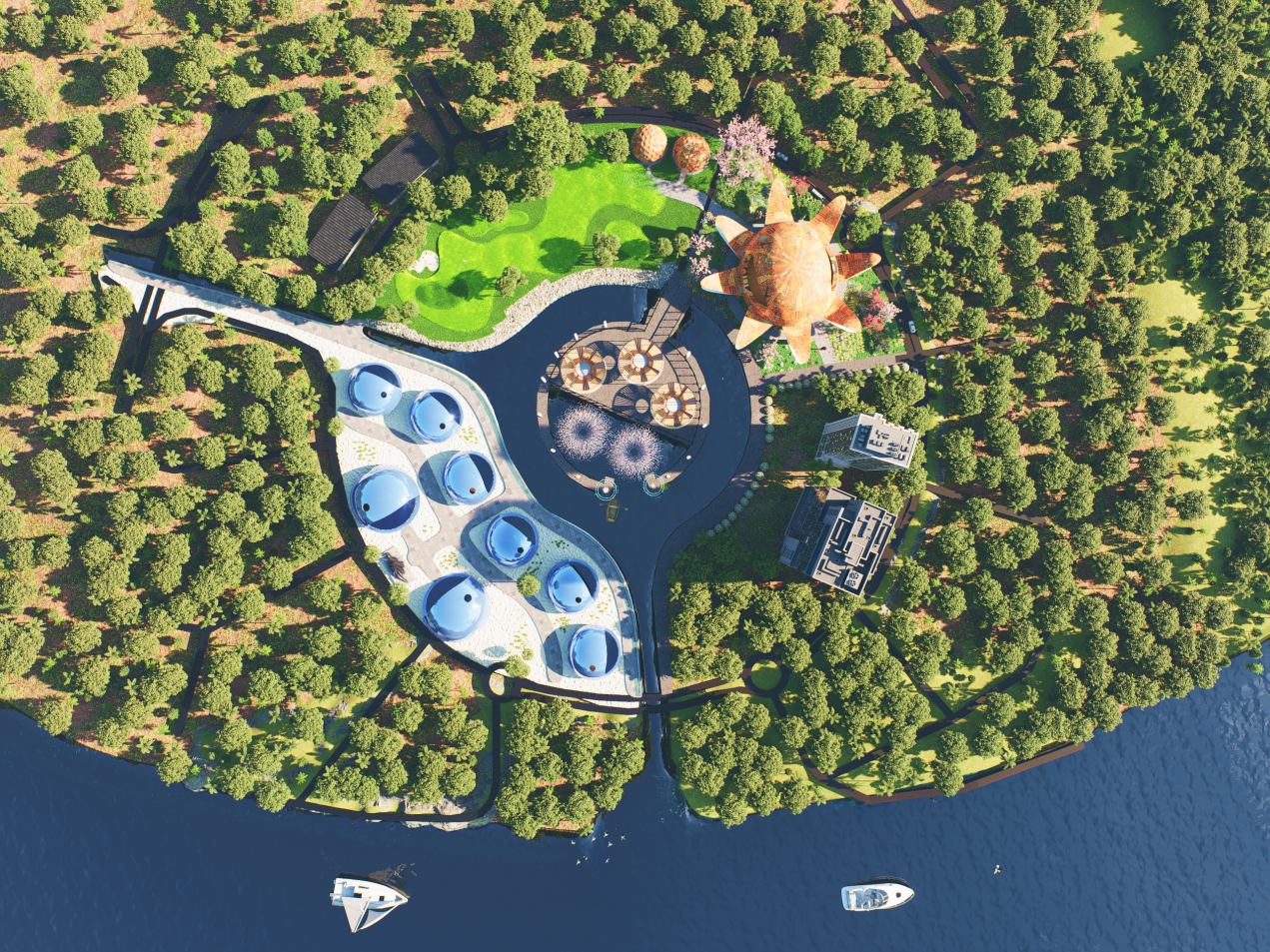
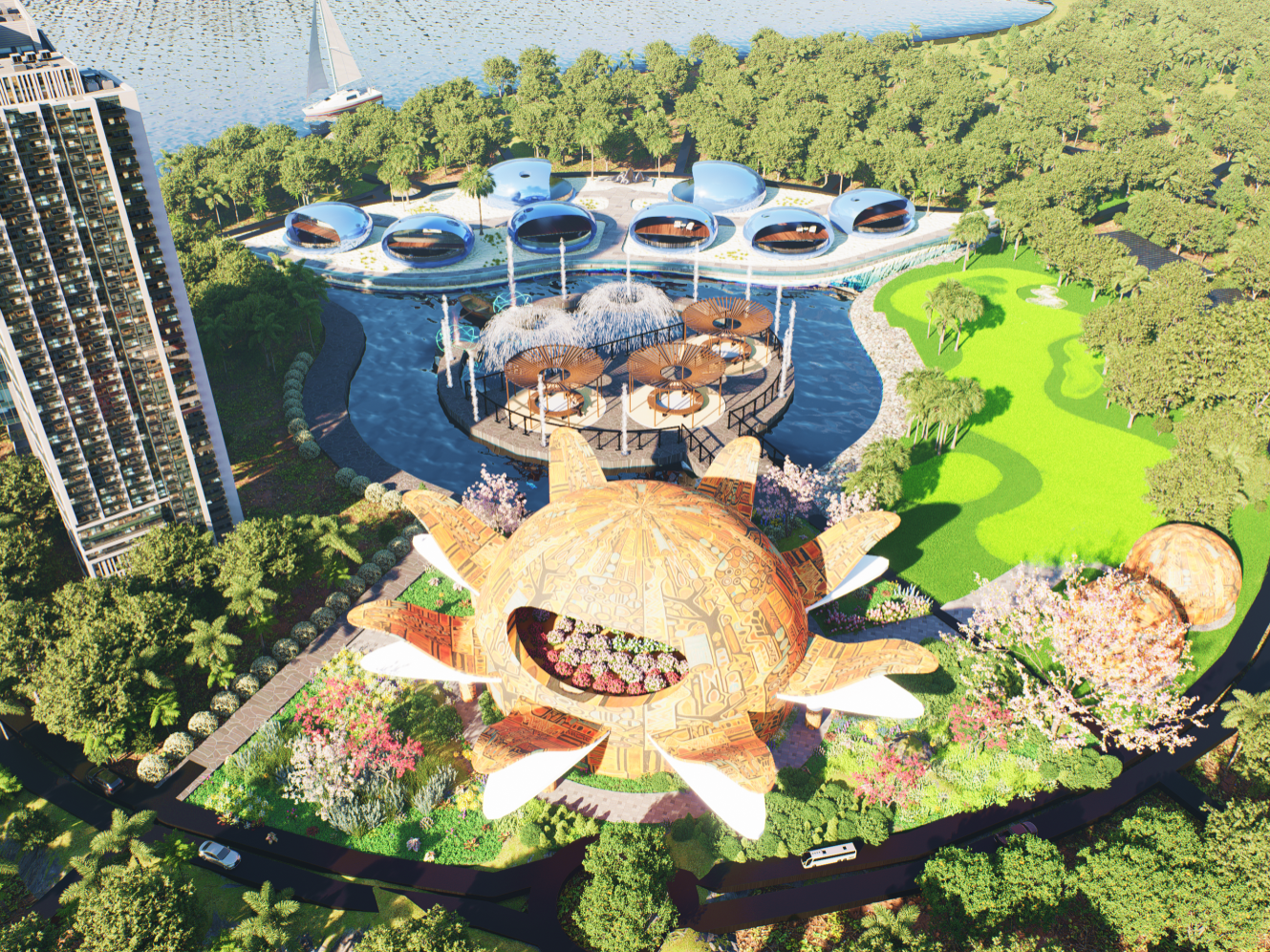
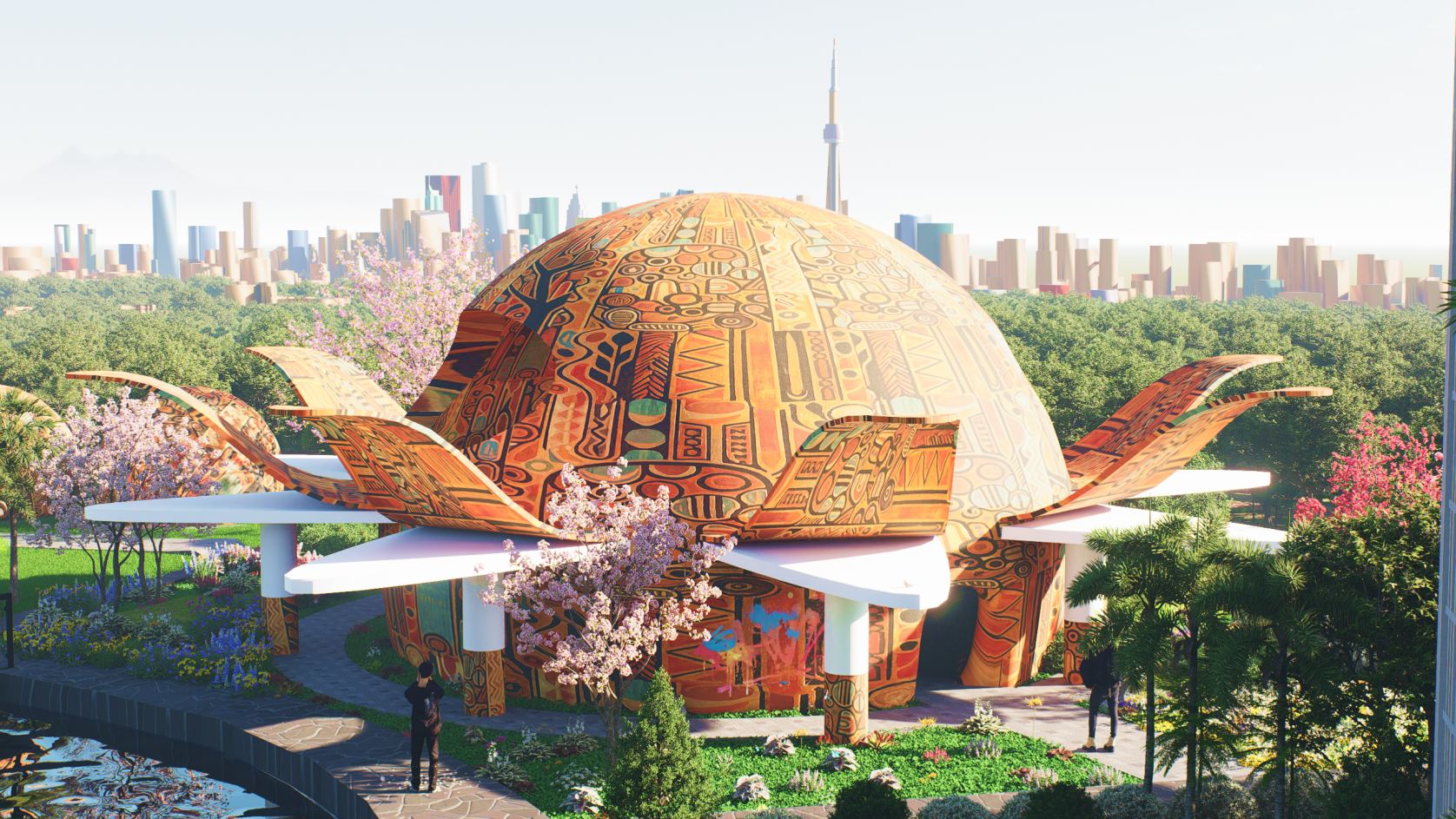
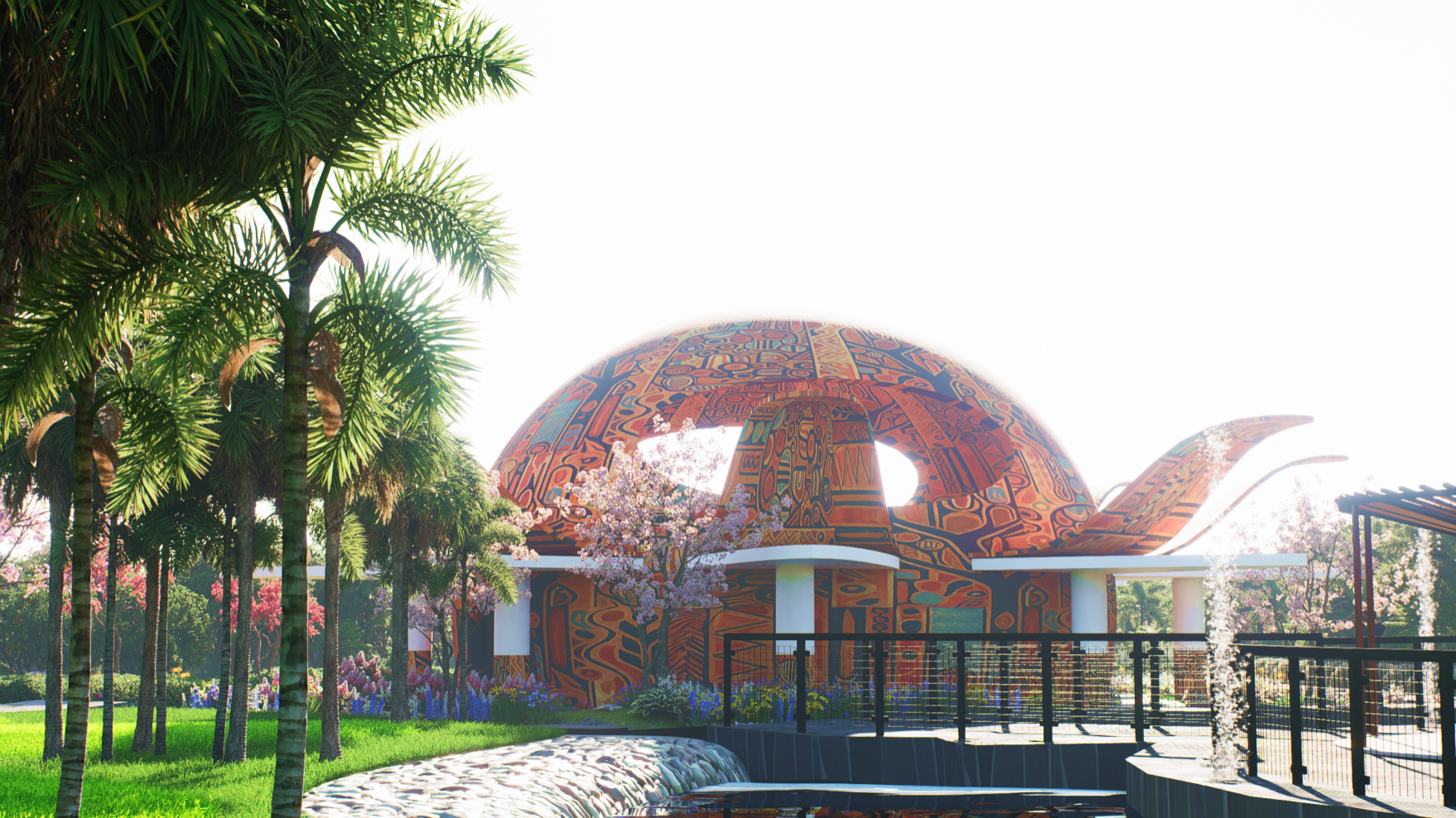
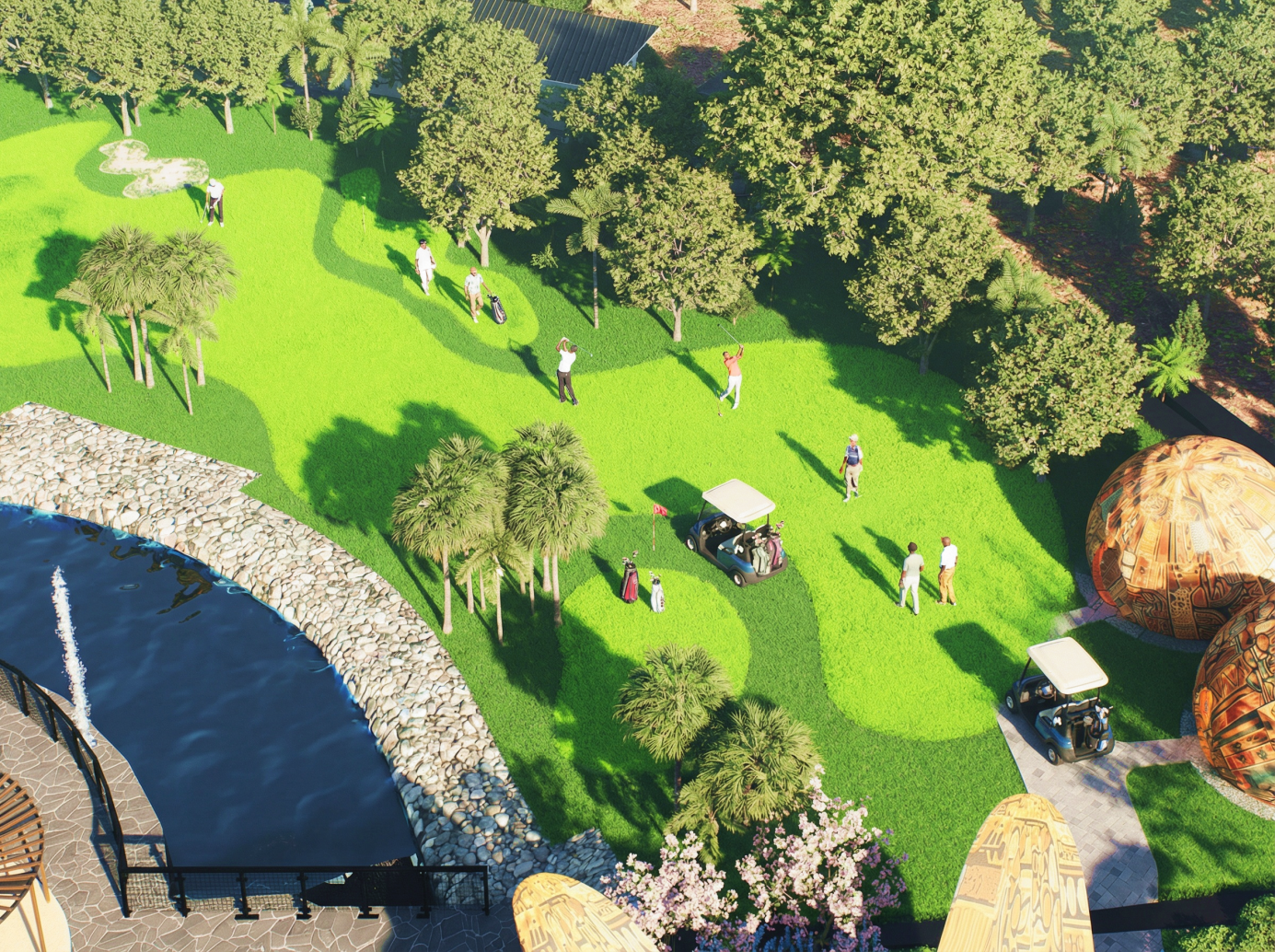
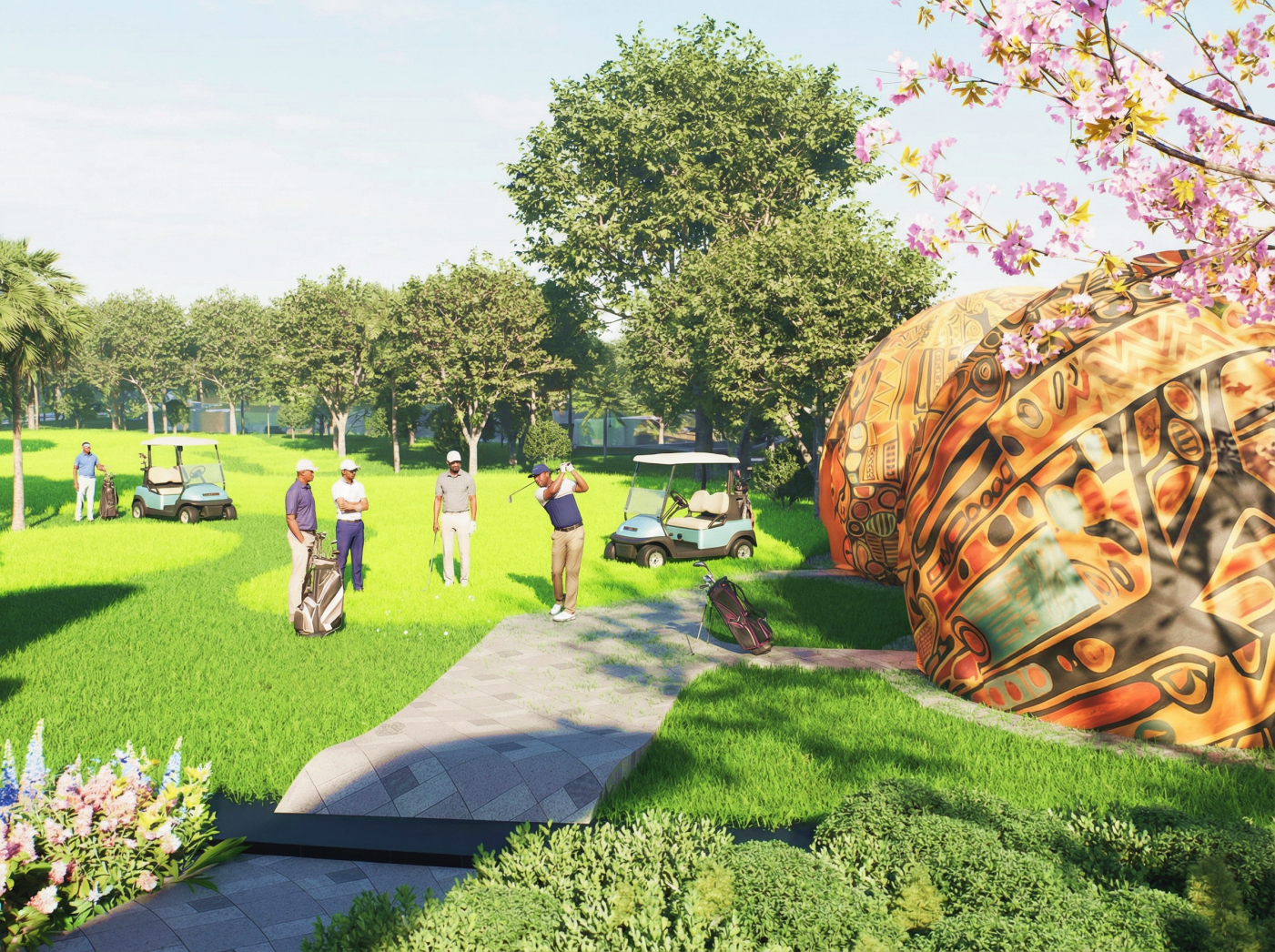
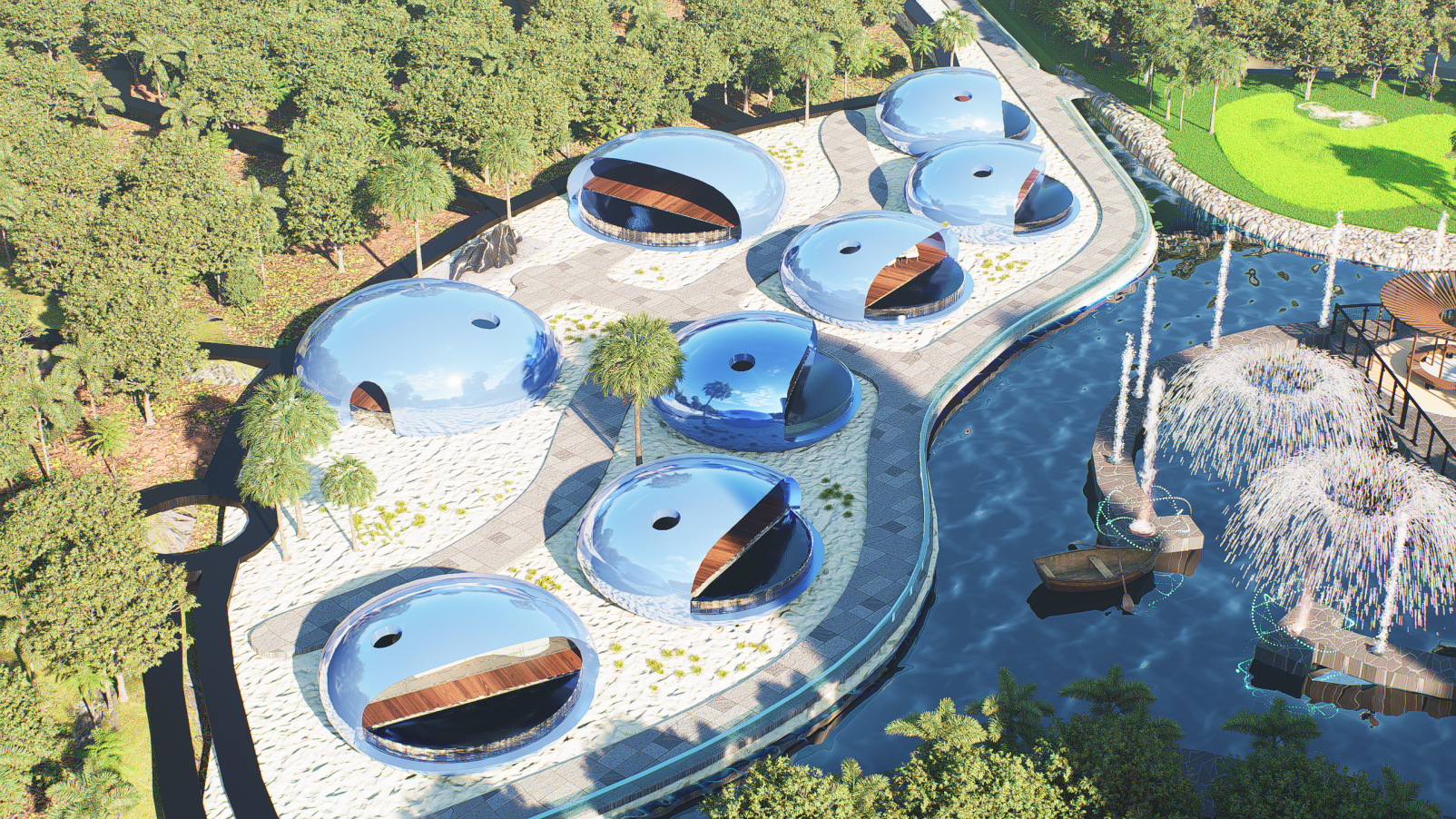
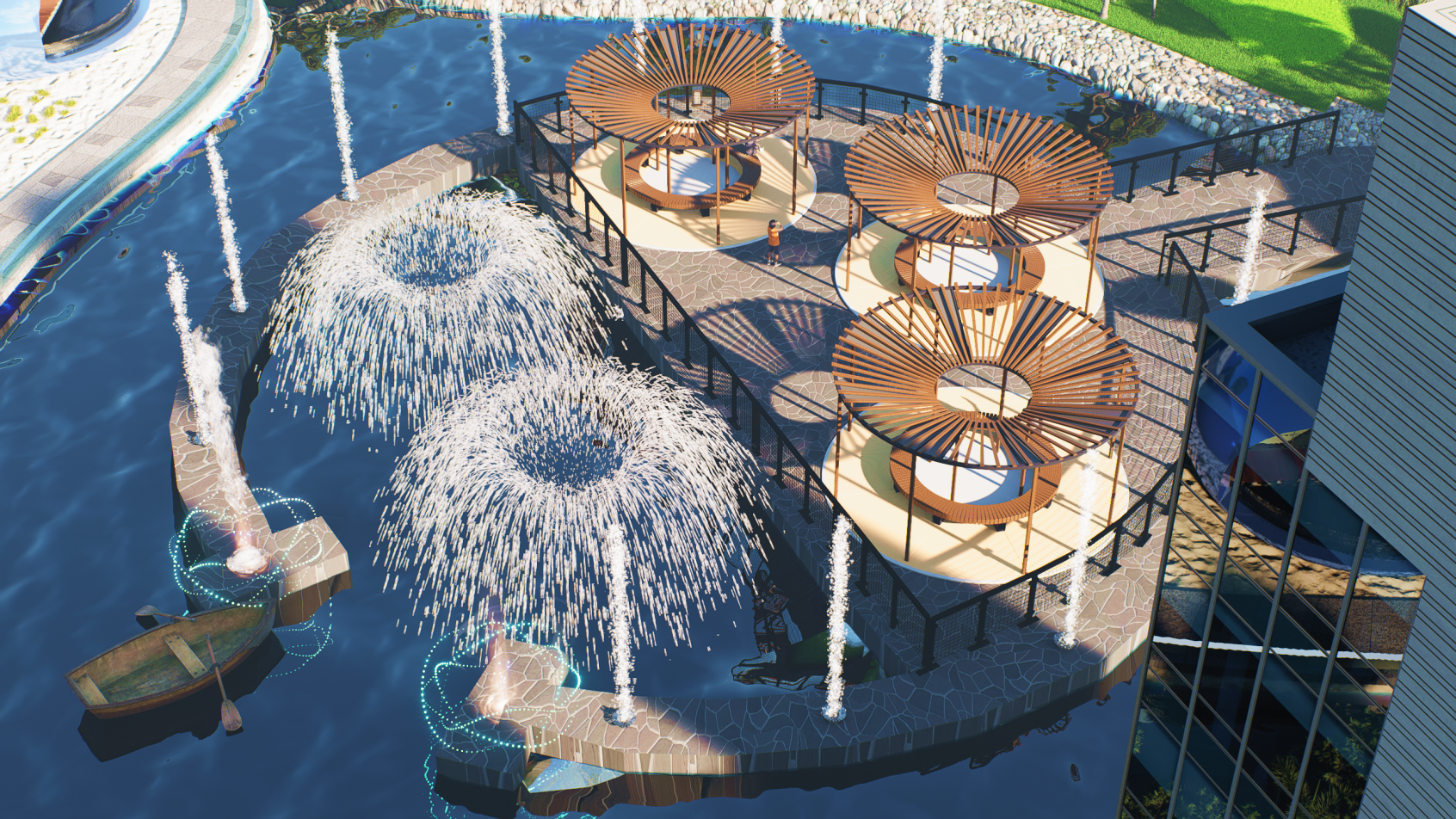
ORI: Moving Within Self is a conceptual landscape intervention proposed for Lagos State that explores the intersection of personal identity, collective consciousness, and place-making. Rooted in Yoruba philosophy, Ori represents the inner self—intuition, destiny, and personal divinity, while aligning with Carl Jung’s concept of individuation, the universal pursuit of self-realization. The project is conceived as a sequence of four interconnected landscapes: The Botanical Garden, Golf Course, Riverwalk, and Water Show, each symbolizing a distinct stage in the journey toward self-awareness. Together, they form an experiential narrative that allows users to move not only through space, but through psychological and emotional states. Situated within the dynamic and layered context of Lagos, ORI proposes landscape architecture as a medium for reflection, healing, and cultural continuity, offering moments of pause and meaning within a rapidly evolving and ever busy Lagos urban environment, acknowledging a city surrounded by water and a prosperous state capable of even much more.
ORI: Moving Within Self is a conceptual landscape intervention proposed for Lagos State that explores the intersection of personal identity, collective consciousness, and place-making. Rooted in Yoruba philosophy, Ori represents the inner self—intuition, destiny, and personal divinity, while aligning with Carl Jung’s concept of individuation, the universal pursuit of self-realization. The project is conceived as a sequence of four interconnected landscapes: The Botanical Garden, Golf Course, Riverwalk, and Water Show, each symbolizing a distinct stage in the journey toward self-awareness. Together, they form an experiential narrative that allows users to move not only through space, but through psychological and emotional states. Situated within the dynamic and layered context of Lagos, ORI proposes landscape architecture as a medium for reflection, healing, and cultural continuity, offering moments of pause and meaning within a rapidly evolving and ever busy Lagos urban environment, acknowledging a city surrounded by water and a prosperous state capable of even much more.
Project Innovation / Specification:
ORI innovates by translating indigenous African philosophy into spatial experience, rather than treating culture as symbolic ornament. Yoruba cosmology is embedded directly into the project’s spatial sequencing, form-making, and material logic. Each landscape corresponds to a stage of self-discovery: • Botanical Garden – Introspection and grounding • Golf Course – Mental challenge and self-evaluation • Riverwalk – Movement, transition, and environmental connection • Water Show – Aspiration, awe, and limitless potential The project employs parametric design strategies, Afrofuturism, biomimicry, and human-scale monumentality to create adaptive forms inspired by African patterns and natural systems. Use of African motif functions as both visual identity and cognitive wayfinding, representing four stages of awareness: Unawareness, Initial Exploration, Increased Awareness, and Self-Understanding.
ORI innovates by translating indigenous African philosophy into spatial experience, rather than treating culture as symbolic ornament. Yoruba cosmology is embedded directly into the project’s spatial sequencing, form-making, and material logic. Each landscape corresponds to a stage of self-discovery: • Botanical Garden – Introspection and grounding • Golf Course – Mental challenge and self-evaluation • Riverwalk – Movement, transition, and environmental connection • Water Show – Aspiration, awe, and limitless potential The project employs parametric design strategies, Afrofuturism, biomimicry, and human-scale monumentality to create adaptive forms inspired by African patterns and natural systems. Use of African motif functions as both visual identity and cognitive wayfinding, representing four stages of awareness: Unawareness, Initial Exploration, Increased Awareness, and Self-Understanding.
Project Sustainability Approach:
Sustainability in ORI is addressed holistically across environmental, cultural, and social dimensions. Environmentally, the project integrates native vegetation, climate-responsive landforms, and water-sensitive design strategies suited to Lagos’ ecological conditions. Biomimetic landscape systems support natural drainage, biodiversity, and long-term resilience. Culturally, ORI sustains Yoruba knowledge systems by embedding philosophy into contemporary design, ensuring cultural continuity within future-forward urban spaces. Socially and psychologically, the project prioritizes mental wellness, inclusivity, and emotional restoration, positioning public space as essential infrastructure for human well-being.
Sustainability in ORI is addressed holistically across environmental, cultural, and social dimensions. Environmentally, the project integrates native vegetation, climate-responsive landforms, and water-sensitive design strategies suited to Lagos’ ecological conditions. Biomimetic landscape systems support natural drainage, biodiversity, and long-term resilience. Culturally, ORI sustains Yoruba knowledge systems by embedding philosophy into contemporary design, ensuring cultural continuity within future-forward urban spaces. Socially and psychologically, the project prioritizes mental wellness, inclusivity, and emotional restoration, positioning public space as essential infrastructure for human well-being.
Local and Regional Impacts of the Project:
At the local scale, ORI enhances Lagos’ public realm by offering restorative landscapes that counteract urban stress while reinforcing cultural identity. It positions the city as a leader in culturally grounded, experimental landscape design. Regionally, the project serves as a precedent for Afrofuturist, philosophy-driven landscapes across Africa, demonstrating how indigenous knowledge systems can inform speculative, resilient futures. ORI contributes to a broader discourse that reframes African philosophy as a generator of contemporary design innovation.
At the local scale, ORI enhances Lagos’ public realm by offering restorative landscapes that counteract urban stress while reinforcing cultural identity. It positions the city as a leader in culturally grounded, experimental landscape design. Regionally, the project serves as a precedent for Afrofuturist, philosophy-driven landscapes across Africa, demonstrating how indigenous knowledge systems can inform speculative, resilient futures. ORI contributes to a broader discourse that reframes African philosophy as a generator of contemporary design innovation.

Lead Designer(s) Name(s):Olumide Oguntolu
Profile Description:
Olumide Oguntolu is an award-winning architectural designer, educator, and researcher focusing on sustainable design and social equity. As an Adjunct Professor at Ball State University, he teaches 3rd-year design studio and Introduction to Disability Justice Design. His work includes the U.S. Department of Energy Solar Decathlon-winning Alley House, a net-positive affordable home in Indianapolis, recognized nationally and internationally, and winning a 2024 AIA Indianapolis Design Excellence citation Awards .
Olumide Oguntolu is an award-winning architectural designer, educator, and researcher focusing on sustainable design and social equity. As an Adjunct Professor at Ball State University, he teaches 3rd-year design studio and Introduction to Disability Justice Design. His work includes the U.S. Department of Energy Solar Decathlon-winning Alley House, a net-positive affordable home in Indianapolis, recognized nationally and internationally, and winning a 2024 AIA Indianapolis Design Excellence citation Awards .
Previous Awards Won:
First place Winner, 2023 US Department of Energy Solar Decathlon Build Challenge.
First place Winner, 2023 US Department of Energy Solar Decathlon Build Challenge.