Marcory House
Prize(s):
WINNER 2026 ARCHITECTURE / Residential Architecture
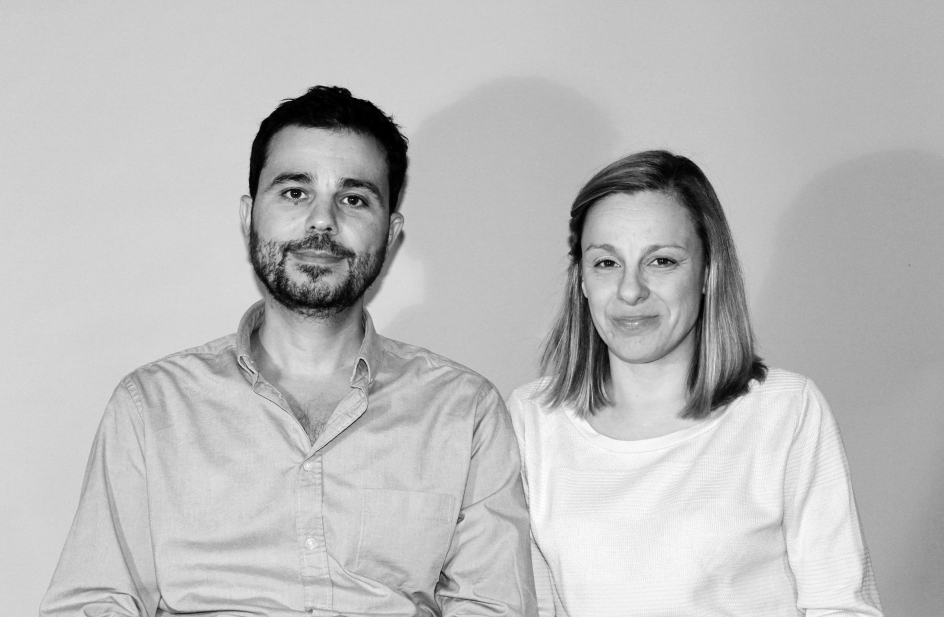
Lead Designer(s) Name(s):Francisco Gonzalez de Canales & Nuria Alvarez Lombardero
Design Team / Other designer(s):Atma Space & Logan Paine
Architecture Firm:Canales-Lombardero
Interior Designer:Canales-Lombardero & Atma Space
Construction Company:SADI
Lighting Design:Canales-Lombardero & Atma Space
Client Name:R.Fawaz
Photo Credit:Alejandra Loreto
Project Location:Abidjan, Ivory Coast
Design Status:Completed
Website: View
Project Description:
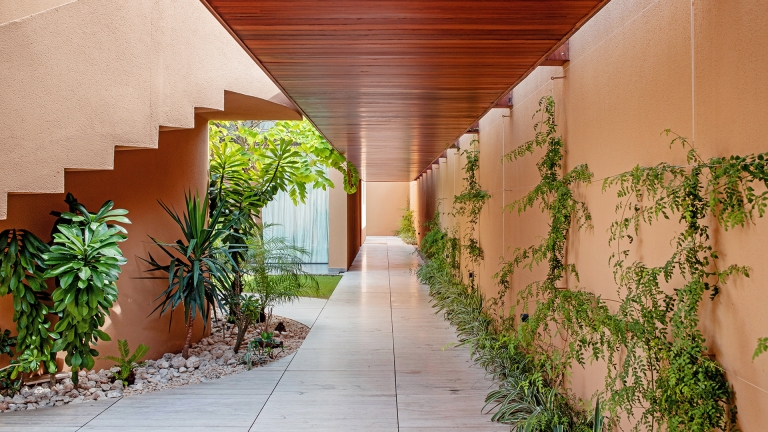
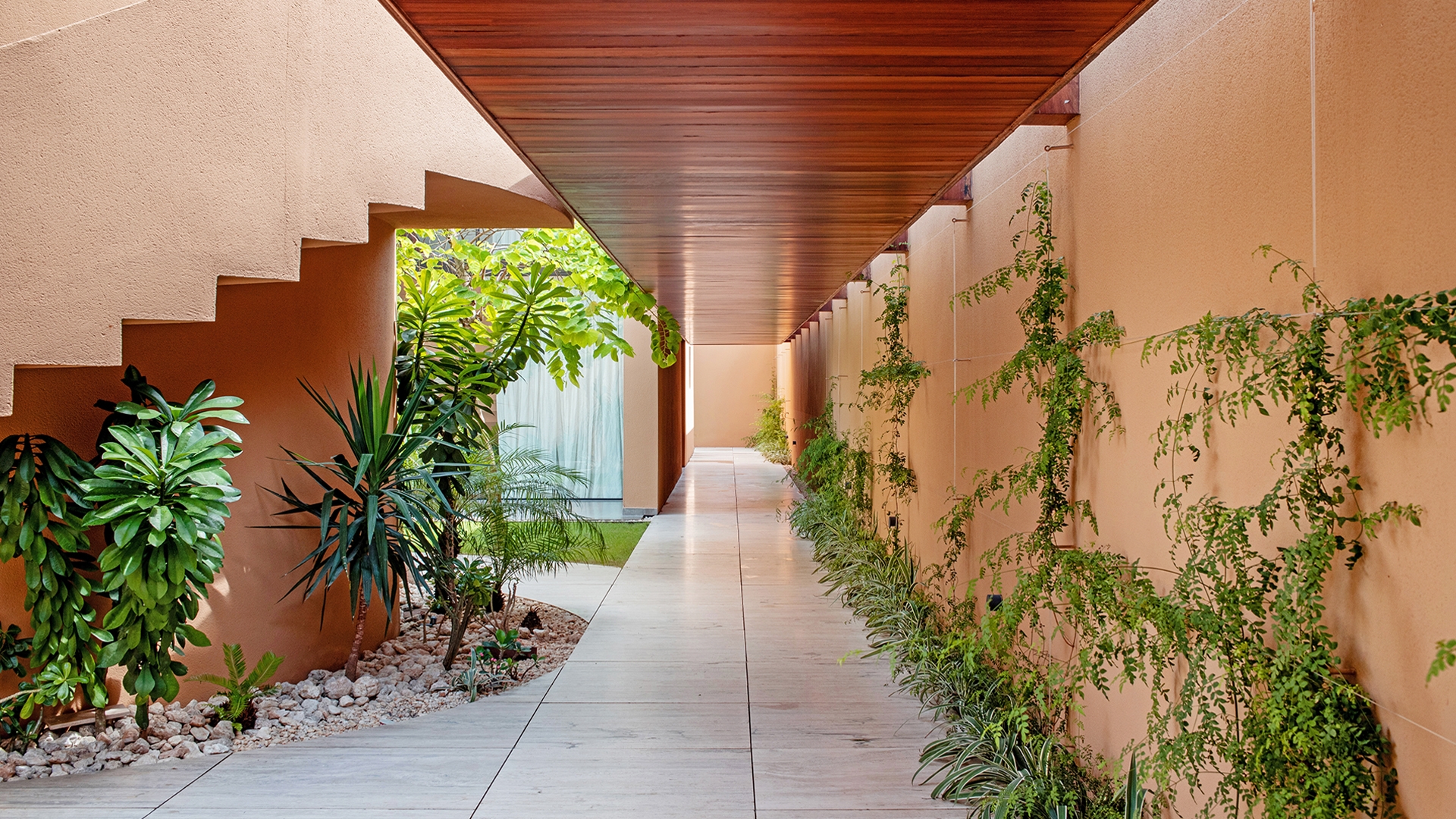
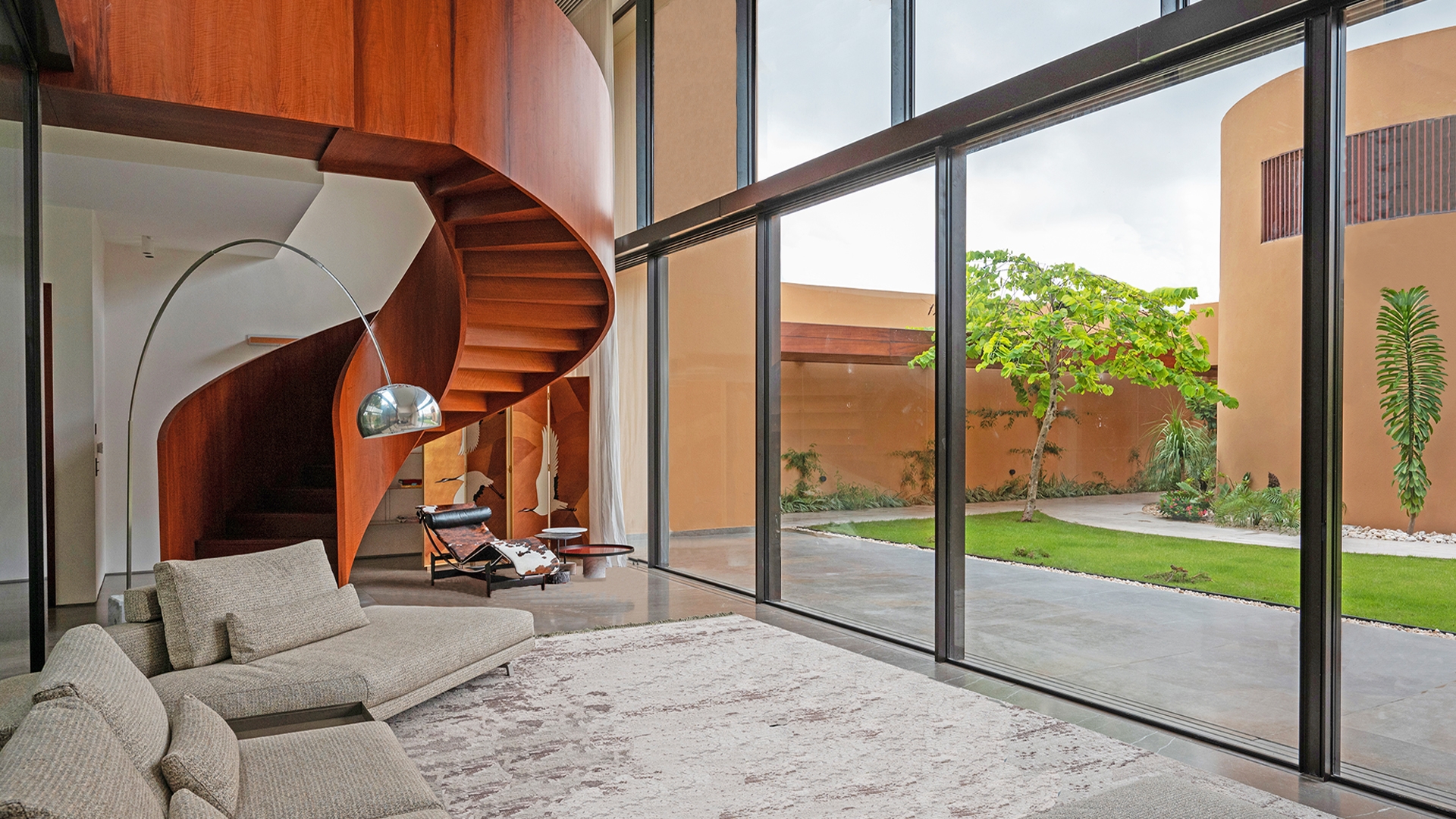
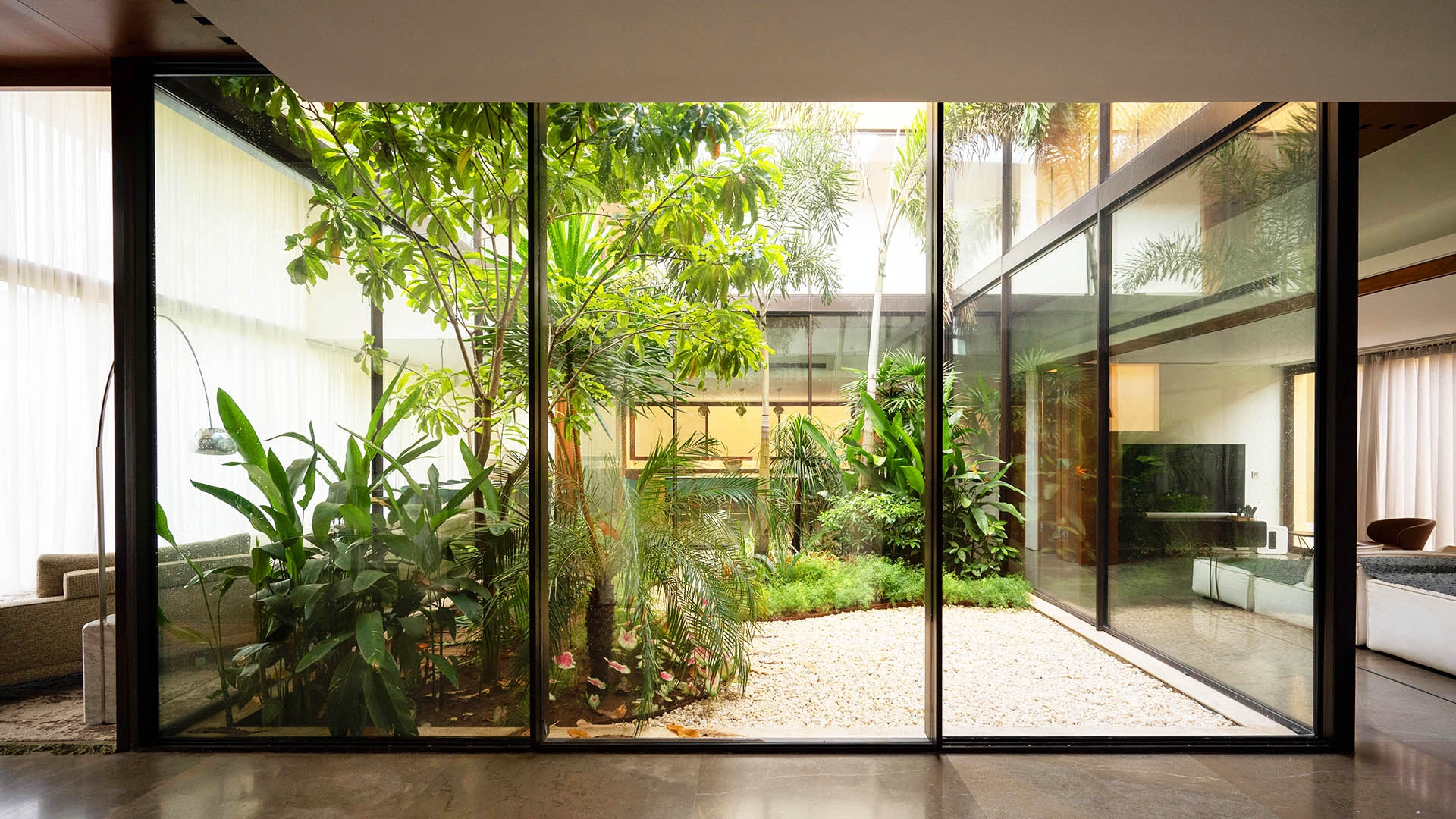
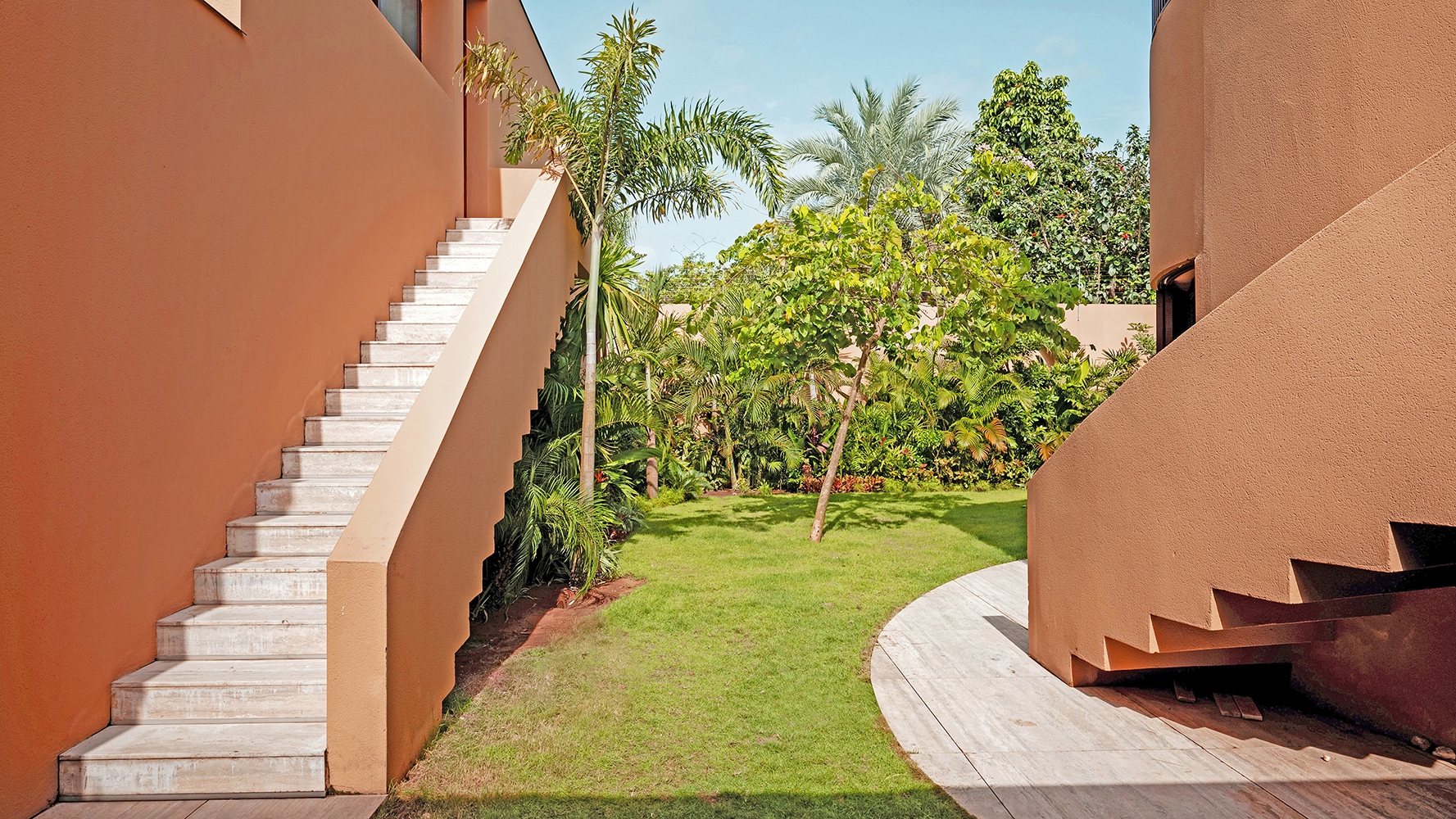
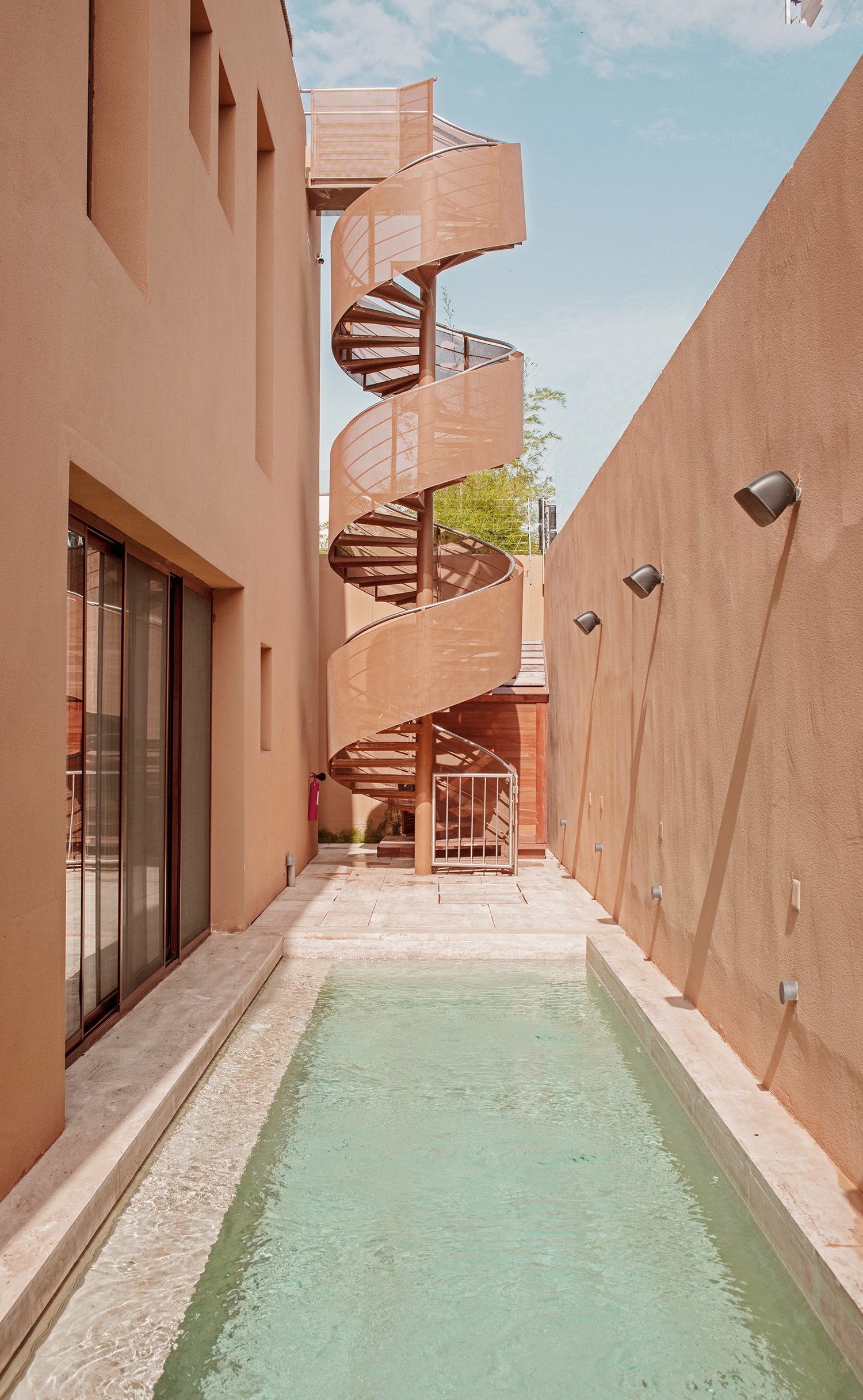
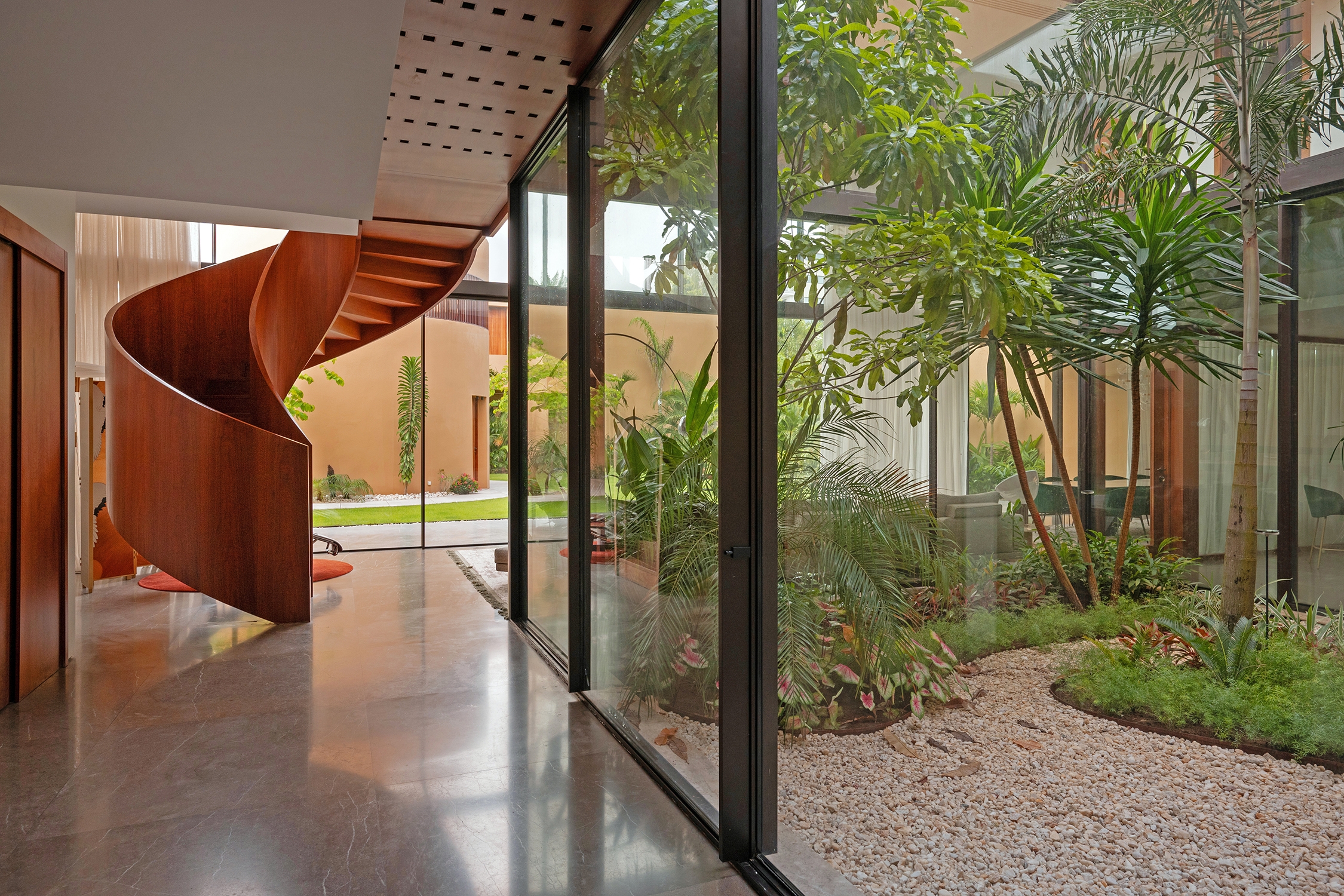
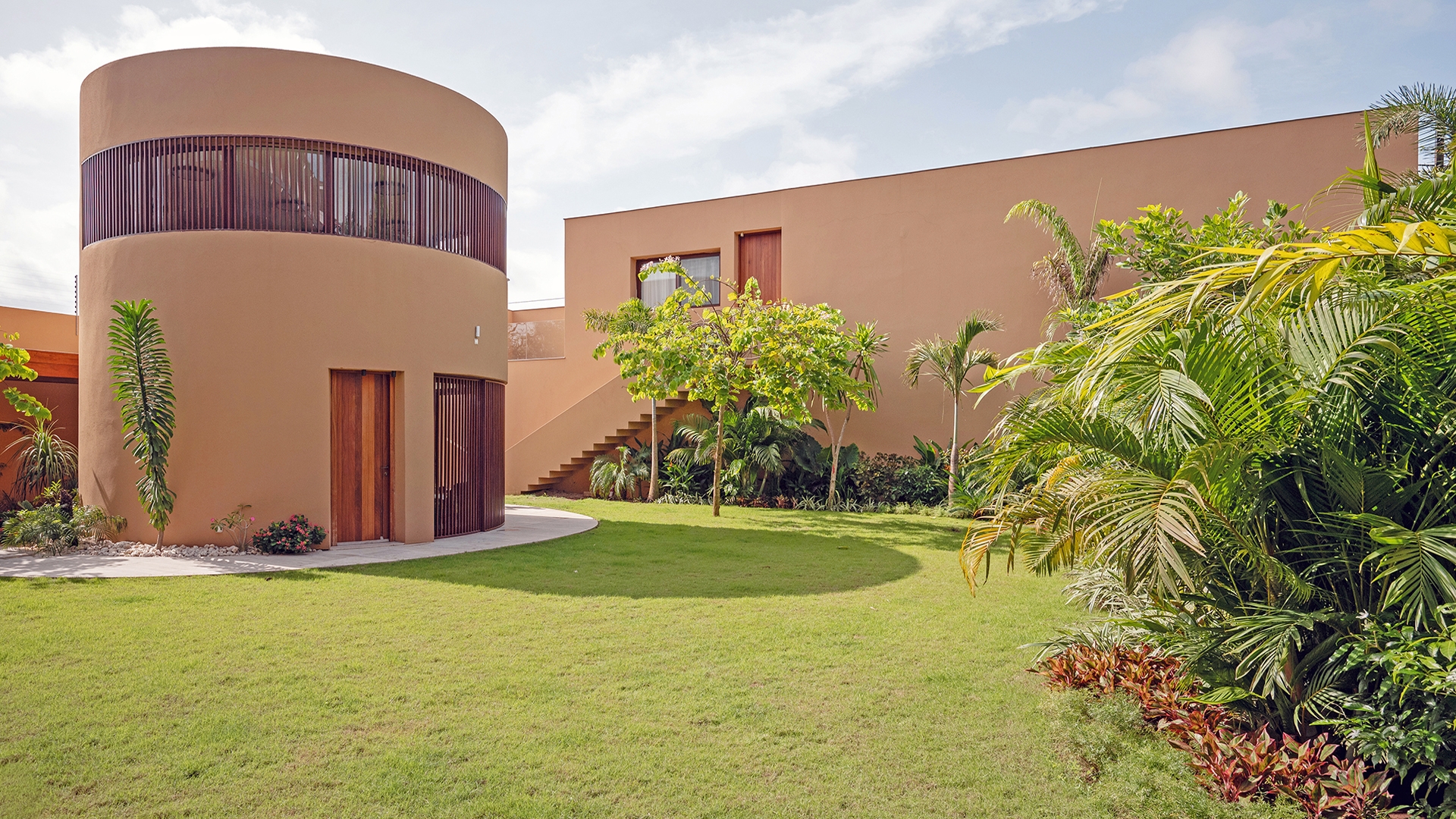
The Marcory house is located in a chaotic and disarticulated environment, which means that the house is closed to the outside and develops its own internal logic. This introspective organisation revolves around three differentiated pieces within a common enclosed area. Each one responds to a clear typology: a courtyard house, a private apartment-type open block and a circular volume for games and gymnasium. These pieces are connected tangentially by means of an access canopy, generating interstitial spaces enriched by a carefully designed garden. The main volume, where most of the programme is concentrated, is the courtyard house. Its forceful typology organises the domestic functions, with the courtyard as the central nucleus. However, this same courtyard, although structuring, is constantly questioned in the material development of the project. Thus, deep transversal relationships are introduced, such as the connection between opposite façades or between the double interior height and the adjacent volumes, which soften its dominant character. In addition, the courtyard is freed from structural responsibilities thanks to a construction cantilevered from the perimeter, where the co
The Marcory house is located in a chaotic and disarticulated environment, which means that the house is closed to the outside and develops its own internal logic. This introspective organisation revolves around three differentiated pieces within a common enclosed area. Each one responds to a clear typology: a courtyard house, a private apartment-type open block and a circular volume for games and gymnasium. These pieces are connected tangentially by means of an access canopy, generating interstitial spaces enriched by a carefully designed garden. The main volume, where most of the programme is concentrated, is the courtyard house. Its forceful typology organises the domestic functions, with the courtyard as the central nucleus. However, this same courtyard, although structuring, is constantly questioned in the material development of the project. Thus, deep transversal relationships are introduced, such as the connection between opposite façades or between the double interior height and the adjacent volumes, which soften its dominant character. In addition, the courtyard is freed from structural responsibilities thanks to a construction cantilevered from the perimeter, where the co
Project Innovation / Specification:
The house is located in a disarticulated environment, leading the project to develop its own internal logic. This introspective organisation revolves around three differentiated pieces within a shared enclosed area. The main volume, which concentrates most of the programme, is the courtyard house. The project explores this typology in an innovative way. While the courtyard organises the space and remains central and referential, it is also dematerialised to soften its presence. Transversal relationships are introduced, such as connections between opposite façades and between the double-height interior and adjacent volumes, reducing its dominant character. In addition, the courtyard is freed from structural responsibilities through a perimeter cantilevered construction, where the surrounding corridor is corbelled and central supports are eliminated. This perforated corridor allows light to pass through, creating a gradual transition toward the interior and giving the courtyard a lighter presence. Rather than a monolithic element, the courtyard becomes a space of light and vegetation—ambiguous and elusive—maintaining its central role while offering a more fluid spatial experience.
The house is located in a disarticulated environment, leading the project to develop its own internal logic. This introspective organisation revolves around three differentiated pieces within a shared enclosed area. The main volume, which concentrates most of the programme, is the courtyard house. The project explores this typology in an innovative way. While the courtyard organises the space and remains central and referential, it is also dematerialised to soften its presence. Transversal relationships are introduced, such as connections between opposite façades and between the double-height interior and adjacent volumes, reducing its dominant character. In addition, the courtyard is freed from structural responsibilities through a perimeter cantilevered construction, where the surrounding corridor is corbelled and central supports are eliminated. This perforated corridor allows light to pass through, creating a gradual transition toward the interior and giving the courtyard a lighter presence. Rather than a monolithic element, the courtyard becomes a space of light and vegetation—ambiguous and elusive—maintaining its central role while offering a more fluid spatial experience.
Project Sustainability Approach:
Located in a hot and humid climate, the house promotes multiple cross-ventilation paths to ensure the continuous natural circulation of air, addressing the main challenge of climatic comfort. Openings are carefully positioned to allow prevailing breezes to pass through the different spaces of the house, reducing the need for mechanical cooling and improving indoor environmental quality. In addition, the walls are finished with local clays to help regulate indoor temperature, maintaining the freshness and porosity of the envelope while allowing the building to breathe naturally. From a material perspective, the project also prioritises the use of locally sourced woods, whose behaviour in this climate is more suitable and durable. This choice not only responds to environmental conditions but also reduces the building’s carbon footprint and supports local construction practices.
Located in a hot and humid climate, the house promotes multiple cross-ventilation paths to ensure the continuous natural circulation of air, addressing the main challenge of climatic comfort. Openings are carefully positioned to allow prevailing breezes to pass through the different spaces of the house, reducing the need for mechanical cooling and improving indoor environmental quality. In addition, the walls are finished with local clays to help regulate indoor temperature, maintaining the freshness and porosity of the envelope while allowing the building to breathe naturally. From a material perspective, the project also prioritises the use of locally sourced woods, whose behaviour in this climate is more suitable and durable. This choice not only responds to environmental conditions but also reduces the building’s carbon footprint and supports local construction practices.
Local and Regional Impacts of the Project:
The Marcory House contributes to its local context by proposing a contemporary architectural model adapted to the climatic, material, and urban conditions of the region. Its passive strategies—such as cross ventilation and shaded intermediate spaces—respond directly to the hot and humid climate, reducing dependence on mechanical systems. At the same time, the use of local clays and woods supports regional construction knowledge and lowers environmental impact. Through these choices, the project demonstrates how contemporary architecture can reinterpret traditional resources while promoting sustainable practices within the local building culture.
The Marcory House contributes to its local context by proposing a contemporary architectural model adapted to the climatic, material, and urban conditions of the region. Its passive strategies—such as cross ventilation and shaded intermediate spaces—respond directly to the hot and humid climate, reducing dependence on mechanical systems. At the same time, the use of local clays and woods supports regional construction knowledge and lowers environmental impact. Through these choices, the project demonstrates how contemporary architecture can reinterpret traditional resources while promoting sustainable practices within the local building culture.
Lead Designer(s) Name(s):Francisco Gonzalez de Canales & Nuria Alvarez Lombardero