Chief Hijangua — The Spatial World of Namibia’s First Opera
Prize(s):
WINNER 2026 INTERIOR DESIGN / Other Interior Designs
Lead Designer(s) Name(s):Felicia Riegel and Tanya Stroh
Design Team / Other designer(s):Installation: Isabel Katjavivi. Costumes: Twapewa Amutenya & Naomi Nambinga. Puppets: Gretl Kautzsch
Construction Company:Blumenfisch, IMITAT, Mediatec Berlin
Lighting Design:Felicia Riegel, Kim Mira Meyer, Tanya Stroh
Client Name:Momentbühne eV
Photo Credit:Stefan Höderath, Peter Meisel, Tanya Stroh
Project Location:Windhoek, Namibia and Berlin, Germany
Design Status:Completed
Website: View
Video URL:View
Project Description:
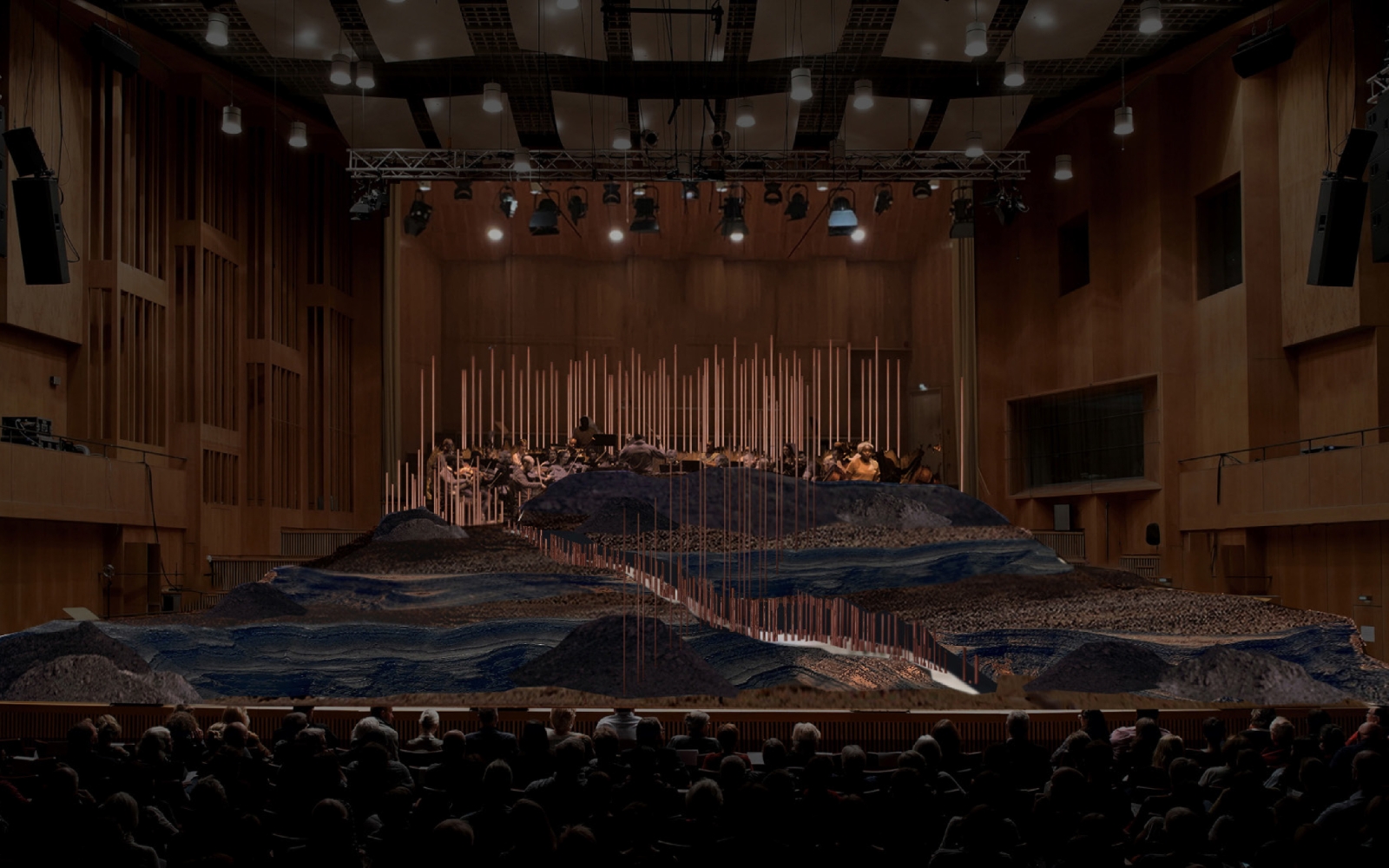
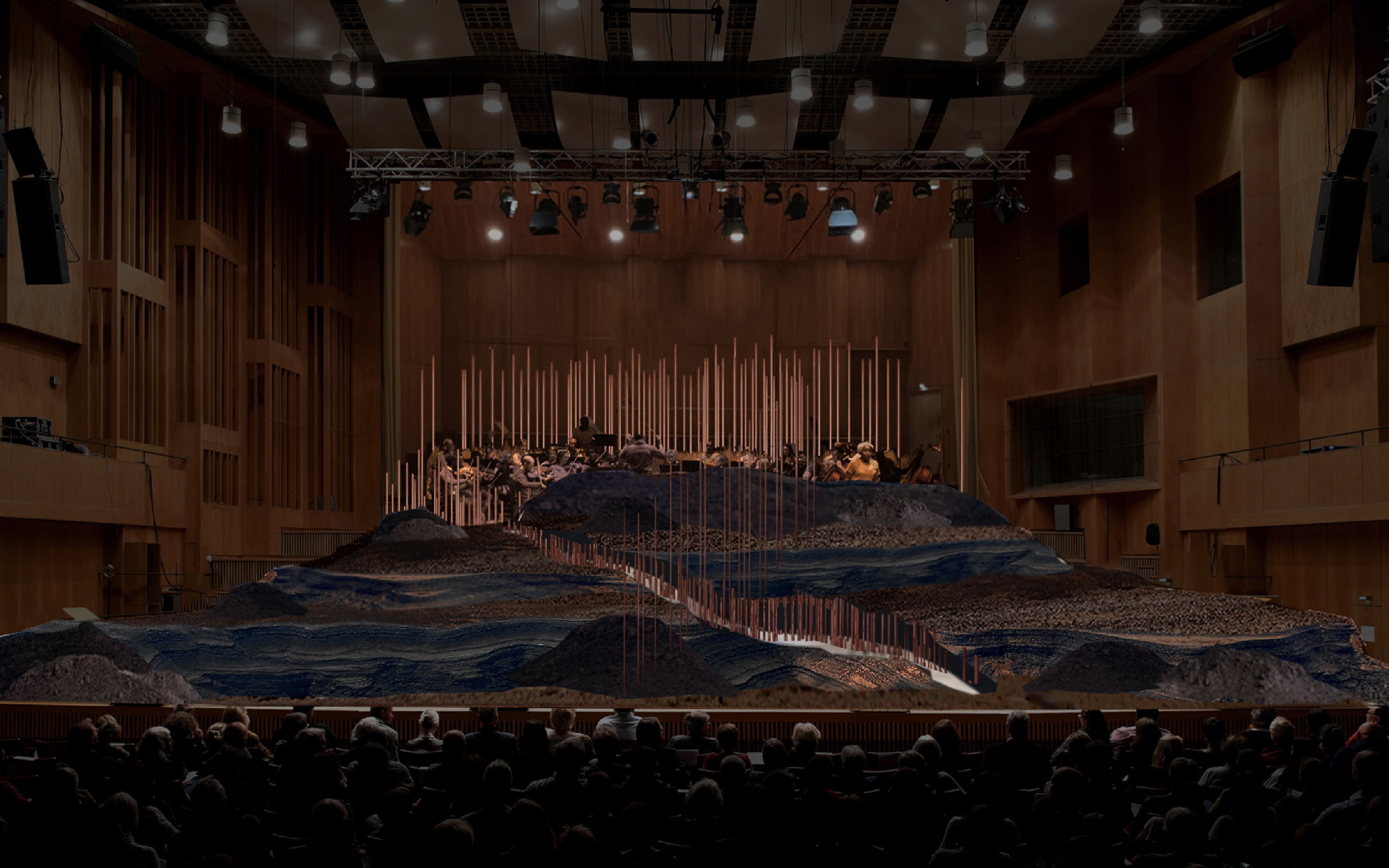
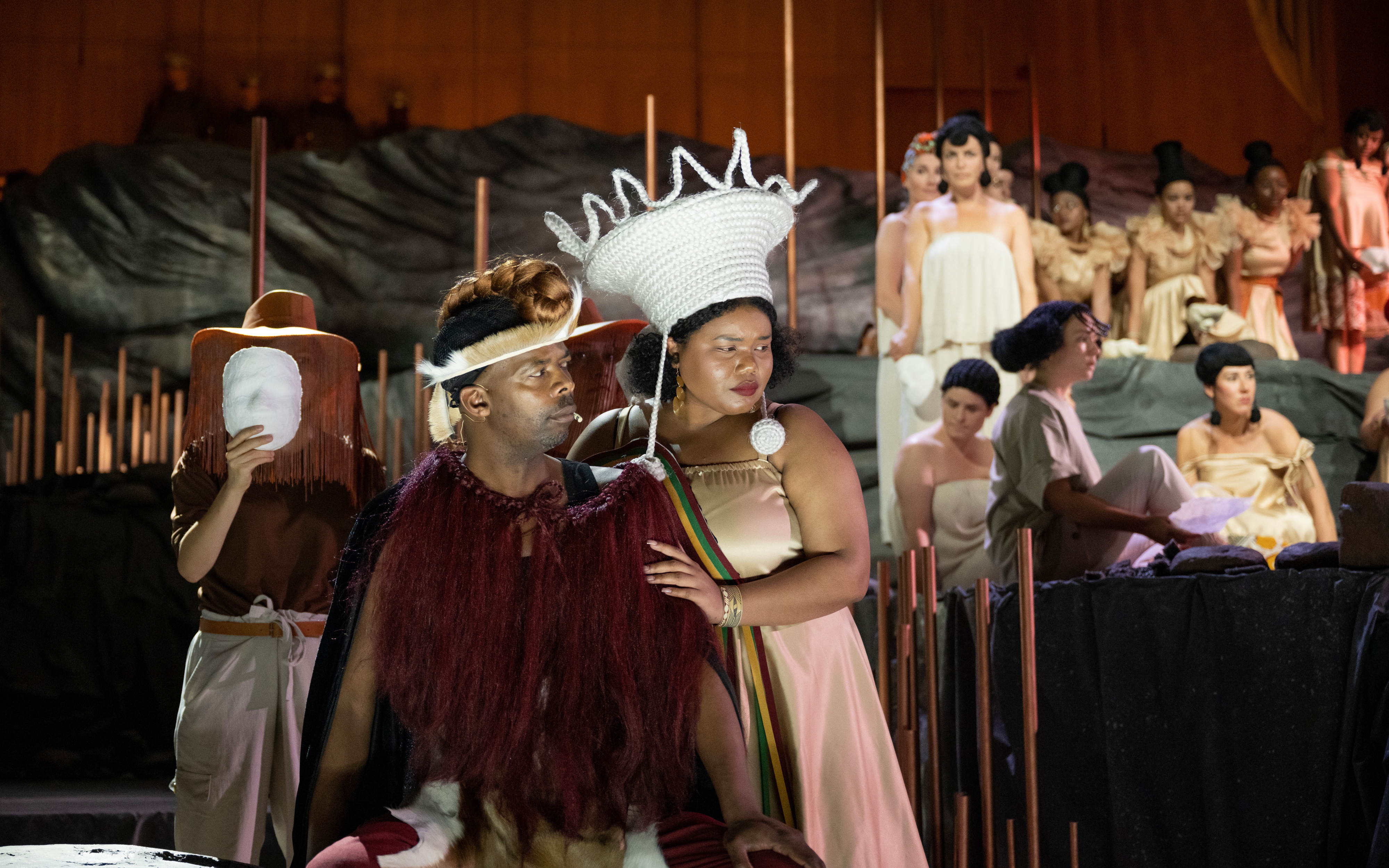
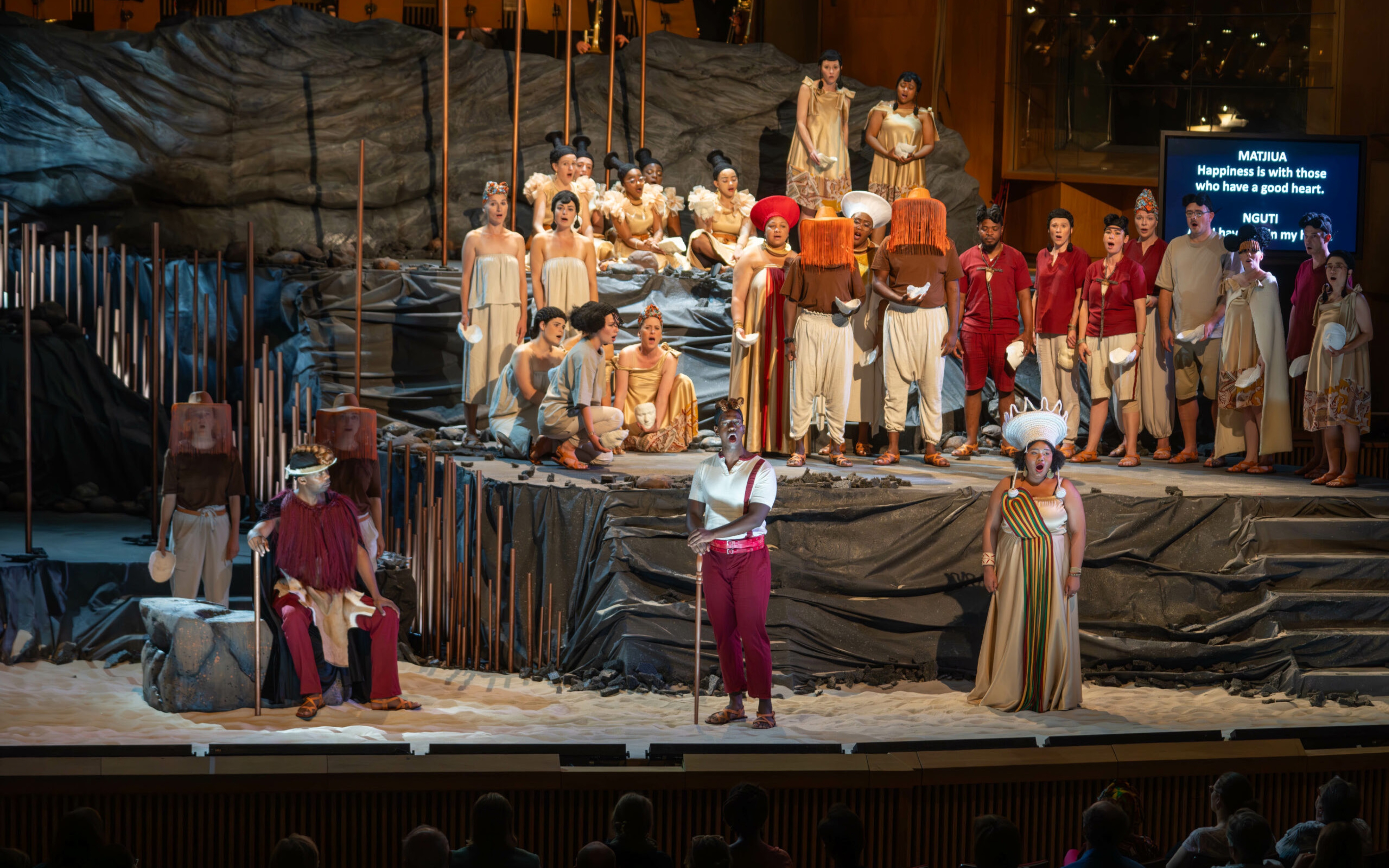
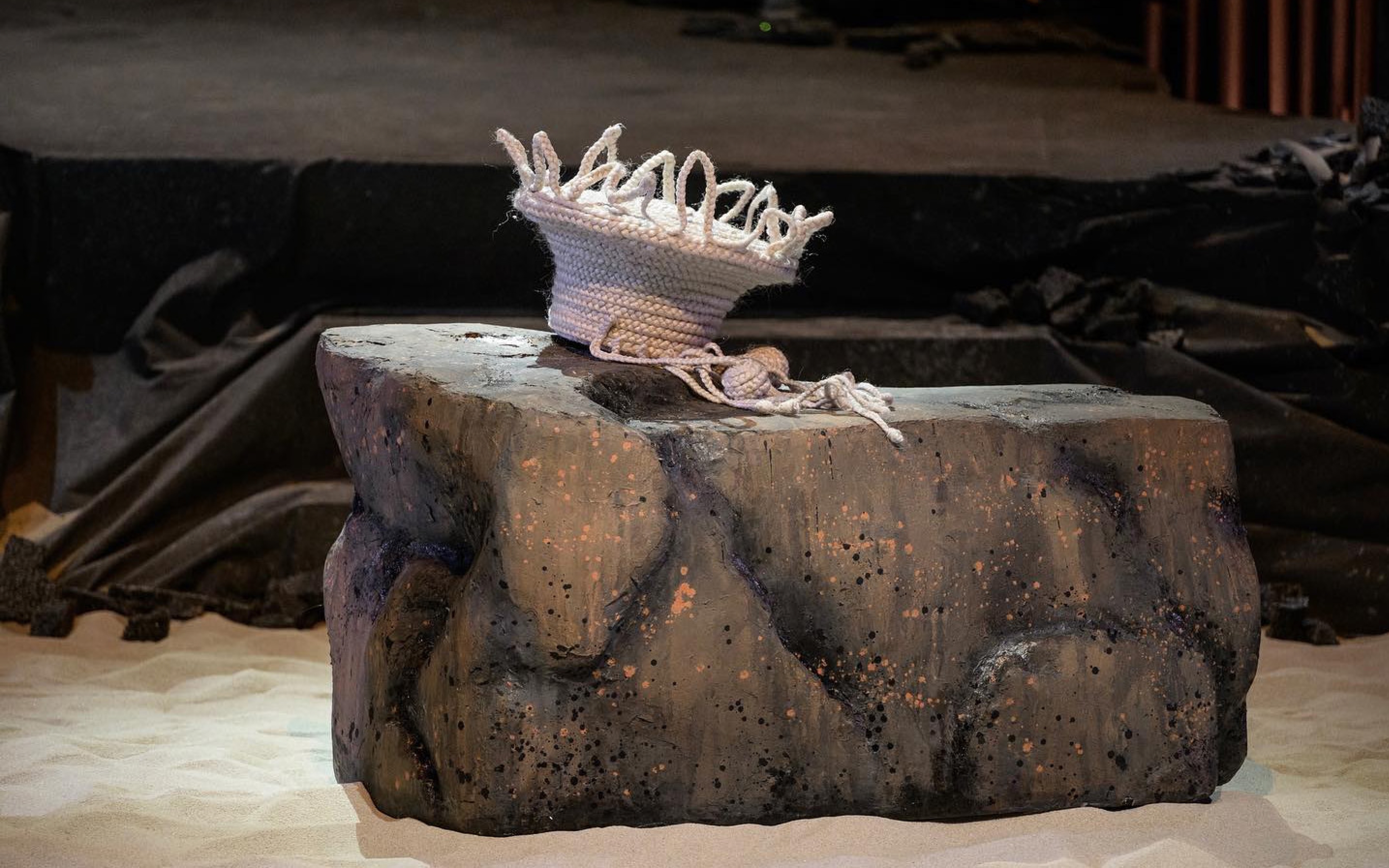
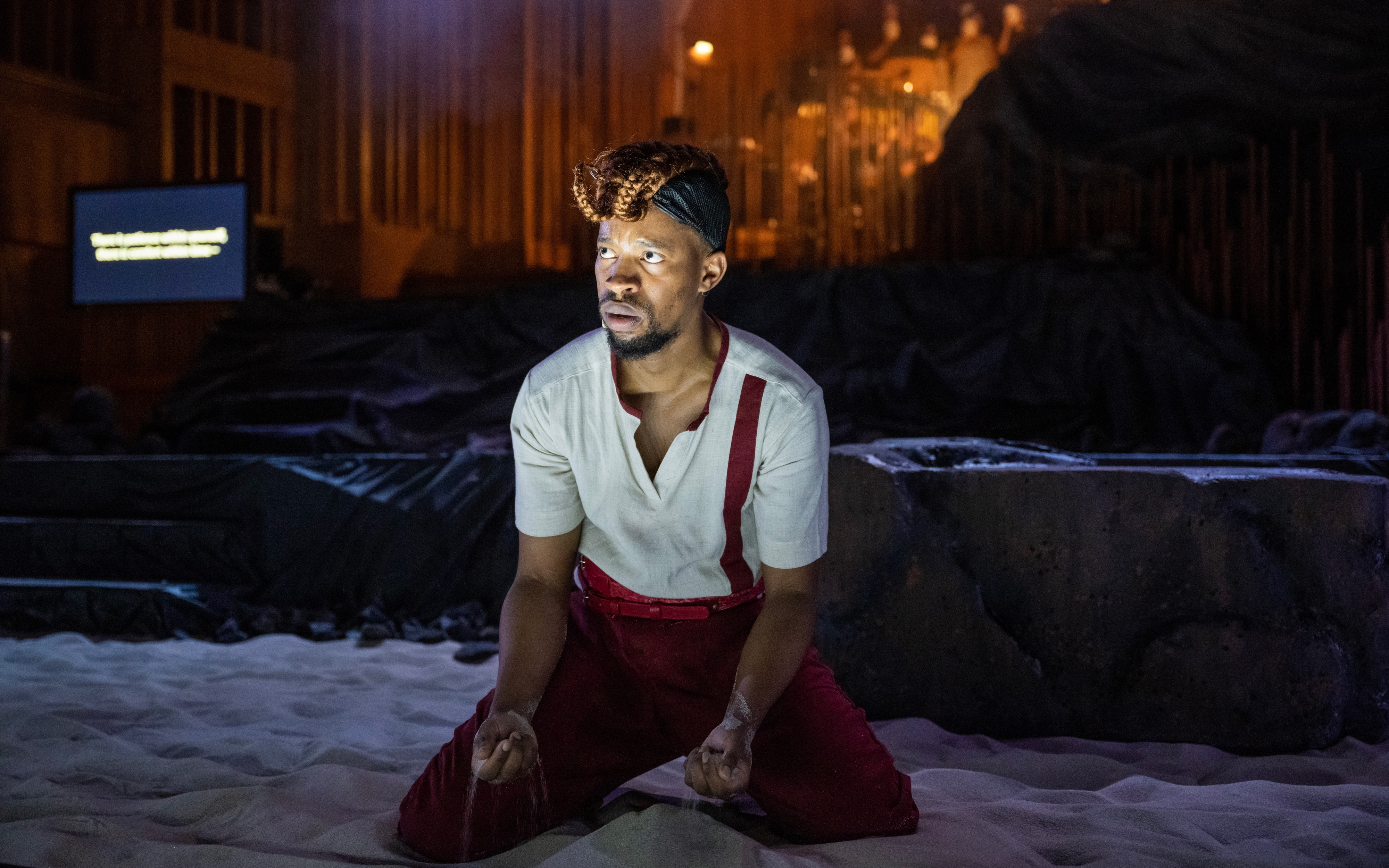
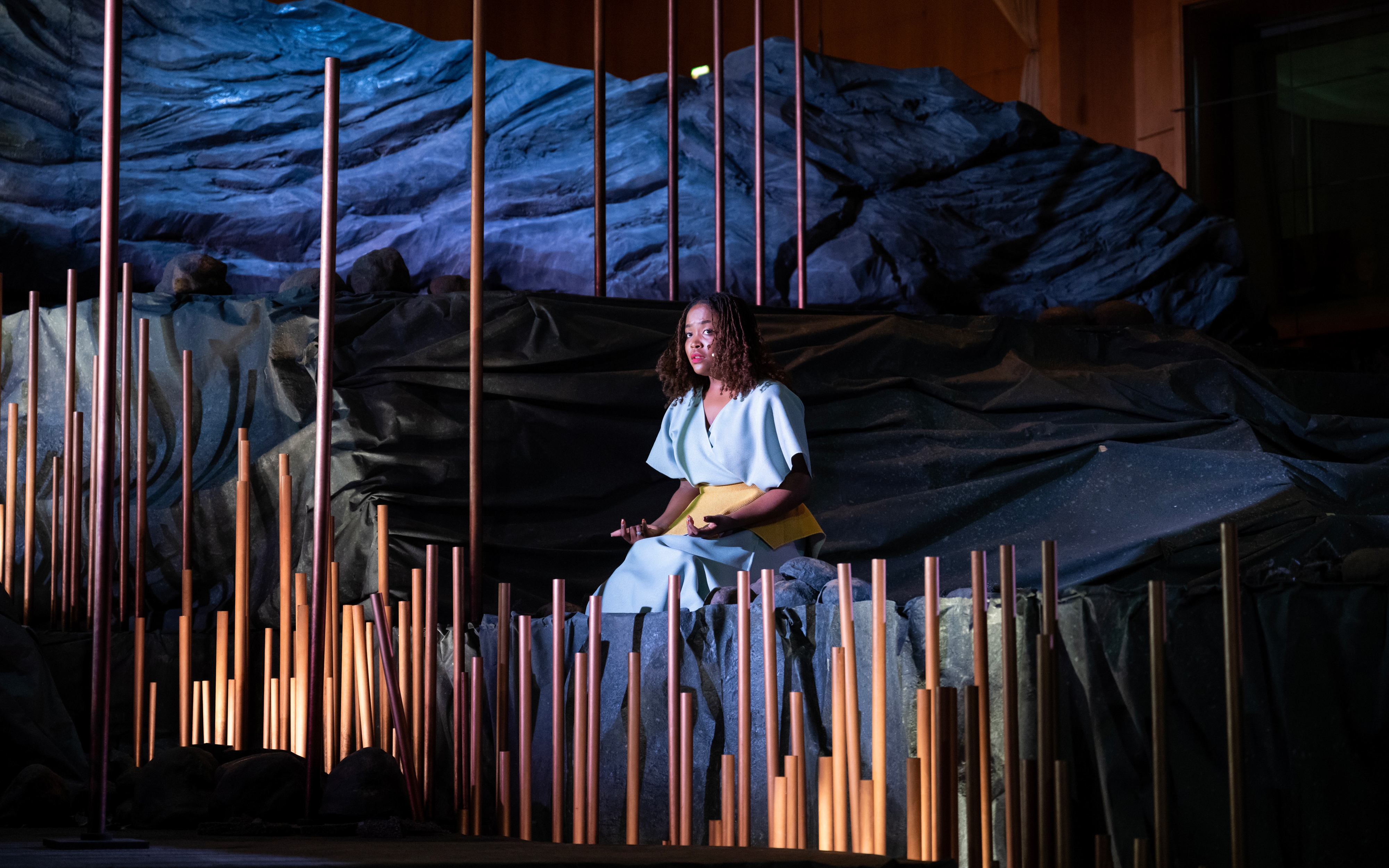
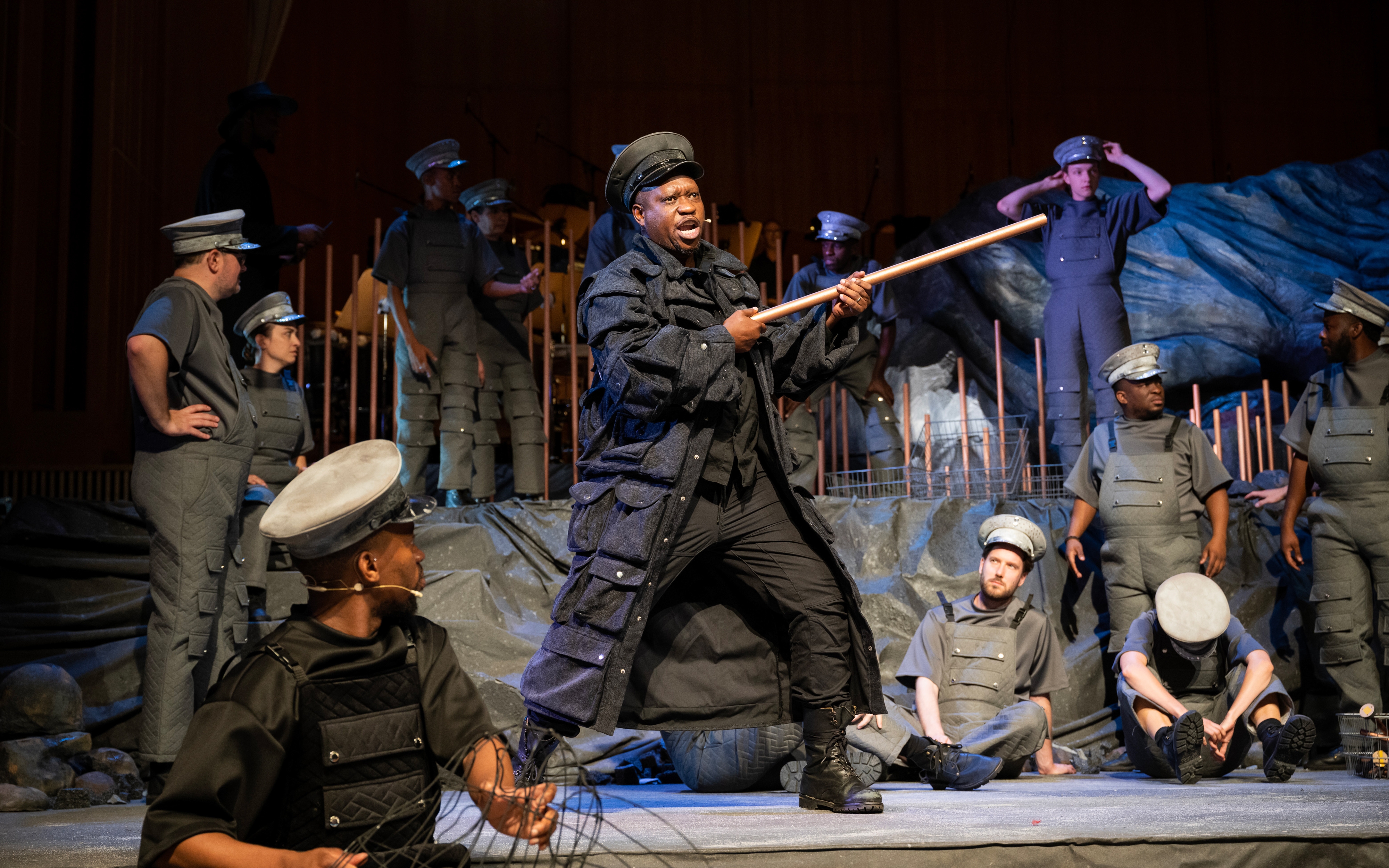
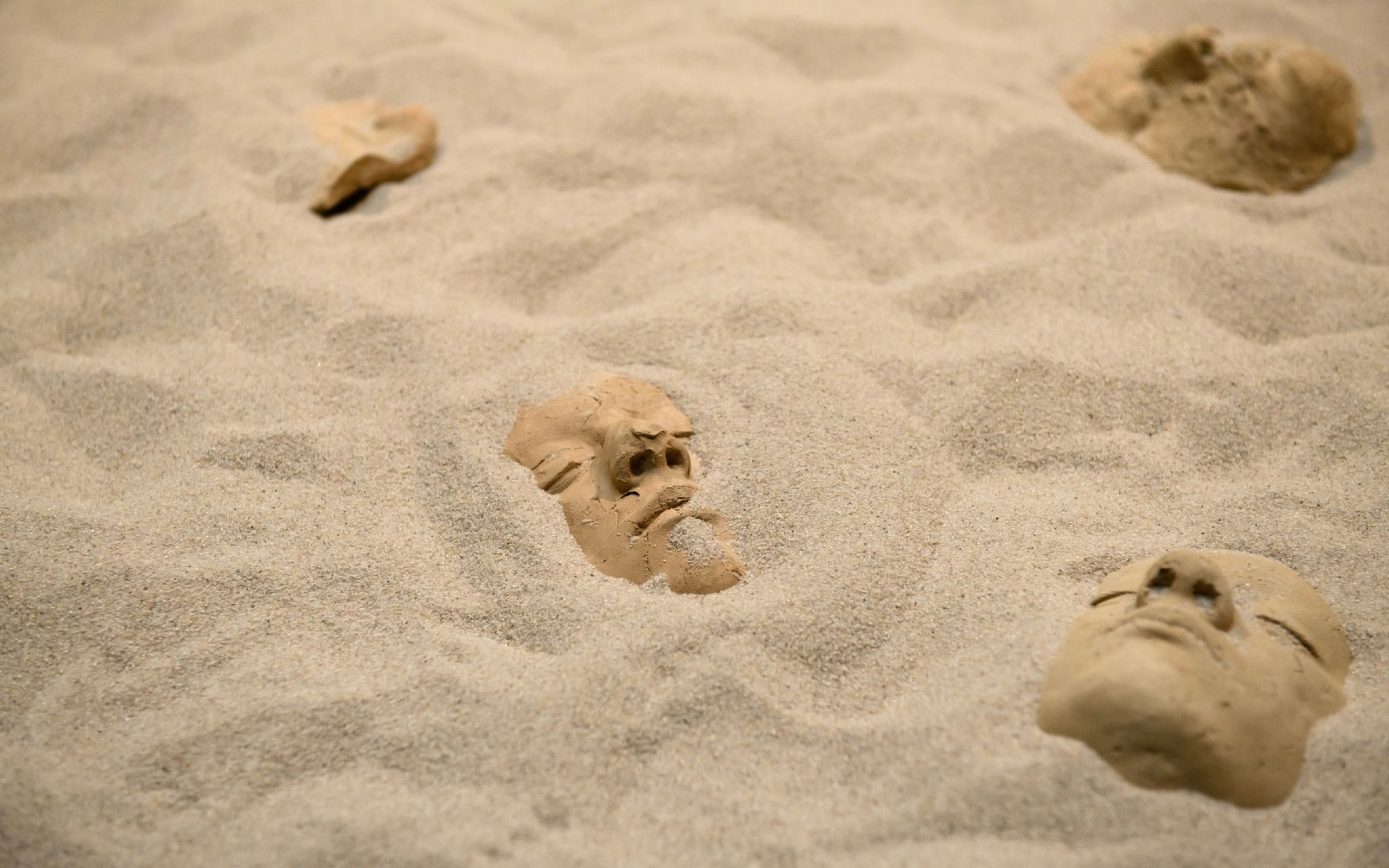
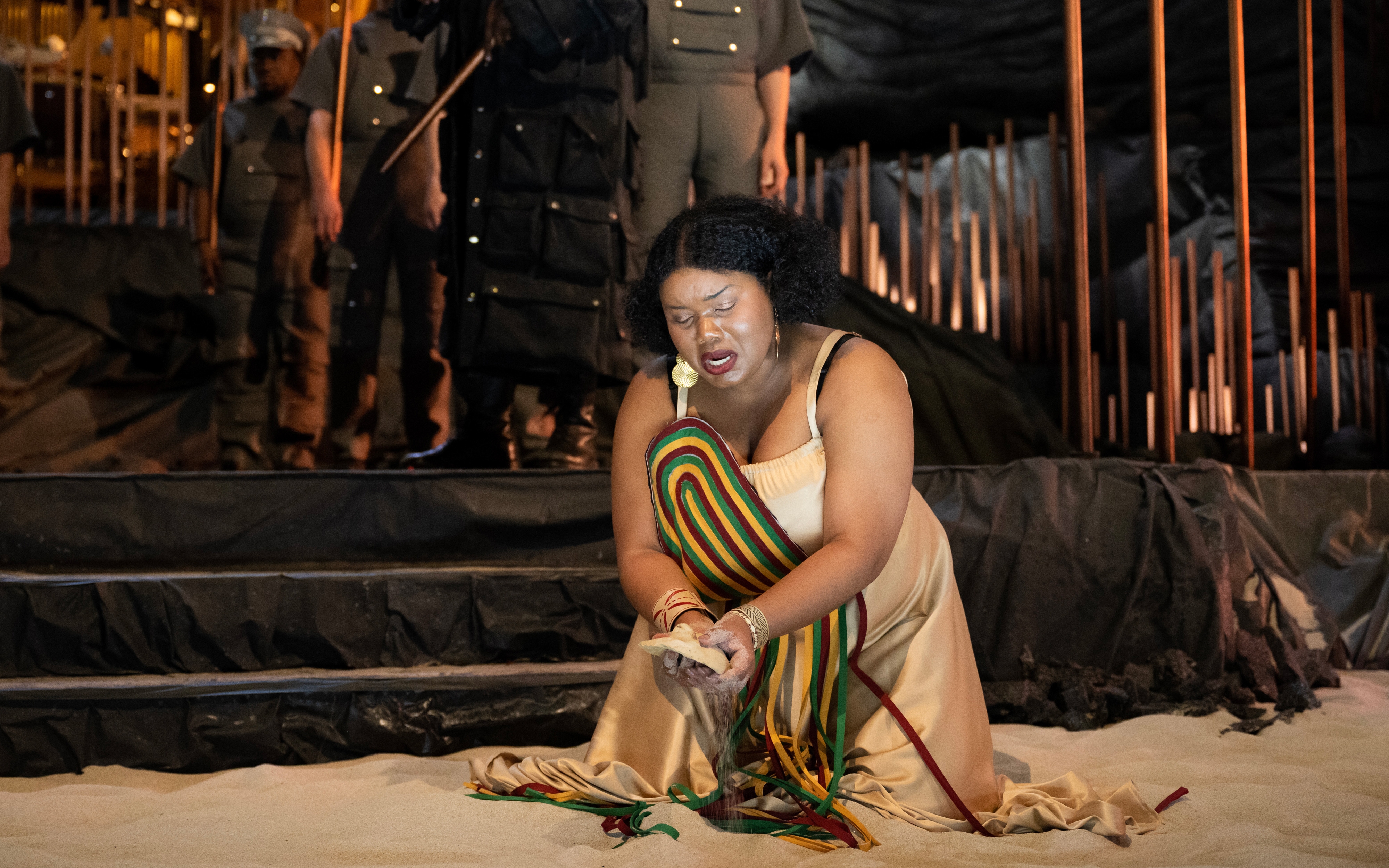
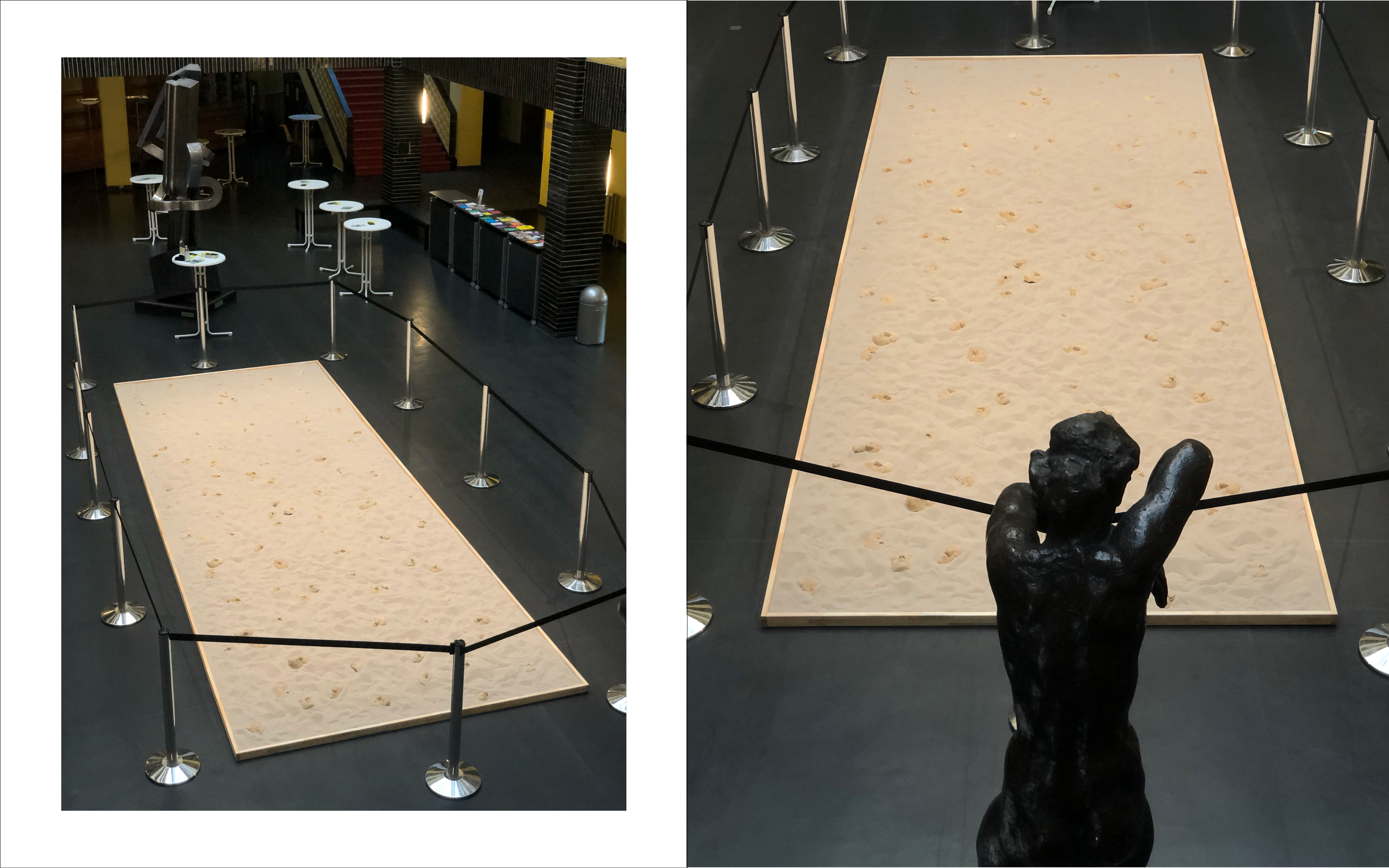
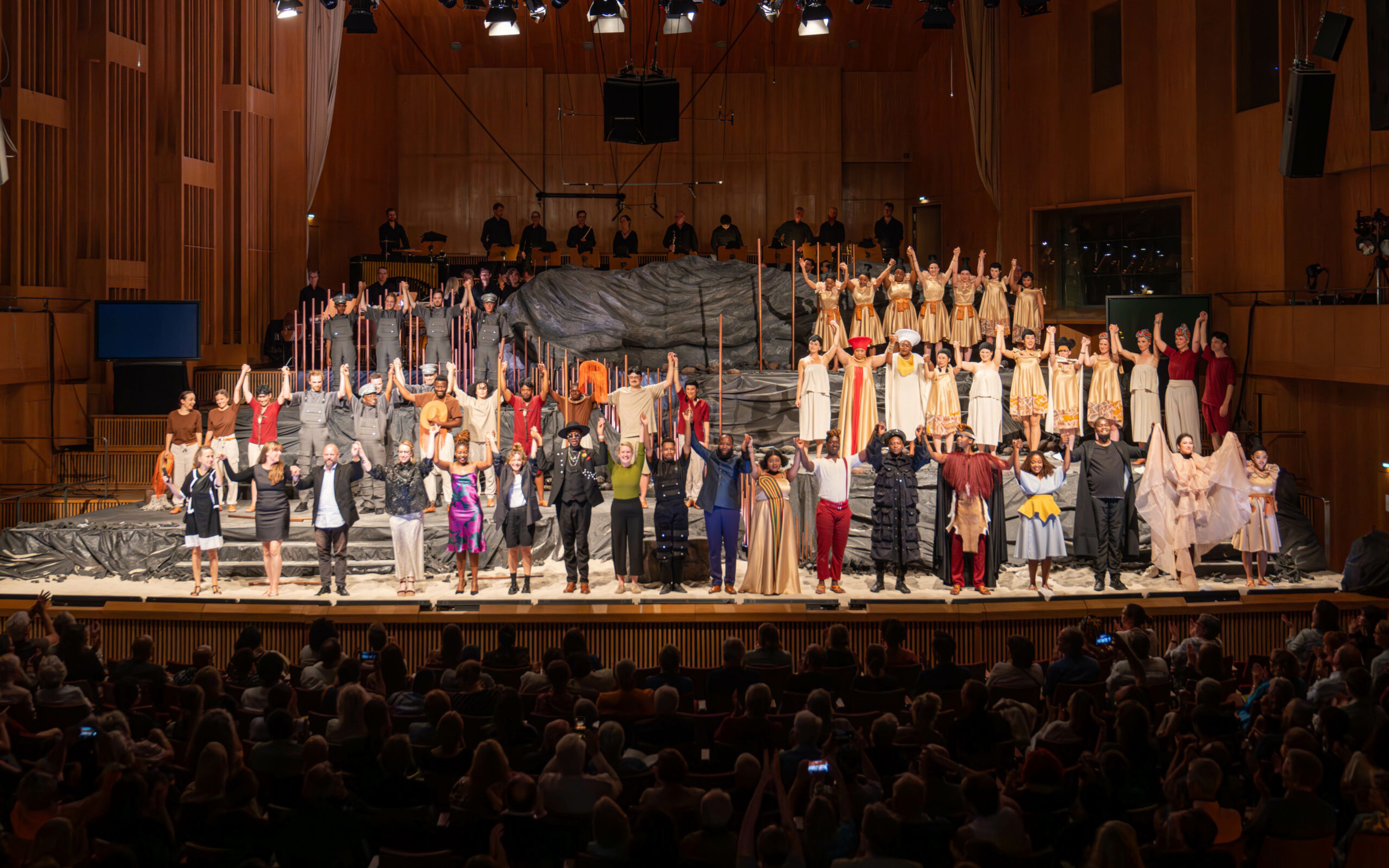
Chief Hijangua, Namibia’s first opera, was reimagined in its spatial dimensions for its European premiere in Berlin. The scenography translates Namibia’s geological vastness into an immersive terrain inspired by the Fish River Canyon, Waterberg Plateau, Brandberg and Brukkaros Mountain. Rather than depicting a literal site, the design synthesises Namibia’s topographies into a monumental chasm — a fractured soilscape of cliffs, sand and layered elevations. The terrain functions as both physical architecture and narrative device, embodying themes of land, ancestry, extraction and burial. Materiality is central: sand underfoot, rock formations, copper-like conduits referencing resource extraction, and textured surfaces that echo erosion and time. A sculpted mountain backdrop conceals the orchestra, integrating performance and landscape into one continuous spatial field. The result is an inhabitable environment where performers traverse, remove and reshape elements of the land itself — reinforcing the cyclical truth: from dust we came, to dust we return.
Chief Hijangua, Namibia’s first opera, was reimagined in its spatial dimensions for its European premiere in Berlin. The scenography translates Namibia’s geological vastness into an immersive terrain inspired by the Fish River Canyon, Waterberg Plateau, Brandberg and Brukkaros Mountain. Rather than depicting a literal site, the design synthesises Namibia’s topographies into a monumental chasm — a fractured soilscape of cliffs, sand and layered elevations. The terrain functions as both physical architecture and narrative device, embodying themes of land, ancestry, extraction and burial. Materiality is central: sand underfoot, rock formations, copper-like conduits referencing resource extraction, and textured surfaces that echo erosion and time. A sculpted mountain backdrop conceals the orchestra, integrating performance and landscape into one continuous spatial field. The result is an inhabitable environment where performers traverse, remove and reshape elements of the land itself — reinforcing the cyclical truth: from dust we came, to dust we return.
Project Innovation / Specification:
The Haus des Rundfunks, home of the Radio Symphony Orchestra Berlin (RSB), is a recording concert hall without wings, a fly system, or backstage infrastructure. The spatial challenge required transforming a technically constrained concert platform into a fully navigable operatic terrain. A modular substructure in sustainably sourced timber was engineered to level the raked floor and generate varied elevations. Draped and tensioned canvas over the skeletal frame created volumetric mass while minimising structural load. A 20:1 scale model informed sectional resolution and load calculations. A nearly 10-metre rock face, fabricated in three transportable segments, conceals the Berlin Radio Symphony Orchestra while acting as the scenographic anchor. Lightweight polystyrene and composite fillers were meticulously colour-matched to Namibian stone textures. PVC conduits nested in steel brackets simulate copper extraction pipes — removable by performers, allowing the landscape to physically transform across acts. The design merges technical precision with narrative dramaturgy, converting architectural limitation into spatial opportunity.
The Haus des Rundfunks, home of the Radio Symphony Orchestra Berlin (RSB), is a recording concert hall without wings, a fly system, or backstage infrastructure. The spatial challenge required transforming a technically constrained concert platform into a fully navigable operatic terrain. A modular substructure in sustainably sourced timber was engineered to level the raked floor and generate varied elevations. Draped and tensioned canvas over the skeletal frame created volumetric mass while minimising structural load. A 20:1 scale model informed sectional resolution and load calculations. A nearly 10-metre rock face, fabricated in three transportable segments, conceals the Berlin Radio Symphony Orchestra while acting as the scenographic anchor. Lightweight polystyrene and composite fillers were meticulously colour-matched to Namibian stone textures. PVC conduits nested in steel brackets simulate copper extraction pipes — removable by performers, allowing the landscape to physically transform across acts. The design merges technical precision with narrative dramaturgy, converting architectural limitation into spatial opportunity.
Project Sustainability Approach:
Sustainability was embedded through structural efficiency, modularity and responsible sourcing. The primary terrain system was constructed from sustainably sourced timber, tensioned canvas and sand-filled bases — reducing mass while maintaining stability. All major components were designed for disassembly, storage and reuse in future productions. Lightweight scenic fabrication minimised transport load and structural demand. The rock formations were built in modular sections to extend lifespan and adaptability. Locally sourced Namibian baskets, textiles and beadwork were integrated to ensure cultural authenticity while directly supporting artisan economies. Scenic elements were fabricated in collaboration with a certified inclusive workshop in Berlin that employs people with disabilities, reinforcing social sustainability through skilled, supported employment. The project demonstrates how large-scale scenography can be materially conscious, modular and socially embedded without compromising spatial impact.
Sustainability was embedded through structural efficiency, modularity and responsible sourcing. The primary terrain system was constructed from sustainably sourced timber, tensioned canvas and sand-filled bases — reducing mass while maintaining stability. All major components were designed for disassembly, storage and reuse in future productions. Lightweight scenic fabrication minimised transport load and structural demand. The rock formations were built in modular sections to extend lifespan and adaptability. Locally sourced Namibian baskets, textiles and beadwork were integrated to ensure cultural authenticity while directly supporting artisan economies. Scenic elements were fabricated in collaboration with a certified inclusive workshop in Berlin that employs people with disabilities, reinforcing social sustainability through skilled, supported employment. The project demonstrates how large-scale scenography can be materially conscious, modular and socially embedded without compromising spatial impact.
Local and Regional Impacts of the Project:
As Namibia’s first opera staged in Europe, Chief Hijangua occupied Berlin’s Haus des Rundfunks — once central to Nazi-era state broadcasting. Decades later, a Namibian narrative shaped by colonial entanglement was performed within the same transmission architecture. Through landscape, soil and indigenous symbolism, the scenography reclaimed this historic space as one of presence rather than propaganda. The project transformed a former site of ideological power into a platform for cultural dialogue, repositioning Namibian spatial narratives on an international stage and strengthening cross-continental creative exchange.
As Namibia’s first opera staged in Europe, Chief Hijangua occupied Berlin’s Haus des Rundfunks — once central to Nazi-era state broadcasting. Decades later, a Namibian narrative shaped by colonial entanglement was performed within the same transmission architecture. Through landscape, soil and indigenous symbolism, the scenography reclaimed this historic space as one of presence rather than propaganda. The project transformed a former site of ideological power into a platform for cultural dialogue, repositioning Namibian spatial narratives on an international stage and strengthening cross-continental creative exchange.
Lead Designer(s) Name(s):Felicia Riegel and Tanya Stroh
Profile Description:
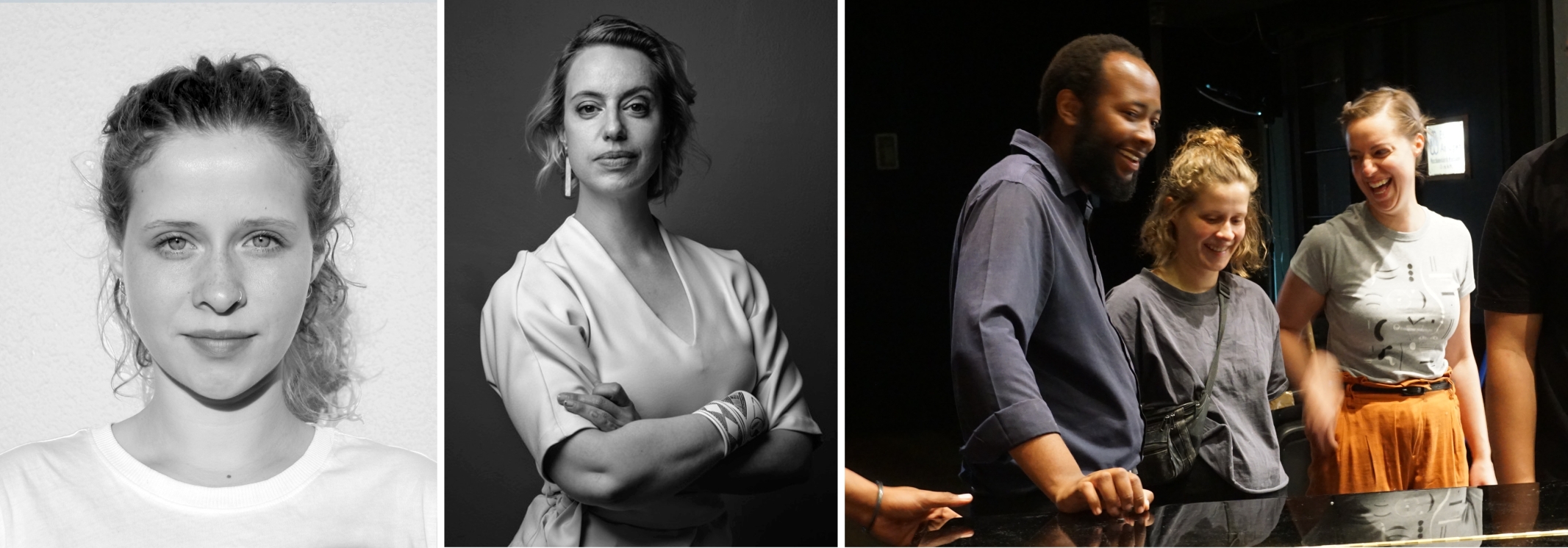
Interdisciplinary designer working across graphic communication, stage scenography and production design, integrating systems thinking with spatial storytelling. With over 15 years’ experience, her practice bridges visual identity, performance environments and co-creation methodologies to shape meaningful cultural and organisational narratives. As a design thinking facilitator and advocate for design-led development in Namibia and beyond, she champions collaborative processes that position design as a vehicle for social, cultural and economic impact.
Interdisciplinary designer working across graphic communication, stage scenography and production design, integrating systems thinking with spatial storytelling. With over 15 years’ experience, her practice bridges visual identity, performance environments and co-creation methodologies to shape meaningful cultural and organisational narratives. As a design thinking facilitator and advocate for design-led development in Namibia and beyond, she champions collaborative processes that position design as a vehicle for social, cultural and economic impact.
Previous Awards Won:
• Southern Africa Startup Awards (2018) – Female Role Model of the Year, recognising the most inspirational and influential woman in the startup ecosystem for leadership, professionalism and commitment to innovation. • Young Namibian Businesswoman of the Year (2015) – Awarded by The Namibian Economist for excellence in entrepreneurship and business leadership. • Namibian Theatre & Film Awards (2017) – Best Production Design for The Harvest: Promethean. • Namibian Theatre & Film Awards (2014) – Best Production Design for the film Coming Home; additionally nominated for Everything Happens for a Reason. • Windhoek Lager Ambassador – Arts Finalist (2014) – Recognised as a “world-class Namibian” in the arts category for vision and impact. • BIPA National Logo Design Competition (2013) – Top Ten Finalist for the Business and Intellectual Property Authority of Namibia national identity competition. • Vega School (2009) – BA Honours in Visual Communication, Top Student Award. • CityVarsity School of Media & Creative Arts (2006–2007) – Top Student Award, Multimedia Design & Production. • Jerry Funk Award (2001) – Awarded by Windhoek International School for holistic achievement of academic and leadership outcomes.
• Southern Africa Startup Awards (2018) – Female Role Model of the Year, recognising the most inspirational and influential woman in the startup ecosystem for leadership, professionalism and commitment to innovation. • Young Namibian Businesswoman of the Year (2015) – Awarded by The Namibian Economist for excellence in entrepreneurship and business leadership. • Namibian Theatre & Film Awards (2017) – Best Production Design for The Harvest: Promethean. • Namibian Theatre & Film Awards (2014) – Best Production Design for the film Coming Home; additionally nominated for Everything Happens for a Reason. • Windhoek Lager Ambassador – Arts Finalist (2014) – Recognised as a “world-class Namibian” in the arts category for vision and impact. • BIPA National Logo Design Competition (2013) – Top Ten Finalist for the Business and Intellectual Property Authority of Namibia national identity competition. • Vega School (2009) – BA Honours in Visual Communication, Top Student Award. • CityVarsity School of Media & Creative Arts (2006–2007) – Top Student Award, Multimedia Design & Production. • Jerry Funk Award (2001) – Awarded by Windhoek International School for holistic achievement of academic and leadership outcomes.