Steeping the Intangible: An Experiential Rooibos Tea House in Wupperthal
Prize(s):
WINNER 2026 ARCHITECTURE / Cultural Building Architecture
School / University Name:University of The Free State
Lead Designer(s) Name(s):Vicko Venter
Professor Name(s):Prof Jan Smit, Petria Smit, Martie Bitzer & Hein Raubenheimer
Photo Credit:Vicko Venter
Project Location:Wupperthal, Cederberg, Western Cape, South Africa
Design Status:Concept
Project Description:
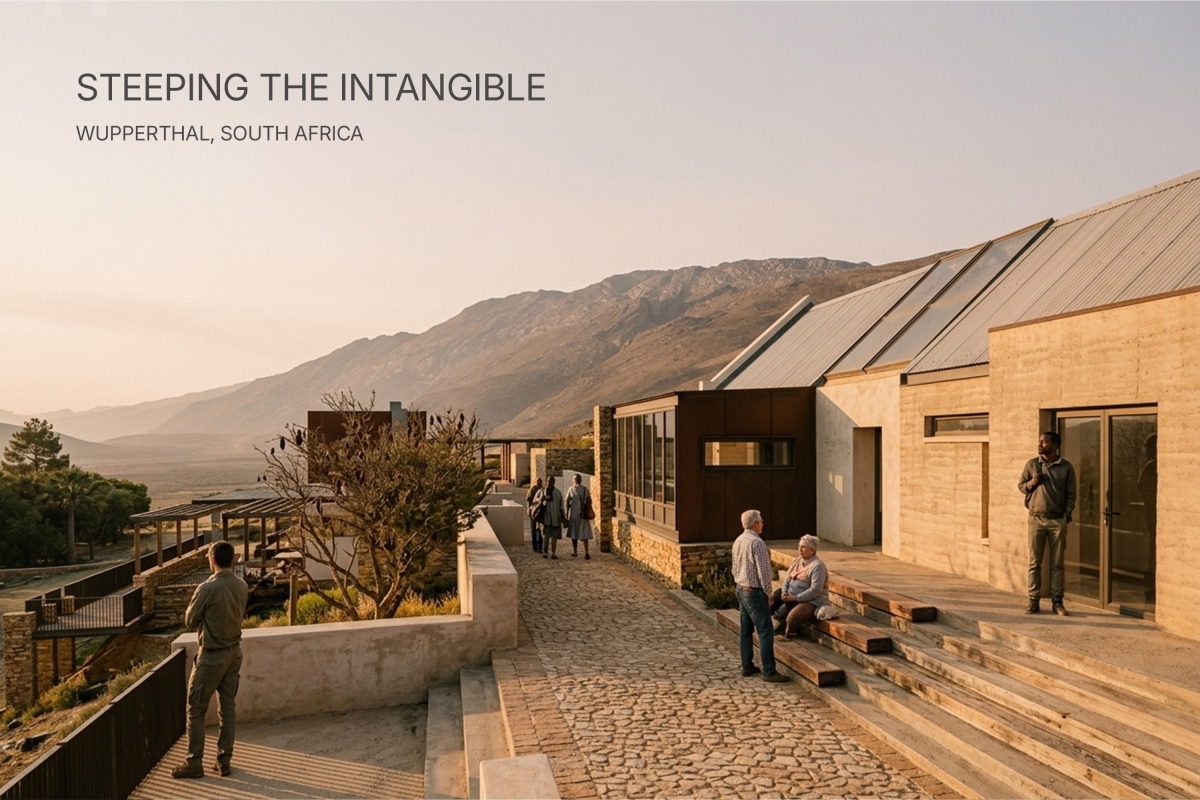
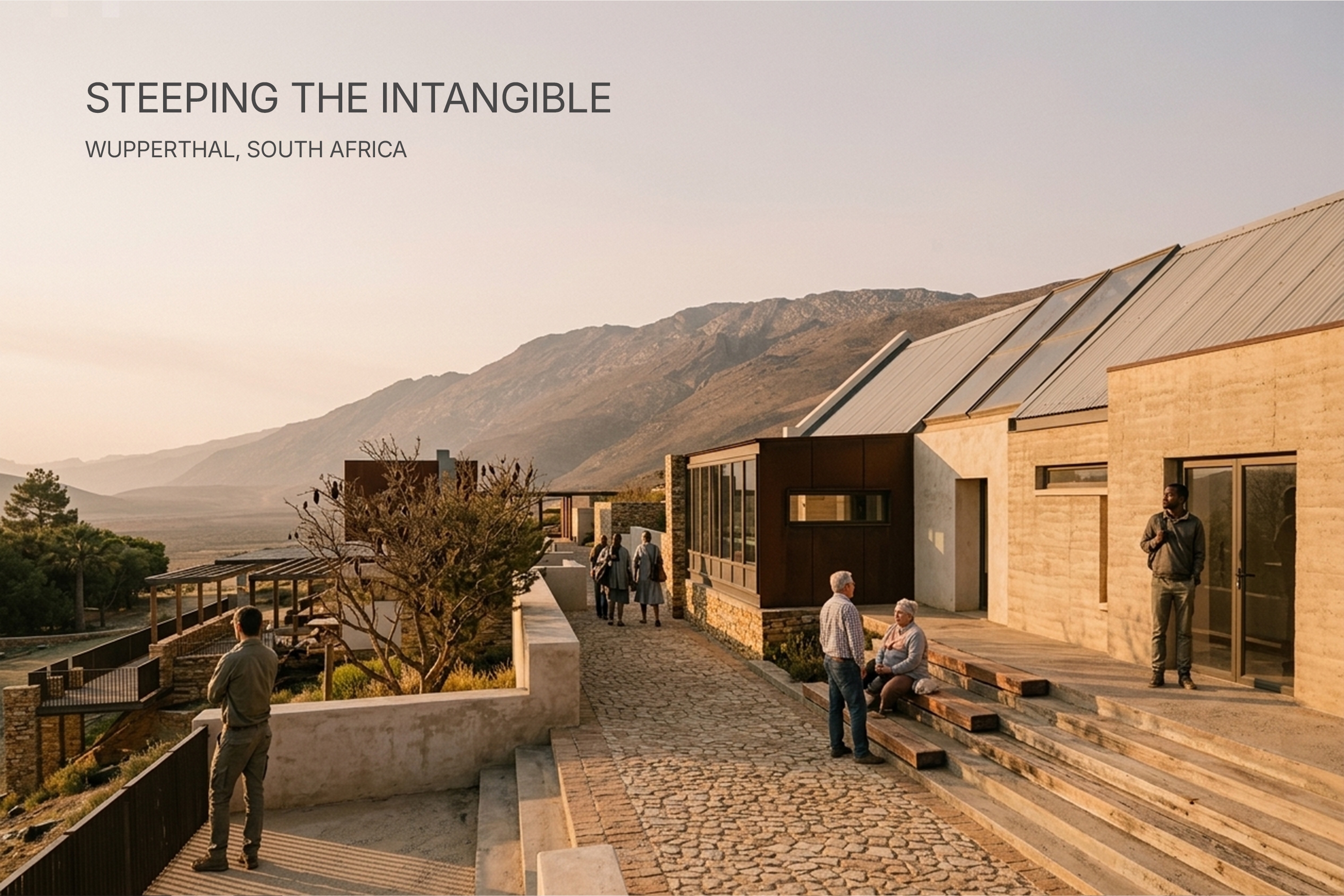
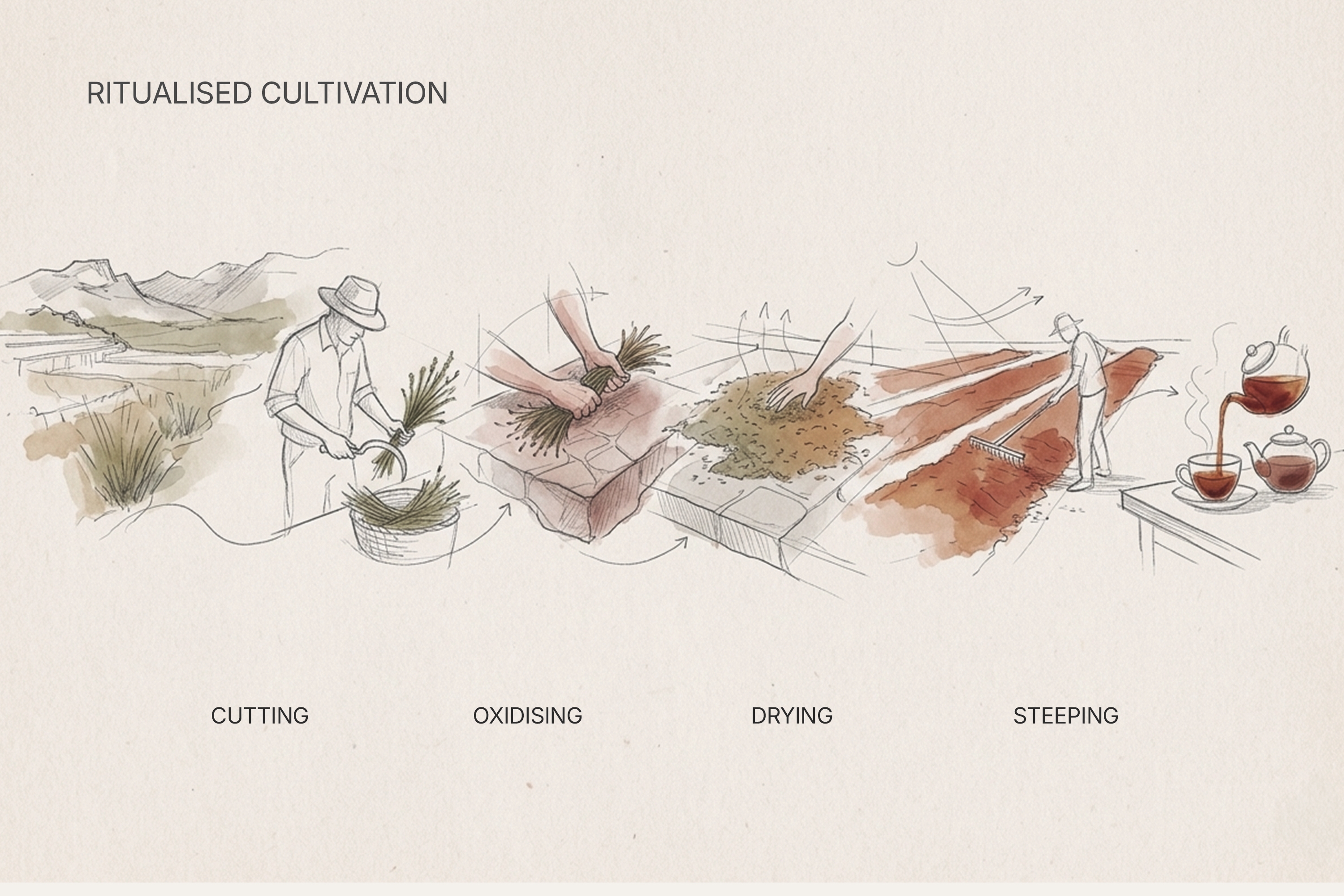
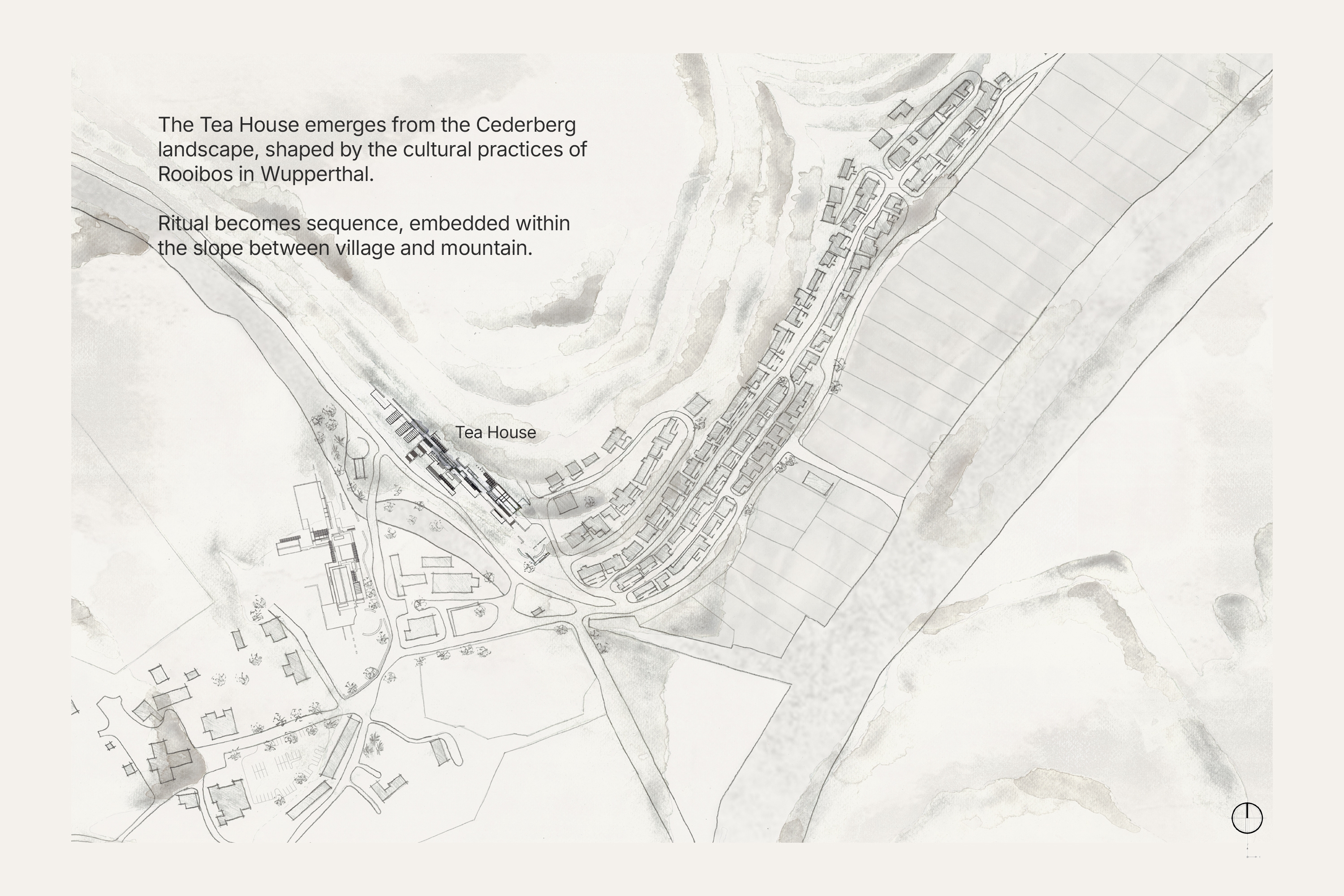
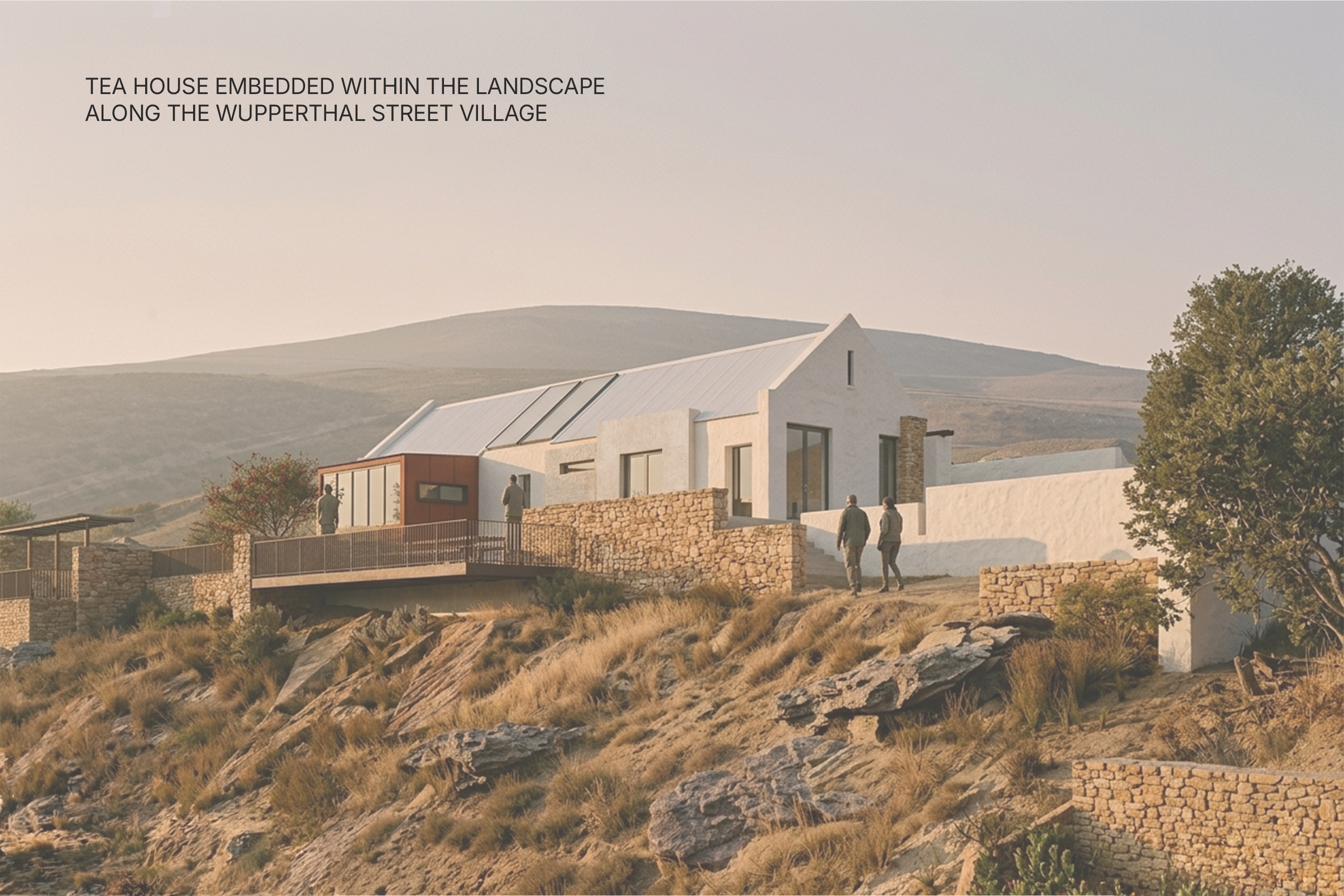
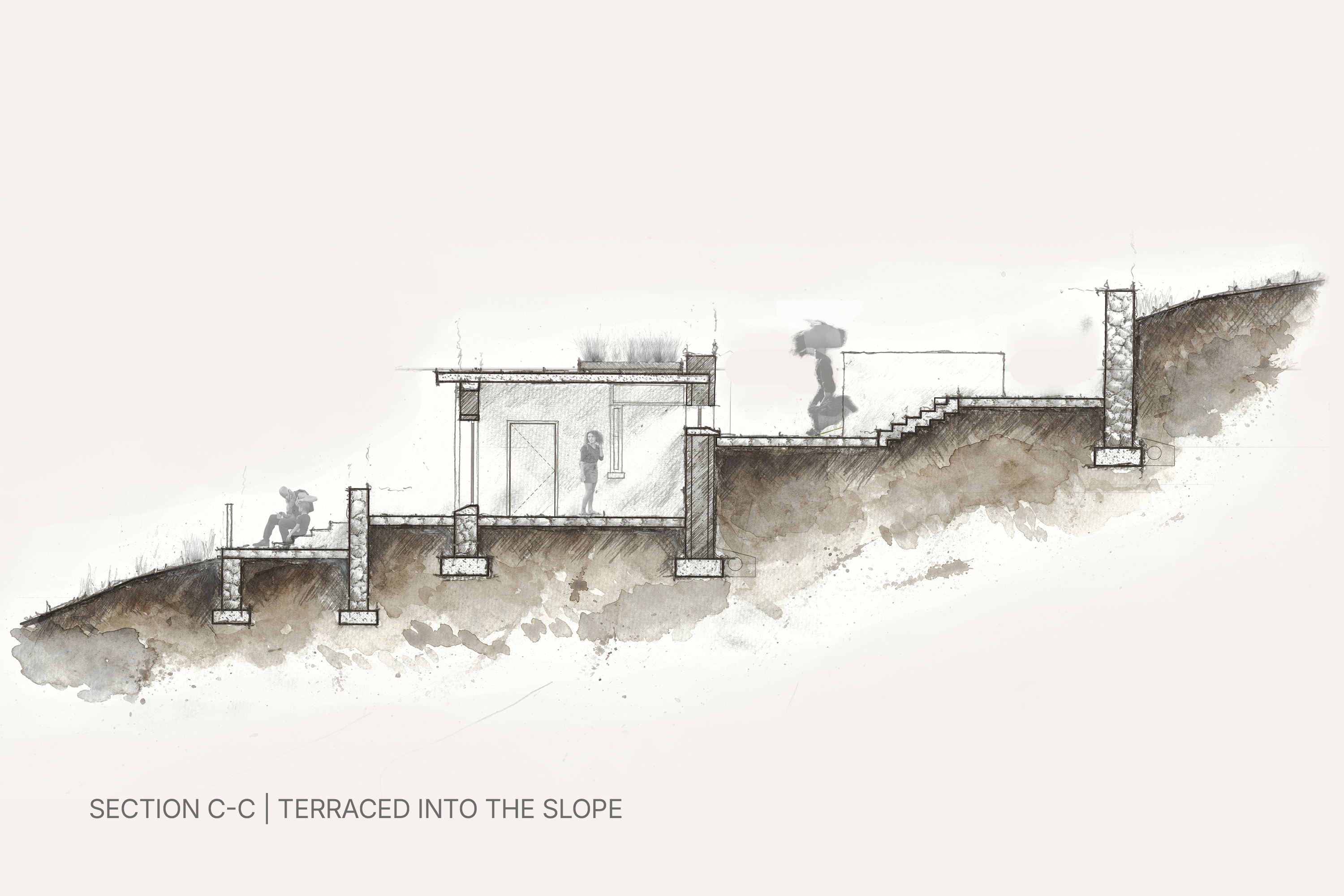
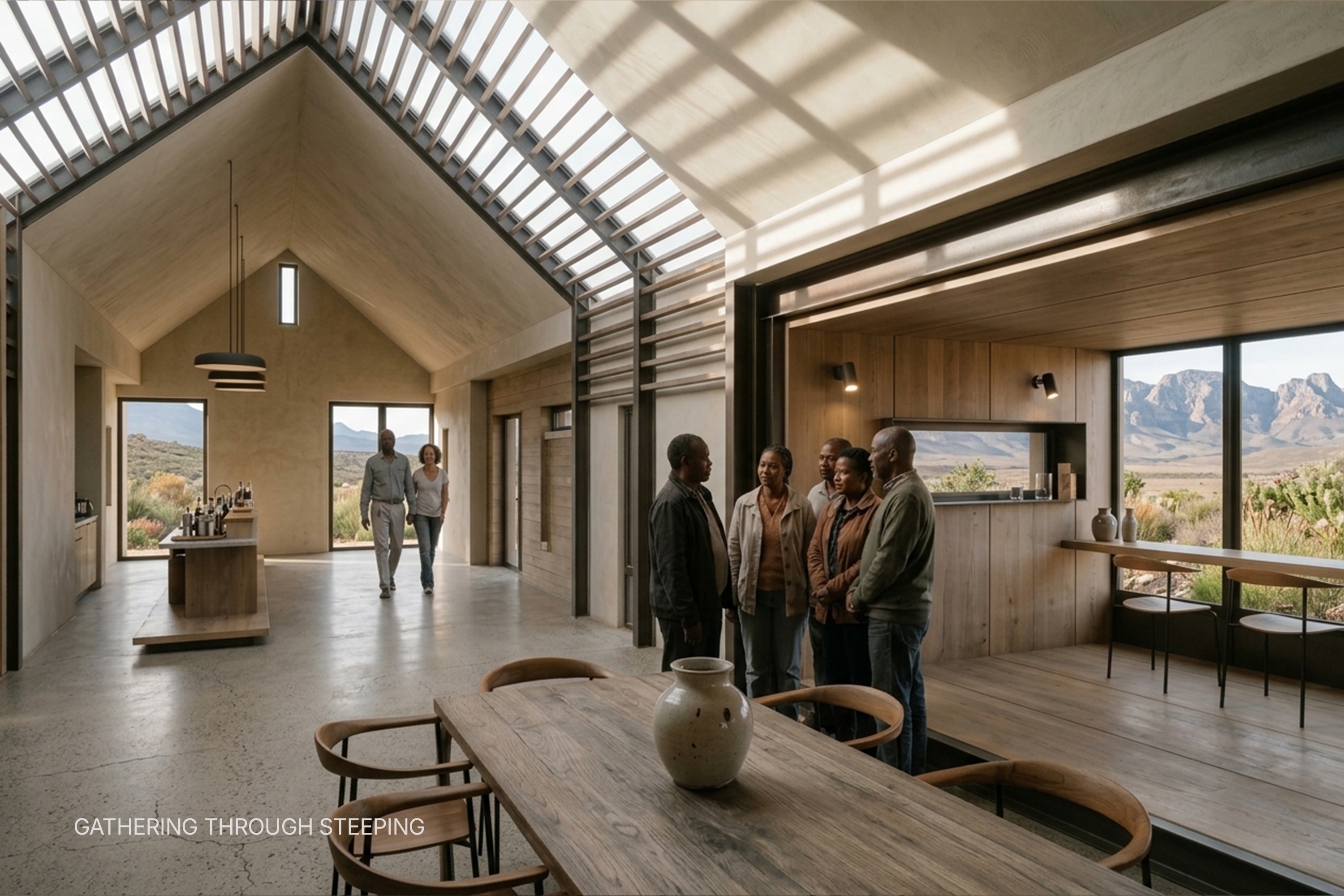
Steeping the Intangible situates the Tea House within the Cederberg landscape, drawing on the intangible cultural heritage of the Khoi and San embedded in the ritual of Rooibos cultivation. In Wupperthal, where landscape and inhabitant exist in reciprocity, the project engages a context shaped by memory, labour and terrain. The Tea House is conceived as an extension of this ritual, translating processes of cutting, oxidising, drying and steeping into a spatial sequence. Embedded within the slope between the street village and the mountains, the project mediates between collective production and moments of gathering and reflection. Constructed through stone, timber and earth, the intervention is grounded in the material logic of its site, allowing architecture to emerge as a thickened condition of landscape shaped by movement, light and time
Steeping the Intangible situates the Tea House within the Cederberg landscape, drawing on the intangible cultural heritage of the Khoi and San embedded in the ritual of Rooibos cultivation. In Wupperthal, where landscape and inhabitant exist in reciprocity, the project engages a context shaped by memory, labour and terrain. The Tea House is conceived as an extension of this ritual, translating processes of cutting, oxidising, drying and steeping into a spatial sequence. Embedded within the slope between the street village and the mountains, the project mediates between collective production and moments of gathering and reflection. Constructed through stone, timber and earth, the intervention is grounded in the material logic of its site, allowing architecture to emerge as a thickened condition of landscape shaped by movement, light and time
Project Innovation / Specification:
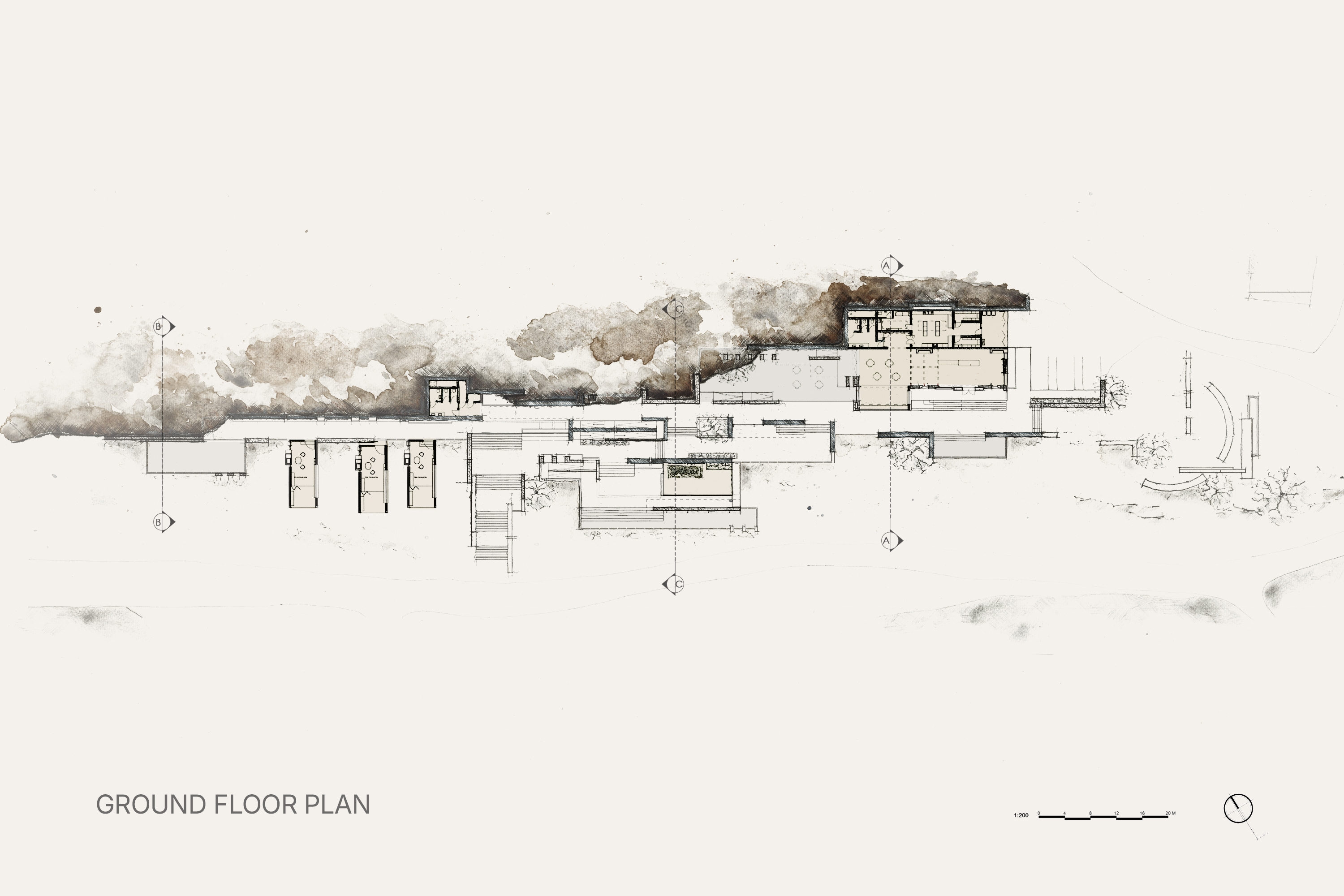
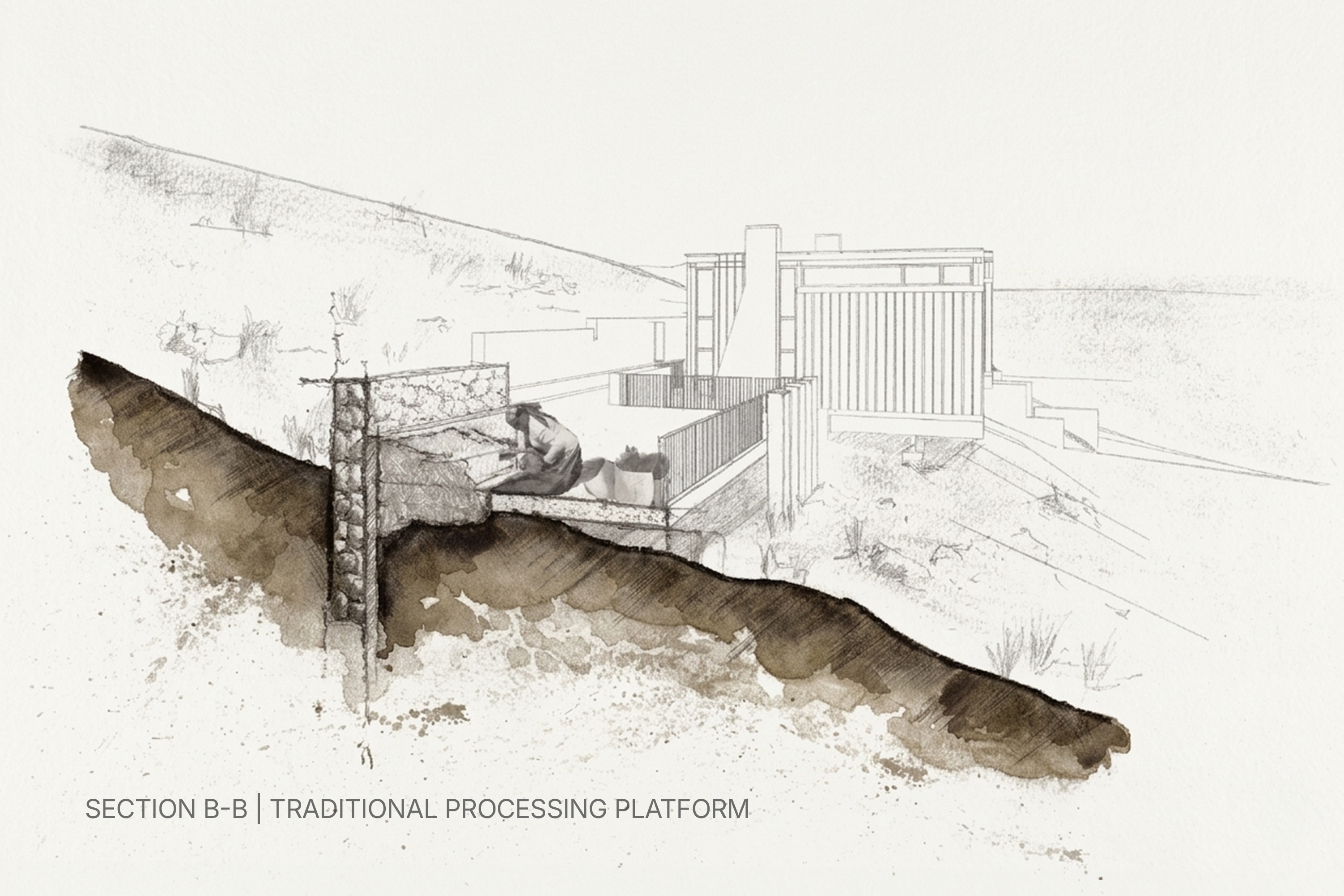
The project reinterprets the Tea House typology within the South African landscape through a regionally grounded approach. In Wupperthal, the cultural practice of Rooibos cultivation is inseparable from landscape and lived experience, and the intervention is shaped by these conditions. The architectural response draws directly from the ritualised processes of Rooibos production. Cutting, oxidising, drying and steeping are translated into a spatial sequence embedded within the slope, structuring movement and occupation across the site. The building is constructed using locally sourced stone, lime-plastered mud brick infill and a concrete structural frame. Stone retaining walls anchor the building into the terrain, while the thermal mass of masonry moderates internal temperatures. Passive strategies, including orientation, shaded thresholds, controlled apertures and natural ventilation, respond to the climatic conditions of the Cederberg. The processing platform supports the traditional practice of fermenting Rooibos on stone, maintaining a direct relationship between cultural practice and architecture.
The project reinterprets the Tea House typology within the South African landscape through a regionally grounded approach. In Wupperthal, the cultural practice of Rooibos cultivation is inseparable from landscape and lived experience, and the intervention is shaped by these conditions. The architectural response draws directly from the ritualised processes of Rooibos production. Cutting, oxidising, drying and steeping are translated into a spatial sequence embedded within the slope, structuring movement and occupation across the site. The building is constructed using locally sourced stone, lime-plastered mud brick infill and a concrete structural frame. Stone retaining walls anchor the building into the terrain, while the thermal mass of masonry moderates internal temperatures. Passive strategies, including orientation, shaded thresholds, controlled apertures and natural ventilation, respond to the climatic conditions of the Cederberg. The processing platform supports the traditional practice of fermenting Rooibos on stone, maintaining a direct relationship between cultural practice and architecture.
Project Sustainability Approach:
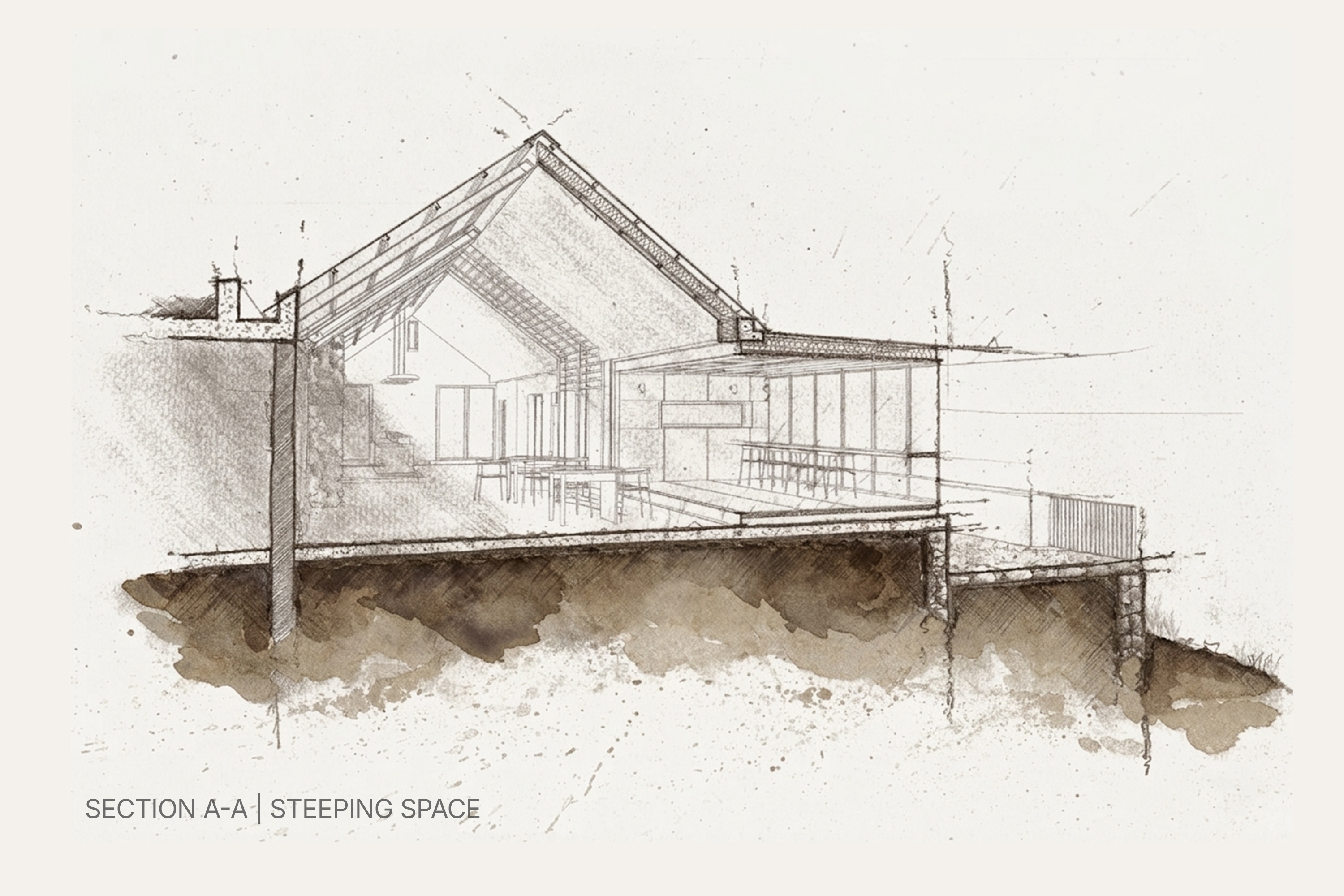
The project responds to the climatic conditions of the Cederberg through a predominantly passive approach. Internal comfort is moderated through orientation, shaded thresholds and controlled apertures, allowing for natural ventilation and reducing reliance on mechanical systems. Materially, the intervention is grounded in locally sourced stone and mud brick infill within a concrete structural frame. The thermal mass of these materials assists in stabilising internal temperatures, particularly in response to the extreme temperature variations characteristic of the region. The building is partially embedded within the slope, allowing the ground to act as a thermal buffer against external conditions. Sustainability is further considered through the continuation of cultural practices. The process platform accommodates the traditional methods of fermenting Rooibos on stone, ensuring that the intangible knowledge systems of the Khoi and San remain embedded within the architectural intervention.
The project responds to the climatic conditions of the Cederberg through a predominantly passive approach. Internal comfort is moderated through orientation, shaded thresholds and controlled apertures, allowing for natural ventilation and reducing reliance on mechanical systems. Materially, the intervention is grounded in locally sourced stone and mud brick infill within a concrete structural frame. The thermal mass of these materials assists in stabilising internal temperatures, particularly in response to the extreme temperature variations characteristic of the region. The building is partially embedded within the slope, allowing the ground to act as a thermal buffer against external conditions. Sustainability is further considered through the continuation of cultural practices. The process platform accommodates the traditional methods of fermenting Rooibos on stone, ensuring that the intangible knowledge systems of the Khoi and San remain embedded within the architectural intervention.
Local and Regional Impacts of the Project:
At a local scale, the project reinforces the cultural identity of Wupperthal by grounding the Tea House in existing Rooibos practices. It does not introduce a new programme, but extends what is already present. The process platform supports the continued fermentation of Rooibos on stone, keeping these practices active within a shared spatial setting. Operating alongside the Rooibos Co-operative, the Tea House supports small-scale agri tourism without formalising it into a separate system. Its position between the street village and the slope mediates between settlement and landscape. At a regional scale, the project frames the Cederberg as a cultural landscape, foregrounding material, climate and practice.
At a local scale, the project reinforces the cultural identity of Wupperthal by grounding the Tea House in existing Rooibos practices. It does not introduce a new programme, but extends what is already present. The process platform supports the continued fermentation of Rooibos on stone, keeping these practices active within a shared spatial setting. Operating alongside the Rooibos Co-operative, the Tea House supports small-scale agri tourism without formalising it into a separate system. Its position between the street village and the slope mediates between settlement and landscape. At a regional scale, the project frames the Cederberg as a cultural landscape, foregrounding material, climate and practice.