Agroecological innovation park in Dapaong in Togo
Prize(s):
WINNER 2026 ARCHITECTURE / Landscape Architecture | ARCHITECTURE / Sustainable & Energy Saving Building
School / University Name:Builders Ecole D’ingénieurs
Lead Designer(s) Name(s):Yedinam Fabrice Tchably
Design Team / Other designer(s):Yedinam Fabrice Tchably
Professor Name(s):Dr Guy-Hermann PADENOU
Photo Credit:Yedinam Fabrice Tchably
Project Location:Dapaong in Togo
Design Status:Concept
Project Description:
Located in northern Togo, 630 km from Lomé and near Burkina Faso, Dapaong is a largely agricultural region, with 80% of its population relying on farming. However, the city faces serious challenges due to climate change: delayed and concentrated rainfall, soil erosion, floods, rising temperatures, and violent winds are degrading the environment and reducing soil fertility. In response, farmers increasingly depend on chemical fertilizers and pesticides, which further harm the soil and affect human health. To address this, the project proposes the creation of a Park for Agroecological Innovations—a space dedicated to research, experimentation, and training in sustainable farming practices. Through architecture, this project aims to empower local communities, promote ecological resilience, and ensure healthy, long-term agricultural production by integrating innovative and traditional knowledge within a sustainable built environment.
Located in northern Togo, 630 km from Lomé and near Burkina Faso, Dapaong is a largely agricultural region, with 80% of its population relying on farming. However, the city faces serious challenges due to climate change: delayed and concentrated rainfall, soil erosion, floods, rising temperatures, and violent winds are degrading the environment and reducing soil fertility. In response, farmers increasingly depend on chemical fertilizers and pesticides, which further harm the soil and affect human health. To address this, the project proposes the creation of a Park for Agroecological Innovations—a space dedicated to research, experimentation, and training in sustainable farming practices. Through architecture, this project aims to empower local communities, promote ecological resilience, and ensure healthy, long-term agricultural production by integrating innovative and traditional knowledge within a sustainable built environment.
Project Innovation / Specification:
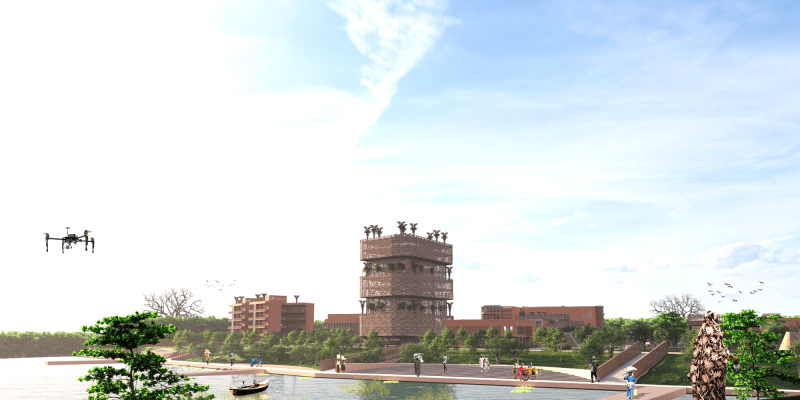
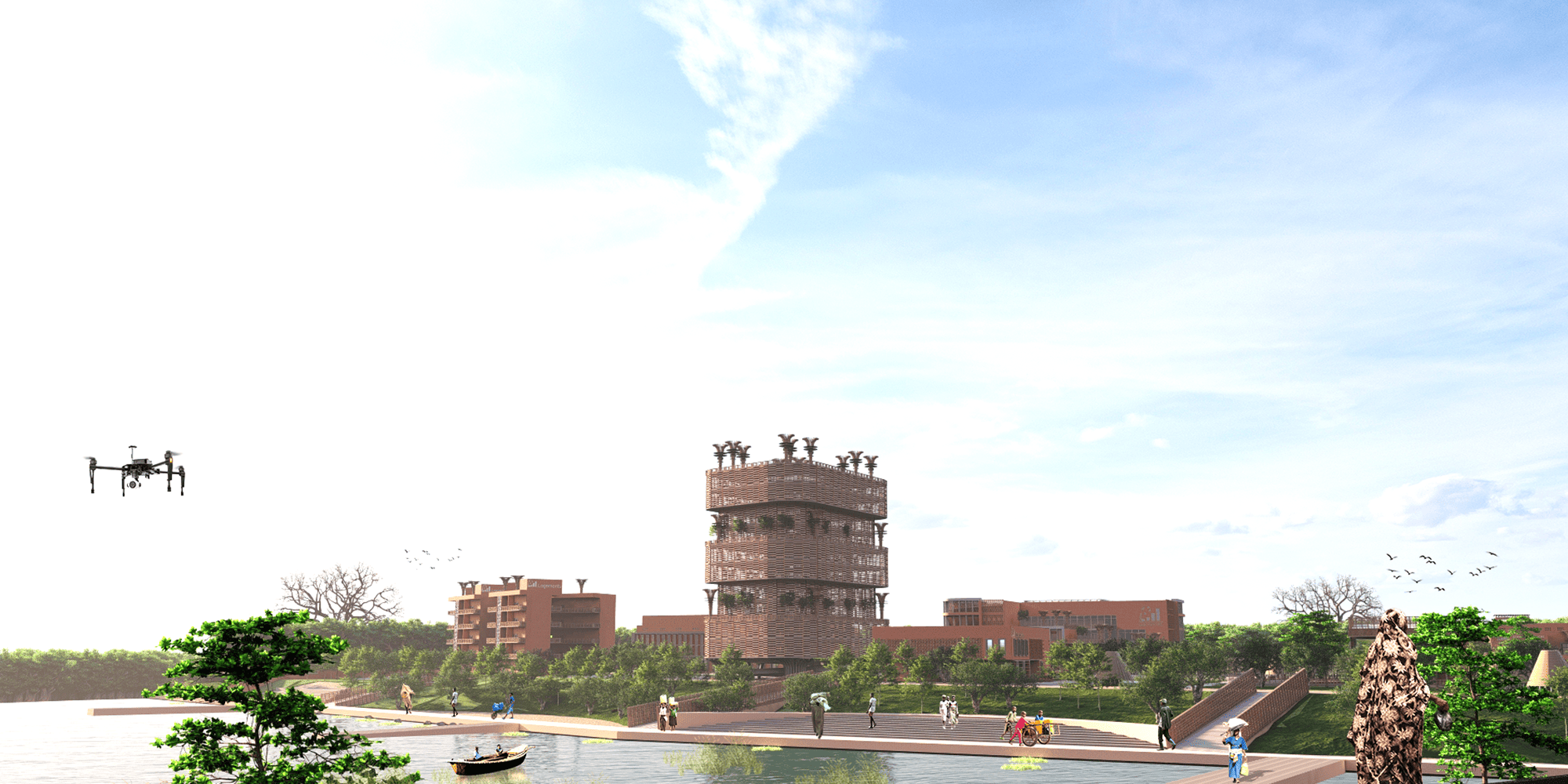
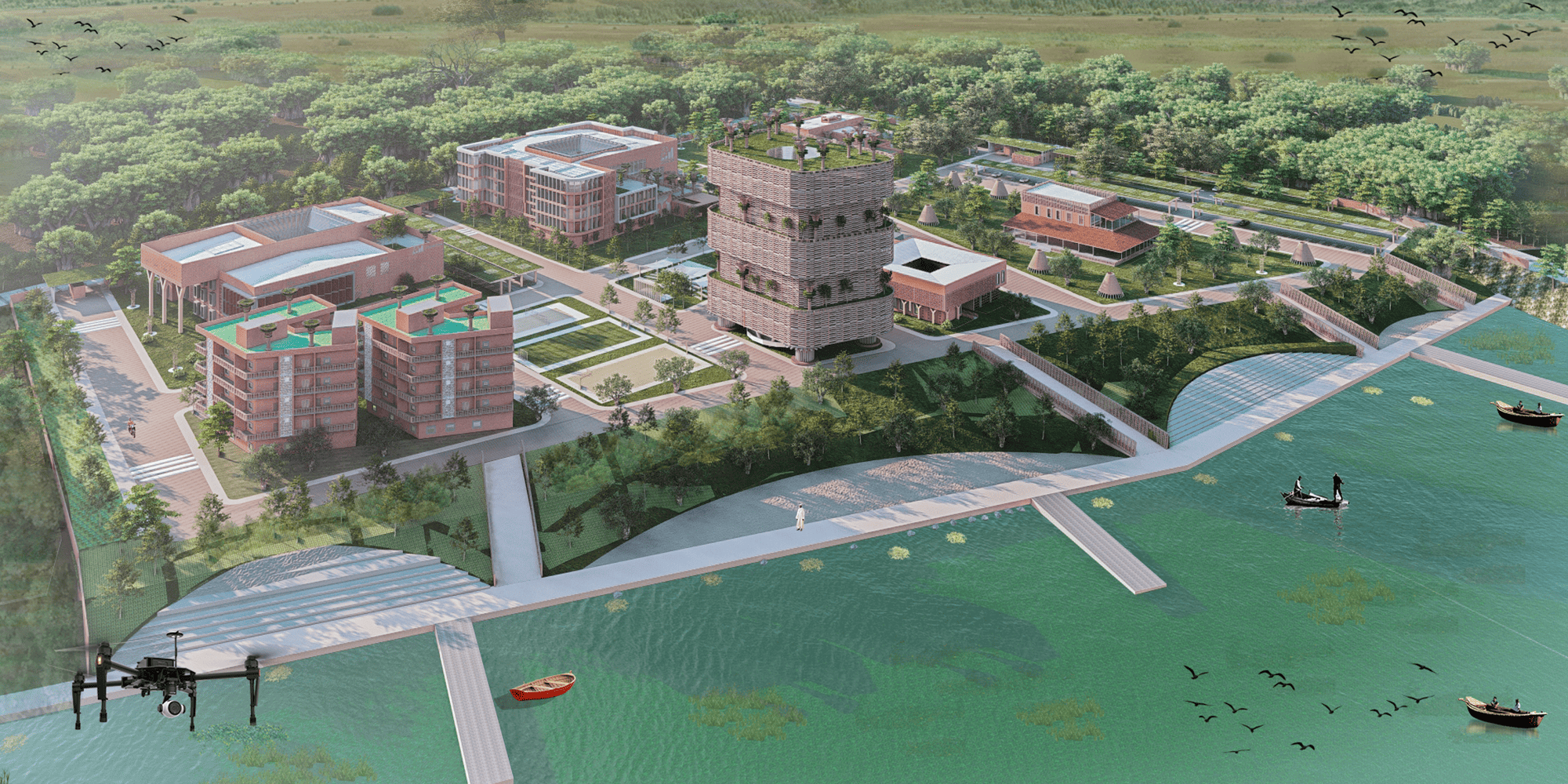
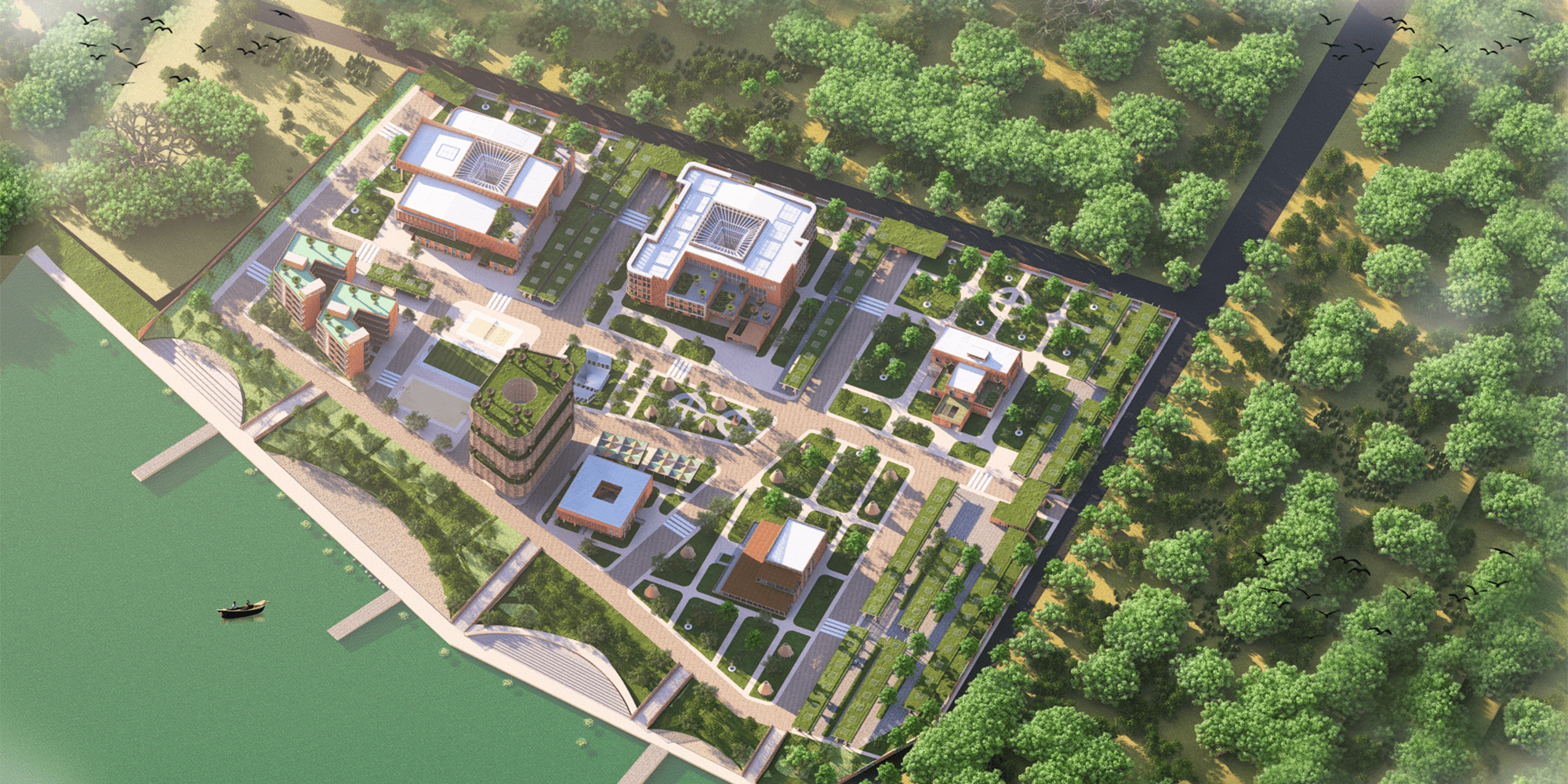
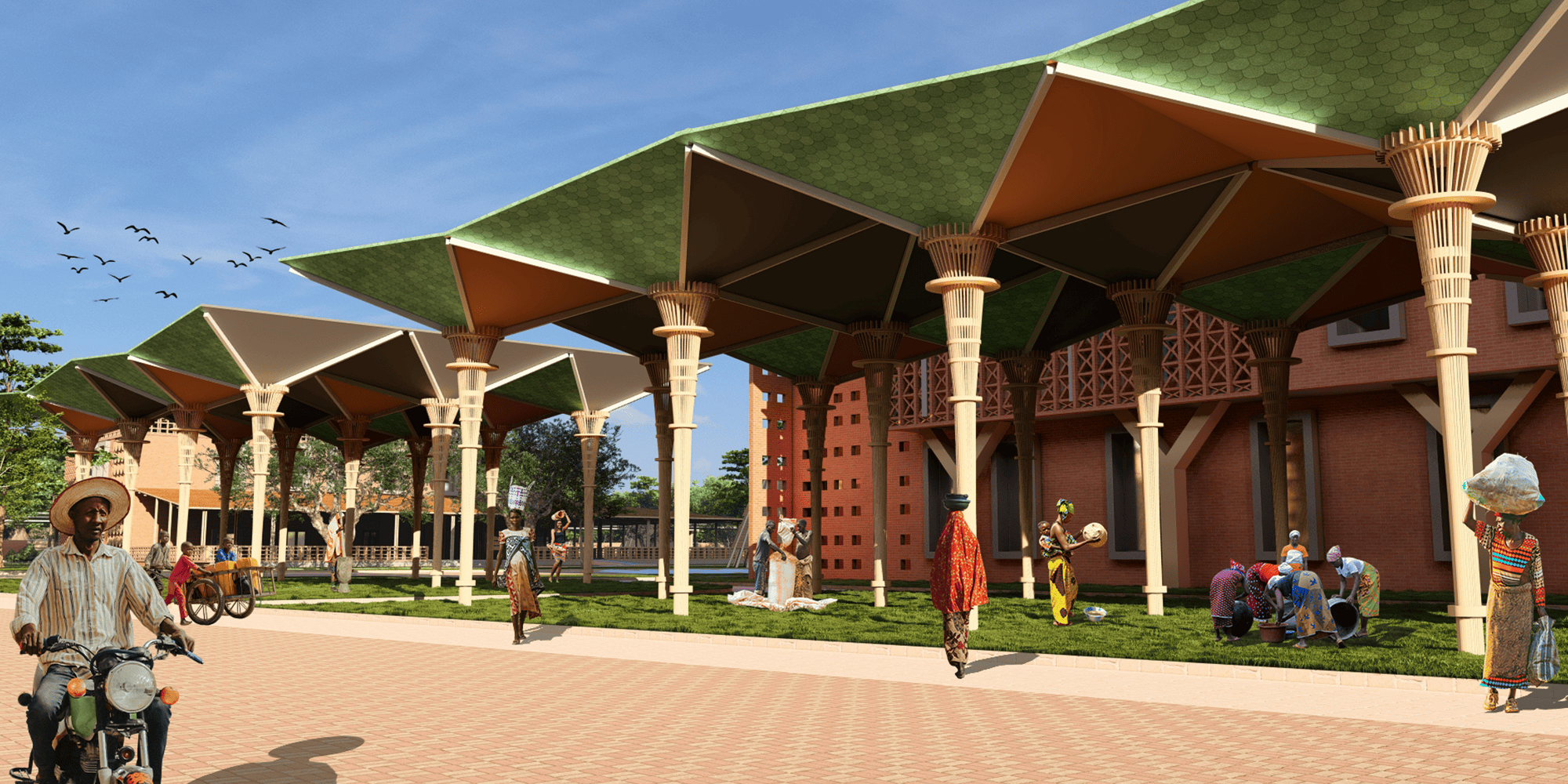
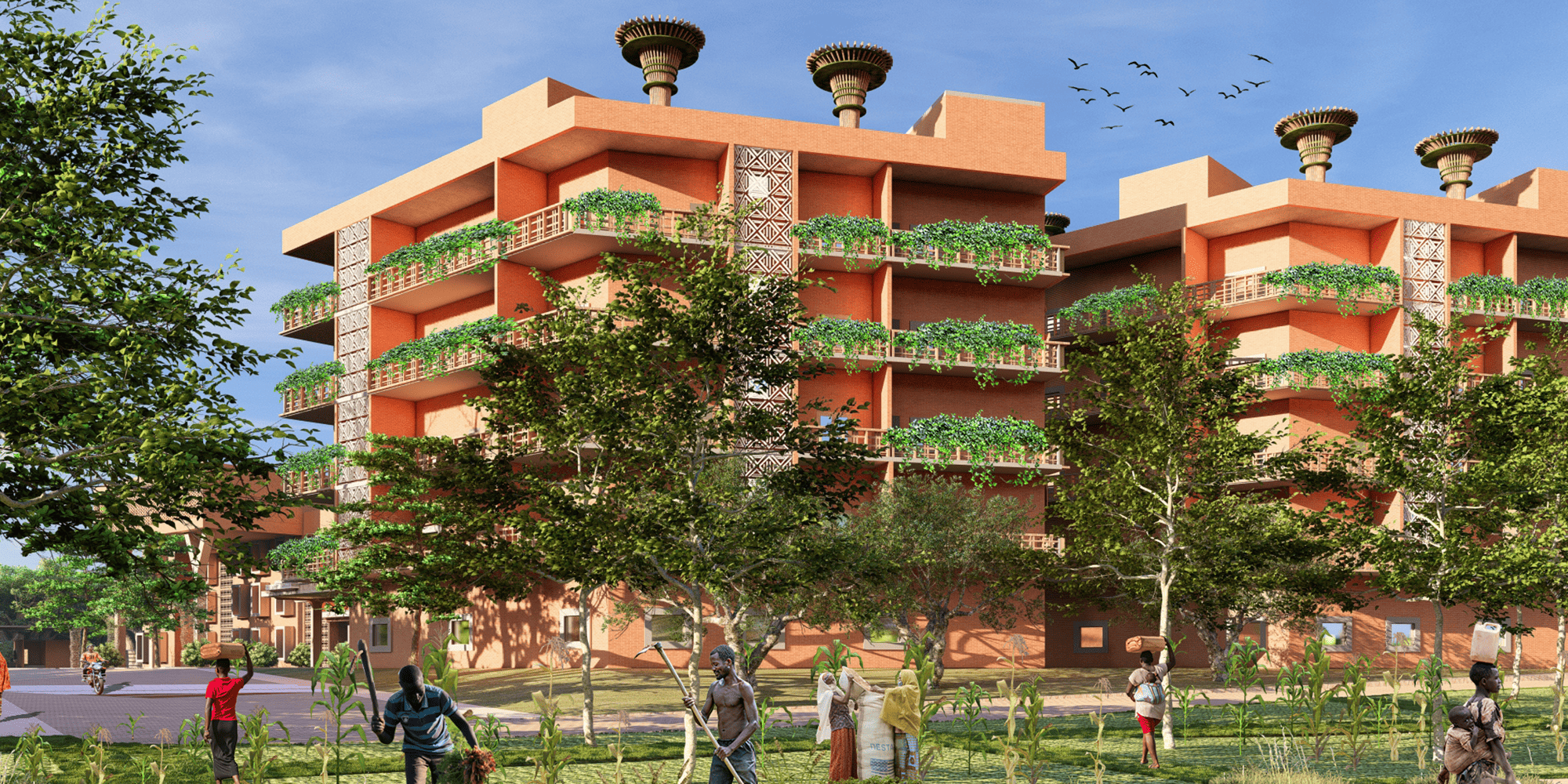
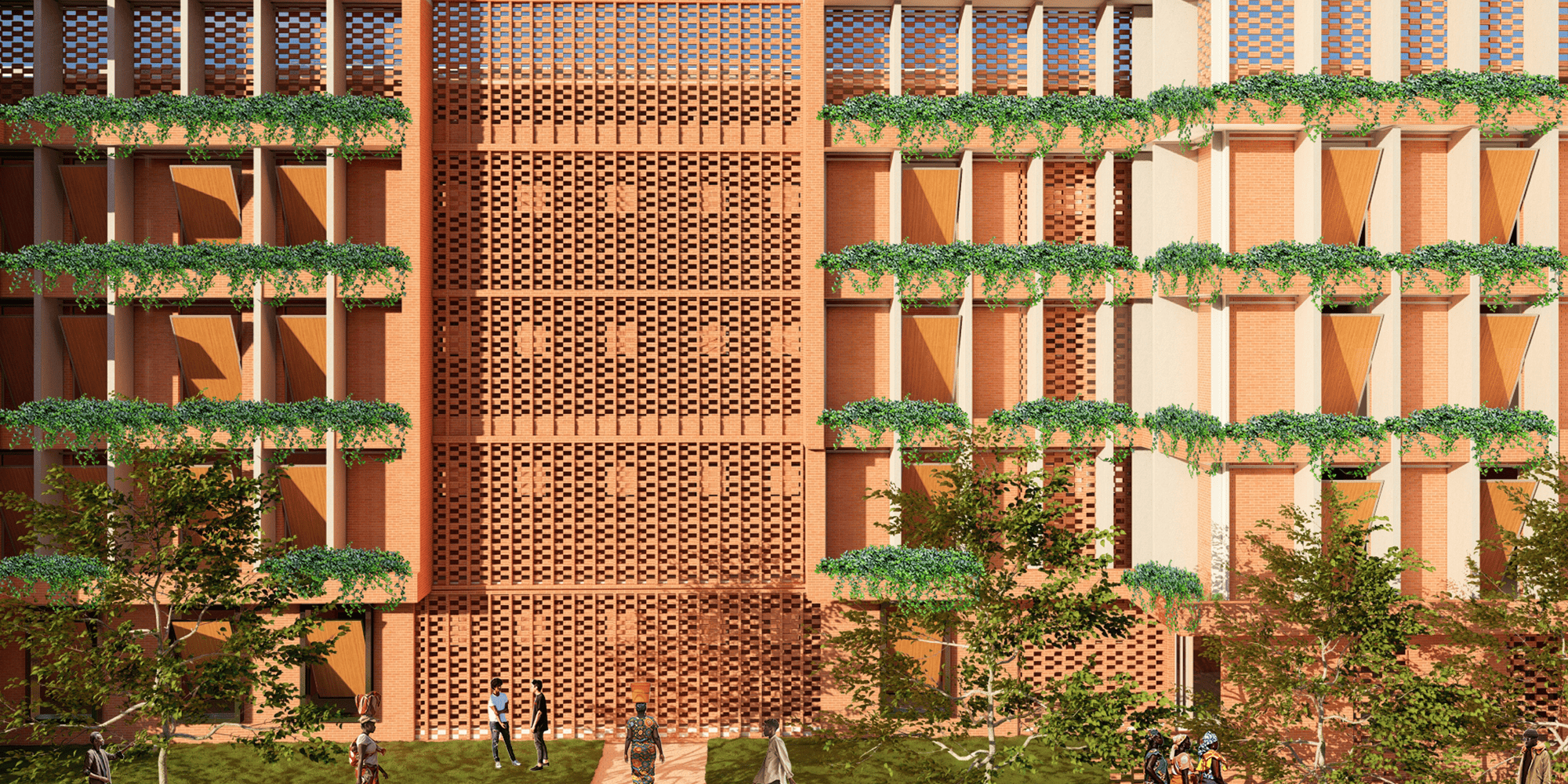
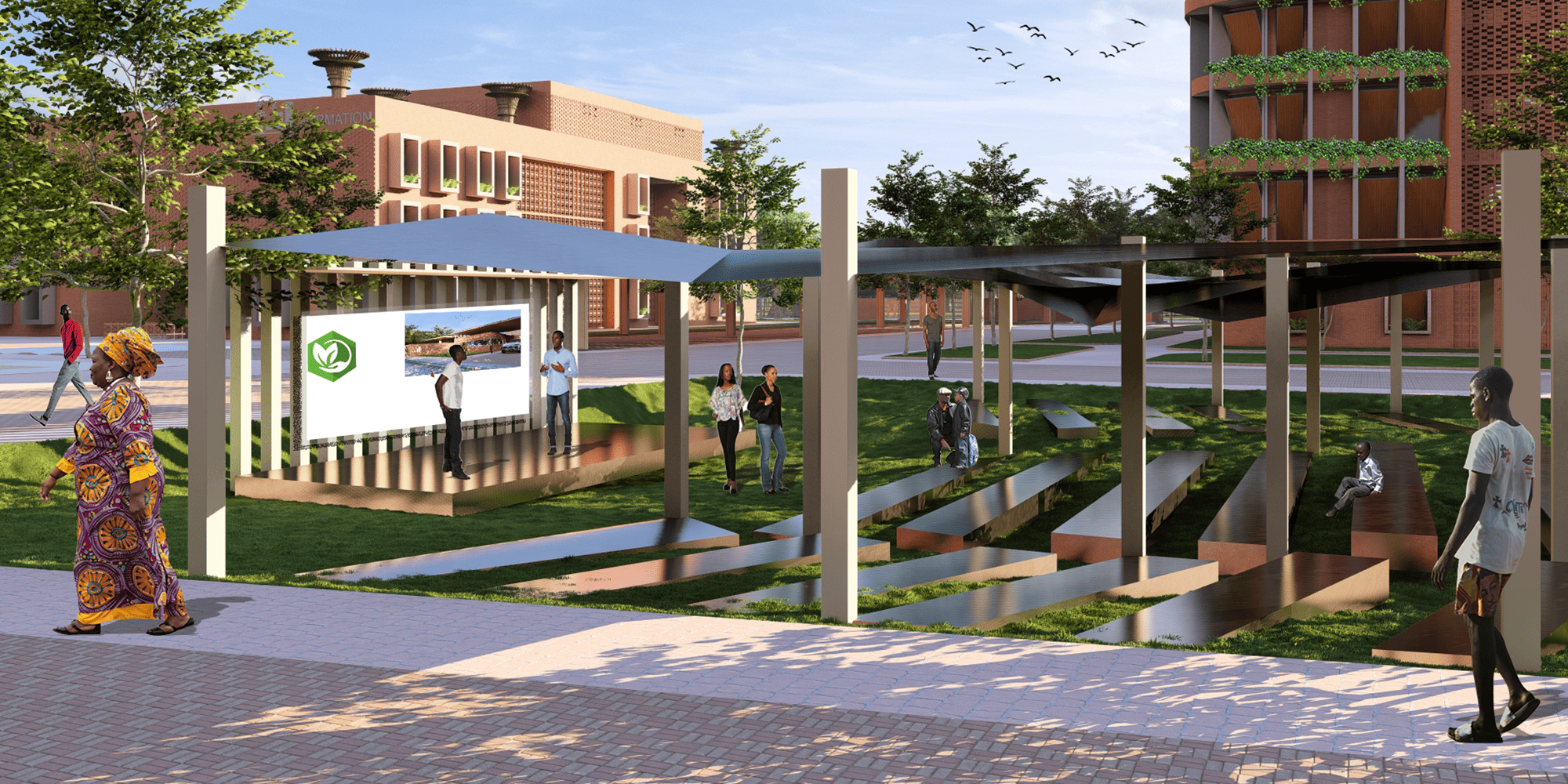
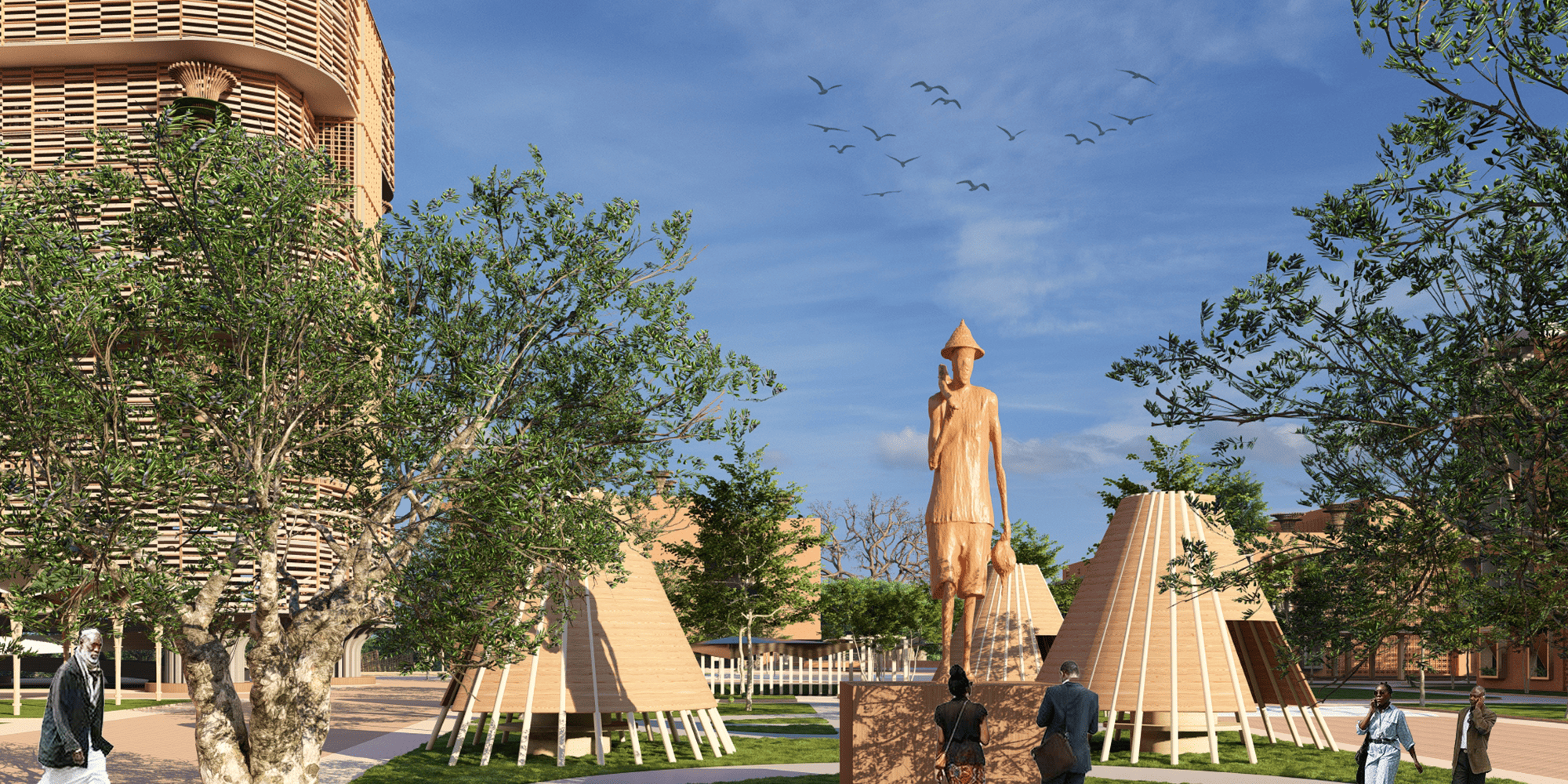
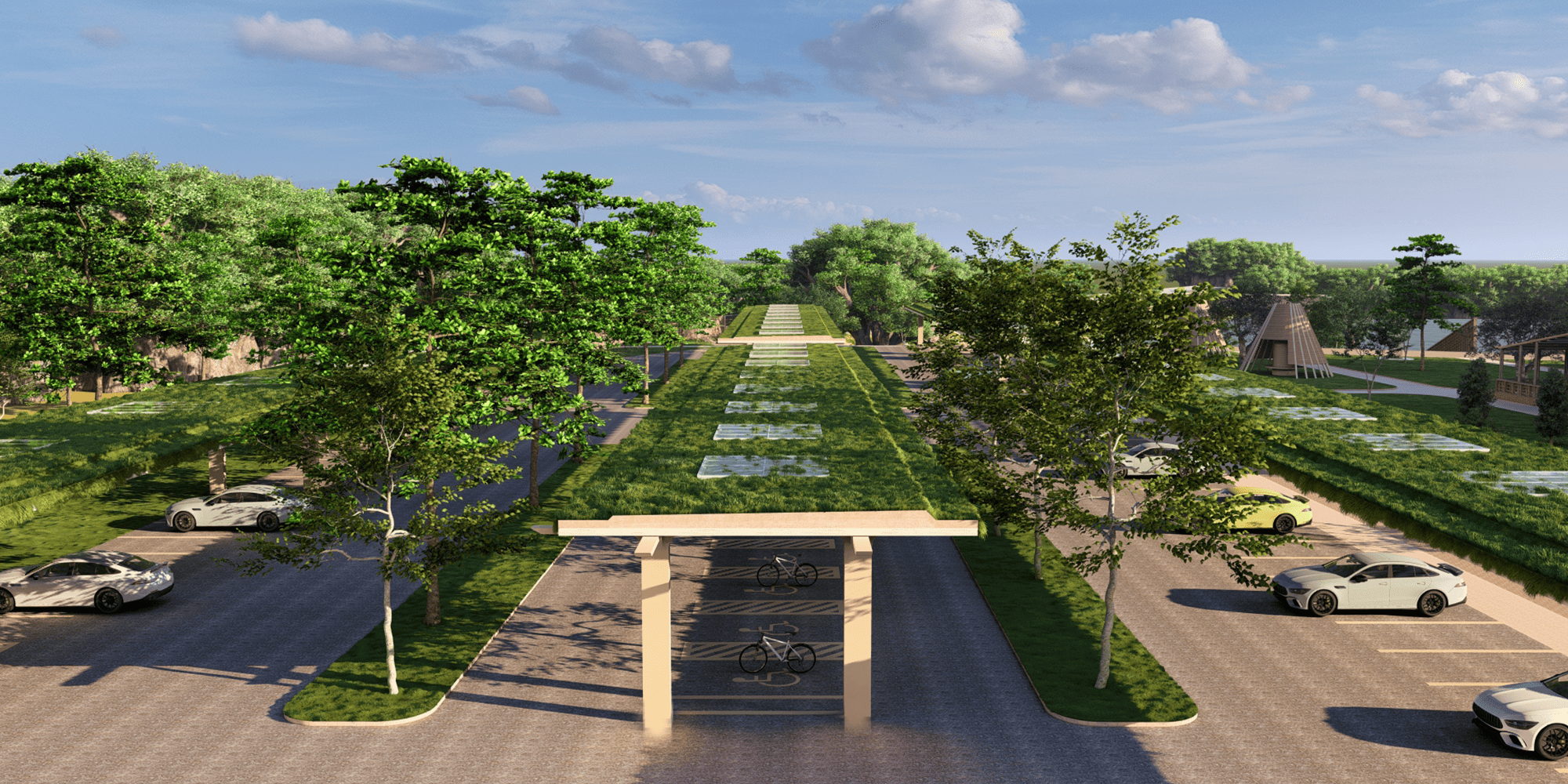
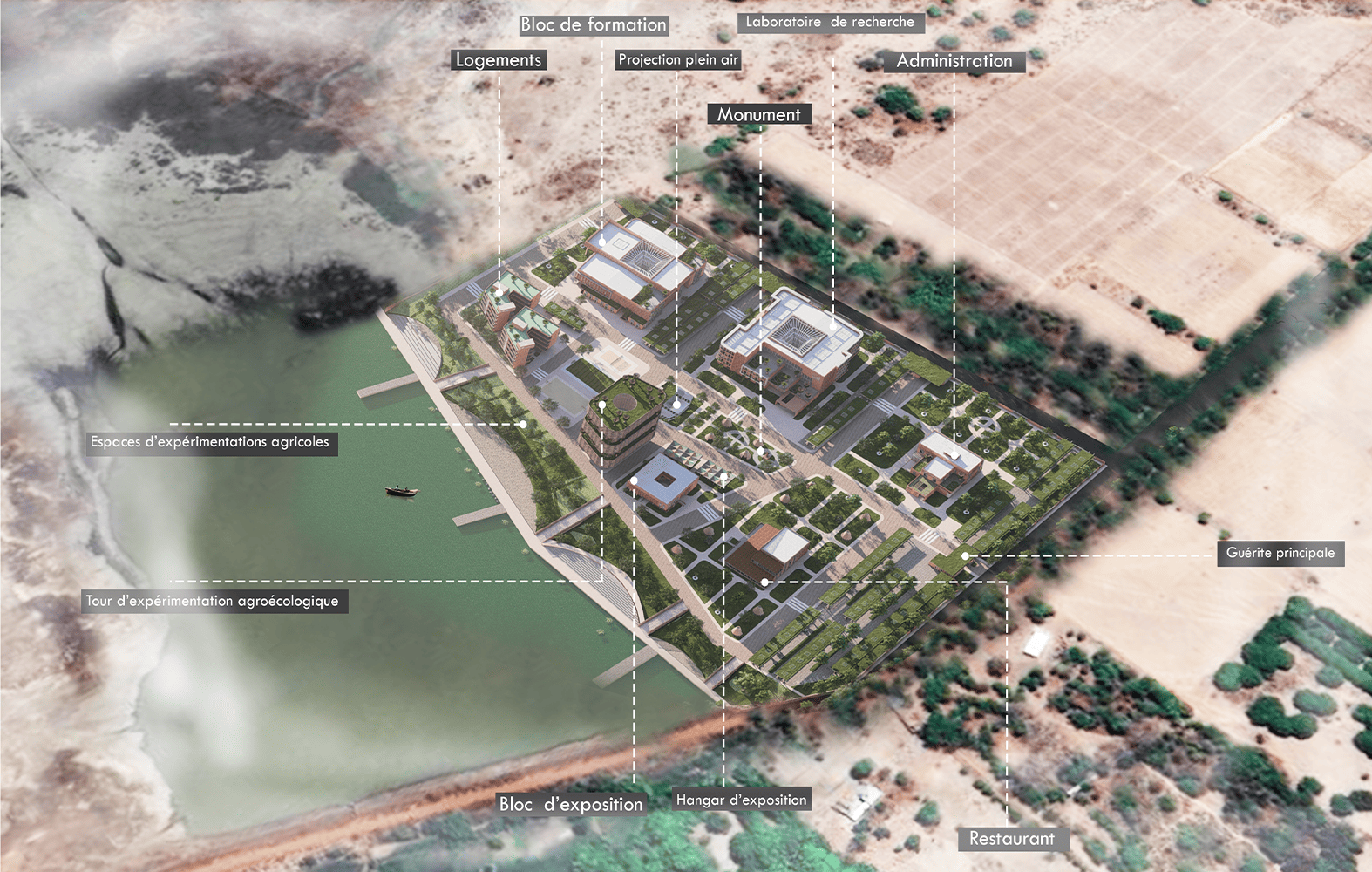
This project positions itself as a benchmark in the reinterpretation of traditional architecture and climate-responsive design. Situated in Dapaong, northern Togo, it responds to local environmental challenges by integrating site-specific analyses—topography, vegetation, climate, materials, and vernacular forms. The architectural program includes research and training facilities in agroecology, exhibition spaces, and outdoor projection areas designed for knowledge-sharing. Innovative strategies include adaptive facades with varying slopes based on sun exposure, green facades for passive cooling, and rooftop gardens and green towers for rainwater harvesting. Vegetated parking areas help regulate ground temperatures, while the nearby dam's banks are sensitively developed to preserve the local ecosystem. An iconic agricultural tower, inspired by traditional harvest baskets and grain silos, anchors the project and symbolizes the fusion of cultural heritage and sustainable innovation.
This project positions itself as a benchmark in the reinterpretation of traditional architecture and climate-responsive design. Situated in Dapaong, northern Togo, it responds to local environmental challenges by integrating site-specific analyses—topography, vegetation, climate, materials, and vernacular forms. The architectural program includes research and training facilities in agroecology, exhibition spaces, and outdoor projection areas designed for knowledge-sharing. Innovative strategies include adaptive facades with varying slopes based on sun exposure, green facades for passive cooling, and rooftop gardens and green towers for rainwater harvesting. Vegetated parking areas help regulate ground temperatures, while the nearby dam's banks are sensitively developed to preserve the local ecosystem. An iconic agricultural tower, inspired by traditional harvest baskets and grain silos, anchors the project and symbolizes the fusion of cultural heritage and sustainable innovation.
Project Sustainability Approach:
The project adopts a holistic and locally grounded approach to sustainability, addressing environmental, social, and economic dimensions. It prioritizes the use of locally sourced, low-impact materials to reduce carbon emissions and promote regional craftsmanship. Passive design strategies—including natural ventilation, solar orientation, and thermal massing—are integrated to minimize energy consumption. Green facades, rooftop gardens, and vegetated areas enhance thermal comfort, support biodiversity, and aid in rainwater harvesting. The project also incorporates adaptive architectural elements that respond to climatic variations throughout the year. Social sustainability is fostered through inclusive spaces for training and community engagement, empowering local farmers with resilient agroecological practices. By blending traditional knowledge with modern ecological solutions, the project creates a self-sustaining ecosystem that promotes food security, environmental regeneration, and long-term resilience in the face of climate change.
The project adopts a holistic and locally grounded approach to sustainability, addressing environmental, social, and economic dimensions. It prioritizes the use of locally sourced, low-impact materials to reduce carbon emissions and promote regional craftsmanship. Passive design strategies—including natural ventilation, solar orientation, and thermal massing—are integrated to minimize energy consumption. Green facades, rooftop gardens, and vegetated areas enhance thermal comfort, support biodiversity, and aid in rainwater harvesting. The project also incorporates adaptive architectural elements that respond to climatic variations throughout the year. Social sustainability is fostered through inclusive spaces for training and community engagement, empowering local farmers with resilient agroecological practices. By blending traditional knowledge with modern ecological solutions, the project creates a self-sustaining ecosystem that promotes food security, environmental regeneration, and long-term resilience in the face of climate change.
Local and Regional Impacts of the Project:
The project is designed to generate positive environmental impacts by addressing key ecological challenges in the Dapaong region. Through its integration of green infrastructure such as green roofs, facades, and vegetated parking areas,it enhances local biodiversity, reduces urban heat, and improves air quality. The use of passive cooling techniques and natural ventilation significantly reduces energy demand, minimizing the project's carbon footprint. Rainwater harvesting systems and off-ground cultivation areas contribute to efficient water management and sustainable food production. By rehabilitating the dam’s banks while preserving the natural ecosystem, the project also protects local water resources and prevents further land degradation.
The project is designed to generate positive environmental impacts by addressing key ecological challenges in the Dapaong region. Through its integration of green infrastructure such as green roofs, facades, and vegetated parking areas,it enhances local biodiversity, reduces urban heat, and improves air quality. The use of passive cooling techniques and natural ventilation significantly reduces energy demand, minimizing the project's carbon footprint. Rainwater harvesting systems and off-ground cultivation areas contribute to efficient water management and sustainable food production. By rehabilitating the dam’s banks while preserving the natural ecosystem, the project also protects local water resources and prevents further land degradation.

Lead Designer(s) Name(s):Yedinam Fabrice Tchably