COTONOU RESPIRE
Prize(s):
WINNER 2026 ARCHITECTURE / Landscape Architecture
School / University Name:Africa Design School
Lead Designer(s) Name(s):Ruth-De-Franck Antonela Botoukou
Professor Name(s):Ahmed Djimey SANGARE
Project Location:Cotonou, Benin
Design Status:Prototype
Project Description:
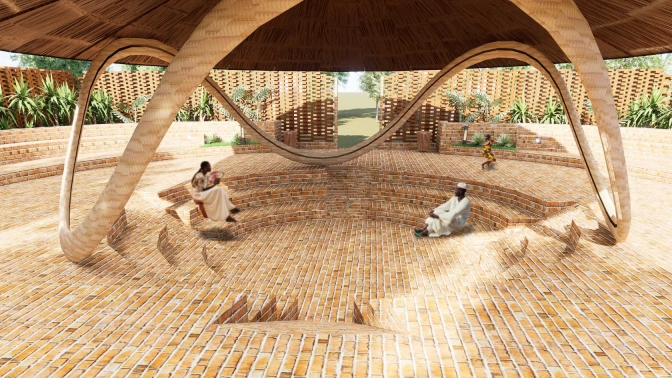
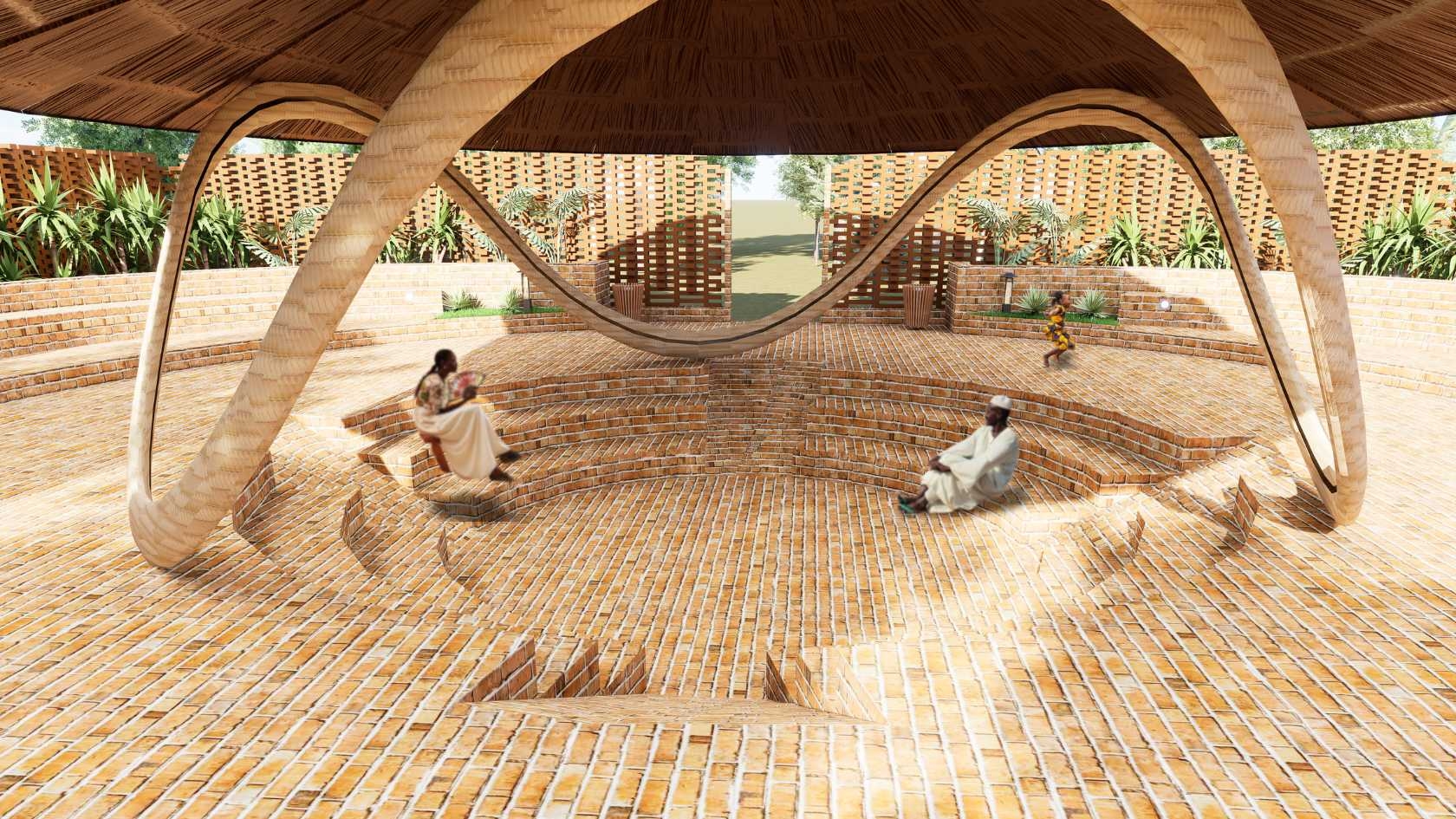
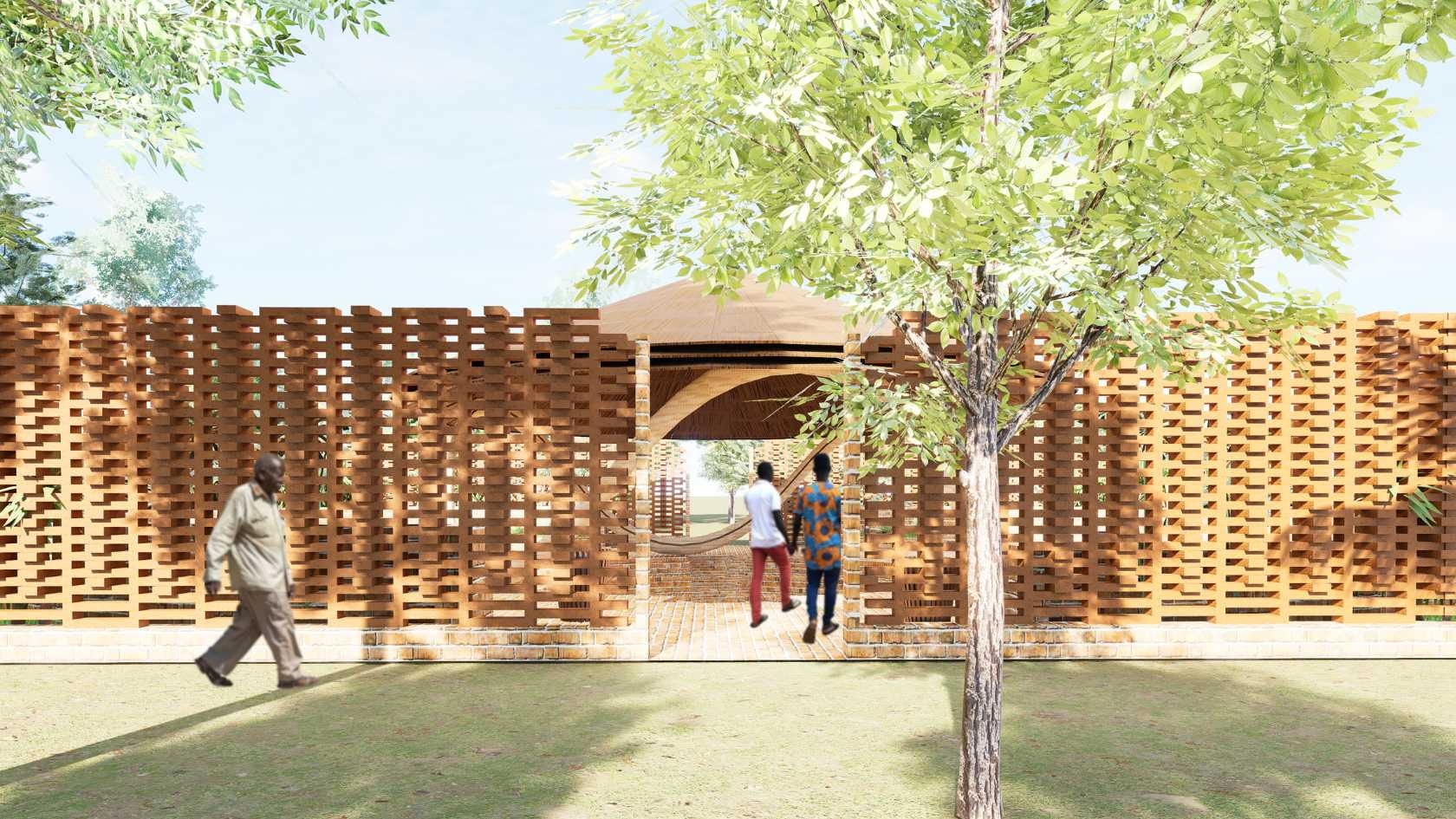
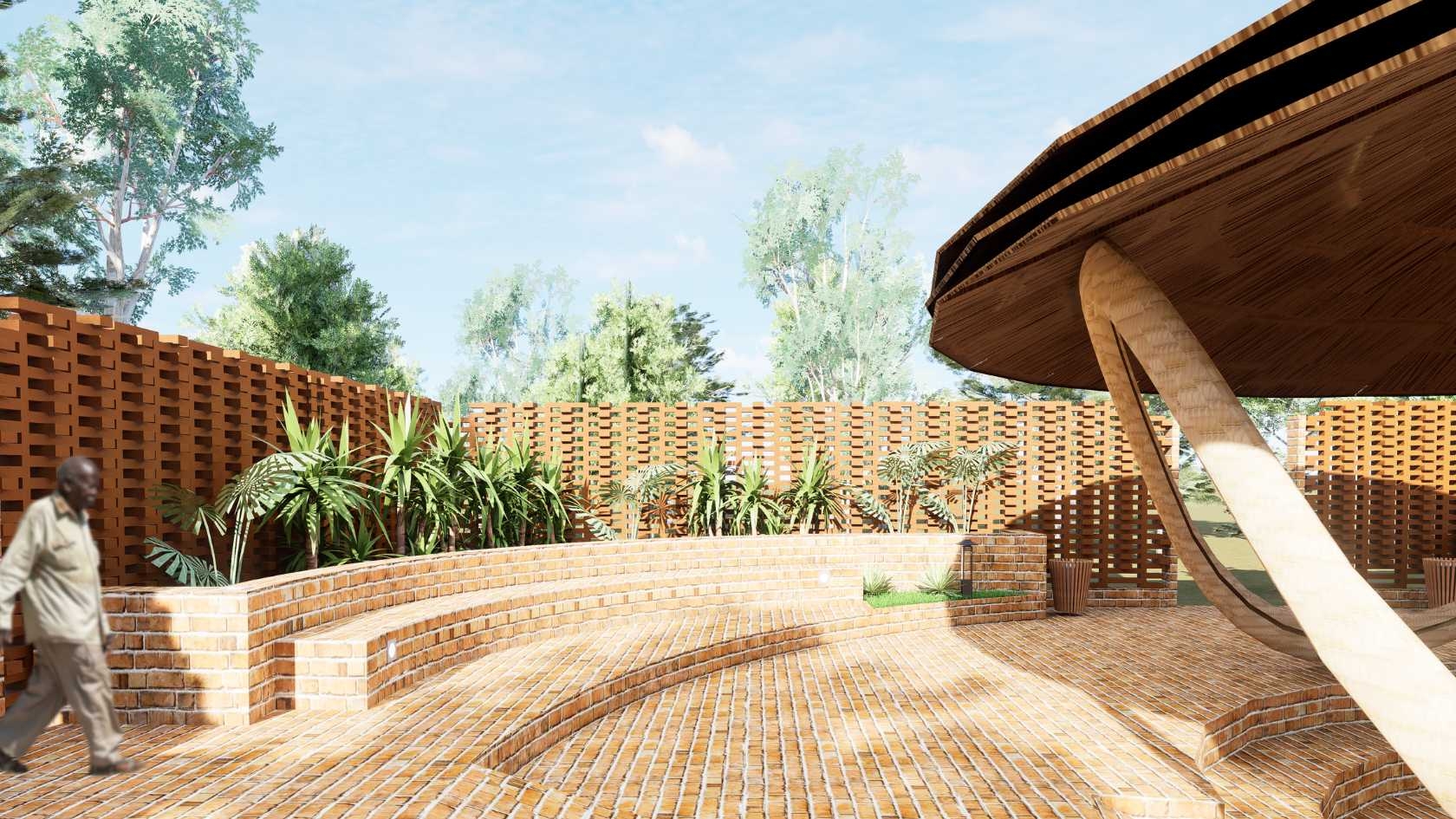
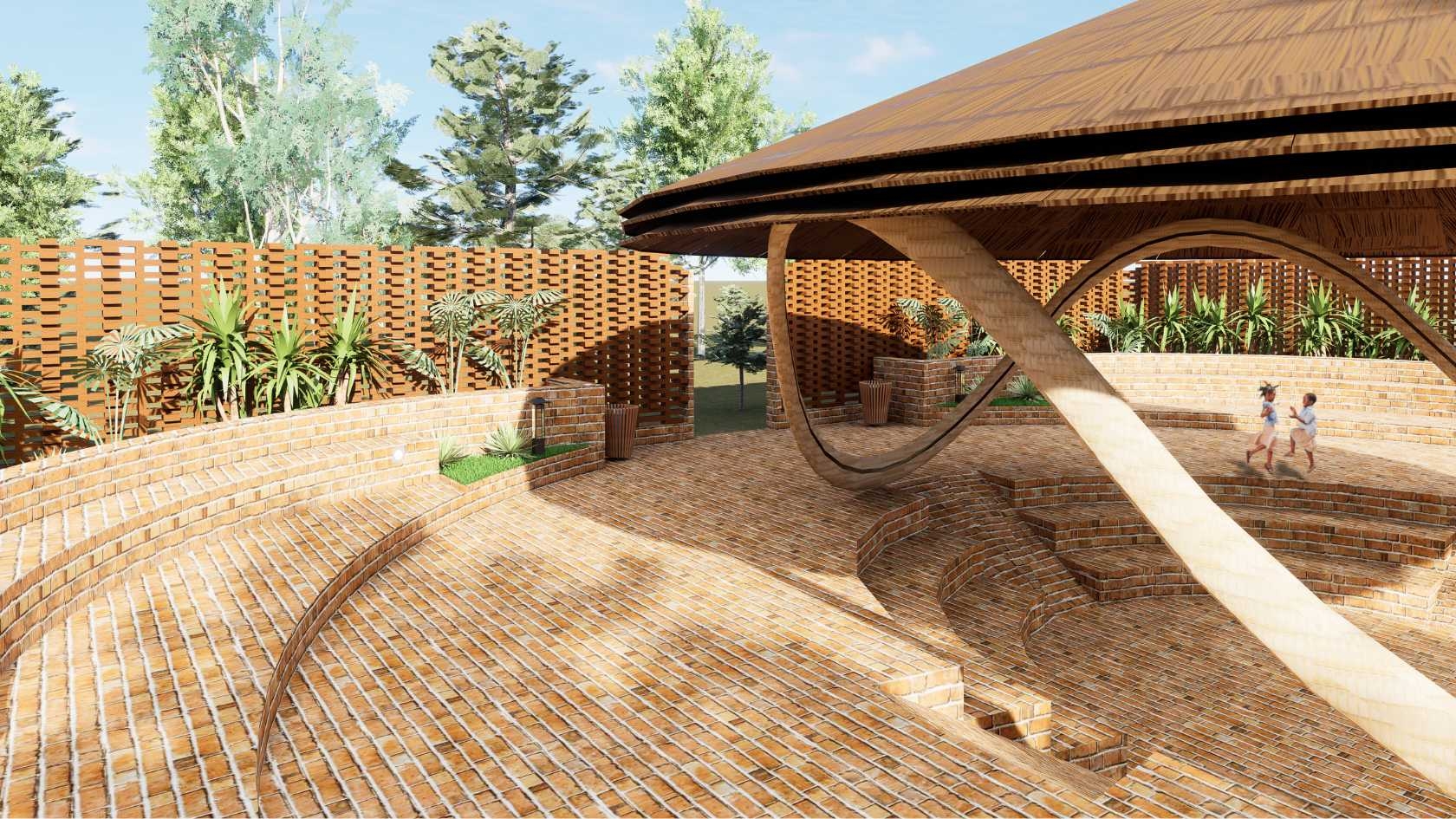
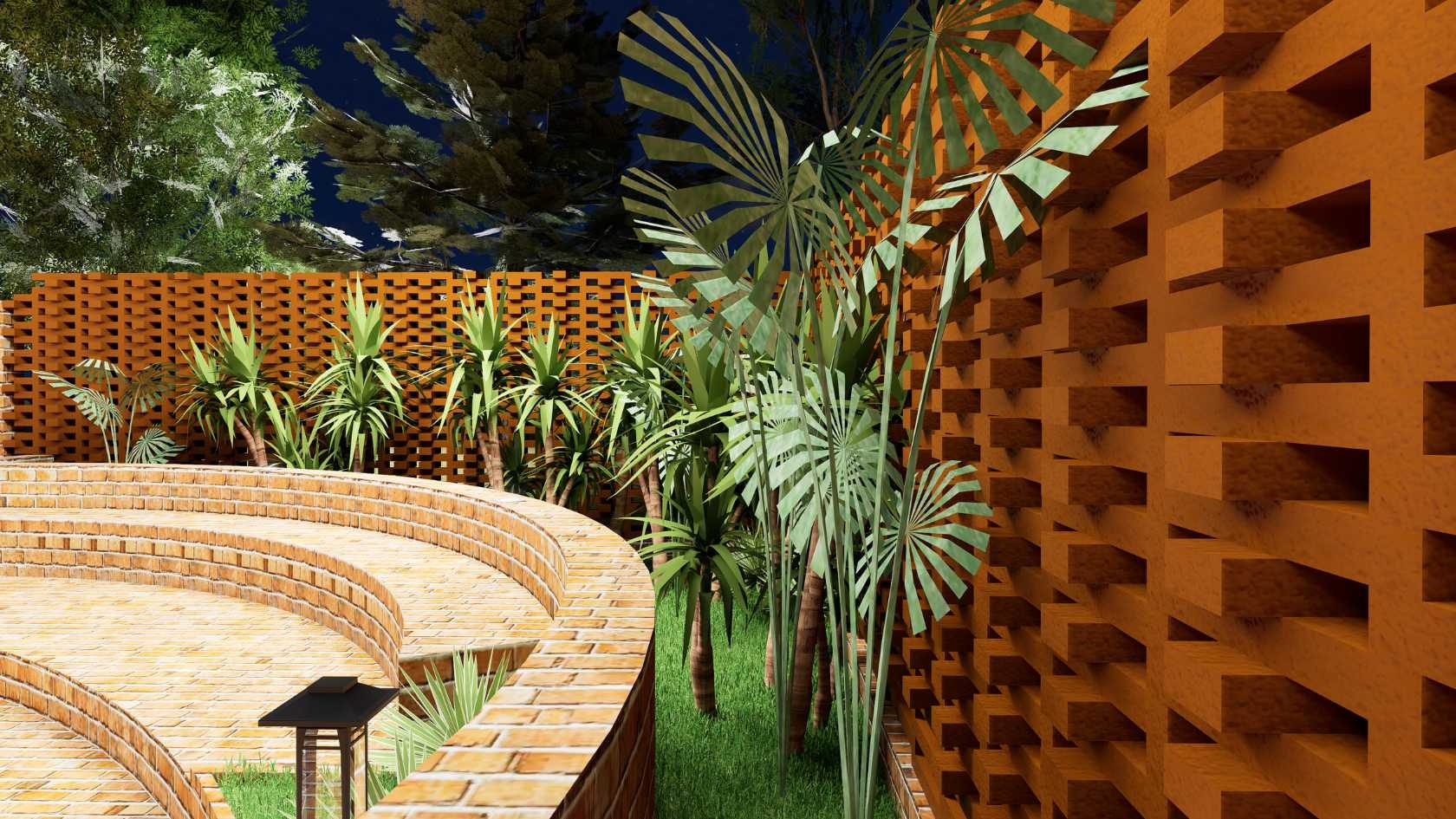
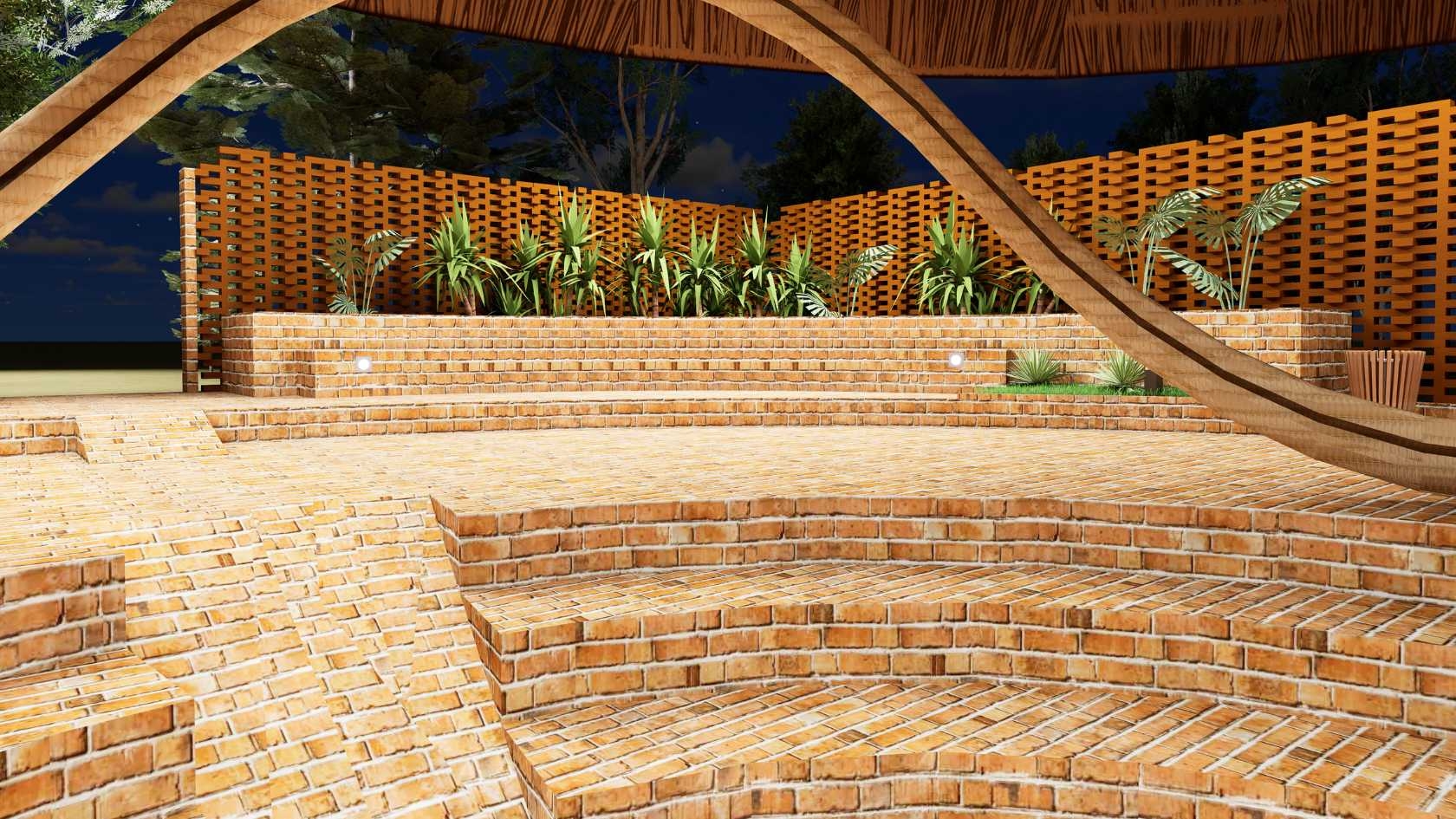
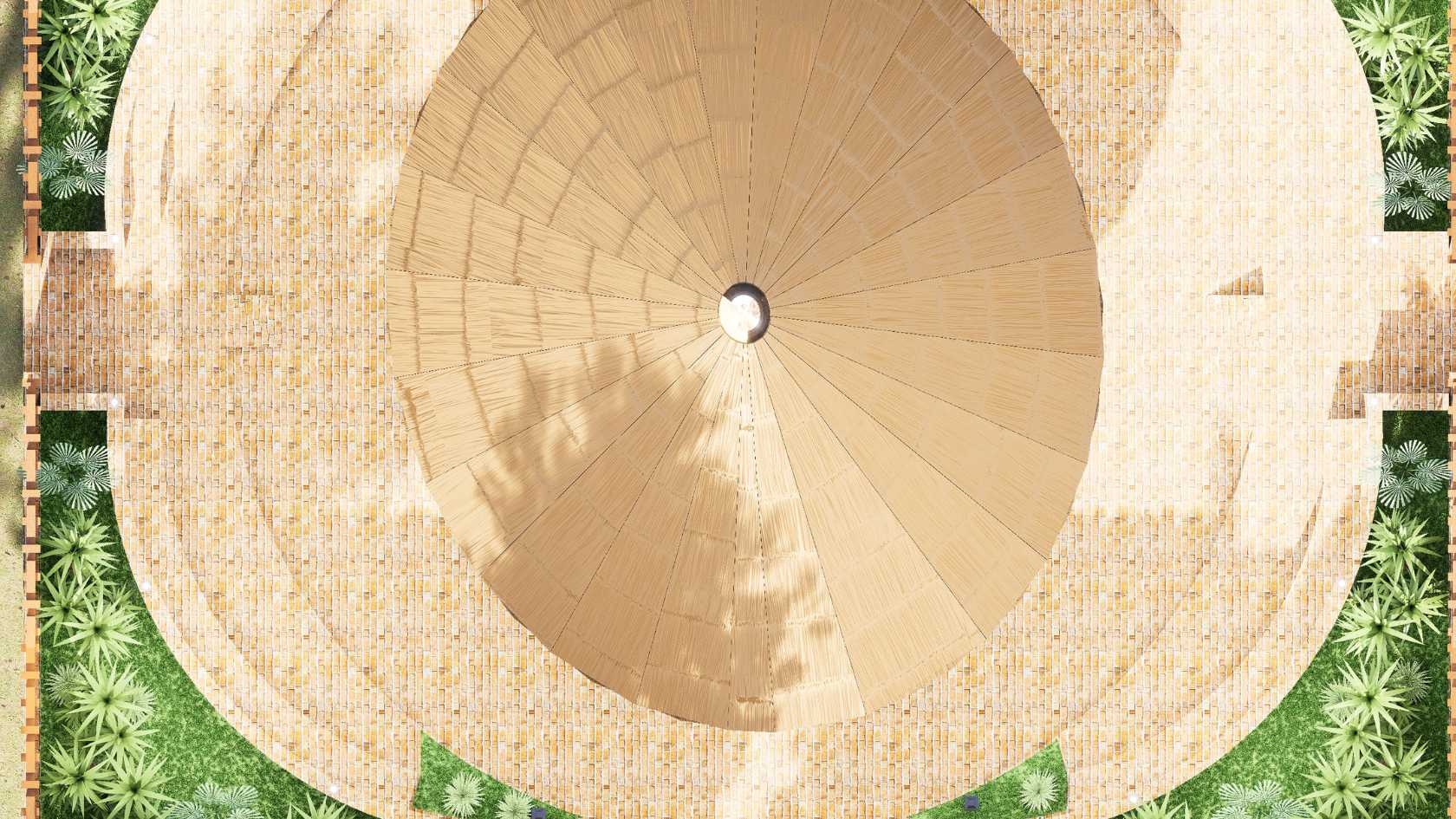
Cotonou Respire is a micro-urban oasis designed to reintroduce spaces of pause, shade, and community within the dense urban fabric of Cotonou. Rapid urbanization has led to the loss of breathable public spaces, limiting opportunities for social interaction and environmental comfort. The project proposes a small-scale intervention that transforms an ordinary urban plot into a shaded, vegetated, and welcoming gathering space. Inspired by the traditional idea of gathering around a central place, the design is organized around a circular conversation space composed of terracotta steps that function as both seating and communal gathering areas. This central heart encourages dialogue, rest, and social connection. Surrounding low perforated walls made of fired clay bricks allow natural ventilation and filtered light, while terracotta paving reinforces the use of local and climate-adapted materials. Vegetation is integrated throughout the site to create a small urban garden that provides shade, improves microclimate, and restores a connection with nature.
Cotonou Respire is a micro-urban oasis designed to reintroduce spaces of pause, shade, and community within the dense urban fabric of Cotonou. Rapid urbanization has led to the loss of breathable public spaces, limiting opportunities for social interaction and environmental comfort. The project proposes a small-scale intervention that transforms an ordinary urban plot into a shaded, vegetated, and welcoming gathering space. Inspired by the traditional idea of gathering around a central place, the design is organized around a circular conversation space composed of terracotta steps that function as both seating and communal gathering areas. This central heart encourages dialogue, rest, and social connection. Surrounding low perforated walls made of fired clay bricks allow natural ventilation and filtered light, while terracotta paving reinforces the use of local and climate-adapted materials. Vegetation is integrated throughout the site to create a small urban garden that provides shade, improves microclimate, and restores a connection with nature.
Project Innovation / Specification:
The innovation of Cotonou Respire lies in its ability to transform small and underused urban spaces into breathable community centers that address social, environmental, and cultural needs simultaneously. Rather than proposing large-scale urban interventions, the project introduces the idea of micro-urban oases that can be easily implemented and replicated throughout the city. A key specificity of the project is its central and circular spatial organization, which encourages gathering, dialogue, and community interaction. Inspired by traditional African meeting spaces such as the palaver tree, the design places people at the center through a circular seating system made of terracotta steps that naturally invites conversation and collective presence. Another innovative aspect is the use of local materials and passive climate strategies. Fired clay bricks, terracotta paving, and perforated walls help reduce heat, allow natural ventilation, and create shaded environments adapted to Cotonou’s tropical climate. Vegetation is integrated to improve the microclimate, increase urban biodiversity, and reintroduce nature into dense city areas.
The innovation of Cotonou Respire lies in its ability to transform small and underused urban spaces into breathable community centers that address social, environmental, and cultural needs simultaneously. Rather than proposing large-scale urban interventions, the project introduces the idea of micro-urban oases that can be easily implemented and replicated throughout the city. A key specificity of the project is its central and circular spatial organization, which encourages gathering, dialogue, and community interaction. Inspired by traditional African meeting spaces such as the palaver tree, the design places people at the center through a circular seating system made of terracotta steps that naturally invites conversation and collective presence. Another innovative aspect is the use of local materials and passive climate strategies. Fired clay bricks, terracotta paving, and perforated walls help reduce heat, allow natural ventilation, and create shaded environments adapted to Cotonou’s tropical climate. Vegetation is integrated to improve the microclimate, increase urban biodiversity, and reintroduce nature into dense city areas.
Project Sustainability Approach:
Cotonou Respire adopts a sustainability approach that combines environmental responsiveness, local resources, and long-term social impact. The project prioritizes the use of locally sourced materials, particularly fired clay bricks and terracotta paving, which reduce transportation impacts, support local craftsmanship, and are well adapted to the tropical climate. The design also integrates passive climate strategies to improve thermal comfort. Perforated brick walls allow natural ventilation and airflow, while the central shelter and surrounding vegetation provide shade and reduce heat accumulation. These elements help create a cooler microclimate without relying on mechanical systems. Vegetation plays a key role in the project by introducing a small urban garden that contributes to urban biodiversity, air quality improvement, and stormwater absorption. Green areas soften the mineral character of the city and create a healthier environment for users.
Cotonou Respire adopts a sustainability approach that combines environmental responsiveness, local resources, and long-term social impact. The project prioritizes the use of locally sourced materials, particularly fired clay bricks and terracotta paving, which reduce transportation impacts, support local craftsmanship, and are well adapted to the tropical climate. The design also integrates passive climate strategies to improve thermal comfort. Perforated brick walls allow natural ventilation and airflow, while the central shelter and surrounding vegetation provide shade and reduce heat accumulation. These elements help create a cooler microclimate without relying on mechanical systems. Vegetation plays a key role in the project by introducing a small urban garden that contributes to urban biodiversity, air quality improvement, and stormwater absorption. Green areas soften the mineral character of the city and create a healthier environment for users.
Local and Regional Impacts of the Project:
Cotonou Respire aims to improve everyday urban life by creating accessible micro-oases that provide shade, rest, and social gathering spaces within dense city areas. At the local level, the project enhances thermal comfort, encourages community interaction, and reconnects residents with nature through vegetation and open communal seating. By using locally sourced materials such as fired clay and terracotta, it also supports regional craftsmanship and sustainable construction practices. At the regional scale, the project proposes a simple and replicable model for West African cities facing similar challenges of urban density, heat, and lack of public green spaces, demonstrating how small interventions can generate meaningful social and environmental benefits.
Cotonou Respire aims to improve everyday urban life by creating accessible micro-oases that provide shade, rest, and social gathering spaces within dense city areas. At the local level, the project enhances thermal comfort, encourages community interaction, and reconnects residents with nature through vegetation and open communal seating. By using locally sourced materials such as fired clay and terracotta, it also supports regional craftsmanship and sustainable construction practices. At the regional scale, the project proposes a simple and replicable model for West African cities facing similar challenges of urban density, heat, and lack of public green spaces, demonstrating how small interventions can generate meaningful social and environmental benefits.

Lead Designer(s) Name(s):Ruth-De-Franck Antonela Botoukou