LES PETITES JARRES DE KABAR
Prize(s):
WINNER 2026 ARCHITECTURE / Public building Architecture
School / University Name:Africa Design School
Lead Designer(s) Name(s):Harold SEKPE
Design Team / Other designer(s):GLELE Ashley and TOHOUEKPON Nefthalia
Project Location:Sénégal
Design Status:Concept
Website: View
Project Description:
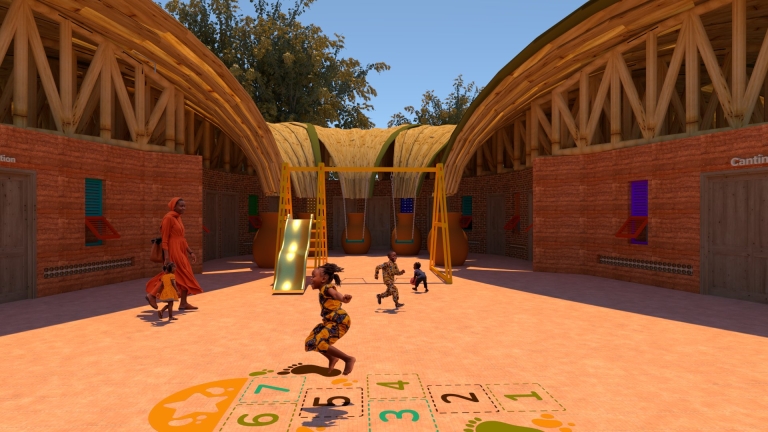
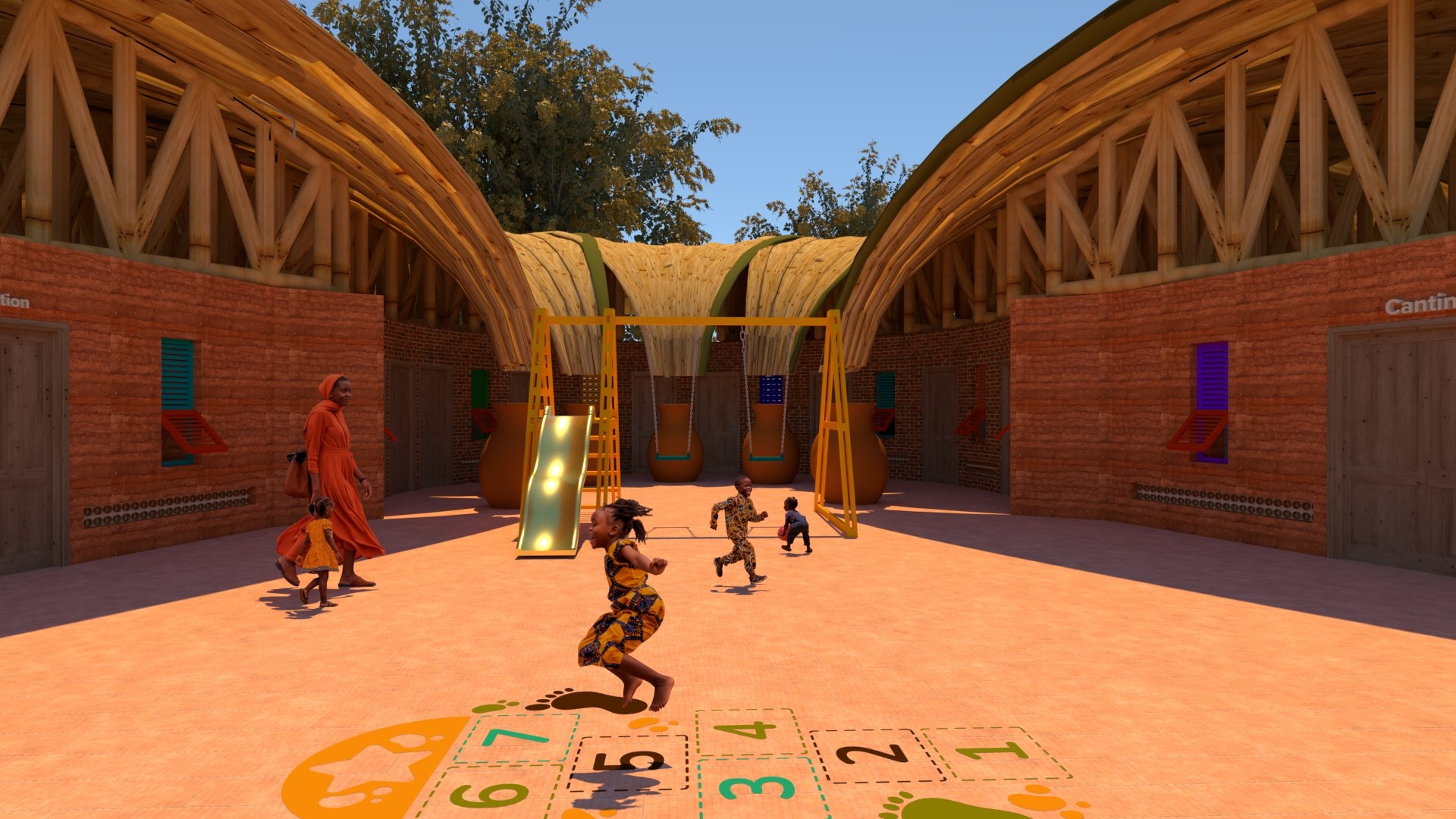
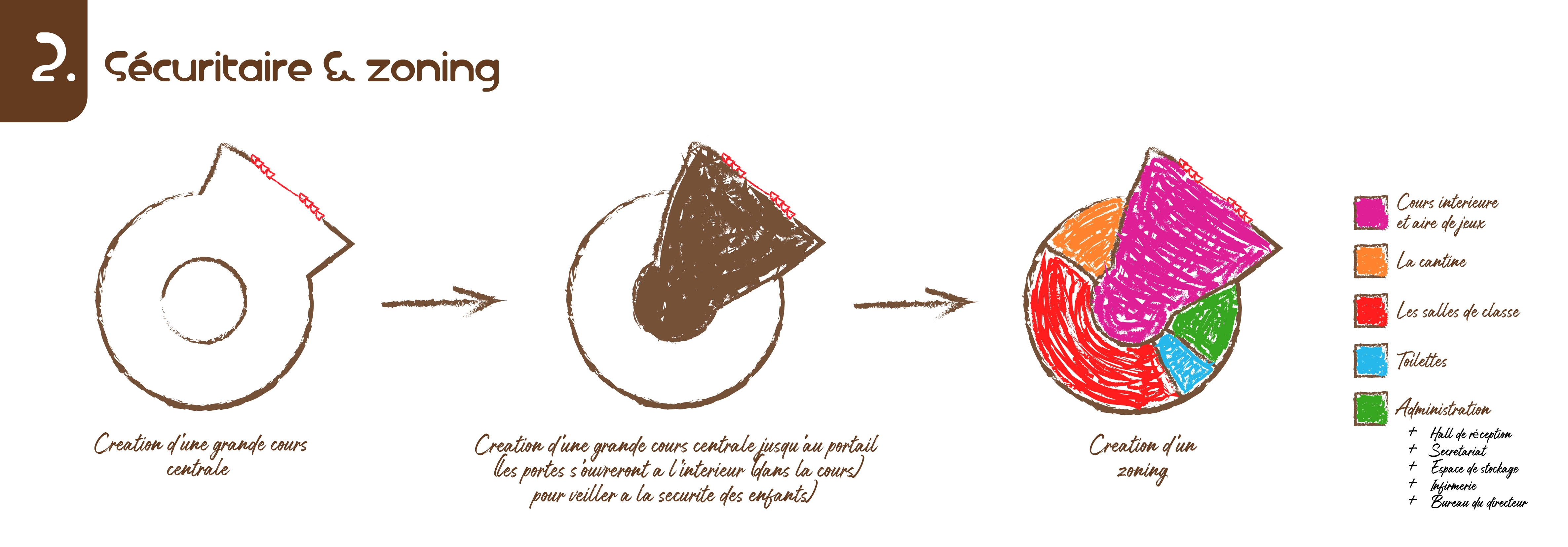
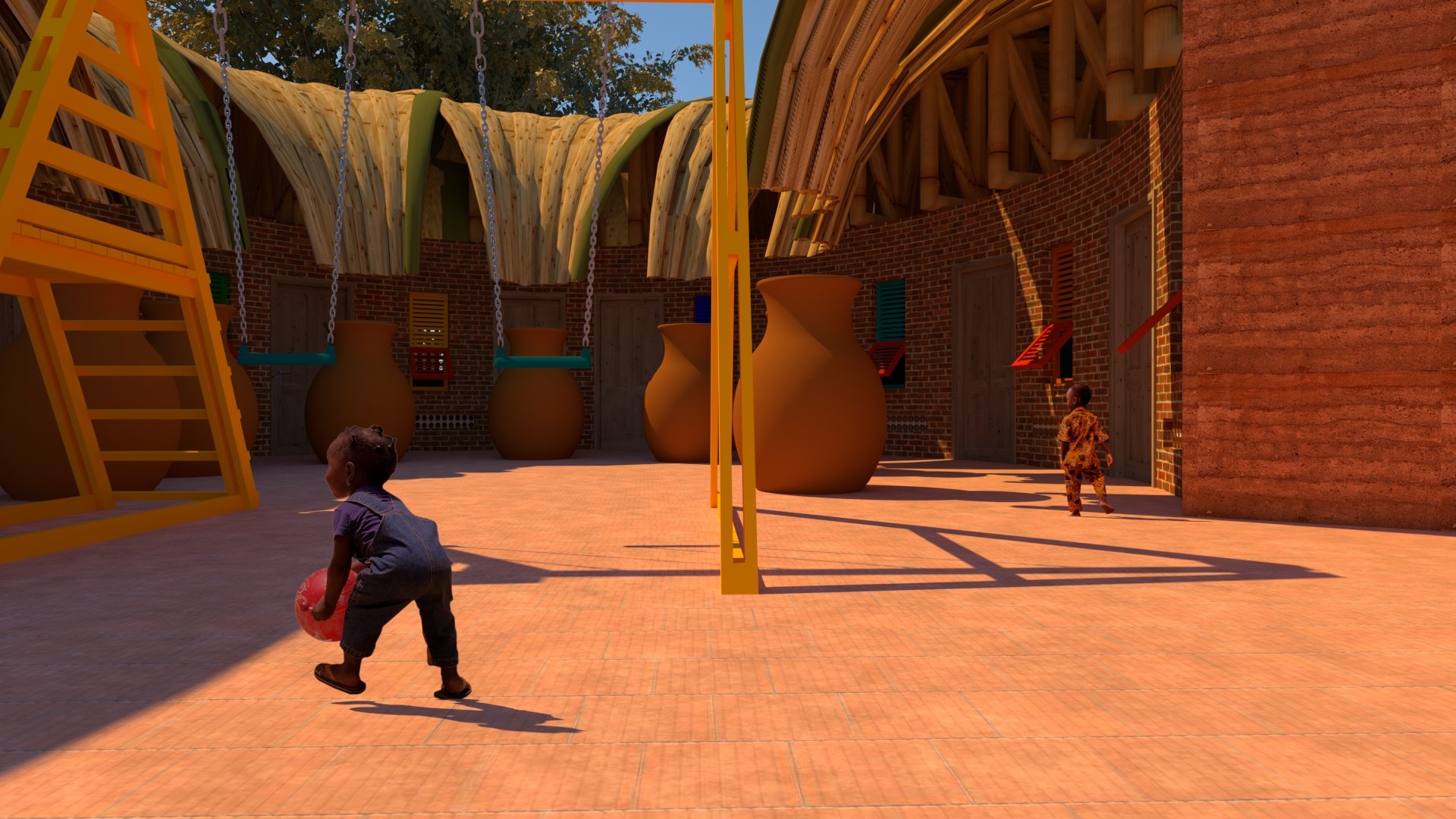
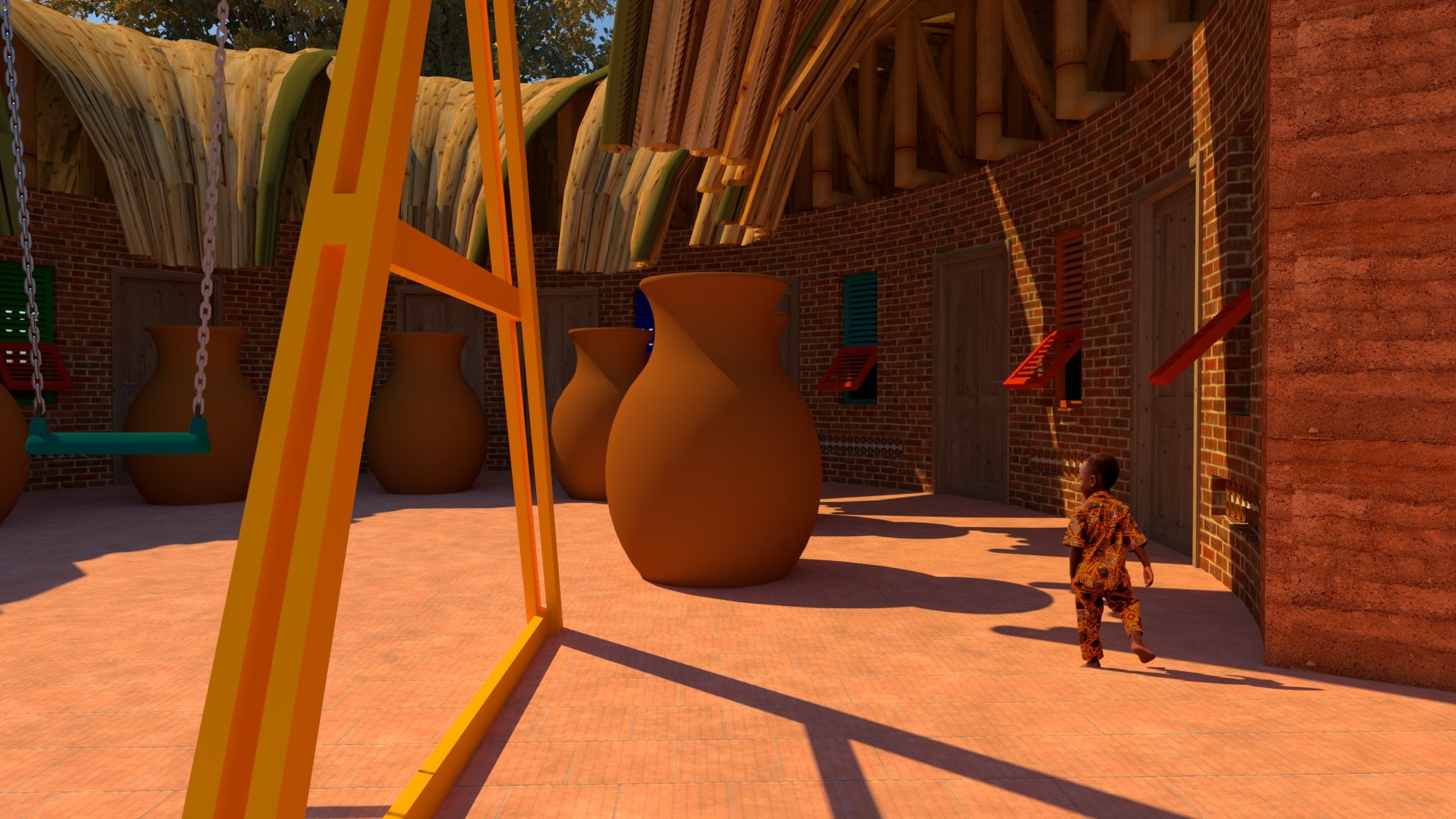
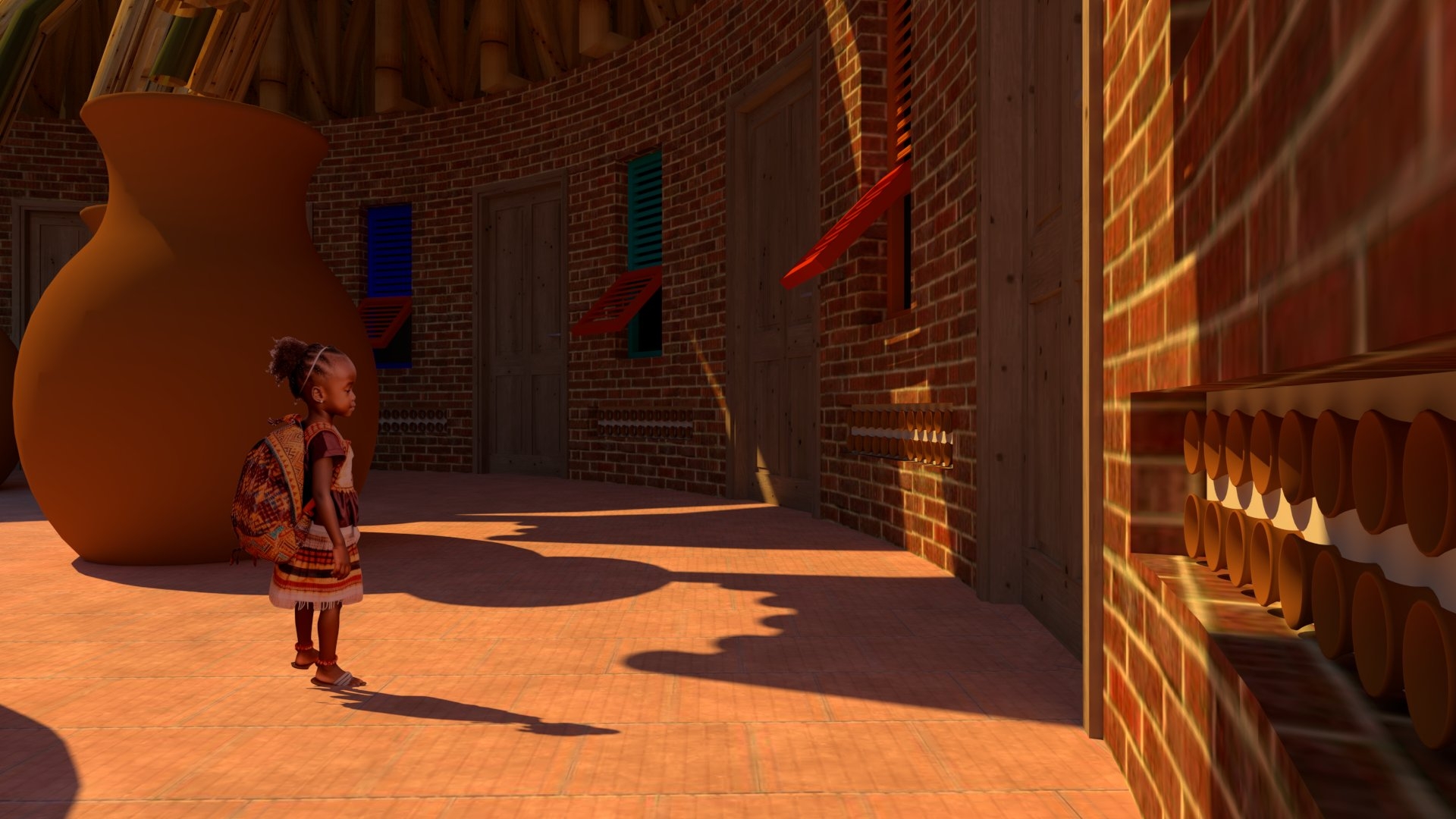
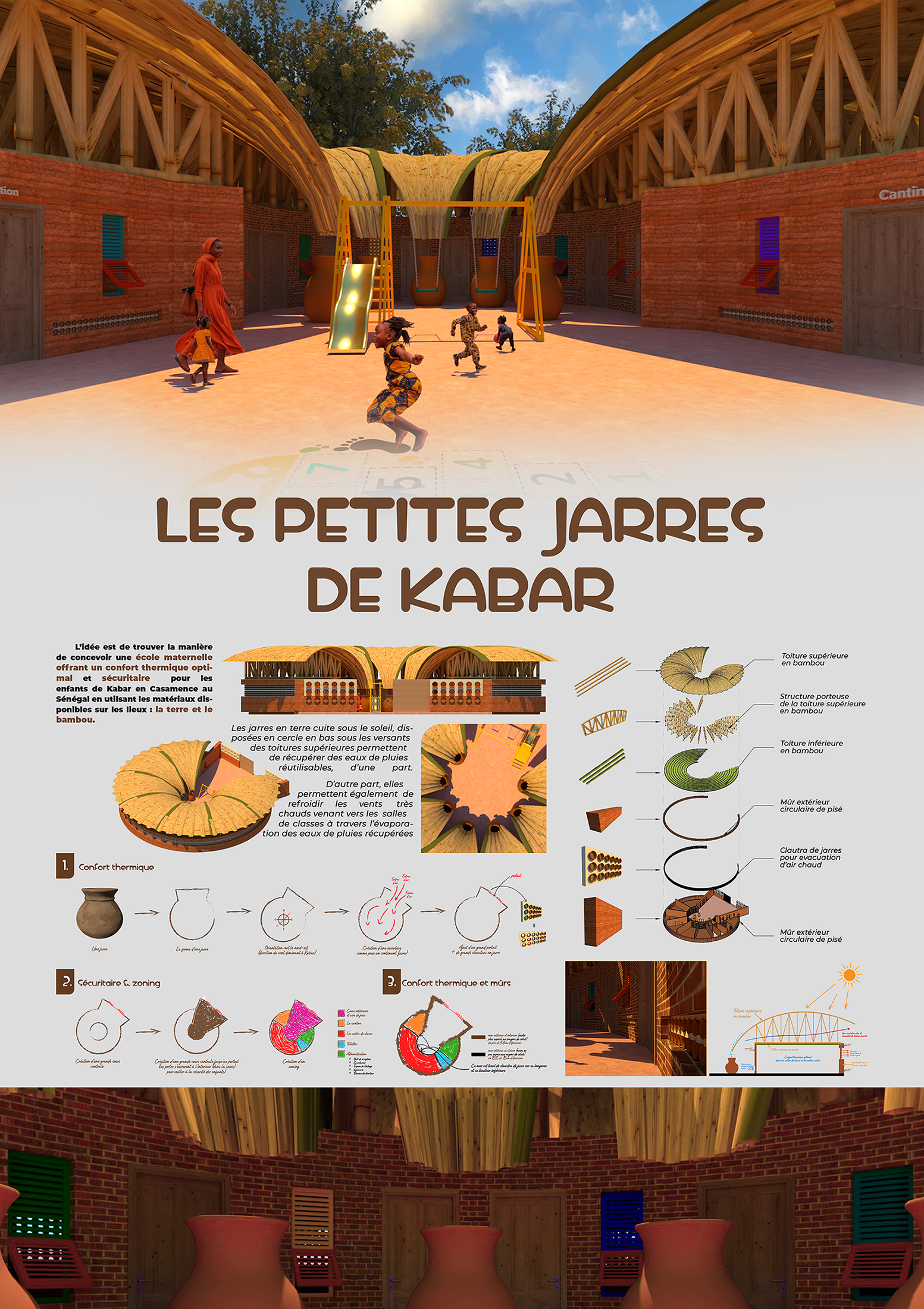
The project (the small jars of Kabar) consists in designing a kindergarten for children from 3 to 6 years old in the village of Kabar, in Casamance (Senegal). This school aims to offer a safe, stimulating and adapted educational environment for young children. The program includes five classrooms, play areas, a nurse’s office, a canteen, administrative offices, storage space and toilets, all in a maximum area of 500 m 2. The project responds to a real need for educational infrastructure in this region where learning conditions are often precarious. The objective is to create a learning environment that promotes the awakening, socialization and development of children from an early age. The architecture fits into its natural and cultural environment by relying on local materials and traditional know-how. The project also seeks to strengthen the link between the school and the local community in order to promote the appropriation of the place by the inhabitants and ensure its sustainability. This school aims to become a welcoming, sustainable educational space adapted to the tropical climate of Casamance.
The project (the small jars of Kabar) consists in designing a kindergarten for children from 3 to 6 years old in the village of Kabar, in Casamance (Senegal). This school aims to offer a safe, stimulating and adapted educational environment for young children. The program includes five classrooms, play areas, a nurse’s office, a canteen, administrative offices, storage space and toilets, all in a maximum area of 500 m 2. The project responds to a real need for educational infrastructure in this region where learning conditions are often precarious. The objective is to create a learning environment that promotes the awakening, socialization and development of children from an early age. The architecture fits into its natural and cultural environment by relying on local materials and traditional know-how. The project also seeks to strengthen the link between the school and the local community in order to promote the appropriation of the place by the inhabitants and ensure its sustainability. This school aims to become a welcoming, sustainable educational space adapted to the tropical climate of Casamance.
Project Innovation / Specification:
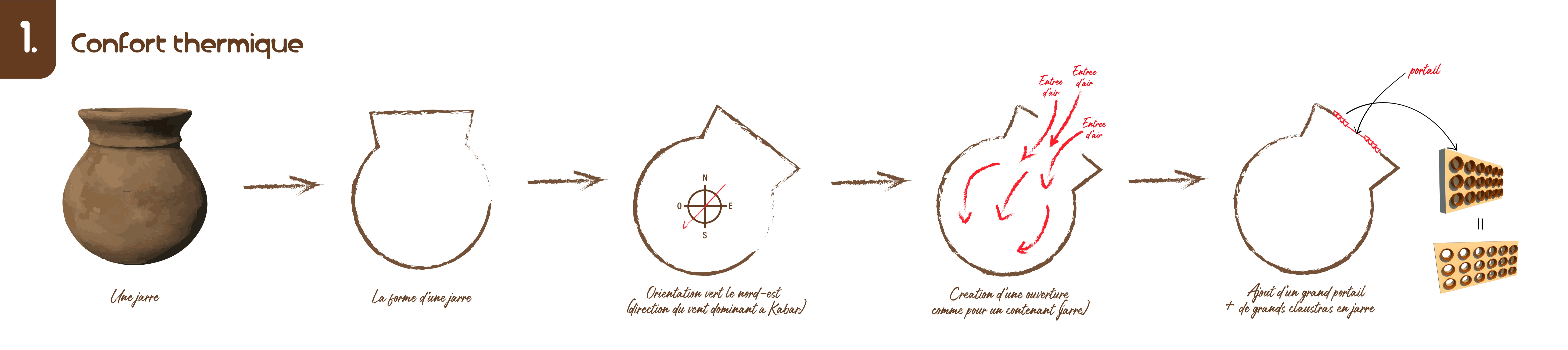
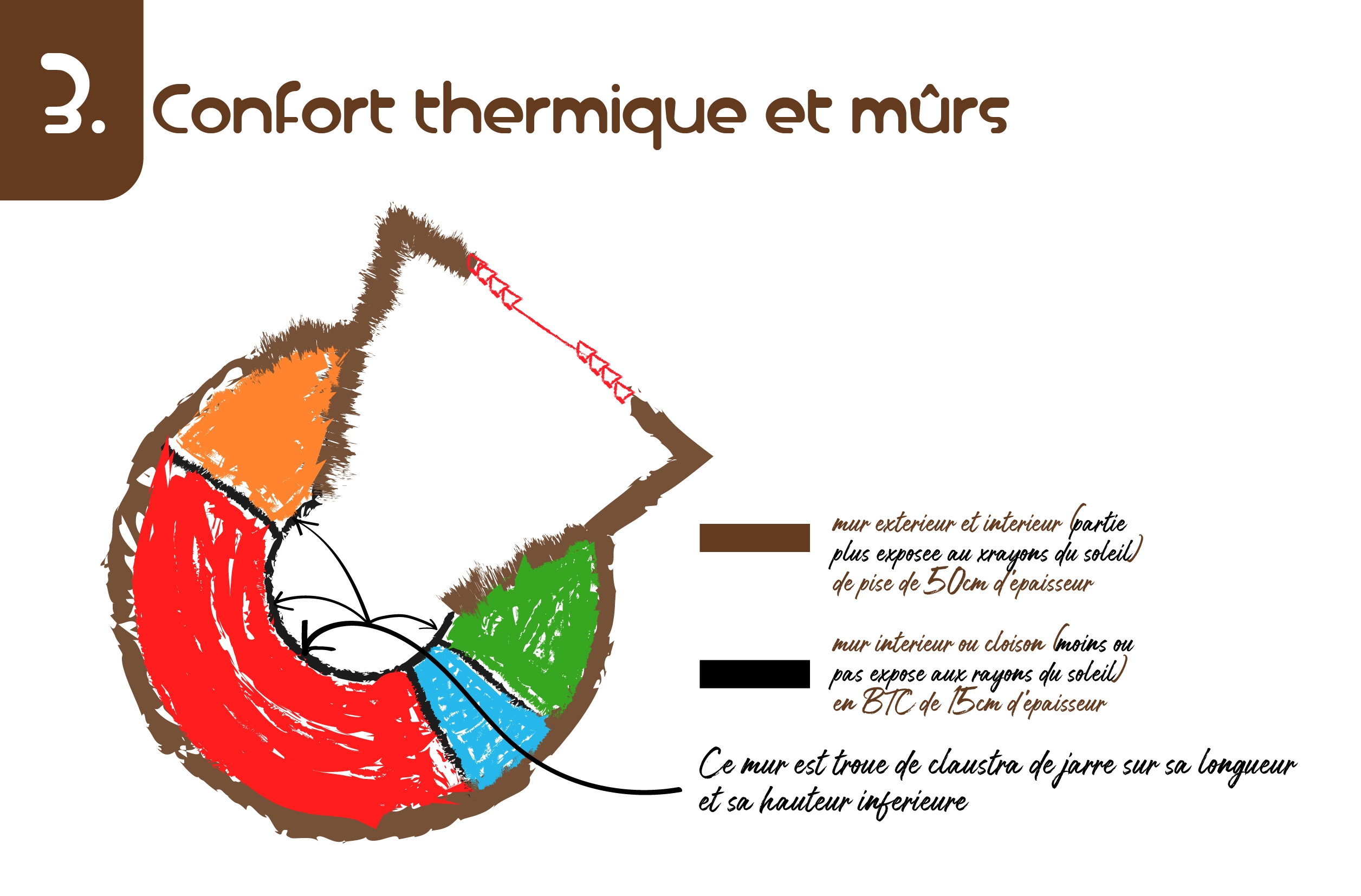
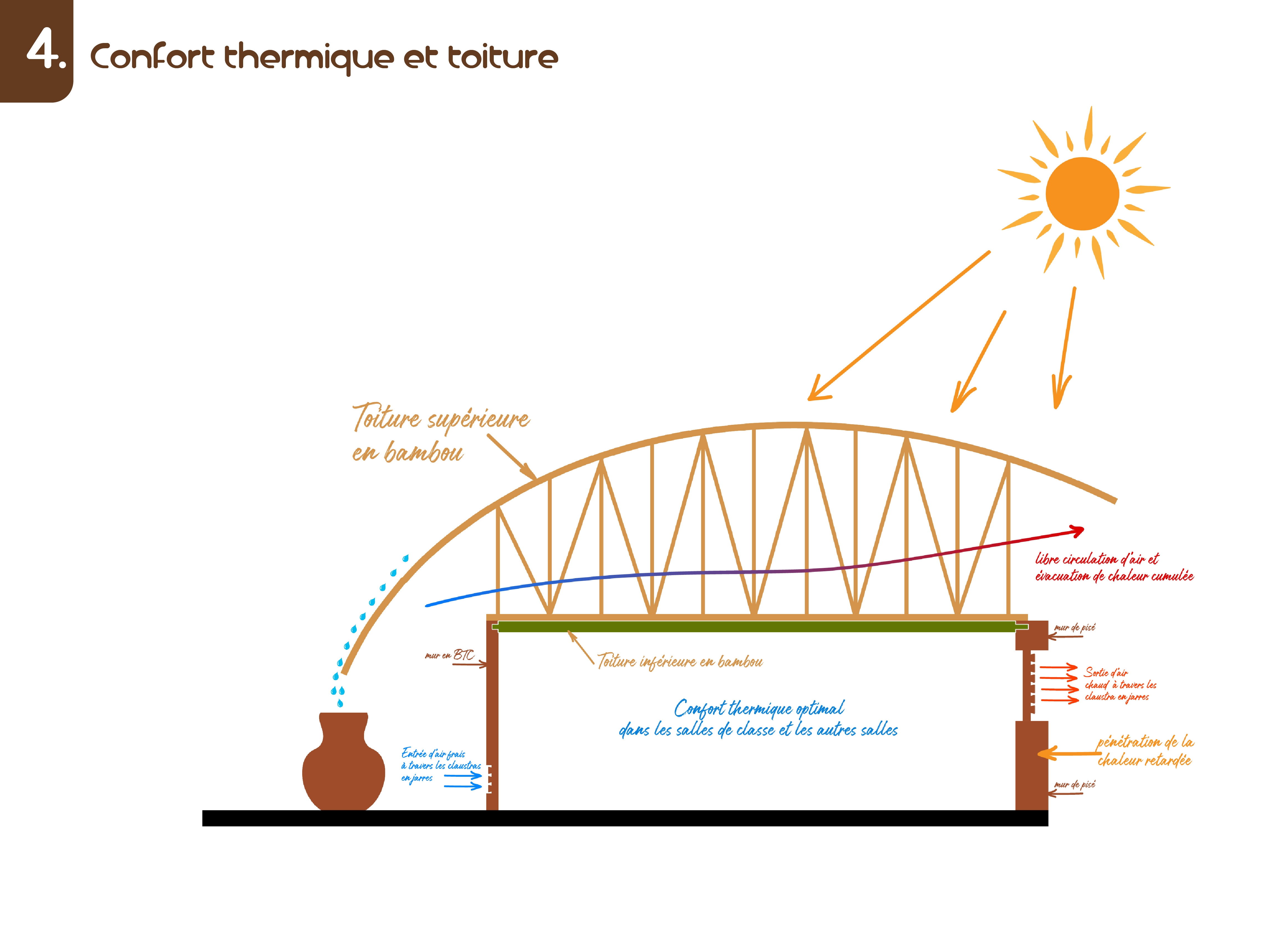
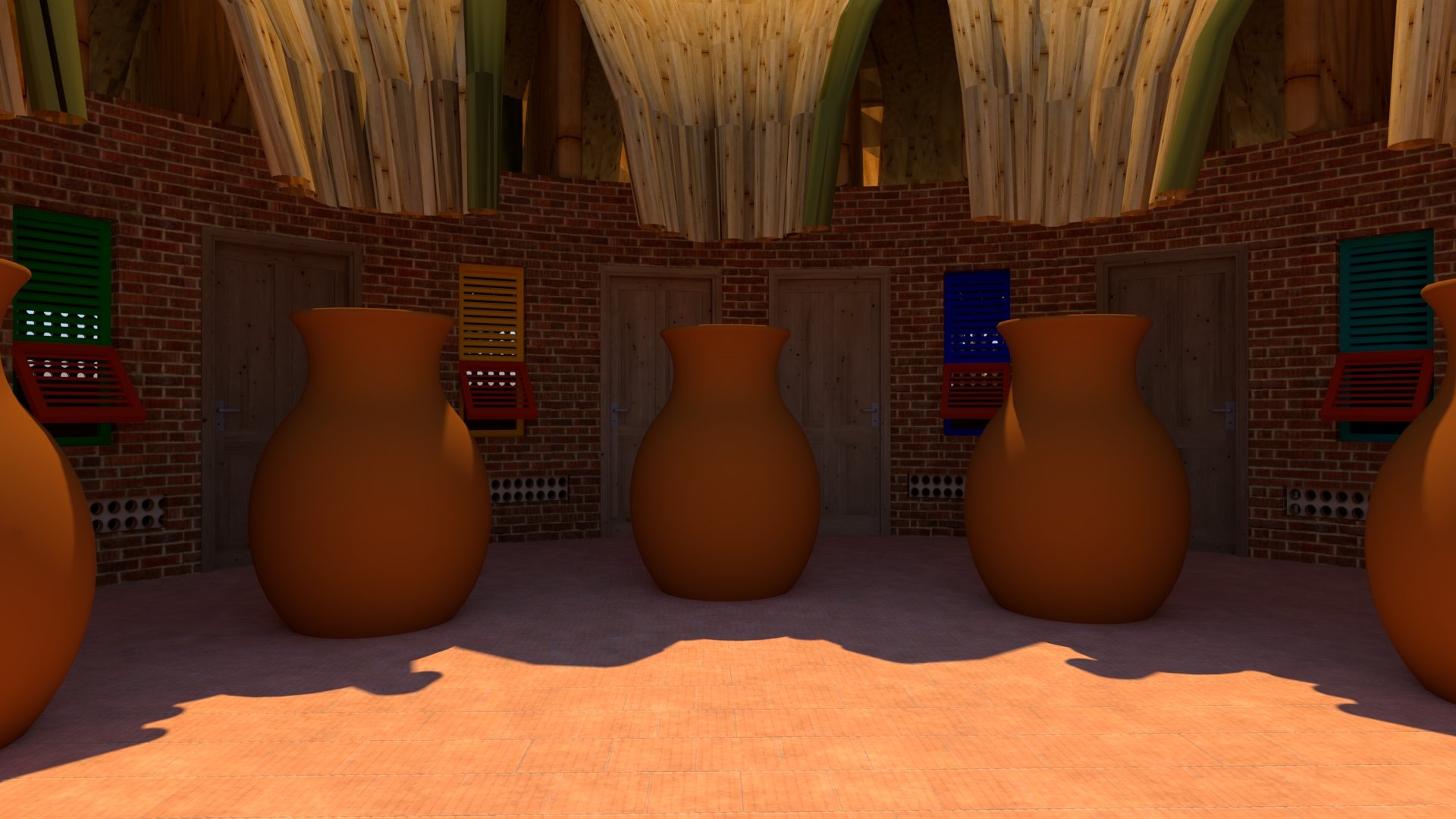
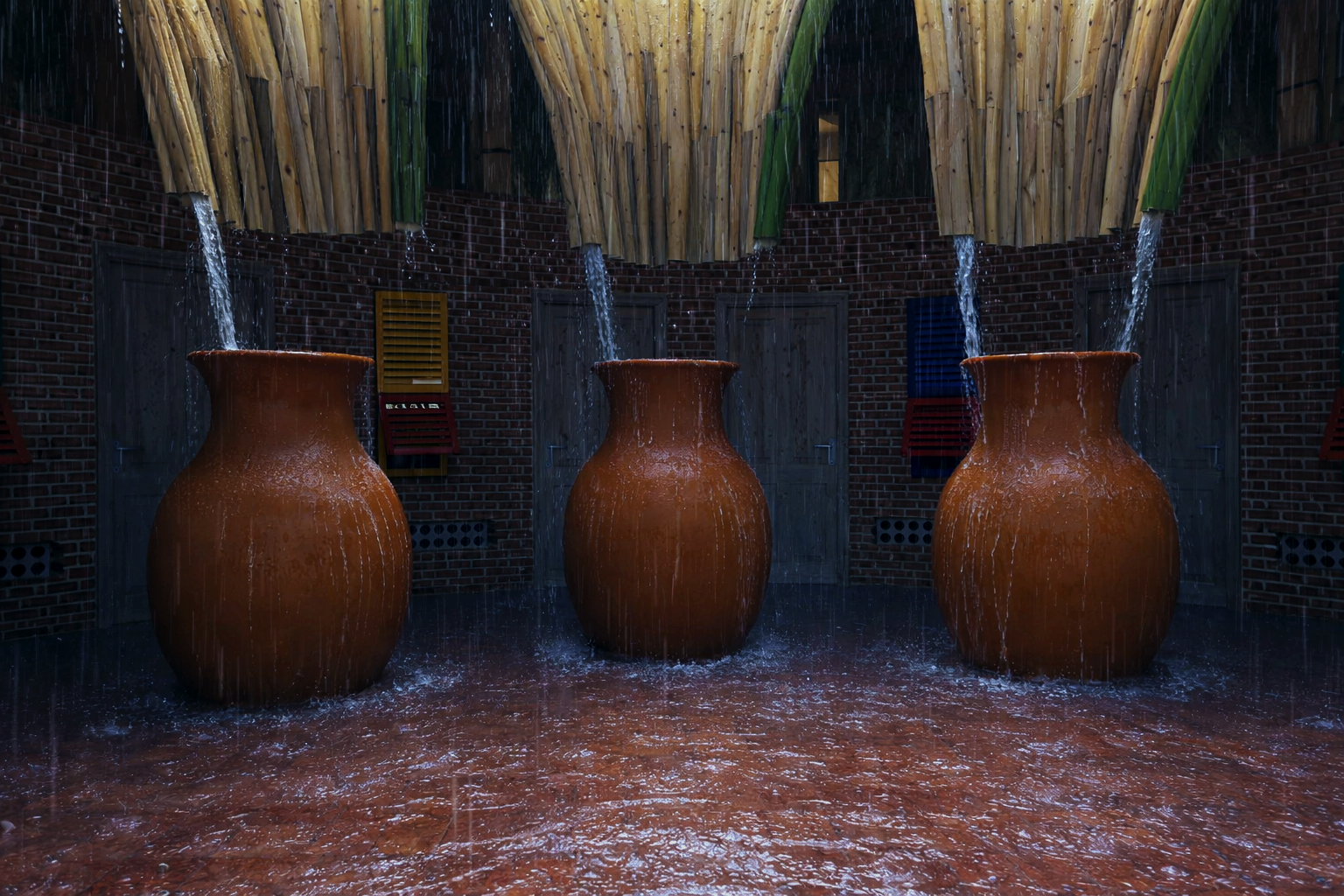
The innovation of the project is based on a bioclimatic approach inspired by the principles of African vernacular architecture. The architectural concept is based on the shape and functioning of the traditional jar, a symbol of natural freshness in many African cultures. Like the jar that keeps water cool through evaporation through its earthen walls, the building is designed to promote natural ventilation and regulate indoor temperature. The walls are made of breathable materials such as raw earth or stabilized clay bricks, allowing heat to be gradually absorbed and released. The spatial organization favors open spaces, ventilated circulations and roofs adapted to the tropical climate in order to capture the prevailing winds and improve thermal comfort without resorting to energy-consuming systems. The project also offers flexible educational spaces promoting play, learning and social interactions. Architecture thus becomes a real educational tool and a development support for children.
The innovation of the project is based on a bioclimatic approach inspired by the principles of African vernacular architecture. The architectural concept is based on the shape and functioning of the traditional jar, a symbol of natural freshness in many African cultures. Like the jar that keeps water cool through evaporation through its earthen walls, the building is designed to promote natural ventilation and regulate indoor temperature. The walls are made of breathable materials such as raw earth or stabilized clay bricks, allowing heat to be gradually absorbed and released. The spatial organization favors open spaces, ventilated circulations and roofs adapted to the tropical climate in order to capture the prevailing winds and improve thermal comfort without resorting to energy-consuming systems. The project also offers flexible educational spaces promoting play, learning and social interactions. Architecture thus becomes a real educational tool and a development support for children.
Project Sustainability Approach:
The sustainability of the project is based on the use of local resources, the reduction of environmental impact and the involvement of the community in the construction process. The project prioritizes materials available in the region such as earth (banco), wood, bamboo and palm leaves for roofing. These materials have many advantages: low carbon footprint, good thermal insulation and adaptation to local climatic conditions. The bioclimatic architecture also limits energy consumption thanks to natural ventilation, passive lighting and strategic orientation of openings. Outdoor spaces and shaded areas contribute to thermal comfort and promote educational activities in the open air. Finally, the participation of the local community is a key element in the sustainability of the project. The involvement of the inhabitants in the construction and management of the school reinforces the appropriation of the place and contributes to ensuring its social and economic sustainability.
The sustainability of the project is based on the use of local resources, the reduction of environmental impact and the involvement of the community in the construction process. The project prioritizes materials available in the region such as earth (banco), wood, bamboo and palm leaves for roofing. These materials have many advantages: low carbon footprint, good thermal insulation and adaptation to local climatic conditions. The bioclimatic architecture also limits energy consumption thanks to natural ventilation, passive lighting and strategic orientation of openings. Outdoor spaces and shaded areas contribute to thermal comfort and promote educational activities in the open air. Finally, the participation of the local community is a key element in the sustainability of the project. The involvement of the inhabitants in the construction and management of the school reinforces the appropriation of the place and contributes to ensuring its social and economic sustainability.
Local and Regional Impacts of the Project:
The project aims to improve access to pre-school education in the village of Kabar in Casamance, where educational infrastructure remains limited. The creation of an adapted nursery school will promote the cognitive and social development of children from an early age and better prepare them for entry into primary school. At the local level, the project will strengthen the link between the school and the community by involving the inhabitants in the construction and life of the establishment. The use of local materials and know-how will also help support the local economy. At the regional level, this project can become a model of sustainable educational architecture adapted to tropical climates, valuing local resources and bioclimatic principles.
The project aims to improve access to pre-school education in the village of Kabar in Casamance, where educational infrastructure remains limited. The creation of an adapted nursery school will promote the cognitive and social development of children from an early age and better prepare them for entry into primary school. At the local level, the project will strengthen the link between the school and the community by involving the inhabitants in the construction and life of the establishment. The use of local materials and know-how will also help support the local economy. At the regional level, this project can become a model of sustainable educational architecture adapted to tropical climates, valuing local resources and bioclimatic principles.