Context-Responsive Habitat
Prize(s):
WINNER 2026 ARCHITECTURE / Residential Architecture
School / University Name:University of Constantine3 Salah Boubnider Faculty of Architecture and Urban Planning
Lead Designer(s) Name(s):Aridj Bouchemma
Design Team / Other designer(s):Bouaziz Meriem Hasna / boudaira abir
Professor Name(s):Benjaballah ouassila
Photo Credit:Bouaziz M. H., Boudaira A., & Bouchemma A.
Project Location:Lower Souika, Historic Centre of Constantine, Algeria.
Design Status:Concept
Website: View
Video URL:View
Project Description:
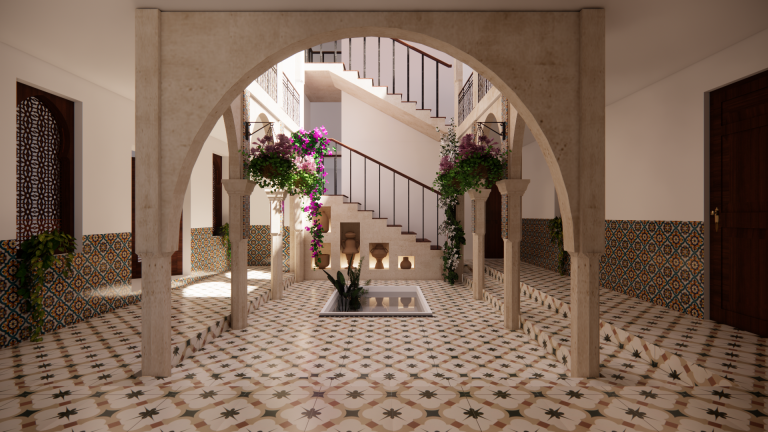
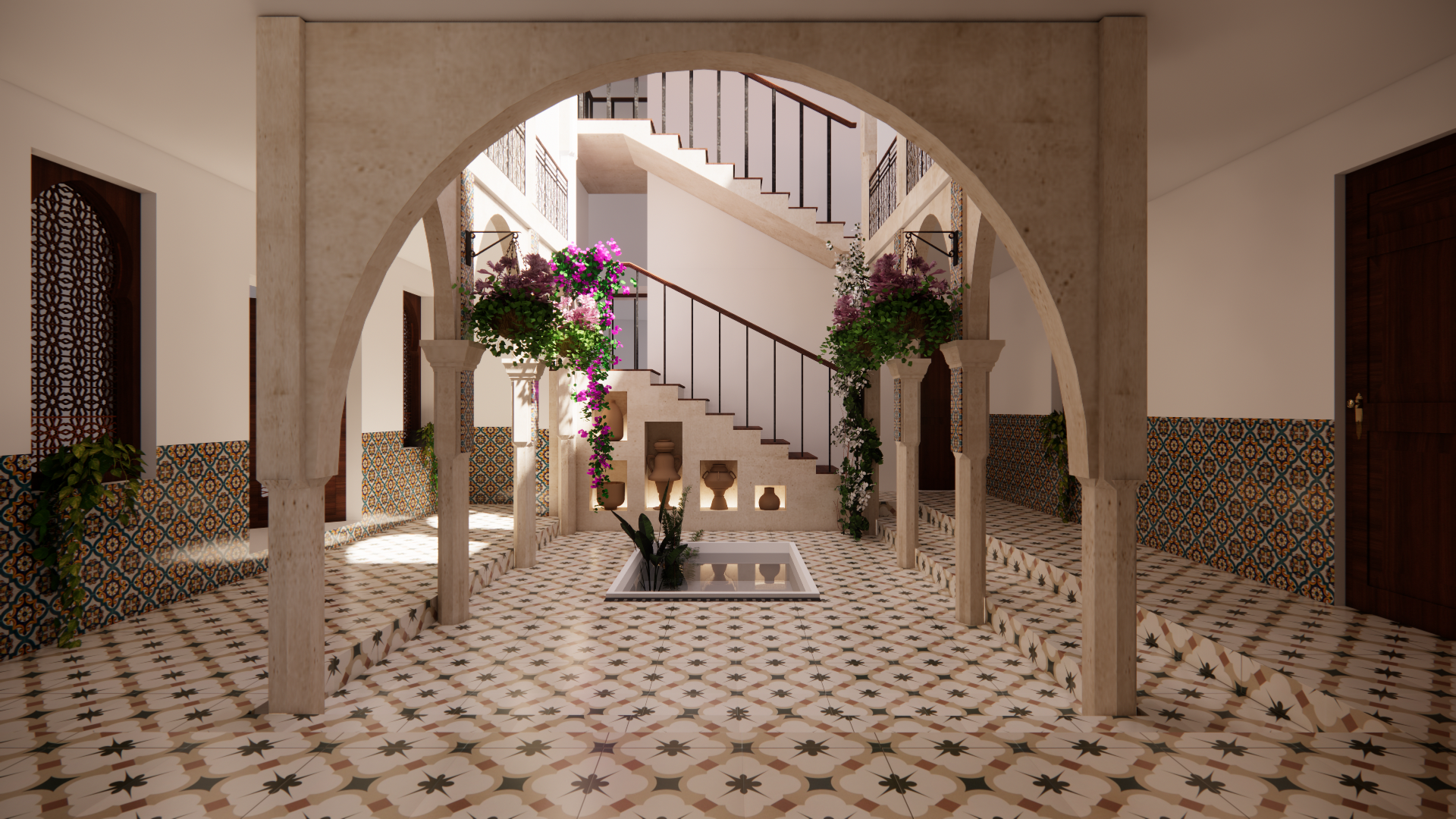
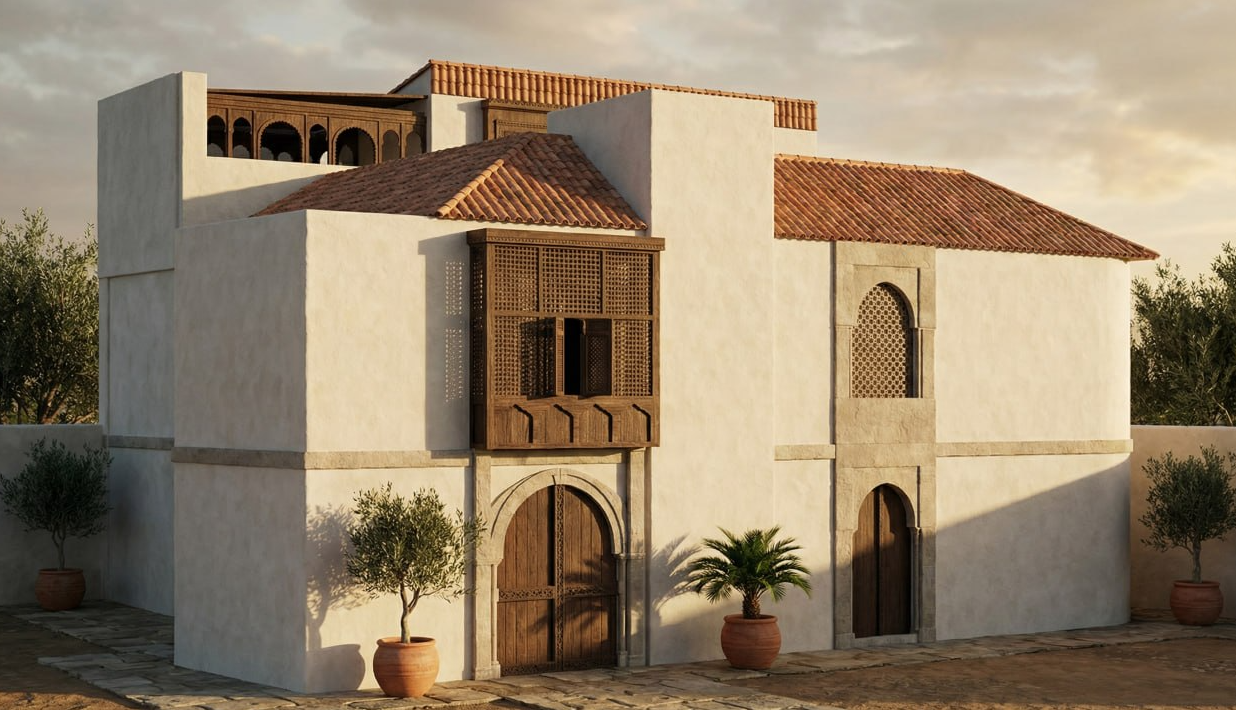
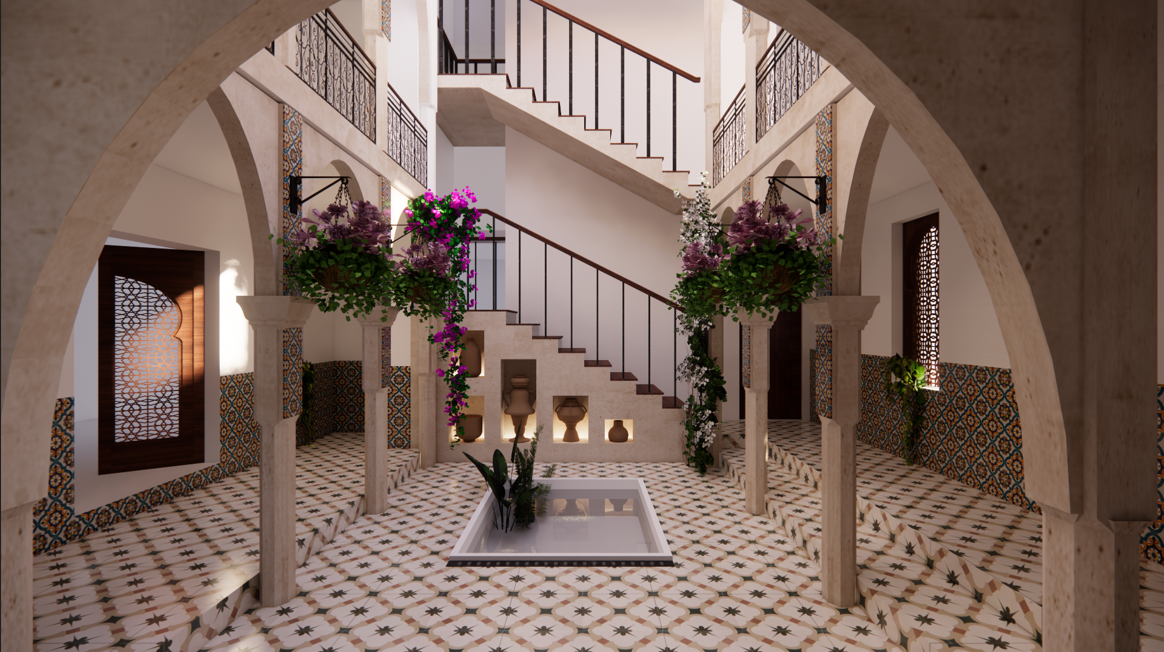
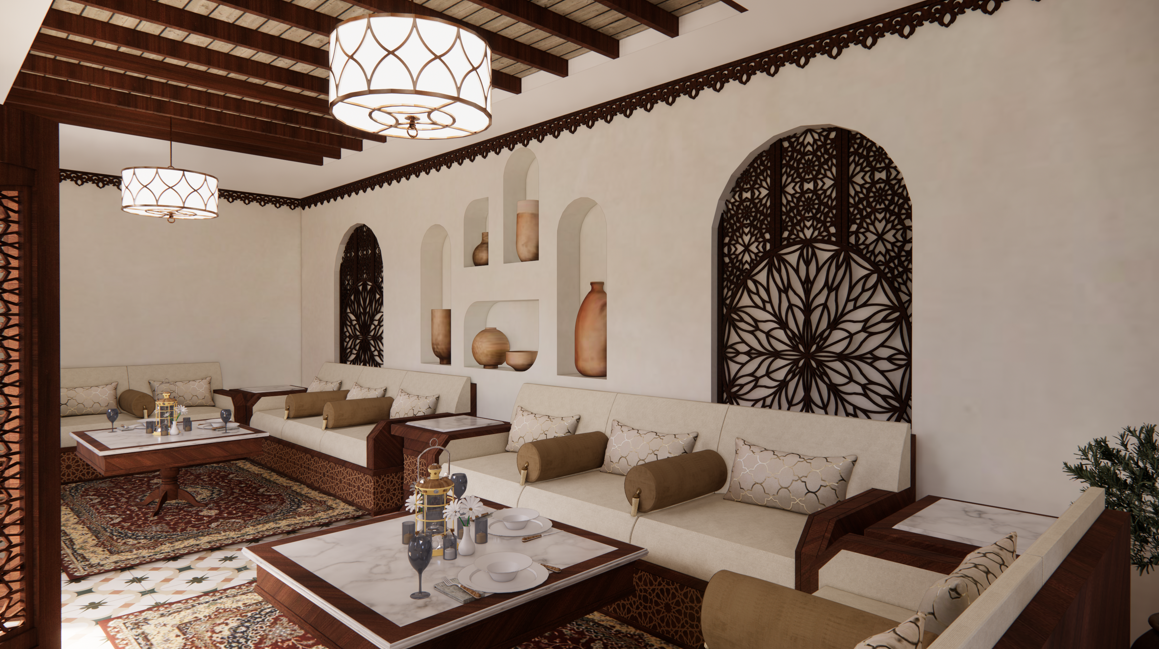
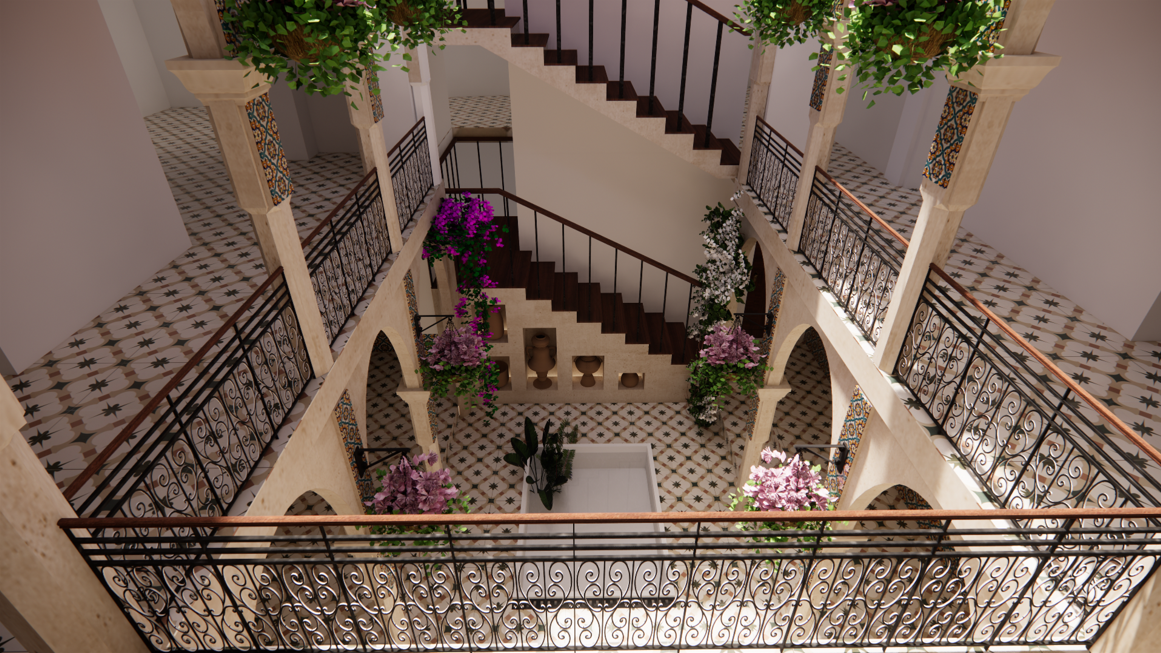
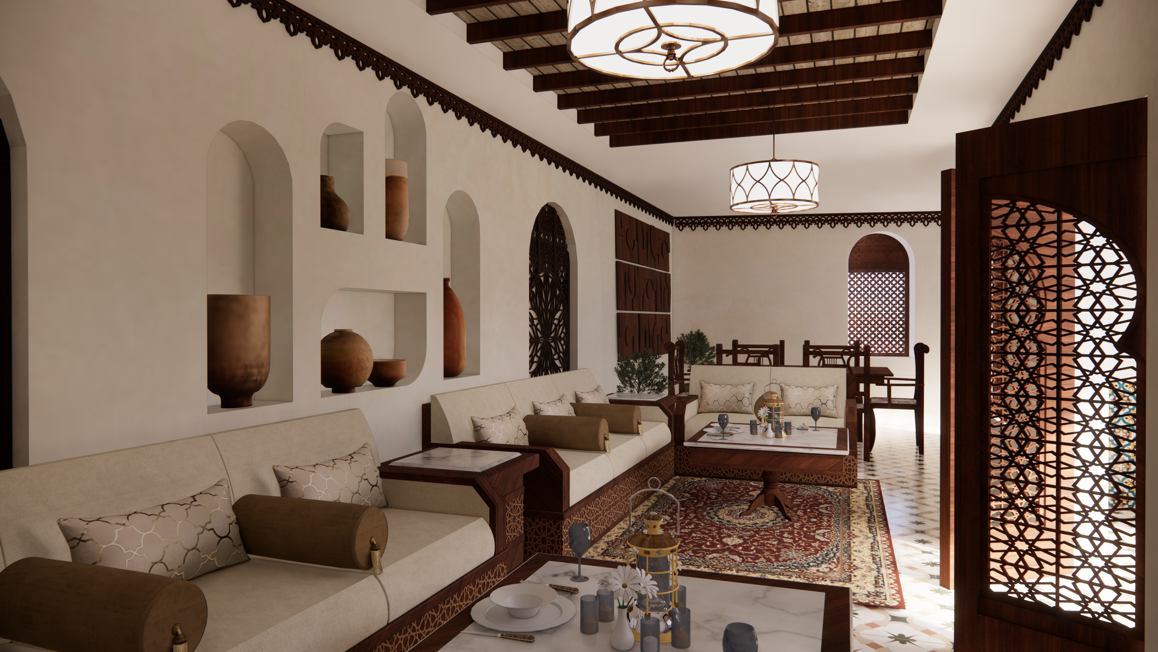
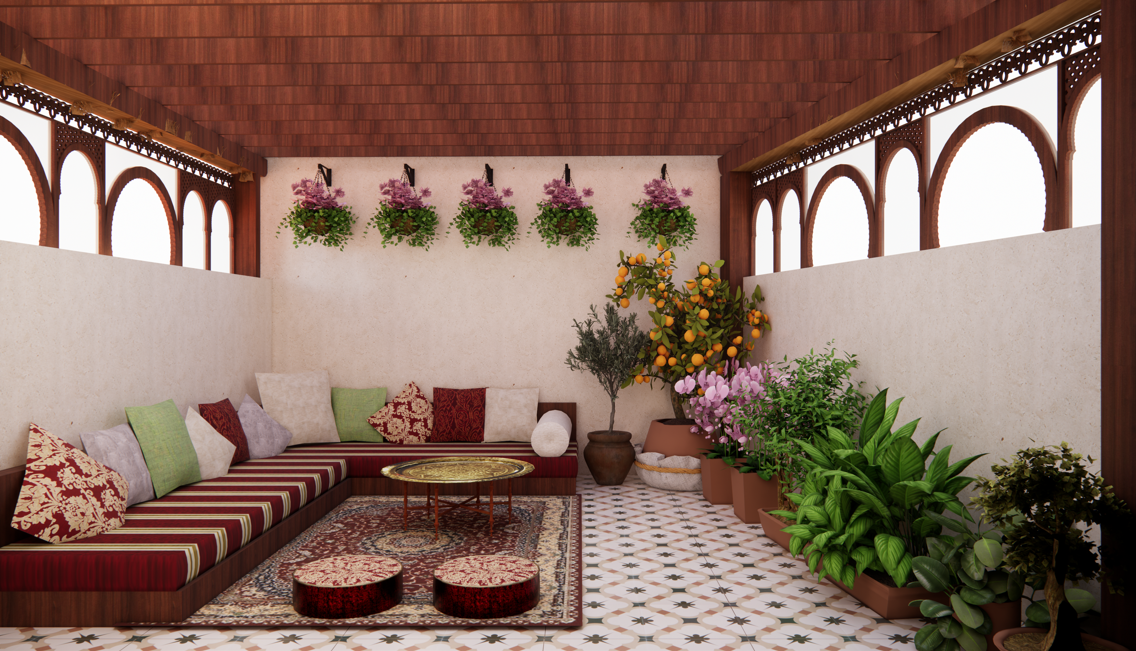
The "Context-Responsive Habitat" is a contemporary architectural intervention located in the historic heart of Constantine, Algeria (Lower Souika). The project explores a modern reinterpretation of traditional courtyard housing, aiming to establish a meaningful dialogue between heritage and modern living within a sensitive urban fabric. Rooted in local climatic and cultural conditions, the design adopts an inward-oriented typology. The spatial organization is centered around a "Patio" (central courtyard), which serves as both a social core and a natural climatic regulator. To ensure thermal comfort and sustainability, the project integrates passive design strategies: wind catchers (Malqaf) for natural ventilation, winter gardens for thermal buffering, and shaded transitional spaces. Under the philosophy "Less Concrete, More Local," the construction prioritizes the reuse of local materials such as stone, solid brick, and wood. By reinterpreting vernacular elements like the Mashrabiya and Zellige, the project proposes a resilient and adaptable housing model that preserves the identity of the Médina while responding to contemporary environmental needs.
The "Context-Responsive Habitat" is a contemporary architectural intervention located in the historic heart of Constantine, Algeria (Lower Souika). The project explores a modern reinterpretation of traditional courtyard housing, aiming to establish a meaningful dialogue between heritage and modern living within a sensitive urban fabric. Rooted in local climatic and cultural conditions, the design adopts an inward-oriented typology. The spatial organization is centered around a "Patio" (central courtyard), which serves as both a social core and a natural climatic regulator. To ensure thermal comfort and sustainability, the project integrates passive design strategies: wind catchers (Malqaf) for natural ventilation, winter gardens for thermal buffering, and shaded transitional spaces. Under the philosophy "Less Concrete, More Local," the construction prioritizes the reuse of local materials such as stone, solid brick, and wood. By reinterpreting vernacular elements like the Mashrabiya and Zellige, the project proposes a resilient and adaptable housing model that preserves the identity of the Médina while responding to contemporary environmental needs.
Project Innovation / Specification:
The innovation of the Context-Responsive Habitat project lies in its precise architectural response to the constraints and potentials of the Lower Souika, moving beyond sustainability to address spatial, social, and morphological specificity. At the core of the proposal is a reinterpretation of the traditional patio typology as an organizational and experiential device. The project introduces a clear hierarchy of spaces, structured through a progressive sequence from public to intimate—street, skiffa, patio, and interior rooms—translating local socio-cultural patterns into a contemporary spatial language. This gradient ensures both privacy and social interaction, reinforcing the domestic rituals of the medina. The project is also defined by its adaptive response to irregular plots and dense urban conditions. Instead of imposing a fixed model, the design operates through a flexible typological system (O, U, L patio configurations), allowing the habitat to adjust to varying parcel geometries while maintaining spatial coherence. This adaptability makes the project not just a single house, but a replicable urban strategy. Another key specification is the integration of mixed-use functi
The innovation of the Context-Responsive Habitat project lies in its precise architectural response to the constraints and potentials of the Lower Souika, moving beyond sustainability to address spatial, social, and morphological specificity. At the core of the proposal is a reinterpretation of the traditional patio typology as an organizational and experiential device. The project introduces a clear hierarchy of spaces, structured through a progressive sequence from public to intimate—street, skiffa, patio, and interior rooms—translating local socio-cultural patterns into a contemporary spatial language. This gradient ensures both privacy and social interaction, reinforcing the domestic rituals of the medina. The project is also defined by its adaptive response to irregular plots and dense urban conditions. Instead of imposing a fixed model, the design operates through a flexible typological system (O, U, L patio configurations), allowing the habitat to adjust to varying parcel geometries while maintaining spatial coherence. This adaptability makes the project not just a single house, but a replicable urban strategy. Another key specification is the integration of mixed-use functi
Project Sustainability Approach:
The sustainability approach of the project is defined by the "Less Concrete, More Local" philosophy, focusing on a circular economy and passive climate control. By utilizing "Material Recovery," the design proposes the reuse of stone and solid bricks from nearby ruins, significantly reducing the embodied energy of the construction and minimizing waste. From a bioclimatic perspective, the project minimizes reliance on mechanical systems through high-performance vernacular strategies. The central patio acts as a thermal regulator, facilitating cross-ventilation and natural cooling. This is complemented by a "Wind Catcher" (Malqaf) system and "Winter Gardens" that provide thermal buffering during seasonal extremes. Furthermore, the use of Earth Bricks (SDE) and thick masonry walls provides high thermal mass, ensuring natural temperature stability. The integration of Mashrabiya screens offers a dual benefit: reducing solar gain while maintaining natural daylighting and privacy. This holistic strategy transforms traditional knowledge into a low-carbon, resilient housing model tailored for the Mediterranean climate.
The sustainability approach of the project is defined by the "Less Concrete, More Local" philosophy, focusing on a circular economy and passive climate control. By utilizing "Material Recovery," the design proposes the reuse of stone and solid bricks from nearby ruins, significantly reducing the embodied energy of the construction and minimizing waste. From a bioclimatic perspective, the project minimizes reliance on mechanical systems through high-performance vernacular strategies. The central patio acts as a thermal regulator, facilitating cross-ventilation and natural cooling. This is complemented by a "Wind Catcher" (Malqaf) system and "Winter Gardens" that provide thermal buffering during seasonal extremes. Furthermore, the use of Earth Bricks (SDE) and thick masonry walls provides high thermal mass, ensuring natural temperature stability. The integration of Mashrabiya screens offers a dual benefit: reducing solar gain while maintaining natural daylighting and privacy. This holistic strategy transforms traditional knowledge into a low-carbon, resilient housing model tailored for the Mediterranean climate.
Local and Regional Impacts of the Project:
Locally, the project revitalizes Constantine's historic Lower Souika by transforming a degraded site into a resilient living space. By reintegrating traditional "Stone Reassembly" and using local materials, it boosts the economy and preserves architectural identity. It improves the urban microclimate through passive cooling, reducing the heat island effect in the dense Médina. Regionally, the project serves as a sustainable model for North African and Mediterranean cities. It demonstrates that modern densification can coexist with heritage without relying on high-energy cooling. By advocating for "Less Concrete, More Local," it promotes a regional shift toward circular construction and bioclimatic housing that is both culturally authentic and ecologically responsible.
Locally, the project revitalizes Constantine's historic Lower Souika by transforming a degraded site into a resilient living space. By reintegrating traditional "Stone Reassembly" and using local materials, it boosts the economy and preserves architectural identity. It improves the urban microclimate through passive cooling, reducing the heat island effect in the dense Médina. Regionally, the project serves as a sustainable model for North African and Mediterranean cities. It demonstrates that modern densification can coexist with heritage without relying on high-energy cooling. By advocating for "Less Concrete, More Local," it promotes a regional shift toward circular construction and bioclimatic housing that is both culturally authentic and ecologically responsible.