
Auren Collection
Prize(s):
WINNER 2026 FASHION DESIGN / Accessory: Bags and Luggage
Company Name:Cape Cobra Leathercraft
Lead Designer(s) Name(s):Justine Schafer
Design Team / Other designer(s):Justine Schafer
Manufacturer Name:Cape Cobra
Photo Credit:Gabrielle Kannemeyer
Project Location:Cape Town, South Africa
Design Status:Commercialized
Website: View
Video URL:View
Project Description:
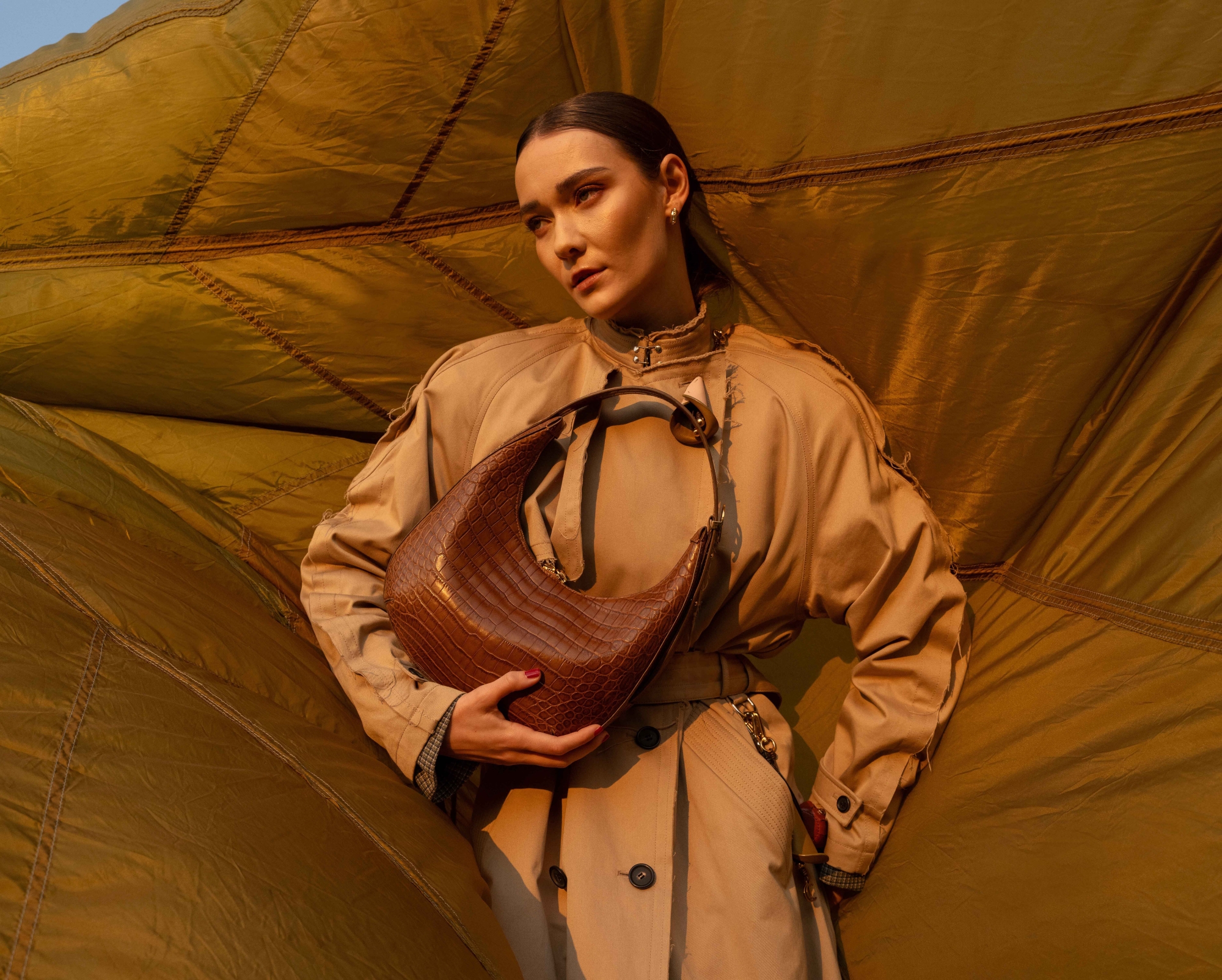
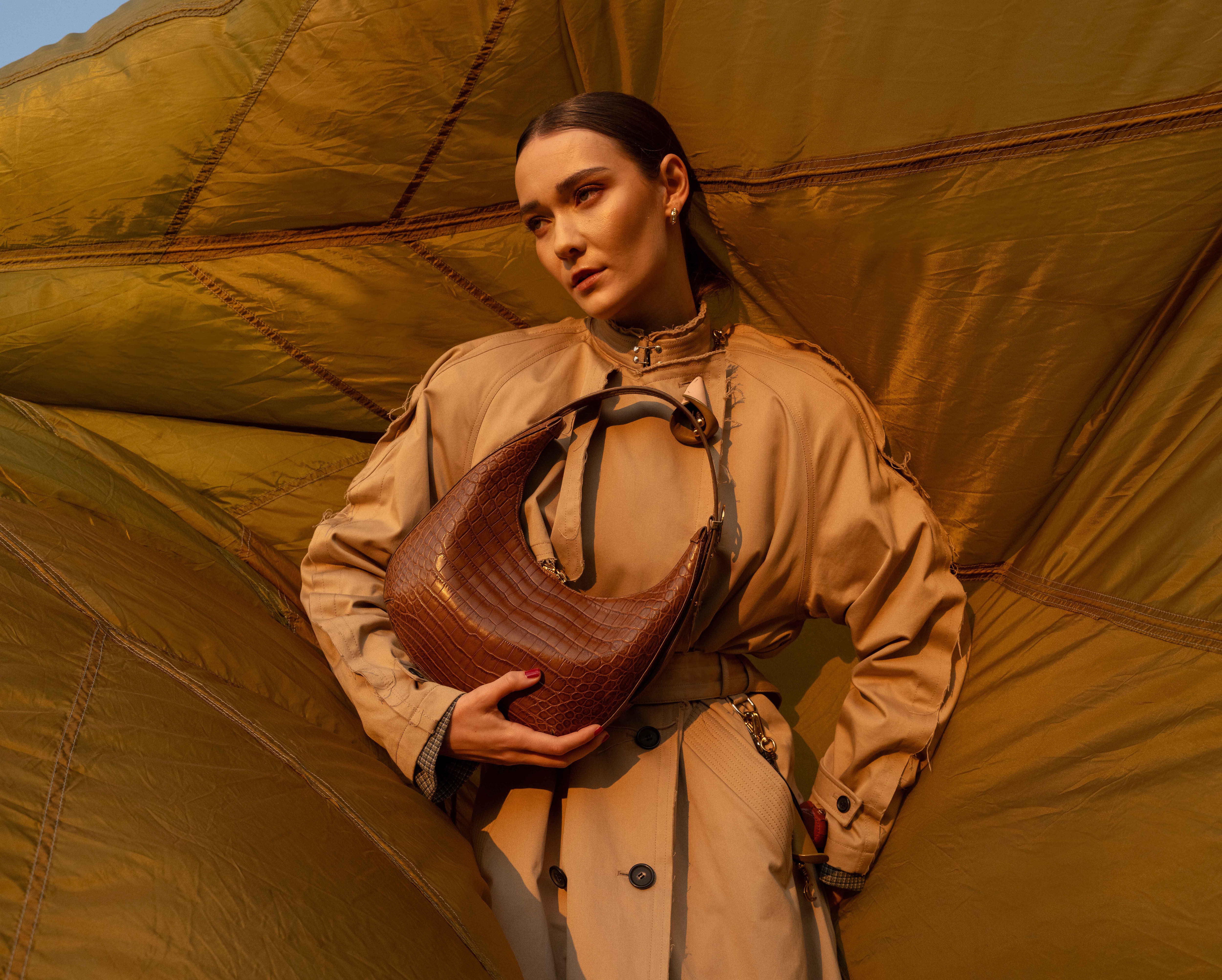
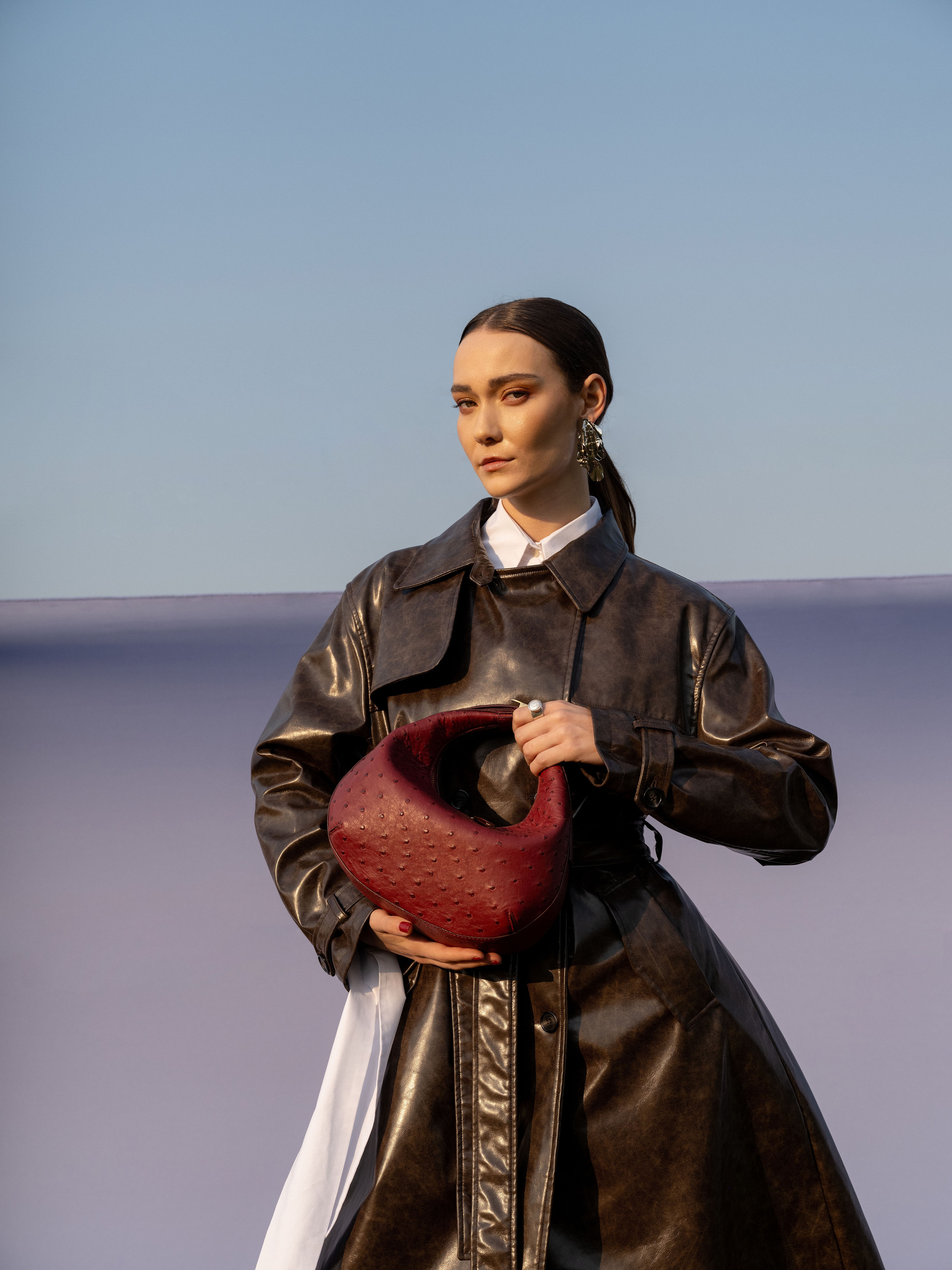
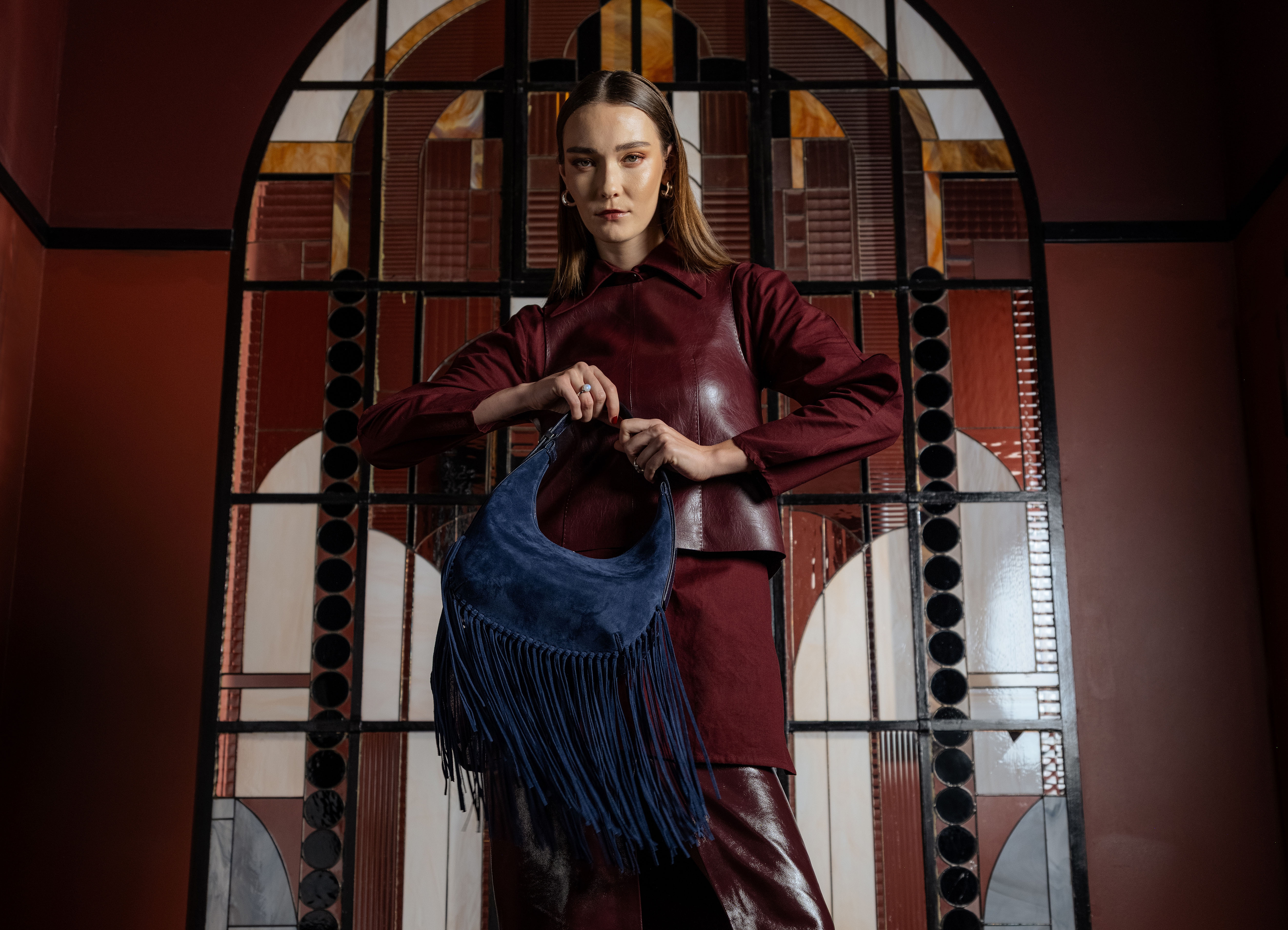
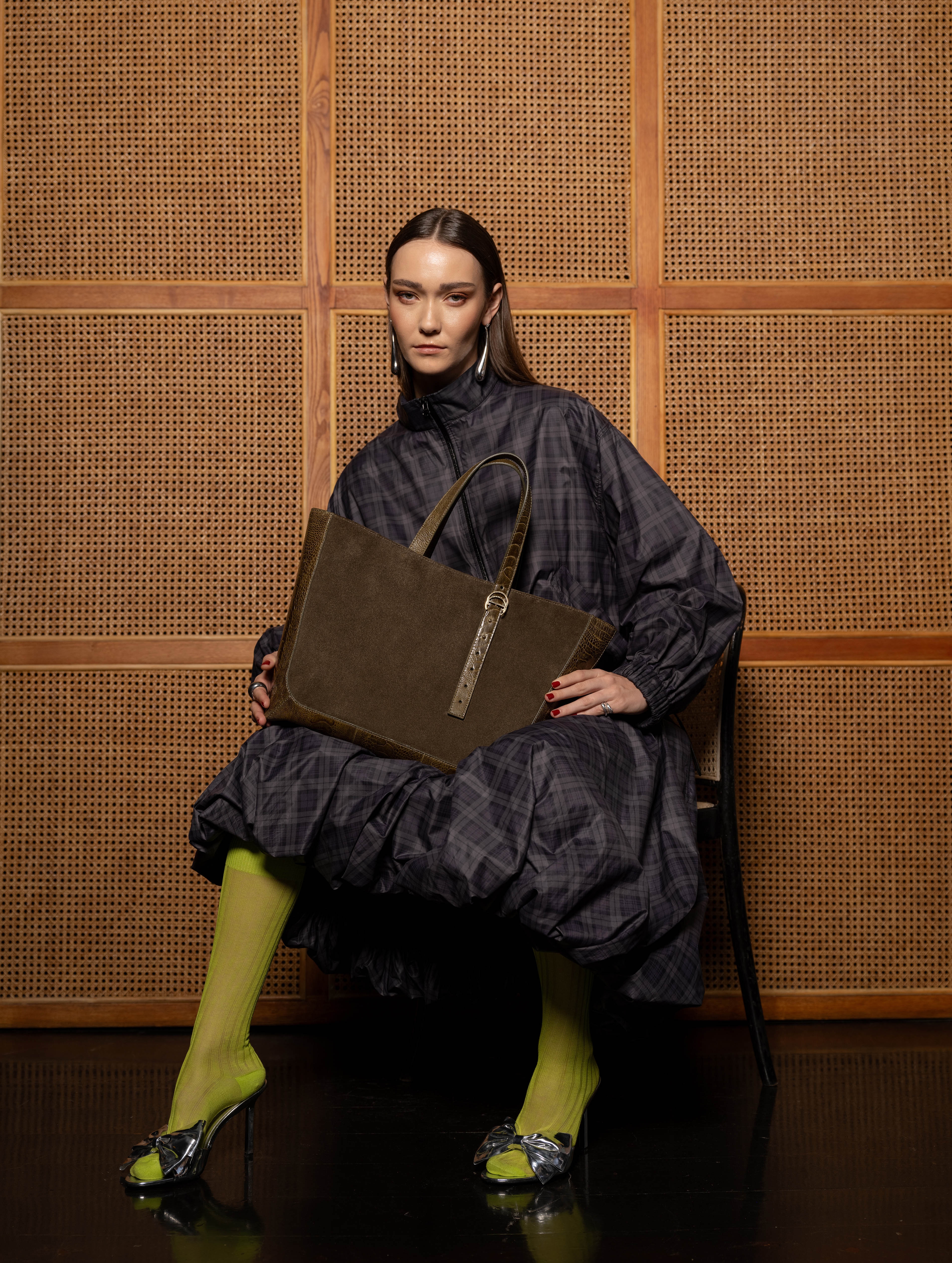
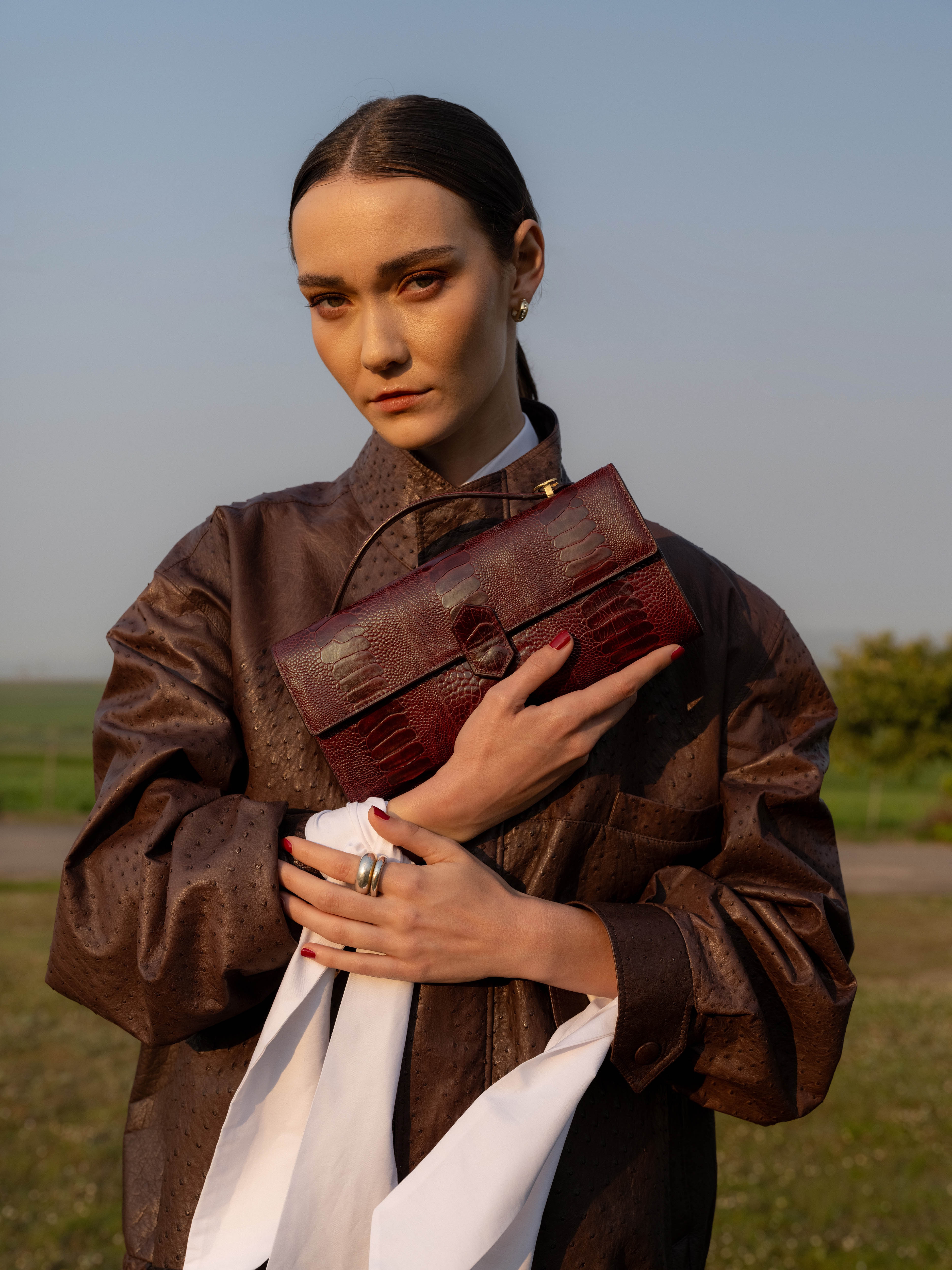
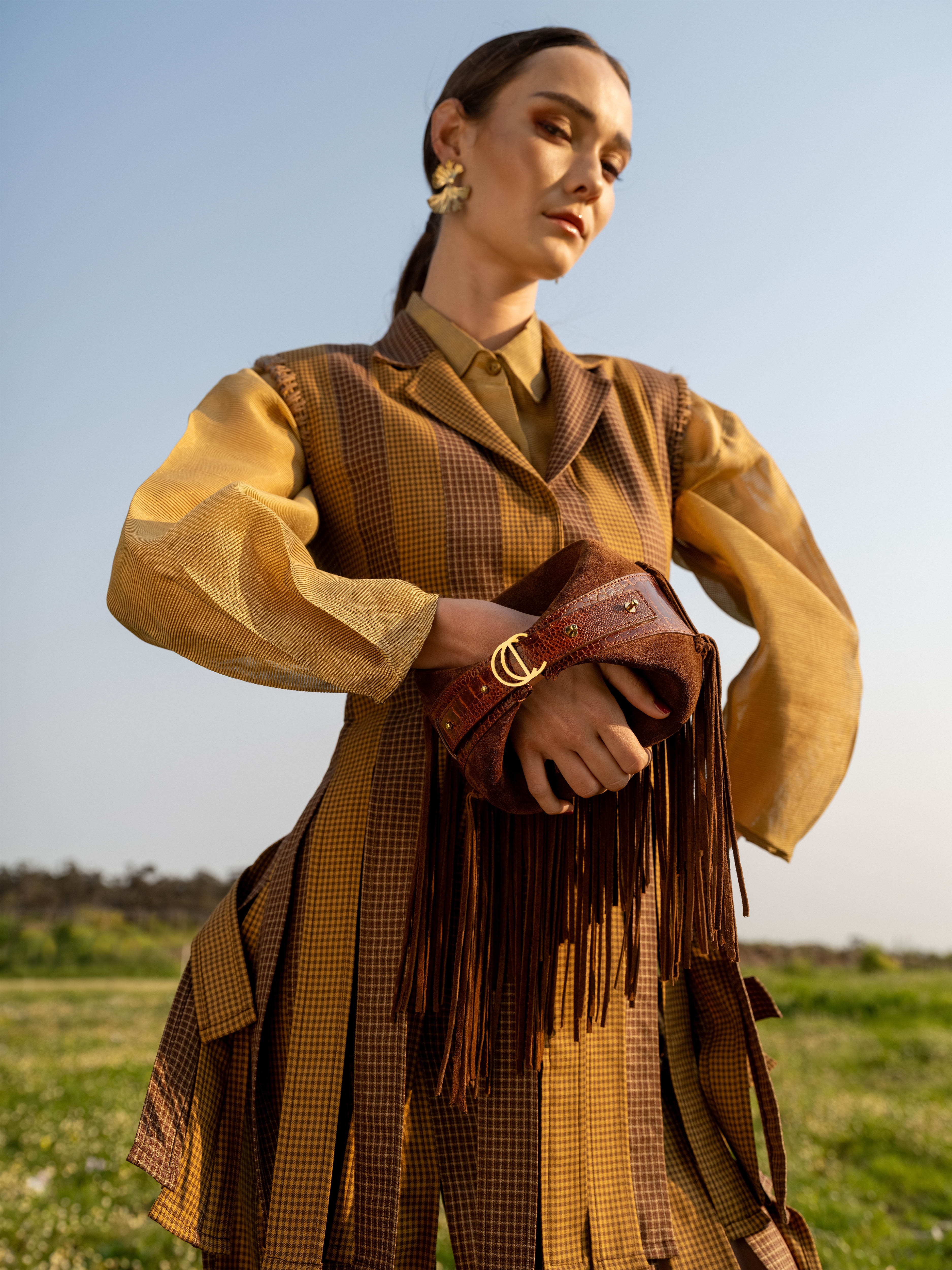
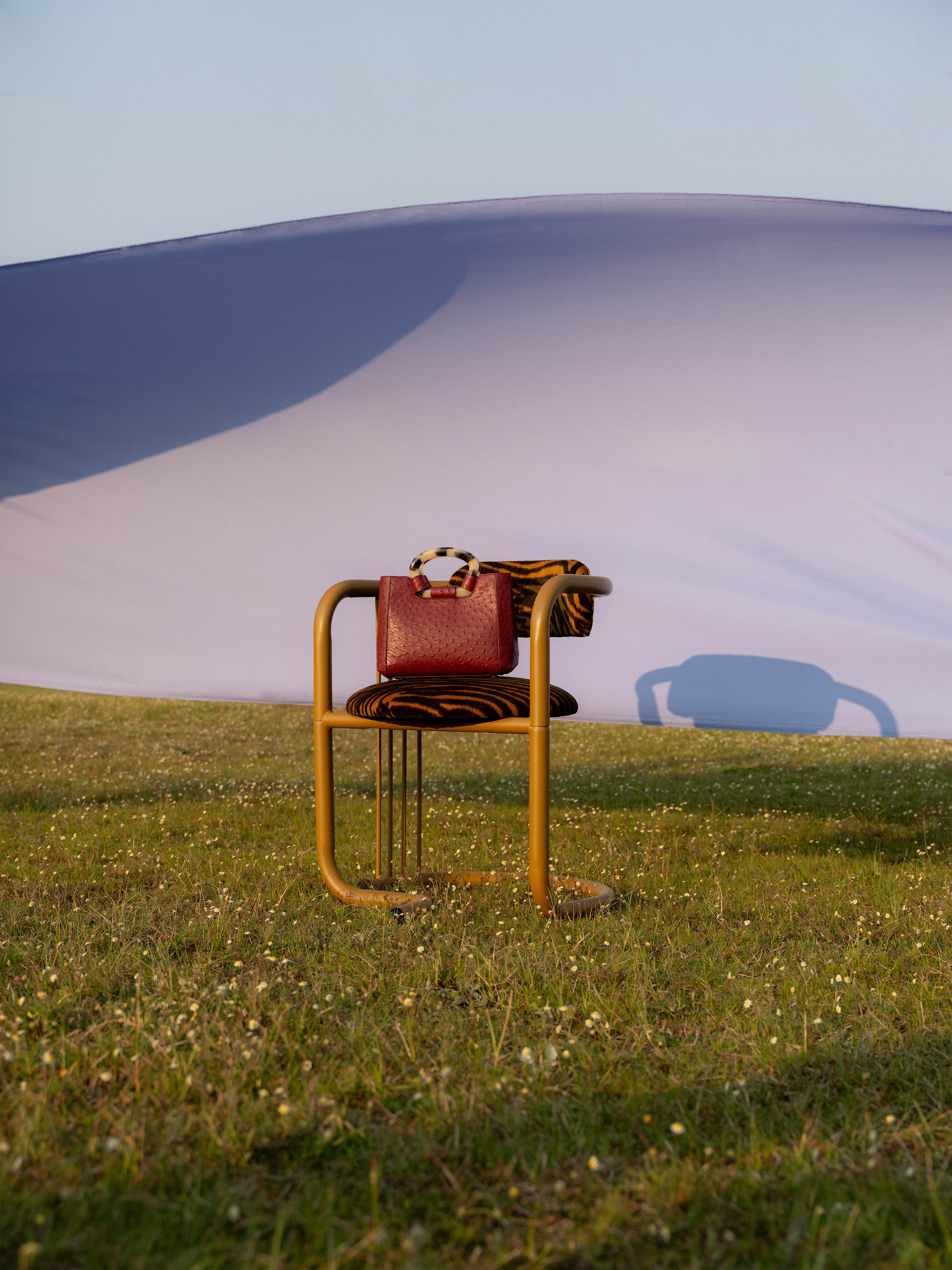
The Auren Fall/Winter handbag collection draws inspiration from the Karoo’s wide-open horizons, resilient flora, and shifting light and colour. It explores materials and composition through intricate design in structure, texture, and movement; these elements bring together a culmination of energy which demand your presence. The vastness of the horizon is representative of the simplicity of design; while the use of natural materials and textures such as suede, ostrich, and crocodile leather are sculpted into disciplined silhouettes that balance strength with fluidity. This collection captures the essence of nature and its depth using colours representative of the region- deep greens, coppers, burgundy and brown tones; transforming botanical identity into a modern design language.
The Auren Fall/Winter handbag collection draws inspiration from the Karoo’s wide-open horizons, resilient flora, and shifting light and colour. It explores materials and composition through intricate design in structure, texture, and movement; these elements bring together a culmination of energy which demand your presence. The vastness of the horizon is representative of the simplicity of design; while the use of natural materials and textures such as suede, ostrich, and crocodile leather are sculpted into disciplined silhouettes that balance strength with fluidity. This collection captures the essence of nature and its depth using colours representative of the region- deep greens, coppers, burgundy and brown tones; transforming botanical identity into a modern design language.
Project Innovation / Specification:
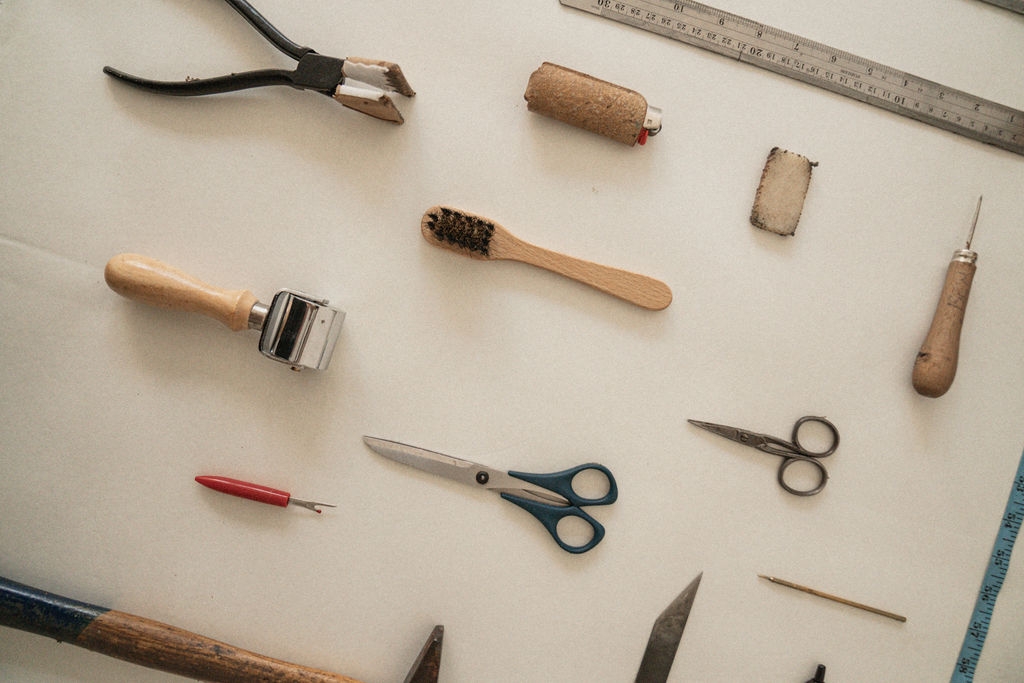
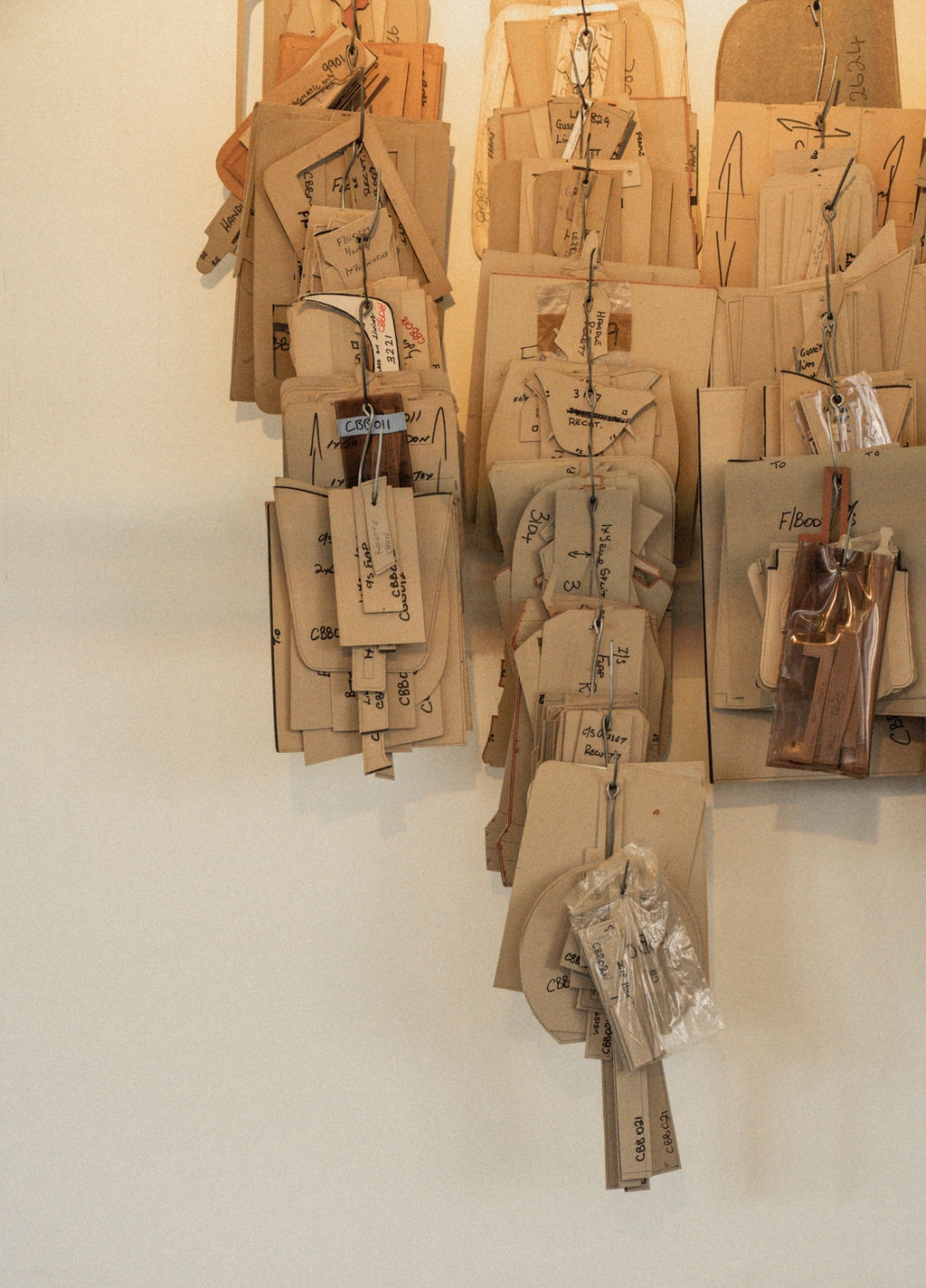
This collection introduces a contemporary reinterpretation of traditional leather craftsmanship through material, structural precision, and enduring detailing. The innovation lies in the integration of contrasting textures suede, ostrich, and crocodile into architectural silhouettes that maintain clean lines while allowing the materials’ natural character to remain the focal point. The design approach emphasizes form-first construction, where proportion, edge definition, and surface rhythm are prioritized over decorative excess. Fringe is employed as a deliberate structural feature handwoven intricately and with intention of creating art. It is engineered to move with the body, creating dynamic visual rhythm while remaining anchored to the bag’s silhouette. This ensures the detail functions as a lasting signature element rather than a fleeting embellishment. Inspired by the Karoo’s landscape and native flora, the collection incorporates botanical naming conventions to reinforce the connection between design and environment. Each piece is crafted with precision stitching and carefully considered hardware integration, resulting in functional interiors with intuitive organization.
This collection introduces a contemporary reinterpretation of traditional leather craftsmanship through material, structural precision, and enduring detailing. The innovation lies in the integration of contrasting textures suede, ostrich, and crocodile into architectural silhouettes that maintain clean lines while allowing the materials’ natural character to remain the focal point. The design approach emphasizes form-first construction, where proportion, edge definition, and surface rhythm are prioritized over decorative excess. Fringe is employed as a deliberate structural feature handwoven intricately and with intention of creating art. It is engineered to move with the body, creating dynamic visual rhythm while remaining anchored to the bag’s silhouette. This ensures the detail functions as a lasting signature element rather than a fleeting embellishment. Inspired by the Karoo’s landscape and native flora, the collection incorporates botanical naming conventions to reinforce the connection between design and environment. Each piece is crafted with precision stitching and carefully considered hardware integration, resulting in functional interiors with intuitive organization.
Project Sustainability Approach:
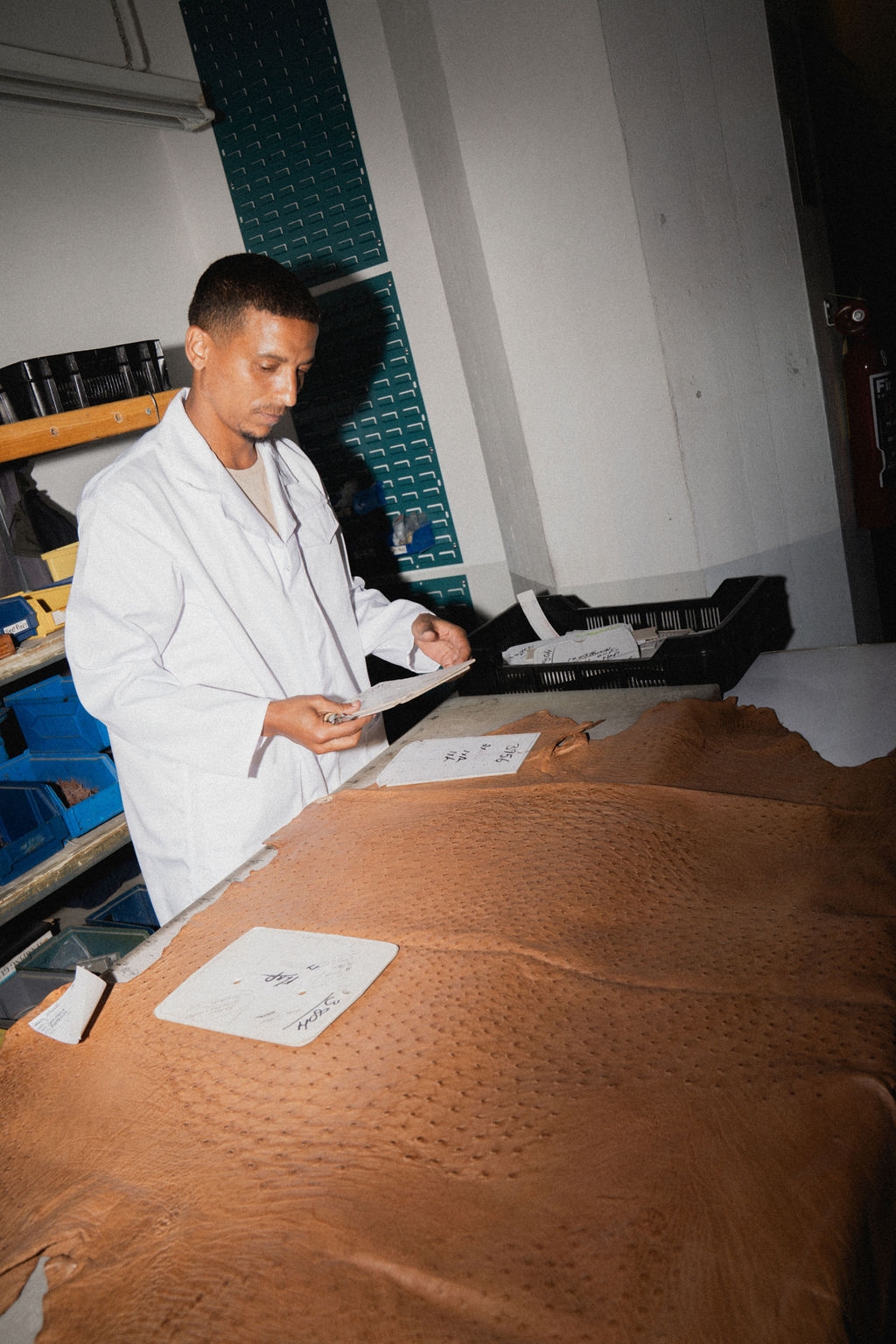
The sustainability approach prioritises longevity and responsible material selection to reduce waste and encourage long-term use. The collection is designed to endure through durable construction, high-quality skins, and refined finishes that maintain integrity over time, discouraging disposable consumption. Materials are chosen for performance and durability, with a focus on natural leathers that age gracefully. Ostrich leather is used as a by-product of the food and farming industry, ensuring the material is sourced from existing supply chains rather than created for fashion alone. Construction methods reinforce longevity through precision stitching, structured forms, and robust hardware, ensuring each piece remains functional and visually relevant across seasons. Design intent is rooted in timelessness rather than fast fashion trends, supporting a “buy less, choose well” philosophy. Production minimises waste through efficient cutting layouts and careful material planning, reducing offcuts and unnecessary resource use. Overall, sustainability is achieved through enduring design, material integrity, and craftsmanship that promotes long-term ownership and responsible consumption.
The sustainability approach prioritises longevity and responsible material selection to reduce waste and encourage long-term use. The collection is designed to endure through durable construction, high-quality skins, and refined finishes that maintain integrity over time, discouraging disposable consumption. Materials are chosen for performance and durability, with a focus on natural leathers that age gracefully. Ostrich leather is used as a by-product of the food and farming industry, ensuring the material is sourced from existing supply chains rather than created for fashion alone. Construction methods reinforce longevity through precision stitching, structured forms, and robust hardware, ensuring each piece remains functional and visually relevant across seasons. Design intent is rooted in timelessness rather than fast fashion trends, supporting a “buy less, choose well” philosophy. Production minimises waste through efficient cutting layouts and careful material planning, reducing offcuts and unnecessary resource use. Overall, sustainability is achieved through enduring design, material integrity, and craftsmanship that promotes long-term ownership and responsible consumption.
Local and Regional Impacts of the Project:
The project supports local and regional economic development through the employment of 65 skilled artisans in its own dedicated atelier. By sustaining and expanding in-house craftsmanship, the collection strengthens local skills, creates stable jobs, and contributes directly to the growth of the regional manufacturing sector. The use of locally sourced materials reduces transportation requirements and supports regional farming and leather industries. Ostrich leather is utilised as a by-product of the agricultural sector, adding value to existing resources rather than generating new waste. This supports regional supply chains and contributes to a more circular approach to material use. The collection also promotes regional cultural identity by drawing inspiration from the Karoo landscape.
The project supports local and regional economic development through the employment of 65 skilled artisans in its own dedicated atelier. By sustaining and expanding in-house craftsmanship, the collection strengthens local skills, creates stable jobs, and contributes directly to the growth of the regional manufacturing sector. The use of locally sourced materials reduces transportation requirements and supports regional farming and leather industries. Ostrich leather is utilised as a by-product of the agricultural sector, adding value to existing resources rather than generating new waste. This supports regional supply chains and contributes to a more circular approach to material use. The collection also promotes regional cultural identity by drawing inspiration from the Karoo landscape.
Company Name:Cape Cobra Leathercraft
Lead Designer(s) Name(s):Justine Schafer
Profile Description:
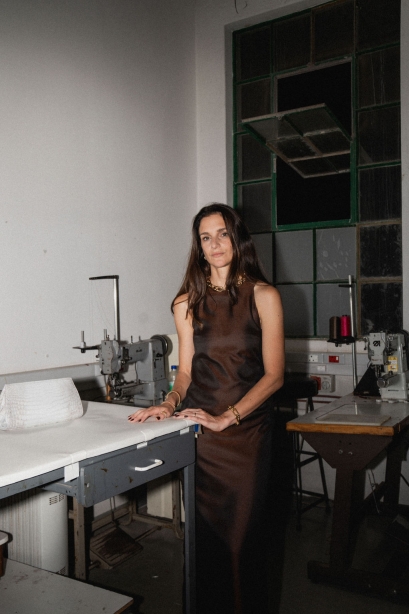
Justine Schafer is the Creative Director and third-generation leader of Cape Cobra Leathercraft, a Cape Town luxury handbag atelier founded in 1972. She blends heritage craftsmanship with contemporary design, positioning the brand as a modern African luxury voice globally. Highly purpose-driven, she champions ethical sourcing, sustainability and artisan skills development, creating exceptional handcrafted products while supporting local employment and preserving traditional leathercraft expertise for future generations.
Justine Schafer is the Creative Director and third-generation leader of Cape Cobra Leathercraft, a Cape Town luxury handbag atelier founded in 1972. She blends heritage craftsmanship with contemporary design, positioning the brand as a modern African luxury voice globally. Highly purpose-driven, she champions ethical sourcing, sustainability and artisan skills development, creating exceptional handcrafted products while supporting local employment and preserving traditional leathercraft expertise for future generations.
Environmental Practices:
Cape Cobra prioritises responsible and sustainable luxury manufacturing. The company sources local exotic leathers through regulated, ethical supply chains that comply with international conservation standards, ensuring traceability and legality. Production is done locally in Cape Town to reduce transport impact, while small-batch, made-to-order manufacturing minimises waste. The brand also invests in durable craftsmanship and repairability, promoting longevity over fast fashion and reducing overall environmental footprint. The entire value chain is localized adding value economy & community.
Cape Cobra prioritises responsible and sustainable luxury manufacturing. The company sources local exotic leathers through regulated, ethical supply chains that comply with international conservation standards, ensuring traceability and legality. Production is done locally in Cape Town to reduce transport impact, while small-batch, made-to-order manufacturing minimises waste. The brand also invests in durable craftsmanship and repairability, promoting longevity over fast fashion and reducing overall environmental footprint. The entire value chain is localized adding value economy & community.