DNA
Prize(s):
WINNER 2026 FASHION DESIGN / Prêt-à-porter
Company Name:Alia Bare
Lead Designer(s) Name(s):Alia Bare
Other Contributor(s):Xolela Madlanga
Manufacturer Name:Alia Bare
Distributors Name:Alia Nare
Photo Credit:Bizenga
Project Location:Senegal
Design Status:Commercialized
Project Description:
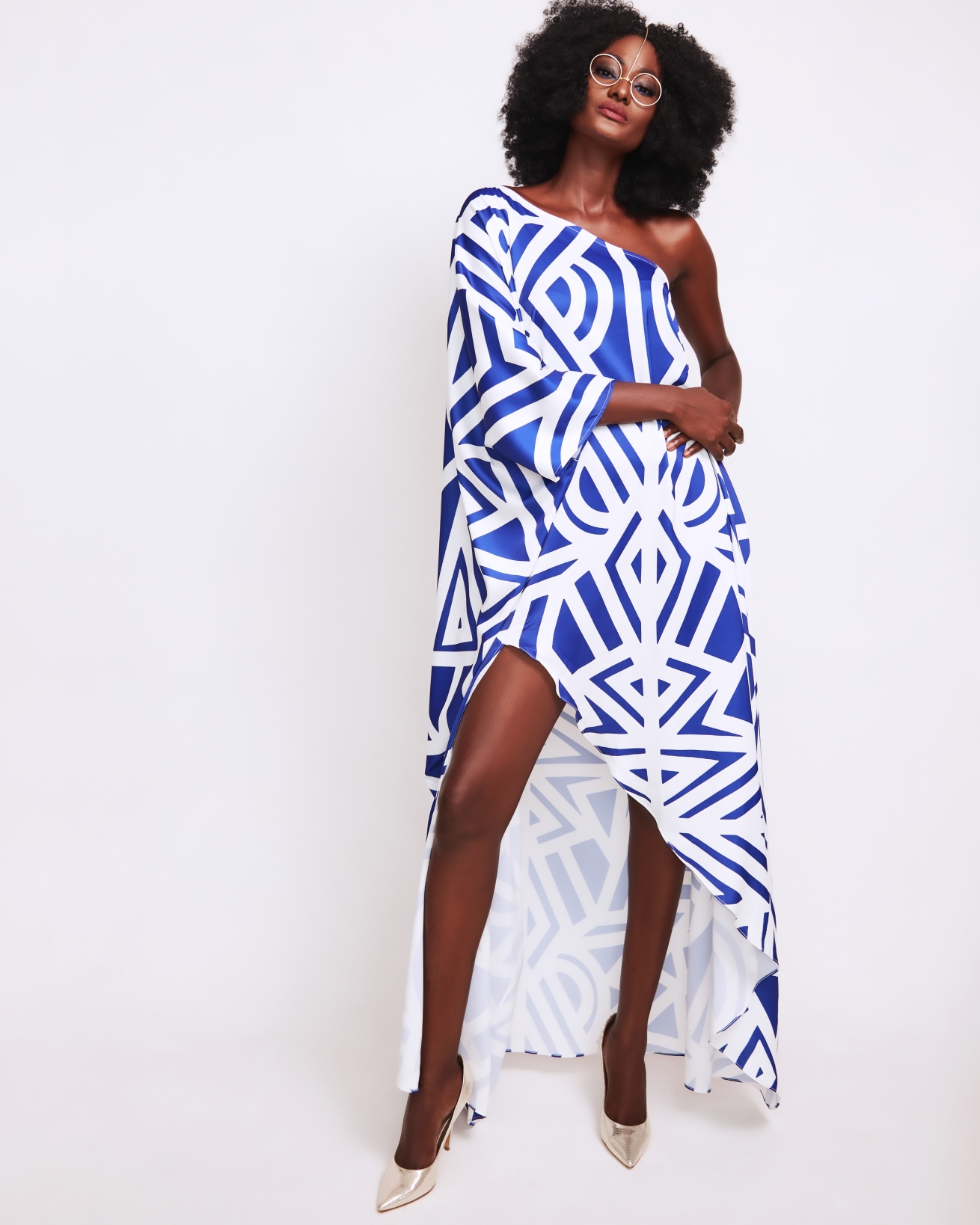
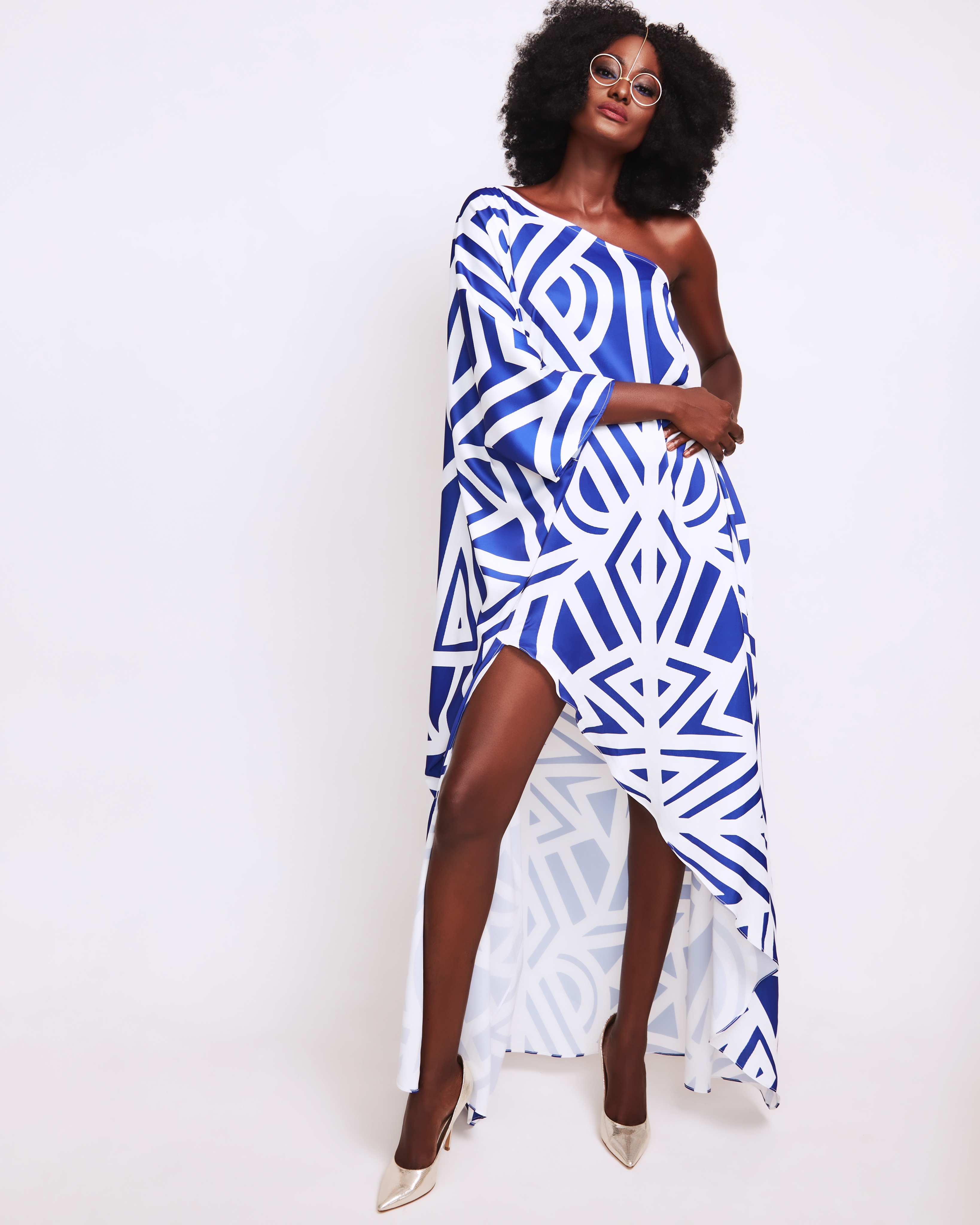
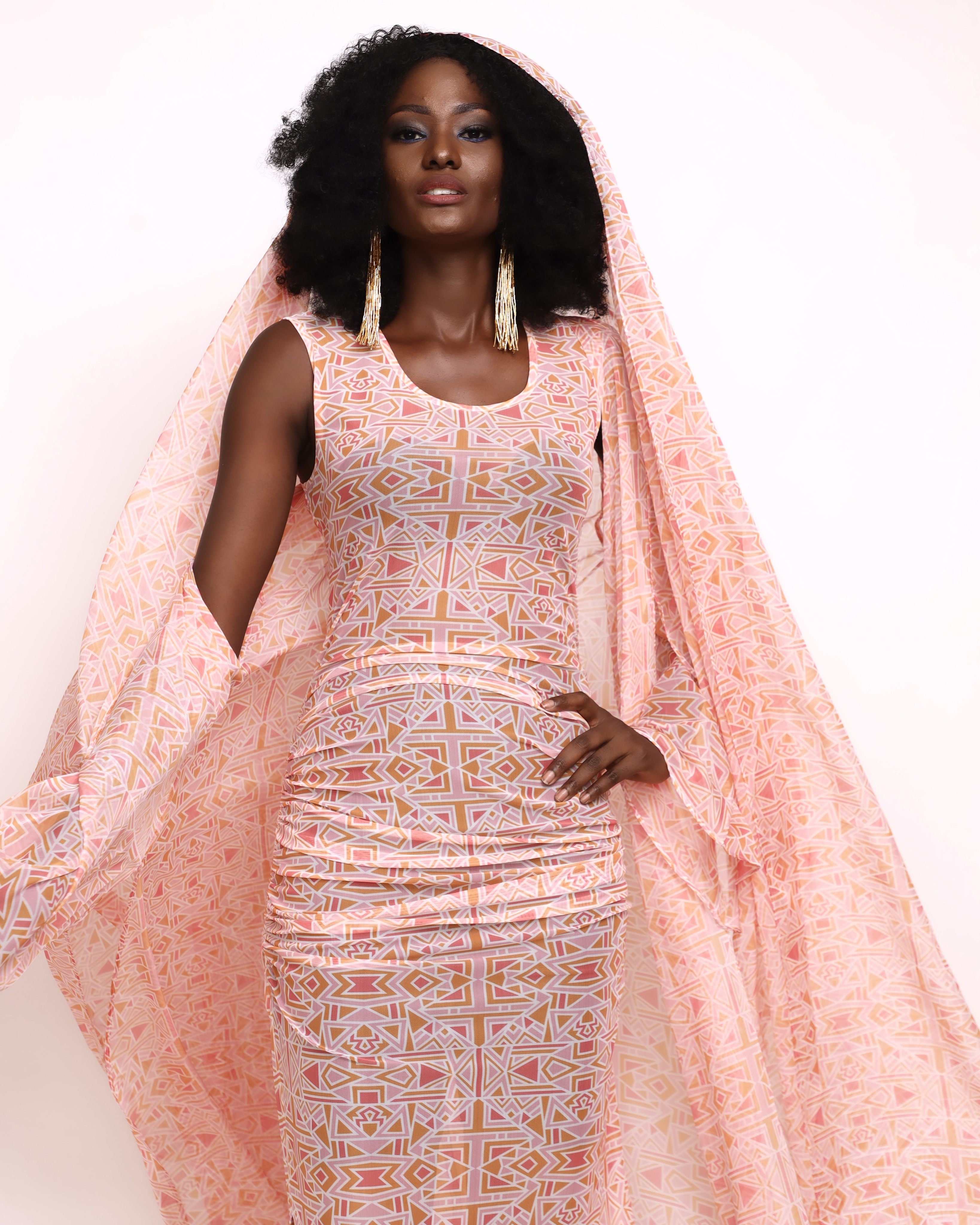
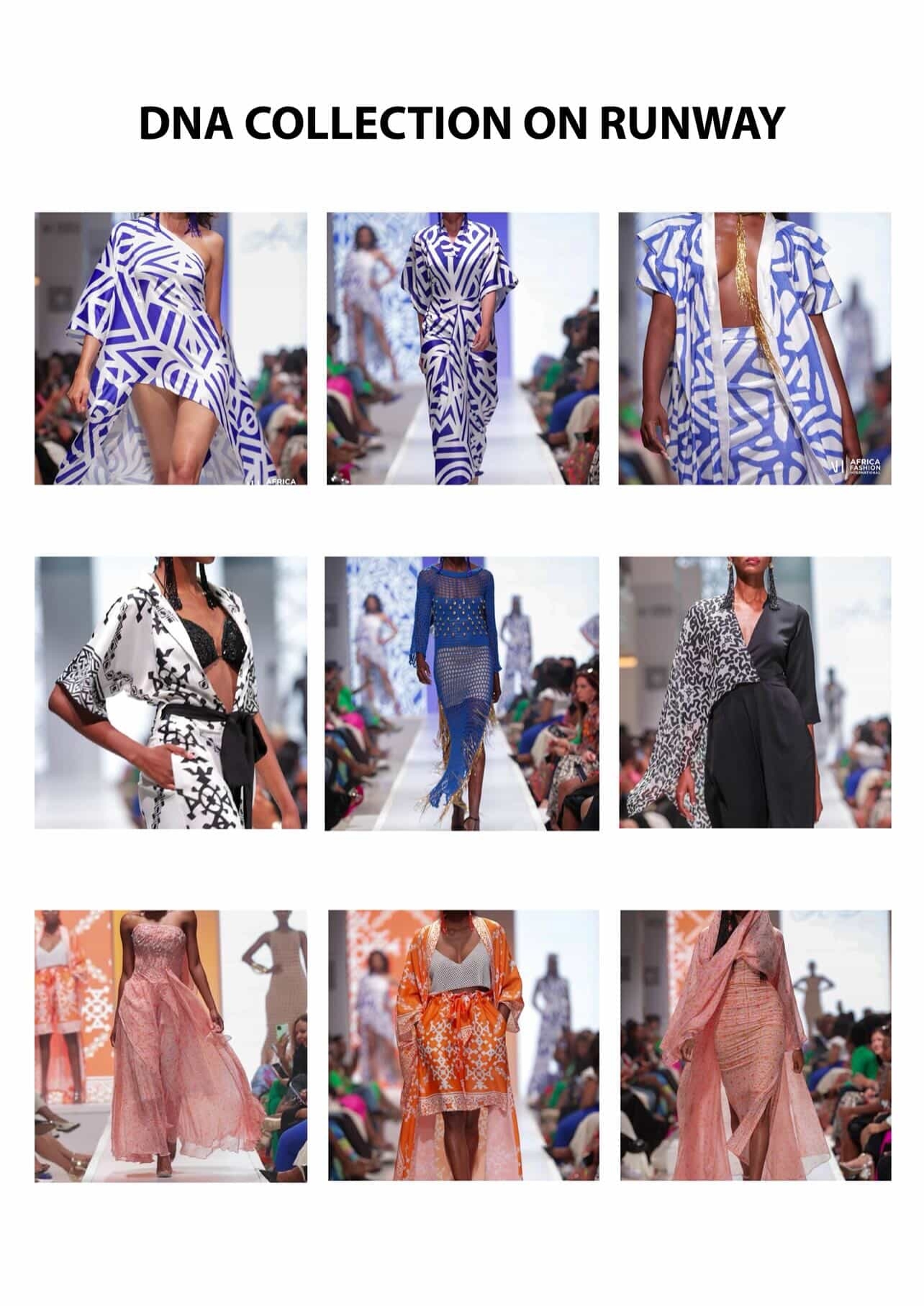
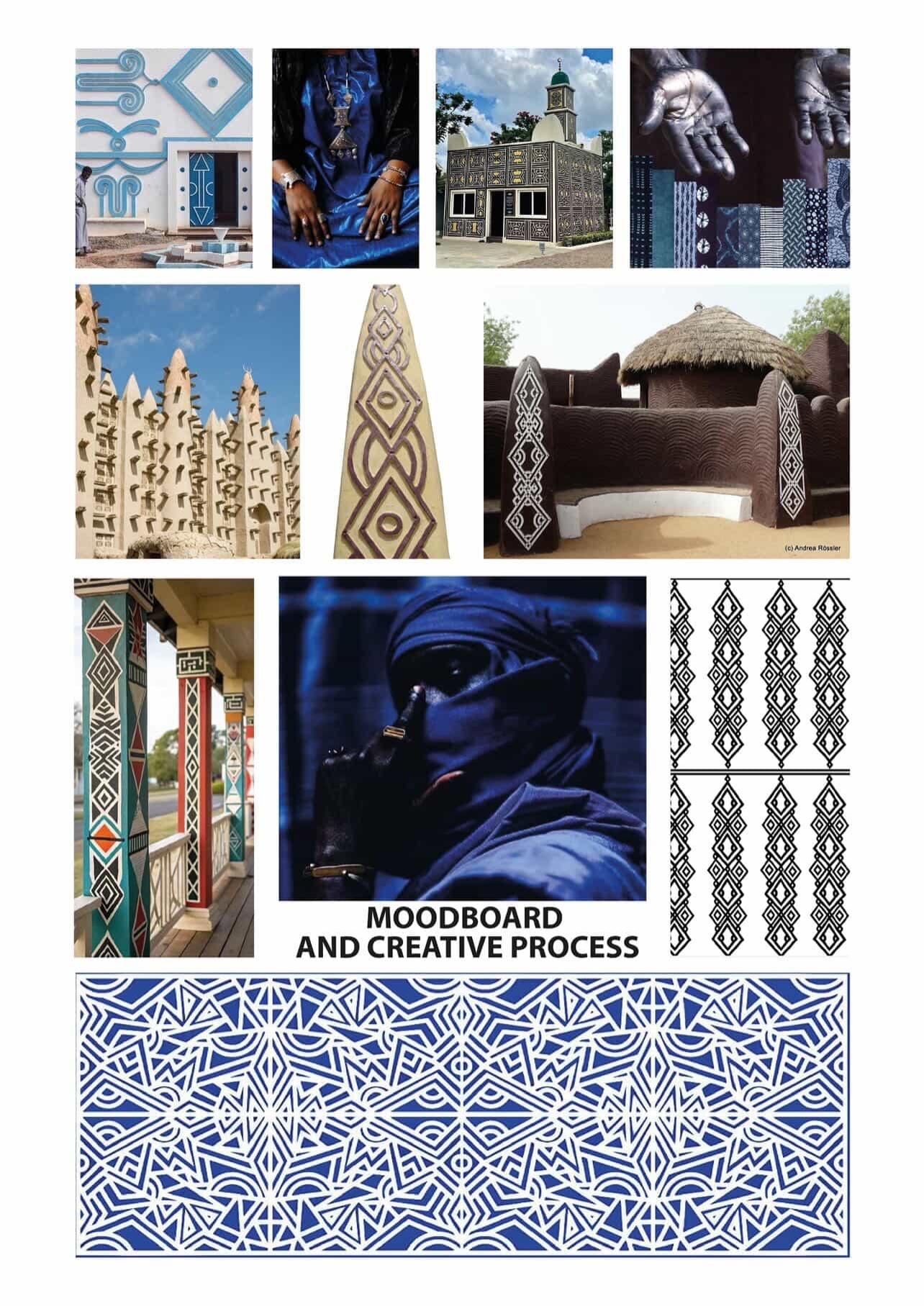
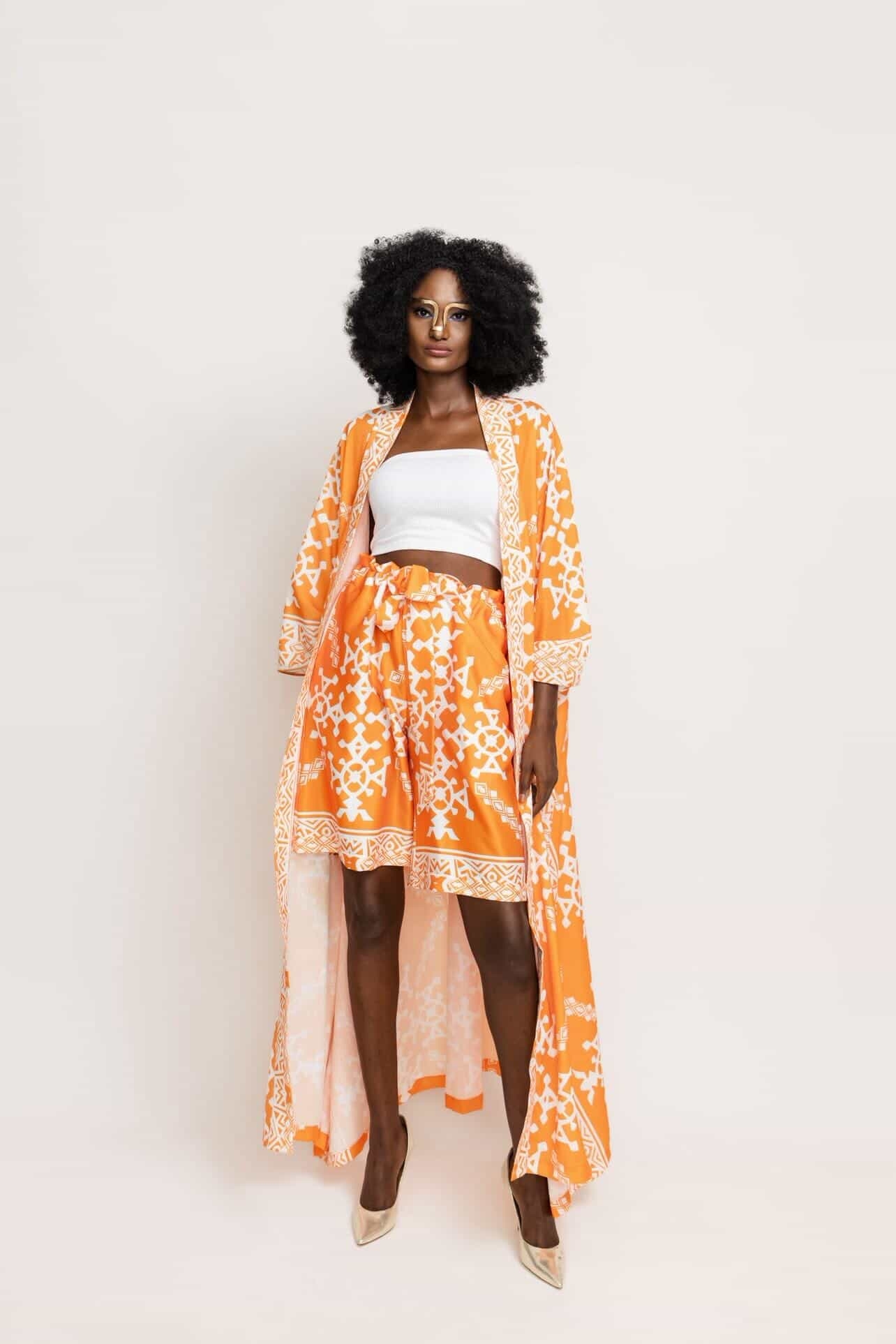
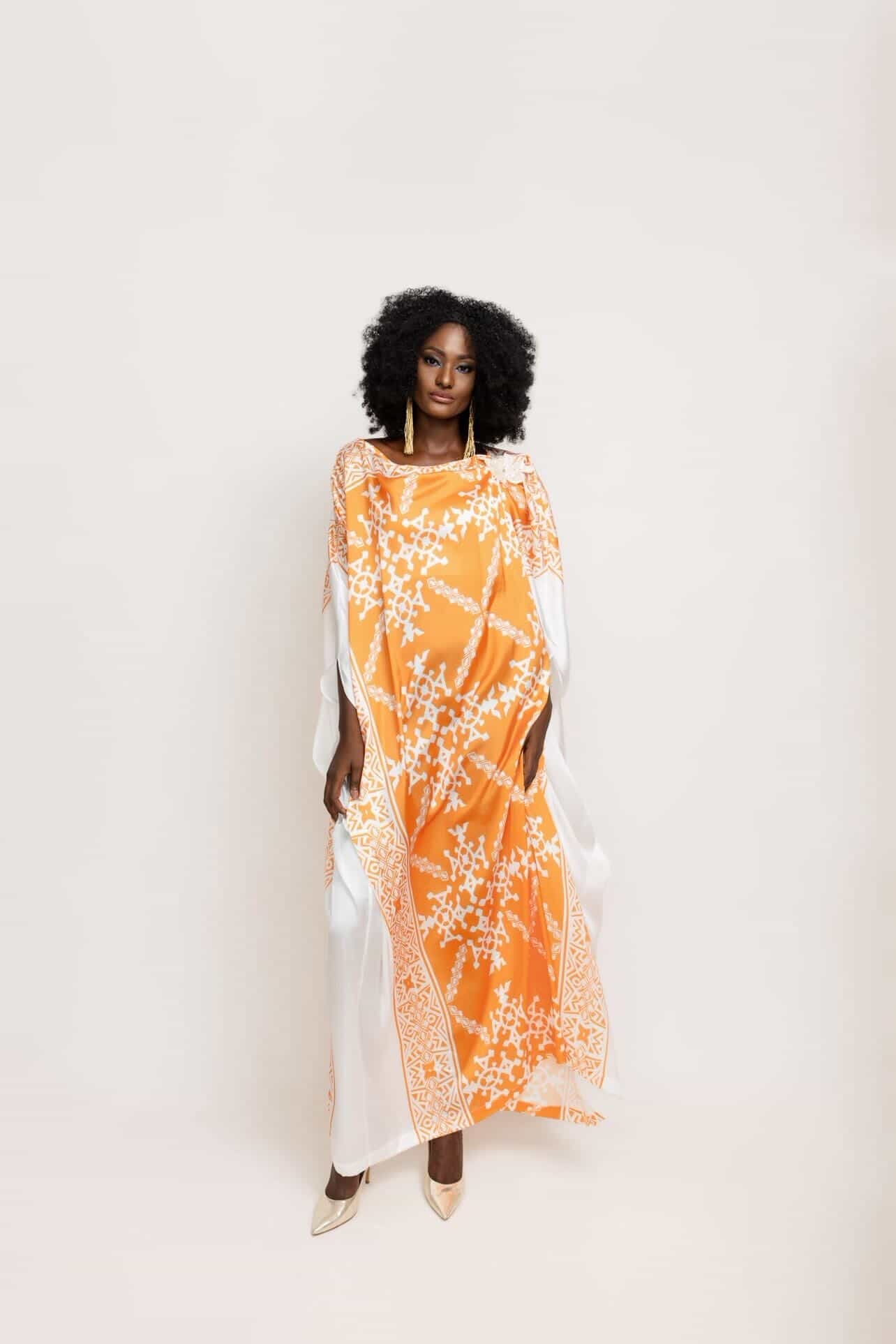
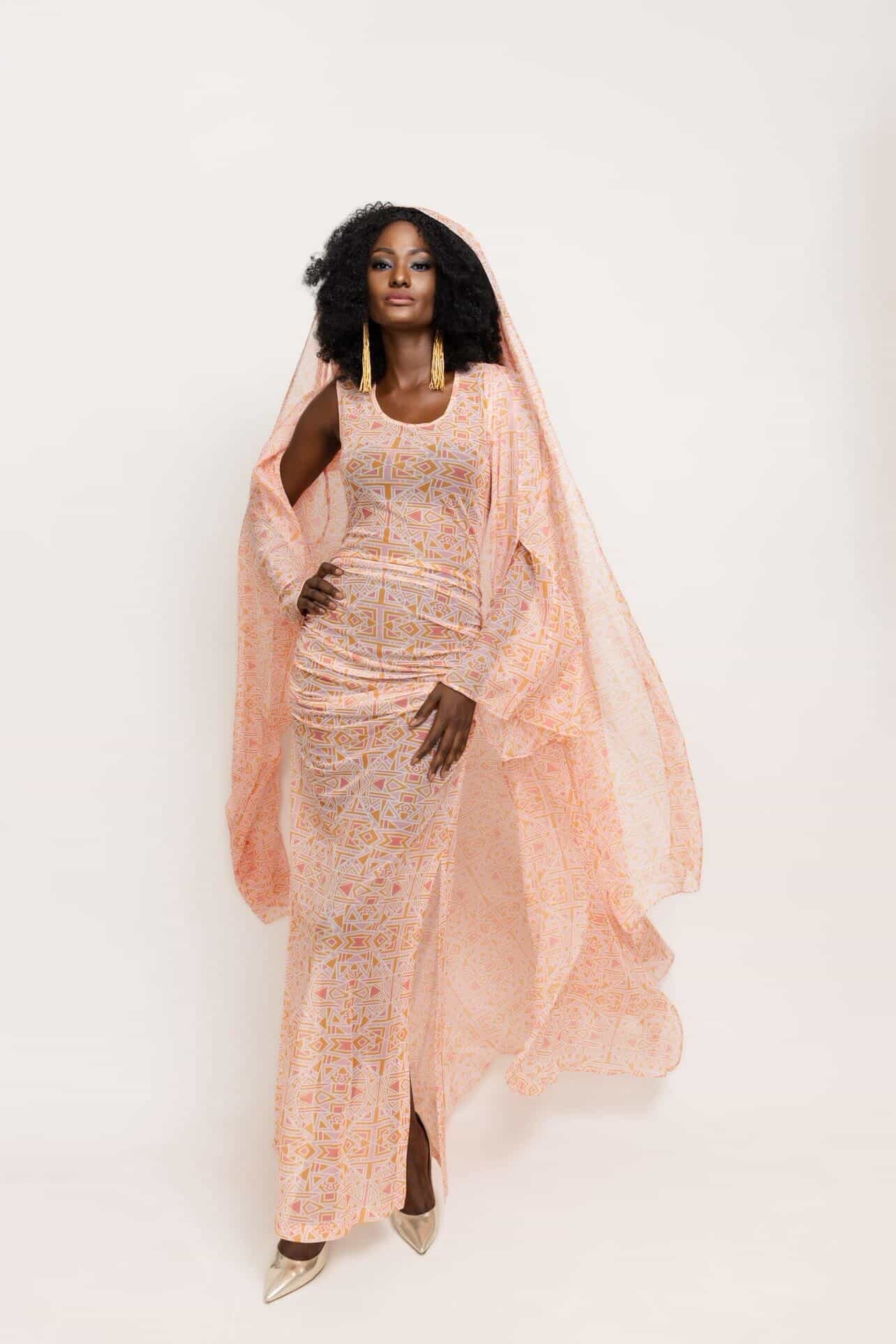
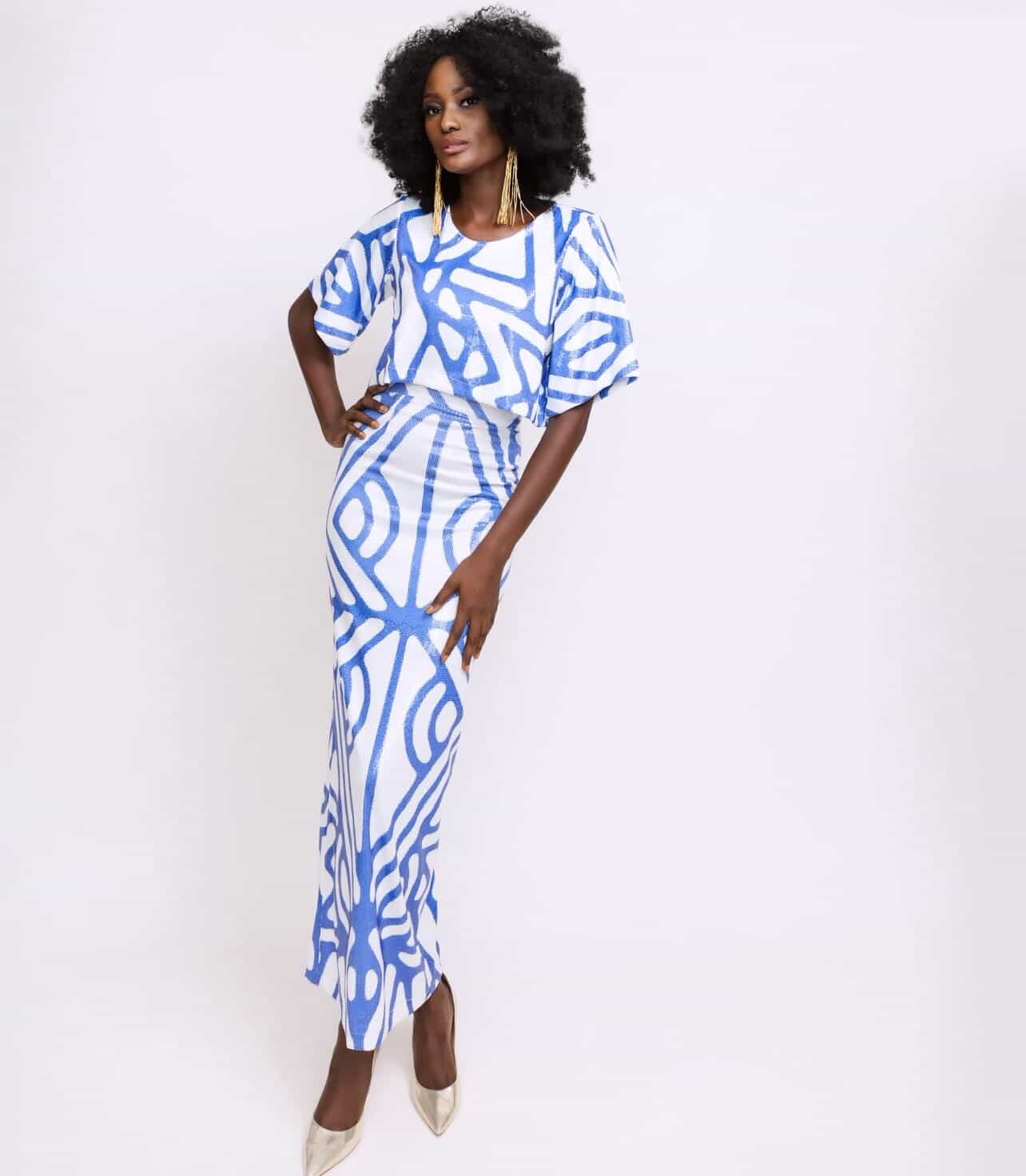
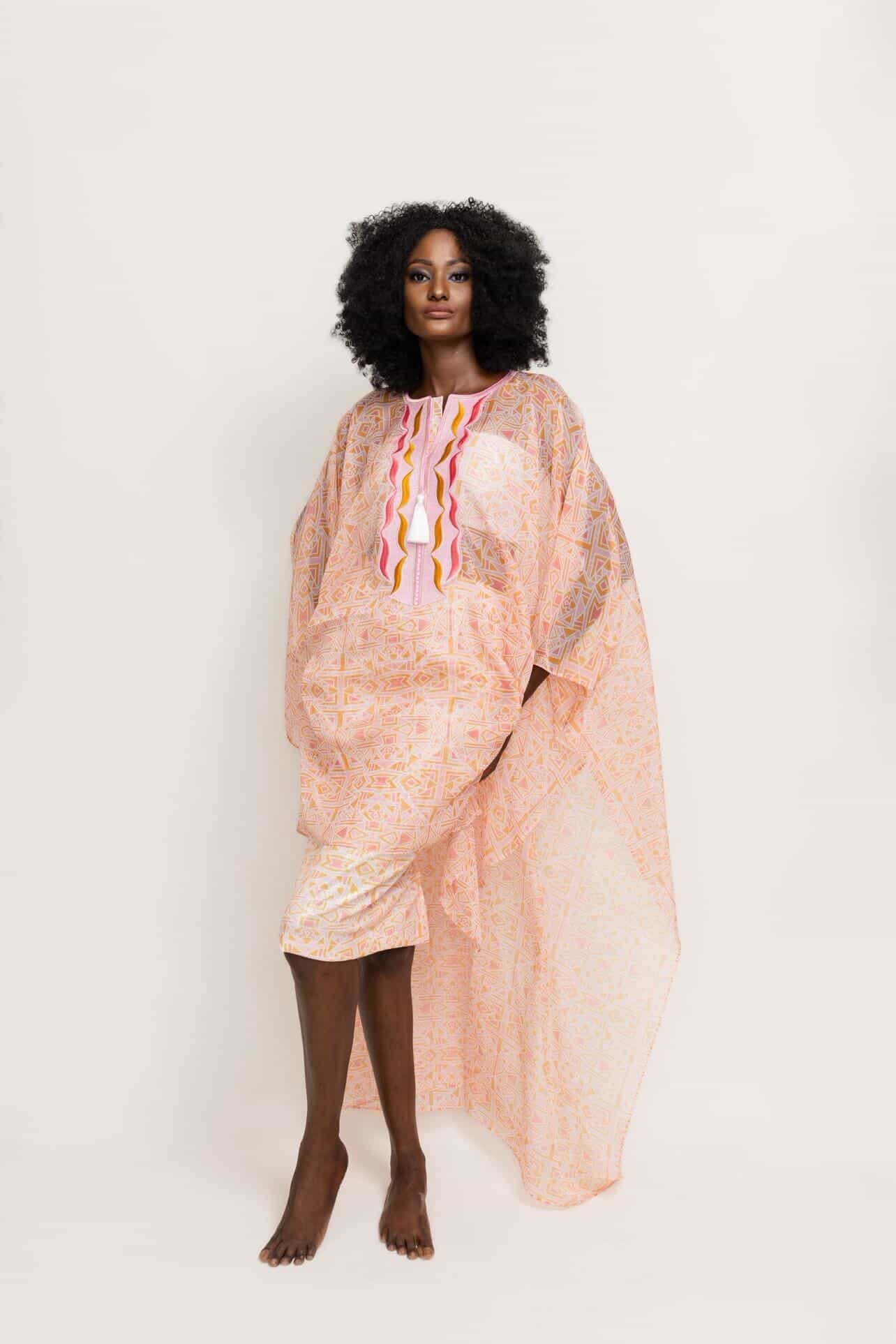
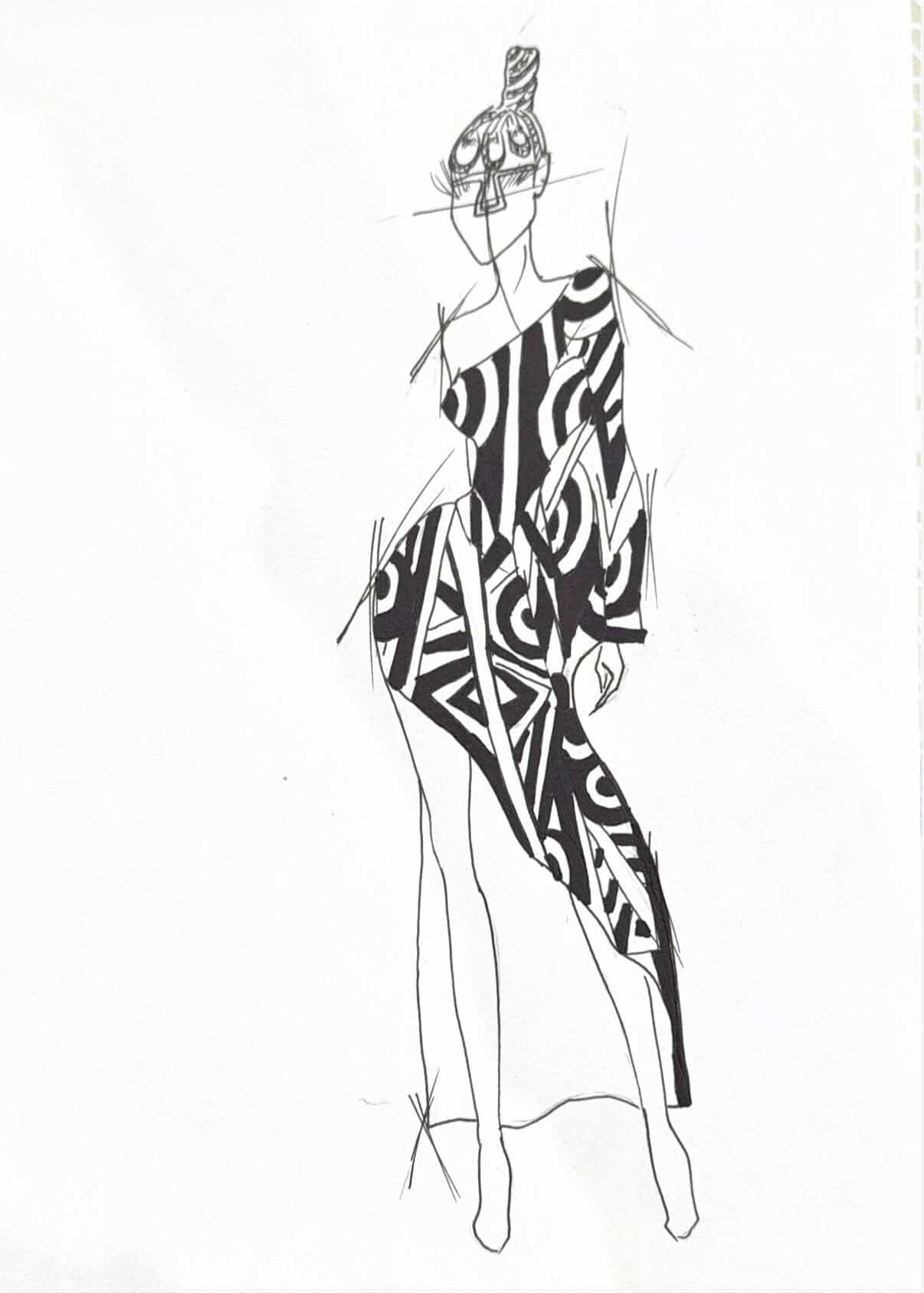
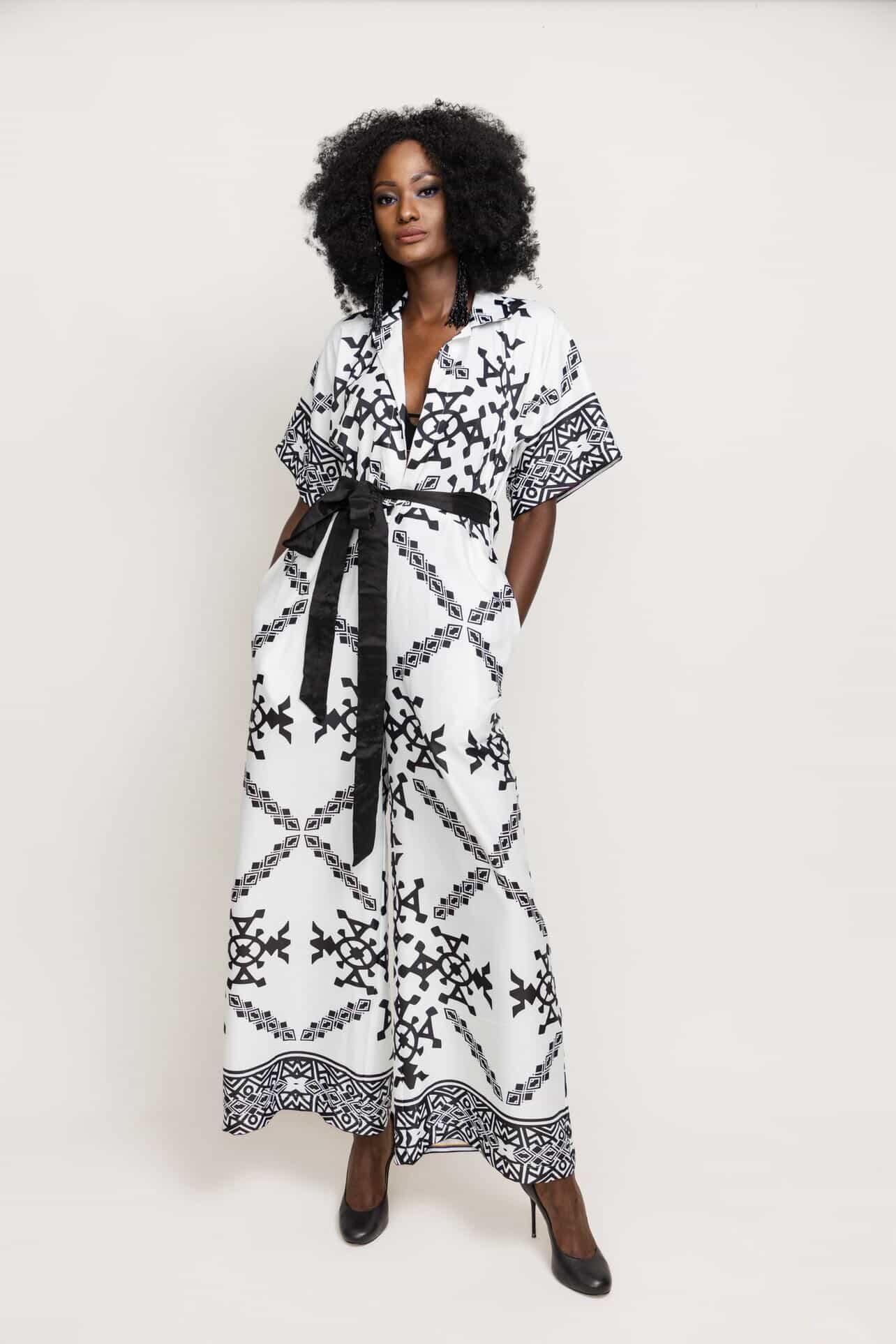
The DNA collection is a contemporary ready-to-wear proposal rooted in cultural memory and architectural heritage. It originates from the mural paintings and reliefs of Hausa architecture in Zinder (Damagaram, Niger), whose geometric and symbolic language was abstracted into a modern textile system. The project also draws from Sudano-Sahelian architecture, whose sculptural presence is balanced through a softened palette of powder pink, sand, and peach tones, bringing fluidity to structural references. DNA transforms static architecture into moving garments. Motifs become dynamic surfaces evolving with the body. Minimal silhouettes allow print, cut, and movement to function as one. More than reinterpretation, DNA defines heritage as a living system, embedding symbols like the Tchintabaraden cross into a contemporary and globally relevant design language.
The DNA collection is a contemporary ready-to-wear proposal rooted in cultural memory and architectural heritage. It originates from the mural paintings and reliefs of Hausa architecture in Zinder (Damagaram, Niger), whose geometric and symbolic language was abstracted into a modern textile system. The project also draws from Sudano-Sahelian architecture, whose sculptural presence is balanced through a softened palette of powder pink, sand, and peach tones, bringing fluidity to structural references. DNA transforms static architecture into moving garments. Motifs become dynamic surfaces evolving with the body. Minimal silhouettes allow print, cut, and movement to function as one. More than reinterpretation, DNA defines heritage as a living system, embedding symbols like the Tchintabaraden cross into a contemporary and globally relevant design language.
Project Innovation / Specification:
DNA translates architectural language into a wearable design system. Hausa motifs and Sahelian geometries are developed into a modular textile framework. Patterns act as structural elements, engineered digitally to interact with cut and movement, creating continuity across garments. This establishes a methodology where print and construction are conceived as one system. A chromatic duality reinforces the concept: indigo tones evoke strength and identity, while softened hues reinterpret density with lightness. Through fluid volumes and asymmetry, DNA creates a dialogue between structure and movement, proposing a contemporary African luxury where heritage is redefined through precision and innovation.
DNA translates architectural language into a wearable design system. Hausa motifs and Sahelian geometries are developed into a modular textile framework. Patterns act as structural elements, engineered digitally to interact with cut and movement, creating continuity across garments. This establishes a methodology where print and construction are conceived as one system. A chromatic duality reinforces the concept: indigo tones evoke strength and identity, while softened hues reinterpret density with lightness. Through fluid volumes and asymmetry, DNA creates a dialogue between structure and movement, proposing a contemporary African luxury where heritage is redefined through precision and innovation.
Project Sustainability Approach:
DNA is designed as a versatile and adaptive wardrobe. Many pieces use free-size constructions, allowing them to fit diverse body types while reducing overproduction. This approach is both functional and conceptual, moving beyond fixed sizing systems toward inclusivity and sustainability. Lightweight fabrics and fluid cuts ensure comfort in warm climates, while modular silhouettes allow transitions across contexts. Functionality is integrated into the design system, where adaptability, movement, and visual identity coexist seamlessly.
DNA is designed as a versatile and adaptive wardrobe. Many pieces use free-size constructions, allowing them to fit diverse body types while reducing overproduction. This approach is both functional and conceptual, moving beyond fixed sizing systems toward inclusivity and sustainability. Lightweight fabrics and fluid cuts ensure comfort in warm climates, while modular silhouettes allow transitions across contexts. Functionality is integrated into the design system, where adaptability, movement, and visual identity coexist seamlessly.
Local and Regional Impacts of the Project:
DNA operates through a locally rooted production model in Senegal, engaging trained artisans under fair conditions and continuous skill development. The project bridges innovation and heritage. While digital tools shape textile design, craftsmanship remains central: a key piece is hand-crocheted by a local artisan, ensuring transmission of savoir-faire. By integrating artisanal techniques into a contemporary system, DNA supports a sustainable creative ecosystem linking design, production, and knowledge. It generates employment while reinforcing the value of African craftsmanship globally.
DNA operates through a locally rooted production model in Senegal, engaging trained artisans under fair conditions and continuous skill development. The project bridges innovation and heritage. While digital tools shape textile design, craftsmanship remains central: a key piece is hand-crocheted by a local artisan, ensuring transmission of savoir-faire. By integrating artisanal techniques into a contemporary system, DNA supports a sustainable creative ecosystem linking design, production, and knowledge. It generates employment while reinforcing the value of African craftsmanship globally.

Company Name:Alia Bare
Lead Designer(s) Name(s):Alia Bare
Profile Description:
Alia Bare is a Nigerien designer based in Dakar, whose work bridges heritage and contemporary design through a deeply research-driven approach. Drawing from Hausa architecture, symbolic motifs, and indigo traditions, she translates cultural narratives into structured, fluid silhouettes. Her practice combines innovation in textile development with precise construction, creating garments that balance minimalism and expressive detail. Each piece embodies cultural continuity, emotional resonance, and a refined vision of African luxury rooted in identity and modernity.
Alia Bare is a Nigerien designer based in Dakar, whose work bridges heritage and contemporary design through a deeply research-driven approach. Drawing from Hausa architecture, symbolic motifs, and indigo traditions, she translates cultural narratives into structured, fluid silhouettes. Her practice combines innovation in textile development with precise construction, creating garments that balance minimalism and expressive detail. Each piece embodies cultural continuity, emotional resonance, and a refined vision of African luxury rooted in identity and modernity.
Environmental Practices:
Alia Bare operates a responsible, small-batch production model designed to minimize waste and ensure durability. All pieces are produced in Senegal, supporting local employment, skill transmission, and fair working conditions. The use of digital printing enables precision and reduces excess material, while production is aligned with demand. The brand integrates reusable and biodegradable packaging solutions and prioritizes resource efficiency throughout its process. This approach reflects a sustainable vision grounded in impact, responsibility, and long-term value creation.
Alia Bare operates a responsible, small-batch production model designed to minimize waste and ensure durability. All pieces are produced in Senegal, supporting local employment, skill transmission, and fair working conditions. The use of digital printing enables precision and reduces excess material, while production is aligned with demand. The brand integrates reusable and biodegradable packaging solutions and prioritizes resource efficiency throughout its process. This approach reflects a sustainable vision grounded in impact, responsibility, and long-term value creation.