WASTE IS WHITE
Prize(s):
WINNER 2026 FASHION DESIGN / Sustainable Fashion | FASHION DESIGN / Textile: Traditional Print
Company Name:Lohije
Lead Designer(s) Name(s):Gift Erhagbai
Other Contributor(s):Diakwu Cloth and Warawa Kano community weavers
Photo Credit:Pavel Kim
Project Location:Lagos, Nigeria and Seoul, South Korea
Design Status:Commercialized
Website: View
Project Description:
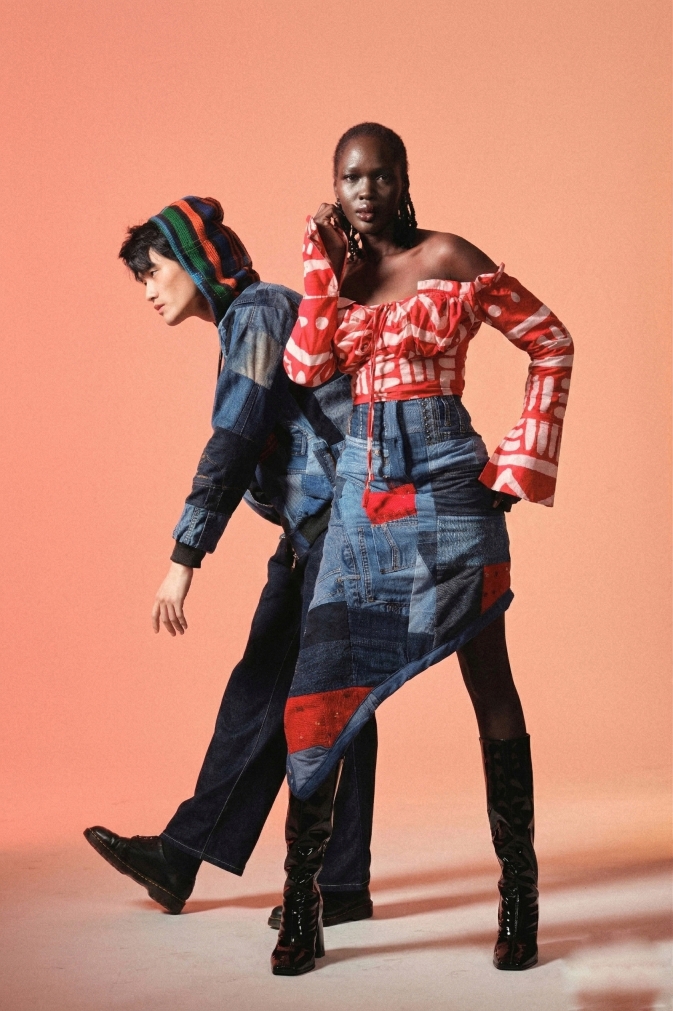
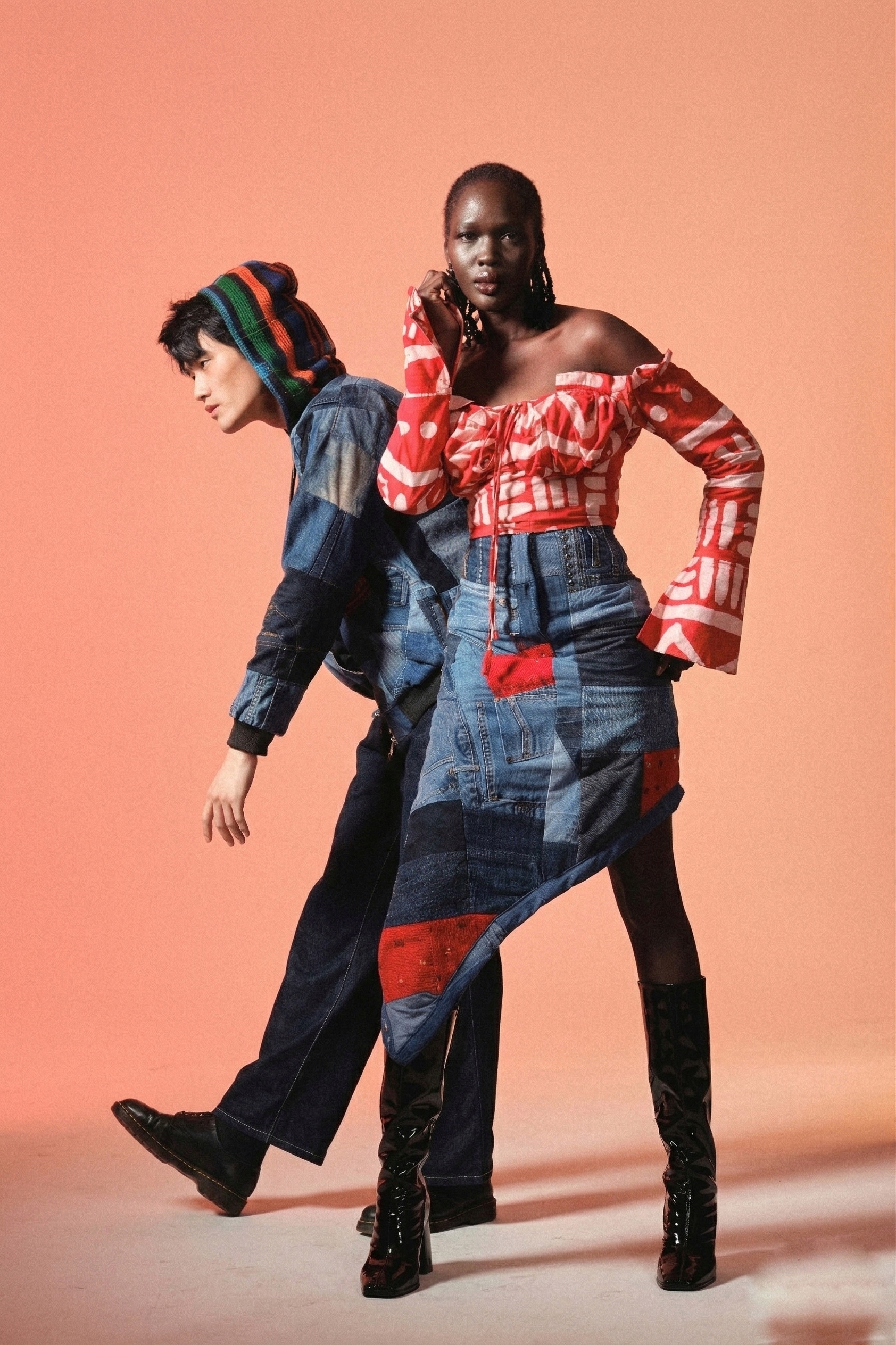
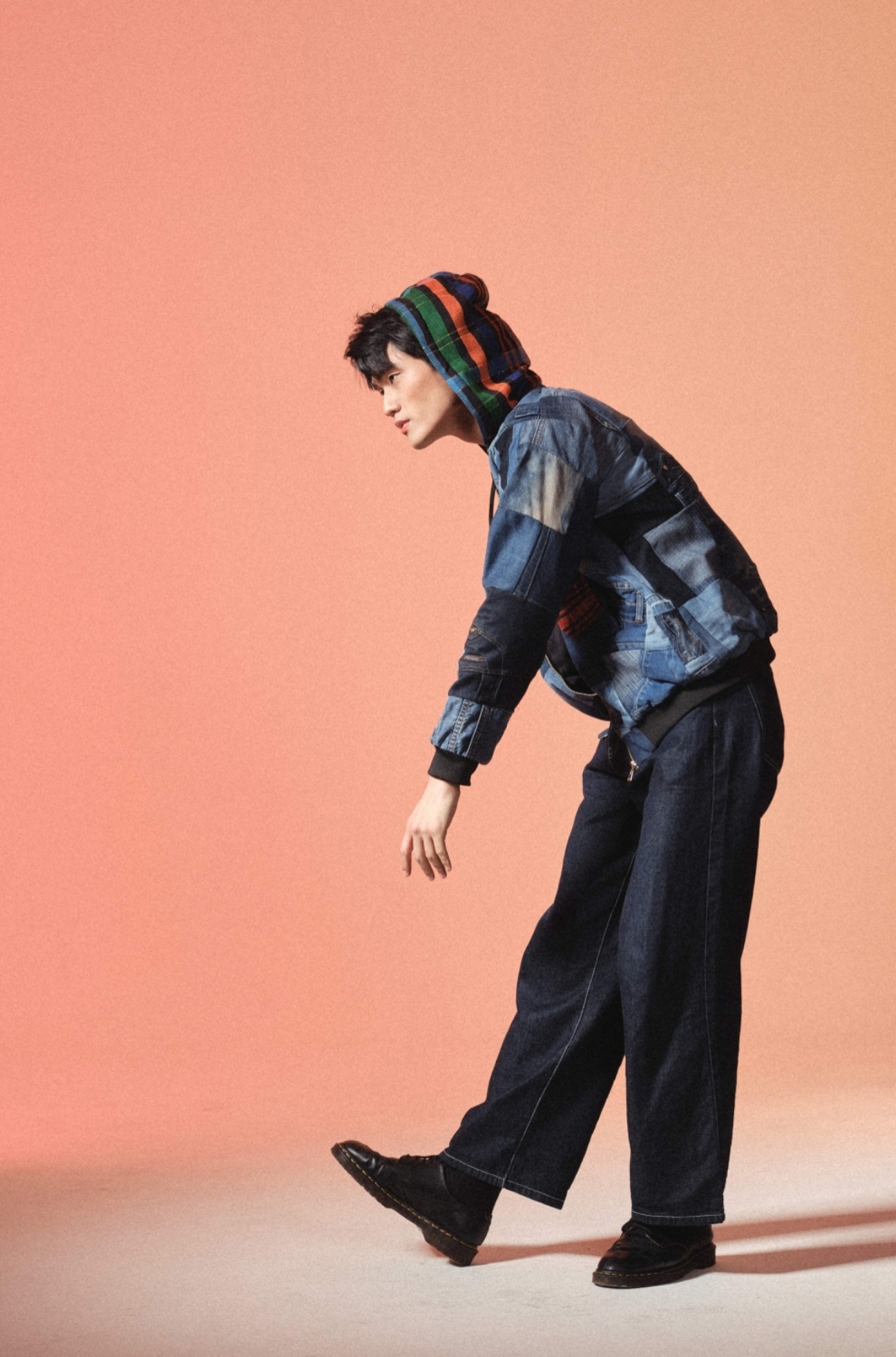
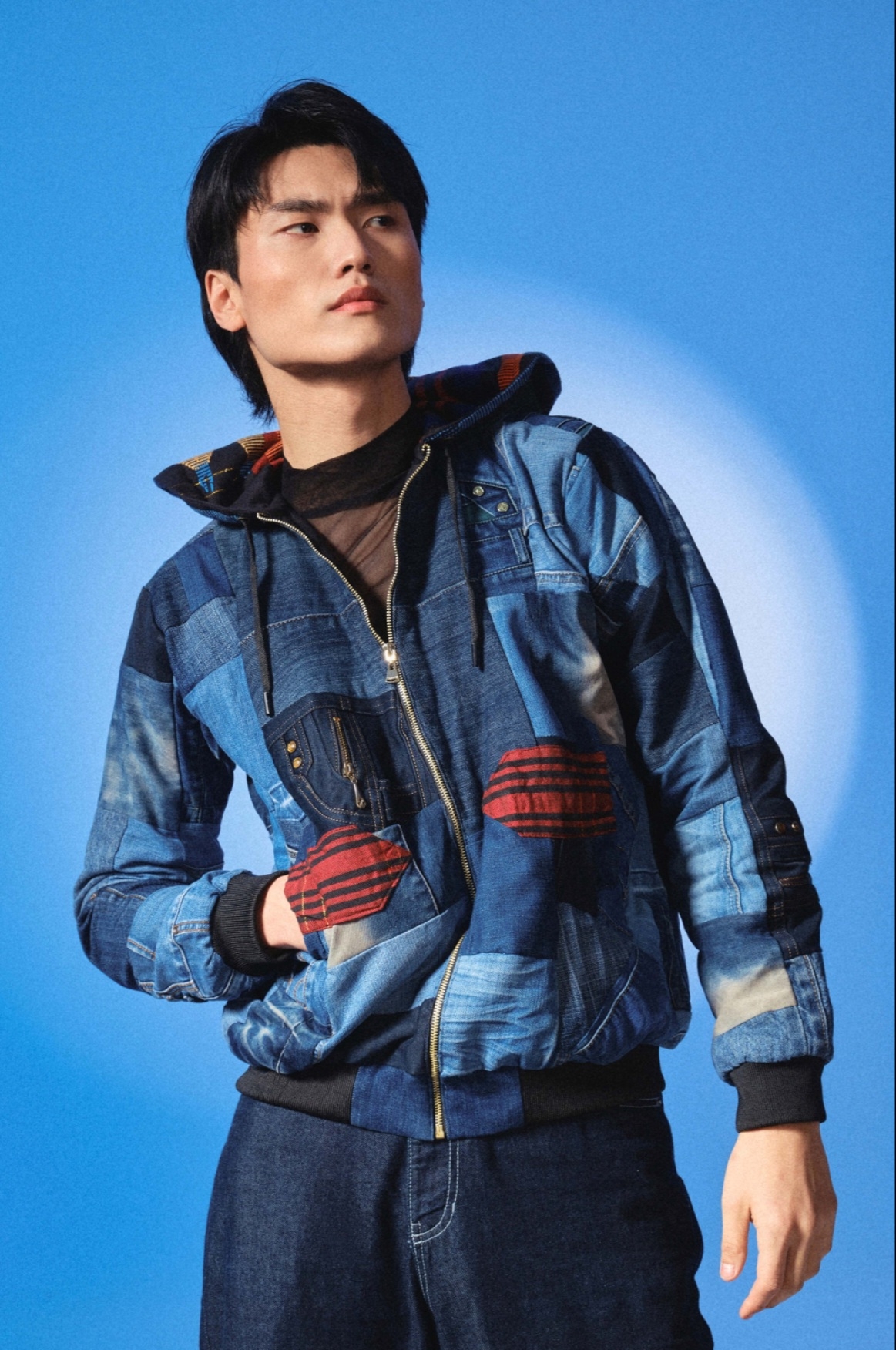
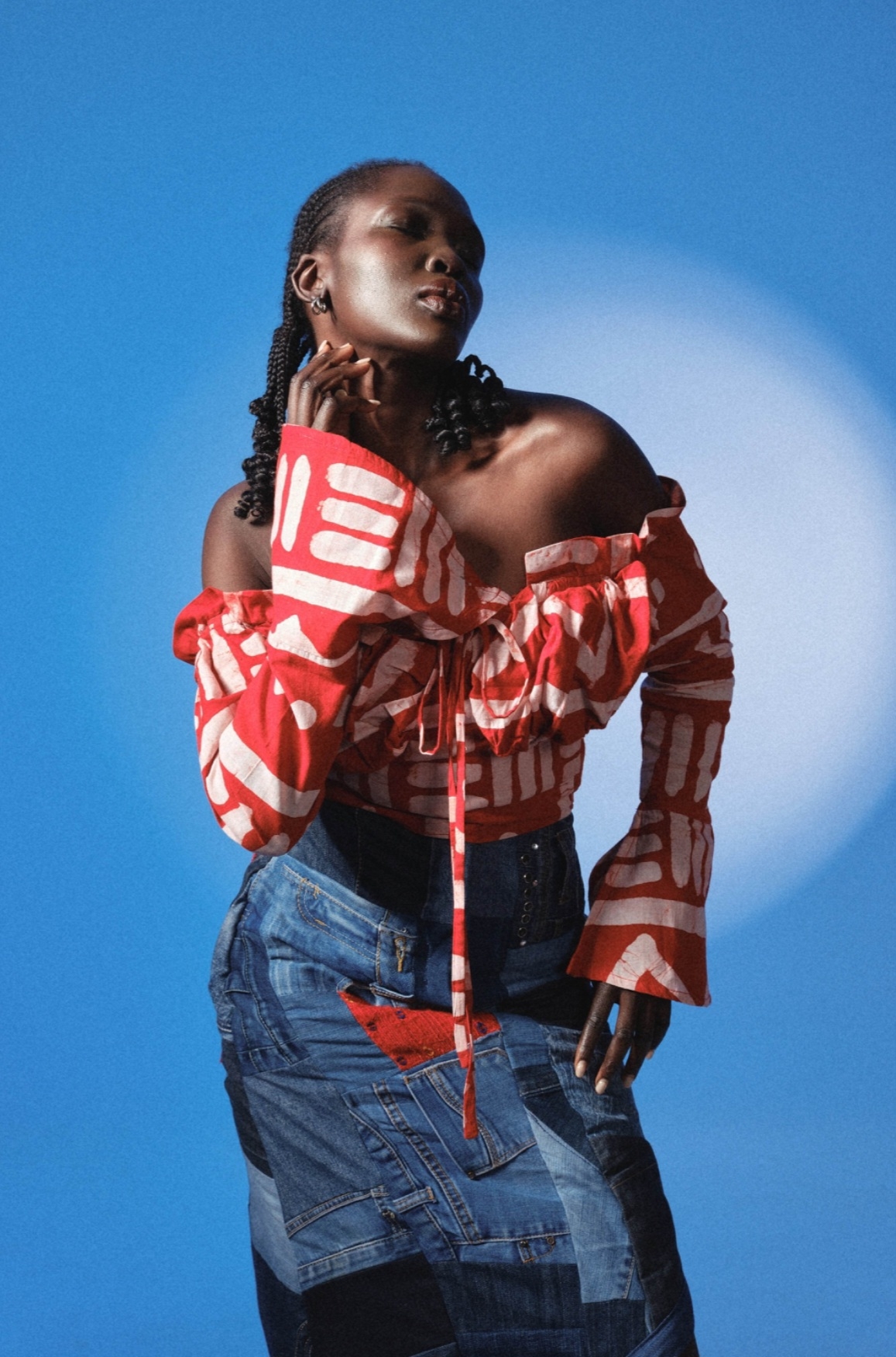
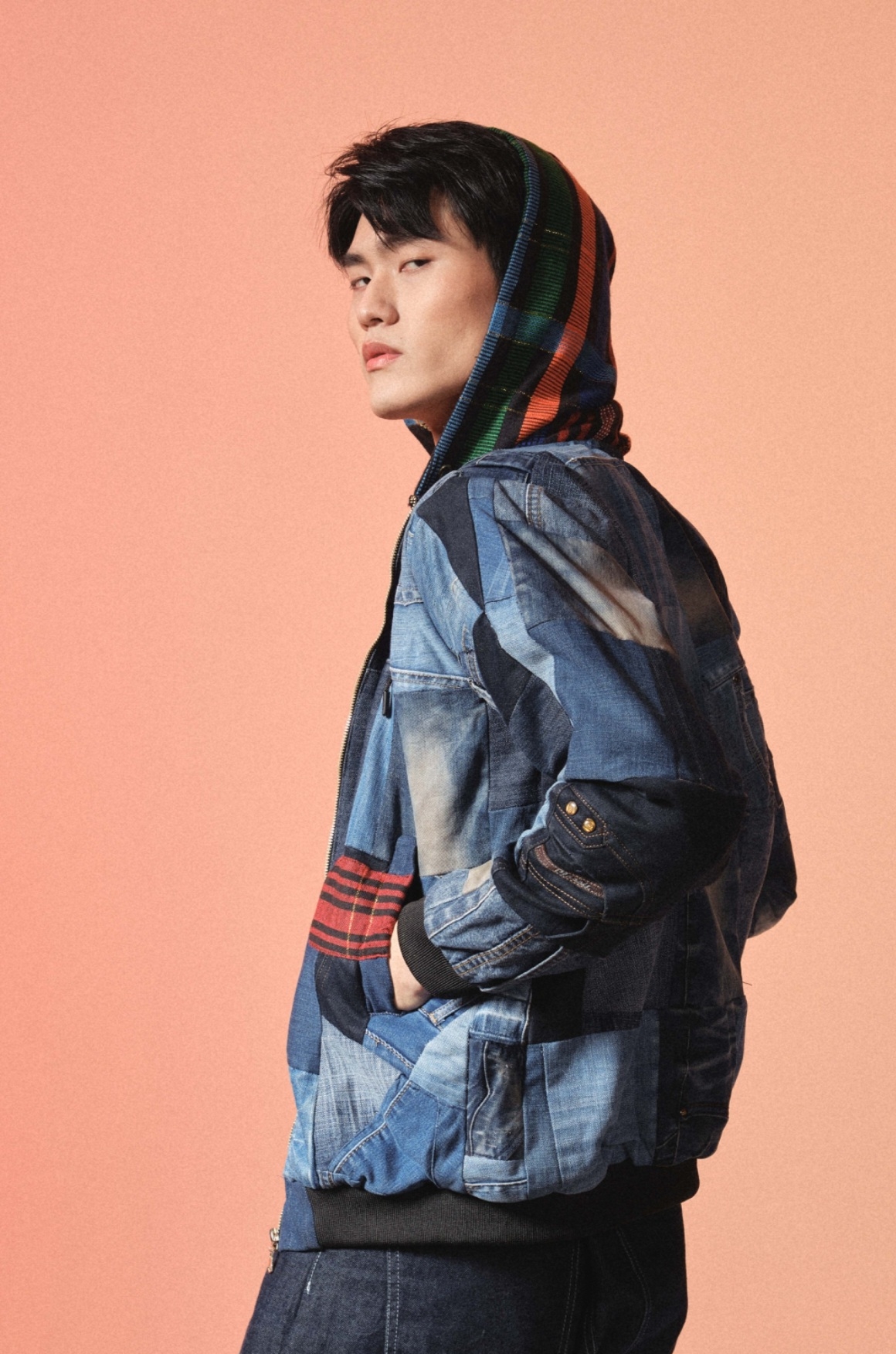
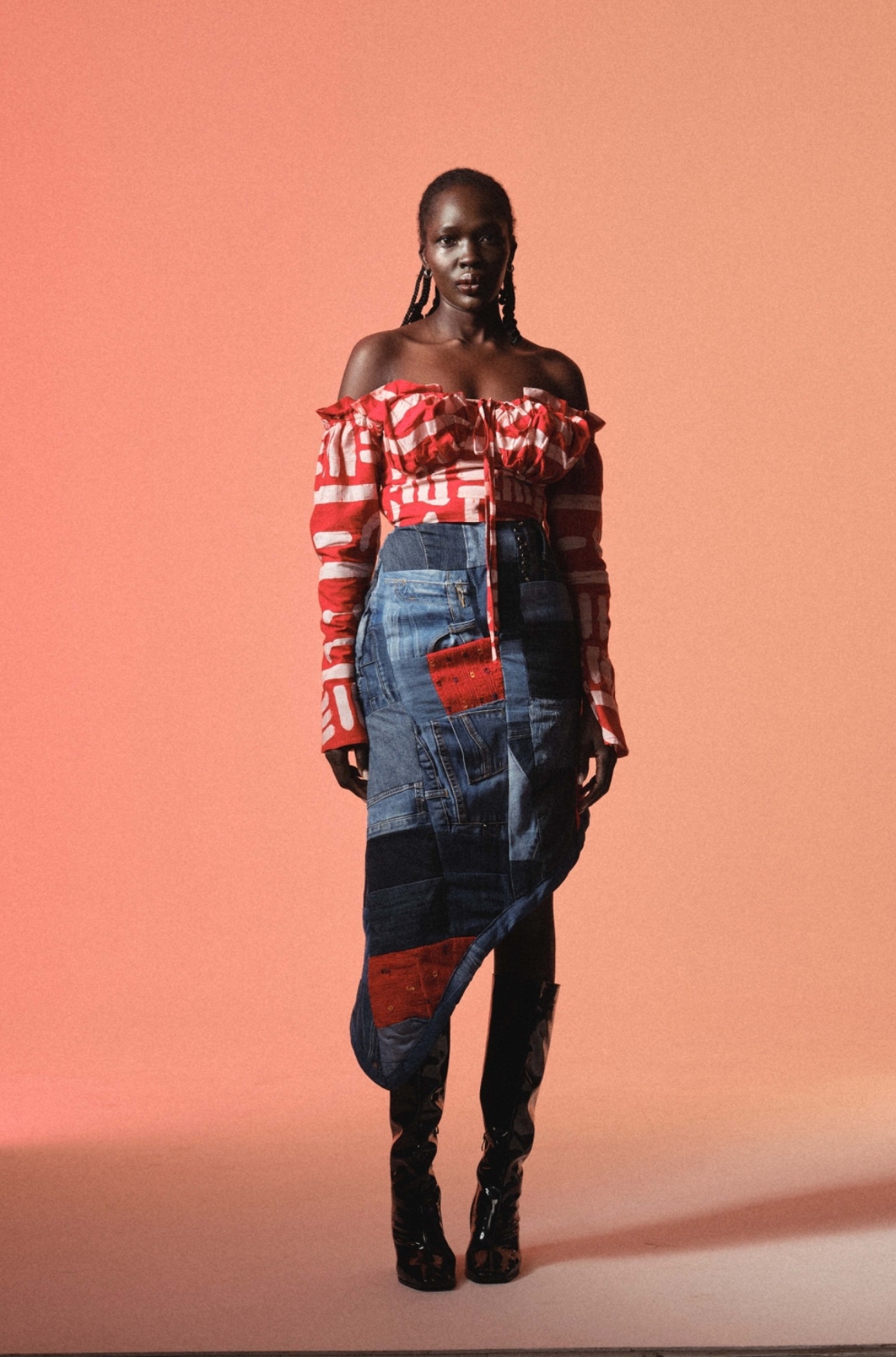
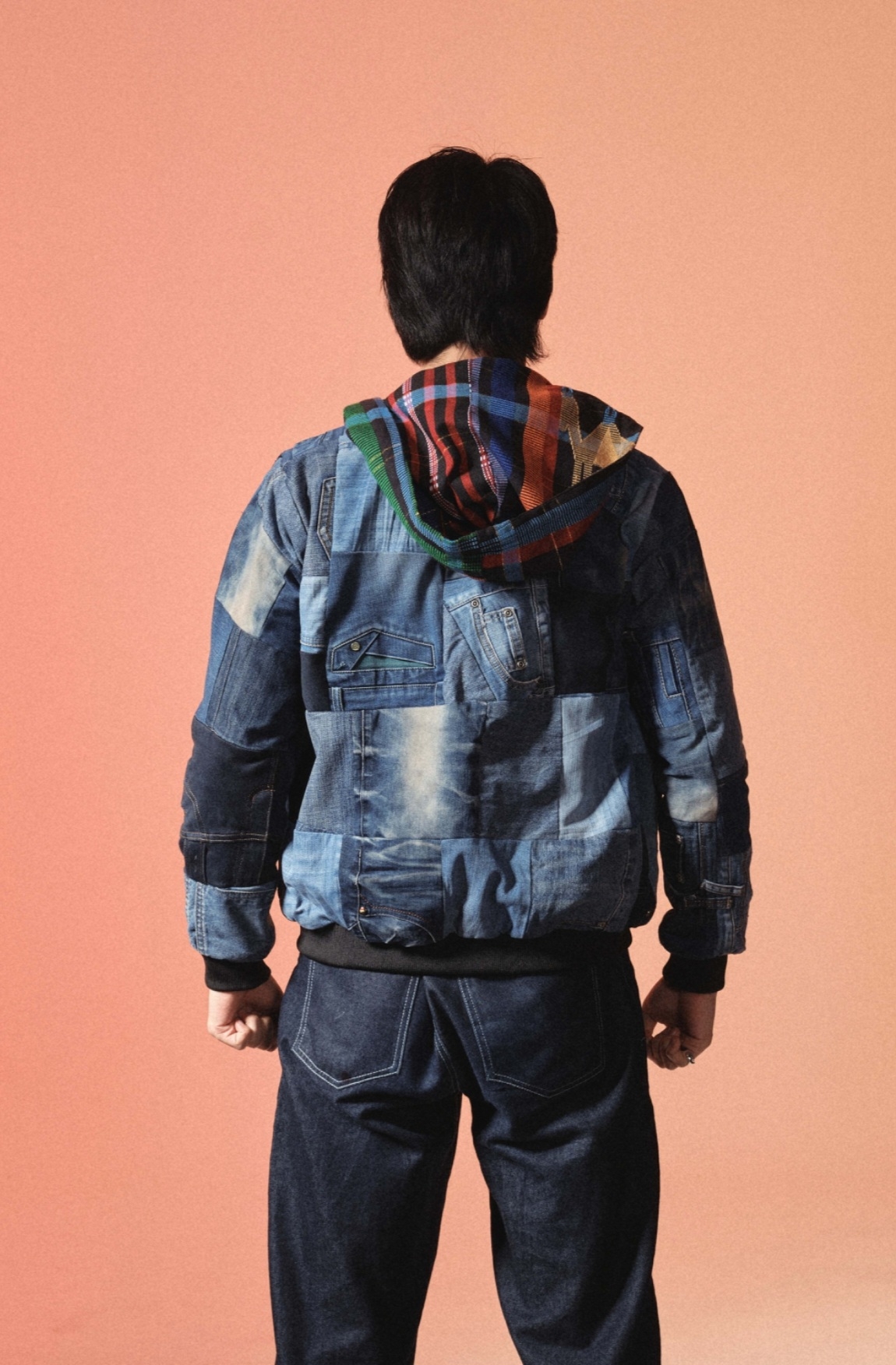
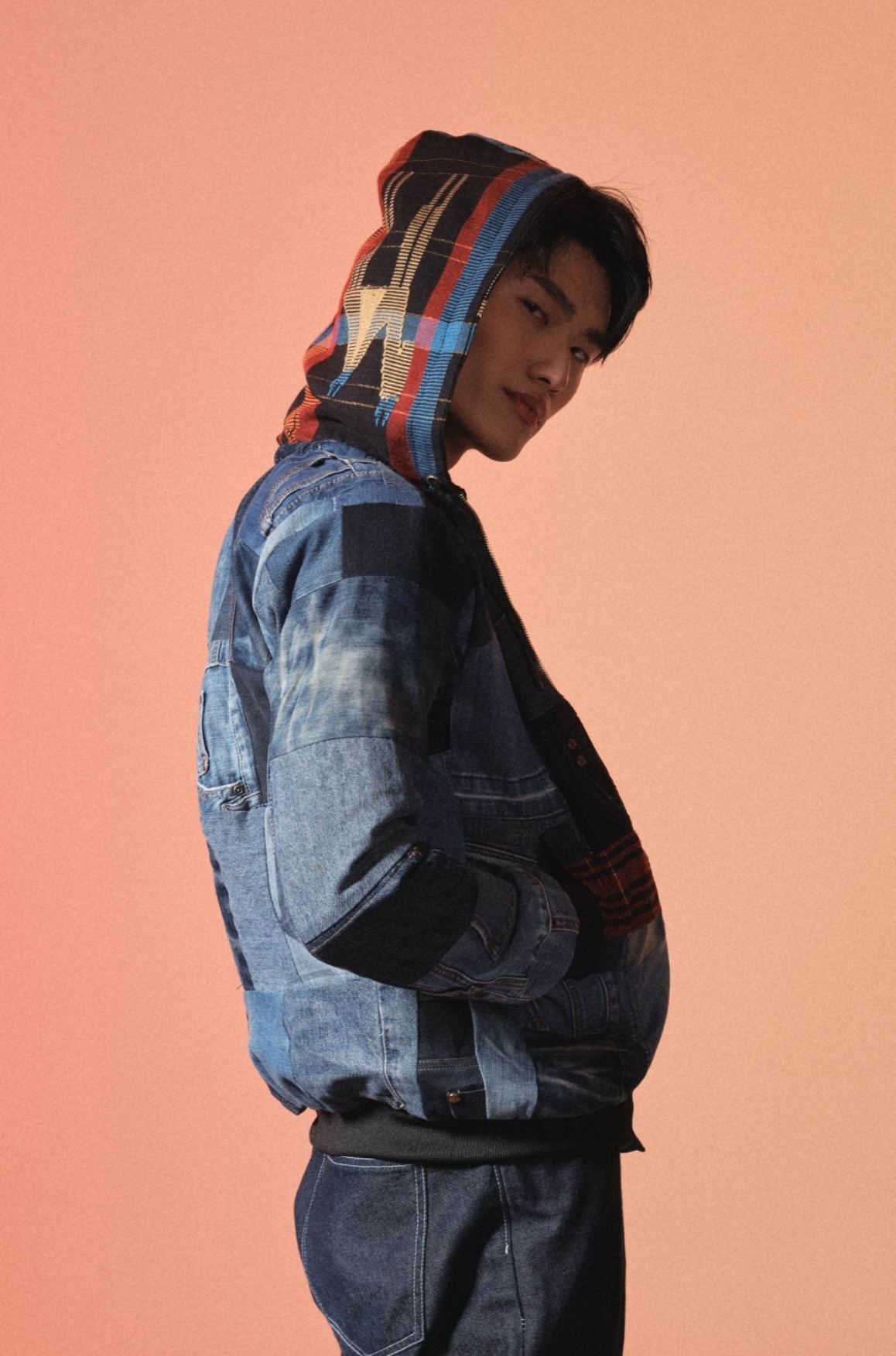
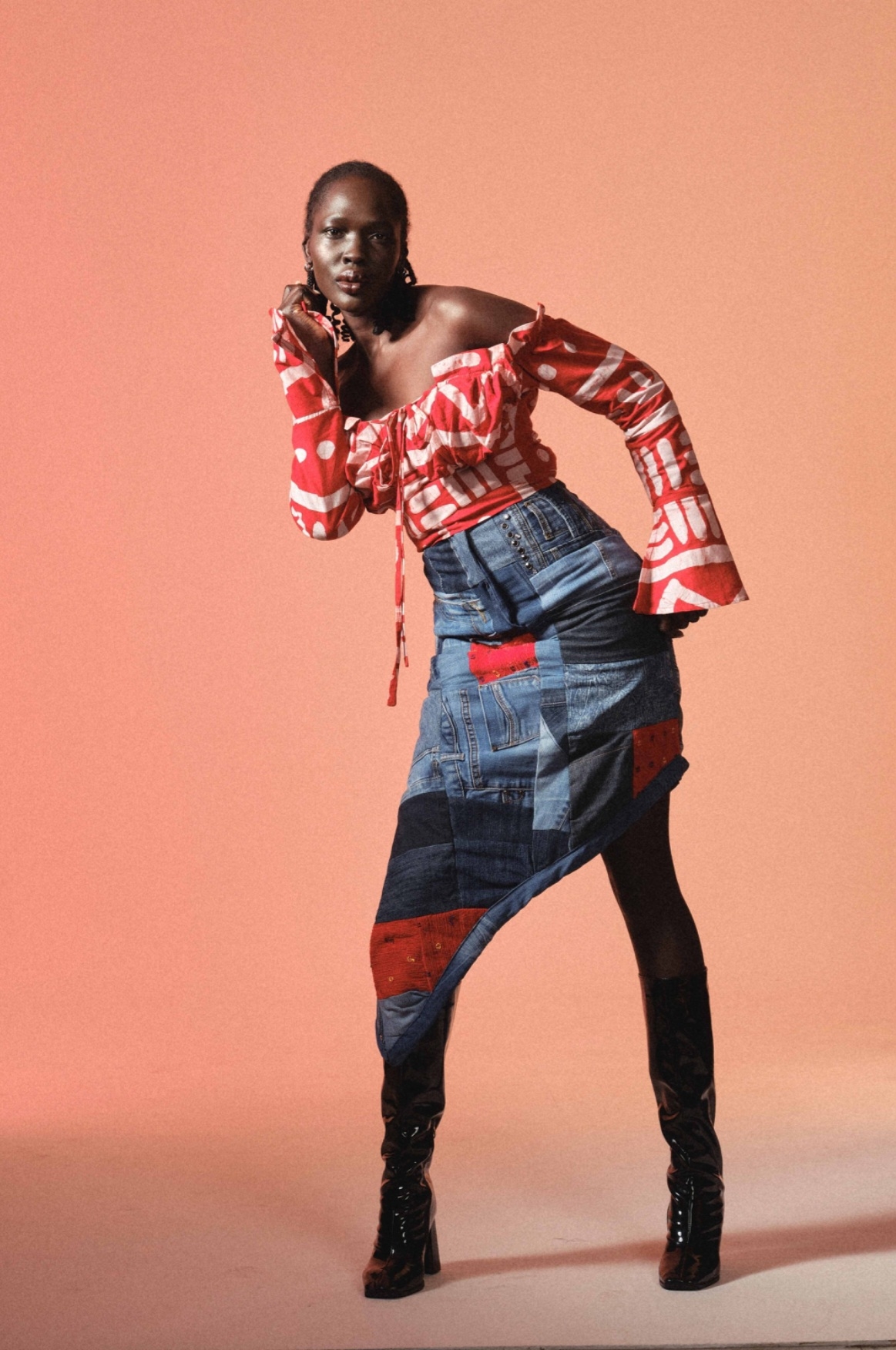
WASTE IS WHITE is a sustainable initiative that redefines waste as something valuable rather than disposable. Inspired by a deep curiosity for African textiles, the project draws from discoveries in NorthernNigeria, including the handwoven ‘Sakala’ cloth from Warawa, Kano, and ‘Diakwu’ cloth made from scrap materials. These textiles, rooted in heritage and craftsmanship, became the foundation for a contemporary exploration of sustainability. An essential part of the project is the upcycling of denim sourced from Katangua Market in Lagos. Discarded denim pieces were cut,reimagined,and fused with Diakwu and Sakala fabrics to create unique designs that balance texture, color, and cultural storytelling. The result is a refined expression of sustainable fashion that proves beauty and responsibility can coexist. Waste from previous collections is repurposed into limited-edition pieces,reinforcing a circular-design approach. Photographed in the West(South Korea), the project subtly challenges the narrative of second-hand waste being dumped on African soil,highlighting the power to transform what was discarded into something now desired and worn by the very systems that once overlooked it.
WASTE IS WHITE is a sustainable initiative that redefines waste as something valuable rather than disposable. Inspired by a deep curiosity for African textiles, the project draws from discoveries in NorthernNigeria, including the handwoven ‘Sakala’ cloth from Warawa, Kano, and ‘Diakwu’ cloth made from scrap materials. These textiles, rooted in heritage and craftsmanship, became the foundation for a contemporary exploration of sustainability. An essential part of the project is the upcycling of denim sourced from Katangua Market in Lagos. Discarded denim pieces were cut,reimagined,and fused with Diakwu and Sakala fabrics to create unique designs that balance texture, color, and cultural storytelling. The result is a refined expression of sustainable fashion that proves beauty and responsibility can coexist. Waste from previous collections is repurposed into limited-edition pieces,reinforcing a circular-design approach. Photographed in the West(South Korea), the project subtly challenges the narrative of second-hand waste being dumped on African soil,highlighting the power to transform what was discarded into something now desired and worn by the very systems that once overlooked it.
Project Innovation / Specification:
WASTE IS WHITE demonstrates innovation through its reframing of textile waste as a material of value,both culturally and aesthetically. It challenges linear fashion systems by merging post-consumer denim with traditionally handwoven textiles such as Sakala and Diakwu, materials that already embody resourcefulness. By positioning waste as “white,”it introduces a new narrative where discarded materials are elevated into refined, desirable pieces. The project also challenges the global reality of second-hand waste being exported to Africa, transforming these materials into garments later photographed in the West, where they are recontextualized as luxury. This circular storytelling becomes both a design and a cultural intervention. The project is executed through intentional sourcing and craftsmanship. Denim was sourced from Katangua Market and deconstructed into usable panels. These were combined with handwoven Sakala and Diakwu cloth made from scrap textiles. The fusion process involved careful material mapping, pattern cutting, and reconstruction to achieve balance in texture and form. The outcome includes two limited-edition designs that blur the line between waste and worth.
WASTE IS WHITE demonstrates innovation through its reframing of textile waste as a material of value,both culturally and aesthetically. It challenges linear fashion systems by merging post-consumer denim with traditionally handwoven textiles such as Sakala and Diakwu, materials that already embody resourcefulness. By positioning waste as “white,”it introduces a new narrative where discarded materials are elevated into refined, desirable pieces. The project also challenges the global reality of second-hand waste being exported to Africa, transforming these materials into garments later photographed in the West, where they are recontextualized as luxury. This circular storytelling becomes both a design and a cultural intervention. The project is executed through intentional sourcing and craftsmanship. Denim was sourced from Katangua Market and deconstructed into usable panels. These were combined with handwoven Sakala and Diakwu cloth made from scrap textiles. The fusion process involved careful material mapping, pattern cutting, and reconstruction to achieve balance in texture and form. The outcome includes two limited-edition designs that blur the line between waste and worth.
Project Sustainability Approach:
WASTE IS WHITE adopts a circular and responsible approach by addressing environmental, social, and economic sustainability. Environmentally, the project diverts textile waste from landfills by upcycling post-consumer denim and repurposing leftover fabrics. Denim production is highly resource-intensive, with a single pair of jeans requiring up to 3000–10,000 litres of water and significant energy use. By reclaiming discarded denim from Katangua Market and integrating Diakwu which is already made from scrap textiles, the project reduces demand for virgin materials and extends the lifecycle of existing ones. Socially, the project prioritizes artisan collaboration, working closely with weavers in Warawa, Kano, to preserve traditional Sakala techniques while creating income opportunities. It reinforces respect for indigenous craftsmanship and inclusive production. Economically, the initiative transforms waste into high-value, limited-edition pieces, proving that sustainability can be both viable and desirable. A percentage of proceeds supports community-focused initiatives, ensuring that impact extends beyond the product into long-term social value.
WASTE IS WHITE adopts a circular and responsible approach by addressing environmental, social, and economic sustainability. Environmentally, the project diverts textile waste from landfills by upcycling post-consumer denim and repurposing leftover fabrics. Denim production is highly resource-intensive, with a single pair of jeans requiring up to 3000–10,000 litres of water and significant energy use. By reclaiming discarded denim from Katangua Market and integrating Diakwu which is already made from scrap textiles, the project reduces demand for virgin materials and extends the lifecycle of existing ones. Socially, the project prioritizes artisan collaboration, working closely with weavers in Warawa, Kano, to preserve traditional Sakala techniques while creating income opportunities. It reinforces respect for indigenous craftsmanship and inclusive production. Economically, the initiative transforms waste into high-value, limited-edition pieces, proving that sustainability can be both viable and desirable. A percentage of proceeds supports community-focused initiatives, ensuring that impact extends beyond the product into long-term social value.
Local and Regional Impacts of the Project:
WASTE IS WHITE creates tangible local and regional impact by transforming how waste, craft, and value are perceived and utilized. Locally, the project supports informal economies such as Katangua Market by sourcing post-consumer denim, redirecting waste into productive use. It also strengthens artisan communities particularly in Warawa,Kano by preserving traditional techniques that are at risk of decline. This also fosters income generation, skill continuity, and cultural pride. Regionally, the project challenges the narrative of Africa as a dumping ground for second-hand textiles, instead positioning her as a hub of innovation and transformation. The project encourages other African creatives to adopt circular practices while amplifying the global visibility of indigenous textiles.
WASTE IS WHITE creates tangible local and regional impact by transforming how waste, craft, and value are perceived and utilized. Locally, the project supports informal economies such as Katangua Market by sourcing post-consumer denim, redirecting waste into productive use. It also strengthens artisan communities particularly in Warawa,Kano by preserving traditional techniques that are at risk of decline. This also fosters income generation, skill continuity, and cultural pride. Regionally, the project challenges the narrative of Africa as a dumping ground for second-hand textiles, instead positioning her as a hub of innovation and transformation. The project encourages other African creatives to adopt circular practices while amplifying the global visibility of indigenous textiles.
Company Name:Lohije
Lead Designer(s) Name(s):Gift Erhagbai
Profile Description:
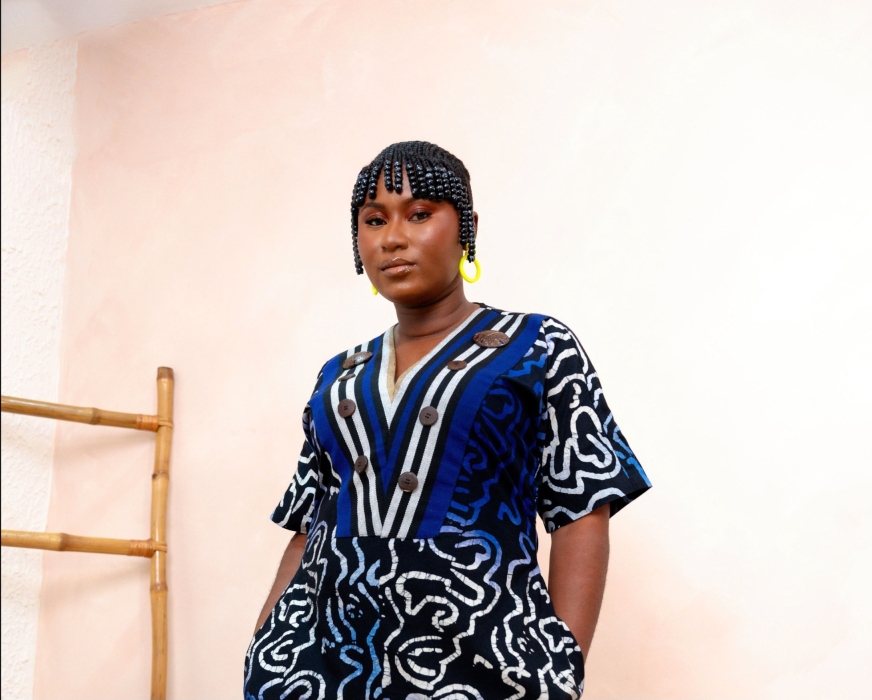
LOHIJE is a fashion brand from Lagos, Nigeria, deeply rooted in preserving and celebrating African heritage through sustainable fashion. Founded in April 2021 by Gift Olohije Erhagbai and inspired by her parents’ love for African art, the brand blends locally sourced textiles and upcycled materials crafted by artisans into modern timeless and functional pieces. Bridging culture and modernity, LOHIJE invites its customers to embody a living expression of African history in style, carrying forward a continued line of culture, reimagined for the life they live today.
LOHIJE is a fashion brand from Lagos, Nigeria, deeply rooted in preserving and celebrating African heritage through sustainable fashion. Founded in April 2021 by Gift Olohije Erhagbai and inspired by her parents’ love for African art, the brand blends locally sourced textiles and upcycled materials crafted by artisans into modern timeless and functional pieces. Bridging culture and modernity, LOHIJE invites its customers to embody a living expression of African history in style, carrying forward a continued line of culture, reimagined for the life they live today.
Environmental Practices:
LOHIJE’s commitment to sustainability runs deep. From controlling overproduction to incorporating upcycling into the design process, the brand has a mission to be part of the solution to fashion’s waste problem. We believe in the preservation of African heritage and by working with local artisans, we continue to promote our craftsmanship and scale local economies. Our sustainable practices also extend to our thoughtful upcycled packaging and contributions to our community through the Waste Is White initiative, where we give back 5% of sales from our upcycled pieces to communities in need.
LOHIJE’s commitment to sustainability runs deep. From controlling overproduction to incorporating upcycling into the design process, the brand has a mission to be part of the solution to fashion’s waste problem. We believe in the preservation of African heritage and by working with local artisans, we continue to promote our craftsmanship and scale local economies. Our sustainable practices also extend to our thoughtful upcycled packaging and contributions to our community through the Waste Is White initiative, where we give back 5% of sales from our upcycled pieces to communities in need.
Previous Awards Won:
LOHIJE has earned recognition for its innovative designs, featured at Lagos Fashion Week, Woven Threads, GTCO Fashion Weekend, and the Seoul Africa Festival. In 2022, it won the Fashionomics Africa contest by African Development Bank for sustainability and innovation.
LOHIJE has earned recognition for its innovative designs, featured at Lagos Fashion Week, Woven Threads, GTCO Fashion Weekend, and the Seoul Africa Festival. In 2022, it won the Fashionomics Africa contest by African Development Bank for sustainability and innovation.