Savage Beauty Heritage
Prize(s):
WINNER 2026 FASHION DESIGN / Sustainable Fashion | FASHION DESIGN / Avant-Garde
Company Name:Afrowema
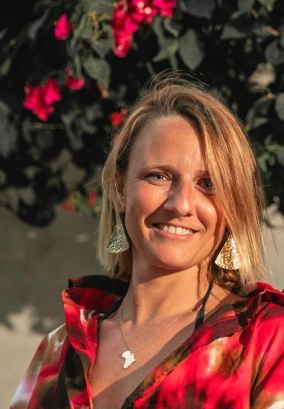
Lead Designer(s) Name(s):Tatiana Teixeira
Design Team / Other designer(s):Rosemary Ombeshi
Other Contributor(s):Artisans: Grace Swalah, Sophie Aol, Tabitha Oyugi and Samwel Mwangi
Photo Credit:Daniel Kempf-Seifried
Project Location:Kibera - Nairobi - Kenya
Design Status:Commercialized
Website: View
Project Description:
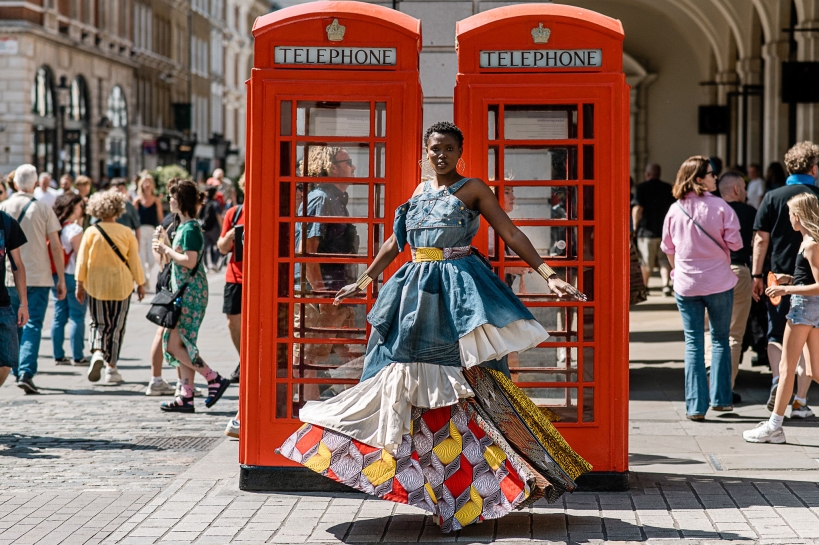
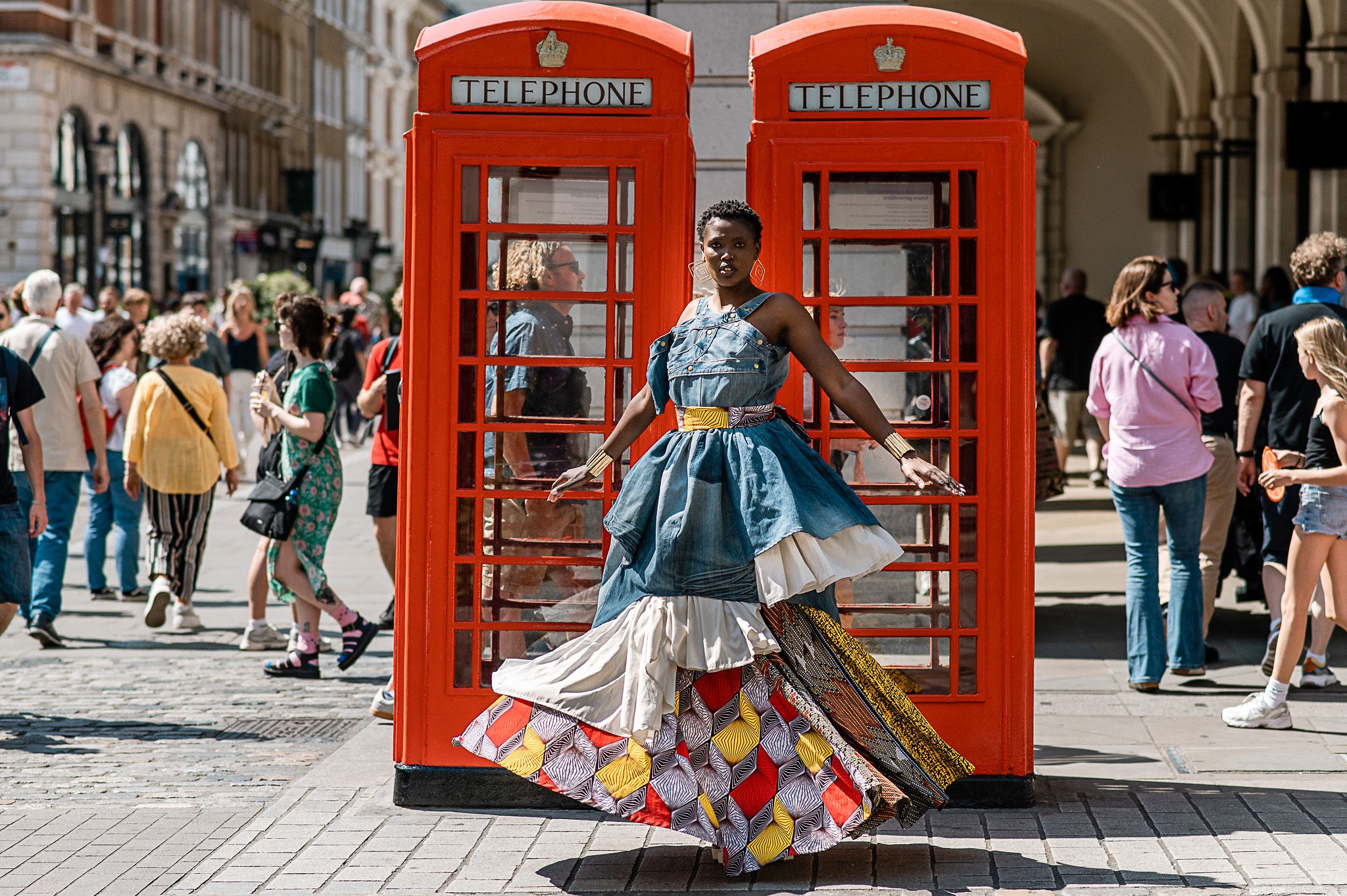
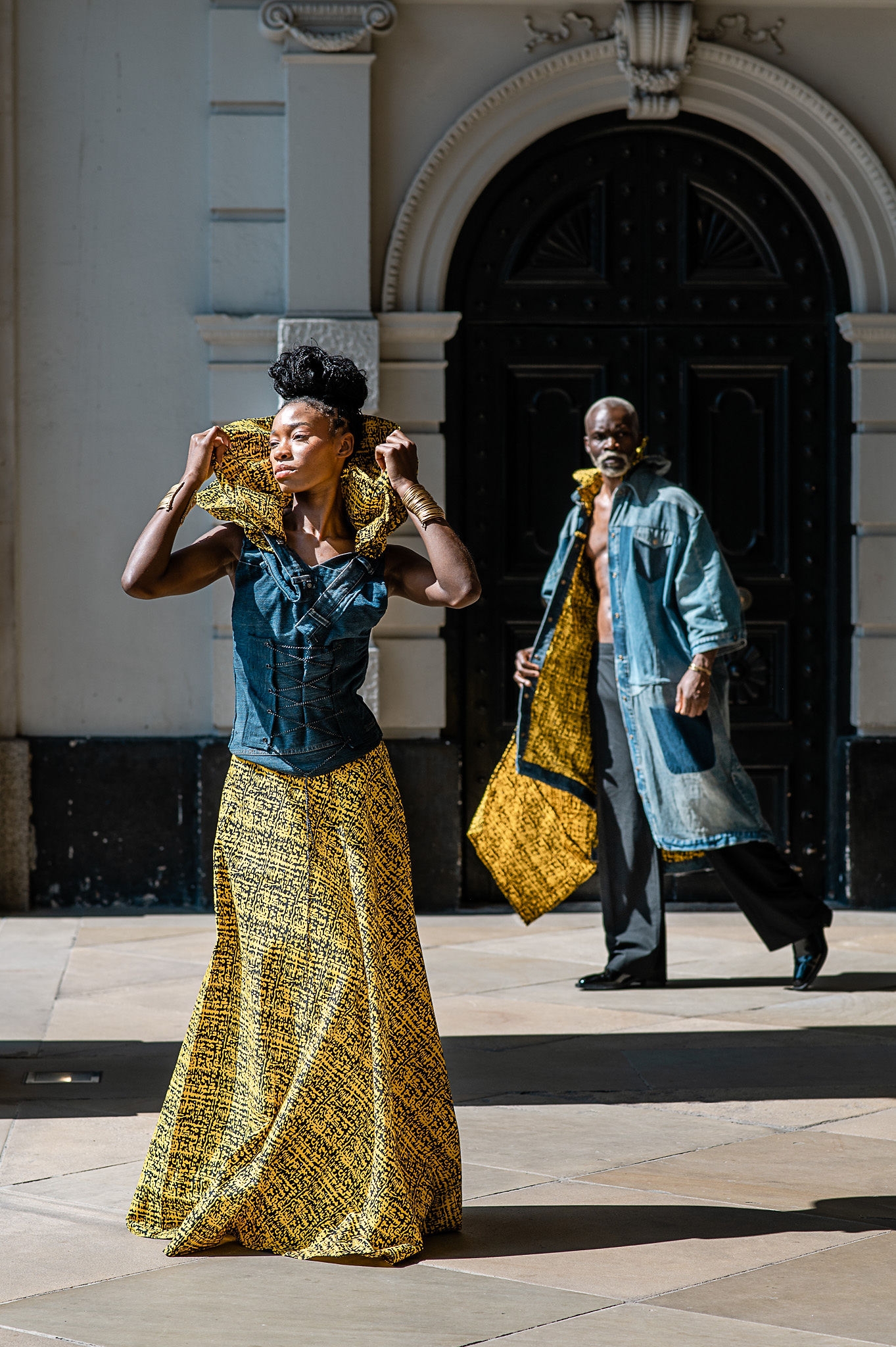
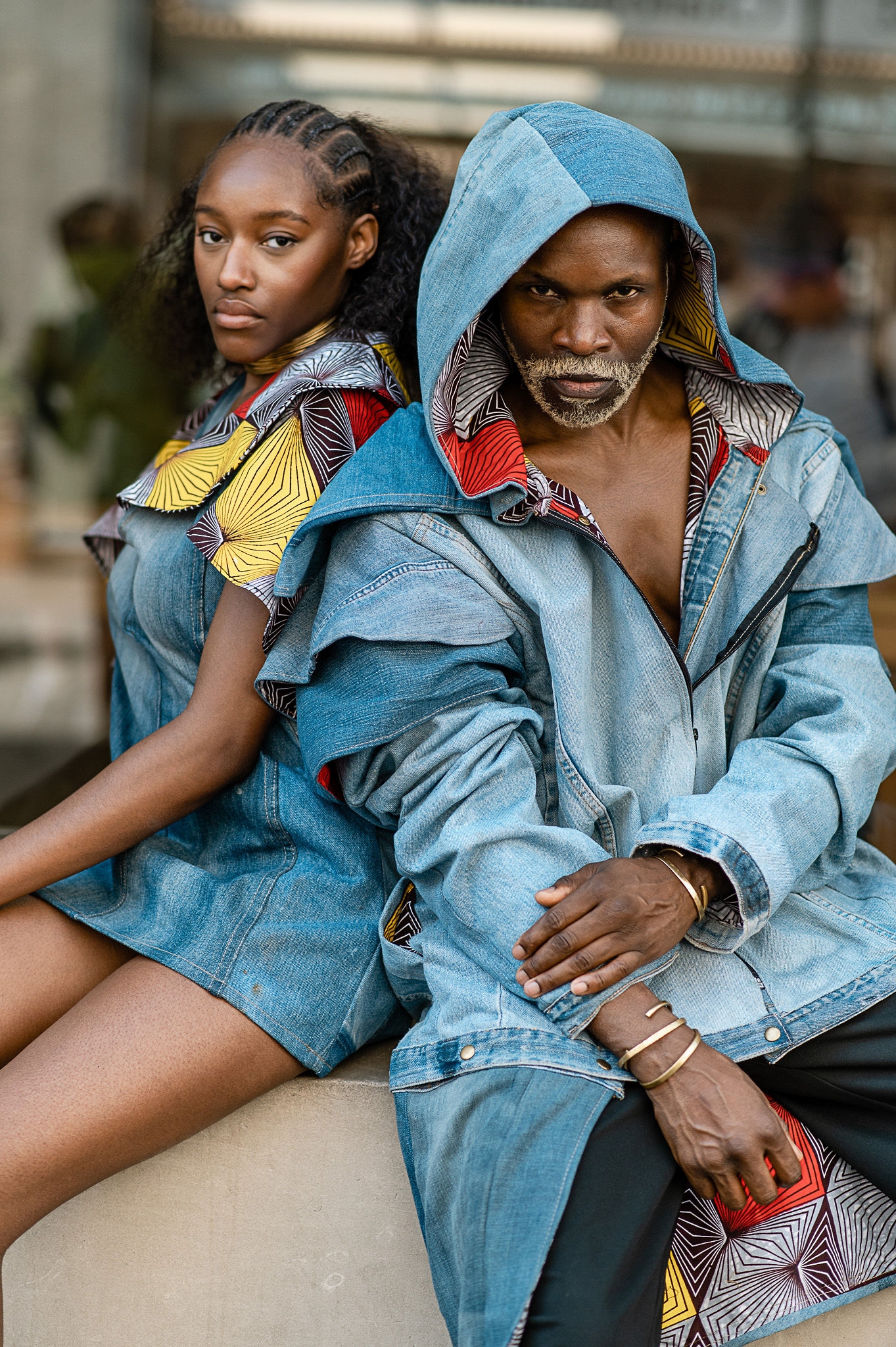
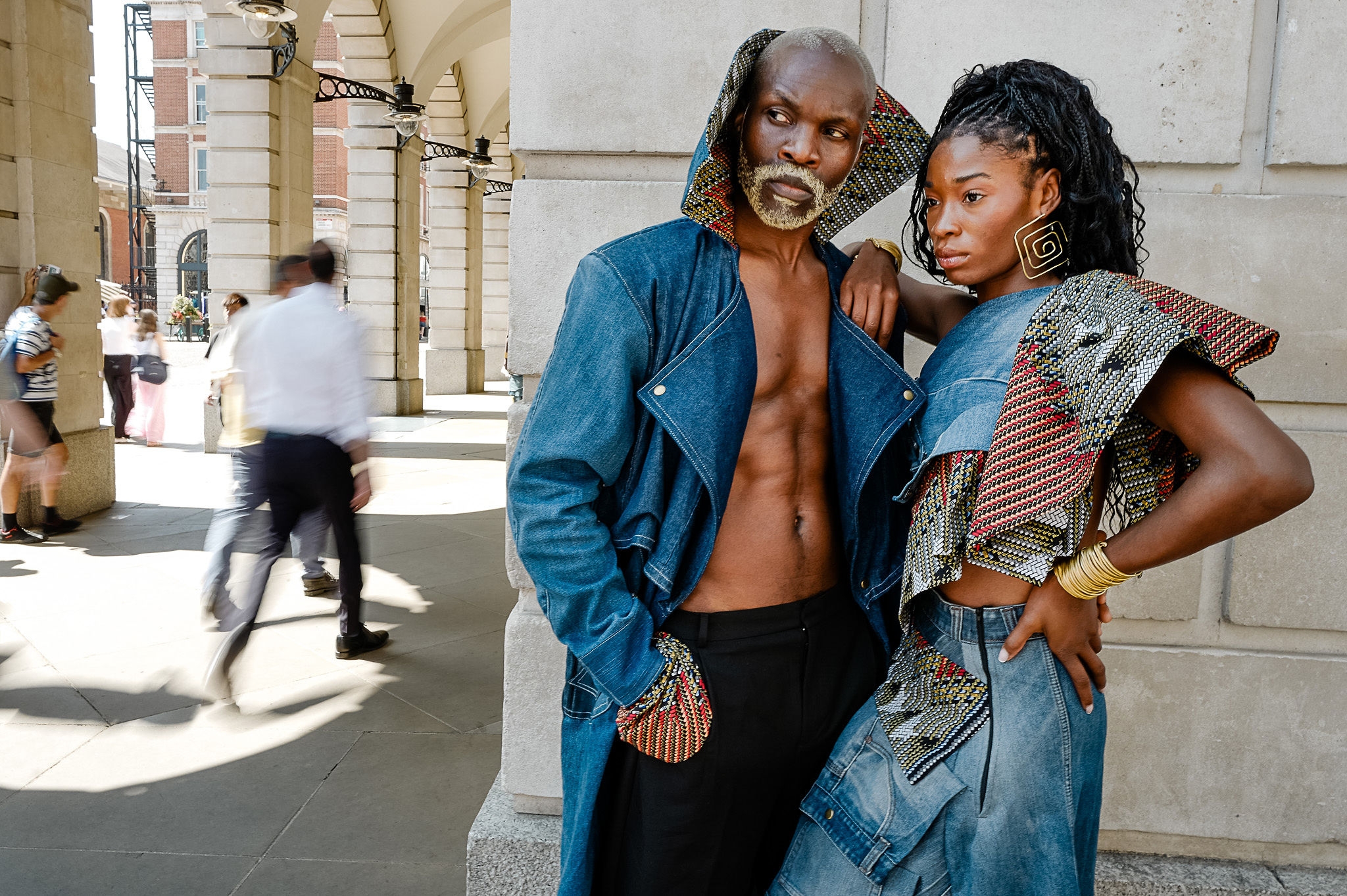
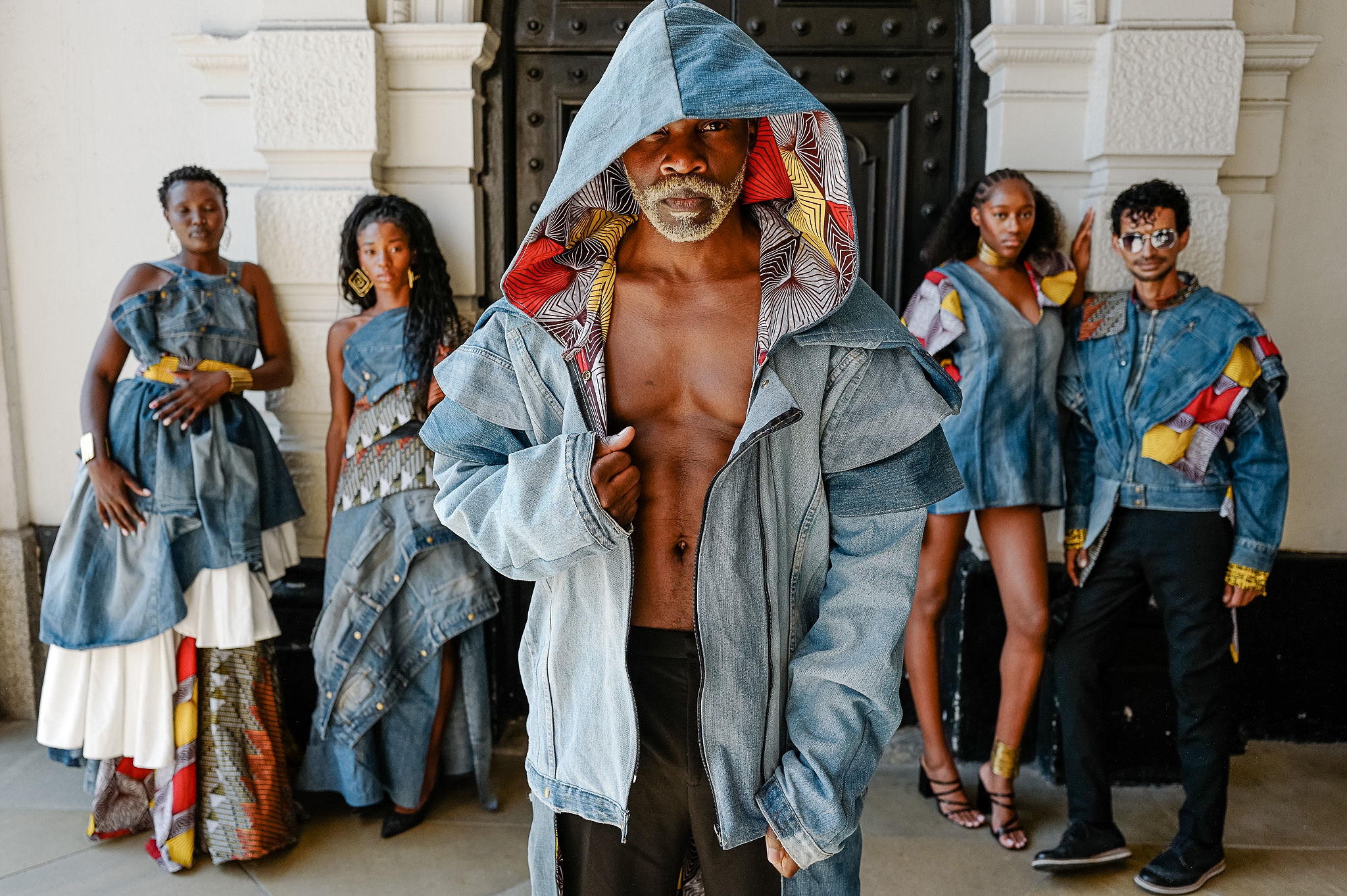
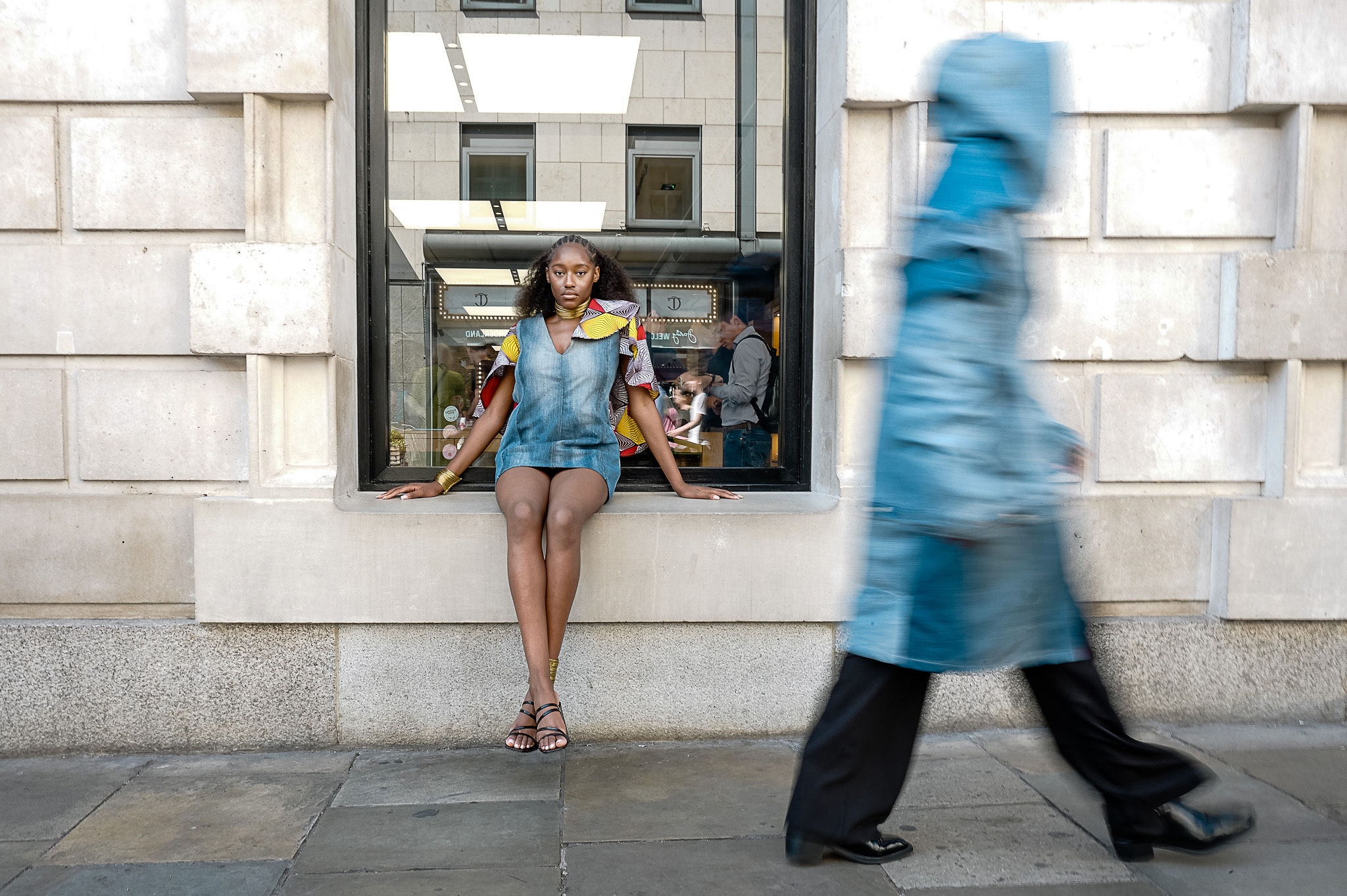
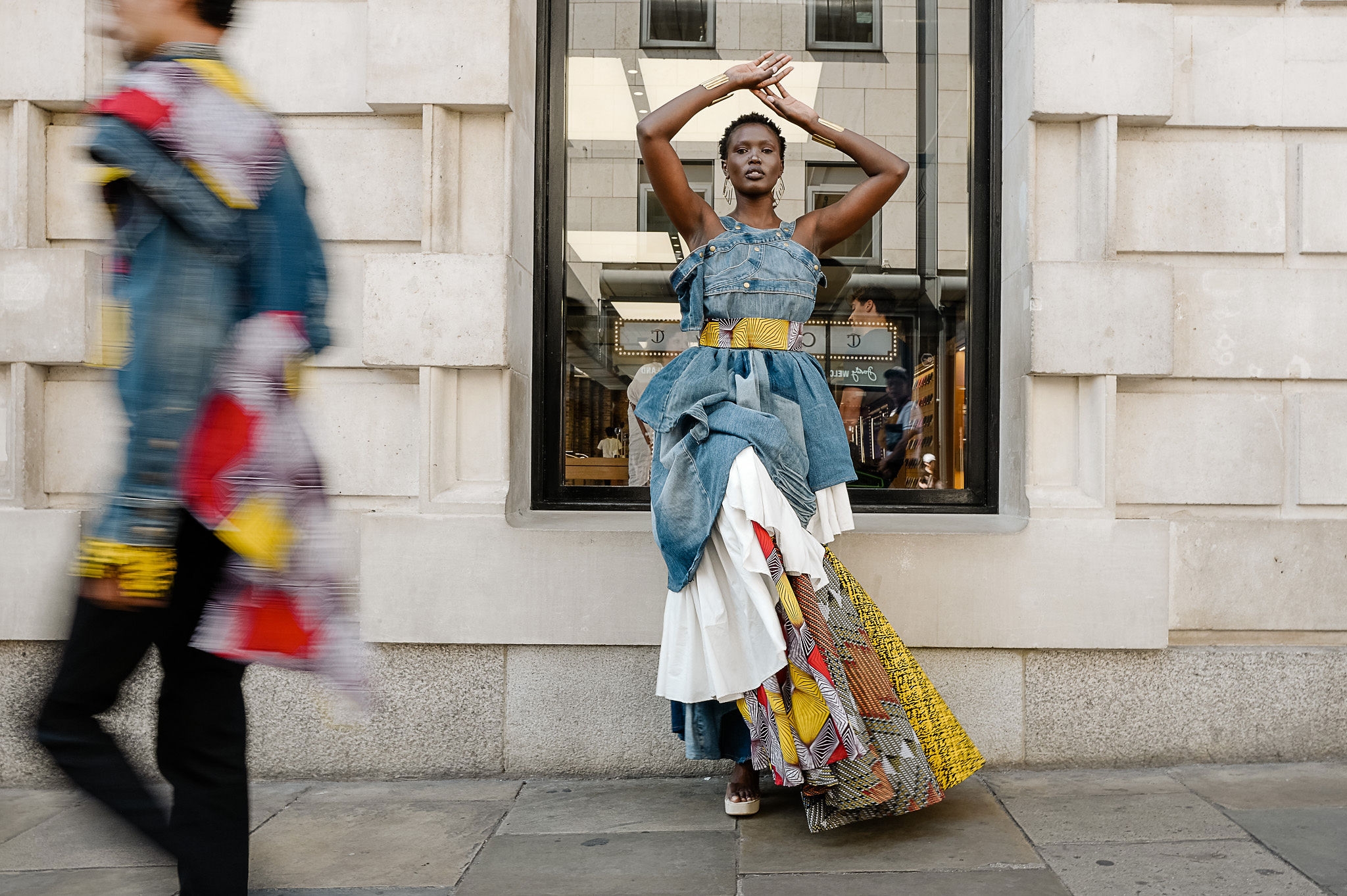
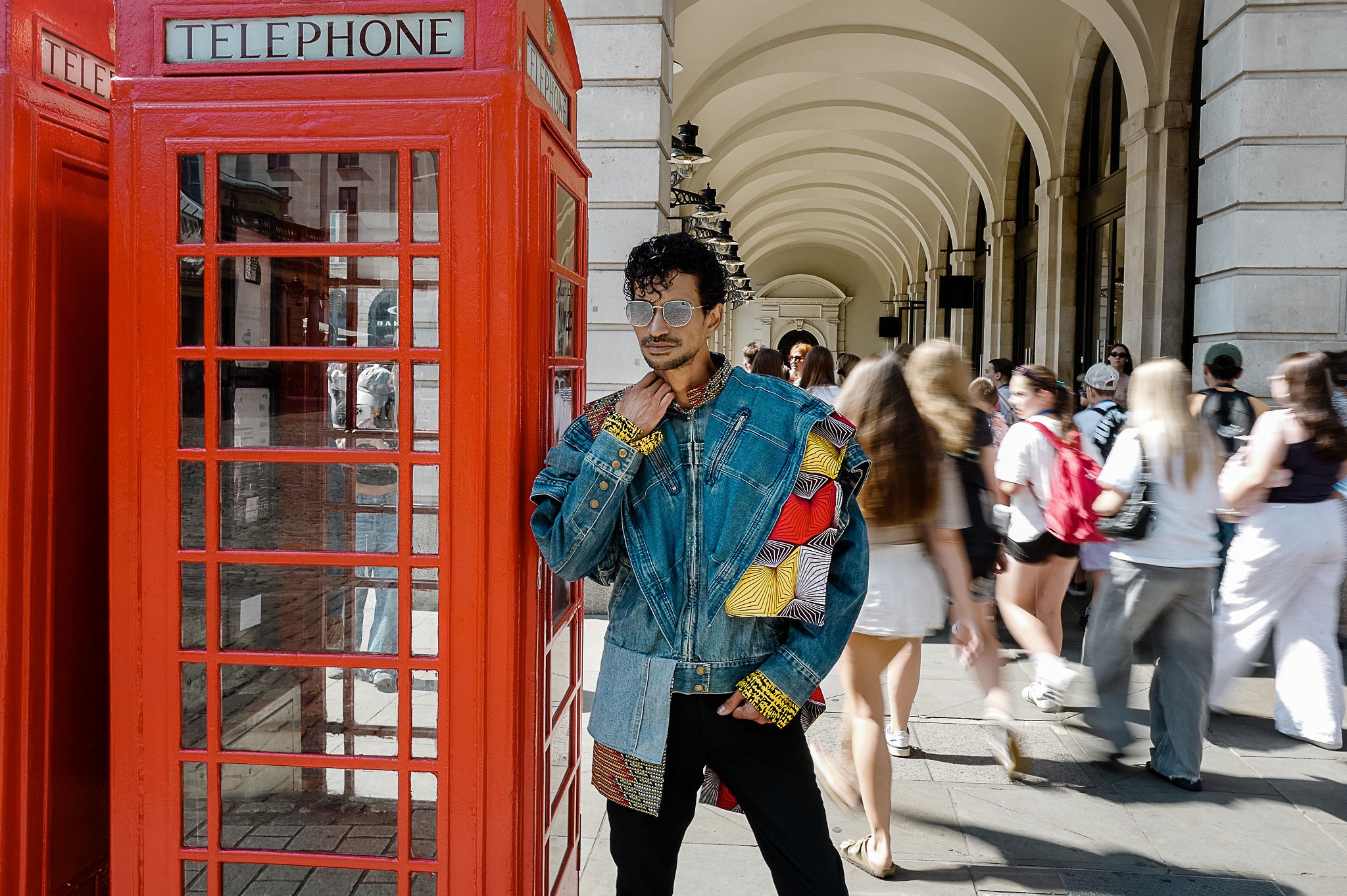
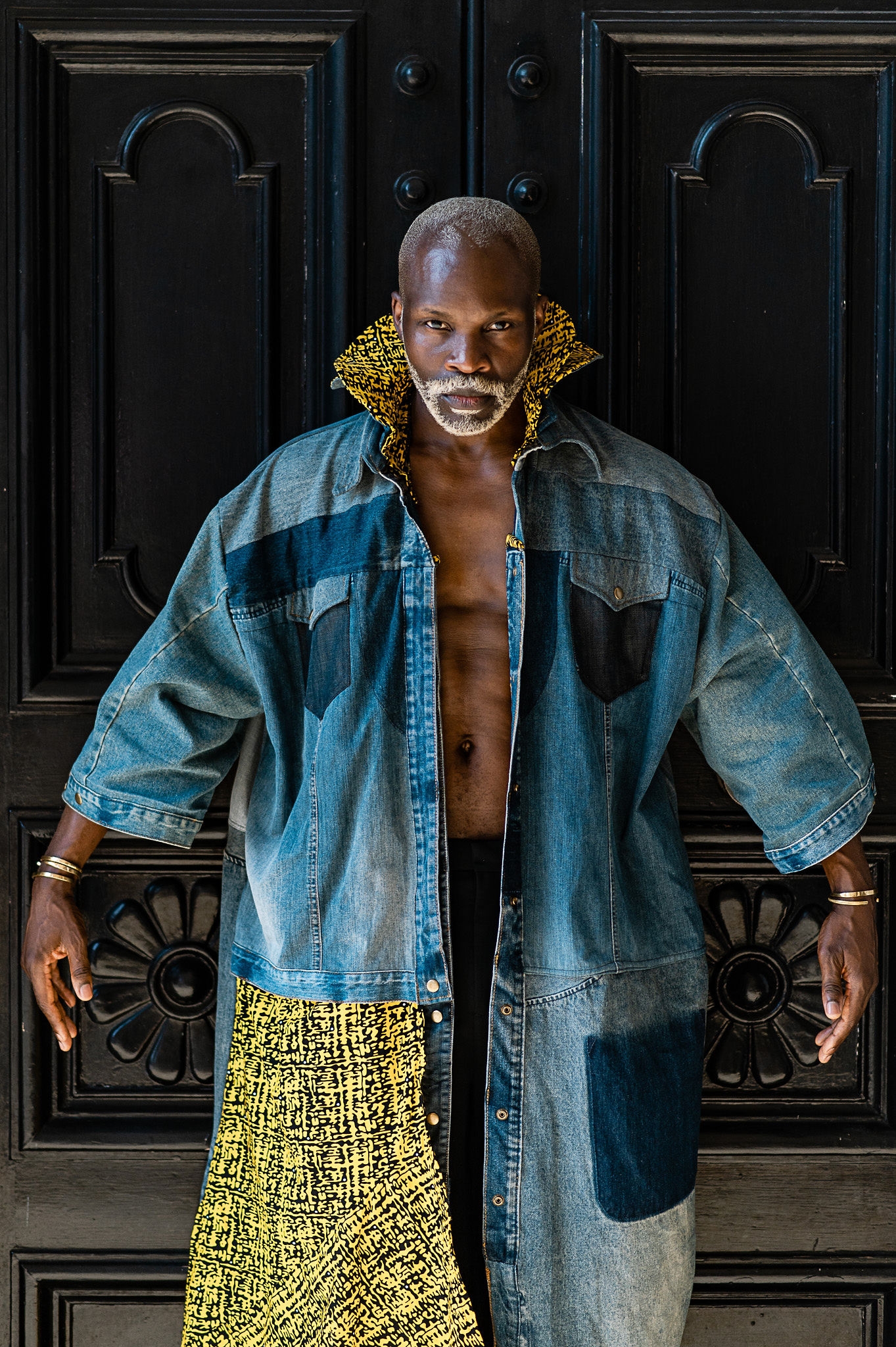
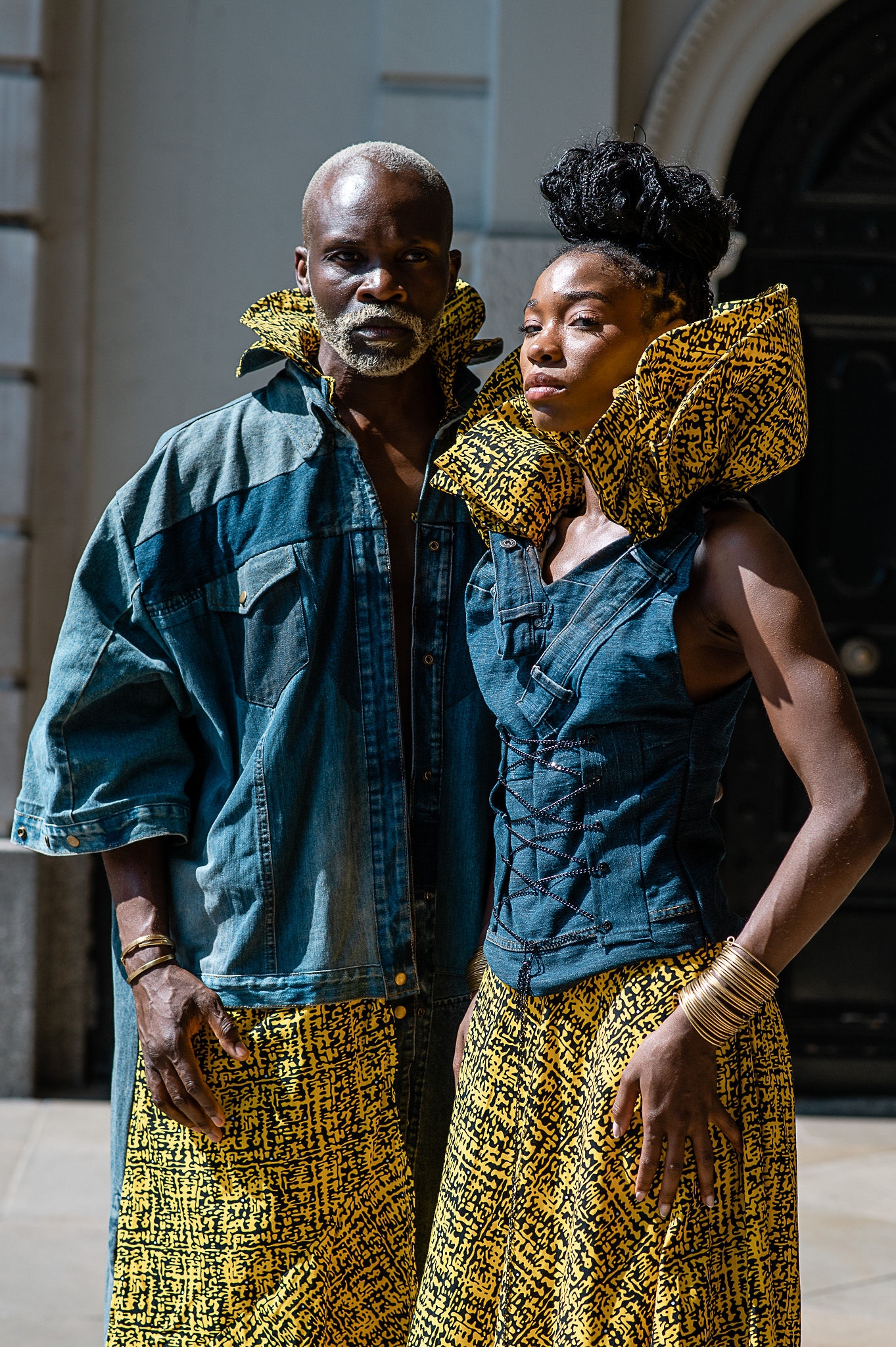
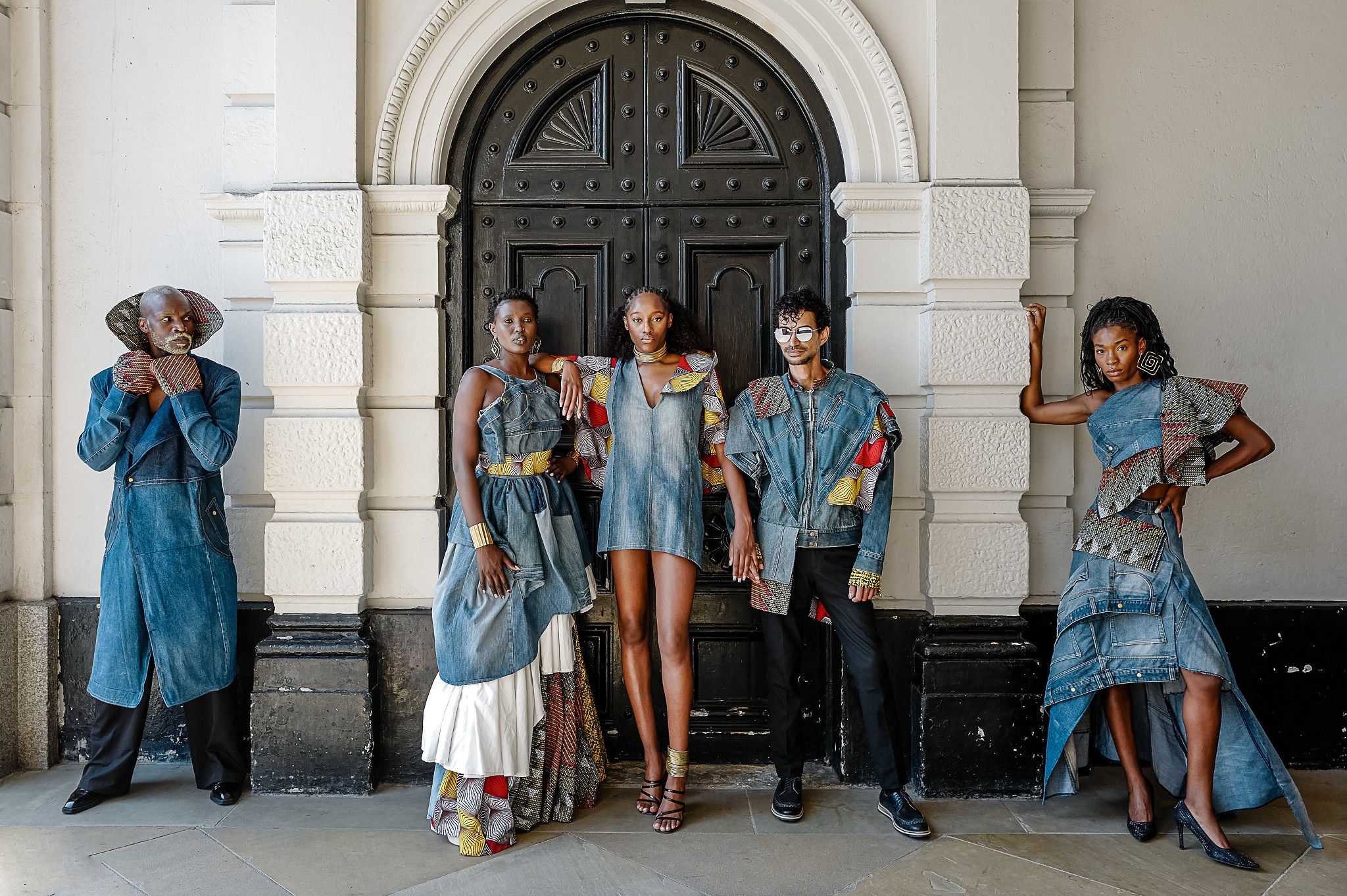
Savage Beauty Heritage is a sustainable fashion project that celebrates African resilience, creativity, and cultural identity through circular design. Co-created with artisans from Kibera in Nairobi, the collection transforms discarded denim from dumping sites into contemporary fashion pieces that honor heritage while addressing the global textile waste crisis. The denim used in the collection was sourced from Nairobi dumping sites as part of a textile waste study conducted by Mr. Green Africa in partnership with the Bestseller Foundation. And all the jewelry is handmade of reused brass sourced in Kibera. The name Savage Beauty reflects both the harsh reality of fast fashion’s impact on the planet—visible in the rough, discarded denim—and the resilience and creativity of communities that transform waste into opportunity. “Beauty” celebrates the richness of African culture, craftsmanship, and storytelling. By combining upcycled denim with traditional African textiles and handcrafted techniques, the project promotes circular fashion while empowering marginalized artisans and highlighting African creativity on the global stage.
Savage Beauty Heritage is a sustainable fashion project that celebrates African resilience, creativity, and cultural identity through circular design. Co-created with artisans from Kibera in Nairobi, the collection transforms discarded denim from dumping sites into contemporary fashion pieces that honor heritage while addressing the global textile waste crisis. The denim used in the collection was sourced from Nairobi dumping sites as part of a textile waste study conducted by Mr. Green Africa in partnership with the Bestseller Foundation. And all the jewelry is handmade of reused brass sourced in Kibera. The name Savage Beauty reflects both the harsh reality of fast fashion’s impact on the planet—visible in the rough, discarded denim—and the resilience and creativity of communities that transform waste into opportunity. “Beauty” celebrates the richness of African culture, craftsmanship, and storytelling. By combining upcycled denim with traditional African textiles and handcrafted techniques, the project promotes circular fashion while empowering marginalized artisans and highlighting African creativity on the global stage.
Project Innovation / Specification:
The project innovates by transforming textile waste collected from dumping sites into high-end fashion through a circular design approach. Discarded denim, identified through a textile waste study conducted in Nairobi, is carefully selected, cleaned, deconstructed, and reconstructed into new garments. This process extends the lifecycle of materials that would otherwise contribute to environmental pollution. Innovation also lies in the combination of upcycled denim with traditional African textiles and handcrafted techniques. Each piece integrates patchwork, hand-finishing, and creative reconstruction, allowing the original character of the denim to remain visible while creating contemporary silhouettes. This approach highlights both material history and craftsmanship. The project further integrates social innovation by collaborating with artisans from underserved communities, creating opportunities for skill development and income generation. By merging waste recovery, traditional craftsmanship, and contemporary design, the project proposes a scalable model for circular fashion that addresses environmental impact while preserving cultural heritage.
The project innovates by transforming textile waste collected from dumping sites into high-end fashion through a circular design approach. Discarded denim, identified through a textile waste study conducted in Nairobi, is carefully selected, cleaned, deconstructed, and reconstructed into new garments. This process extends the lifecycle of materials that would otherwise contribute to environmental pollution. Innovation also lies in the combination of upcycled denim with traditional African textiles and handcrafted techniques. Each piece integrates patchwork, hand-finishing, and creative reconstruction, allowing the original character of the denim to remain visible while creating contemporary silhouettes. This approach highlights both material history and craftsmanship. The project further integrates social innovation by collaborating with artisans from underserved communities, creating opportunities for skill development and income generation. By merging waste recovery, traditional craftsmanship, and contemporary design, the project proposes a scalable model for circular fashion that addresses environmental impact while preserving cultural heritage.
Project Sustainability Approach:
The project follows a circular and socially responsible approach to fashion by transforming textile waste into new, high-value garments. Discarded denim collected from dumping sites in Nairobi is recovered, cleaned, and reconstructed, extending the lifecycle of materials that would otherwise contribute to environmental pollution and landfill accumulation. By repurposing existing textiles and brass, the project reduces the need for new raw materials and minimizes the environmental footprint associated with production. Sustainability is also embedded in the use of traditional craftsmanship and small-scale production methods that prioritize quality, durability, and repairability. The design process encourages creative reconstruction, ensuring that each garment maximizes the use of available materials while minimizing waste. The social dimension of sustainability is equally central. The project collaborates with artisans from underserved communities, creating fair income opportunities and supporting the preservation of craft skills. By connecting waste recovery, ethical production, and cultural heritage, the project promotes a more responsible and inclusive fashion system.
The project follows a circular and socially responsible approach to fashion by transforming textile waste into new, high-value garments. Discarded denim collected from dumping sites in Nairobi is recovered, cleaned, and reconstructed, extending the lifecycle of materials that would otherwise contribute to environmental pollution and landfill accumulation. By repurposing existing textiles and brass, the project reduces the need for new raw materials and minimizes the environmental footprint associated with production. Sustainability is also embedded in the use of traditional craftsmanship and small-scale production methods that prioritize quality, durability, and repairability. The design process encourages creative reconstruction, ensuring that each garment maximizes the use of available materials while minimizing waste. The social dimension of sustainability is equally central. The project collaborates with artisans from underserved communities, creating fair income opportunities and supporting the preservation of craft skills. By connecting waste recovery, ethical production, and cultural heritage, the project promotes a more responsible and inclusive fashion system.
Local and Regional Impacts of the Project:
The project contributes to reducing textile waste in Nairobi by transforming discarded denim from dumping sites into new garments, raising awareness about the environmental impact of fast fashion. By working with artisans from underserved communities, it creates income opportunities, strengthens local craftsmanship, and supports skill development in circular fashion practices. Regionally, the project highlights African creativity and sustainable design, demonstrating how waste materials can be reimagined into high-value fashion. It encourages conversations around responsible consumption, promotes circular fashion models within the African fashion ecosystem, and showcases how community-driven design can generate both environmental and social impact.
The project contributes to reducing textile waste in Nairobi by transforming discarded denim from dumping sites into new garments, raising awareness about the environmental impact of fast fashion. By working with artisans from underserved communities, it creates income opportunities, strengthens local craftsmanship, and supports skill development in circular fashion practices. Regionally, the project highlights African creativity and sustainable design, demonstrating how waste materials can be reimagined into high-value fashion. It encourages conversations around responsible consumption, promotes circular fashion models within the African fashion ecosystem, and showcases how community-driven design can generate both environmental and social impact.
Company Name:Afrowema
Lead Designer(s) Name(s):Tatiana Teixeira