



DNA
Prize(s):
WINNER 2026 FASHION DESIGN / Textile: Print design
Company Name:Alia Bare
Lead Designer(s) Name(s):Alia Bare
Other Contributor(s):Xolela Madlanga
Manufacturer Name:Alia Bare
Distributors Name:Alia Bare
Project Location:Digitcom
Design Status:Commercialized
Project Description:
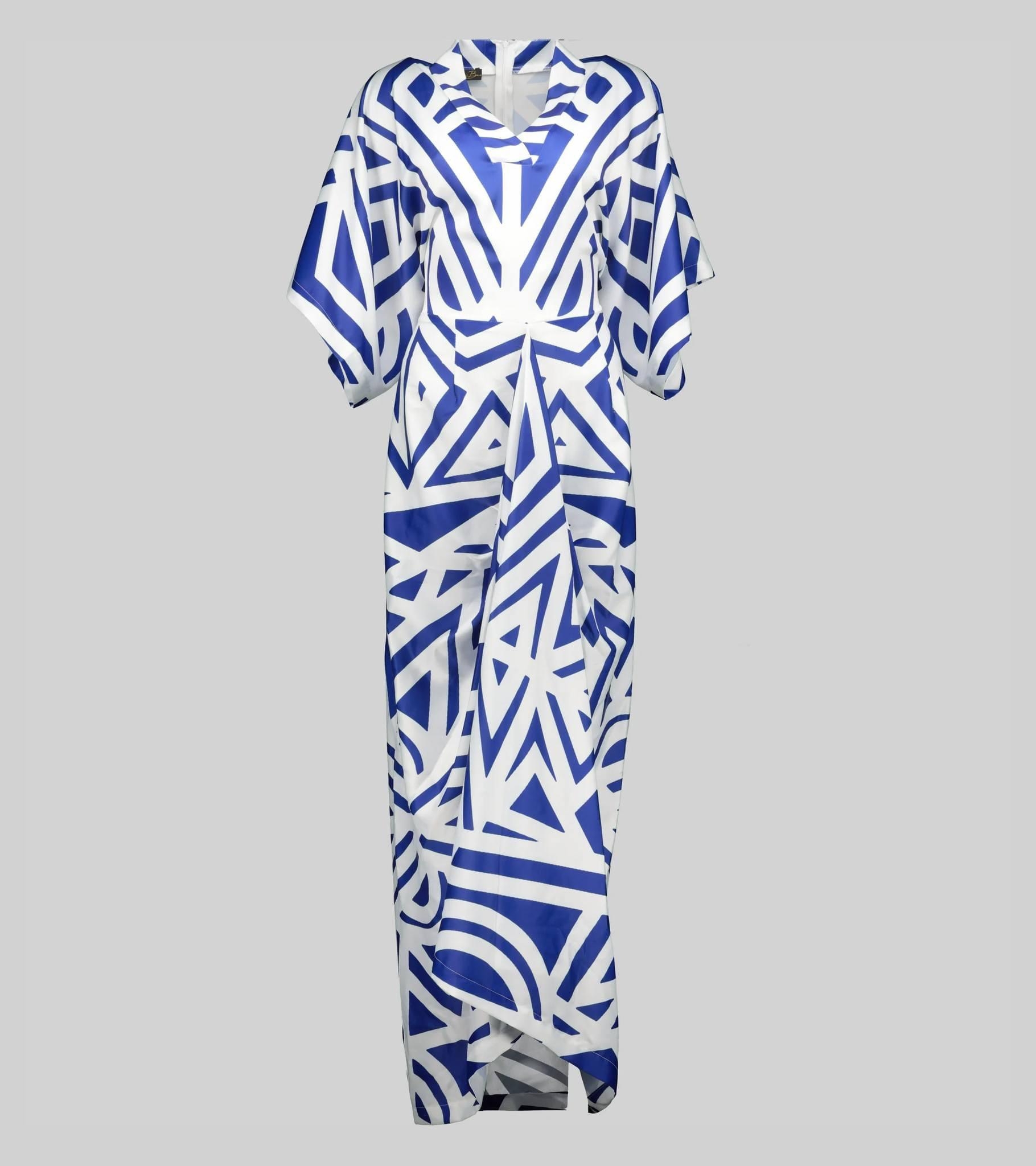
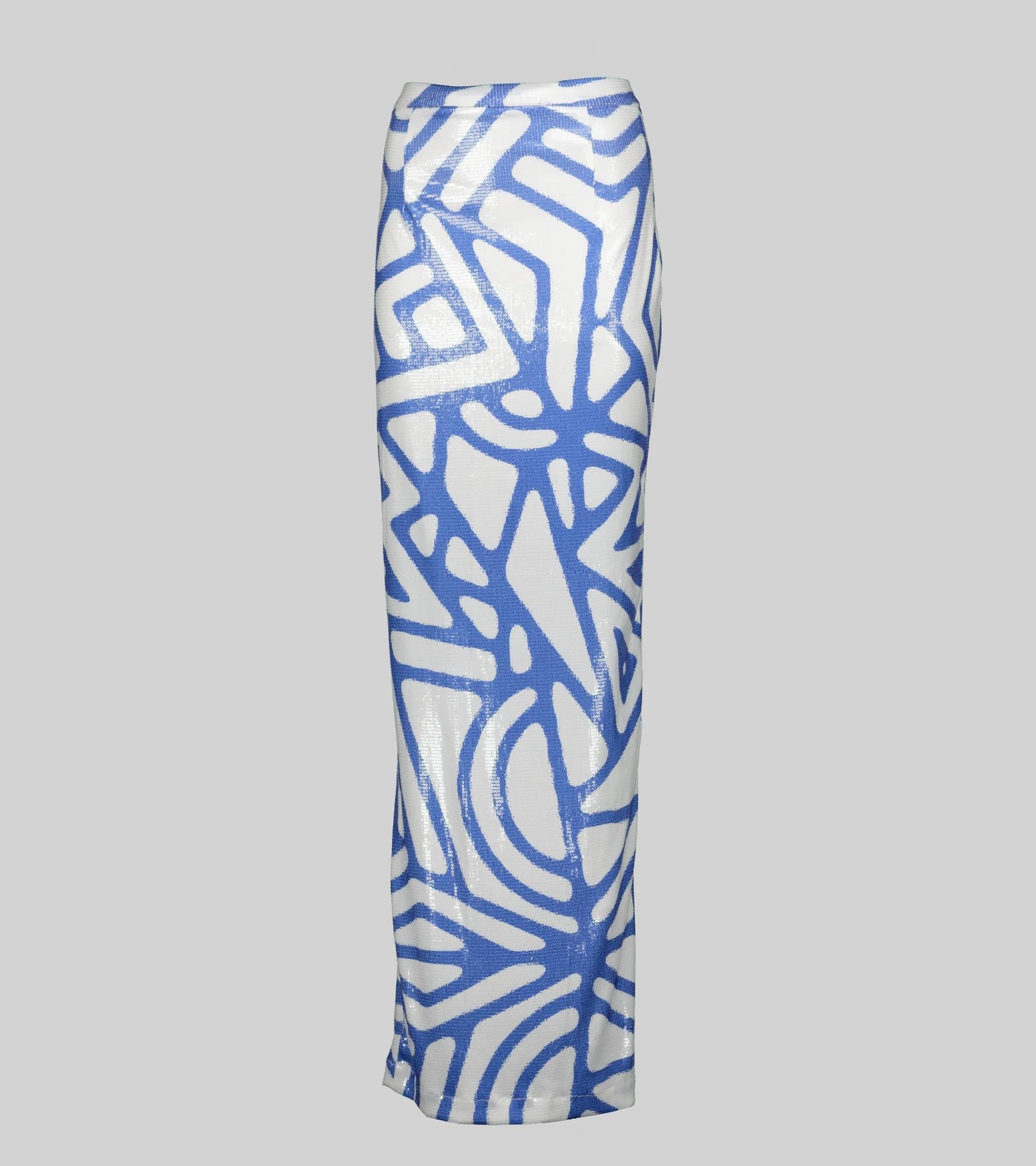
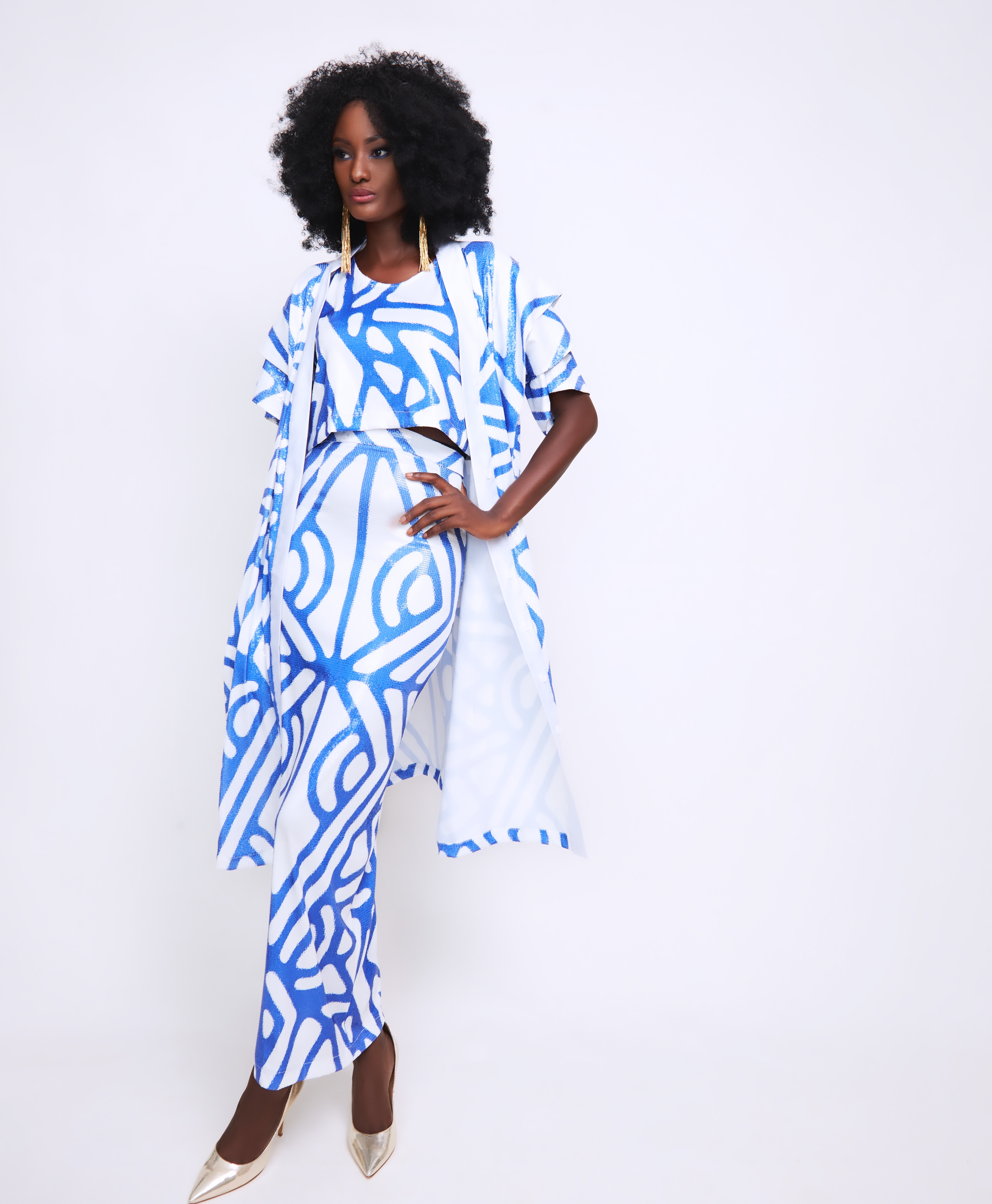
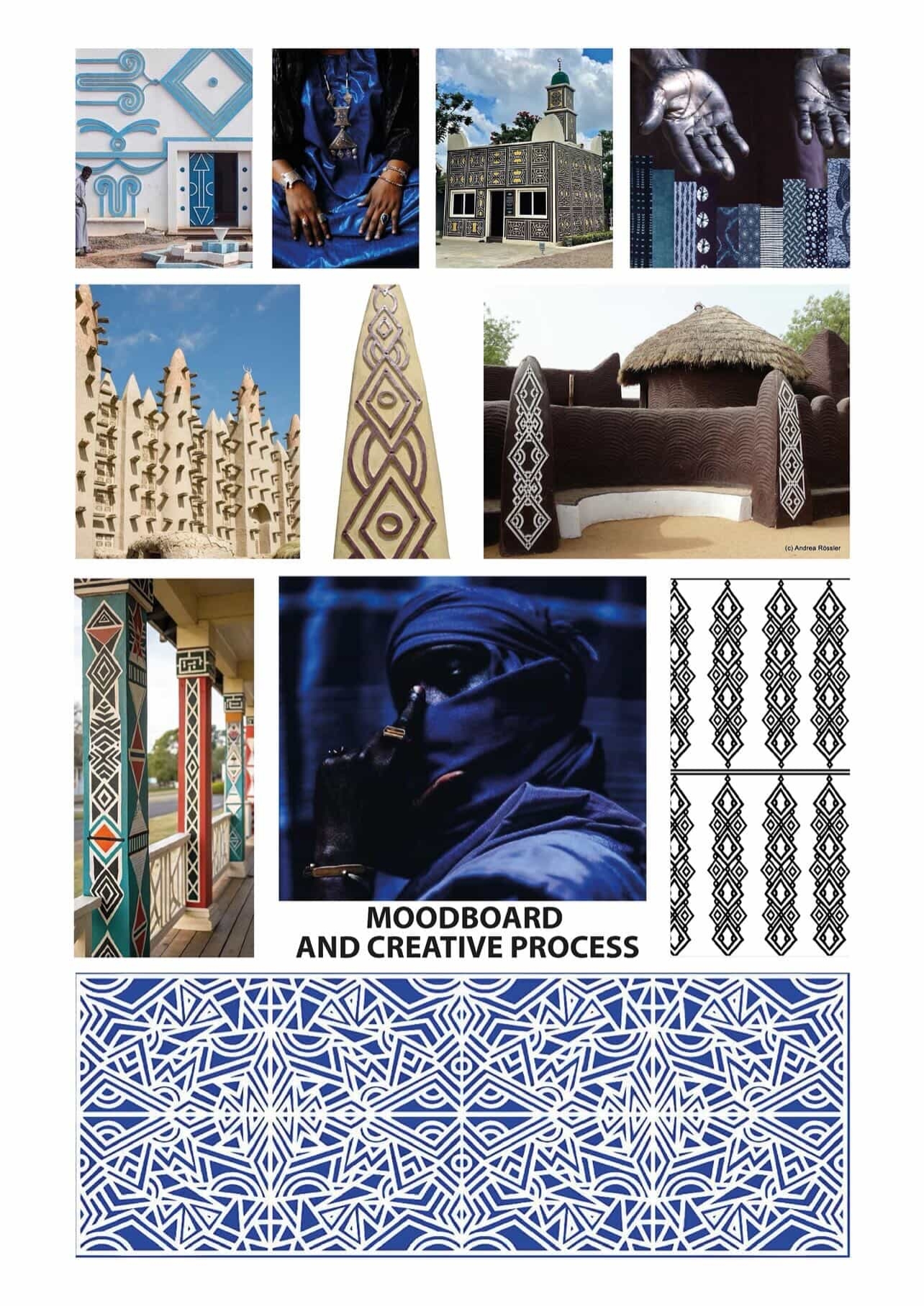
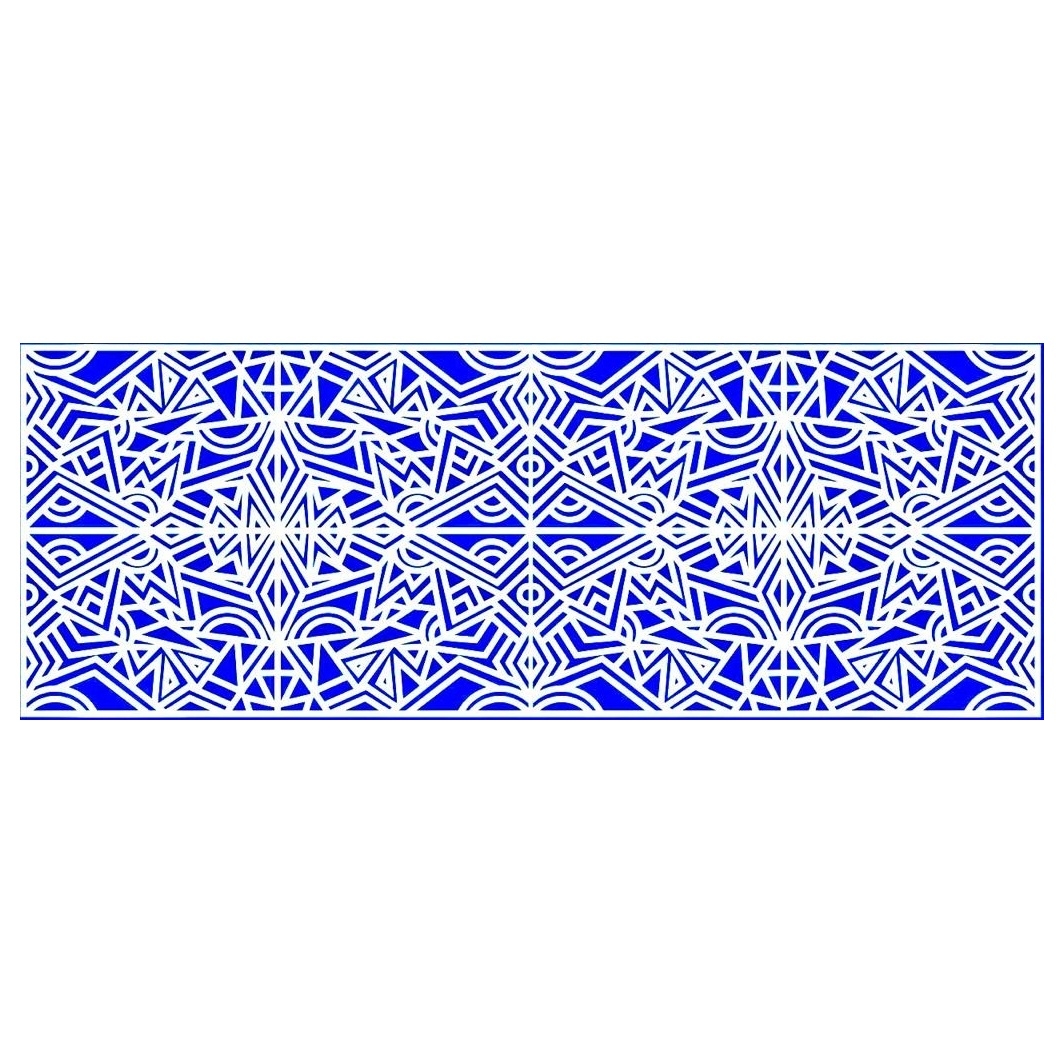
The project explores how architectural heritage can be transformed into contemporary textile design. Inspired by traditional Hausa architectural motifs found on historic buildings in Zinder (Damagaram), Niger, the design translates sculpted decorative elements from earthen architecture into a modular textile pattern. These architectural motifs reflect centuries of craftsmanship and geometric visual language embedded in Sahelian cultural identity. Through a process of research, abstraction and digital vectorization, the project transforms these structural forms into a contemporary graphic system designed for fashion. The pattern preserves the rhythm, symmetry and ornamental logic of the original architectural structures while allowing the motif to function as a dynamic textile surface. By translating architectural ornament into fabric, the project creates a dialogue between built heritage and contemporary design. The DNA print therefore proposes a new approach to cultural preservation, where architectural memory evolves into a living textile language carried by the body.
The project explores how architectural heritage can be transformed into contemporary textile design. Inspired by traditional Hausa architectural motifs found on historic buildings in Zinder (Damagaram), Niger, the design translates sculpted decorative elements from earthen architecture into a modular textile pattern. These architectural motifs reflect centuries of craftsmanship and geometric visual language embedded in Sahelian cultural identity. Through a process of research, abstraction and digital vectorization, the project transforms these structural forms into a contemporary graphic system designed for fashion. The pattern preserves the rhythm, symmetry and ornamental logic of the original architectural structures while allowing the motif to function as a dynamic textile surface. By translating architectural ornament into fabric, the project creates a dialogue between built heritage and contemporary design. The DNA print therefore proposes a new approach to cultural preservation, where architectural memory evolves into a living textile language carried by the body.
Project Innovation / Specification:
The innovation of the project lies in its methodology of translating architectural structures into a modular textile system. Rather than reproducing traditional motifs as decorative surface elements, the design process focused on identifying the underlying geometric logic present in Hausa architectural ornament. Through detailed visual analysis and digital vectorization, these structural elements were reorganized into a scalable pattern system capable of adapting to multiple garment constructions while maintaining the architectural rhythm of the original source. The pattern functions as a flexible graphic framework, allowing variation in scale, placement and color while preserving the integrity of the design language. The development process also involved a collaborative design dialogue integrating broader African visual references, reinforcing the idea that cultural design systems evolve through reinterpretation and exchange. The result is a textile design methodology where architecture becomes a source for contemporary pattern engineering.
The innovation of the project lies in its methodology of translating architectural structures into a modular textile system. Rather than reproducing traditional motifs as decorative surface elements, the design process focused on identifying the underlying geometric logic present in Hausa architectural ornament. Through detailed visual analysis and digital vectorization, these structural elements were reorganized into a scalable pattern system capable of adapting to multiple garment constructions while maintaining the architectural rhythm of the original source. The pattern functions as a flexible graphic framework, allowing variation in scale, placement and color while preserving the integrity of the design language. The development process also involved a collaborative design dialogue integrating broader African visual references, reinforcing the idea that cultural design systems evolve through reinterpretation and exchange. The result is a textile design methodology where architecture becomes a source for contemporary pattern engineering.
Project Sustainability Approach:
Sustainability is integrated into both the design process and the production model. The pattern was developed as a modular system that can be efficiently scaled and repeated across garments. This approach optimizes fabric placement during cutting and reduces unnecessary material waste. Production is intentionally carried out in small batches in order to prevent overproduction and avoid unsold inventory. Digital printing techniques allow precise pattern reproduction while minimizing excess fabric use and reducing production errors. The project also emphasizes cultural sustainability. By translating architectural heritage into contemporary textile design, it contributes to preserving traditional visual knowledge while allowing it to evolve within modern design practice. This approach combines responsible manufacturing, controlled production volumes and cultural preservation as complementary dimensions of sustainable design.
Sustainability is integrated into both the design process and the production model. The pattern was developed as a modular system that can be efficiently scaled and repeated across garments. This approach optimizes fabric placement during cutting and reduces unnecessary material waste. Production is intentionally carried out in small batches in order to prevent overproduction and avoid unsold inventory. Digital printing techniques allow precise pattern reproduction while minimizing excess fabric use and reducing production errors. The project also emphasizes cultural sustainability. By translating architectural heritage into contemporary textile design, it contributes to preserving traditional visual knowledge while allowing it to evolve within modern design practice. This approach combines responsible manufacturing, controlled production volumes and cultural preservation as complementary dimensions of sustainable design.
Local and Regional Impacts of the Project:
The project contributes to strengthening a local creative ecosystem based on responsible production and skills development. Garments are produced in Senegal within a workshop composed entirely of local artisans and technicians. The studio emphasizes continuous training and technical development in order to improve production standards while maintaining fair and respectful working conditions. Production is intentionally organized in small batches without strict productivity quotas, prioritizing craftsmanship, quality and human well-being rather than volume. The workshop operates through collaborative partnerships with local artisans and technicians, encouraging knowledge exchange and long-term professional development. While fabrics are printed internationally, the full garment develop
The project contributes to strengthening a local creative ecosystem based on responsible production and skills development. Garments are produced in Senegal within a workshop composed entirely of local artisans and technicians. The studio emphasizes continuous training and technical development in order to improve production standards while maintaining fair and respectful working conditions. Production is intentionally organized in small batches without strict productivity quotas, prioritizing craftsmanship, quality and human well-being rather than volume. The workshop operates through collaborative partnerships with local artisans and technicians, encouraging knowledge exchange and long-term professional development. While fabrics are printed internationally, the full garment develop

Company Name:Alia Bare
Lead Designer(s) Name(s):Alia Bare
Profile Description:
Alia Bare is a Nigerien designer based in Dakar, whose work bridges heritage and contemporary design through a deeply research-driven approach. Drawing from Hausa architecture, symbolic motifs, and indigo traditions, she translates cultural narratives into structured, fluid silhouettes. Her practice combines innovation in textile development with precise construction, creating garments that balance minimalism and expressive detail. Each piece embodies cultural continuity, emotional resonance, and a refined vision of African luxury rooted in identity and modernity.
Alia Bare is a Nigerien designer based in Dakar, whose work bridges heritage and contemporary design through a deeply research-driven approach. Drawing from Hausa architecture, symbolic motifs, and indigo traditions, she translates cultural narratives into structured, fluid silhouettes. Her practice combines innovation in textile development with precise construction, creating garments that balance minimalism and expressive detail. Each piece embodies cultural continuity, emotional resonance, and a refined vision of African luxury rooted in identity and modernity.
Environmental Practices:
Alia Bare operates a responsible, small-batch production model designed to minimize waste and ensure durability. All pieces are produced in Senegal, supporting local employment, skill transmission, and fair working conditions. The use of digital printing enables precision and reduces excess material, while production is aligned with demand. The brand integrates reusable and biodegradable packaging solutions and prioritizes resource efficiency throughout its process. This approach reflects a sustainable vision grounded in impact, responsibility, and long-term value creation.
Alia Bare operates a responsible, small-batch production model designed to minimize waste and ensure durability. All pieces are produced in Senegal, supporting local employment, skill transmission, and fair working conditions. The use of digital printing enables precision and reduces excess material, while production is aligned with demand. The brand integrates reusable and biodegradable packaging solutions and prioritizes resource efficiency throughout its process. This approach reflects a sustainable vision grounded in impact, responsibility, and long-term value creation.