Euphoria in Disintegration + EBA STAR BLANKET
Prize(s):
WINNER 2026 FASHION DESIGN / Haute Couture | FASHION DESIGN / Textile: Eco-Textile & Bio-Based Fabric
Lead Designer(s) Name(s):Denise Batumike
Manufacturer Name:Jasmine De Bonheur Couture
Distributors Name:Boutique Jasmine De Bonheur
Textile / Others Supplier:Vlisco / Bischoff Textiles / Jakob Schläpfer Bambola
Client Name:Anita Bürki
Photo Credit:Denise Batumike / Stefan Marthaler
Project Location:Olten Switzerland
Design Status:Prototype
Website: View
Video URL:View
Project Description:
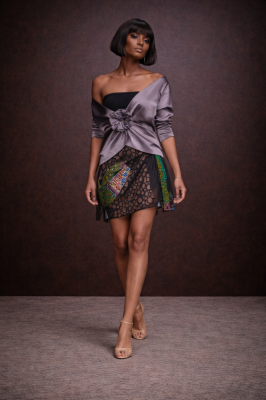
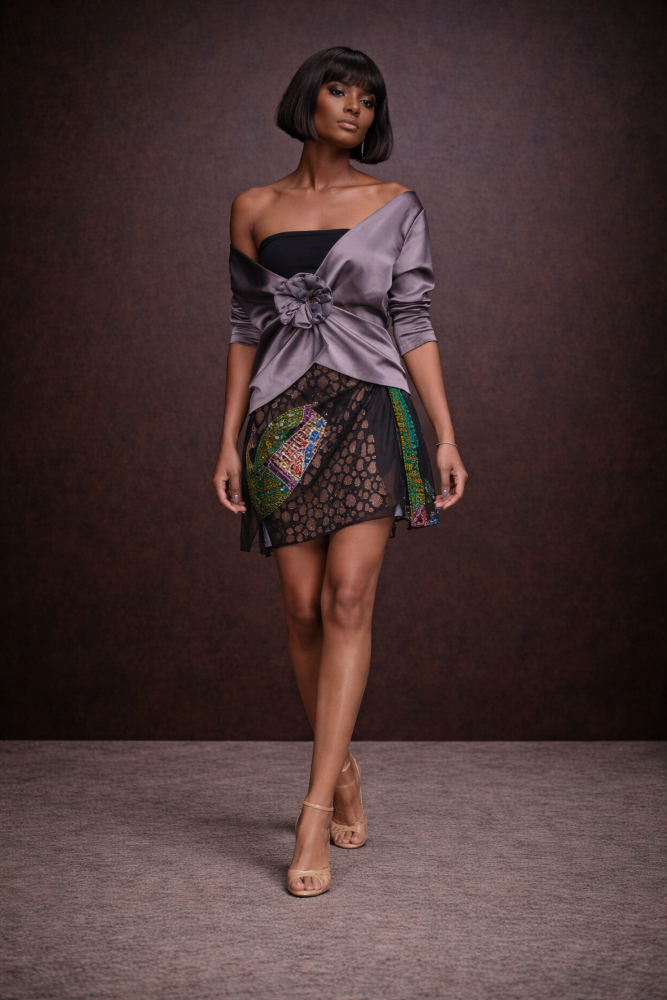
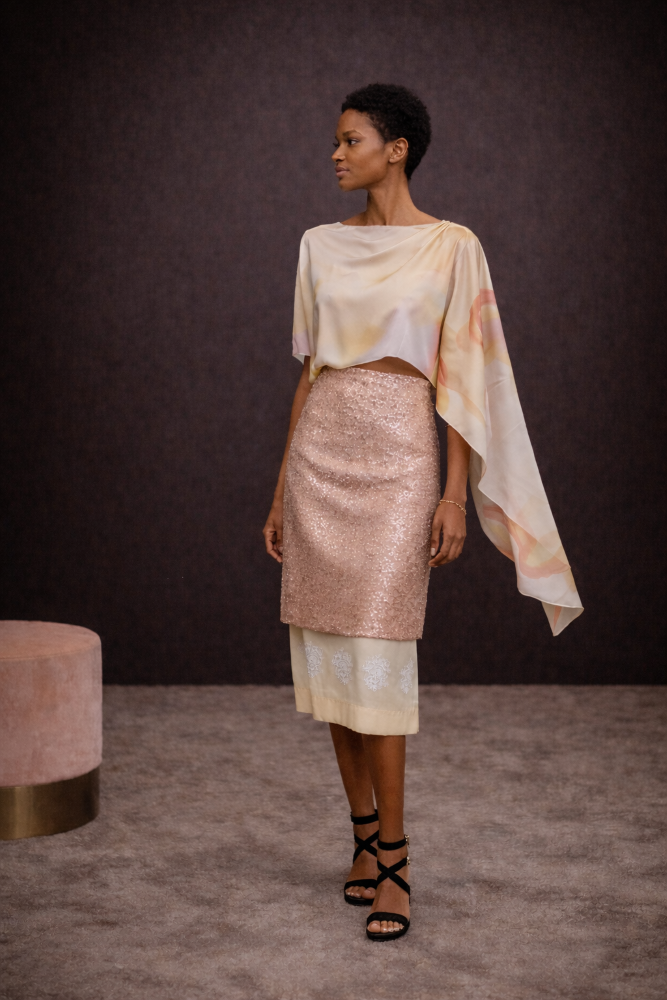
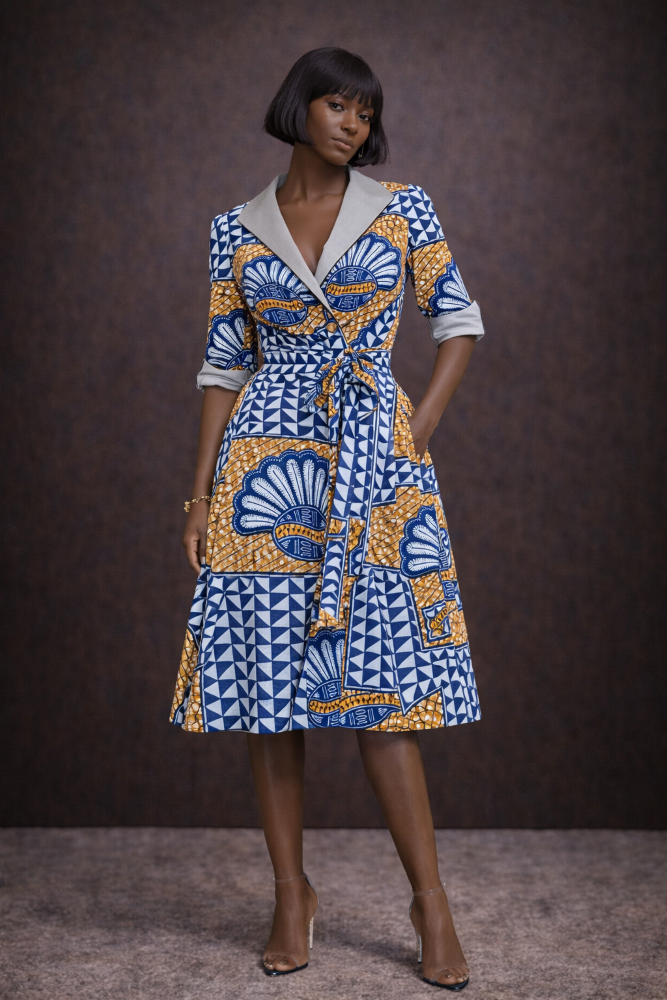
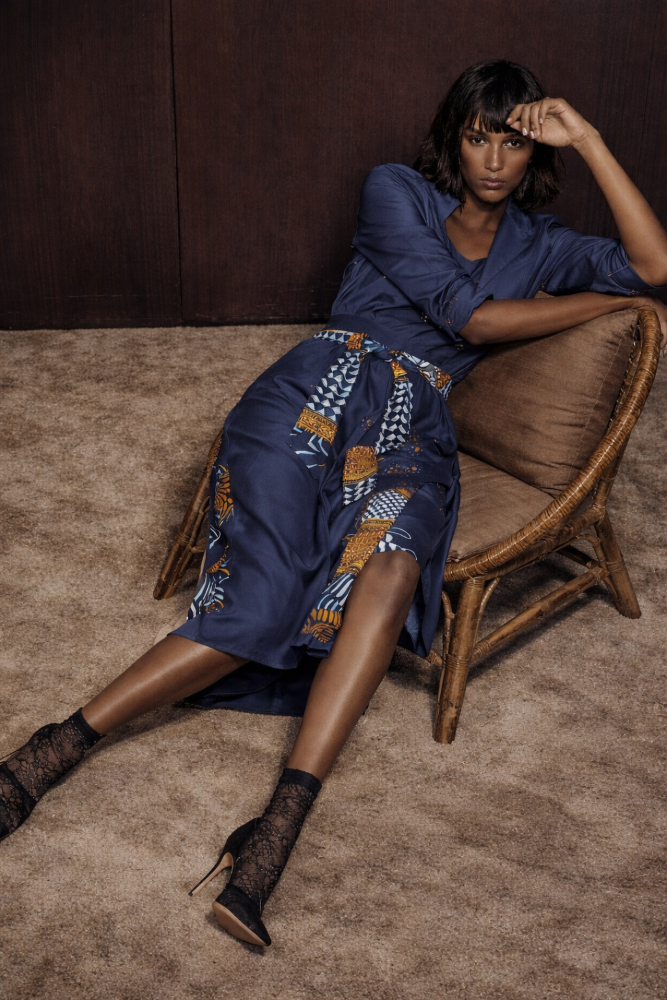
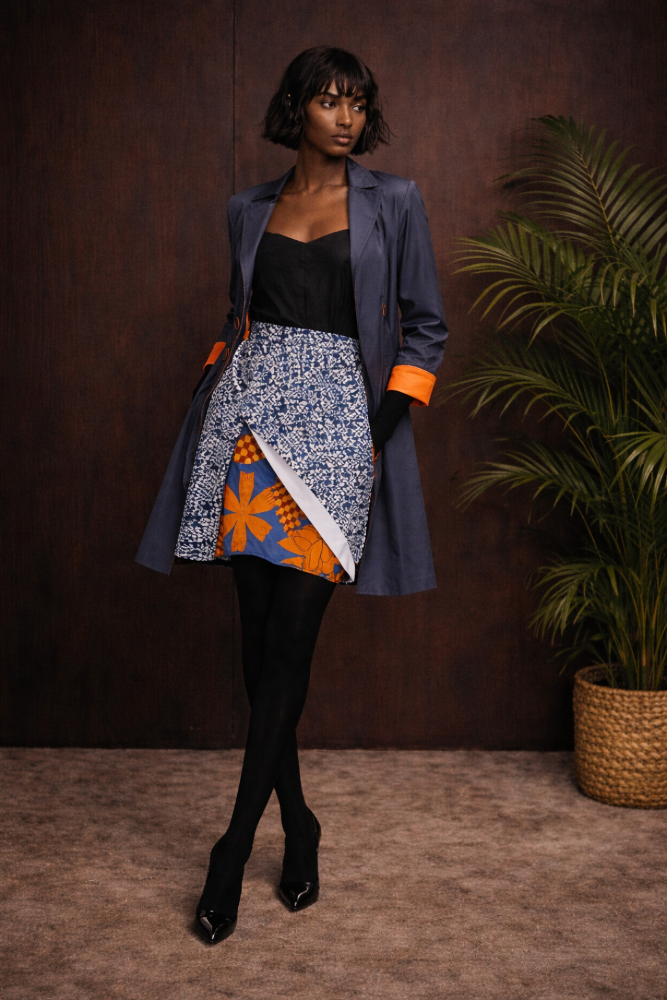
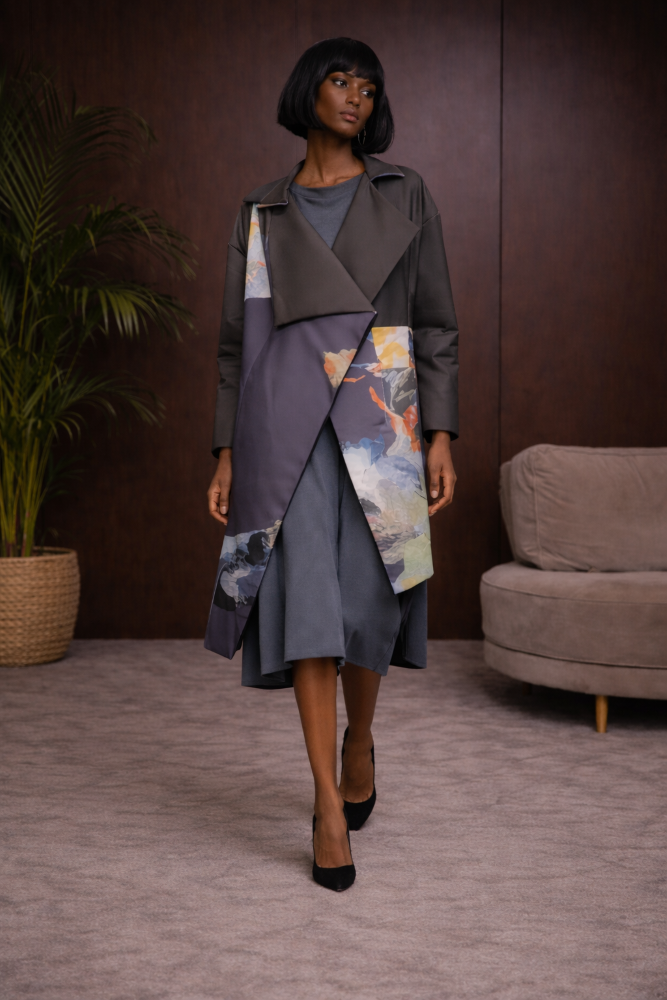
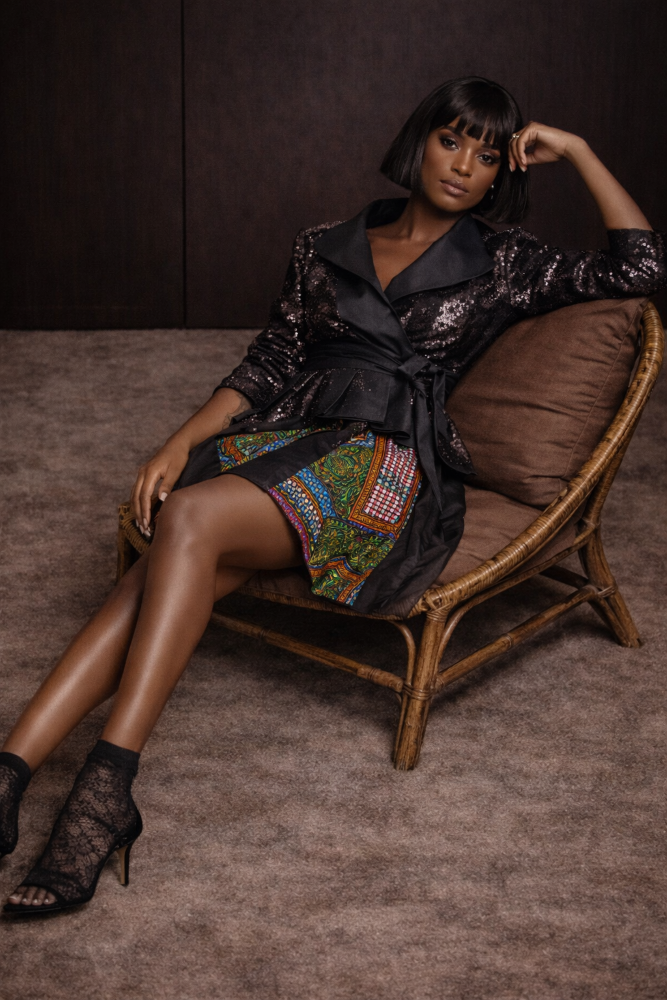
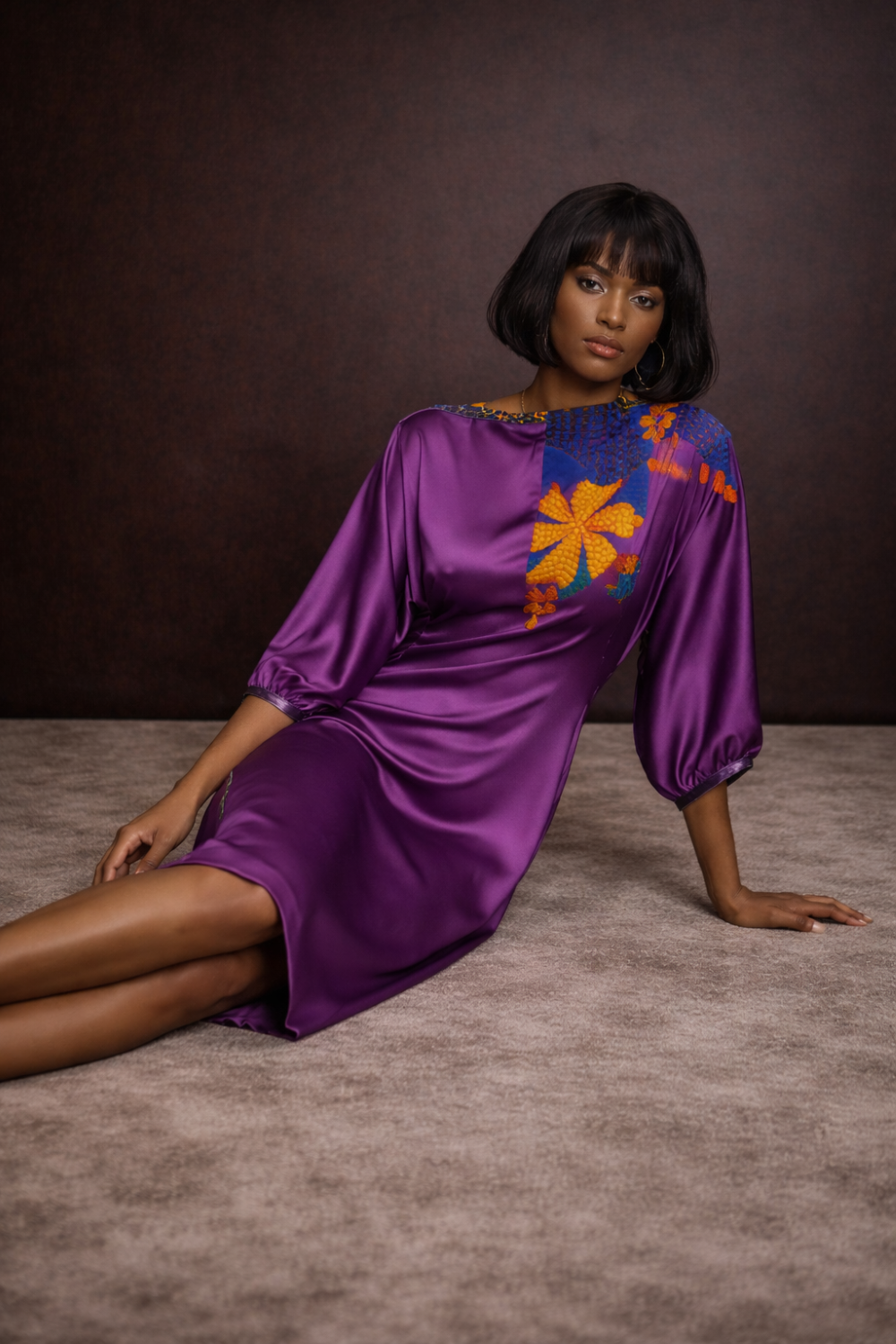
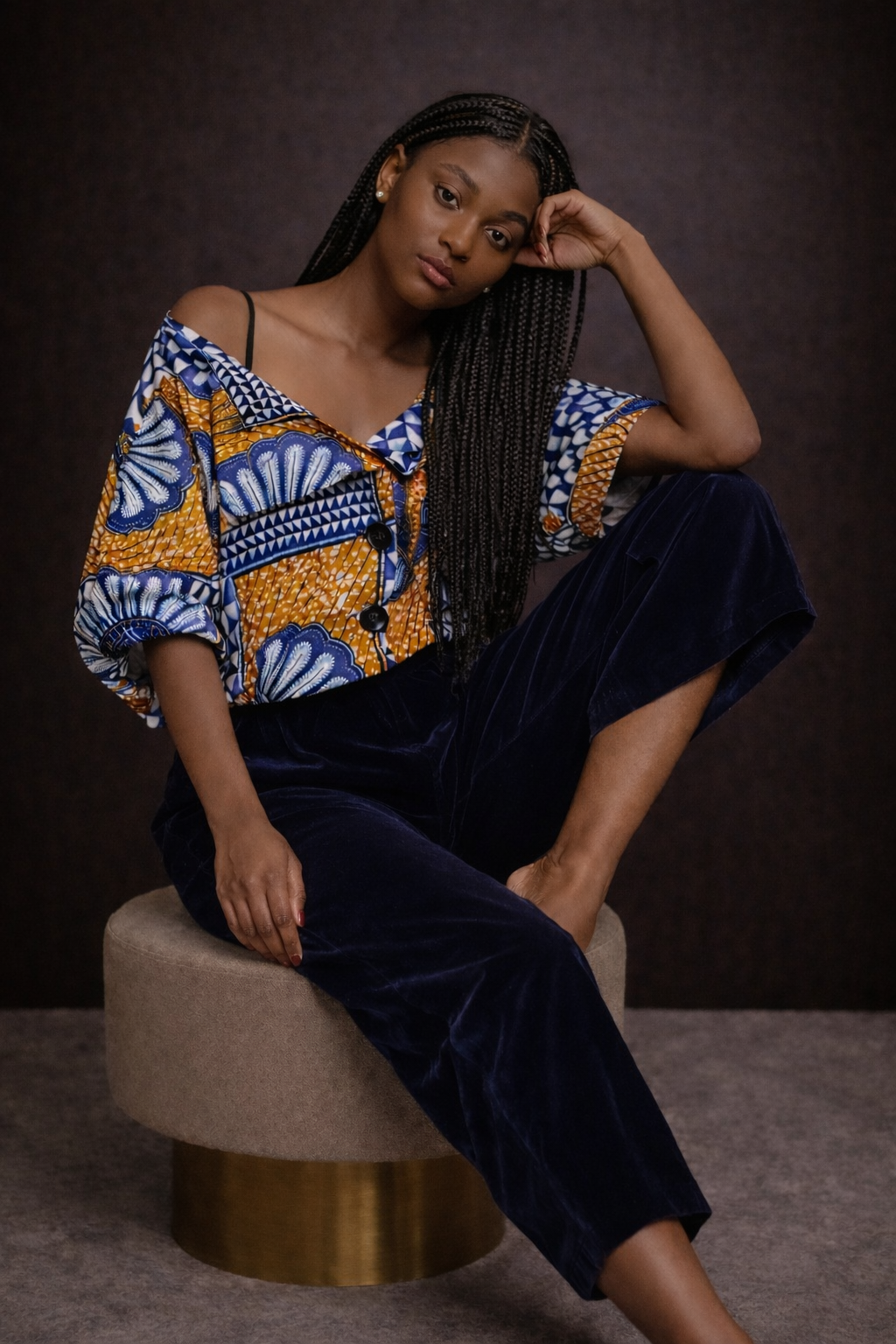
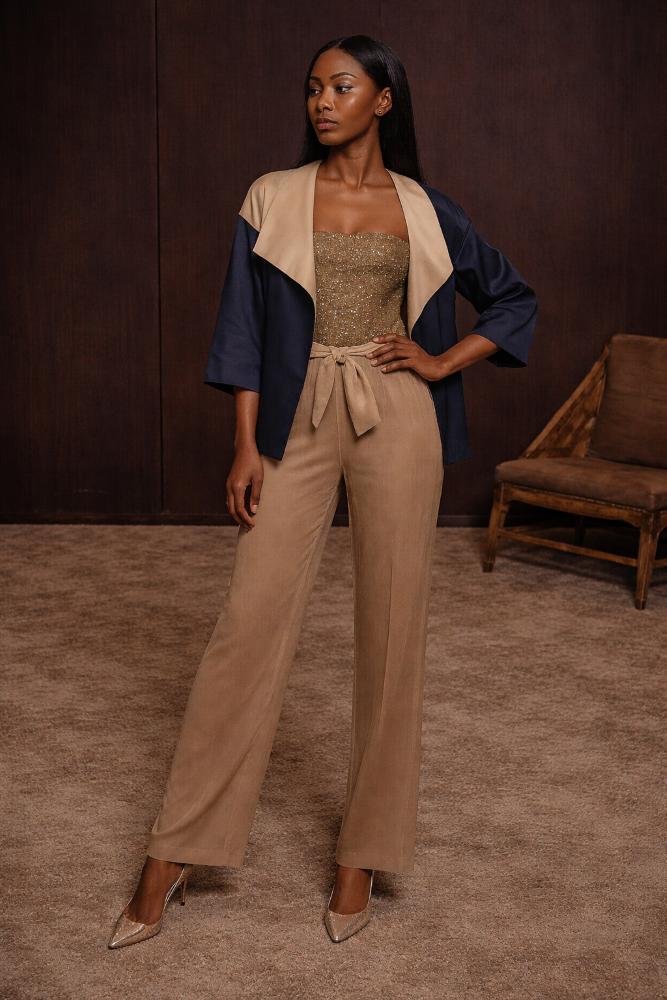
Euphoria in Disintegration This collection explores identity not as a choice,but as a condition shaped by displacement.It reflects the experience of being placed into a culture through migration,refuge or a family history defined by flight and survival. At its core,the collection addresses the identity one is forced to adapt in order to live,endure and belong within a society in which one was not born.Over time,moments of euphoria emerge returning to one's country of origin,reconnecting with familiar ground.Yet this euphoria is inseparable from disintegration:the awareness of distance, fragmentation,and the tension of being shaped by more than one culture.Living between these worlds creates a constant inner dialogue between belonging and adaptation. As a designer,I find it impossible to fully belong to only one culture.My work reflects this tension through the mixing of fabrics,materials and aesthetics,questioning where one identity ends and the other begins. The legacy of colonialism further intensifies this reflection,raising questions of heritage,visibility,and worth.In this collection,vivid African fabrics represent euphoria,while monochrome embody Disintegration.
Euphoria in Disintegration This collection explores identity not as a choice,but as a condition shaped by displacement.It reflects the experience of being placed into a culture through migration,refuge or a family history defined by flight and survival. At its core,the collection addresses the identity one is forced to adapt in order to live,endure and belong within a society in which one was not born.Over time,moments of euphoria emerge returning to one's country of origin,reconnecting with familiar ground.Yet this euphoria is inseparable from disintegration:the awareness of distance, fragmentation,and the tension of being shaped by more than one culture.Living between these worlds creates a constant inner dialogue between belonging and adaptation. As a designer,I find it impossible to fully belong to only one culture.My work reflects this tension through the mixing of fabrics,materials and aesthetics,questioning where one identity ends and the other begins. The legacy of colonialism further intensifies this reflection,raising questions of heritage,visibility,and worth.In this collection,vivid African fabrics represent euphoria,while monochrome embody Disintegration.
Project Innovation / Specification:
Project Innovation / Specification This project presents an innovative design approach that explores hybrid identity through material contrast and cultural dialogue. Rooted in personal experience the work addresses themes of distance fragmentation and the tension of living between cultures transforming them into a tangible design language. The core innovation lies in the deliberate juxtaposition of materials and aesthetics: vibrant African fabrics symbolize euphoria heritage and cultural richness while monochrome elements reflect restraint adaptation and the complexities of navigating dominant cultural frameworks. This material tension visually translates the legacy of colonialism and raises questions of visibility belonging and worth. By blending diverse fabrics materials and aesthetics the project resists a singular cultural narrative and instead embraces multiplicity and in-between spaces. Utilizing traditional low-impact techniques the work positions design as a form of social innovation that fosters cultural reflection challenges fixed identities and opens new pathways for inclusive contemporary design practices.
Project Innovation / Specification This project presents an innovative design approach that explores hybrid identity through material contrast and cultural dialogue. Rooted in personal experience the work addresses themes of distance fragmentation and the tension of living between cultures transforming them into a tangible design language. The core innovation lies in the deliberate juxtaposition of materials and aesthetics: vibrant African fabrics symbolize euphoria heritage and cultural richness while monochrome elements reflect restraint adaptation and the complexities of navigating dominant cultural frameworks. This material tension visually translates the legacy of colonialism and raises questions of visibility belonging and worth. By blending diverse fabrics materials and aesthetics the project resists a singular cultural narrative and instead embraces multiplicity and in-between spaces. Utilizing traditional low-impact techniques the work positions design as a form of social innovation that fosters cultural reflection challenges fixed identities and opens new pathways for inclusive contemporary design practices.
Project Sustainability Approach:
Sustainability within the project is rooted in material responsibility and production ethics. Leftover materials are consciously reused and reintegrated into new designs, particularly in collars, seams, and finishing elements, treating textile remnants as valuable resources rather than waste. The project operates through prototype-based development and pre-order production, minimizing overproduction and unnecessary material use. Looking forward, it seeks to establish ethical, transparent collaborations with women-led artisan groups in Africa, exploring decentralized production models grounded in fairness, skill recognition, and shared value creation. Sustainability is understood as a long-term social, cultural, and economic responsibility, extending beyond materials to people and process.
Sustainability within the project is rooted in material responsibility and production ethics. Leftover materials are consciously reused and reintegrated into new designs, particularly in collars, seams, and finishing elements, treating textile remnants as valuable resources rather than waste. The project operates through prototype-based development and pre-order production, minimizing overproduction and unnecessary material use. Looking forward, it seeks to establish ethical, transparent collaborations with women-led artisan groups in Africa, exploring decentralized production models grounded in fairness, skill recognition, and shared value creation. Sustainability is understood as a long-term social, cultural, and economic responsibility, extending beyond materials to people and process.
Local and Regional Impacts of the Project:
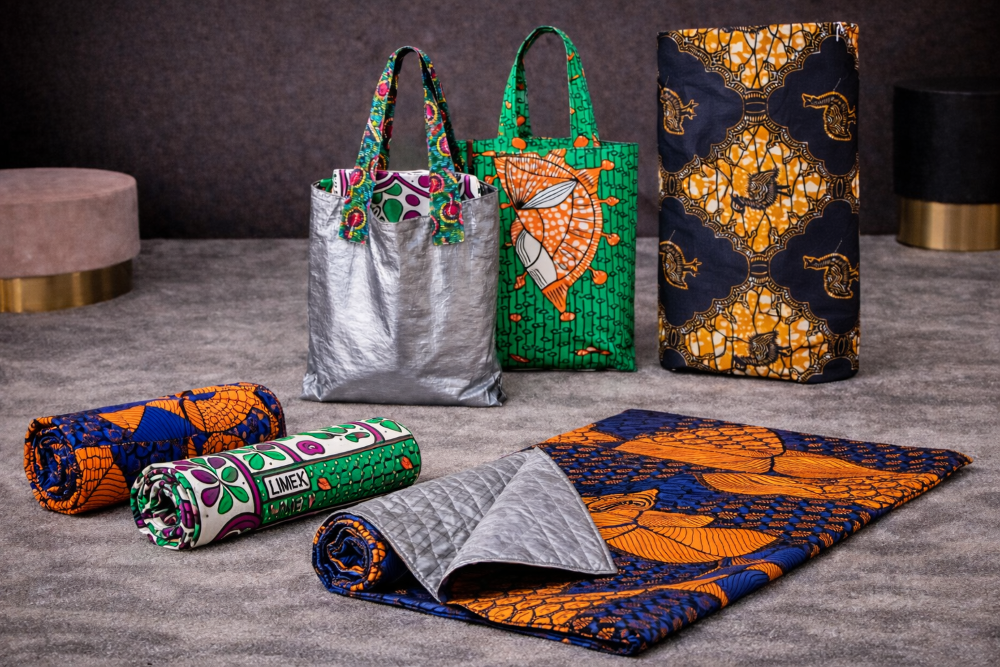
Locally, the project contributes to responsible fashion practices in Switzerland by supporting small-scale production, reducing waste through pre-order manufacturing,and reinforcing the value of craftsmanship. Regionally,it aims to create economic opportunities through equitable collaborations with women-led artisan groups in Africa. By recognizing collaborative work as skilled craftsmanship rather than aid, the project supports economic agency, cultural visibility, and long-term participation within creative industries. In addition the project proposes a future applied extension through the EBA STAR BLANKET a functional baby blanket reflecting the same material dialogue by combining African textiles with European fabrics.
Locally, the project contributes to responsible fashion practices in Switzerland by supporting small-scale production, reducing waste through pre-order manufacturing,and reinforcing the value of craftsmanship. Regionally,it aims to create economic opportunities through equitable collaborations with women-led artisan groups in Africa. By recognizing collaborative work as skilled craftsmanship rather than aid, the project supports economic agency, cultural visibility, and long-term participation within creative industries. In addition the project proposes a future applied extension through the EBA STAR BLANKET a functional baby blanket reflecting the same material dialogue by combining African textiles with European fabrics.

Lead Designer(s) Name(s):Denise Batumike
Profile Description:
I am Denise, a Congolese-born Swiss designer and founder of Jasmine de Bonheur, a sustainable couture brand based in Switzerland. I create thoughtfully designed garments that can be worn in multiple ways, such as reversible coats and adaptable pieces for different seasons. My work combines timeless aesthetics, natural materials, and multifunctional design to encourage conscious consumption. I am especially drawn to mixing materials and prints, often blending African Ankara fabrics with European textiles to create pieces that unite versatility, cultural dialogue, and refined elegance.
I am Denise, a Congolese-born Swiss designer and founder of Jasmine de Bonheur, a sustainable couture brand based in Switzerland. I create thoughtfully designed garments that can be worn in multiple ways, such as reversible coats and adaptable pieces for different seasons. My work combines timeless aesthetics, natural materials, and multifunctional design to encourage conscious consumption. I am especially drawn to mixing materials and prints, often blending African Ankara fabrics with European textiles to create pieces that unite versatility, cultural dialogue, and refined elegance.
Environmental Practices:
I work primarily with natural materials and produce mainly on a made-to-order basis to minimize overproduction.Fabric leftovers are carefully reused and integrated into new pieces or details. My collections focus on cotton, wool, and silk. Through thoughtful material choices, responsible production methods, and durable design, I aim to reduce waste and promote environmentally conscious fashion practices.
I work primarily with natural materials and produce mainly on a made-to-order basis to minimize overproduction.Fabric leftovers are carefully reused and integrated into new pieces or details. My collections focus on cotton, wool, and silk. Through thoughtful material choices, responsible production methods, and durable design, I aim to reduce waste and promote environmentally conscious fashion practices.
Previous Awards Won:
1999 – Stalder / Schiesser: Underwear Design 2005 – Project Grant from the Canton of Bern for Les Variation, University of Applied Arts and Design 2009 – Project Grant from the Canton of Bern for Skinwise, University of Applied Arts and Design
1999 – Stalder / Schiesser: Underwear Design 2005 – Project Grant from the Canton of Bern for Les Variation, University of Applied Arts and Design 2009 – Project Grant from the Canton of Bern for Skinwise, University of Applied Arts and Design