Director's Cut
Prize(s):
WINNER 2026 Multimedia Design / Social Media Campaign | Honorable Mention 2026 Print & Digital / Book and Magazine
Lead Designer(s) Name(s):Art Director Manelisi Dabata
Design Team / Other designer(s):Editor, Renuka Methil
Client Name:Forbes Africa
Photo Credit: Manelisi Dabata
Project Location:Johannesburg
Design Status:Commercialized
Website: View
Video URL:View
Project Description:
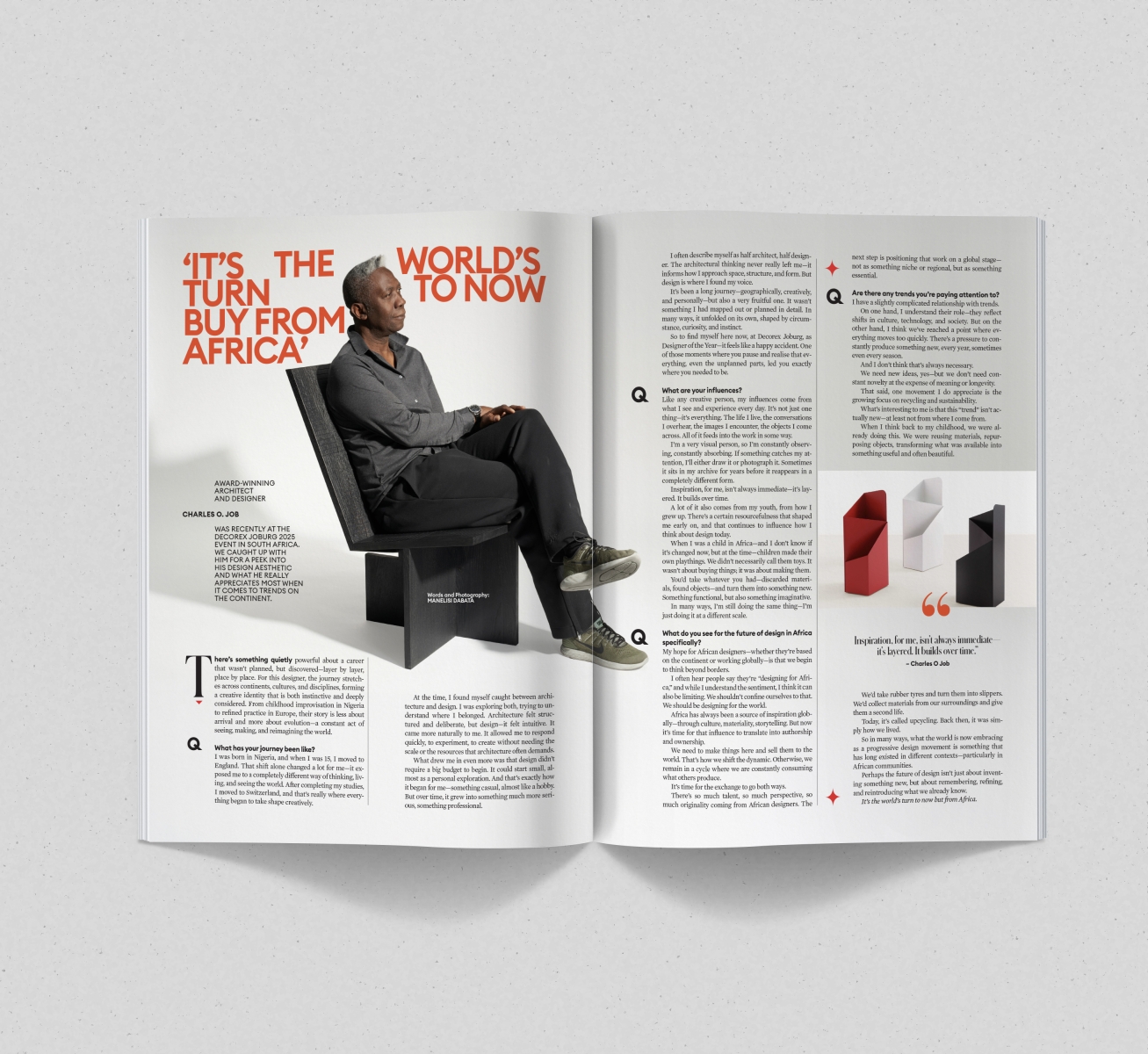
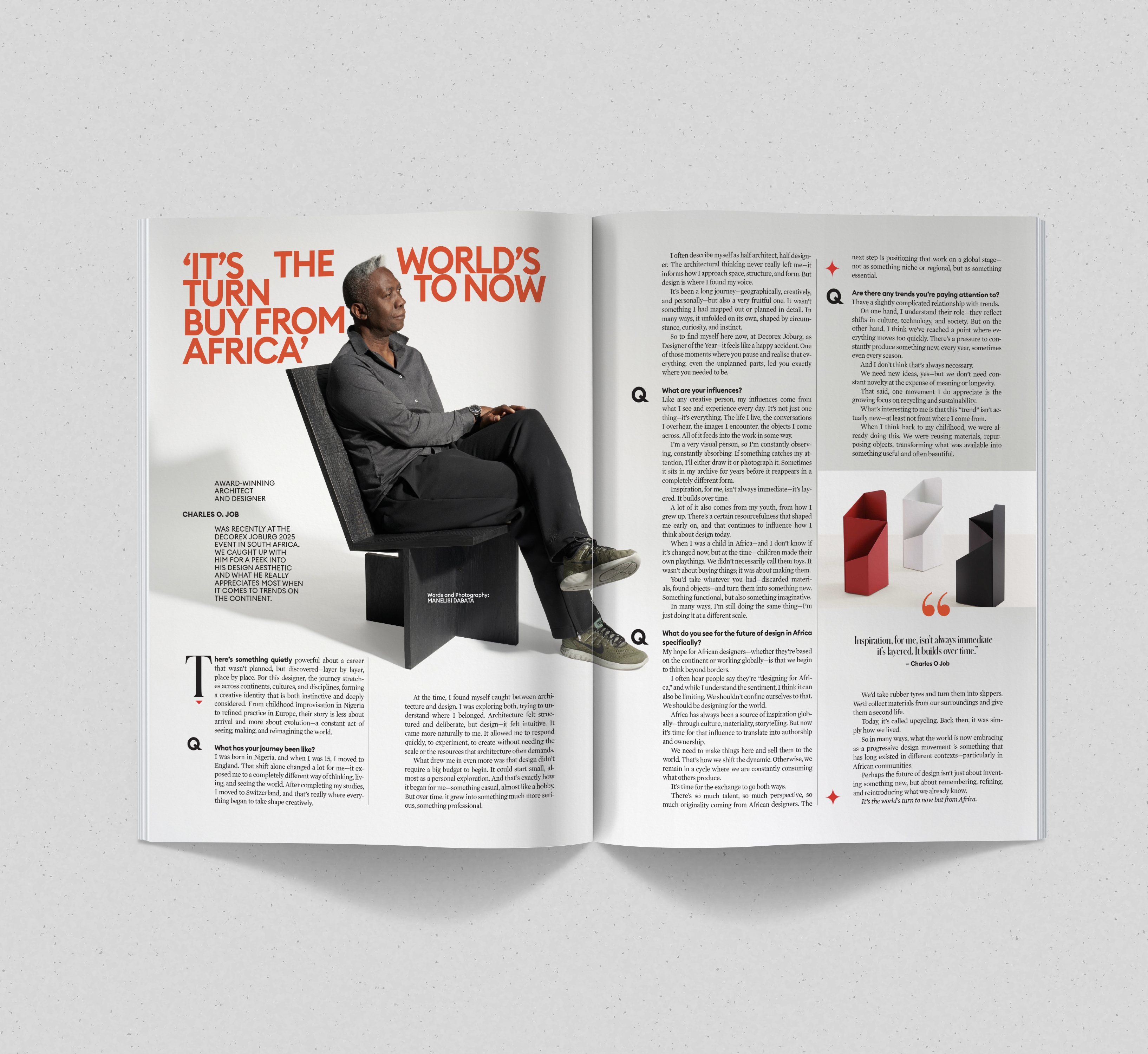
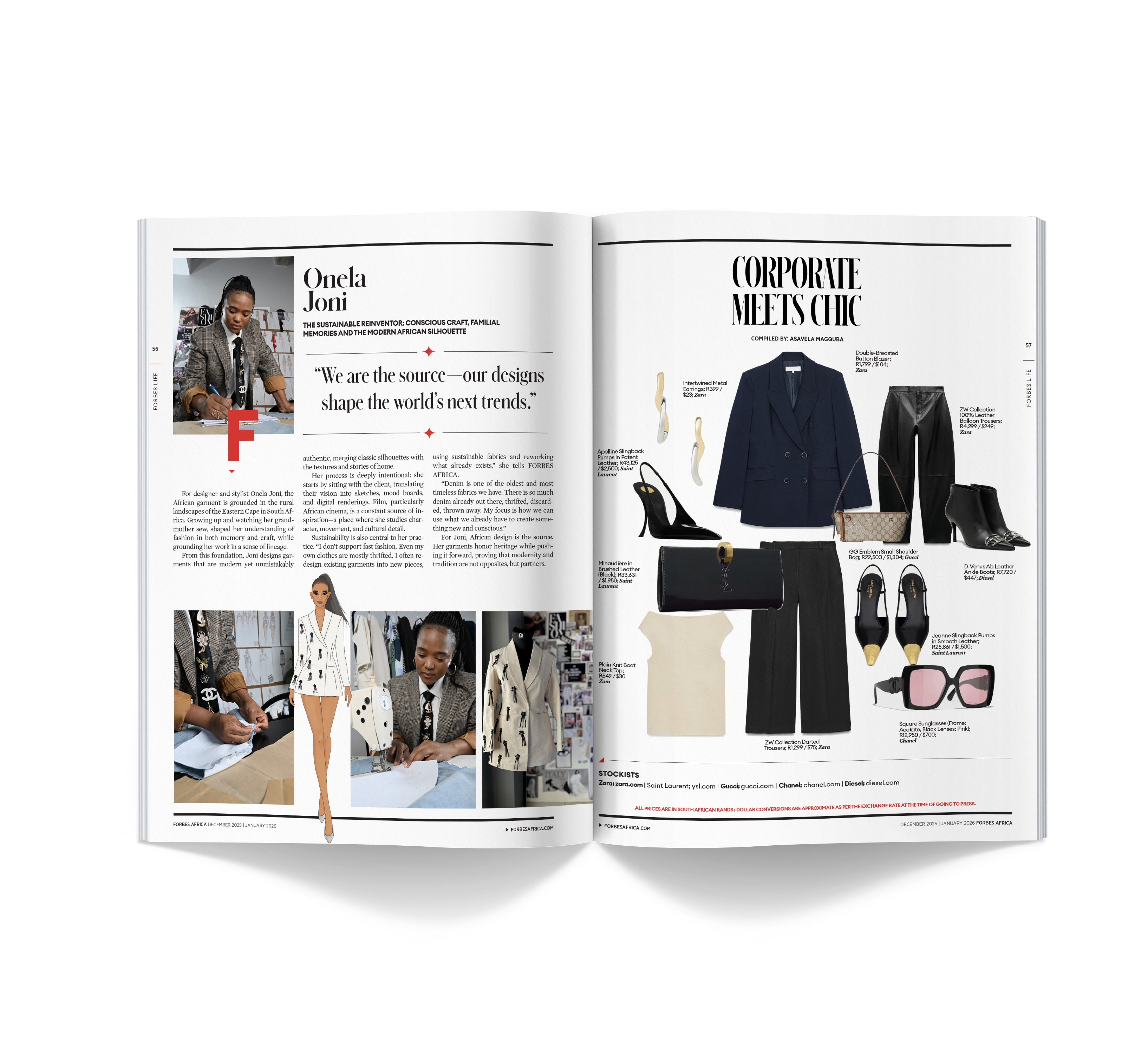
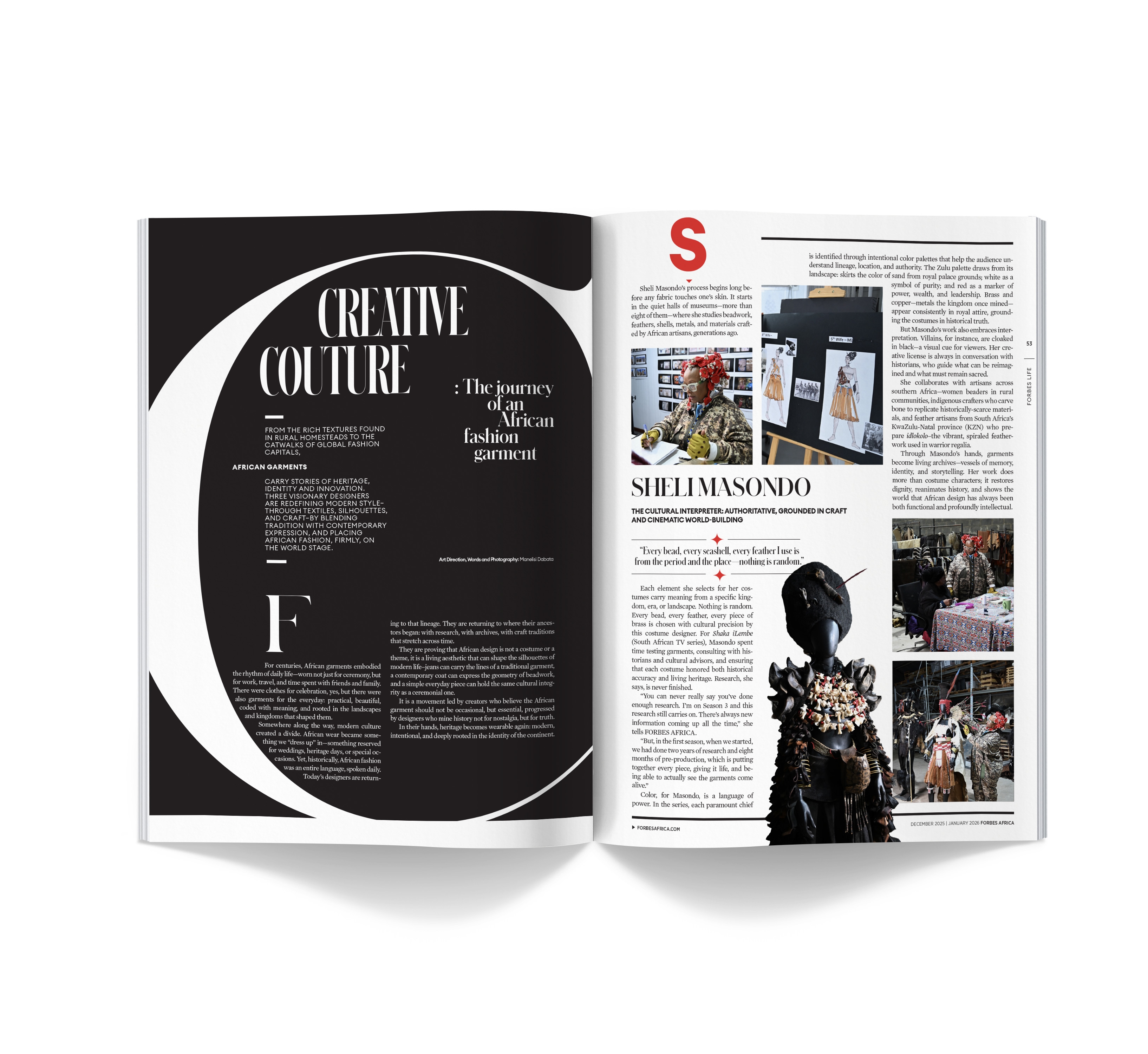
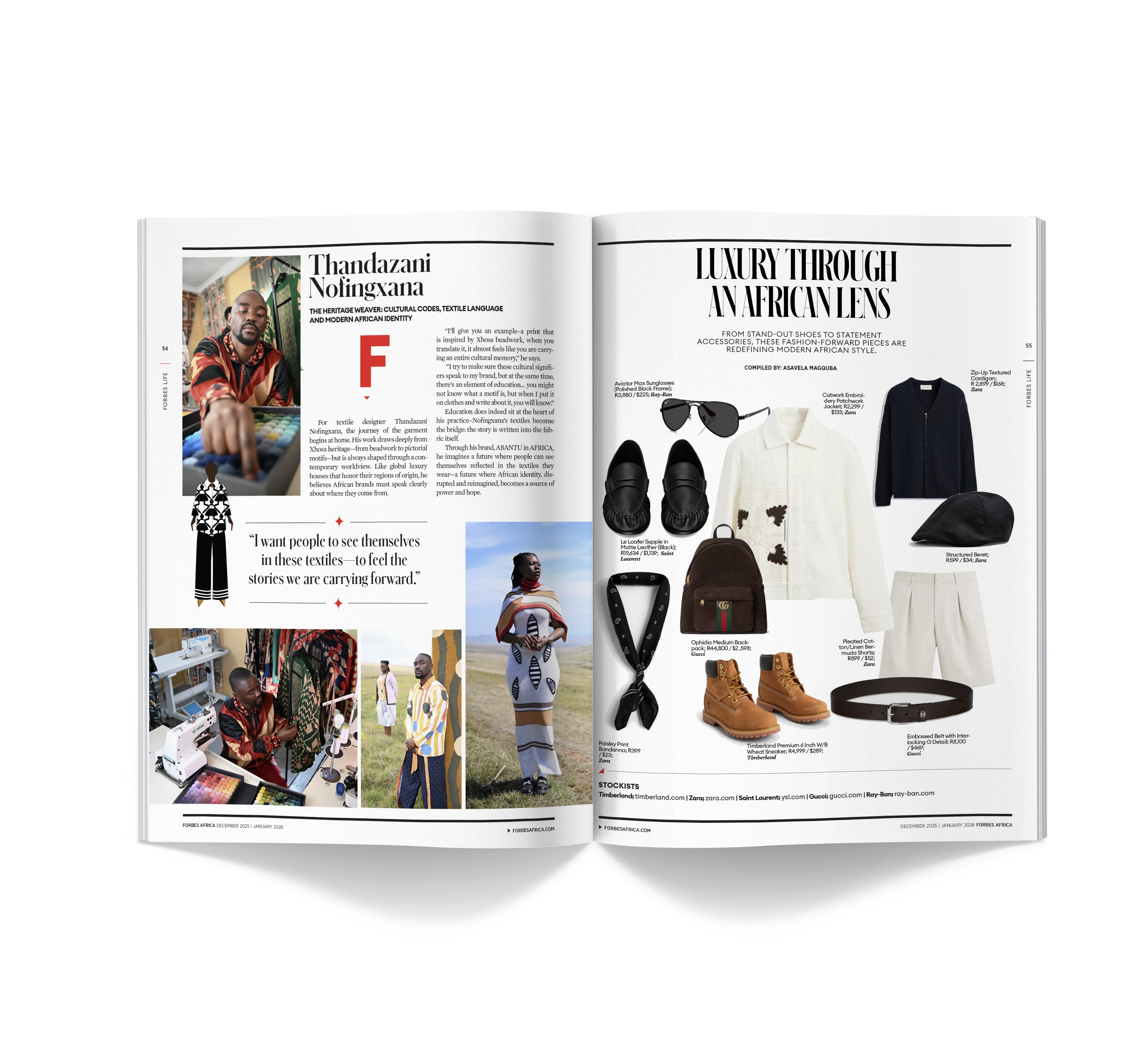
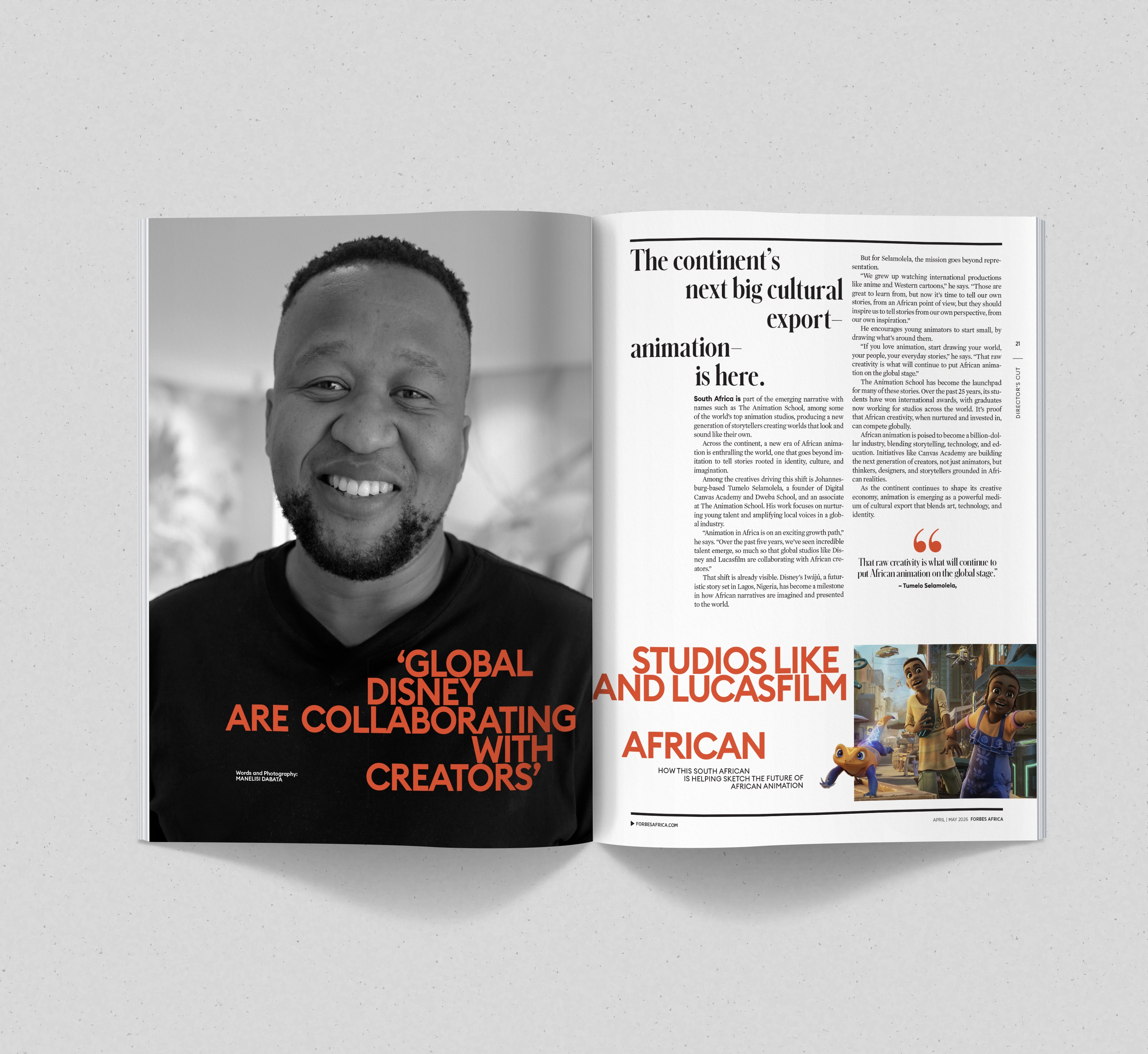
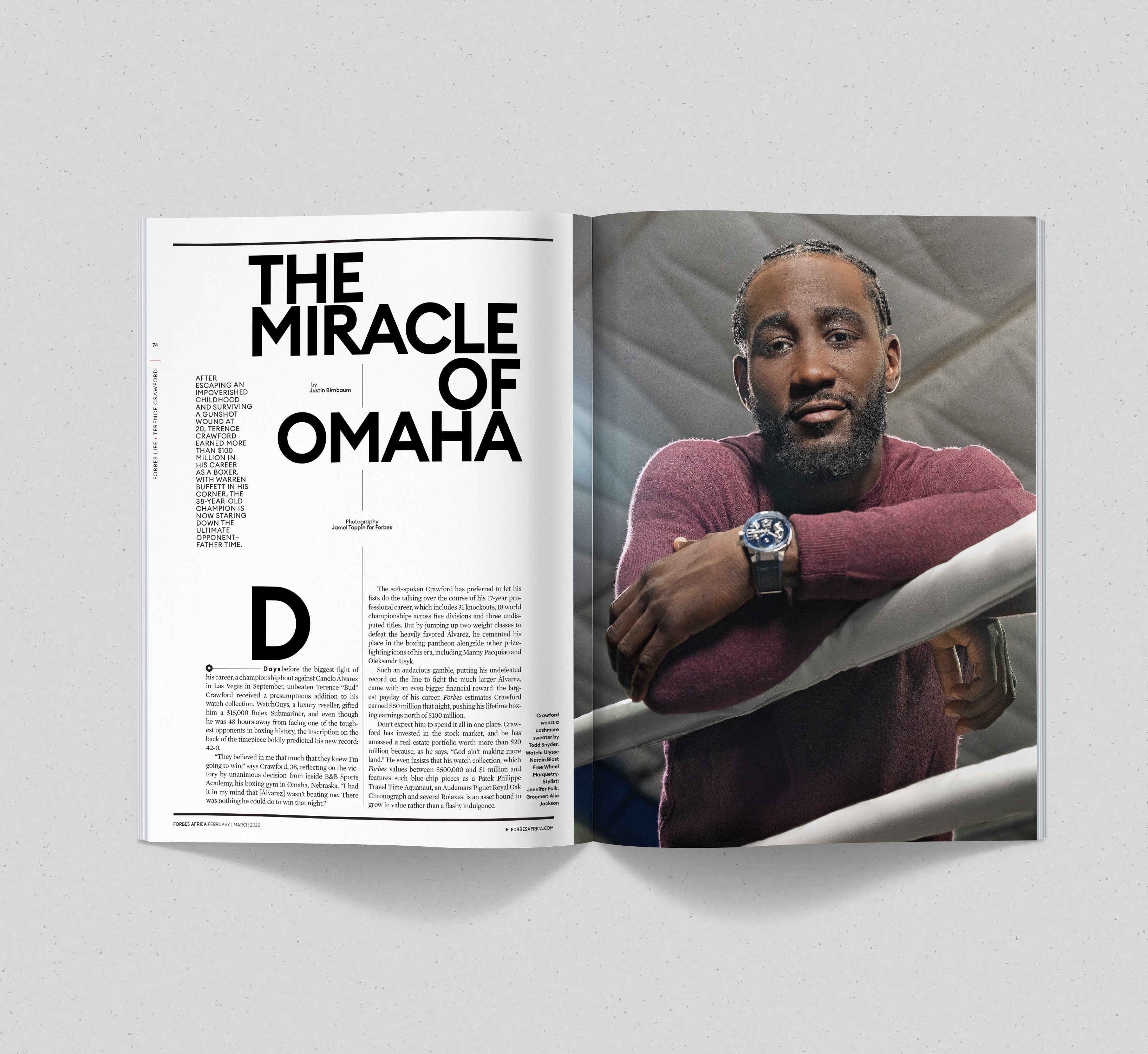
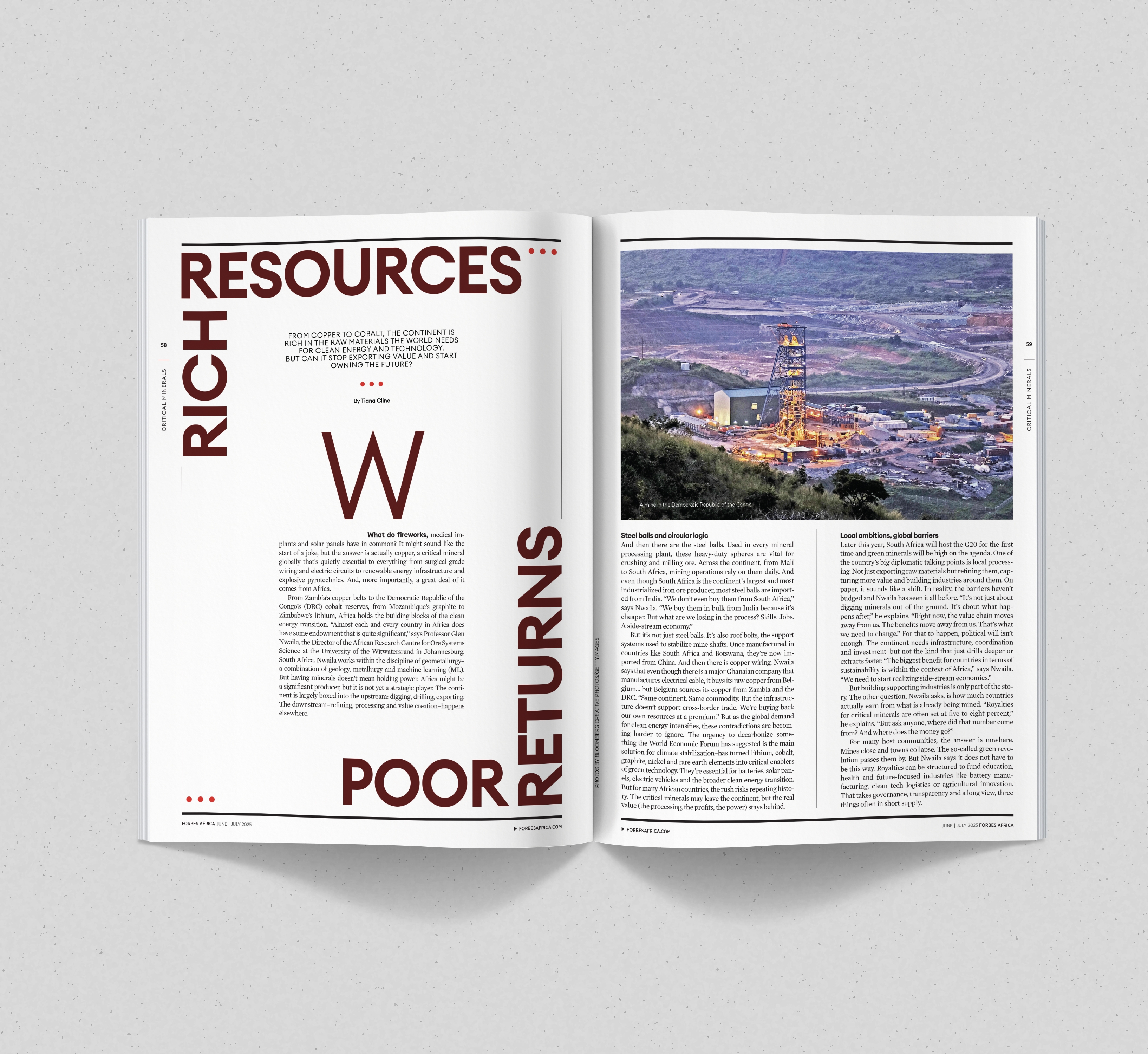
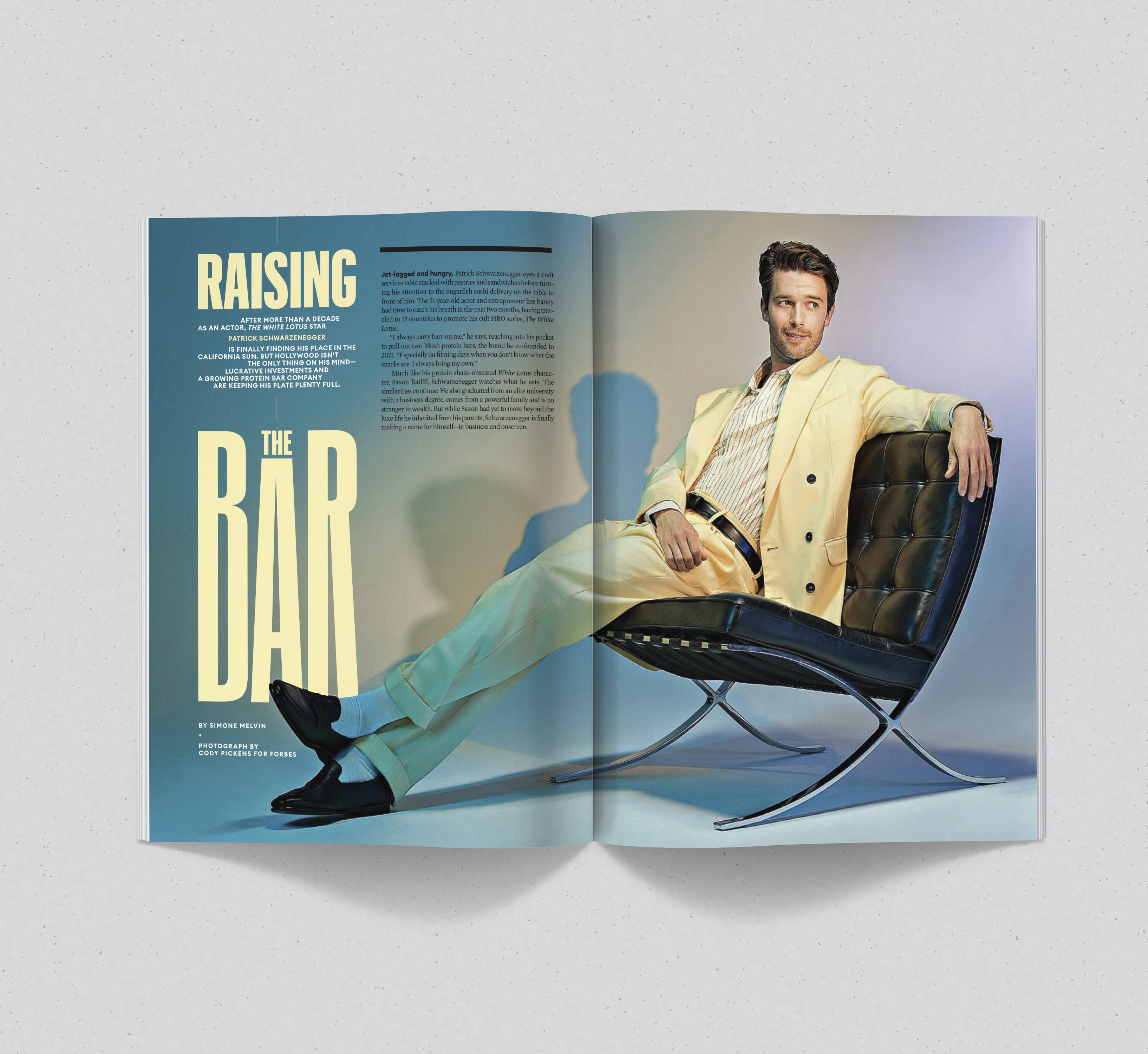
Director’s Cut is a multi-platform editorial concept that redefines how stories are told by shifting focus from the subject to the process behind the image. Traditionally, editorial storytelling presents the final outcome—rarely revealing the creative decisions, collaborations, and systems that shape it. This project reframes that approach by documenting the journey of an art-directed story from concept to publication. The work exists across print, video, and social platforms, forming a layered narrative that moves through ideation, production, and execution. Editorial layouts emphasize sequencing, pacing, and visual hierarchy, while short-form video captures behind-the-scenes moments and creative decision-making in real time. By transforming process into content, Director’s Cut positions design not as a supporting element, but as the narrative itself—offering audiences a deeper, more transparent experience of contemporary visual storytelling.
Director’s Cut is a multi-platform editorial concept that redefines how stories are told by shifting focus from the subject to the process behind the image. Traditionally, editorial storytelling presents the final outcome—rarely revealing the creative decisions, collaborations, and systems that shape it. This project reframes that approach by documenting the journey of an art-directed story from concept to publication. The work exists across print, video, and social platforms, forming a layered narrative that moves through ideation, production, and execution. Editorial layouts emphasize sequencing, pacing, and visual hierarchy, while short-form video captures behind-the-scenes moments and creative decision-making in real time. By transforming process into content, Director’s Cut positions design not as a supporting element, but as the narrative itself—offering audiences a deeper, more transparent experience of contemporary visual storytelling.
Project Innovation / Specification:
The project introduces a new editorial model where process becomes the primary narrative. Instead of treating behind-the-scenes content as supplementary, it is elevated to the core storytelling device. It integrates print, video, and social media into a unified system, where each platform plays a distinct role: print delivers structured, long-form visual storytelling; video captures motion, voice, and real-time decision-making; and social platforms extend accessibility and immediacy. A controlled design system underpins the work, using editorial typography, a restrained color palette, and modular grid structures to ensure consistency across formats. This allows the narrative to transition seamlessly between mediums without losing clarity or intent. The shift in perspective—from subject to creator—redefines authorship in editorial design, positioning the act of making as both content and communication.
The project introduces a new editorial model where process becomes the primary narrative. Instead of treating behind-the-scenes content as supplementary, it is elevated to the core storytelling device. It integrates print, video, and social media into a unified system, where each platform plays a distinct role: print delivers structured, long-form visual storytelling; video captures motion, voice, and real-time decision-making; and social platforms extend accessibility and immediacy. A controlled design system underpins the work, using editorial typography, a restrained color palette, and modular grid structures to ensure consistency across formats. This allows the narrative to transition seamlessly between mediums without losing clarity or intent. The shift in perspective—from subject to creator—redefines authorship in editorial design, positioning the act of making as both content and communication.
Project Sustainability Approach:
The project adopts a sustainable approach through its use of existing editorial platforms and digital distribution, minimizing the need for additional production resources. By integrating print, video, and social content within a single workflow, it reduces duplication and maximizes output from each creative process. Digitally, the use of short-form video and social platforms extends the lifespan of editorial content, allowing stories to reach wider audiences without additional physical production. Conceptually, the project promotes sustainability by documenting and amplifying creative practices rooted in heritage, craftsmanship, and conscious production. By highlighting processes such as research, material awareness, and cultural preservation, it encourages a more thoughtful and intentional approach to design. This positions sustainability not only as a material consideration, but as a cultural and creative responsibility.
The project adopts a sustainable approach through its use of existing editorial platforms and digital distribution, minimizing the need for additional production resources. By integrating print, video, and social content within a single workflow, it reduces duplication and maximizes output from each creative process. Digitally, the use of short-form video and social platforms extends the lifespan of editorial content, allowing stories to reach wider audiences without additional physical production. Conceptually, the project promotes sustainability by documenting and amplifying creative practices rooted in heritage, craftsmanship, and conscious production. By highlighting processes such as research, material awareness, and cultural preservation, it encourages a more thoughtful and intentional approach to design. This positions sustainability not only as a material consideration, but as a cultural and creative responsibility.
Local and Regional Impacts of the Project:
The project contributes to a growing recognition of African creative processes by making them visible and accessible. It documents the methods, decisions, and cultural references that shape contemporary design across the continent. By shifting focus to the process, it creates educational value for emerging creatives, offering insight into how ideas are developed and executed in real-world contexts. It also strengthens regional creative identity by presenting African storytelling through an internal lens—one that prioritizes authenticity, authorship, and lived experience. In doing so, it supports a broader movement toward owning and defining visual narratives within the African design landscape.
The project contributes to a growing recognition of African creative processes by making them visible and accessible. It documents the methods, decisions, and cultural references that shape contemporary design across the continent. By shifting focus to the process, it creates educational value for emerging creatives, offering insight into how ideas are developed and executed in real-world contexts. It also strengthens regional creative identity by presenting African storytelling through an internal lens—one that prioritizes authenticity, authorship, and lived experience. In doing so, it supports a broader movement toward owning and defining visual narratives within the African design landscape.

Lead Designer(s) Name(s):Art Director Manelisi Dabata