Ondaanisa yo pOmudhime – Dance of the Rubber Tree
Prize(s):
WINNER 2026 Packaging Design / Other packaging
Company Name:Turipamwe Design Trading
Lead Designer(s) Name(s):Elrico Gawanab
Design Team / Other designer(s):Tanya Stroh
Other Contributor(s):Tuli Mekondjo
Client Name:Dr Nashilongweshipwe Mushaandja
Photo Credit:Elrico Gawanab, Jean-Claude Tjitamunisa, Tony Figueira, National Archives of Namibia
Project Location:Windhoek, Namibia
Design Status:Commercialized
Website: View
Video URL:View
Project Description:
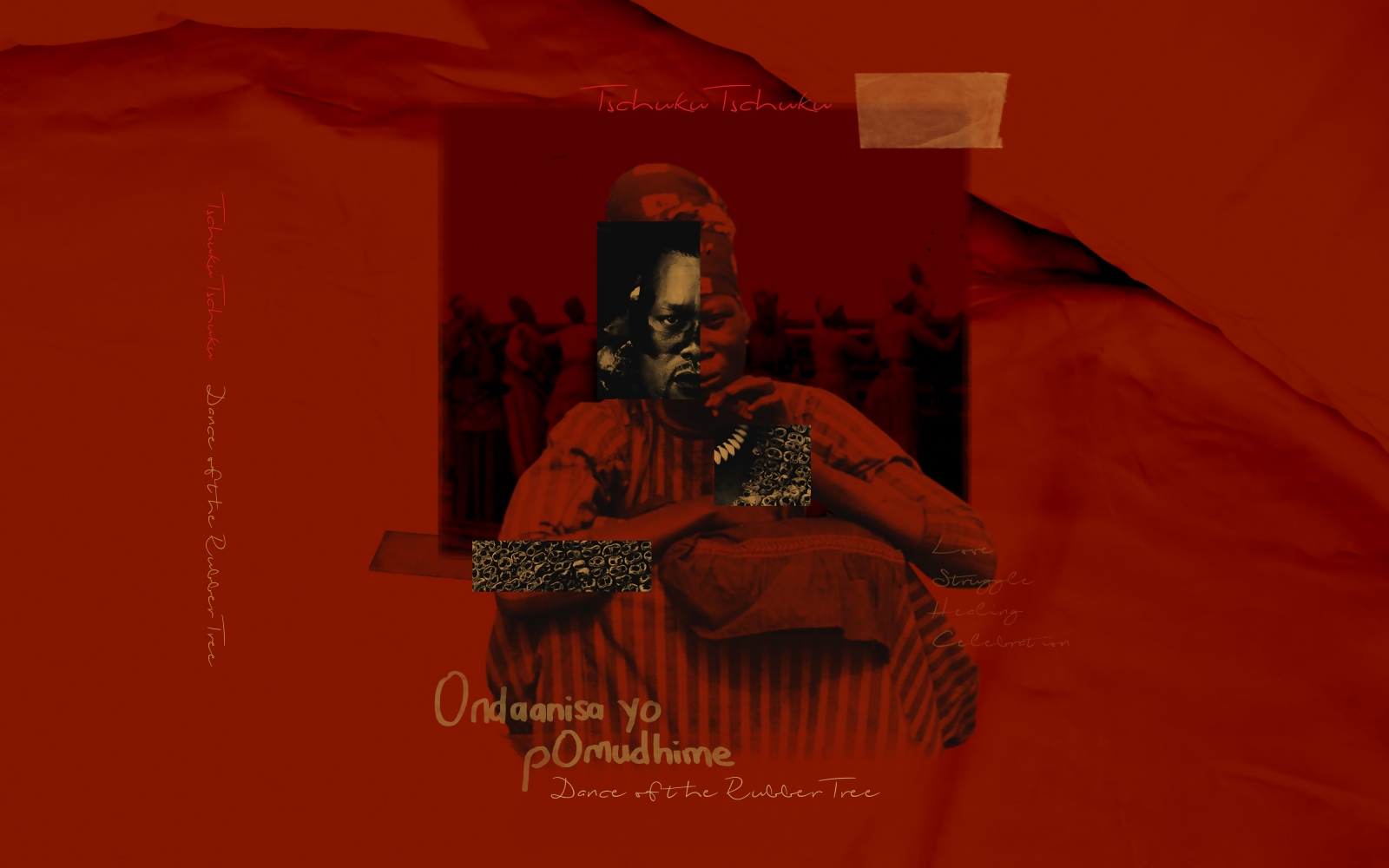
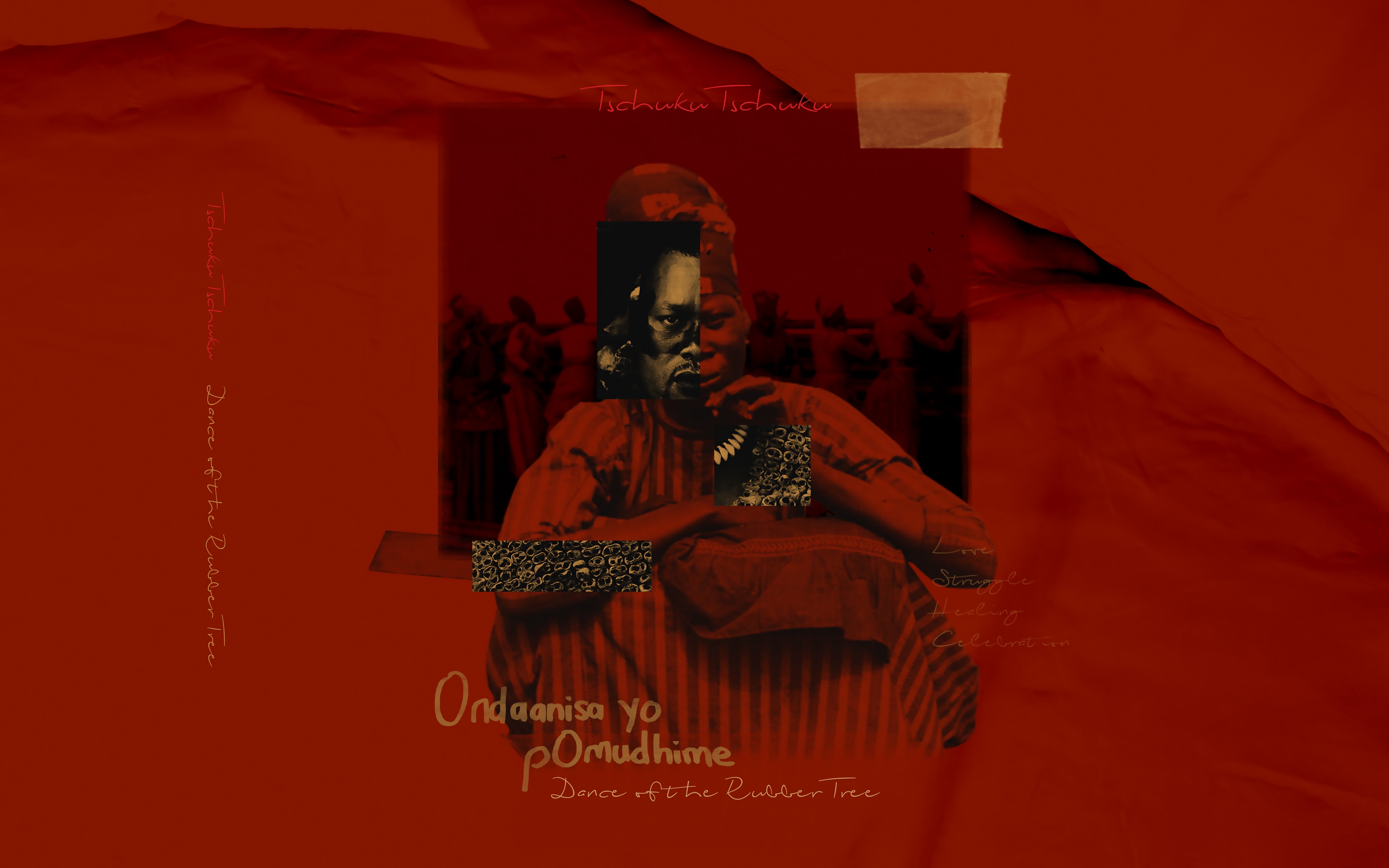
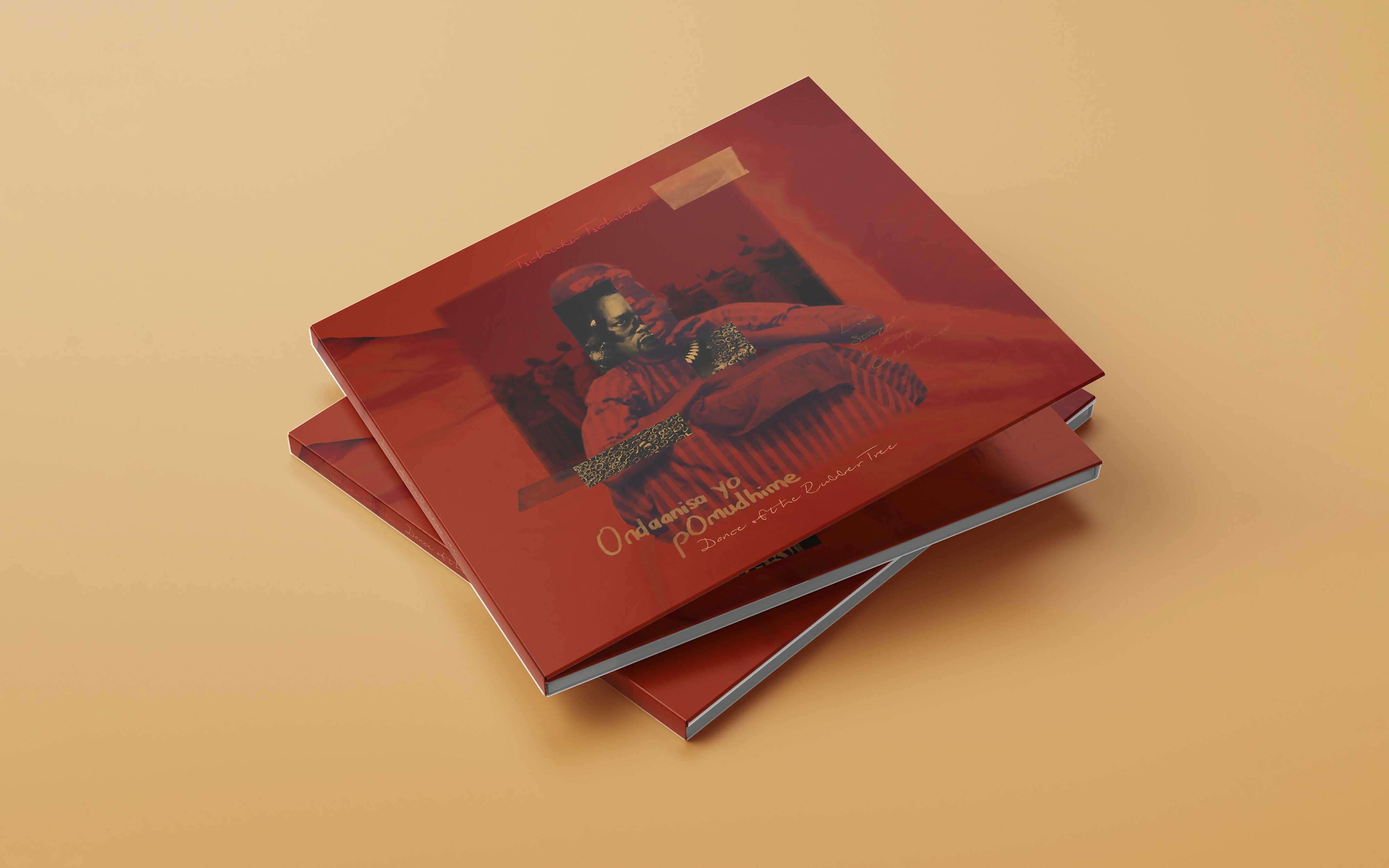
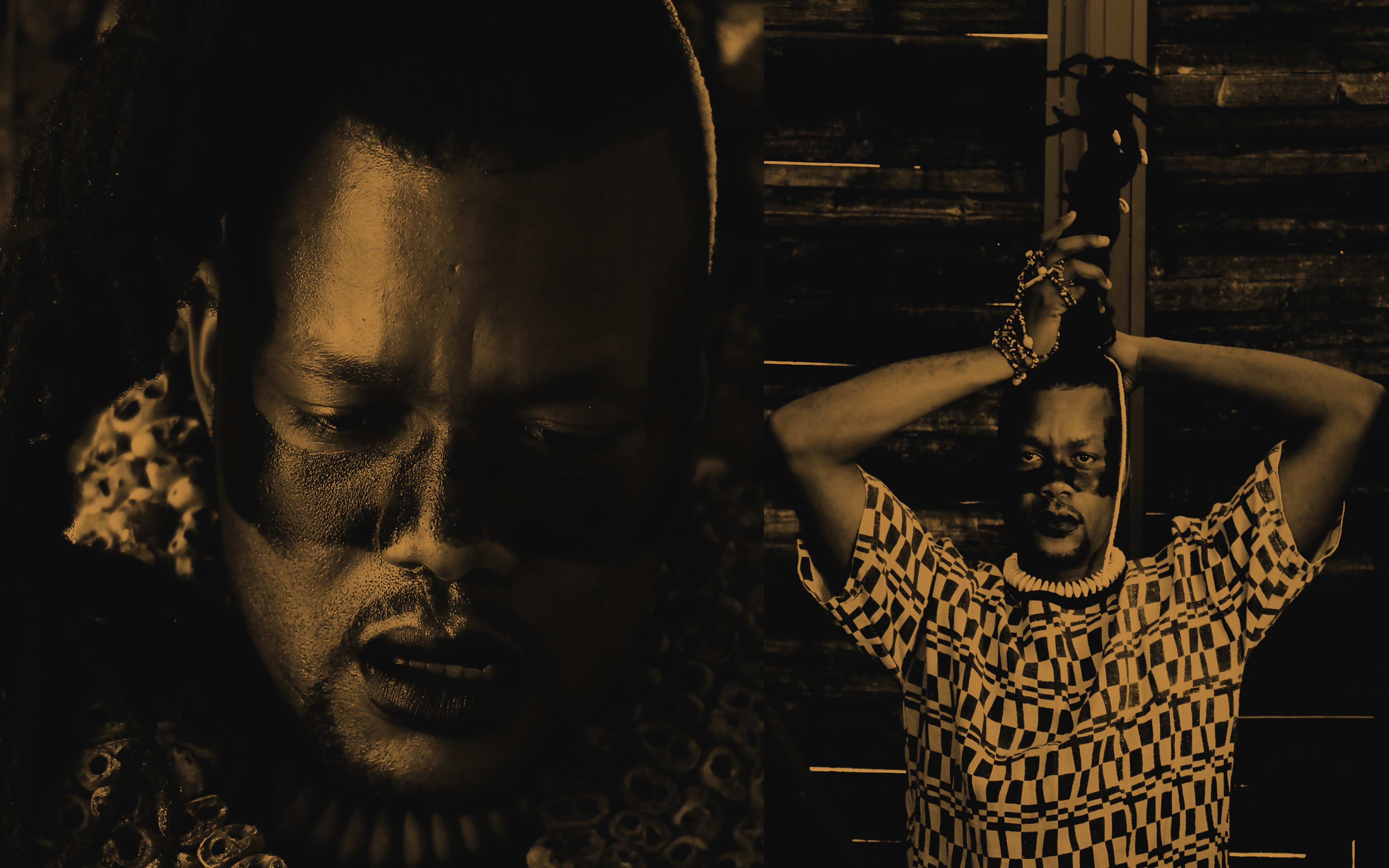
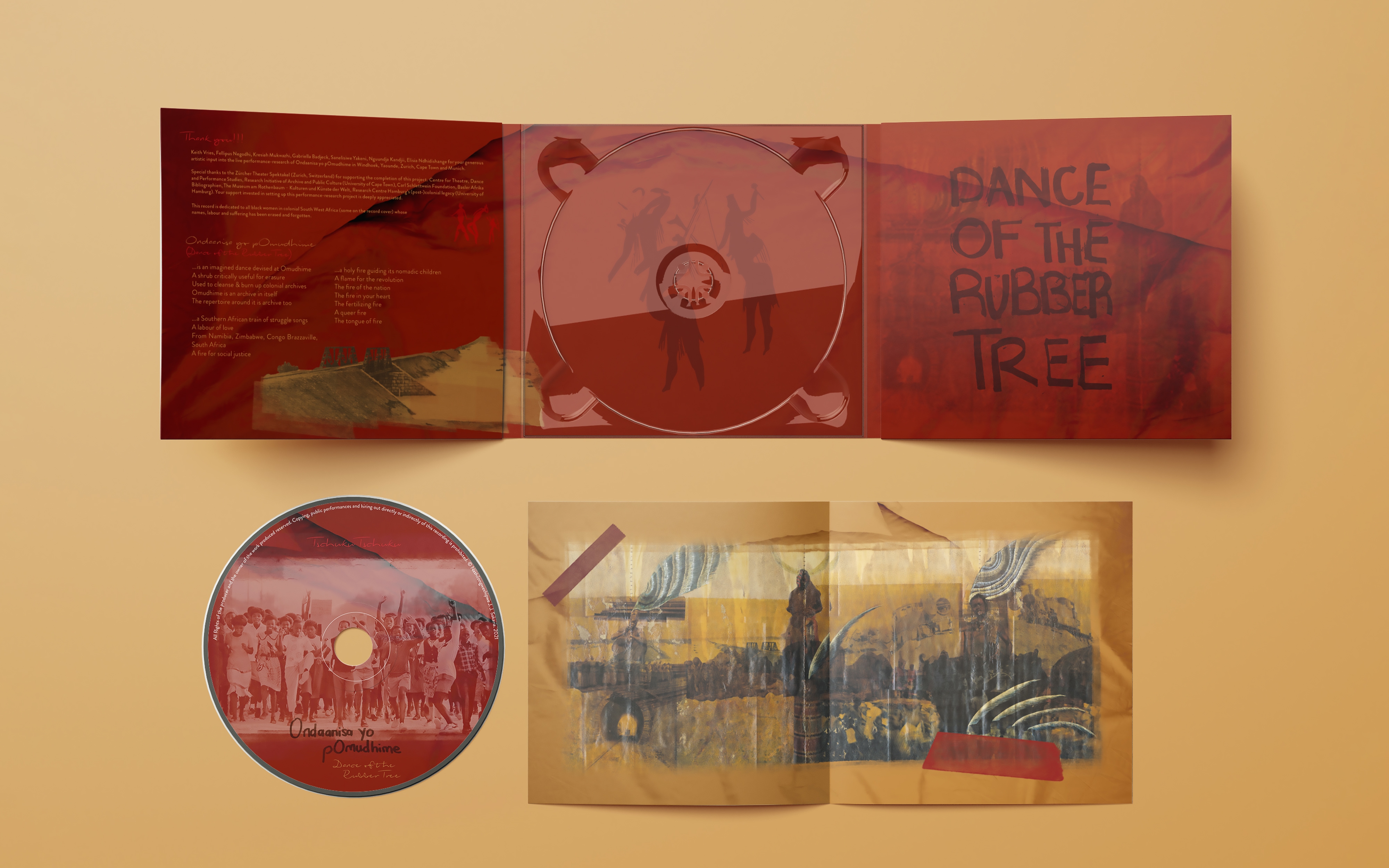
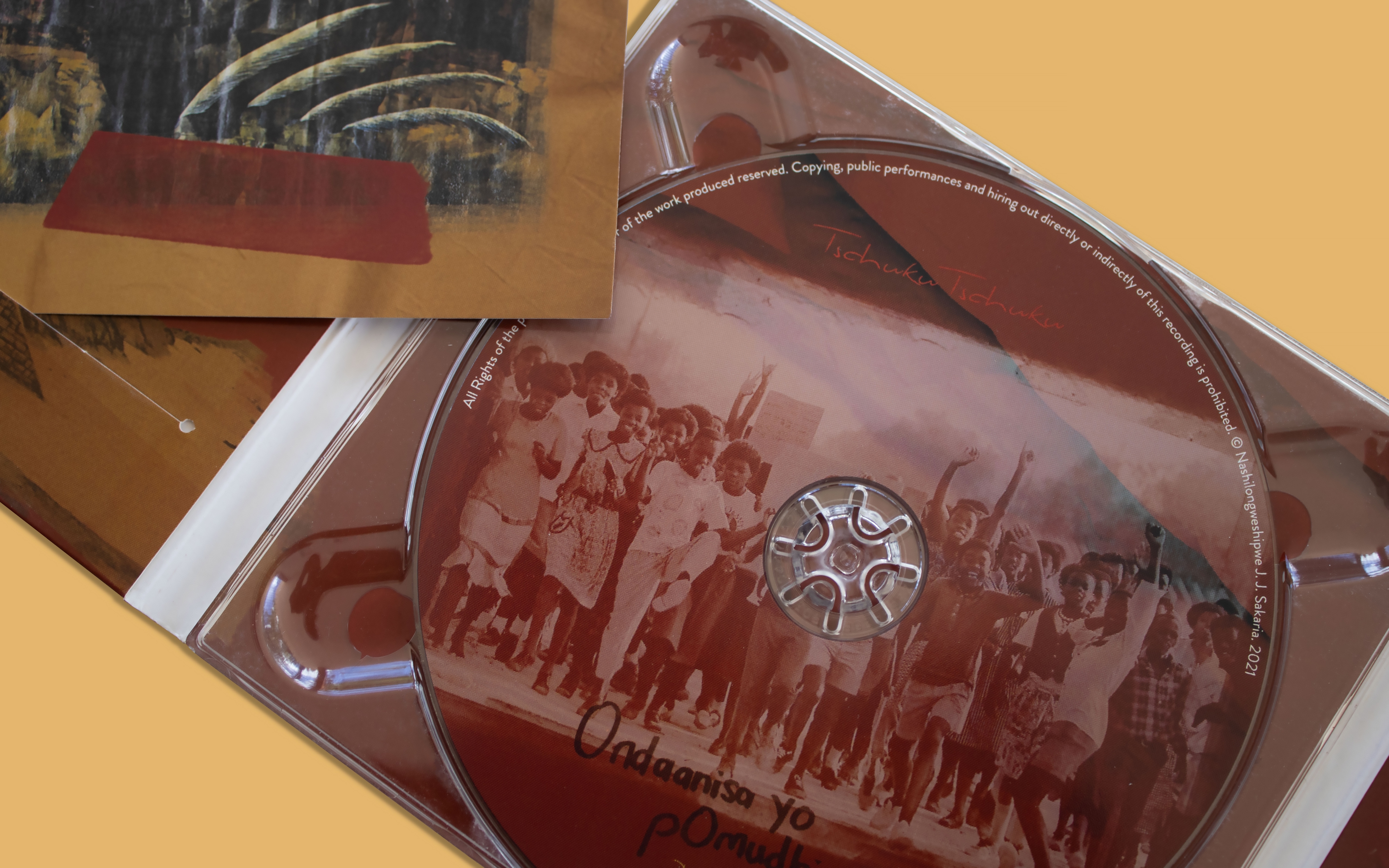
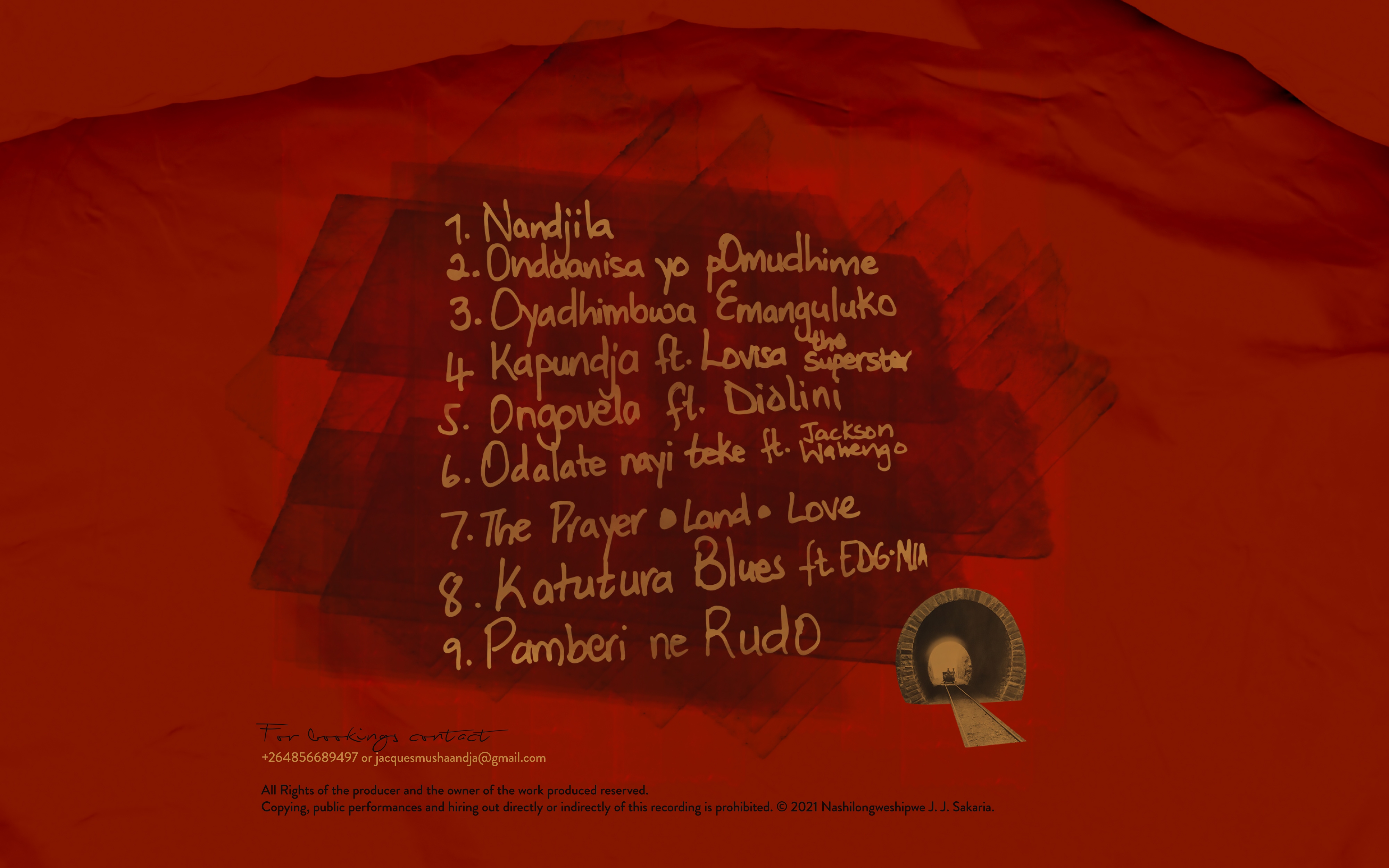
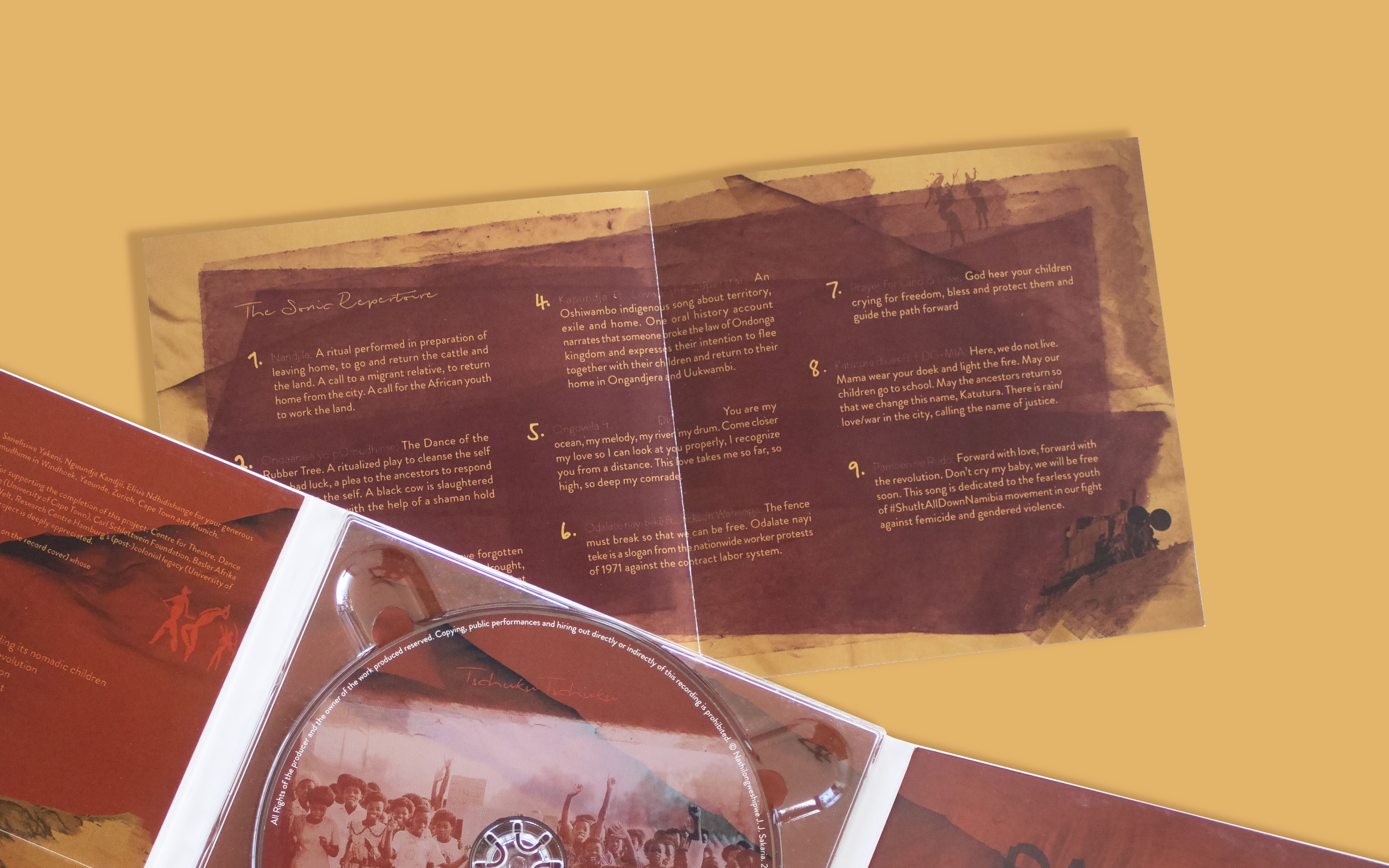
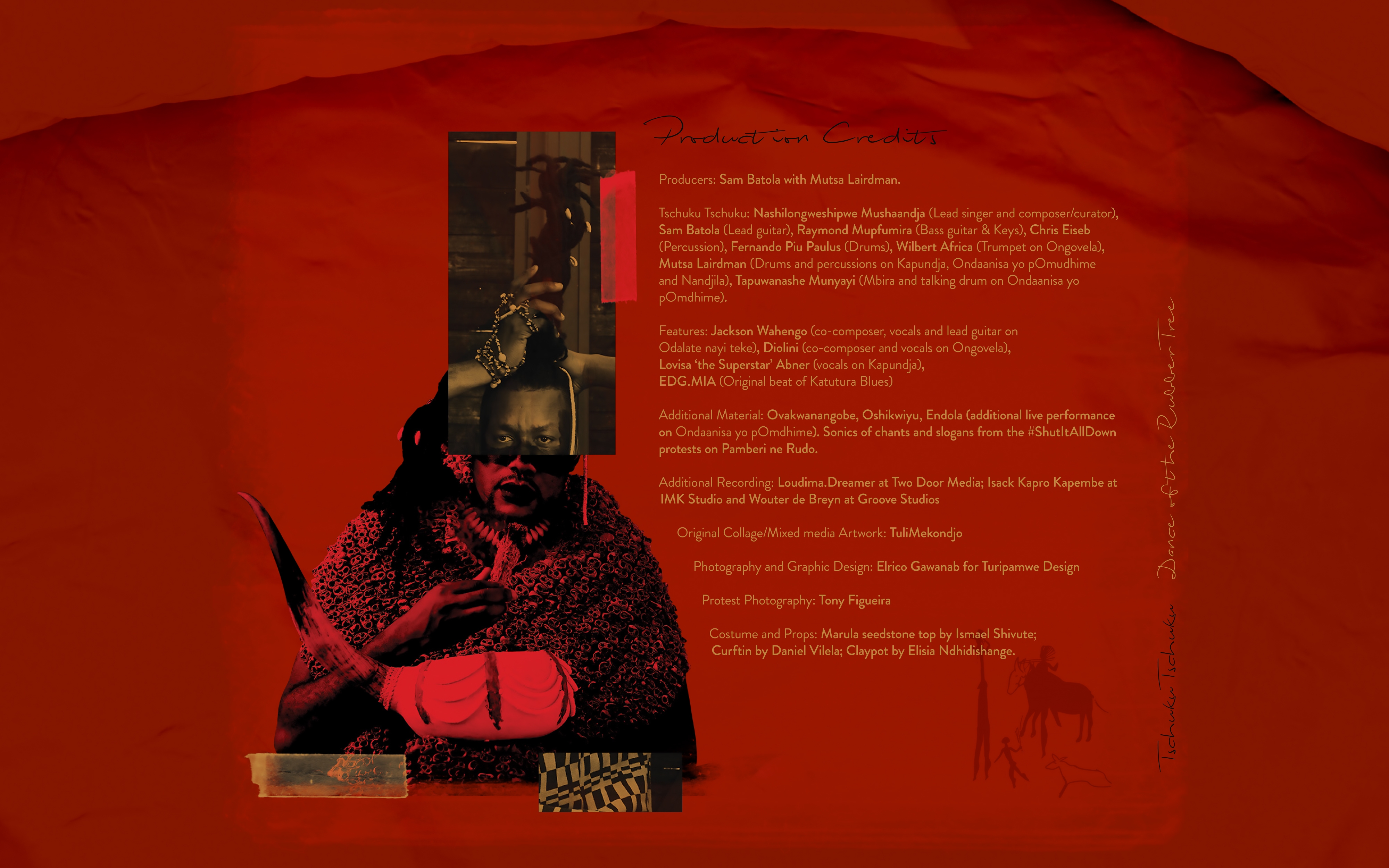
The album artwork for Ondaanisa yo pOmudhime – Dance of the Rubber Tree translates sound, memory, and healing into a visual language. Designed as a mixed-media composition, the artwork combines archival imagery, contemporary portraiture, hand-lettered typography, and collage to reflect the layered histories explored in the music. The album engages with ancestral presence, colonial disruption, resistance, and self-reflection. Visually, these layers are held together rather than resolved. Archival photographs sit alongside newly created images and handwritten text, allowing past and present to speak to one another. The result is not a single narrative, but a visual conversation shaped by rhythm, repetition, and contrast. As a communication object, the album artwork signals that the music is more than something to listen to — it is something to sit with, question, and feel. The cover becomes an invitation into the album’s emotional and cultural landscape.
The album artwork for Ondaanisa yo pOmudhime – Dance of the Rubber Tree translates sound, memory, and healing into a visual language. Designed as a mixed-media composition, the artwork combines archival imagery, contemporary portraiture, hand-lettered typography, and collage to reflect the layered histories explored in the music. The album engages with ancestral presence, colonial disruption, resistance, and self-reflection. Visually, these layers are held together rather than resolved. Archival photographs sit alongside newly created images and handwritten text, allowing past and present to speak to one another. The result is not a single narrative, but a visual conversation shaped by rhythm, repetition, and contrast. As a communication object, the album artwork signals that the music is more than something to listen to — it is something to sit with, question, and feel. The cover becomes an invitation into the album’s emotional and cultural landscape.
Project Innovation / Specification:
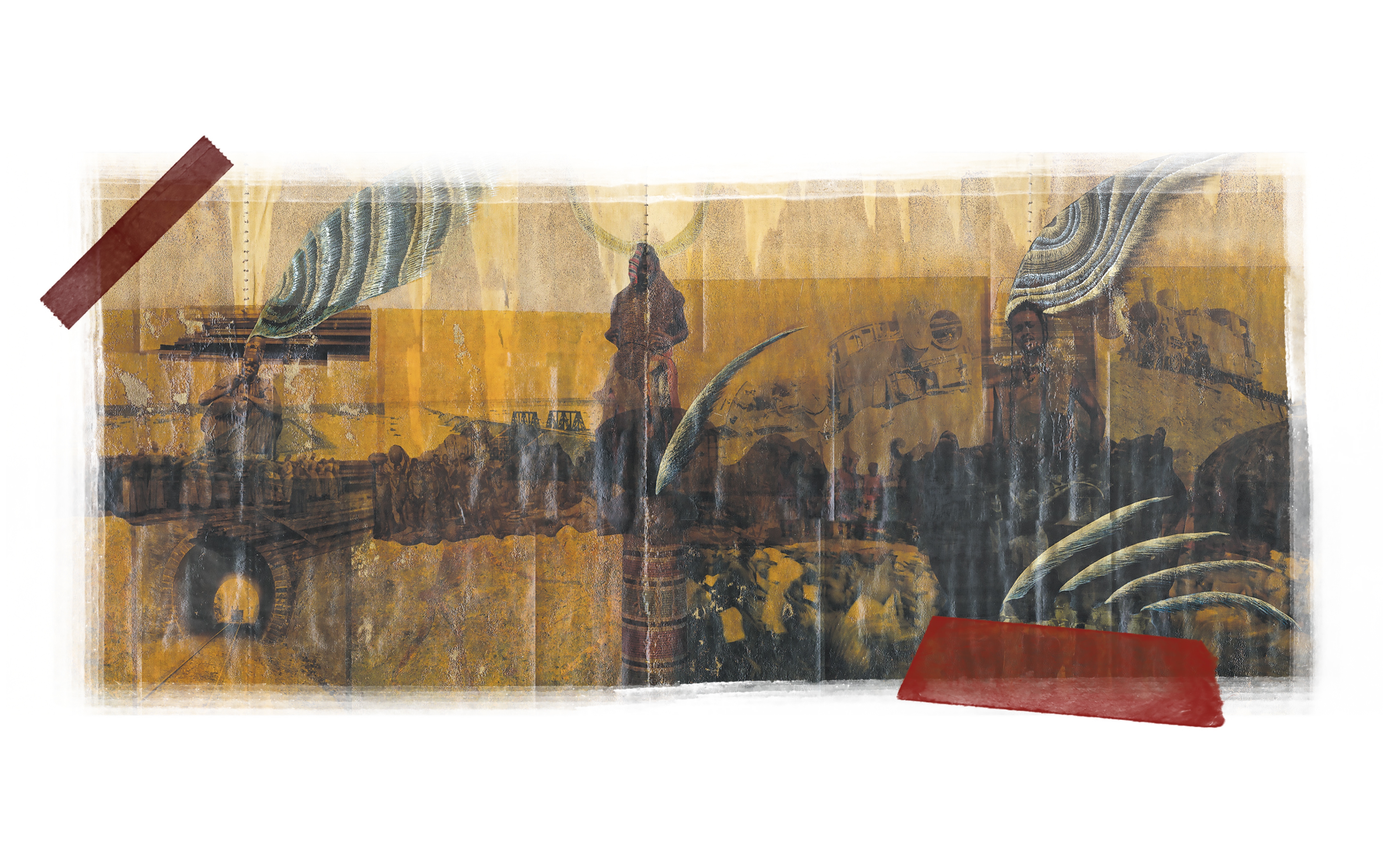
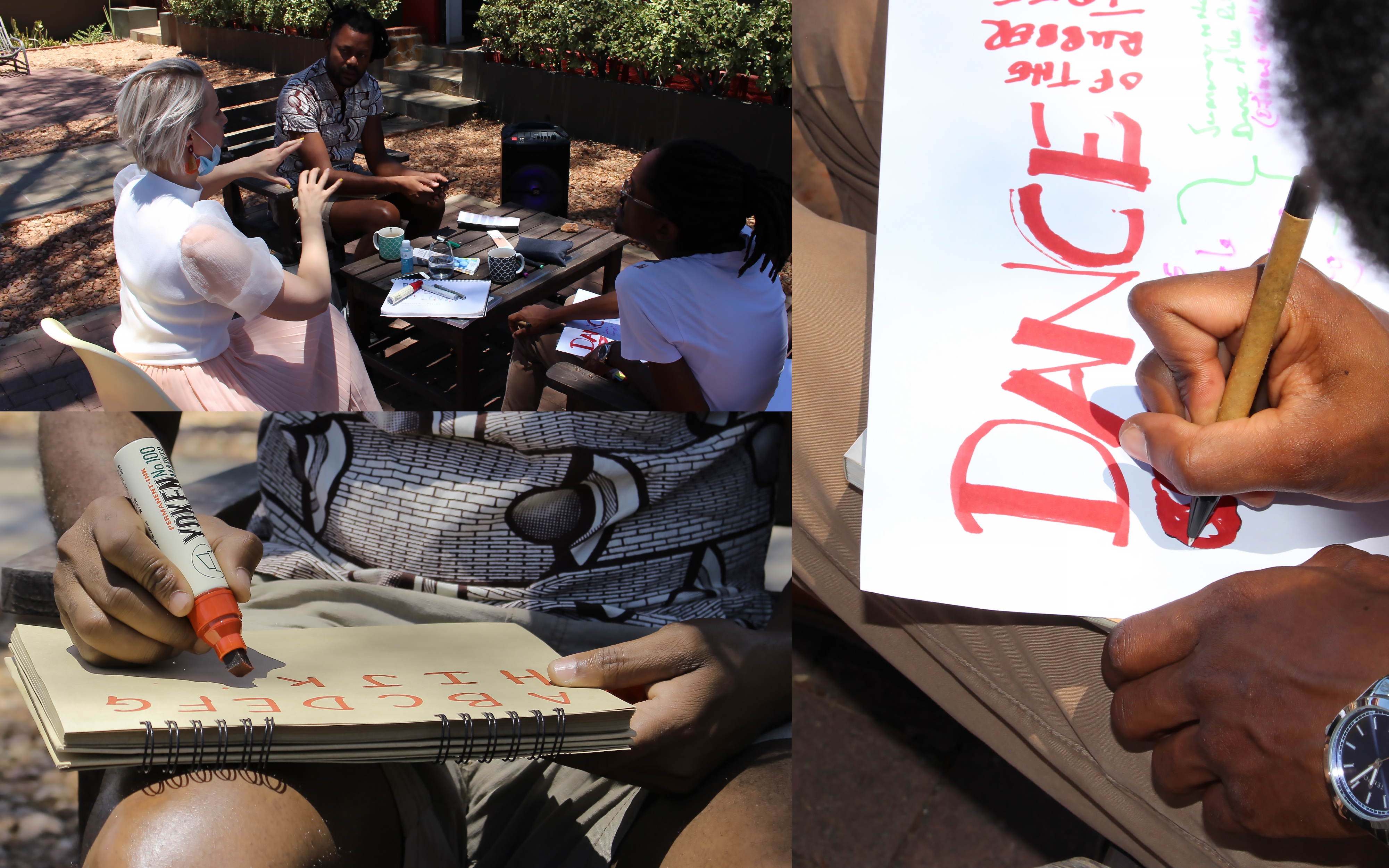
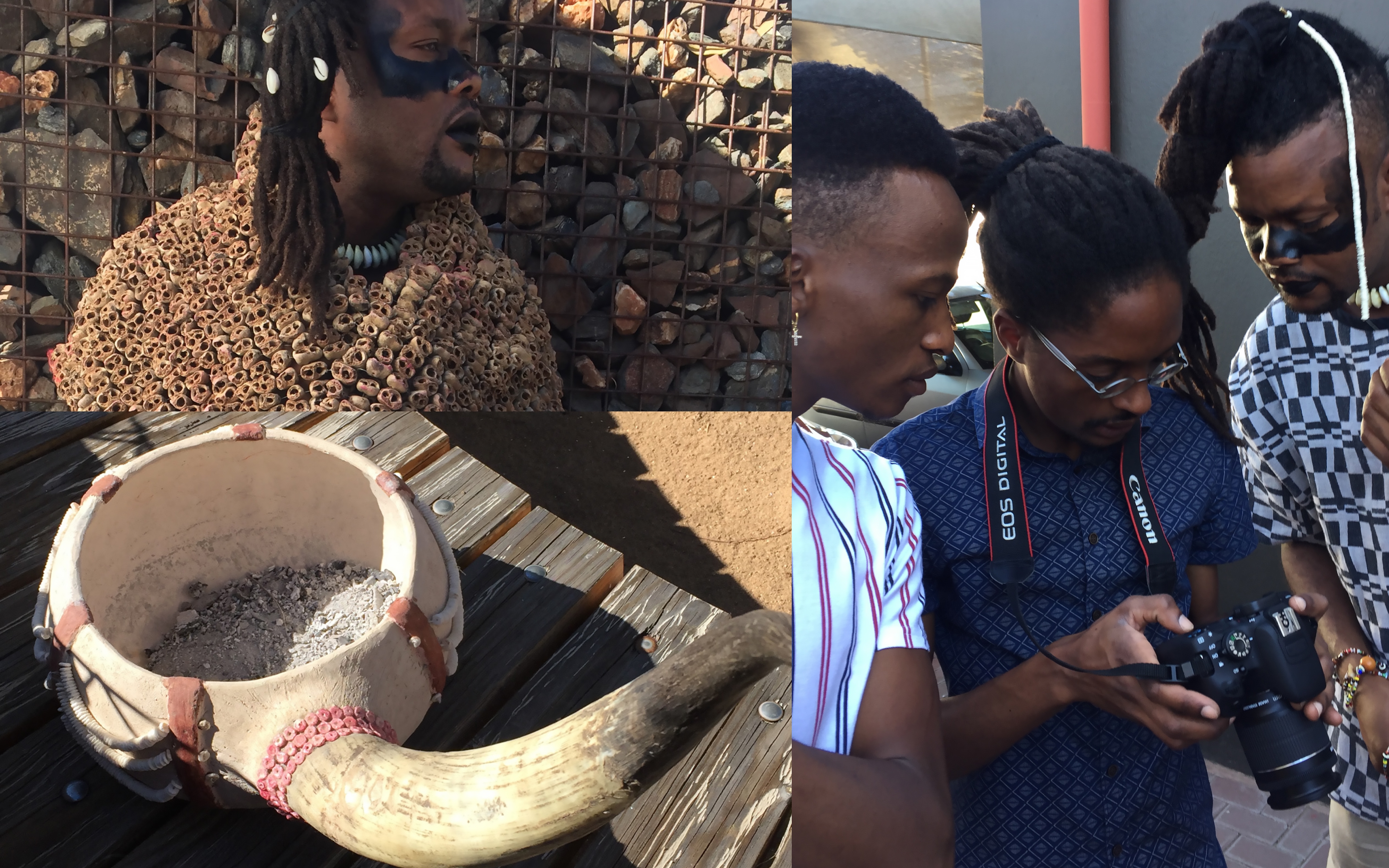
The project’s innovation lies in its process-led approach. Typography was hand-lettered during an album listening session, allowing sound, rhythm, and emotion to directly influence letterform, scale, and spacing. In this way, text becomes expressive rather than decorative — a visual extension of voice. A site-specific performance formed part of the creative process and was documented through photography, grounding the artwork in movement and presence. Archival imagery was deliberately paired with contemporary portraiture to create visual tension between inherited histories and present-day authorship. A large mixed-media artwork by Thuli Mekondjo, measuring approximately 2.5 metres was digitised and integrated into the final design. Capturing and stitching this work required careful coordination to retain texture and detail, ensuring the piece's physical qualities carried through into its digital form.
The project’s innovation lies in its process-led approach. Typography was hand-lettered during an album listening session, allowing sound, rhythm, and emotion to directly influence letterform, scale, and spacing. In this way, text becomes expressive rather than decorative — a visual extension of voice. A site-specific performance formed part of the creative process and was documented through photography, grounding the artwork in movement and presence. Archival imagery was deliberately paired with contemporary portraiture to create visual tension between inherited histories and present-day authorship. A large mixed-media artwork by Thuli Mekondjo, measuring approximately 2.5 metres was digitised and integrated into the final design. Capturing and stitching this work required careful coordination to retain texture and detail, ensuring the piece's physical qualities carried through into its digital form.
Project Sustainability Approach:
Sustainability in this project is understood as continuity rather than permanence. By reworking archival material through contemporary artistic practice, the artwork extends the relevance of historical imagery without fixing it in the past. The process prioritised analogue making—hand lettering, collage, and physical artwork—over digitisation. A single large artwork was then adapted across multiple outputs, reducing duplication and unnecessary production. The album identity was designed to function across formats, including digital platforms, performance contexts, and print, without needing redesign. Sustainability here is about creating communication that can travel, adapt, and remain meaningful over time while respecting the work's material and cultural origins.
Sustainability in this project is understood as continuity rather than permanence. By reworking archival material through contemporary artistic practice, the artwork extends the relevance of historical imagery without fixing it in the past. The process prioritised analogue making—hand lettering, collage, and physical artwork—over digitisation. A single large artwork was then adapted across multiple outputs, reducing duplication and unnecessary production. The album identity was designed to function across formats, including digital platforms, performance contexts, and print, without needing redesign. Sustainability here is about creating communication that can travel, adapt, and remain meaningful over time while respecting the work's material and cultural origins.
Local and Regional Impacts of the Project:
Locally, the project contributes to conversations around memory, healing, and self-representation by showing how visual communication can engage with history while centring lived experience. It offers an example of how archives can be approached with care, creativity, and agency. Regionally, the work sits within a wider southern African movement that reclaims historical imagery through contemporary voices. By treating album artwork as a space for meaning-making rather than solely for promotion, the project demonstrates how design, music, and performance can work together to support reflection, dialogue, and cultural exchange across contexts. The work has travelled to Germany, Switzerland, India, and beyond.
Locally, the project contributes to conversations around memory, healing, and self-representation by showing how visual communication can engage with history while centring lived experience. It offers an example of how archives can be approached with care, creativity, and agency. Regionally, the work sits within a wider southern African movement that reclaims historical imagery through contemporary voices. By treating album artwork as a space for meaning-making rather than solely for promotion, the project demonstrates how design, music, and performance can work together to support reflection, dialogue, and cultural exchange across contexts. The work has travelled to Germany, Switzerland, India, and beyond.
Company Name:Turipamwe Design Trading
Lead Designer(s) Name(s):Elrico Gawanab
Profile Description:
Turipamwe is a Namibia-based design practice working across communication design, spatial storytelling, and co-creation. Rooted in African contexts, the studio approaches design as a vehicle for understanding, dialogue, and impact. Its work spans cultural, civic, and social sectors, combining research, visual systems, and facilitation to translate complex ideas into clear, human-centred outcomes. Turipamwe is particularly interested in design that is authored from within context and responsive to local realities, while remaining legible and relevant on international platforms.
Turipamwe is a Namibia-based design practice working across communication design, spatial storytelling, and co-creation. Rooted in African contexts, the studio approaches design as a vehicle for understanding, dialogue, and impact. Its work spans cultural, civic, and social sectors, combining research, visual systems, and facilitation to translate complex ideas into clear, human-centred outcomes. Turipamwe is particularly interested in design that is authored from within context and responsive to local realities, while remaining legible and relevant on international platforms.
Environmental Practices:
Environmental responsibility is approached through thoughtful, context-sensitive choices rather than prescriptive frameworks. Where possible, projects prioritise durable materials, modular design, and reuse to extend the life of outputs beyond single-use applications. Indigenous knowledge systems and local ways of making inform decisions around materiality, scale, and production. Sustainability is understood as cultural and environmental continuity — designing work that is adaptable, respectful of resources, and able to exist meaningfully across time, place, and use.
Environmental responsibility is approached through thoughtful, context-sensitive choices rather than prescriptive frameworks. Where possible, projects prioritise durable materials, modular design, and reuse to extend the life of outputs beyond single-use applications. Indigenous knowledge systems and local ways of making inform decisions around materiality, scale, and production. Sustainability is understood as cultural and environmental continuity — designing work that is adaptable, respectful of resources, and able to exist meaningfully across time, place, and use.
Previous Awards Won:
Shortlisted The Eiger Foundation African Photobook of the Year Awards, 2022 Hentie Burger, Namibia Unique Awards Won Close Film Festival 2023, Best Poster Design
Shortlisted The Eiger Foundation African Photobook of the Year Awards, 2022 Hentie Burger, Namibia Unique Awards Won Close Film Festival 2023, Best Poster Design