The Mysteries of Mr. Pepeta
Prize(s):
WINNER 2026 Multimedia Design / Online Advertising Design | Print & Digital / Poster and Flyer
Company Name:The Quollective Africa
Lead Designer(s) Name(s):Kennedy Thiongo
Design Team / Other designer(s):John Gaitho, Andrew Nyaga
Other Contributor(s):Joseph Mbugua, George Buliba, Leila Terry Shikuku
Client Name:Pepeta
Photo Credit:Sebastian Wanzala
Project Location:Kenya
Design Status:Commercialized
Website: View
Video URL:View
Project Description:
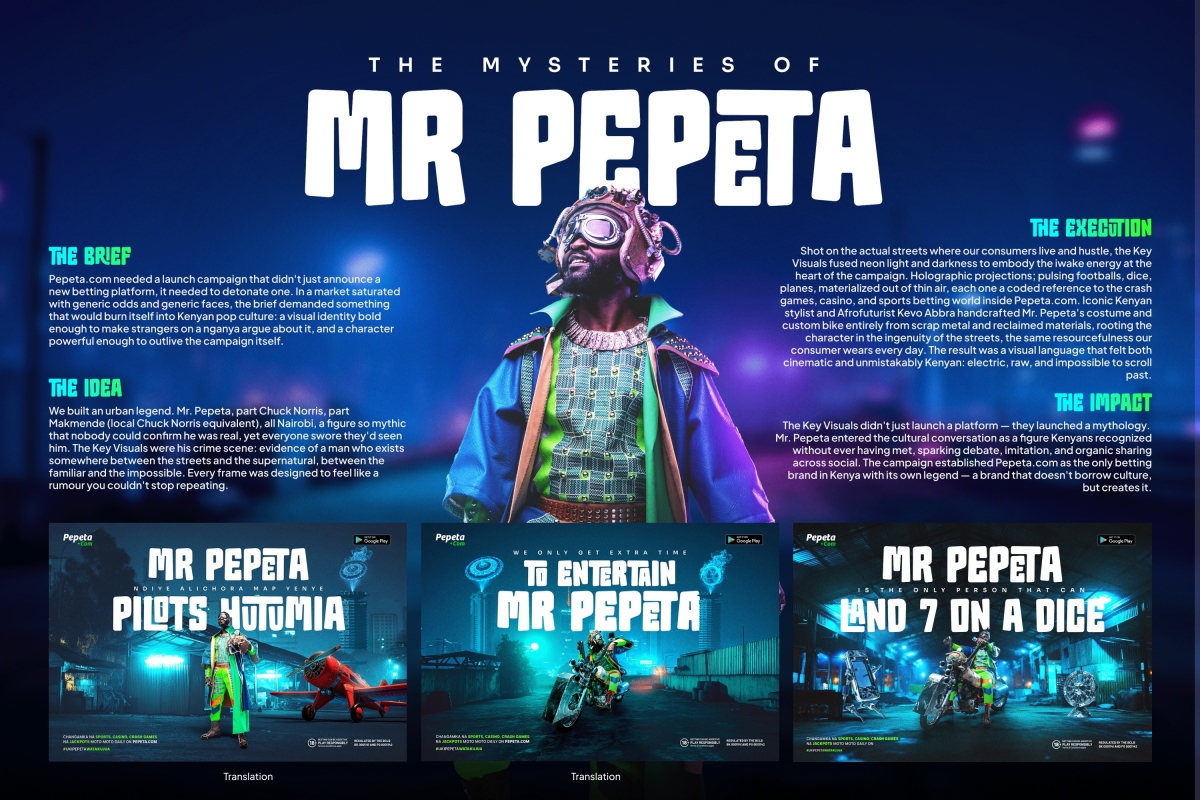
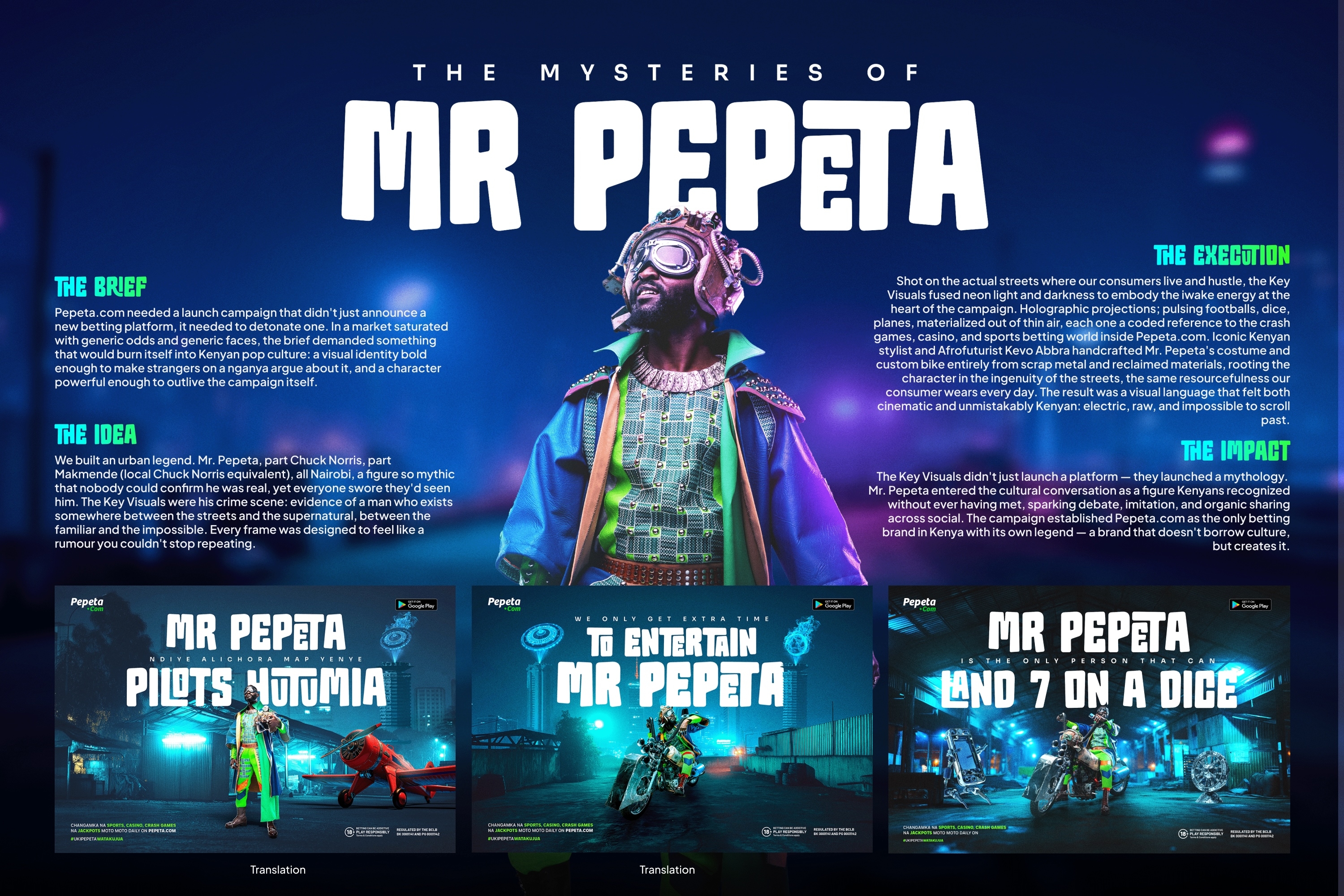
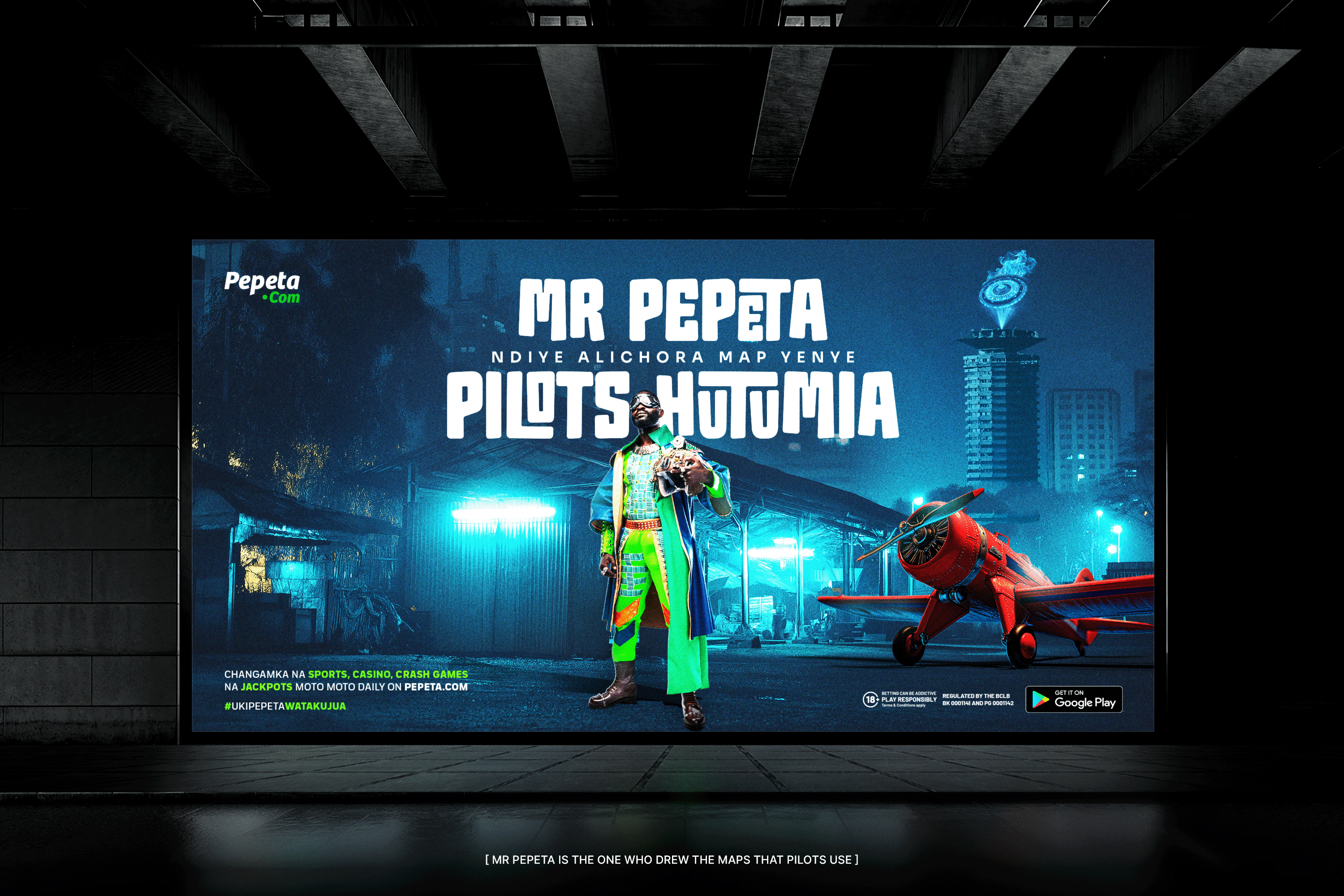
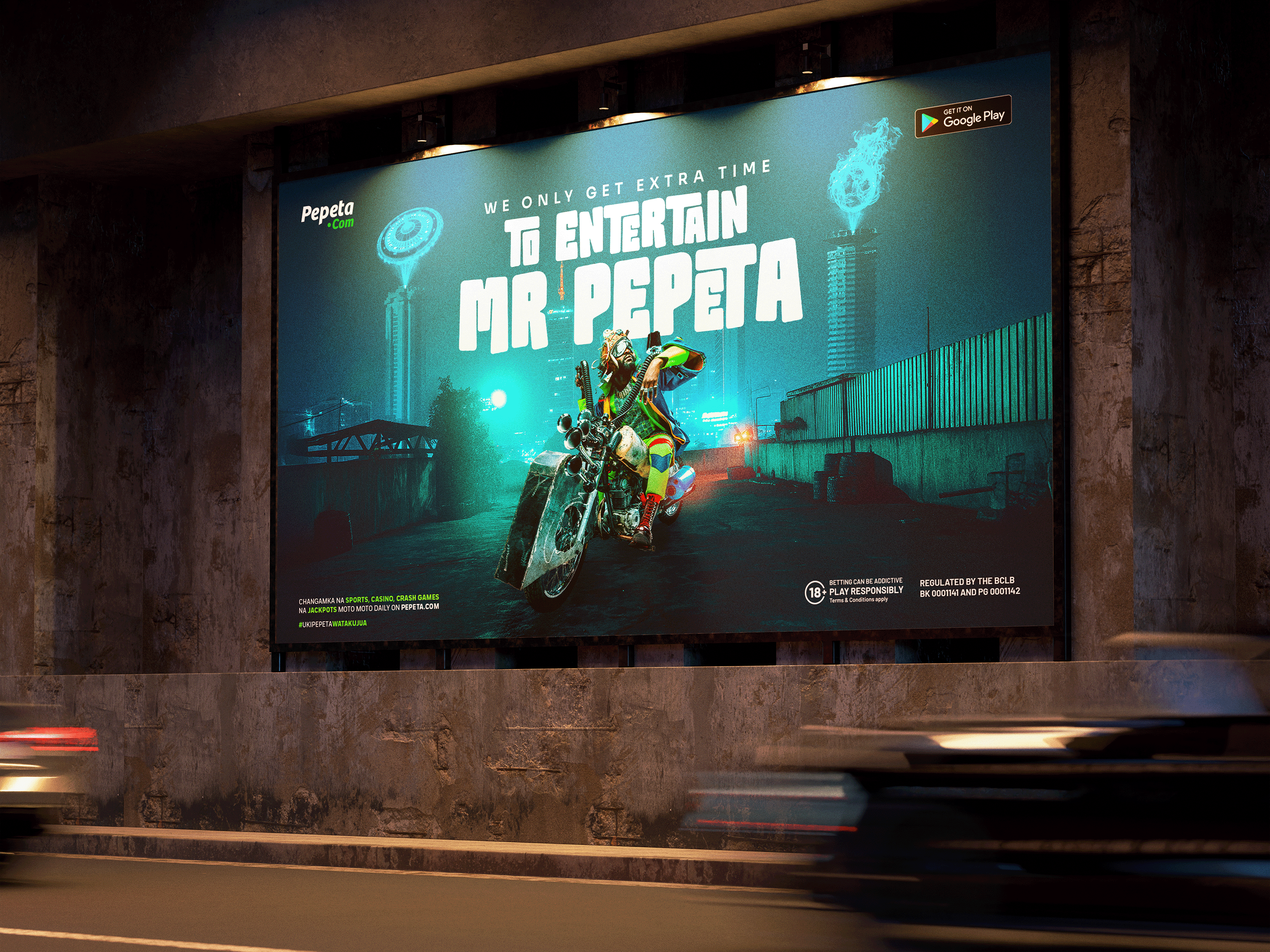
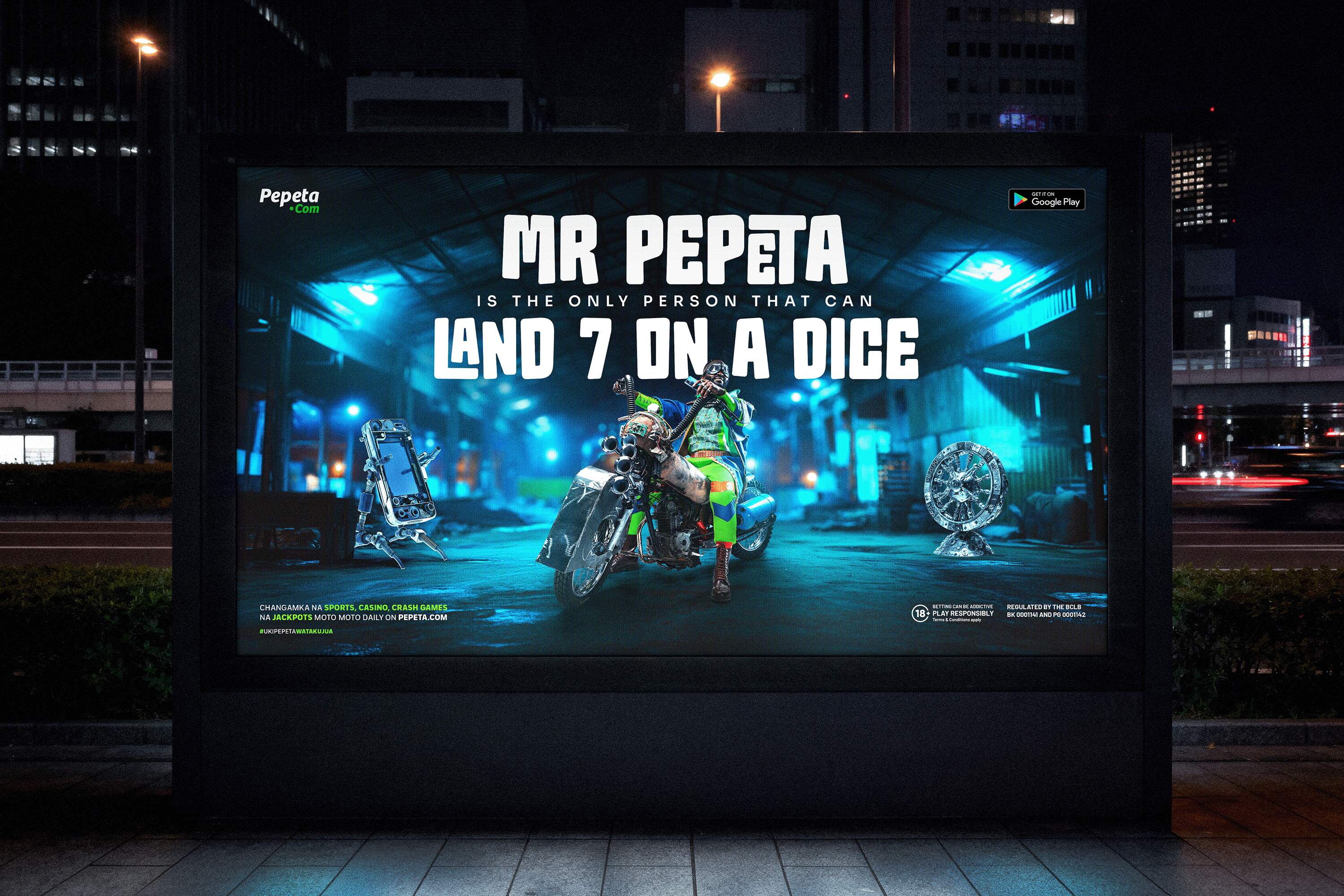
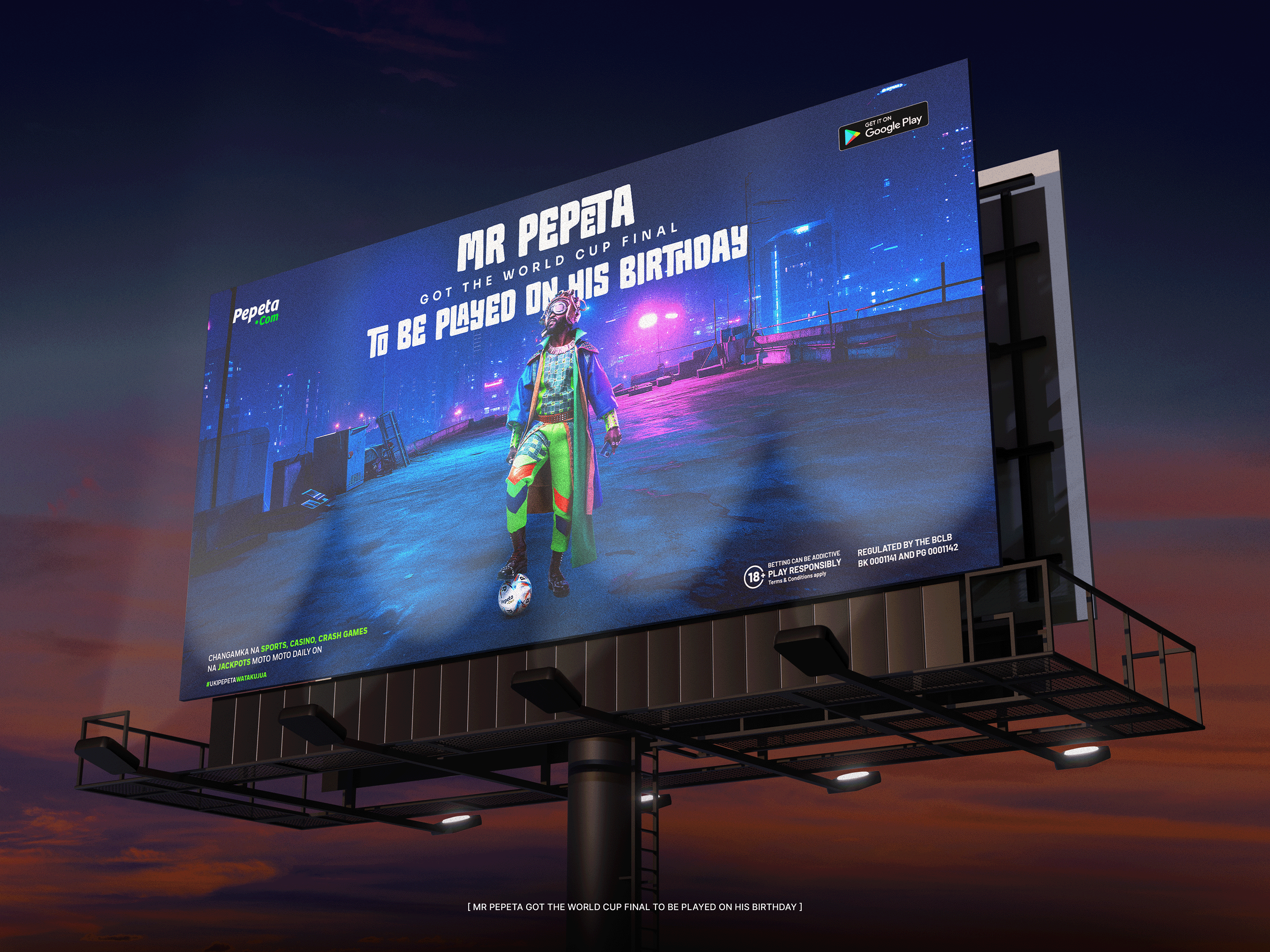
Kenya's betting market had a problem that wasn't about odds. Every platform wore the same generic face, offered the same generic energy, promised the same generic everything. The brief for the launch of Pepeta.com demanded more than a campaign. It demanded detonation. The insight was unassailable: Kenyans don't just bet. They bet to feel alive. To celebrate. To flex. To belong. The streets already carried this energy. The platform just needed a face worthy of it. So we built an urban legend. Mr. Pepeta — part superhero, part philosopher, part street king — a figure so mythic that nobody could confirm he was real, yet everyone swore they'd seen him. Flanked by a cast of Captains, each owning a different game zone, and witnessed by everyday Kenyans mythologized: the Kinyozi guy, Mama Mboga, the matatu conductor, the flashy youth — all caught mid-awe as the legend moved through their world. The campaign didn't just launch a platform. It started a rumour. And Nairobi ran with it.
Kenya's betting market had a problem that wasn't about odds. Every platform wore the same generic face, offered the same generic energy, promised the same generic everything. The brief for the launch of Pepeta.com demanded more than a campaign. It demanded detonation. The insight was unassailable: Kenyans don't just bet. They bet to feel alive. To celebrate. To flex. To belong. The streets already carried this energy. The platform just needed a face worthy of it. So we built an urban legend. Mr. Pepeta — part superhero, part philosopher, part street king — a figure so mythic that nobody could confirm he was real, yet everyone swore they'd seen him. Flanked by a cast of Captains, each owning a different game zone, and witnessed by everyday Kenyans mythologized: the Kinyozi guy, Mama Mboga, the matatu conductor, the flashy youth — all caught mid-awe as the legend moved through their world. The campaign didn't just launch a platform. It started a rumour. And Nairobi ran with it.
Project Innovation / Specification:
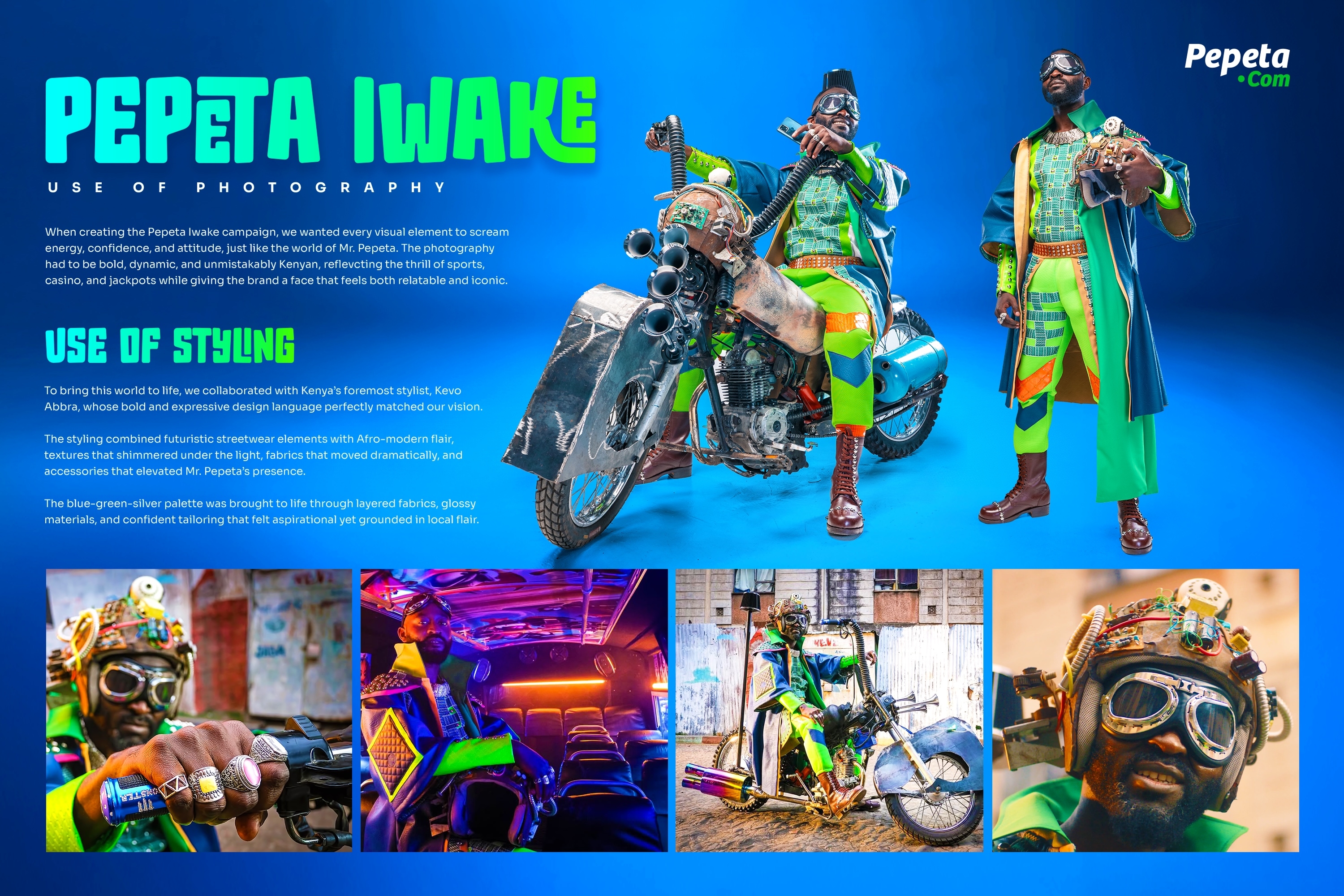
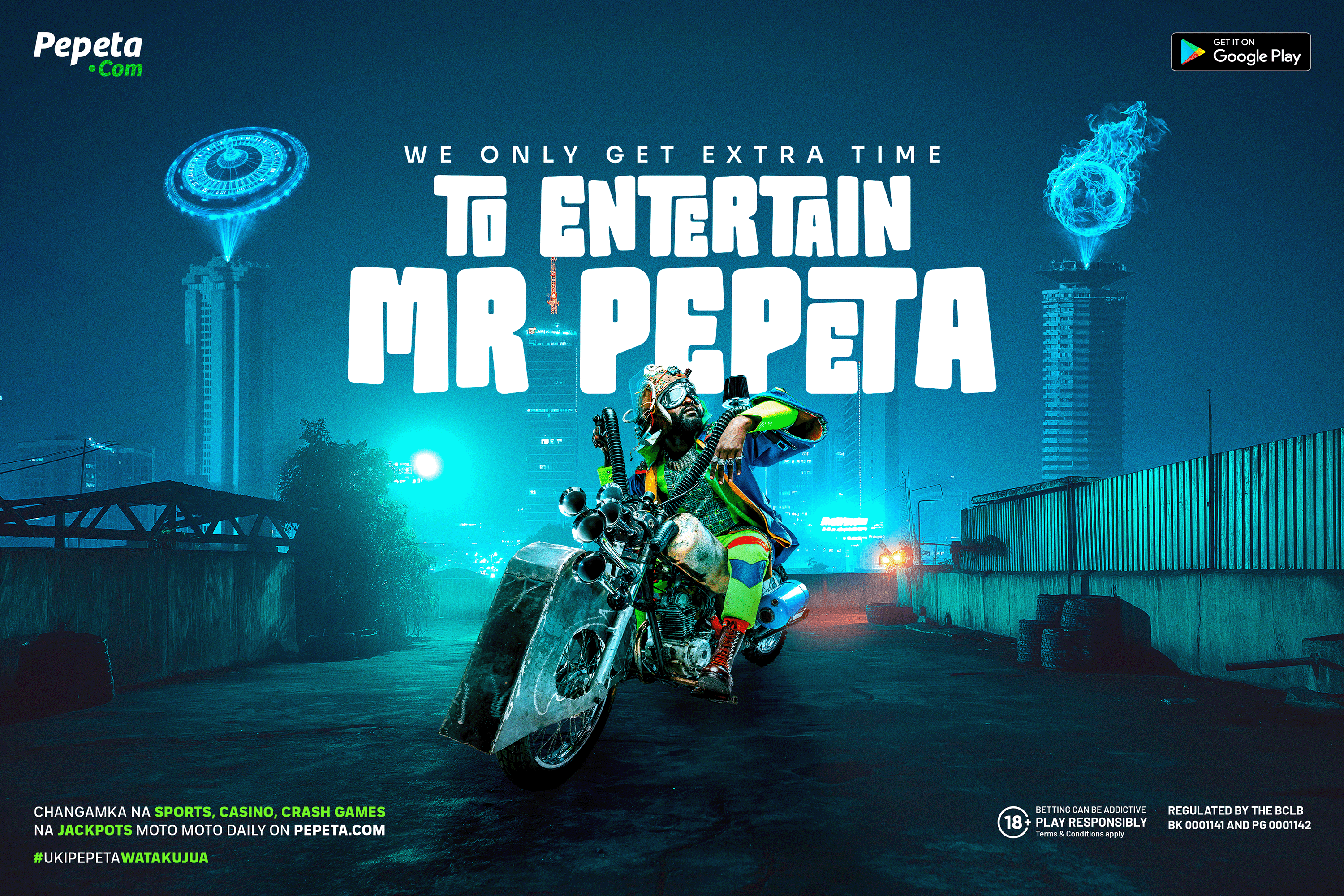
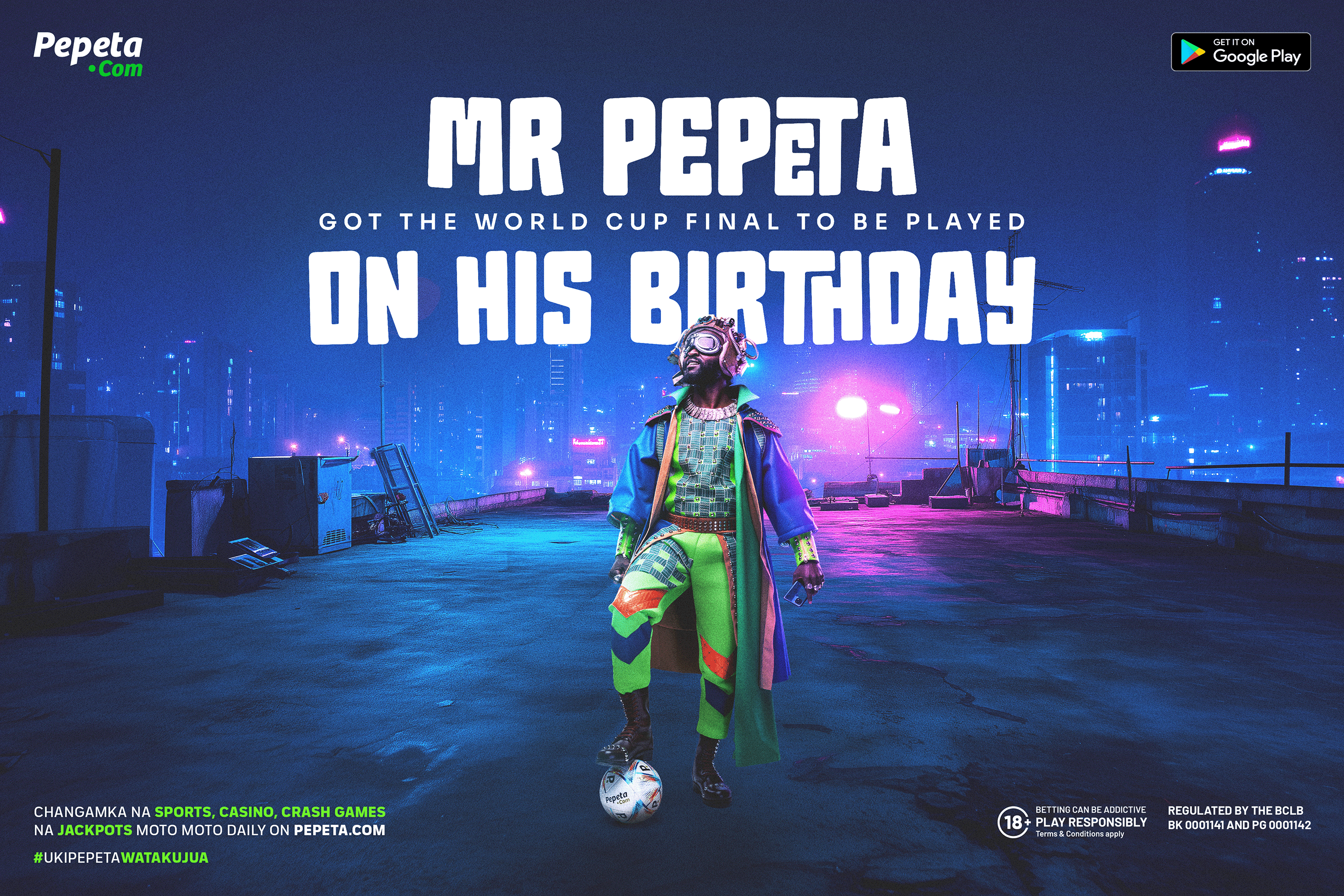
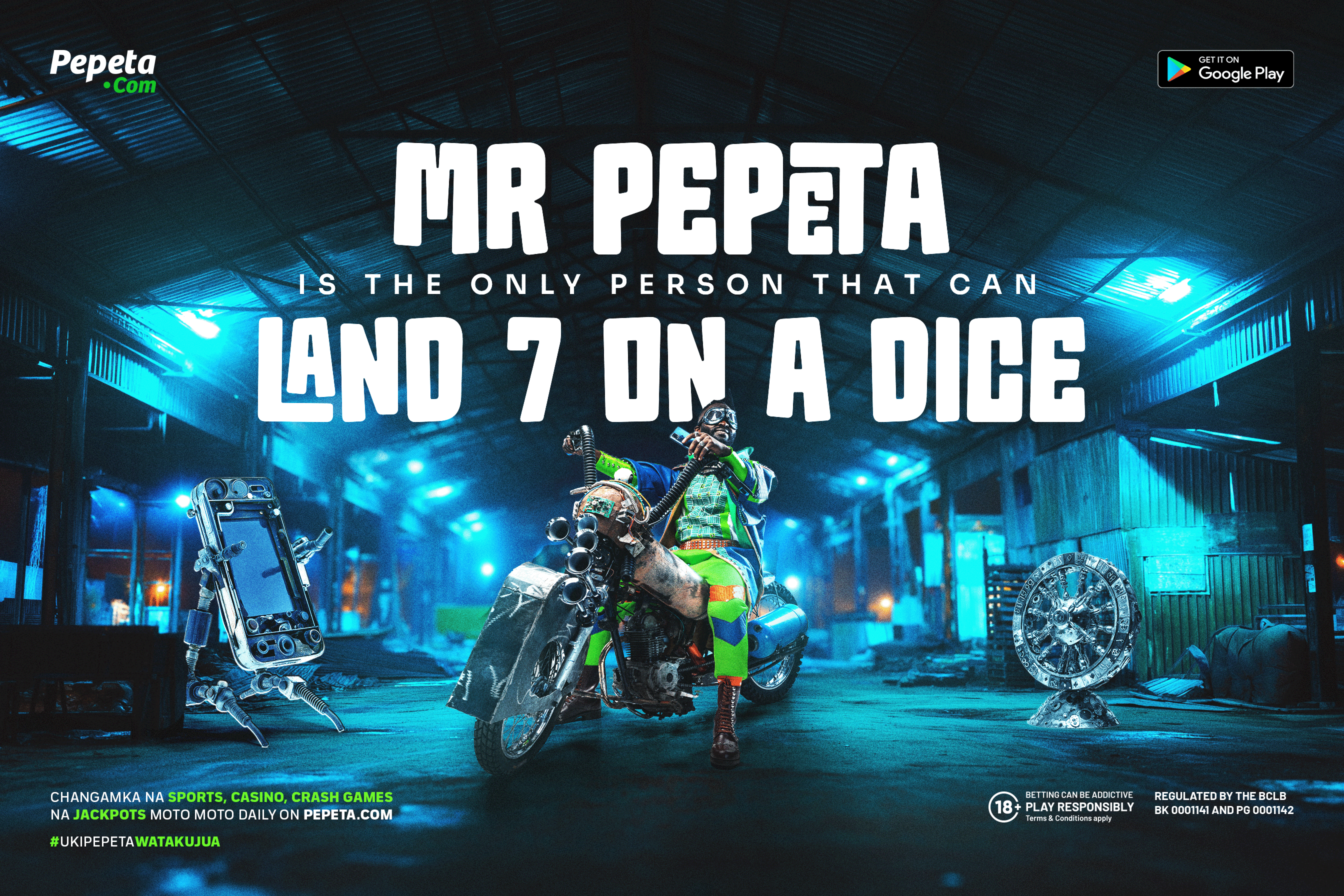
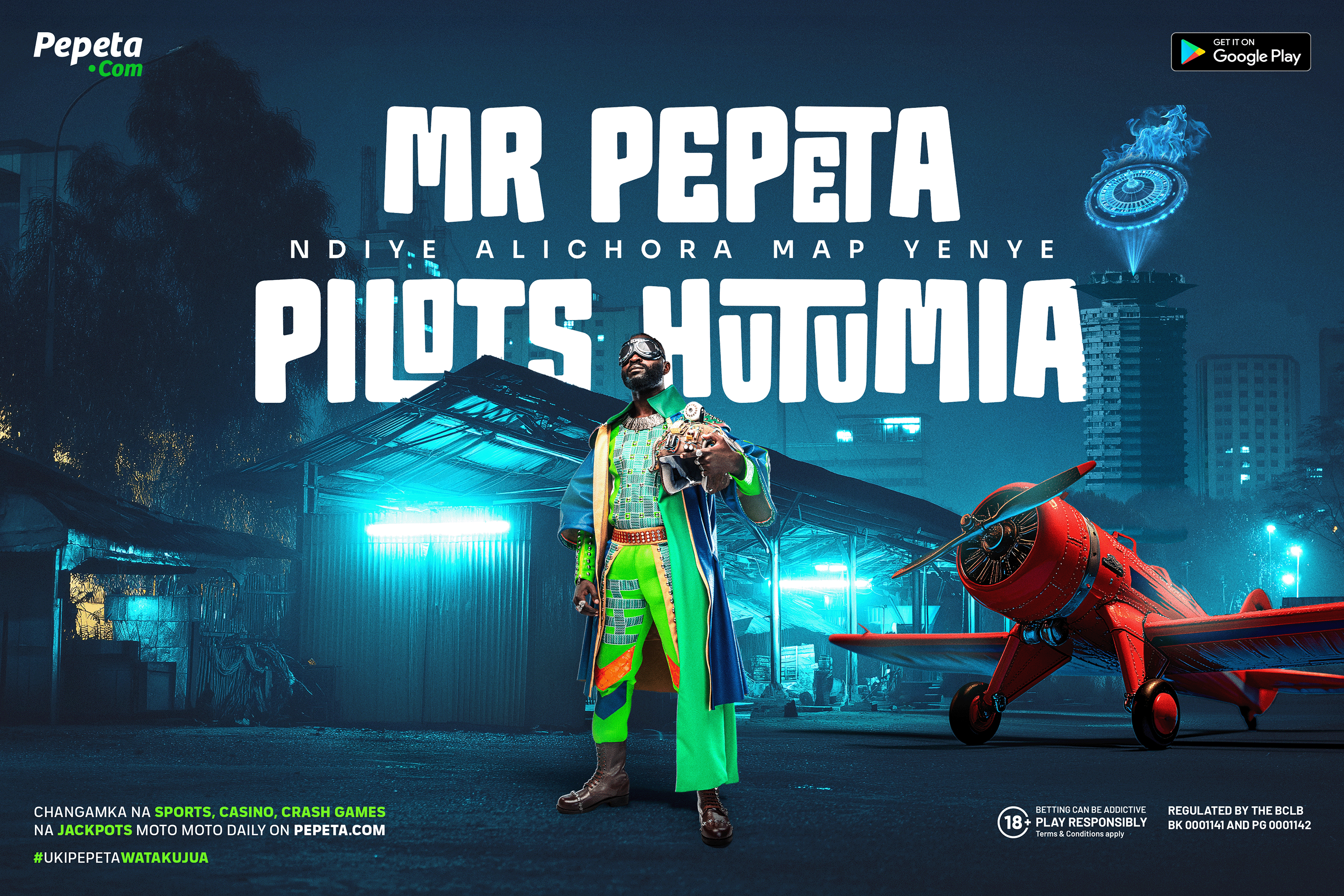
The innovation was building mythology through design. Most advertising creates characters. This created a legend. Mr. Pepeta was never introduced. He was rumoured into existence. Every design decision was made to feel like evidence, not advertising. The compositing technique dropped him into actual Nairobi streets so Kenyans could say, "that's my neighbourhood." The handcrafted costume and bike, built from reclaimed scrap by an Afrofuturist designer, gave him the texture of something real and local, not manufactured in a studio. The holographic projections were coded, not decorative. Footballs for sports betting. Dice for casino. Planes for crash games. The imagery was a puzzle for those who knew the platform. Design doing the work of a product menu, without ever listing a single product. The neon and chrome visual system was built to carry a brand, not just a campaign. Mr. Pepeta became a design language that could scale: across platforms, formats, and future campaign phases, without losing coherence. A character with a mythology deep enough to keep feeding.
The innovation was building mythology through design. Most advertising creates characters. This created a legend. Mr. Pepeta was never introduced. He was rumoured into existence. Every design decision was made to feel like evidence, not advertising. The compositing technique dropped him into actual Nairobi streets so Kenyans could say, "that's my neighbourhood." The handcrafted costume and bike, built from reclaimed scrap by an Afrofuturist designer, gave him the texture of something real and local, not manufactured in a studio. The holographic projections were coded, not decorative. Footballs for sports betting. Dice for casino. Planes for crash games. The imagery was a puzzle for those who knew the platform. Design doing the work of a product menu, without ever listing a single product. The neon and chrome visual system was built to carry a brand, not just a campaign. Mr. Pepeta became a design language that could scale: across platforms, formats, and future campaign phases, without losing coherence. A character with a mythology deep enough to keep feeding.
Project Sustainability Approach:
Most campaign characters are built for a single cycle and retired when the brief changes. Mr. Pepeta was designed to outlive the campaign that created him. The mythology was built with expansion logic from the start. Mr. Pepeta is the anchor — but the cast system was engineered for growth. The four Captains each own a distinct zone within us, which means as the platform launches new products, new categories, or new markets, the cast can grow without breaking the mythology's internal logic. New characters slot into the world naturally, because the world was designed to hold them. The visual language — neon-lit, street-shot, cinematically Kenyan — was built for multi-format longevity. Every key visual was composed for billboards, digital banners, and social media simultaneously, meaning a single production delivers assets across every touchpoint without re-shooting. Kevo Abbra's handcrafted costume and custom motorcycle — built entirely from scrap metal and reclaimed street materials — introduced a sustainability principle woven into the creative itself. This work was made from what already exists on the streets of Nairobi. No imported aesthetics. No borrowed language.
Most campaign characters are built for a single cycle and retired when the brief changes. Mr. Pepeta was designed to outlive the campaign that created him. The mythology was built with expansion logic from the start. Mr. Pepeta is the anchor — but the cast system was engineered for growth. The four Captains each own a distinct zone within us, which means as the platform launches new products, new categories, or new markets, the cast can grow without breaking the mythology's internal logic. New characters slot into the world naturally, because the world was designed to hold them. The visual language — neon-lit, street-shot, cinematically Kenyan — was built for multi-format longevity. Every key visual was composed for billboards, digital banners, and social media simultaneously, meaning a single production delivers assets across every touchpoint without re-shooting. Kevo Abbra's handcrafted costume and custom motorcycle — built entirely from scrap metal and reclaimed street materials — introduced a sustainability principle woven into the creative itself. This work was made from what already exists on the streets of Nairobi. No imported aesthetics. No borrowed language.
Local and Regional Impacts of the Project:
In a market where every betting brand chases the same consumer with the same energy, we entered with a character — and Kenya noticed. Mr. Pepeta tapped into a visual tradition Nairobi already owns: the urban legend. The figure everyone knows but nobody can place. From Makmende to the neighbourhood story that grows with every retelling, Kenya has always understood mythic characters. The campaign spoke that language fluently. By shooting on actual Nairobi streets, casting everyday Kenyans as mythologised witnesses — the Kinyozi, Mama Mboga, the matatu conductor — and building the costume from reclaimed local materials, the campaign didn't just reference Kenyan culture. It was made from it. We became the only betting brand in Kenya with its own legend.
In a market where every betting brand chases the same consumer with the same energy, we entered with a character — and Kenya noticed. Mr. Pepeta tapped into a visual tradition Nairobi already owns: the urban legend. The figure everyone knows but nobody can place. From Makmende to the neighbourhood story that grows with every retelling, Kenya has always understood mythic characters. The campaign spoke that language fluently. By shooting on actual Nairobi streets, casting everyday Kenyans as mythologised witnesses — the Kinyozi, Mama Mboga, the matatu conductor — and building the costume from reclaimed local materials, the campaign didn't just reference Kenyan culture. It was made from it. We became the only betting brand in Kenya with its own legend.