SportXCulture — Capturing the Indigenous Games of Namibia
Prize(s):
WINNER 2026 Print & Digital / Poster and Flyer | Print & Digital / Sign and Exhibit
Company Name:Turipamwe Design Trading & The Project Room
Lead Designer(s) Name(s):Tanya Stroh
Design Team / Other designer(s):Jean-Claude Tjitamunisa, Candice Mouton
Other Contributor(s):Adam Smaruj, Dennis Schroeder, Frieda Lühl, Thuba Sibanda, Valerie Ostheimer
Client Name:GiZ Namibia S4DA and the Goethe-Institut Namibia
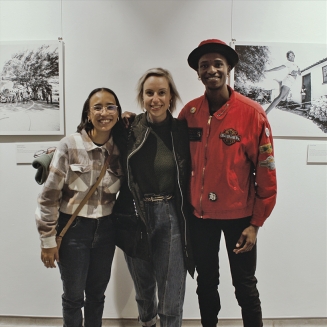
Photo Credit:SportXCulture Photographs: Adam Smaruj, Storyworks Nam. Exhibition opening: Jean-Claude Tjitamunisa
Project Location:Windhoek, Namibia
Design Status:Commercialized
Website: View
Video URL:View
Project Description:
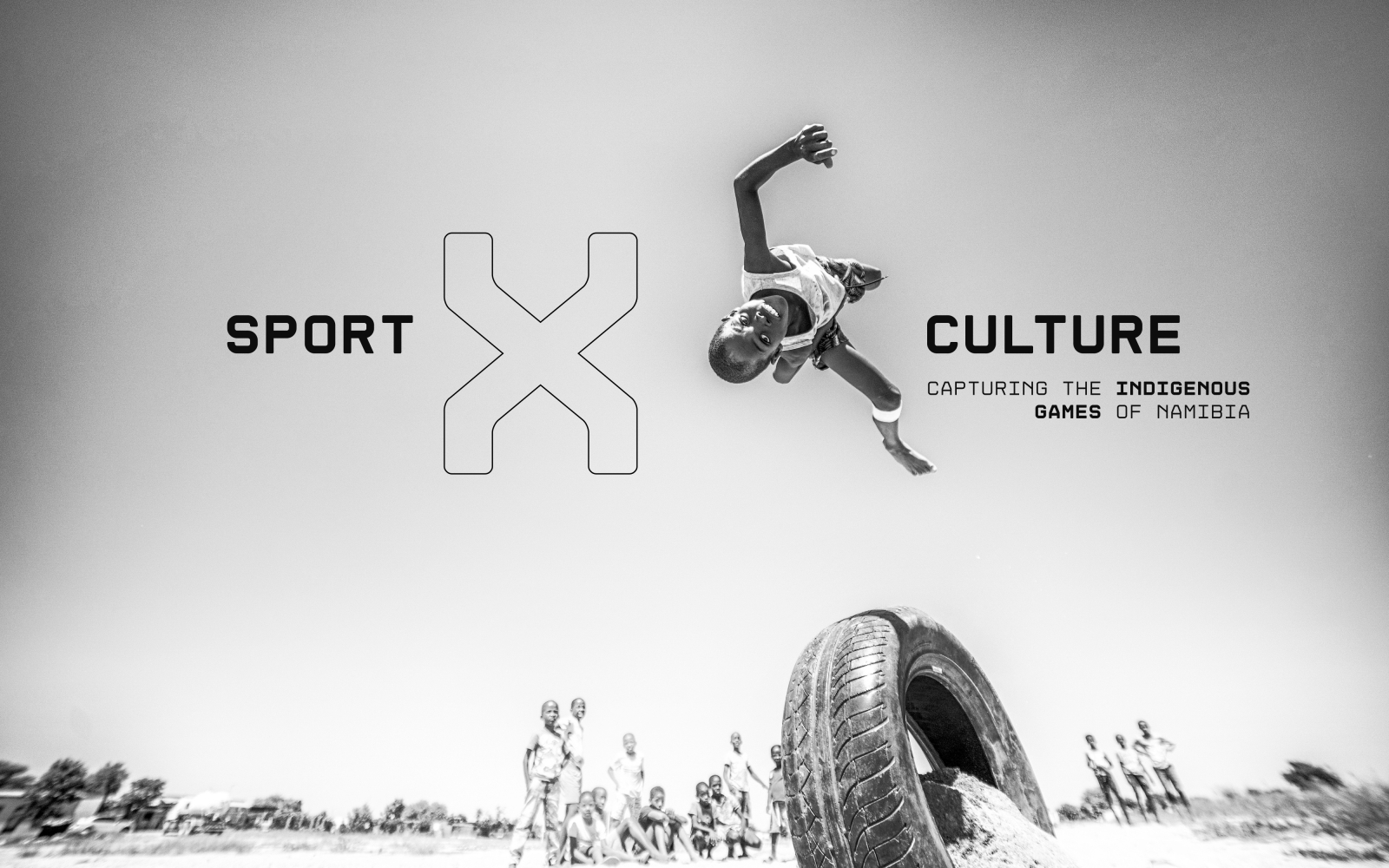
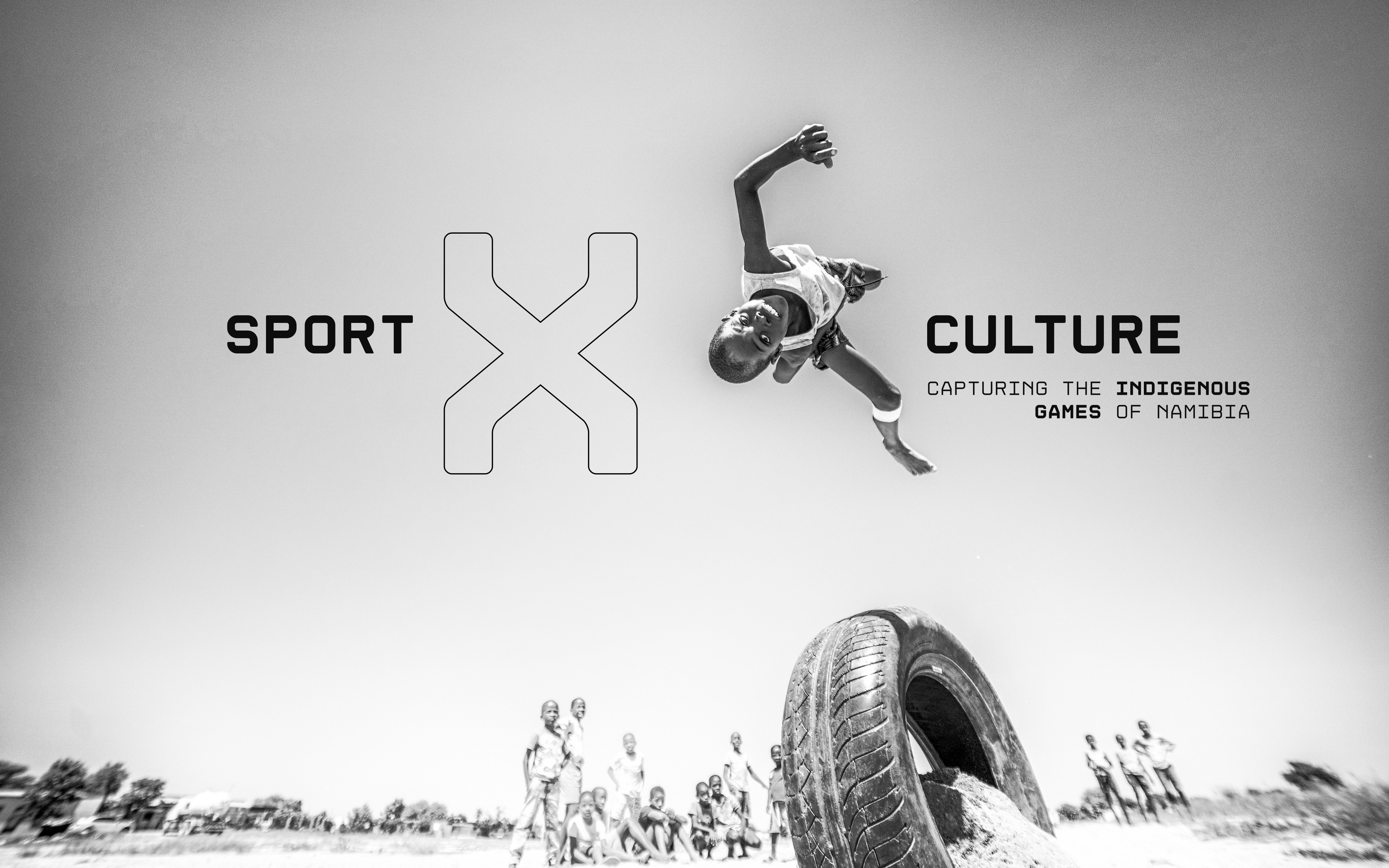
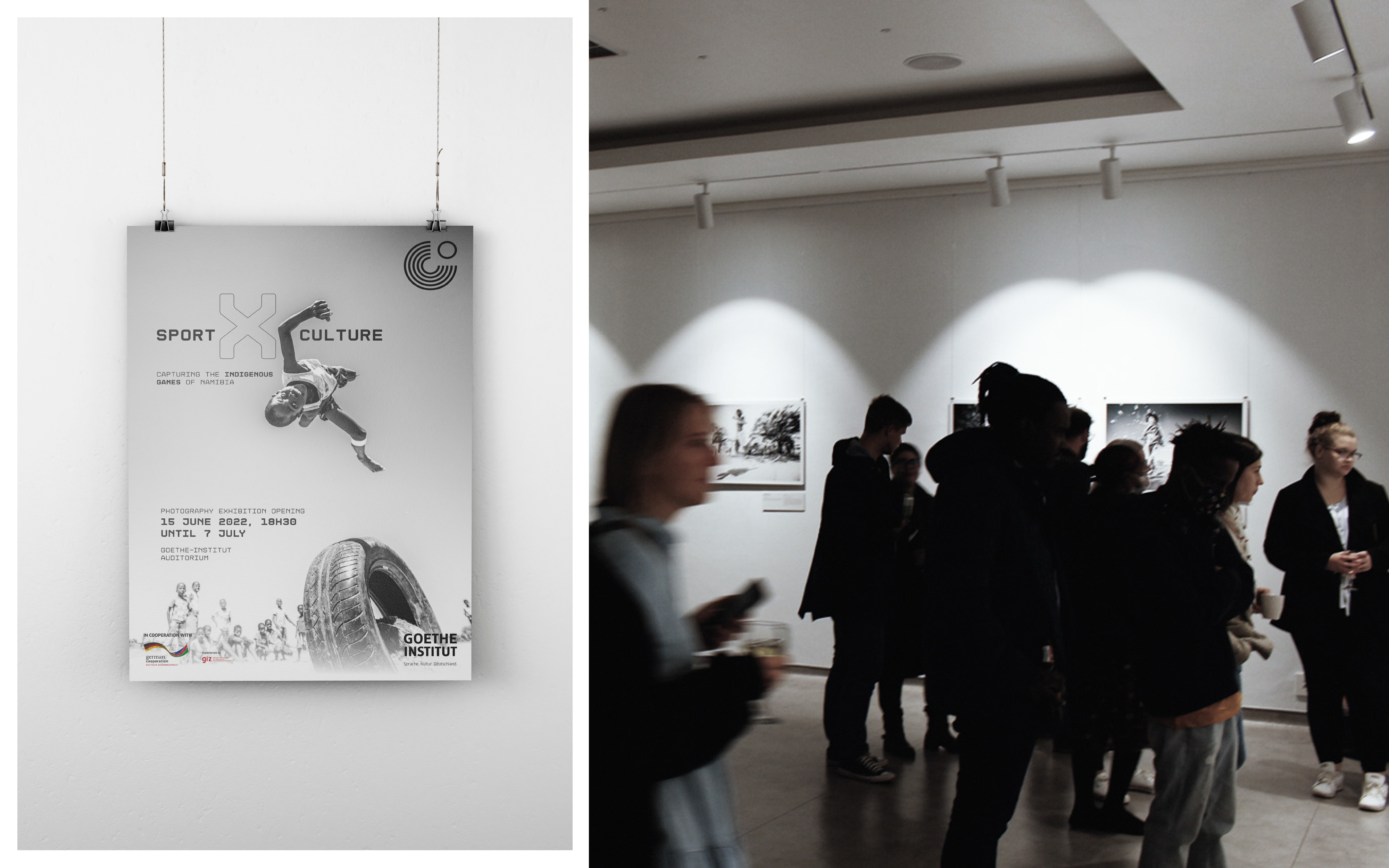
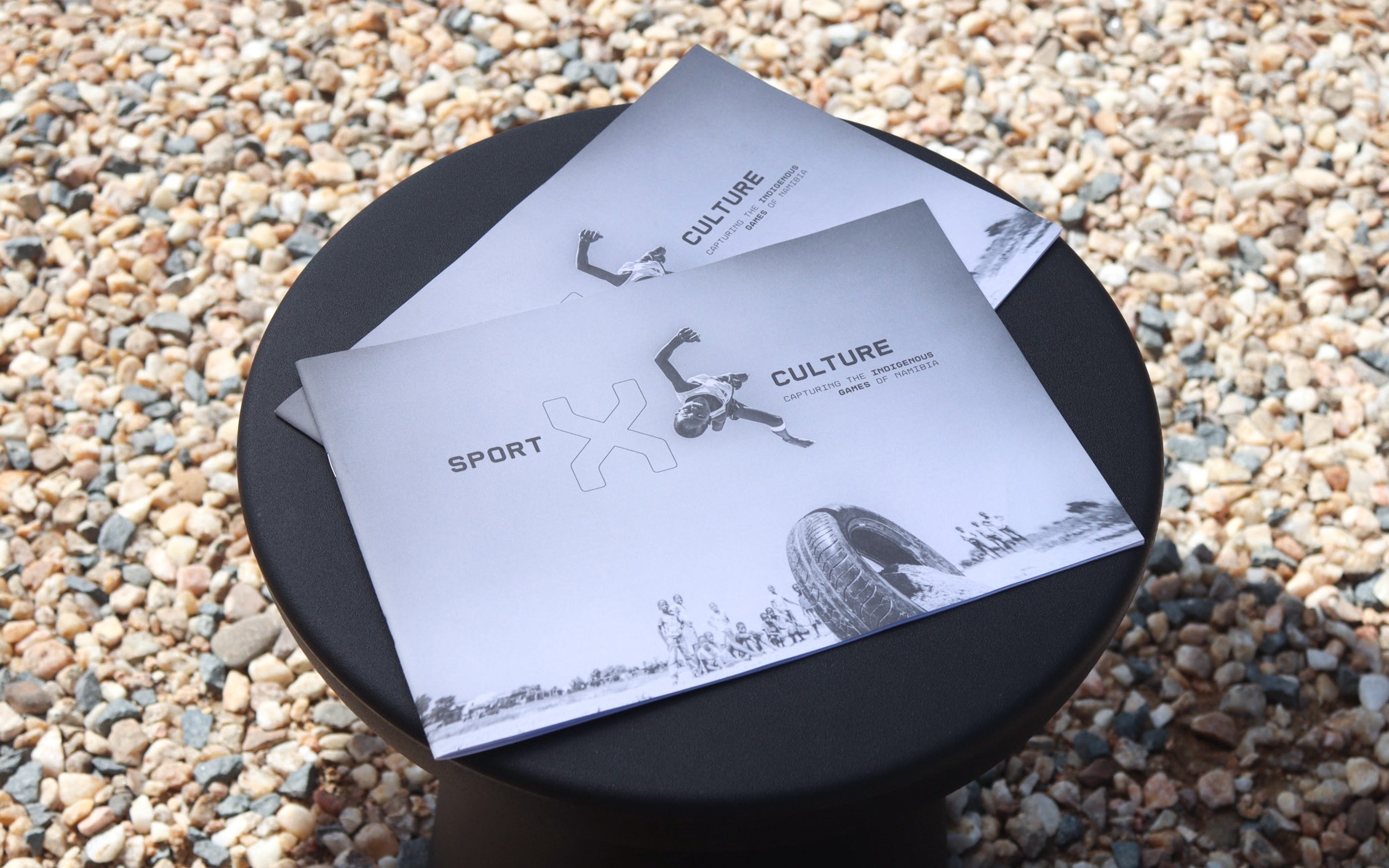
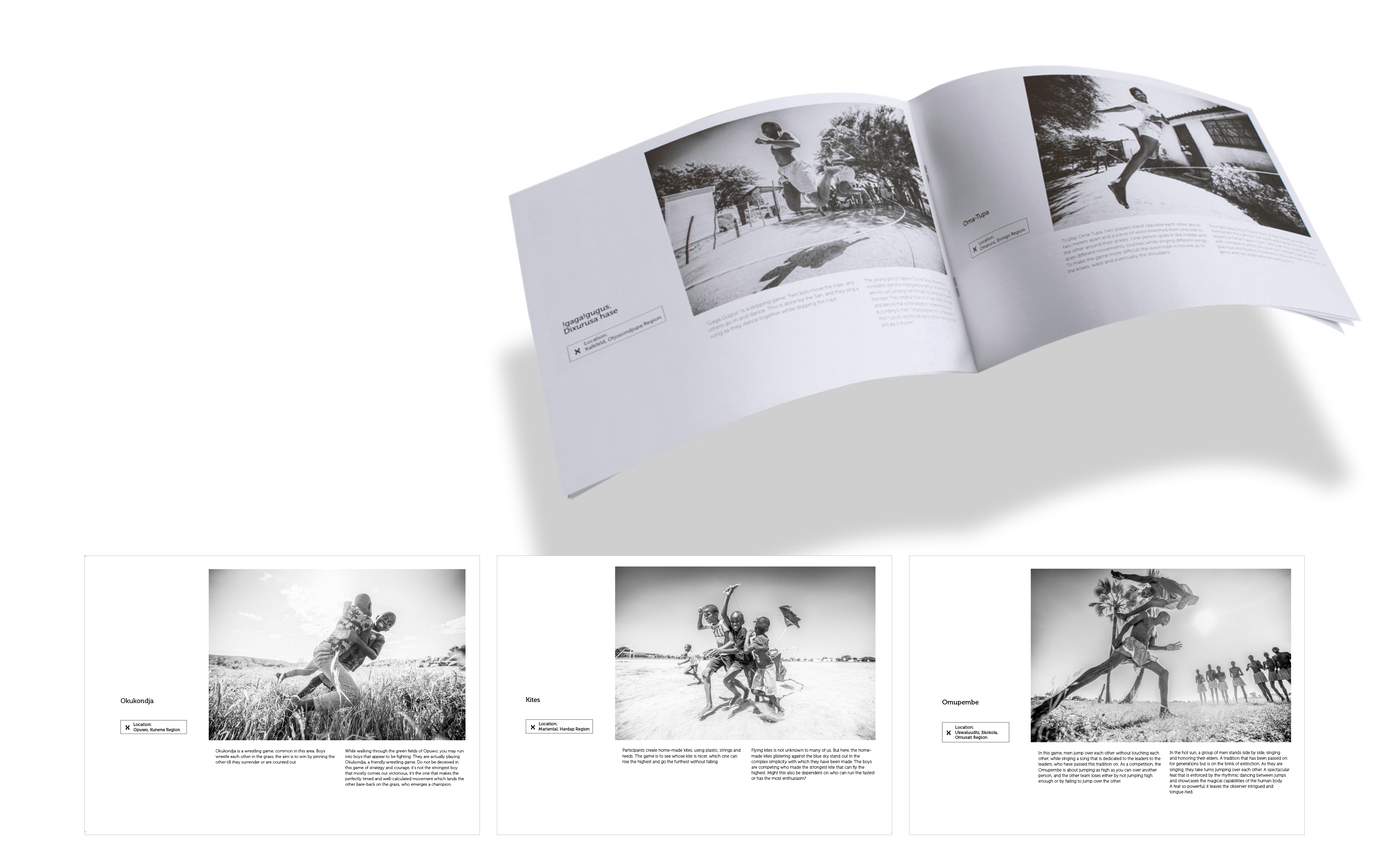
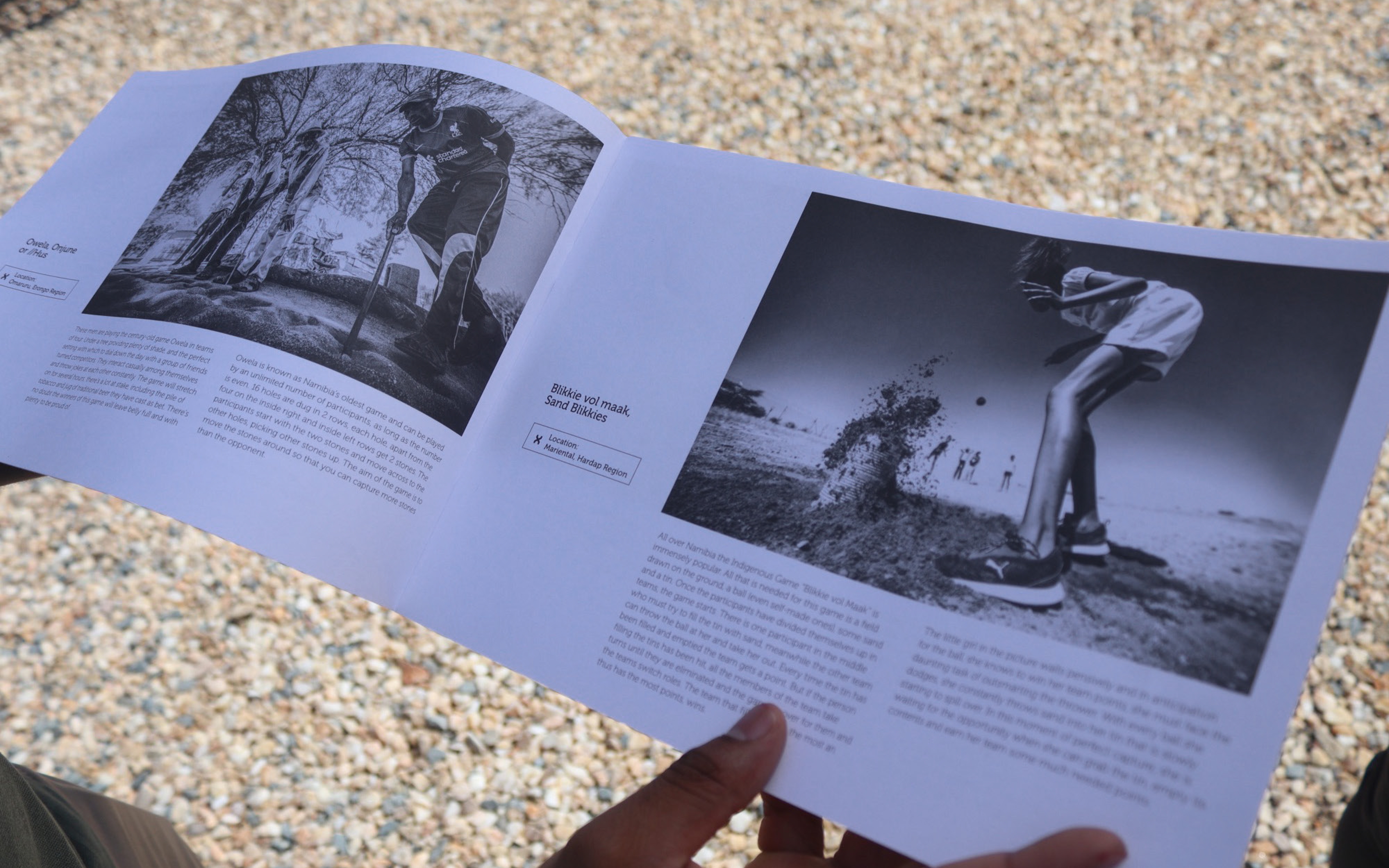
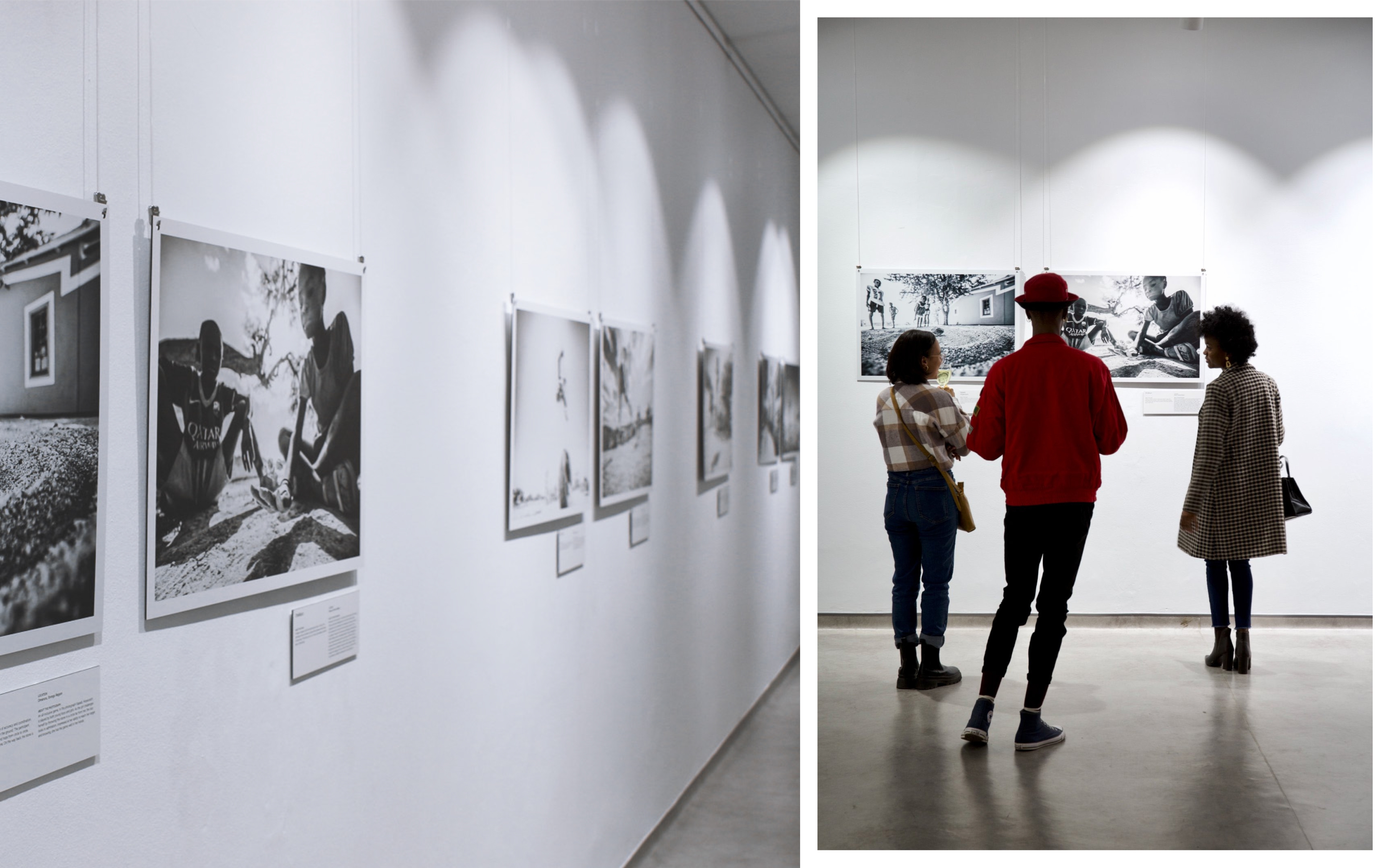
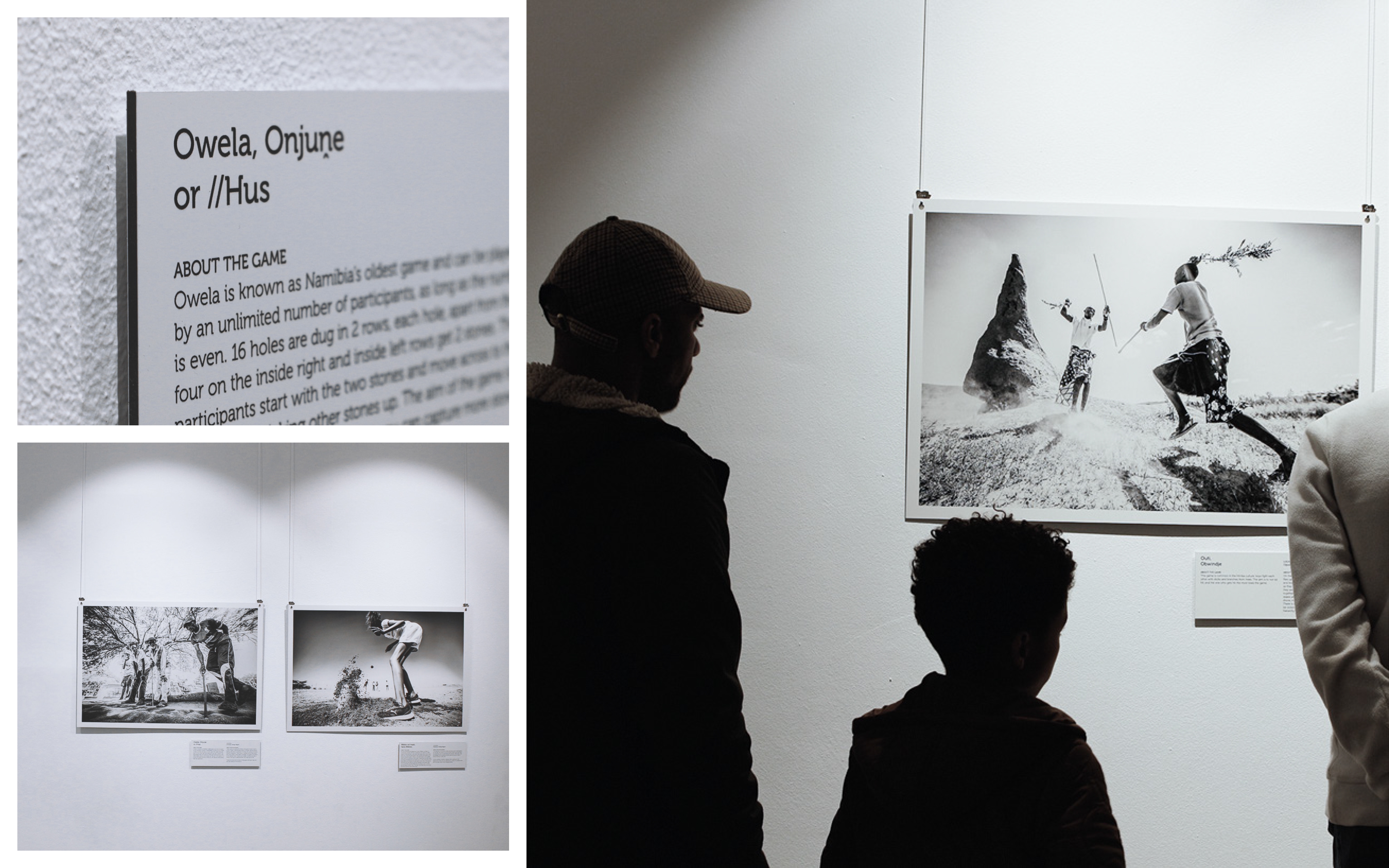
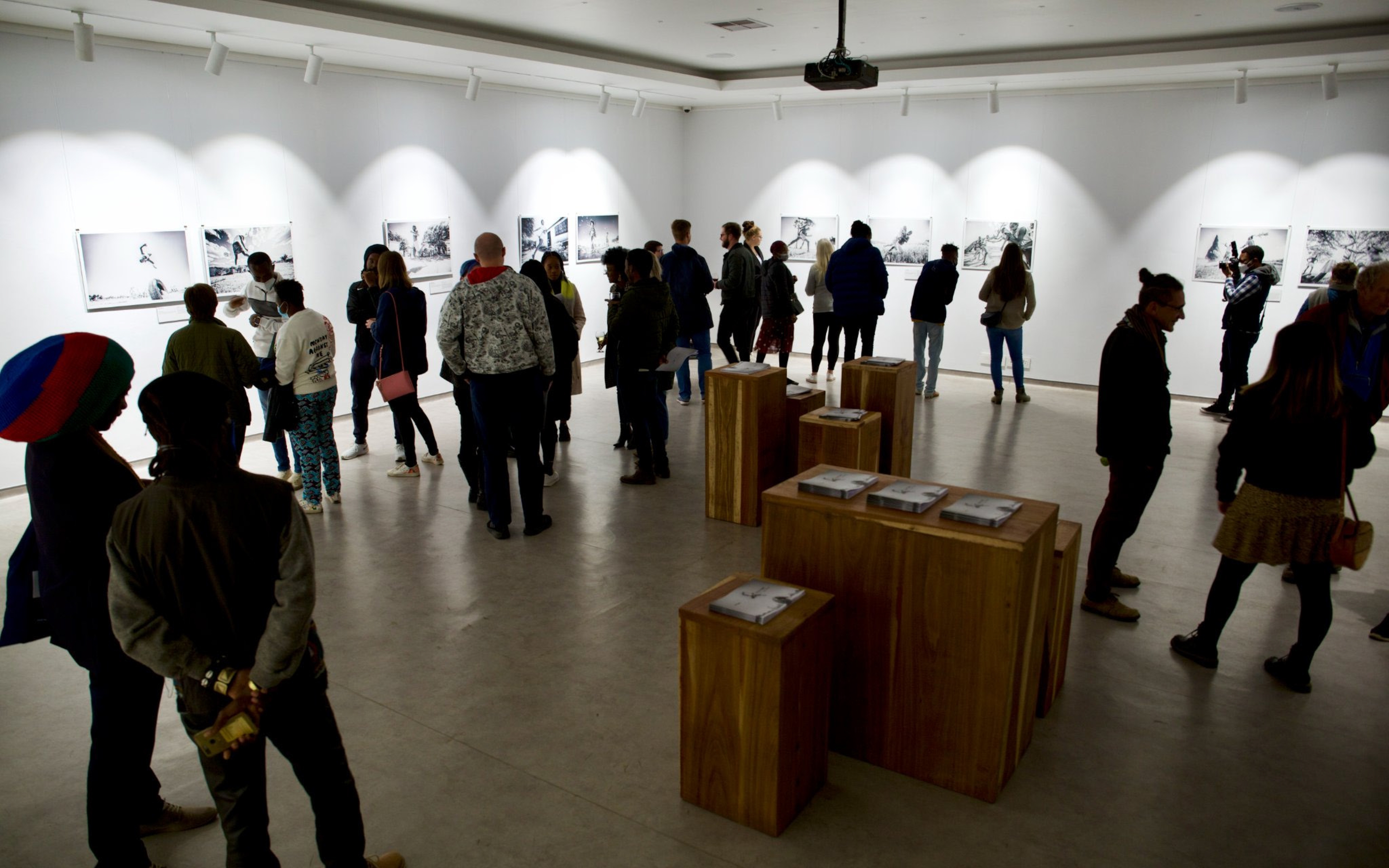
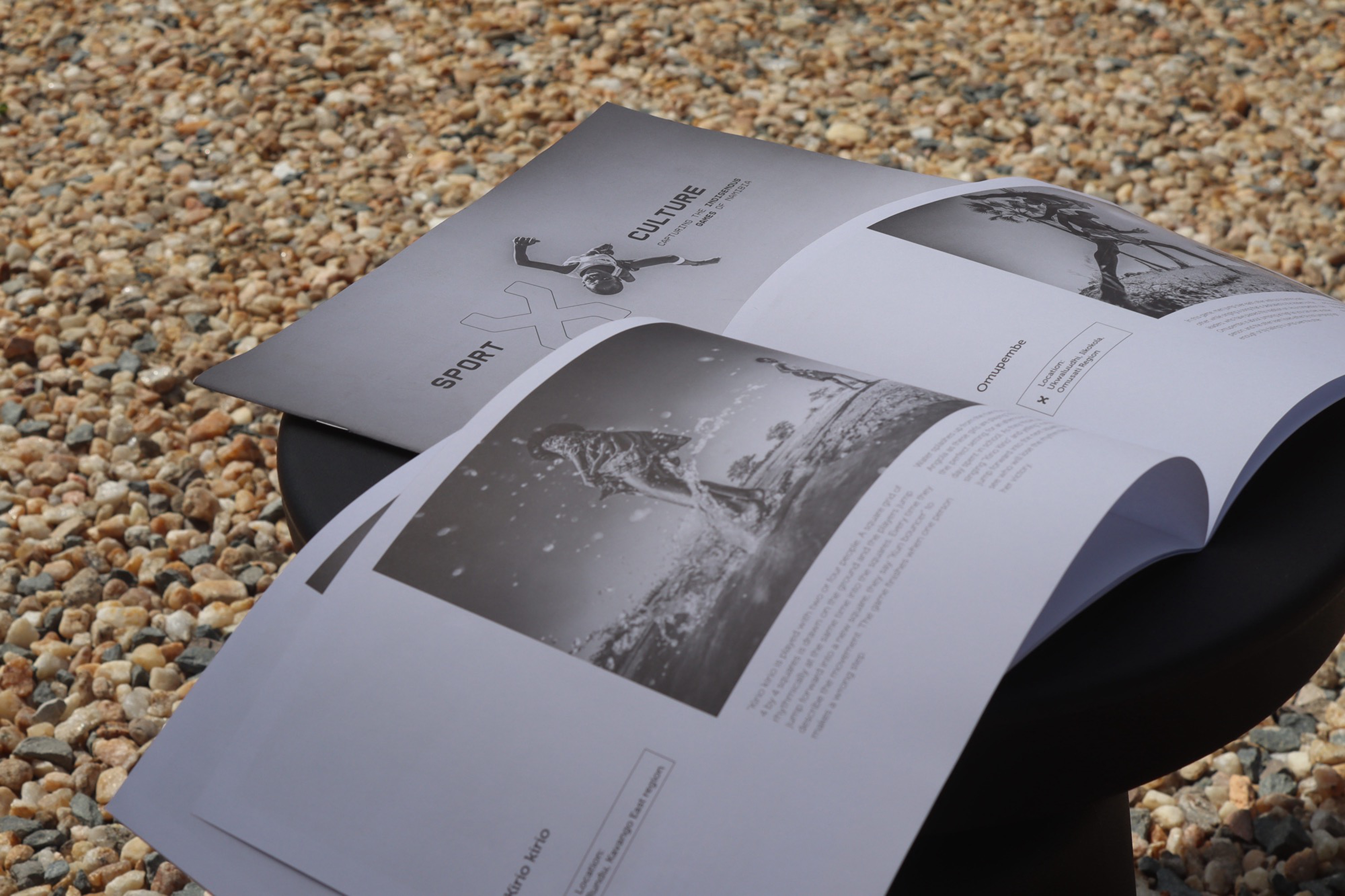
SportXCulture is a communication design project documenting the indigenous games of Namibia as living systems of cultural knowledge. Through a travelling photographic exhibition, poster, and accompanying catalogue, the project captures traditional sports and games practised across multiple regions, preserving practices that are largely transmitted through movement, oral tradition, and collective participation. Rather than organising the work by geography alone, the exhibition presents games according to shared physical logic — grouping games played with sand, games focused on fine motor skills, and games centred on strength, rhythm, or bodily endurance. This curatorial approach highlights the intelligence embedded in play, revealing indigenous games as sophisticated systems shaped by environment, material availability, and social structure. The project invites audiences to encounter these games not as historical remnants, but as contemporary expressions of creativity, discipline, and community — practices that continue to shape identity, belonging, and intergenerational connection.
SportXCulture is a communication design project documenting the indigenous games of Namibia as living systems of cultural knowledge. Through a travelling photographic exhibition, poster, and accompanying catalogue, the project captures traditional sports and games practised across multiple regions, preserving practices that are largely transmitted through movement, oral tradition, and collective participation. Rather than organising the work by geography alone, the exhibition presents games according to shared physical logic — grouping games played with sand, games focused on fine motor skills, and games centred on strength, rhythm, or bodily endurance. This curatorial approach highlights the intelligence embedded in play, revealing indigenous games as sophisticated systems shaped by environment, material availability, and social structure. The project invites audiences to encounter these games not as historical remnants, but as contemporary expressions of creativity, discipline, and community — practices that continue to shape identity, belonging, and intergenerational connection.
Project Innovation / Specification:
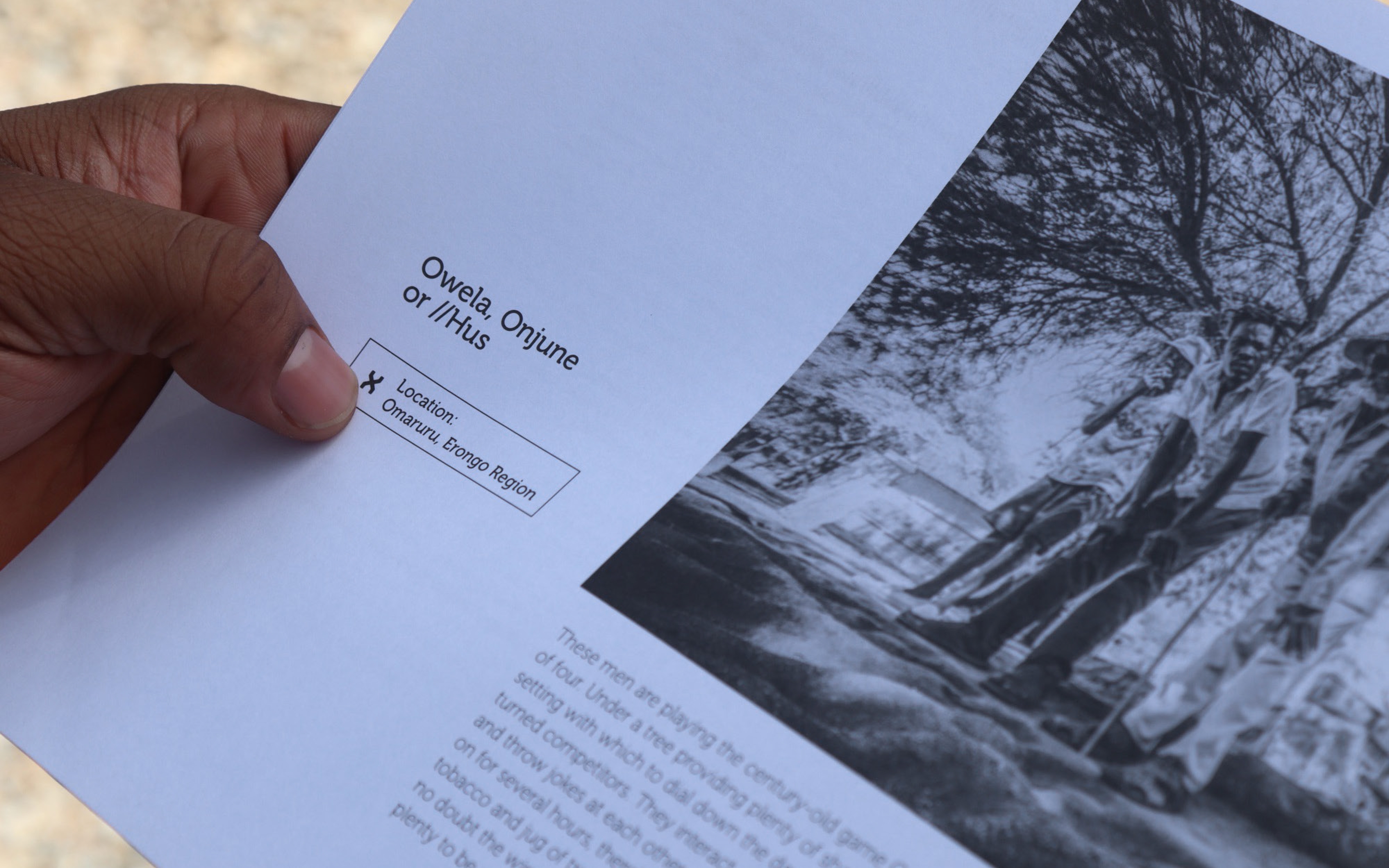
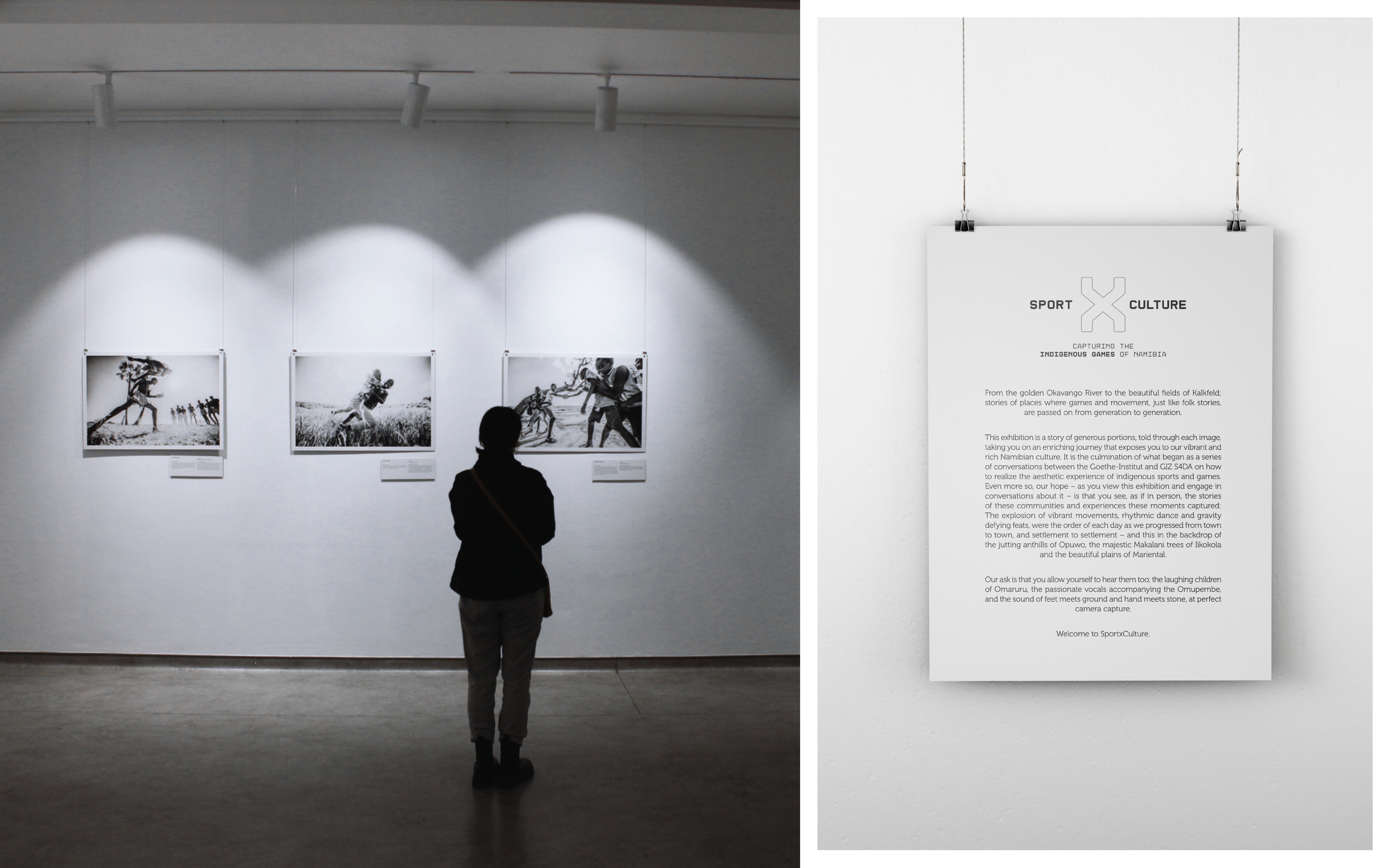
The project innovates by translating embodied, kinetic knowledge into a visual communication system that prioritises movement over explanation. The photographer’s background in parkour — a discipline rooted in flow, spatial awareness, and dynamic movement — directly informs the visual language. This influence is evident in the framing, timing, and precision of each image, which captures bodies mid-air, in tension, or at peak exertion with heightened sensitivity to rhythm and balance. Photographs were edited in black and white to emphasise form, motion, and physical intensity. Stripped of colour distraction, each image reads like a paused film frame, foregrounding athleticism, agility, and human connection to space. Typography was selected for its strong linear quality, evoking Namibian wood-carving traditions and hand-painted signage. The typeface supports indigenous languages through extended glyph sets and is scaled generously for legibility in both formal and informal exhibition contexts. Curatorial materials were produced at A1 scale on durable Chromadeck panels, enabling the exhibition to move beyond gallery walls into schools, community halls, and outdoor settings.
The project innovates by translating embodied, kinetic knowledge into a visual communication system that prioritises movement over explanation. The photographer’s background in parkour — a discipline rooted in flow, spatial awareness, and dynamic movement — directly informs the visual language. This influence is evident in the framing, timing, and precision of each image, which captures bodies mid-air, in tension, or at peak exertion with heightened sensitivity to rhythm and balance. Photographs were edited in black and white to emphasise form, motion, and physical intensity. Stripped of colour distraction, each image reads like a paused film frame, foregrounding athleticism, agility, and human connection to space. Typography was selected for its strong linear quality, evoking Namibian wood-carving traditions and hand-painted signage. The typeface supports indigenous languages through extended glyph sets and is scaled generously for legibility in both formal and informal exhibition contexts. Curatorial materials were produced at A1 scale on durable Chromadeck panels, enabling the exhibition to move beyond gallery walls into schools, community halls, and outdoor settings.
Project Sustainability Approach:
Sustainability was approached through cultural resilience, material longevity, and accessibility. Exhibition materials were designed for repeated use and transport, with robust Chromadeck panels mounted using steel thread to withstand varied environments and reduce the need for reprinting. This ensured the exhibition could travel across regions and contexts without dependence on formal gallery infrastructure. The exhibition catalogue was printed on sustainably sourced 100gsm bond paper, balancing environmental responsibility with affordability. This enabled a wider print run, allowing the catalogue to function as both documentation and keepsake, extending the project’s life beyond the exhibition period. By documenting indigenous games in active use — rather than reconstructing or stylising them — the project supports the preservation of intangible heritage through visibility and transmission. Sustainability here is understood as continuity: enabling cultural practices to be seen, shared, and reactivated across generations and spaces.
Sustainability was approached through cultural resilience, material longevity, and accessibility. Exhibition materials were designed for repeated use and transport, with robust Chromadeck panels mounted using steel thread to withstand varied environments and reduce the need for reprinting. This ensured the exhibition could travel across regions and contexts without dependence on formal gallery infrastructure. The exhibition catalogue was printed on sustainably sourced 100gsm bond paper, balancing environmental responsibility with affordability. This enabled a wider print run, allowing the catalogue to function as both documentation and keepsake, extending the project’s life beyond the exhibition period. By documenting indigenous games in active use — rather than reconstructing or stylising them — the project supports the preservation of intangible heritage through visibility and transmission. Sustainability here is understood as continuity: enabling cultural practices to be seen, shared, and reactivated across generations and spaces.
Local and Regional Impacts of the Project:
Locally, the project created recognition and validation for communities whose knowledge is primarily embodied and rarely formally recorded. Participants saw their practices reflected with dignity, reinforcing pride and intergenerational exchange, particularly among children and youth. Regionally, the project contributes to broader African conversations about indigenous games as cultural infrastructure—practices that foster resilience, creativity, and social cohesion. By presenting traditional games through a contemporary communication lens, the project supports cross-cultural understanding and positions indigenous knowledge as relevant to current discussions on heritage, education, and development across the continent.
Locally, the project created recognition and validation for communities whose knowledge is primarily embodied and rarely formally recorded. Participants saw their practices reflected with dignity, reinforcing pride and intergenerational exchange, particularly among children and youth. Regionally, the project contributes to broader African conversations about indigenous games as cultural infrastructure—practices that foster resilience, creativity, and social cohesion. By presenting traditional games through a contemporary communication lens, the project supports cross-cultural understanding and positions indigenous knowledge as relevant to current discussions on heritage, education, and development across the continent.
Company Name:Turipamwe Design Trading & The Project Room
Lead Designer(s) Name(s):Tanya Stroh
Profile Description:
Turipamwe is a Namibia-based design practice working across communication design, spatial storytelling, and co-creation. Rooted in African contexts, the studio approaches design as a vehicle for understanding, dialogue, and impact. Its work spans cultural, civic, and social sectors, combining research, visual systems, and facilitation to translate complex ideas into clear, human-centred outcomes. Turipamwe is particularly interested in design that is authored from within context and responsive to local realities, while remaining legible and relevant on international platforms.
Turipamwe is a Namibia-based design practice working across communication design, spatial storytelling, and co-creation. Rooted in African contexts, the studio approaches design as a vehicle for understanding, dialogue, and impact. Its work spans cultural, civic, and social sectors, combining research, visual systems, and facilitation to translate complex ideas into clear, human-centred outcomes. Turipamwe is particularly interested in design that is authored from within context and responsive to local realities, while remaining legible and relevant on international platforms.
Environmental Practices:
Environmental responsibility is approached through thoughtful, context-sensitive choices rather than prescriptive frameworks. Where possible, projects prioritise durable materials, modular design, and reuse to extend the life of outputs beyond single-use applications. Indigenous knowledge systems and local ways of making inform decisions around materiality, scale, and production. Sustainability is understood as cultural and environmental continuity — designing work that is adaptable, respectful of resources, and able to exist meaningfully across time, place, and use.
Environmental responsibility is approached through thoughtful, context-sensitive choices rather than prescriptive frameworks. Where possible, projects prioritise durable materials, modular design, and reuse to extend the life of outputs beyond single-use applications. Indigenous knowledge systems and local ways of making inform decisions around materiality, scale, and production. Sustainability is understood as cultural and environmental continuity — designing work that is adaptable, respectful of resources, and able to exist meaningfully across time, place, and use.
Previous Awards Won:
Shortlisted The Eiger Foundation African Photobook of the Year Awards, 2022 Hentie Burger, Namibia Unique Awards Won Close Film Festival 2023, Best Poster Design
Shortlisted The Eiger Foundation African Photobook of the Year Awards, 2022 Hentie Burger, Namibia Unique Awards Won Close Film Festival 2023, Best Poster Design